
For this article, think of patient support programs as the service layer around a therapy: they help eligible patients navigate access, understand treatment, and stay engaged after start. In pharma, the strongest programs connect affordability, education, and follow-up into one measurable operating model.
This guide is for US pharma brand teams, omnichannel leads, commercial ops, CRM owners, and agency partners who need a clearer way to design or modernize a pharma PSP. You will learn how patient support programs improve access, education, and adherence, how to separate PSP scope from PAP scope, what to measure, and where governance usually breaks down.
What are patient support programs?
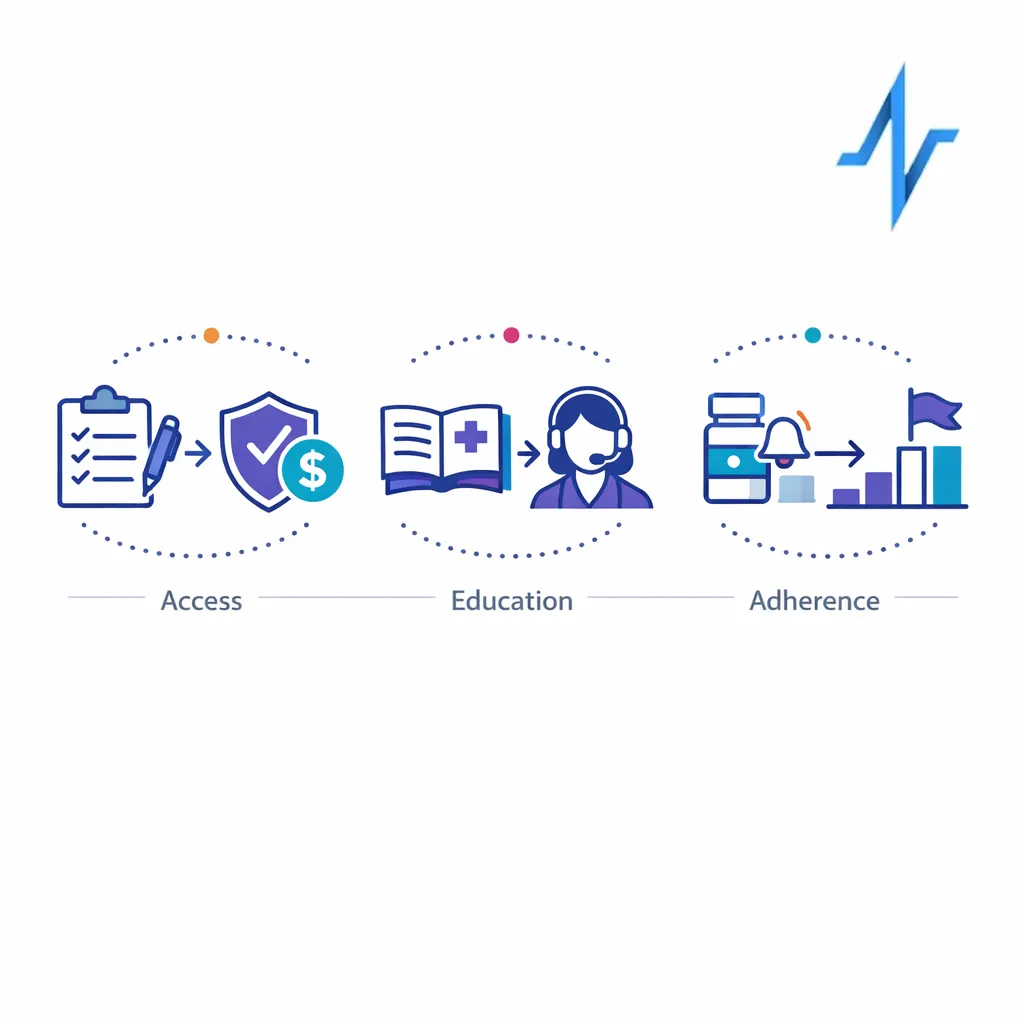
A patient support program is not one tactic. It is the coordinated system of people, workflows, content, and data that helps a patient move from interest or prescription to therapy start and ongoing persistence.
In practice, pharma patient support programs usually sit between brand strategy and real-world treatment operations. They can include enrollment, access triage, affordability pathways, treatment onboarding, refill reminders, and case escalation when a patient or provider hits a barrier.
PSP vs PAP: what’s the difference?
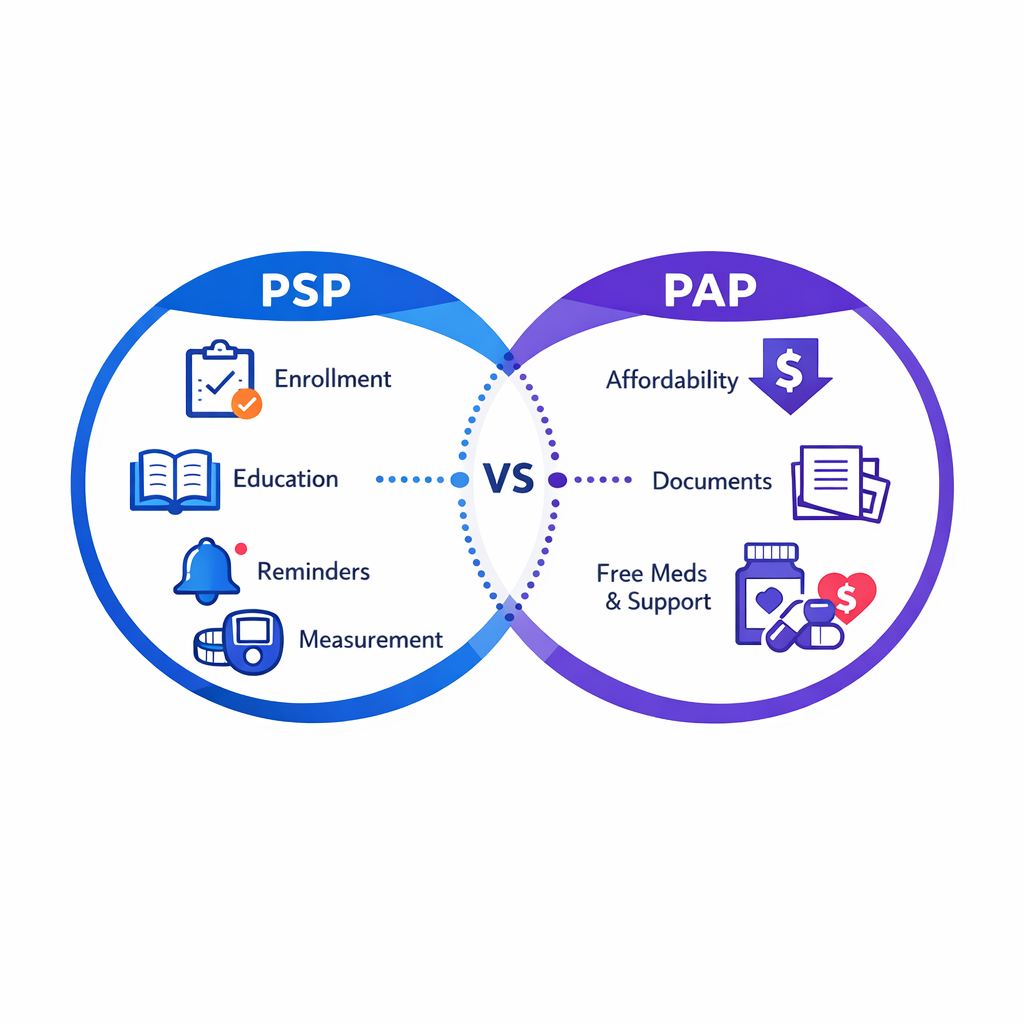
A useful working distinction is to treat PSP as the broader service model and PAP as the affordability-specific part of that model. Teams often use the acronyms loosely, but separating them makes planning much easier.
- PSP: the full support experience, including access navigation, education, reminders, and measurement.
- PAP: the affordability slice, often focused on free-drug support, documentation, or other financial access pathways.
- Copay support: another affordability tool, typically narrower than a full patient support program.
Why this distinction matters for pharma teams, providers, and patients
If a brand treats every access issue as “the PSP,” reporting gets blurry fast. Teams cannot tell whether lift came from affordability, faster enrollment, provider office enablement, or better follow-up after first dispense.
The distinction also affects governance. Affordability workflows, education services, and digital engagement do not all carry the same compliance, operational, or measurement requirements, so they should not be managed as one undifferentiated bucket.
How patient support programs improve access
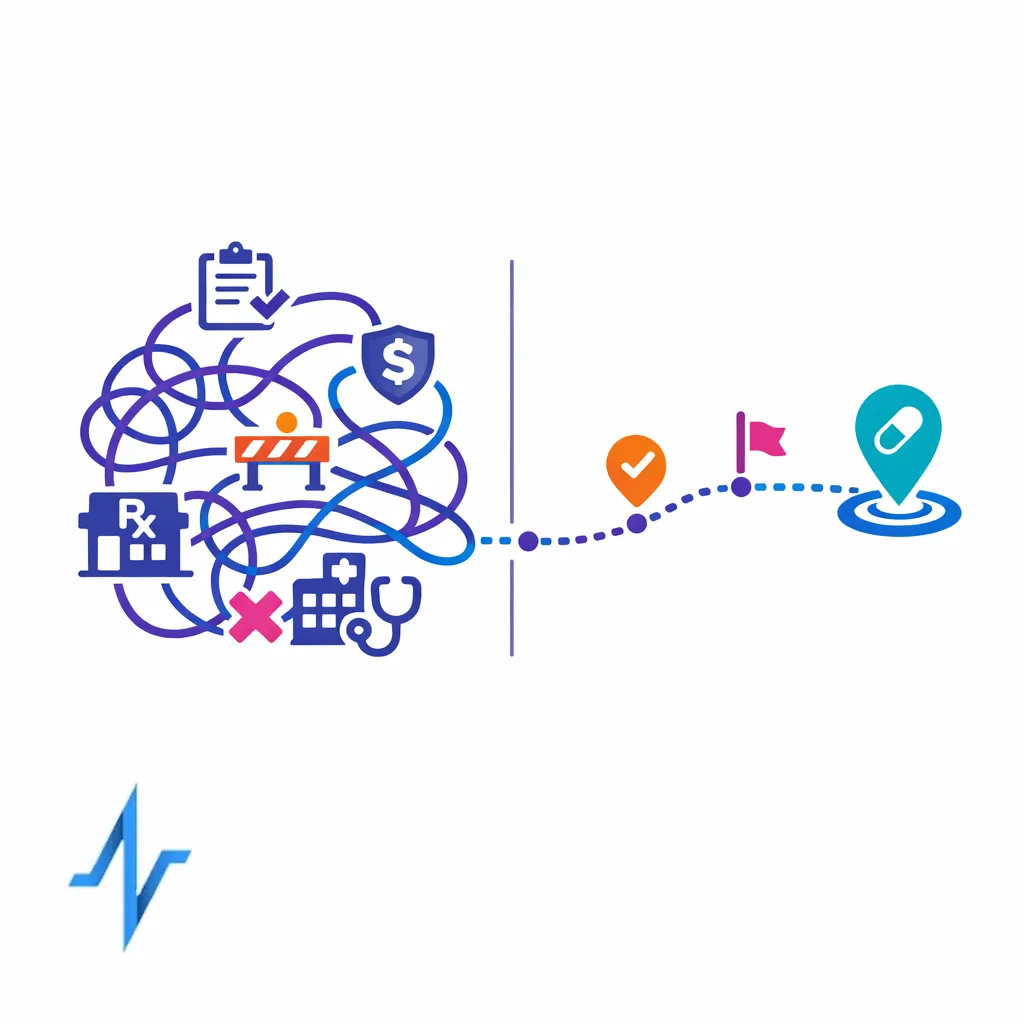
Access is where many programs create their first measurable impact. Before a patient ever gets to adherence, the brand has to reduce friction across verification, paperwork, channel routing, affordability, and first-fill coordination.
Benefits verification, prior authorization, and reimbursement navigation
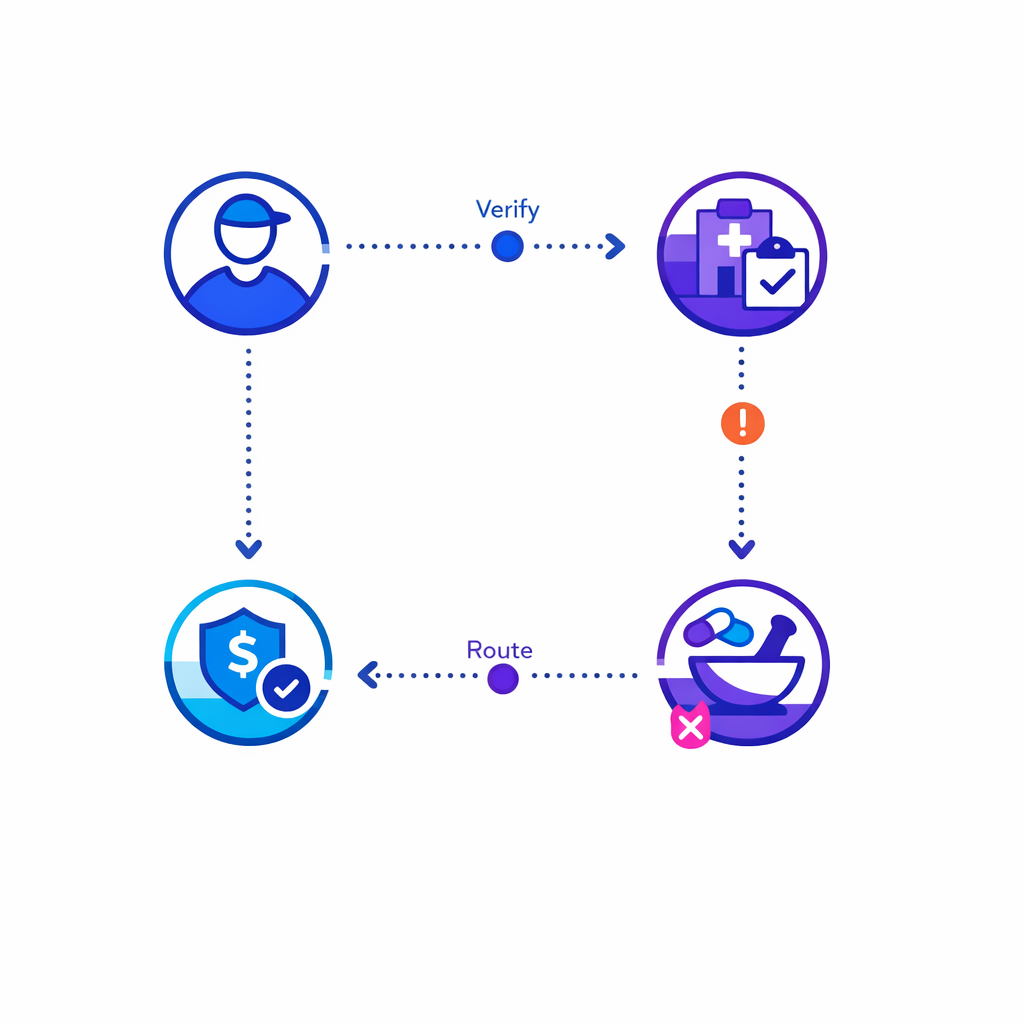
An access workflow may include benefits verification, prior authorization support, missing-information outreach, appeals coordination, and triage to a hub, specialty pharmacy, or field reimbursement team. The point is not to replace payer or provider work. The point is to prevent avoidable handoff failures that delay therapy start.
Strong patient services pharma teams also define ownership at each step. If a case stalls, someone should know whether the blocker sits with the patient, provider office, payer, pharmacy, or internal partner.
Financial assistance, copay support, and bridge or free-drug options
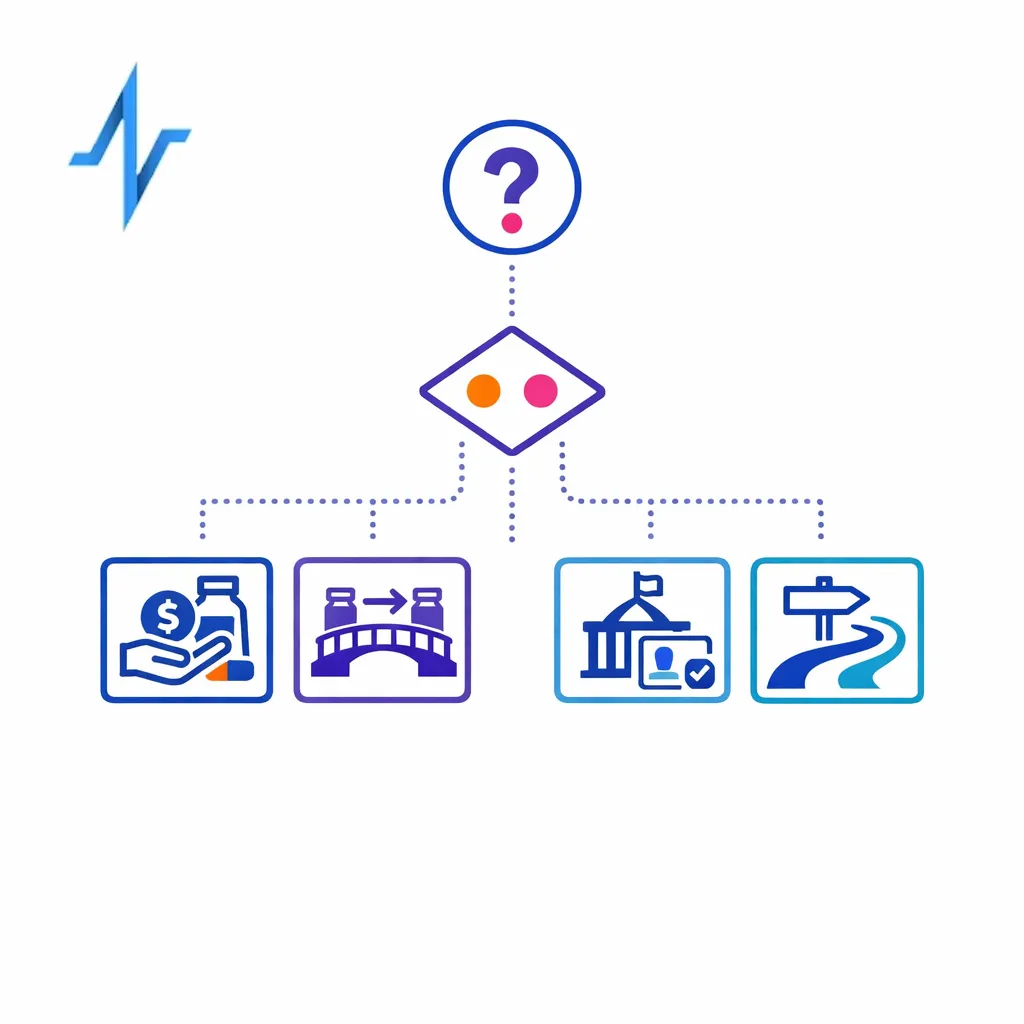
Affordability is often the difference between intent and actual therapy initiation. In cancer care, financial toxicity is a recognized burden that can affect treatment decisions and continuity.
For some patients, the right next step is not a brand-sponsored offer but a public subsidy pathway. Eligible beneficiaries may qualify for Extra Help with Medicare prescription drug costs, which is why access teams need clear triage rules instead of one script for every case.
Manufacturer copay assistance, bridge supply, and free-drug support require careful design. Programs should be structured with the federal Anti-Kickback Statute and product-specific guardrails in mind, especially when teams are trying to drive both access and persistence.
Specialty pharmacy and hub coordination
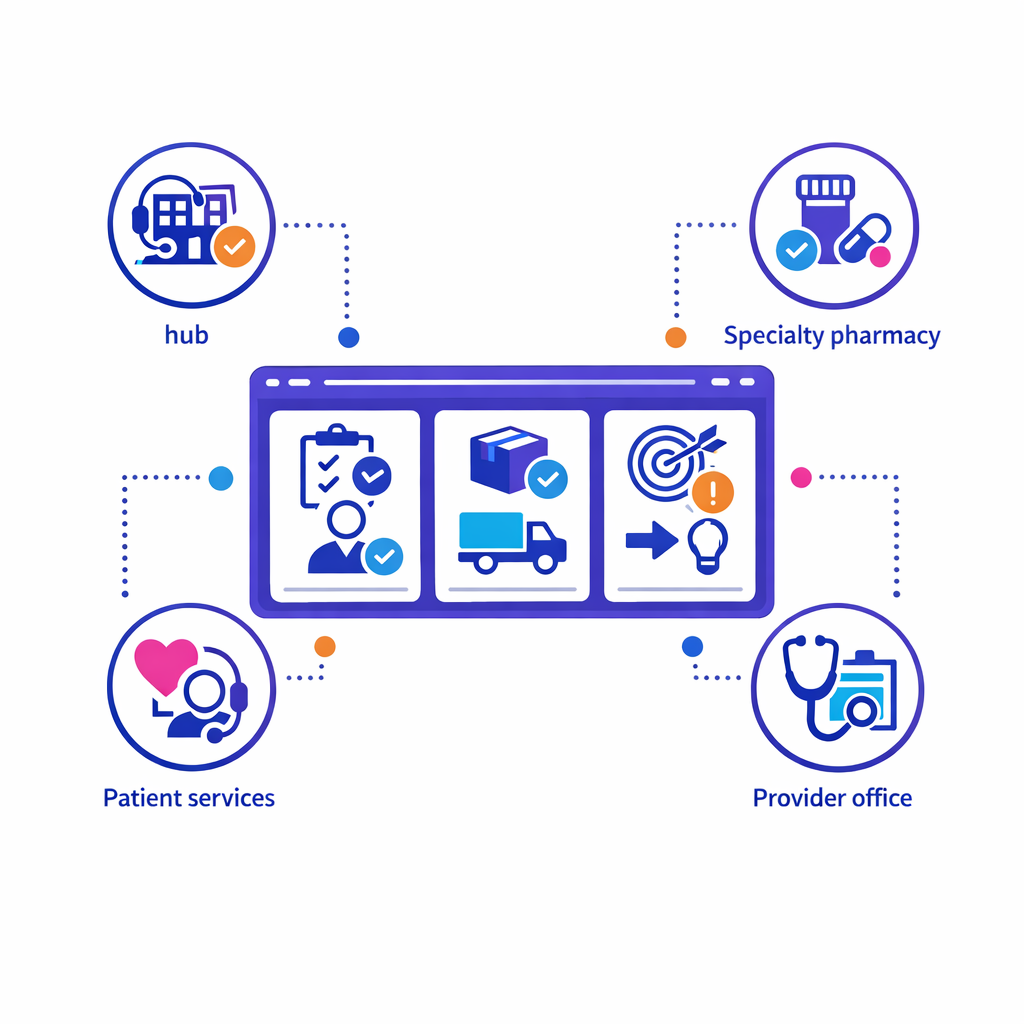
When a therapy uses a hub or specialty-pharmacy model, speed comes from clean orchestration, not just more outreach. Teams need shared case status, explicit exception handling, and a single source of truth for enrollment state, shipment state, and next-best action.
That is where modern PSP design becomes operational, not just promotional. If brand teams cannot see where a case sits, they also cannot improve time to therapy or explain abandonment patterns to the business.
How patient support programs improve education
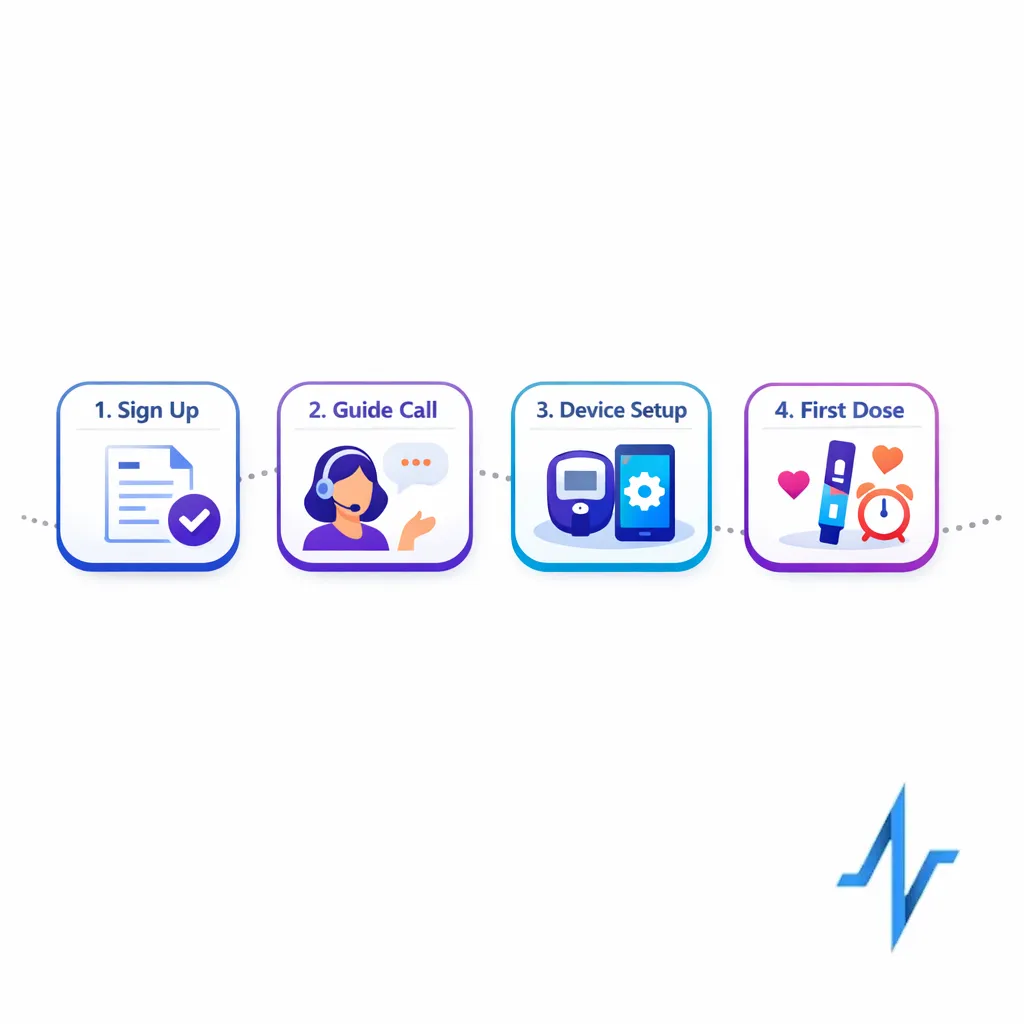
Education is not a static brochure library. In the best patient support programs, education is timed to the patient’s next decision and delivered in the channel that makes action easiest.
Disease-state education and treatment onboarding
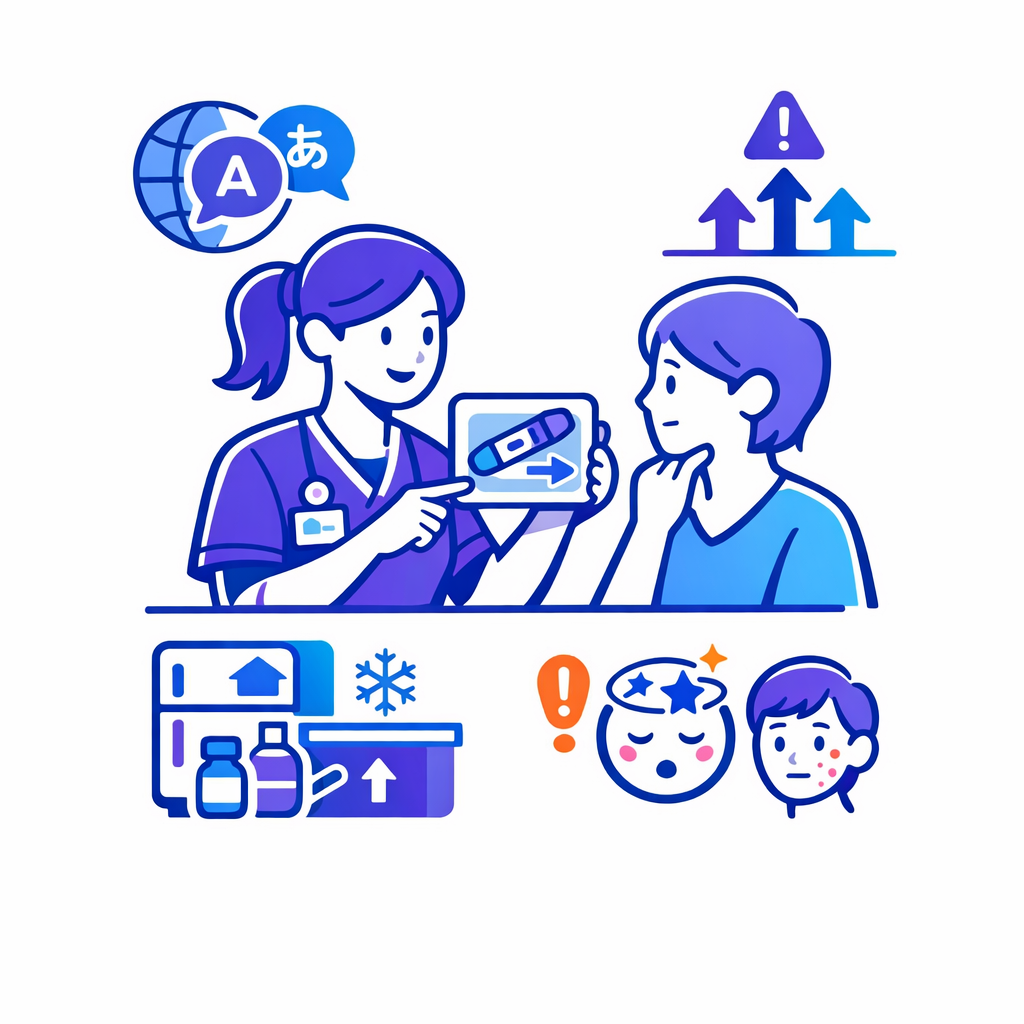
Onboarding content works best when it is short, specific, and tied to one immediate task. The Health Literacy Universal Precautions Toolkit is a practical benchmark for plain language, teach-back, and reducing avoidable confusion in patient-facing communications.
That principle matters in PSPs because patients are often learning while also navigating coverage, scheduling, and anxiety about a new therapy. Good onboarding reduces cognitive load. It does not add more of it.
Nurse educators, device training, and multilingual support
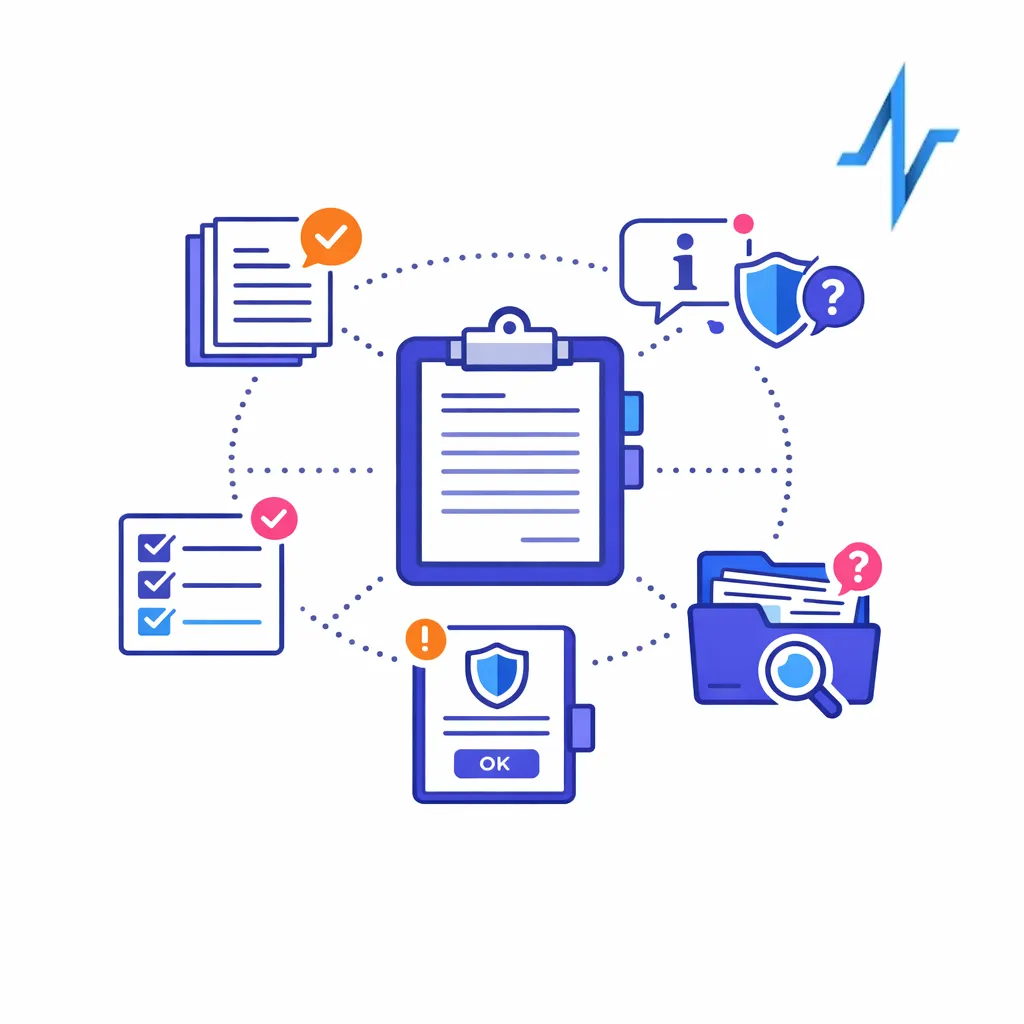
For self-injectables, infused products, and complex specialty therapies, education may include administration training, storage guidance, side-effect expectations, and escalation rules for clinical questions. Nurse educators can be valuable when the program clearly separates approved support activities from medical and promotional boundaries.
Multilingual support also matters. A program cannot claim to be patient-centered if key instructions, enrollment steps, or refill reminders only work for one language group or one level of health literacy.
Provider office support and patient-facing materials
Provider offices need usable tools, not just branded PDFs. Enrollment guides, document checklists, coverage FAQs, consent language, and office-facing workflow prompts can reduce back-and-forth while keeping the patient moving.
This is also where omnichannel teams can make PSP content more measurable. If educational assets are tied to a clear journey stage, brands can see which materials actually accelerate sign-up, onboarding completion, or first use.
How patient support programs improve adherence
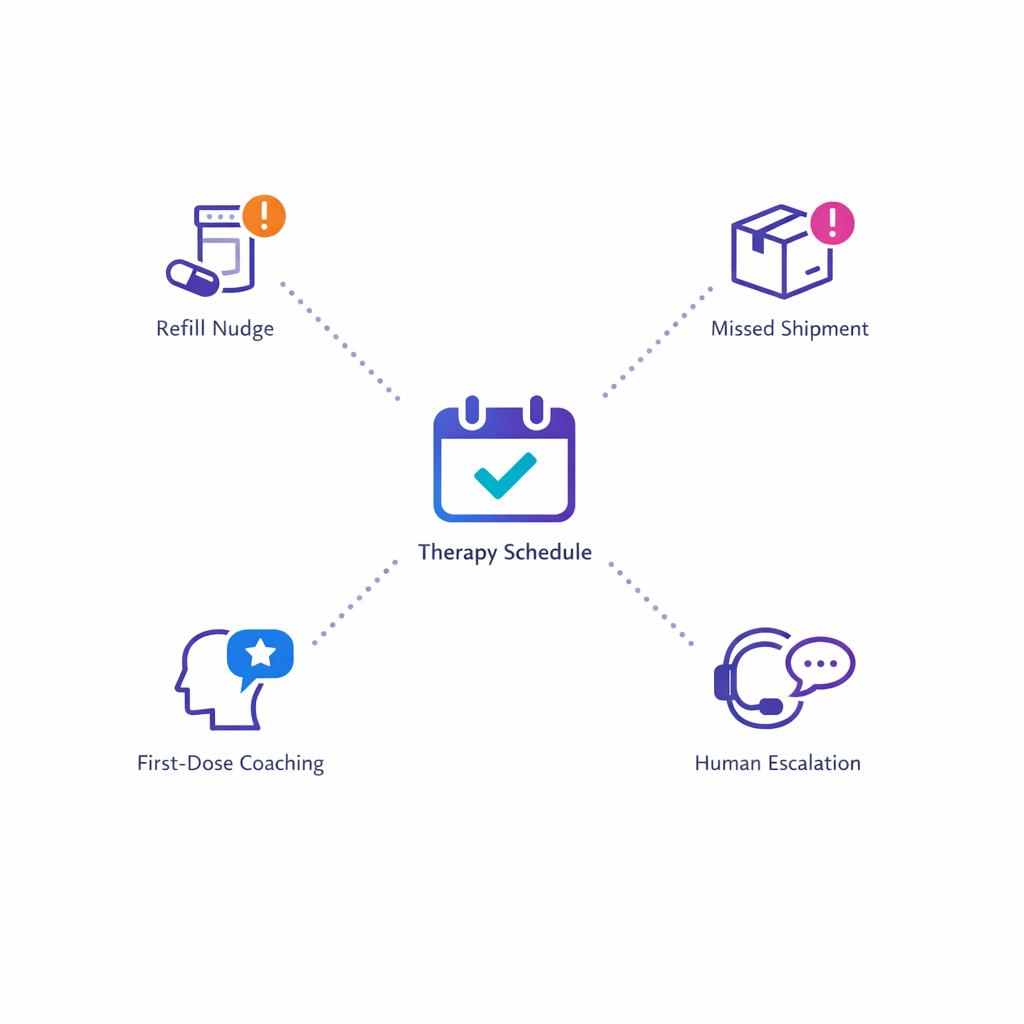
The work does not end at first fill. Medication adherence is a major chronic-care quality priority, which is why persistence support should be designed as deliberately as access support.
Reminder workflows, follow-up, and persistence support
A useful adherence program does more than send generic reminders. It triggers the right follow-up based on treatment schedule, refill timing, known barriers, and channel preference.
That could mean a refill nudge, a missed-shipment follow-up, a first-dose coaching message, or escalation when a patient goes quiet after enrollment. The best workflows are simple enough to run consistently and specific enough to feel relevant.
Digital tools, SMS, apps, and remote check-ins
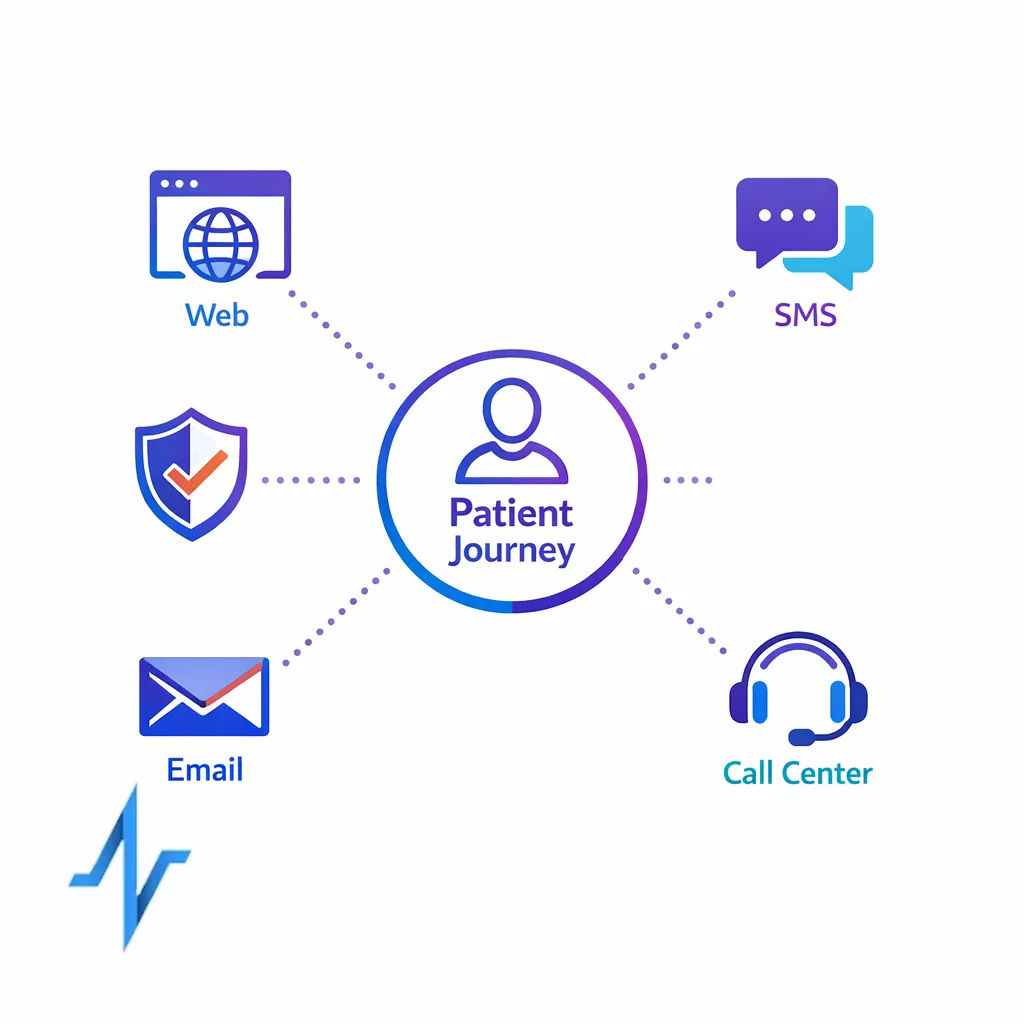
Digital support can scale education and follow-up without turning the PSP into a call-center queue. Self-serve status checks, SMS reminders, eConsent, and remote check-ins can reduce friction if they are tied to clear identity, consent, and suppression logic.
Brands should also be realistic about governance. Digital health tools that operate outside traditional covered-entity workflows may still raise issues under the FTC Health Breach Notification Rule, so privacy review cannot be an afterthought.
Measuring adherence and program success
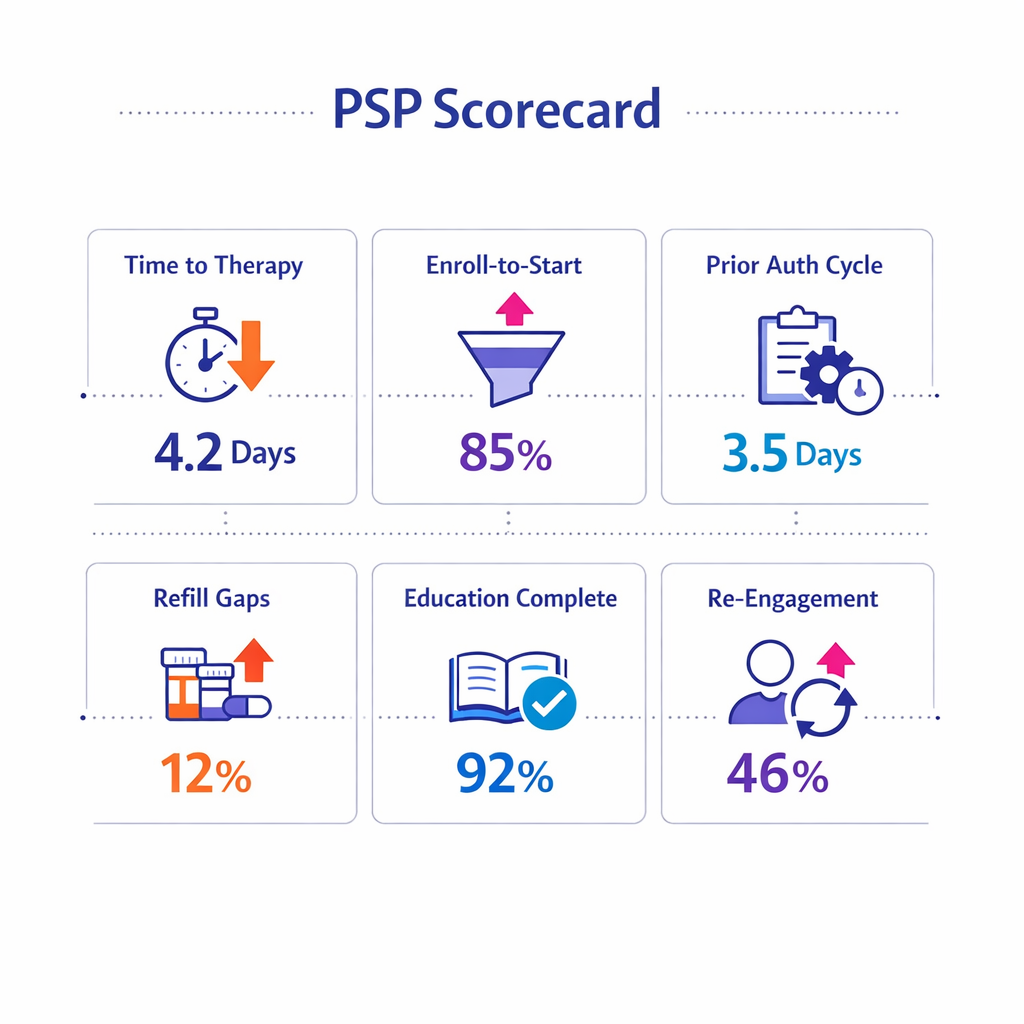
Measurement should help teams improve the journey, not just report activity. A practical PSP scorecard usually combines access, education, and persistence signals so the brand can see where patients progress and where they fall out.
- Time from enrollment to first dispense or first dose
- Enrollment-to-start conversion rate
- Prior authorization cycle time and rework rate
- Abandonment by barrier type
- Refill gap rate and persistence by segment
- Education completion and channel engagement
- Digital opt-in, consent capture, and re-engagement rate
Core types of patient support programs in pharma
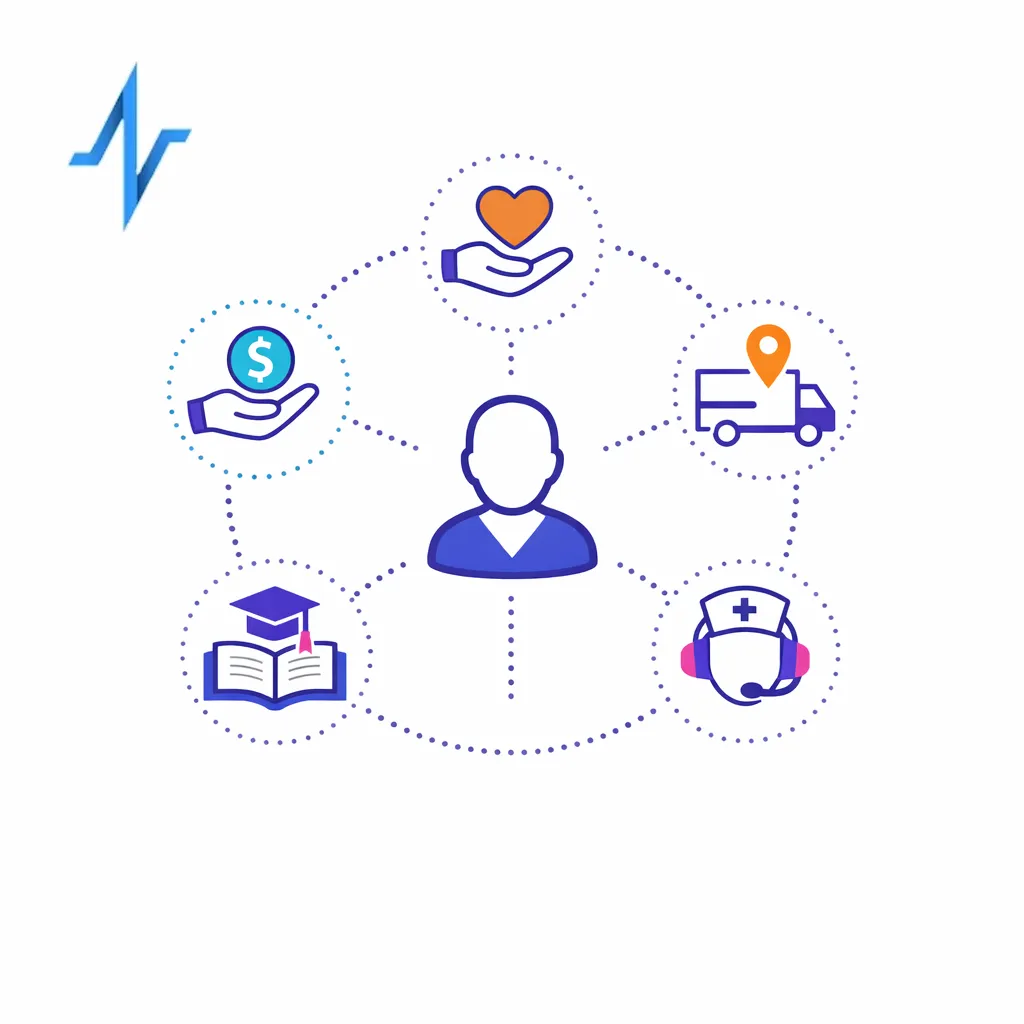
If you need a fast planning frame, most patient support programs fit into a handful of recurring categories. The exact mix depends on therapy complexity, payer friction, route of administration, and brand maturity.
Patient assistance programs (PAPs)
PAPs focus on affordability and access for patients who need a lower-cost or no-cost pathway. Operationally, they often require tighter document handling, qualification logic, and exception management than a general education workflow.
Copay and affordability programs
These programs are built to reduce out-of-pocket burden or bridge a coverage gap. They should have clear rules for eligibility, patient communication, and handoff when the right option is not a brand-funded one.
Education and nursing support programs
These models focus on therapy understanding, onboarding, administration training, expectation setting, and follow-up after start. They are especially important when the treatment requires behavior change, device confidence, or sustained monitoring.
Concierge, logistics, and travel coordination
Some brands need a higher-touch service layer. That can include appointment support, site coordination, home delivery logistics, infusion scheduling, or travel help where appropriate and permitted.
Clinical trial and post-launch support models
Many of the same design principles apply before and after full commercialization. Teams may use similar orchestration for recruitment support, starter programs, patient onboarding, and post-launch persistence services.
What makes a successful pharma PSP
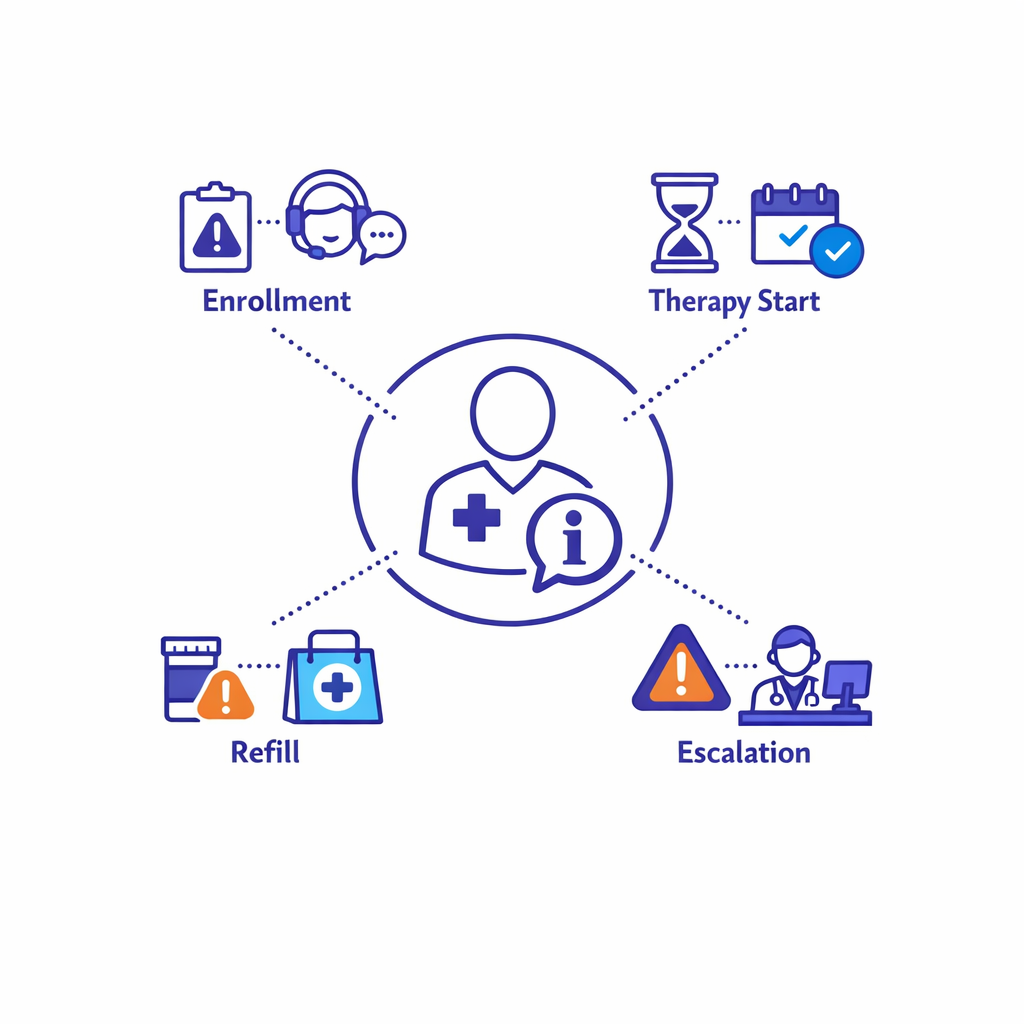
The best PSPs start with moments of friction, not internal org charts. Map what the patient, caregiver, provider, and partner each need to do at enrollment, therapy start, first use, refill, and escalation.
That view keeps the program honest. If the journey is confusing to complete, no amount of campaign activity will make the service feel seamless.
Compliance and operational governance
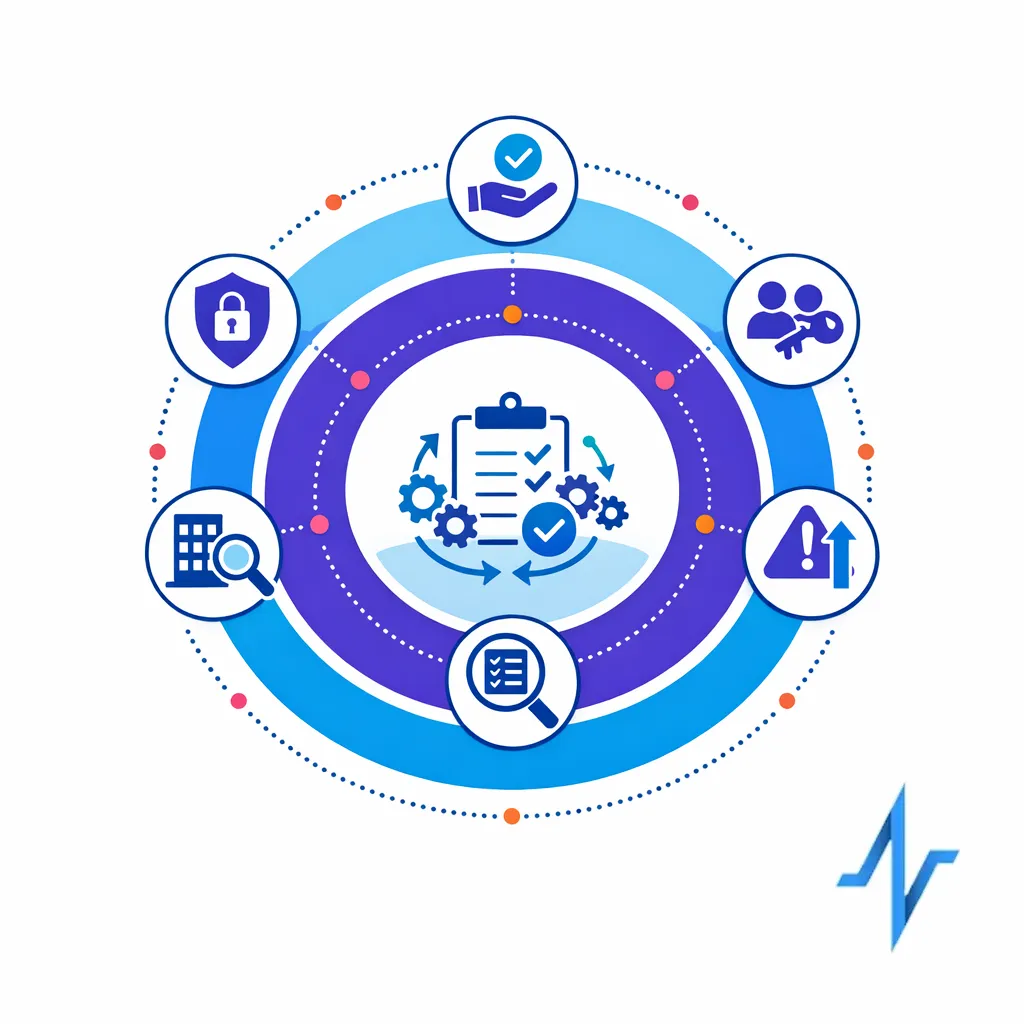
Programs that collect or share identifiable health information need explicit controls under the HIPAA Privacy Rule. Data minimization, role-based access, consent handling, vendor oversight, and auditability should be designed into the workflow from day one.
Governance also has to cover content review, escalation rules, channel permissions, adverse event handling, and partner responsibilities. The safest programs are not the quietest ones. They are the ones with the clearest operating rules.
Cross-functional coordination across access, medical, and commercial teams
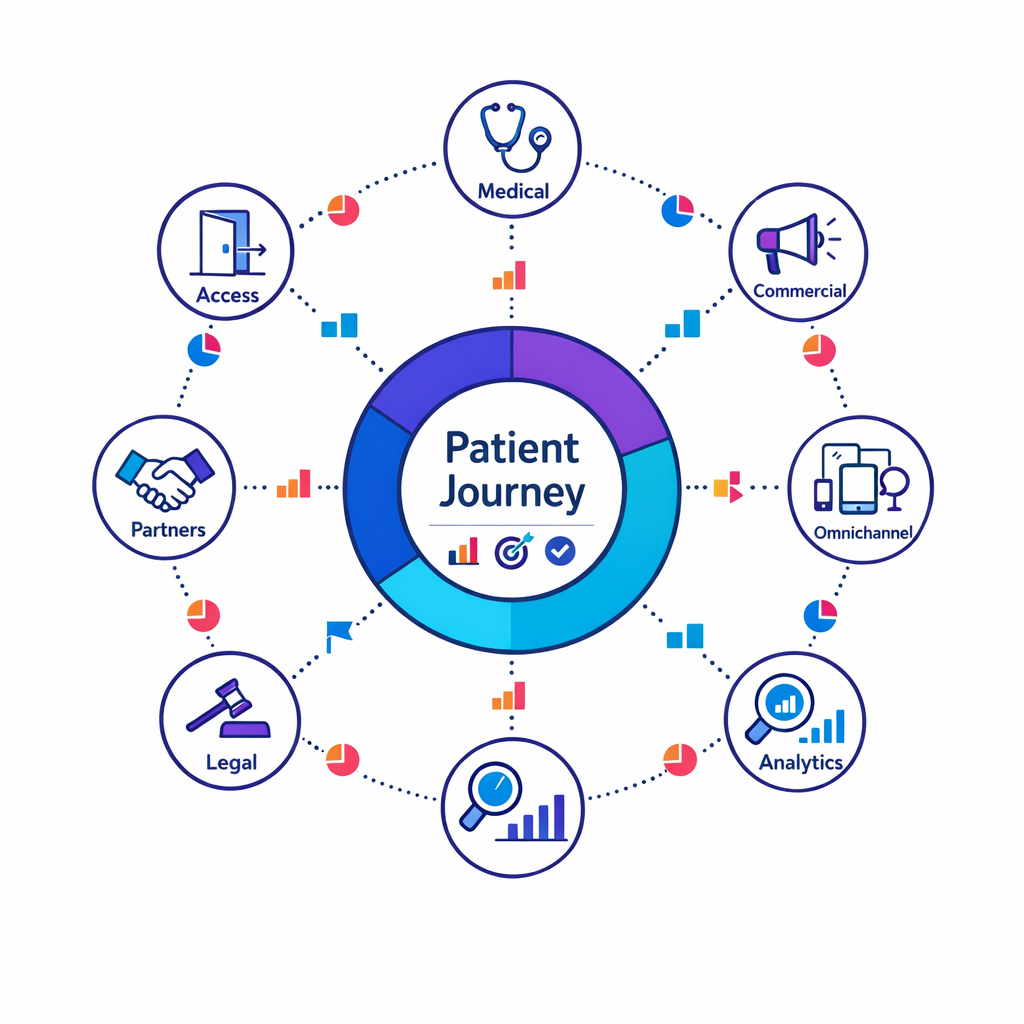
Successful pharma patient support programs usually need shared ownership even when one function leads. Access, medical, omnichannel, legal, analytics, agency, and hub partners should all know which metrics they own and which decisions require joint review.
Without that structure, programs drift into disconnected workstreams: one team owns content, another owns technology, another owns vendors, and no one owns the patient journey end to end.
What’s changing now
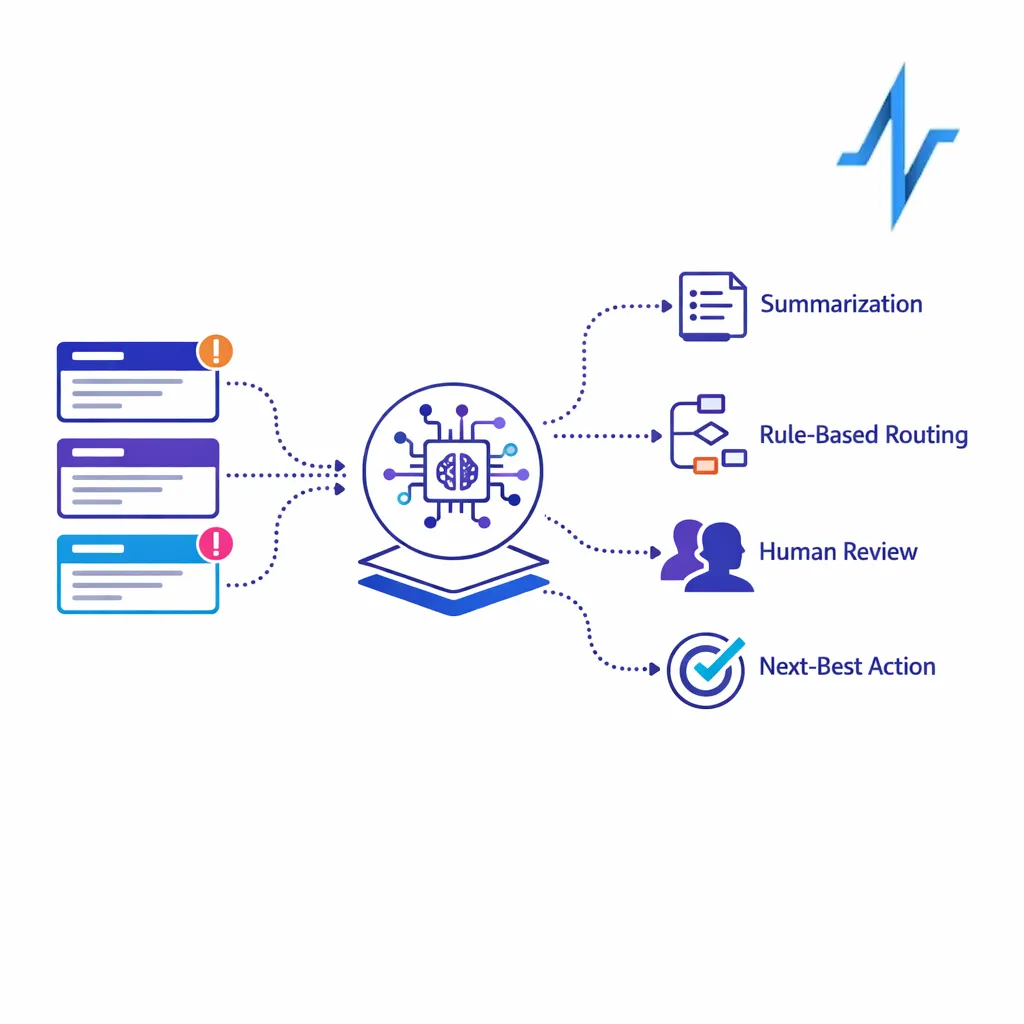
The near-term shift is not fully autonomous PSP operations. It is smarter triage, better case summarization, rule-based routing, and faster identification of the next action that will actually move a patient forward.
That matters because PSP value comes from reducing delay and uncertainty. Automation is most useful when it removes repetitive admin work and makes exceptions easier for humans to handle.
Direct-to-patient and digital-first support models
Programs are increasingly being designed as journeys, not static service menus. Enrollment, consent, reminders, education, and follow-up can now be coordinated across web, SMS, email, call center, and partner channels instead of living in separate systems.
For omnichannel and CRM owners, that means PSP strategy is becoming part of broader orchestration strategy. The data model matters as much as the message.
Health equity and affordability pressures
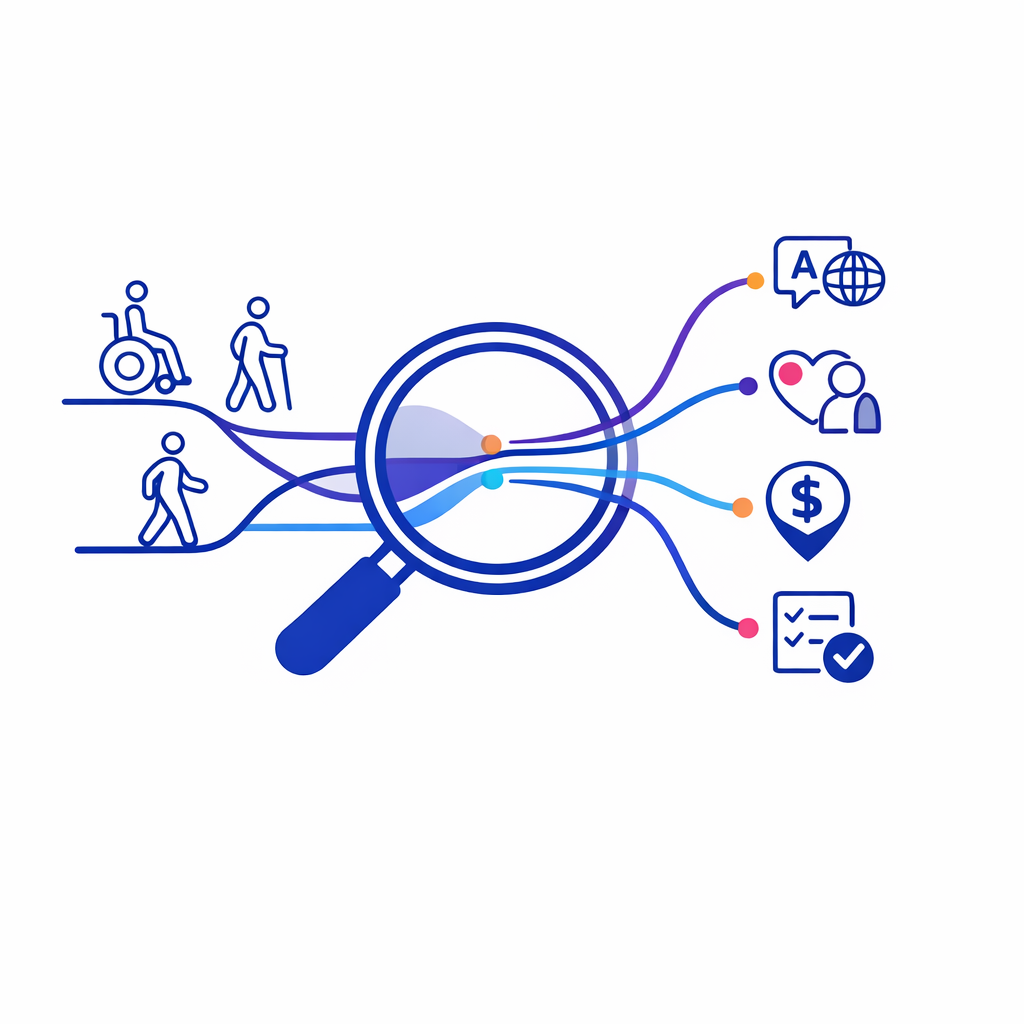
Brands are under pressure to make support more usable, not just more available. That means better segmentation, better language access, clearer affordability routing, and less dependence on patients figuring out every step alone.
For teams that want measurable lift, equity is not a side initiative. It is a design discipline that improves completion, comprehension, and continuity.
Common mistakes and misconceptions
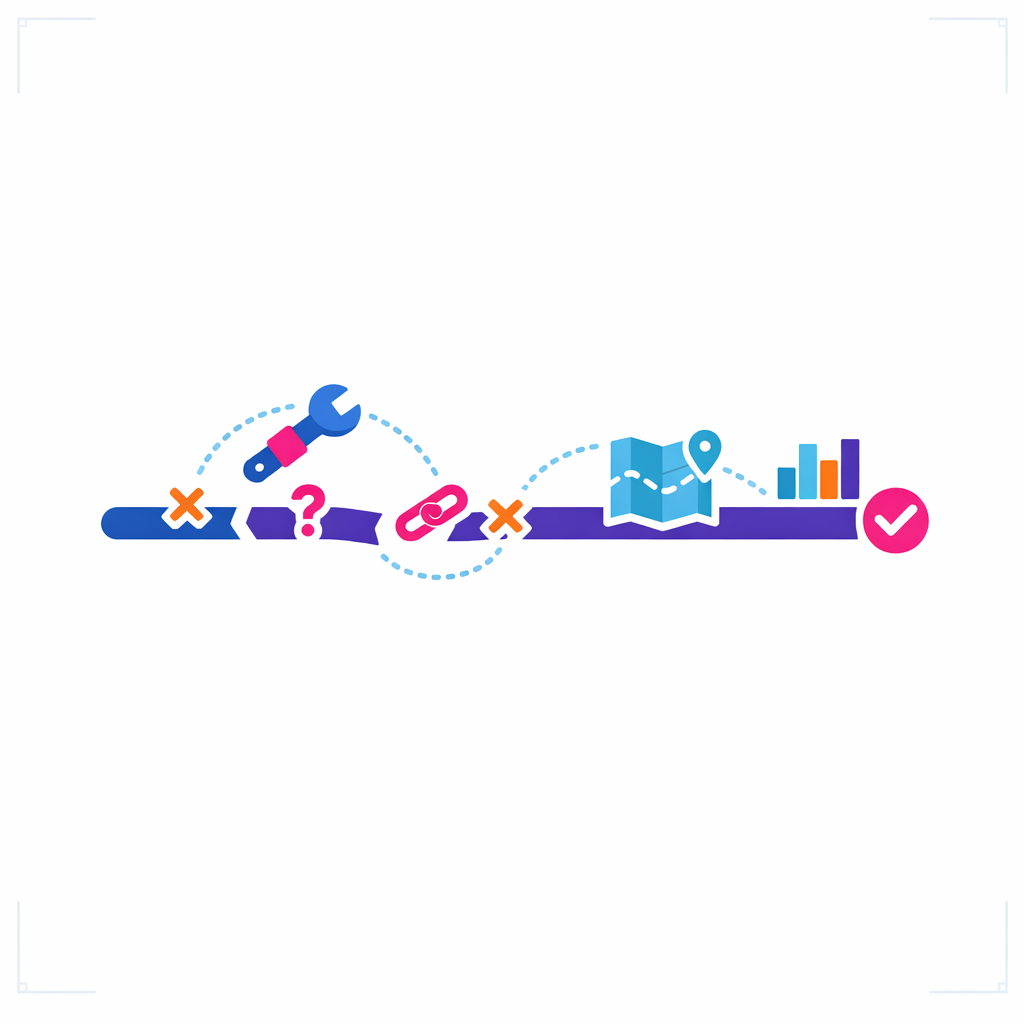
Most PSP underperformance comes from a few repeated planning errors. The fixes are usually operational, not theoretical.
- Confusing PSP with PAP: when teams treat every support activity as an affordability program, they underinvest in education, follow-up, and measurement.
- Launching without a journey map: if the brand cannot define the exact steps from sign-up to therapy start, the program will hide friction instead of removing it.
- Measuring activity instead of outcomes: case volume, call count, and email sends are not enough. Time to therapy, conversion, persistence, and barrier resolution matter more.
- Separating data across too many systems: if sign-up, consent, hub status, and engagement data never connect, optimization becomes guesswork.
- Treating digital support like a campaign only: reminder messages and content assets work best when tied to service logic, not just media calendars.
- Under-supporting provider offices: many patient drop-offs start with incomplete paperwork, unclear next steps, or unresolved questions in the office workflow.
Examples of patient support program services
The service mix should match the brand’s access model and patient burden. These examples show how different support layers come together.
Self-injectable specialty brand
- Digital enrollment and consent capture
- Benefits verification and prior authorization support
- Injection training and storage education
- First-dose reminders and refill follow-up
- Case escalation for missed starts or side-effect questions
Oncology brand with complex access
- Coverage navigation and office support
- Affordability triage and alternative assistance pathways
- Treatment onboarding for patients and caregivers
- Scheduling coordination across site, pharmacy, and patient
- Barrier reporting by payer, geography, and provider segment
Rare disease launch
- High-touch enrollment and concierge support
- Specialty pharmacy or hub handoff management
- Multichannel education for patients and caregivers
- Longitudinal persistence monitoring
- Cross-functional review loops for access, medical, and analytics teams
What to do next
If you are building or redesigning a patient support program, start with a narrow and measurable scope. A clean first version usually beats an overbuilt launch.
- Define the exact barrier the PSP is meant to solve, such as time to therapy, first-dose drop-off, or refill persistence.
- Separate PSP scope from PAP scope so operations, analytics, and governance are easier to manage.
- Map the patient journey from sign-up through therapy start, first use, refill, and escalation.
- List the data required at each step, including consent, identity, partner status, and outcome signals.
- Choose a small scorecard with access, education, and adherence metrics.
- Assign owners for exceptions, partner handoffs, and compliance review.
- Pilot the workflow, learn where cases stall, and iterate before scaling nationally.
FAQs
What is a patient support program?
A patient support program is the service model around therapy access and ongoing use. It can combine enrollment, affordability pathways, treatment education, reminders, and case management so patients and provider offices have a clearer path from prescription to persistence.
What are patient support programs in the US?
In the US, patient support programs are typically manufacturer-sponsored or partner-operated services built around access, education, and follow-up. They work within privacy, reimbursement, and communication guardrails while helping eligible patients complete the next step in their treatment journey.
How do patient support programs work?
Most programs start with enrollment and triage. From there, the PSP routes the case into the right workflows, such as access support, affordability review, onboarding education, refill reminders, or escalation to a human support team when the patient needs more help.
Are patient assistance programs free?
Some patient assistance programs are designed to provide medicine at no cost for eligible patients. Others are not free-drug programs at all. They may focus on copay support, navigation, education, or coordination instead.
Who qualifies for a patient assistance program?
Qualification depends on the specific program and how it is designed. The best practice for pharma teams is to state criteria plainly, minimize document friction, and offer a clear alternative path when a patient does not qualify for that particular assistance option.
See How Pulse Health Connects PSP Sign-Ups, Identity, and Measurement
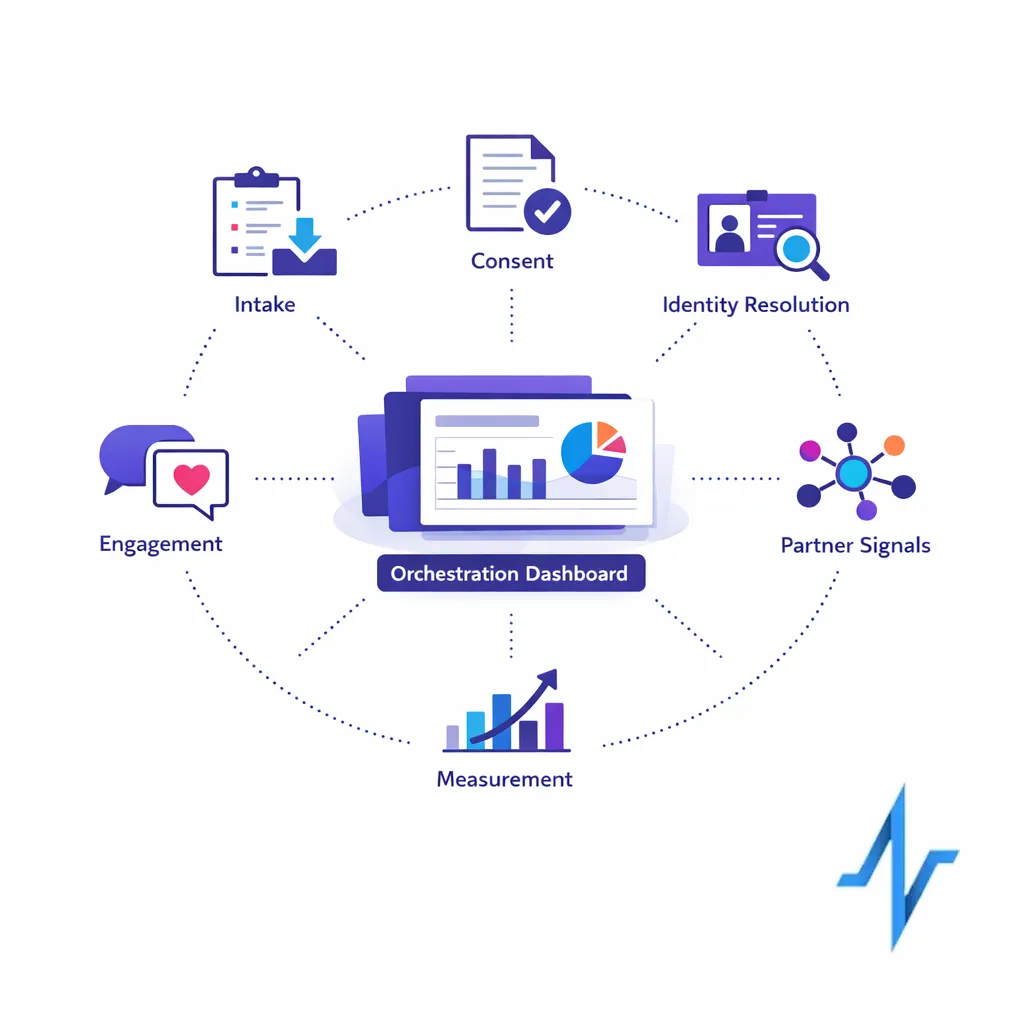
If your team is trying to connect patient education, sign-ups, identity resolution, partner signals, and compliant orchestration into one operating view, Pulse Health can help make the program easier to run and easier to measure. That is especially useful when access, patient services, and omnichannel teams all need the same journey visibility.
- Unify intake, consent, and engagement capture
- Connect support workflows to measurable patient journey stages
- Improve orchestration across brands, partners, and downstream teams
Request a Demo to see how Pulse Health supports more connected, measurable patient support programs.