

Healthcare PPC can drive HCP engagement, patient education, and measurable downstream action. For US pharma brand teams, omnichannel leads, marketing ops owners, CRM stakeholders, and agency partners, the challenge is that paid search sits at the intersection of privacy, promotion, platform policy, and measurement.
This guide explains how life sciences teams build healthcare paid search programs that are both compliant and useful. You will learn what healthcare PPC means in a pharma context, what has changed in the operating environment, what must be reviewed before launch, how to structure campaigns and landing pages, and how to measure qualified outcomes instead of just clicks.
What is healthcare PPC? Healthcare PPC is pay-per-click advertising used by healthcare organizations. For life sciences brands, it usually means paid search campaigns that route HCPs or patients to approved pages, with privacy-aware data handling, platform-compliant targeting, and promotional controls built in from the start.
What healthcare PPC means for life sciences brands
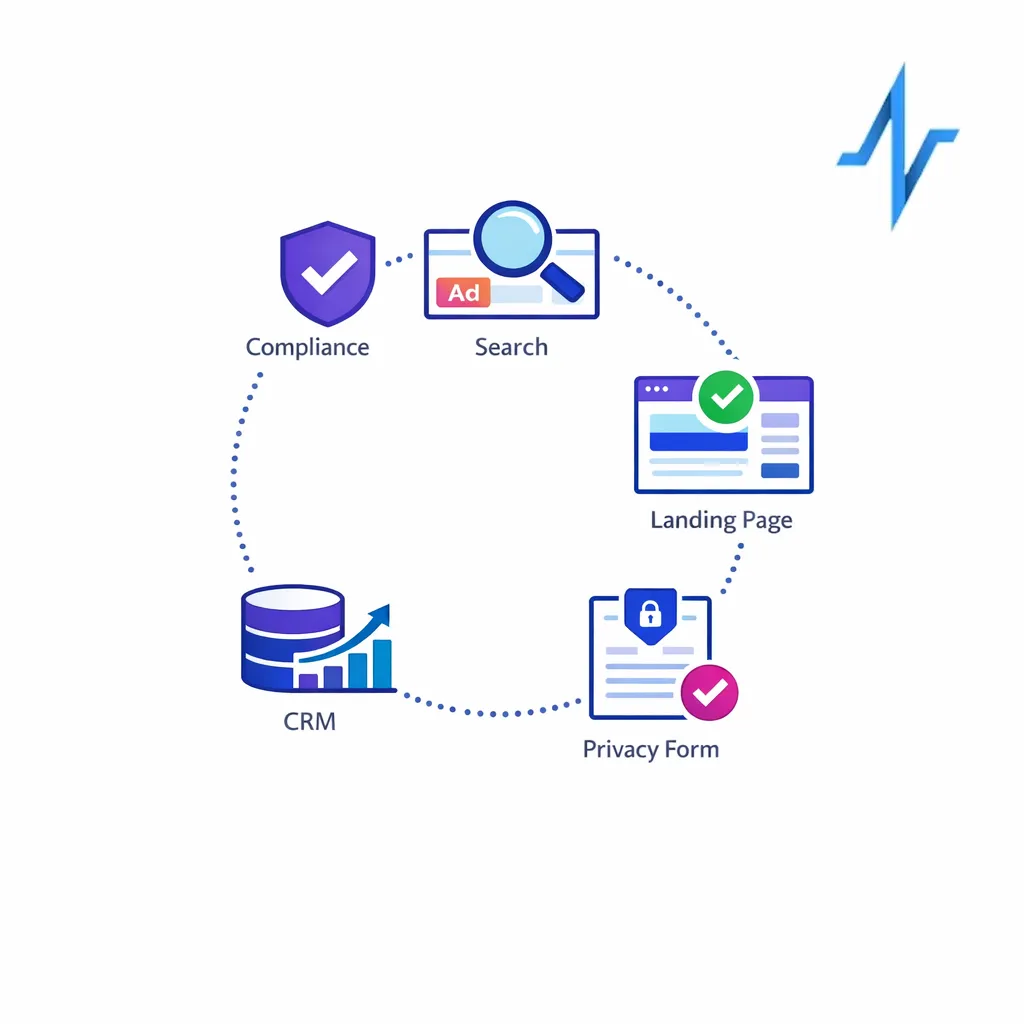
In this article, PPC means pay-per-click advertising. It does not refer to unrelated clinical or insurance acronyms that may appear in other search results.
That distinction matters because most content ranking for healthcare ppc is really about local provider lead generation. This guide focuses on life sciences and pharma paid advertising, where campaigns often support disease education, HCP content, patient support awareness, sign-up flows, identity, and orchestration across a broader approved journey.
The goal is not just to buy traffic. The goal is to move the right audience to the right approved experience, capture only the data you are allowed to collect, and create a measurement trail your brand, legal, regulatory, and operations teams can defend.
Why life sciences paid search is different
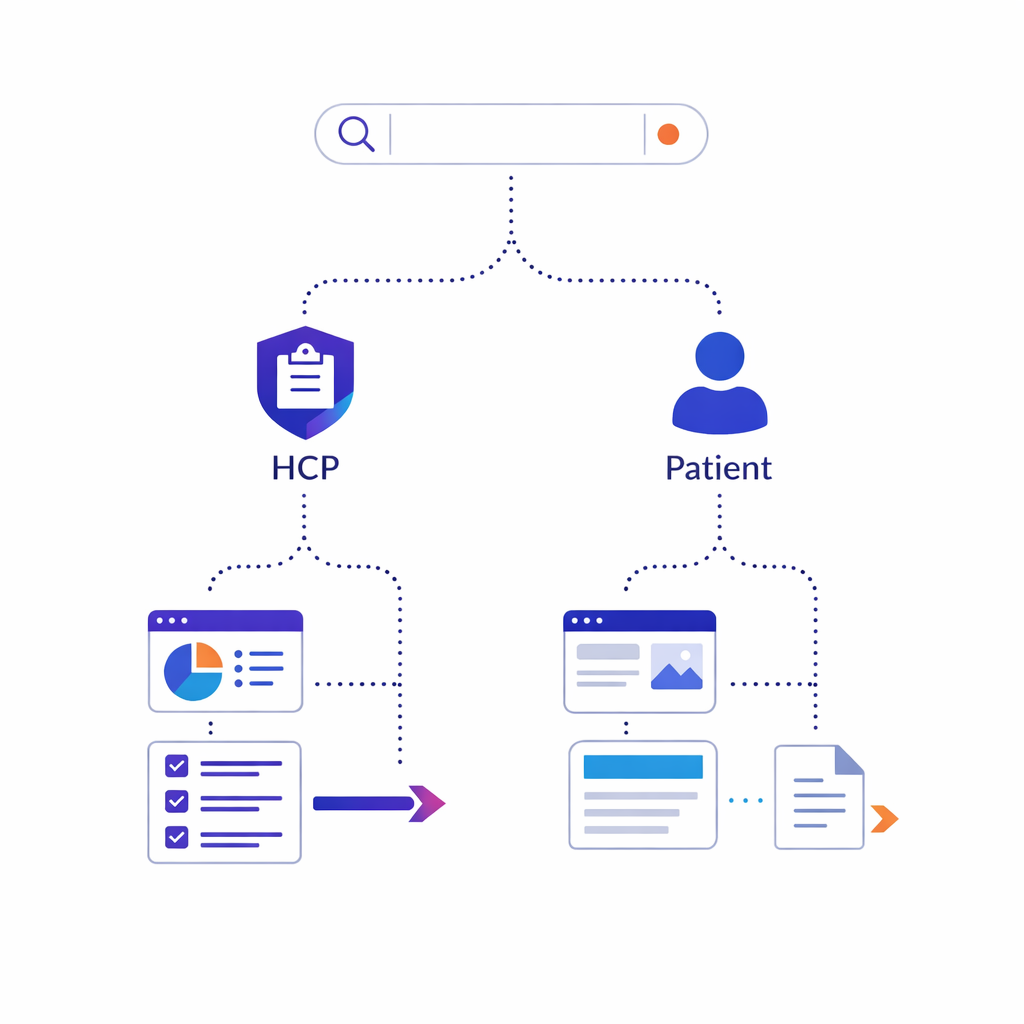
Life sciences paid search is less about generic volume and more about controlled orchestration. A single keyword can raise questions about indication, audience, geography, privacy, approved claims, and whether the landing experience matches the user’s intent closely enough to pass both internal review and platform review.
Audience design is also more nuanced. An HCP searching for dosing, trial data, or mechanism-of-action information needs a different page, different proof, and a different next step than a patient searching for symptoms, support resources, or treatment education.
The same is true for measurement. Many teams can count clicks; fewer can connect search activity to consented first-party actions, offline follow-up, CRM status, or field-driven engagement without creating risk.
What changed in the operating environment
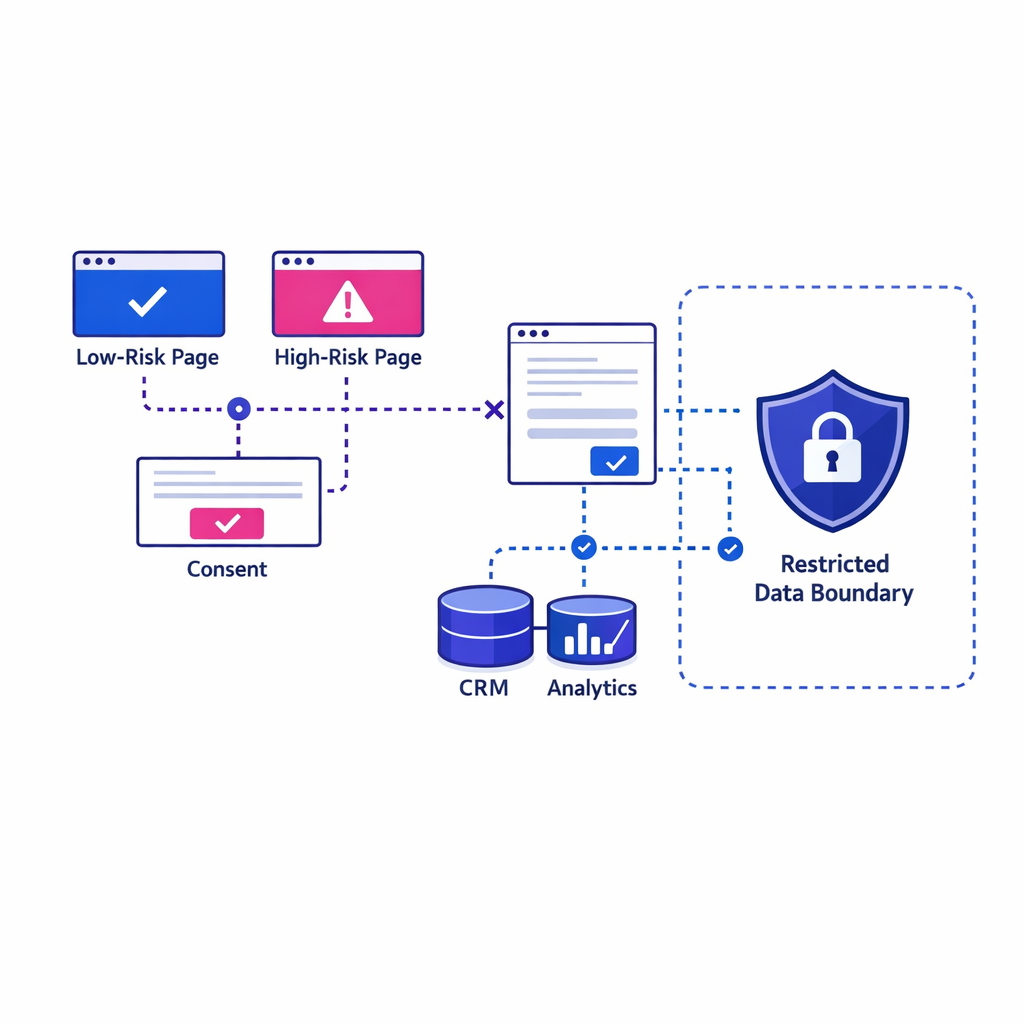
The privacy bar for web measurement is higher than it used to be. The HHS guidance on online tracking technologies raised the compliance stakes for routine website tracking, which is why healthcare paid search now works best when privacy review, consent logic, and first-party measurement design happen before media launch.
The practical result is simple: teams should expect more scrutiny on tags, forms, routing, and vendor access than they did a few years ago. If those controls come later, the campaign often has to be rebuilt after launch.
Core compliance requirements before launch
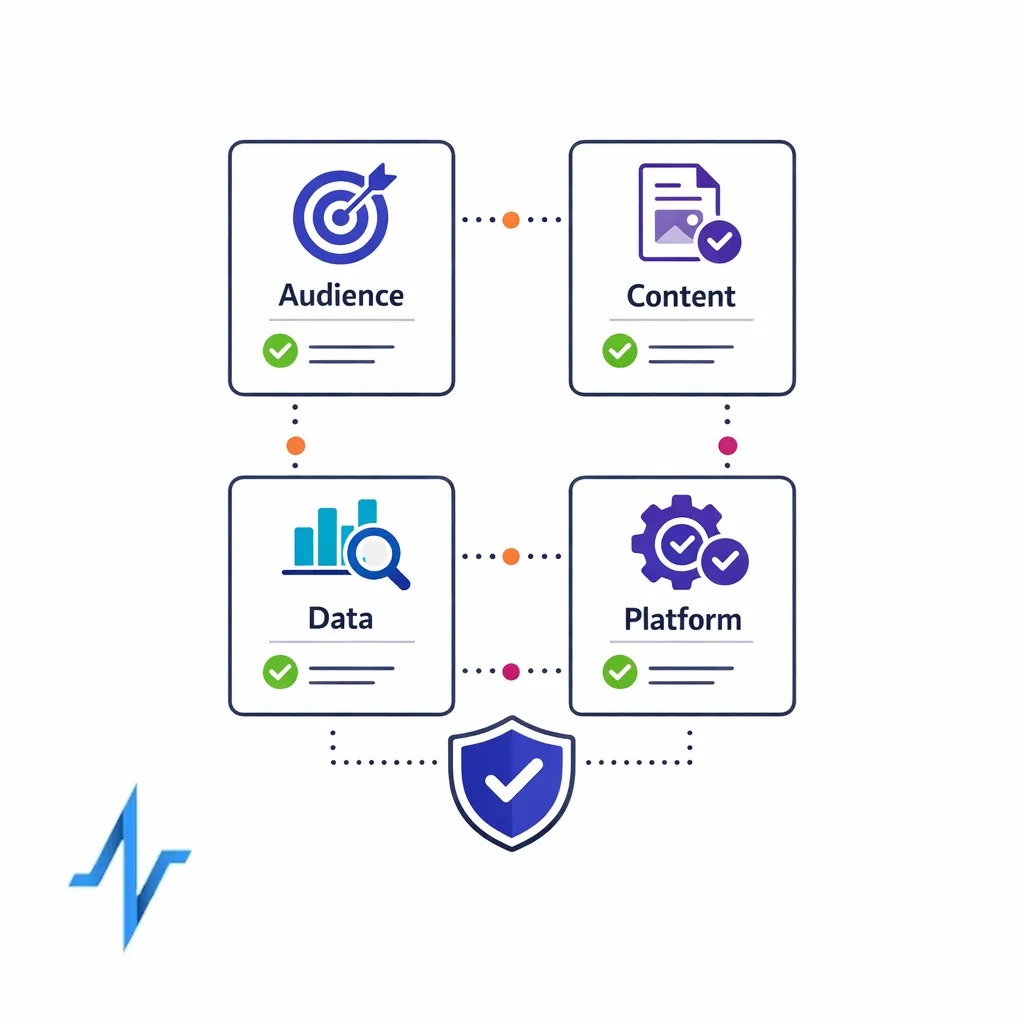
Before you spend on healthcare paid search, confirm four things: who the audience is, what claims are approved, what data may be collected, and what the platform will permit. If any one of those is unclear, search can scale risk faster than it scales performance.
- Audience: define whether the campaign is for HCPs, patients, caregivers, or another approved segment.
- Content: align keywords, ad copy, and landing pages to approved language and current labeling.
- Data: decide what form fields, cookies, pixels, and CRM events are allowed before tags go live.
- Platform rules: confirm certification, restricted categories, and ad review requirements before launch.
HIPAA, privacy, and PHI-safe tracking
If a program involves a HIPAA covered entity or business associate under the HIPAA Privacy Rule, the campaign team should assume data minimization is the default. That means collecting only what is necessary, avoiding avoidable identifiers, and ensuring website, form, and CRM flows do not expose protected health information through routine ad-tech implementation.
In practice, PHI-safe tracking starts with architecture. Separate high-risk pages from lower-risk pages, avoid passing sensitive query strings or form values into ad platforms, document consent logic, and make sure every vendor in the flow is reviewed before deployment.
A useful operating question is not “Can we place the tag?” but “What exact data leaves the page, under what basis, and who can access it afterward?” That question produces better healthcare ppc decisions than a late-stage tag audit.
FDA and fair balance considerations for pharma advertising
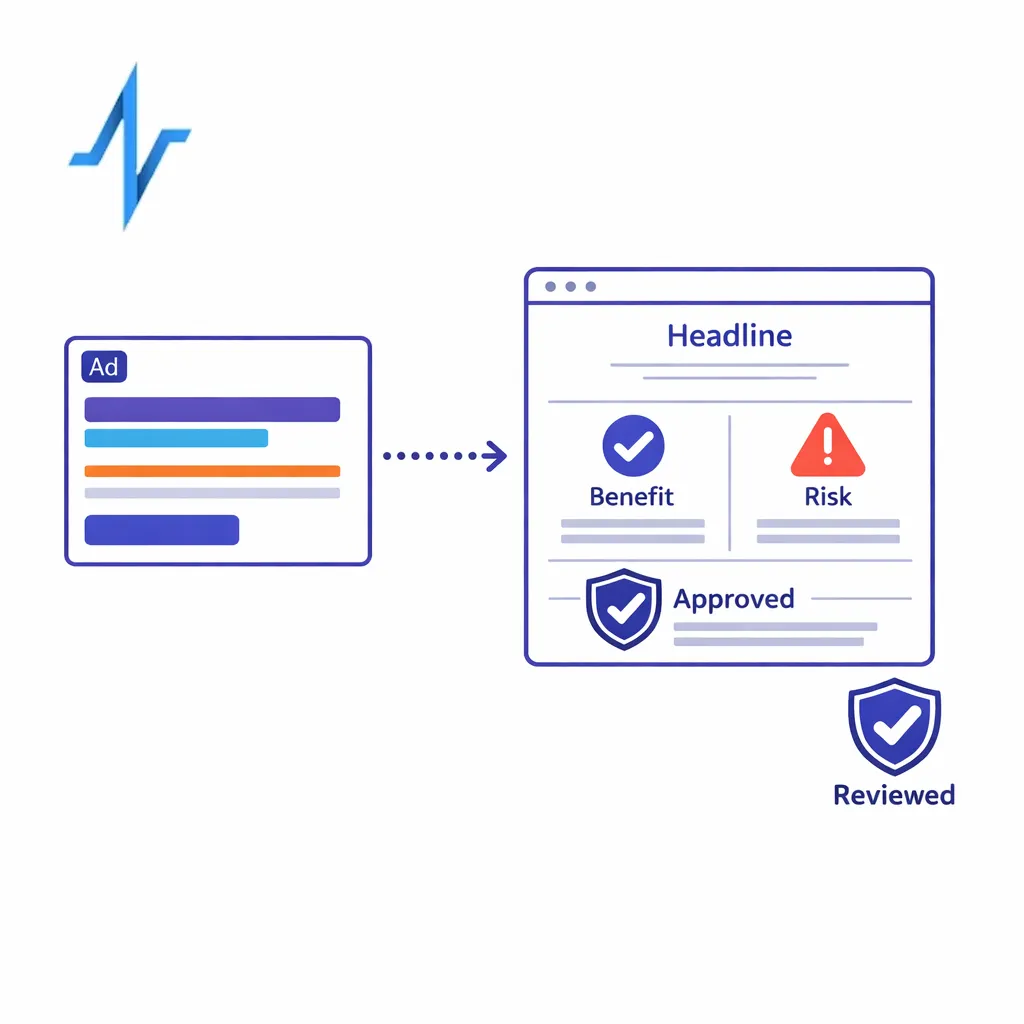
For prescription drug promotion, FDA oversight of prescription drug advertising is the baseline context for paid search teams. If branded search ads mention benefits, the related experience has to be designed with risk communication and approved promotional boundaries in mind.
Fair balance is not a creative afterthought. The prescription drug advertising standard in 21 CFR 202.1 is why many life sciences teams route brand and indication terms to pages engineered for complete, reviewable, and current content rather than to a generic homepage.
That does not mean every campaign must be heavily branded. It means the keyword, ad, and landing page strategy should reflect the product’s promotional category, what the user is allowed to see, and whether the experience is better handled as branded, unbranded, or disease-state education.
Google Ads and platform certification requirements
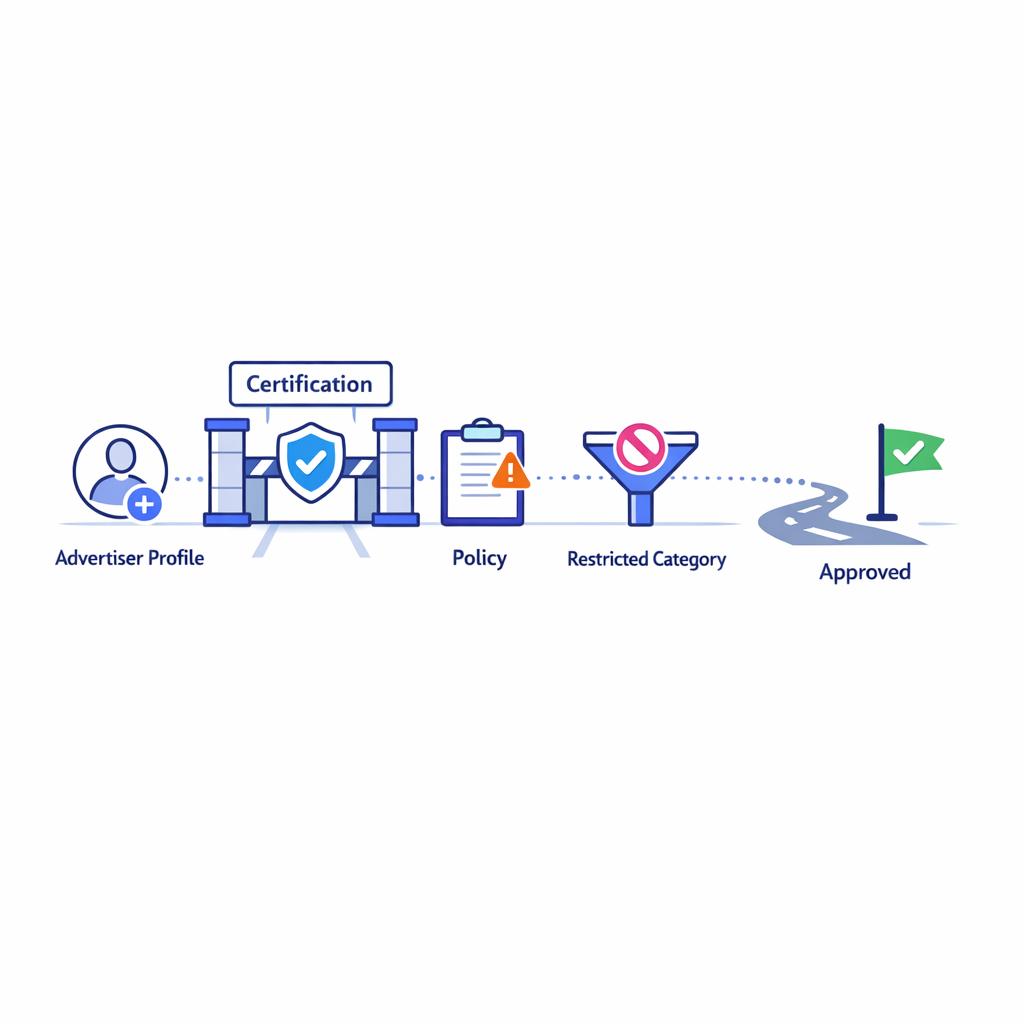
Google treats health-related promotion as a restricted area, and the Google Ads Healthcare and medicines policy covers restricted drugs, prescription drug promotion, certification requirements, and other healthcare advertising limits. Do not treat certification as an administrative cleanup item; for some campaigns, it determines whether you can advertise the terms at all.
If you encountered searches about PPC in insurance or other medical contexts, set that aside here. In this guide, PPC means paid search advertising, and the main compliance question is whether the platform allows the category, the advertiser, and the content you want to run.
Claims substantiation, MLR review, and approval workflows
Life sciences teams need a repeatable review path before launch. Even when the ad is short, the review object is not just the headline. It is the full chain of keyword intent, ad copy, sitelinks, landing page modules, form language, consent text, and downstream follow-up.
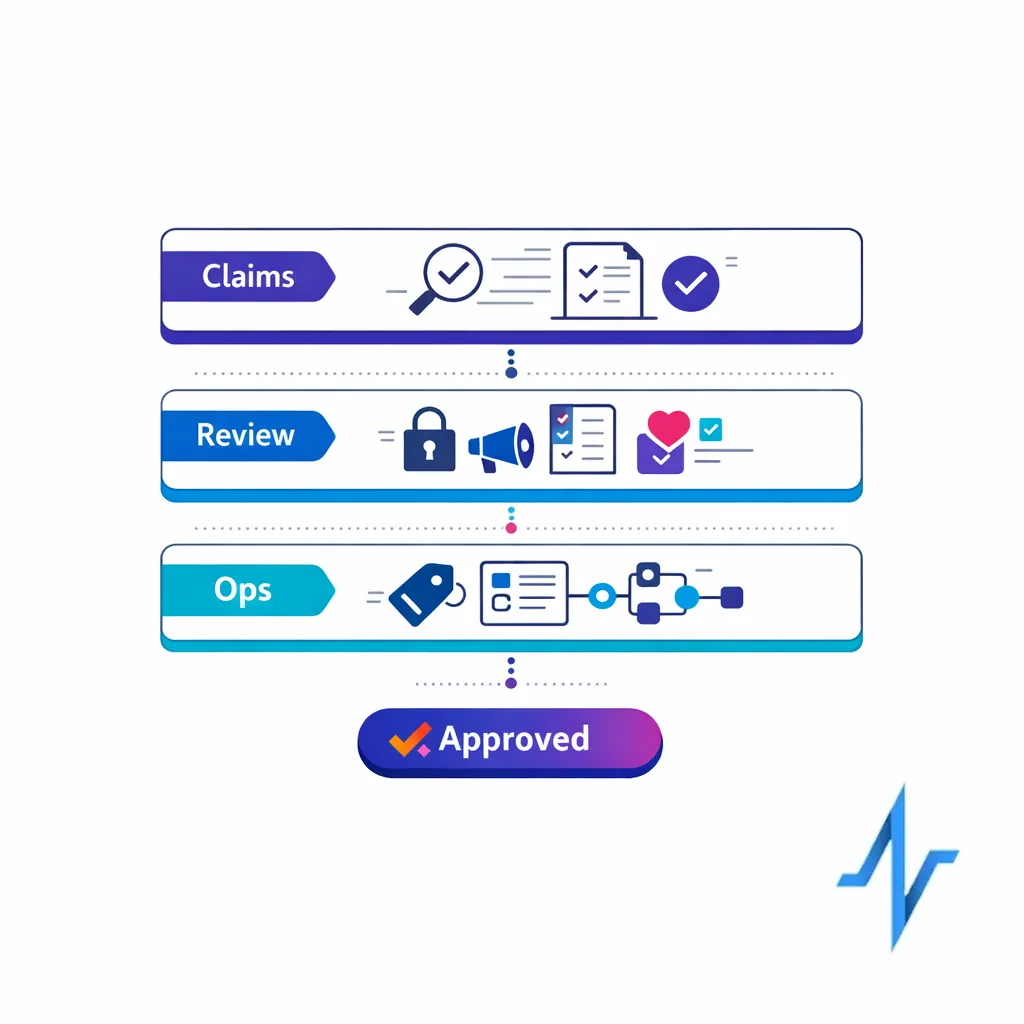
A practical approval workflow usually has three layers. First, approved messaging and evidence claims. Second, promotional and privacy review. Third, operational review covering tags, forms, routing, and CRM status mapping. When that sequence is documented, healthcare paid search becomes easier to scale because fewer issues are discovered after media is live.
How to build a compliant healthcare paid search strategy
Intent-led keyword research
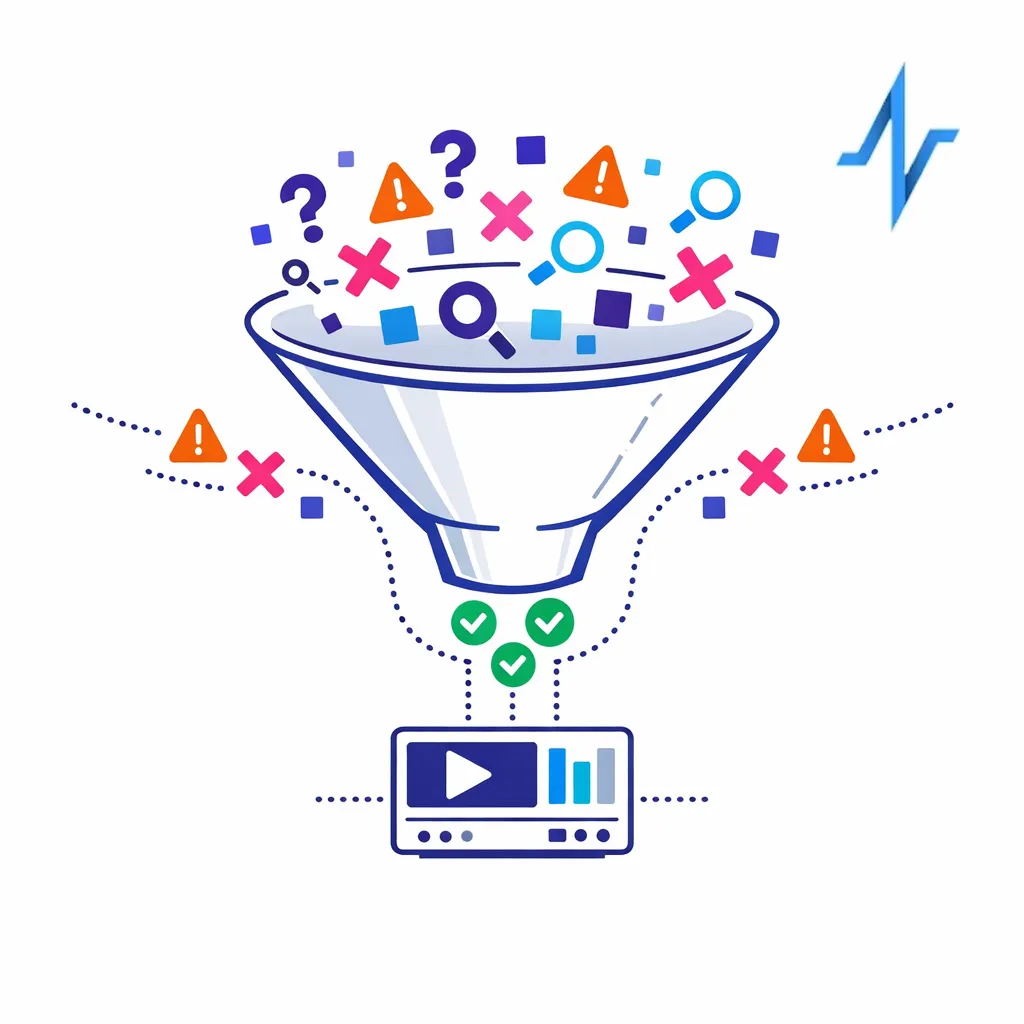
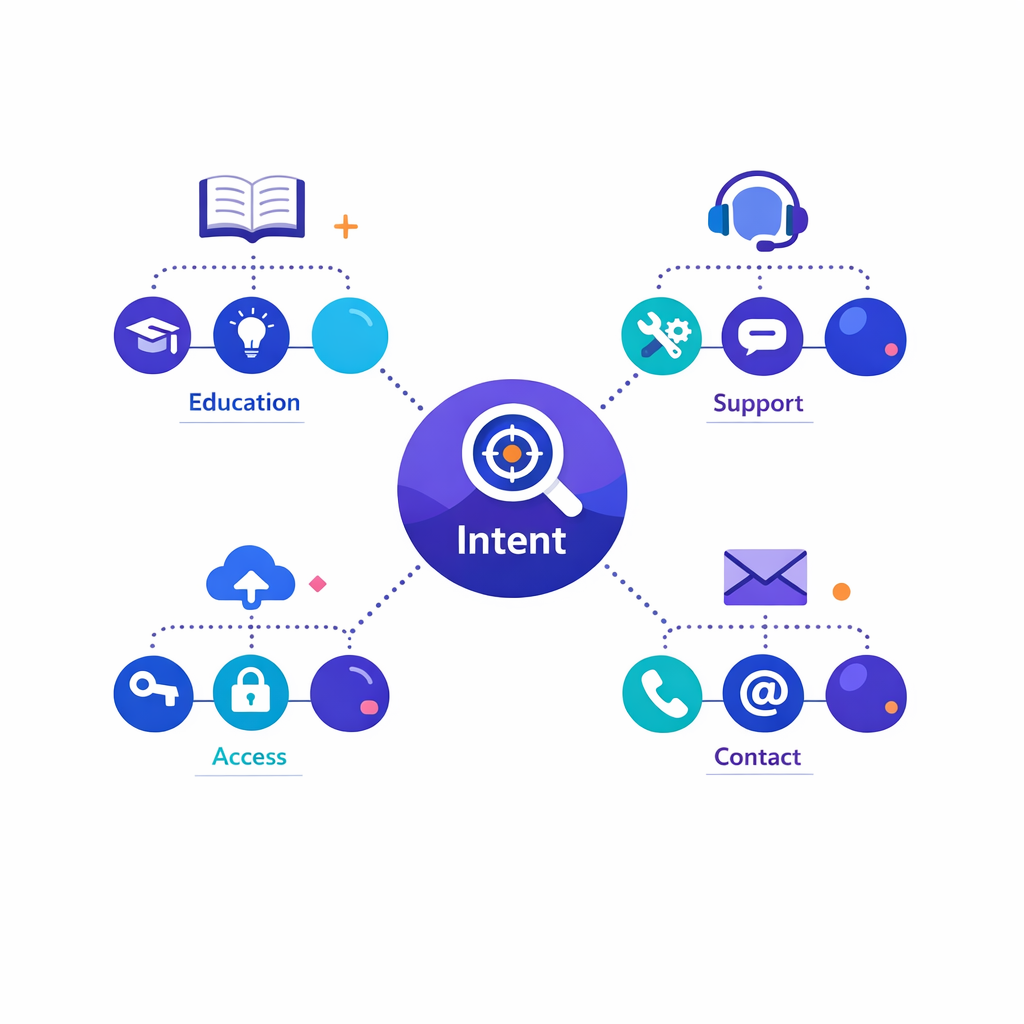
Start with intent, not volume. For life sciences brands, the most valuable keyword set often sits in the middle: specific enough to reveal why the user is searching, but broad enough to support an approved page that does not overstate the product story.
A simple way to organize healthcare ppc keywords is by task. HCP education terms may map to clinical information, access resources, or rep contact. Patient terms may map to disease education, eligibility, support enrollment, or speak-to-someone experiences. This makes creative review cleaner because each ad group serves one job to be done.
Search teams should also separate branded, unbranded, and competitor-adjacent research early. Even if multiple categories are ultimately approved, they rarely belong in the same workflow, success metric, or landing page system.
Segmenting campaigns by audience and indication
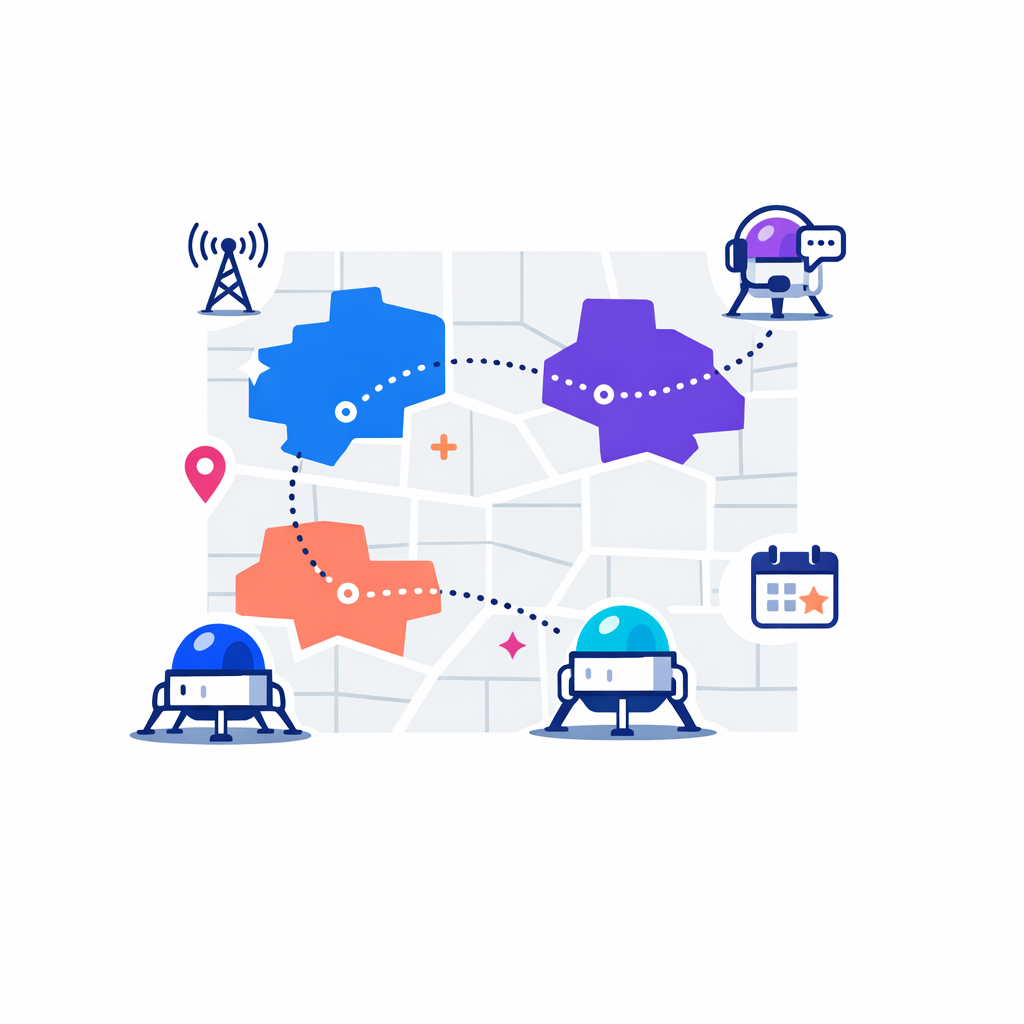
Campaign structure should reflect who is searching and what they need next. At minimum, separate HCP and patient journeys, then decide whether each requires further segmentation by indication, geography, therapy area, or funnel stage.
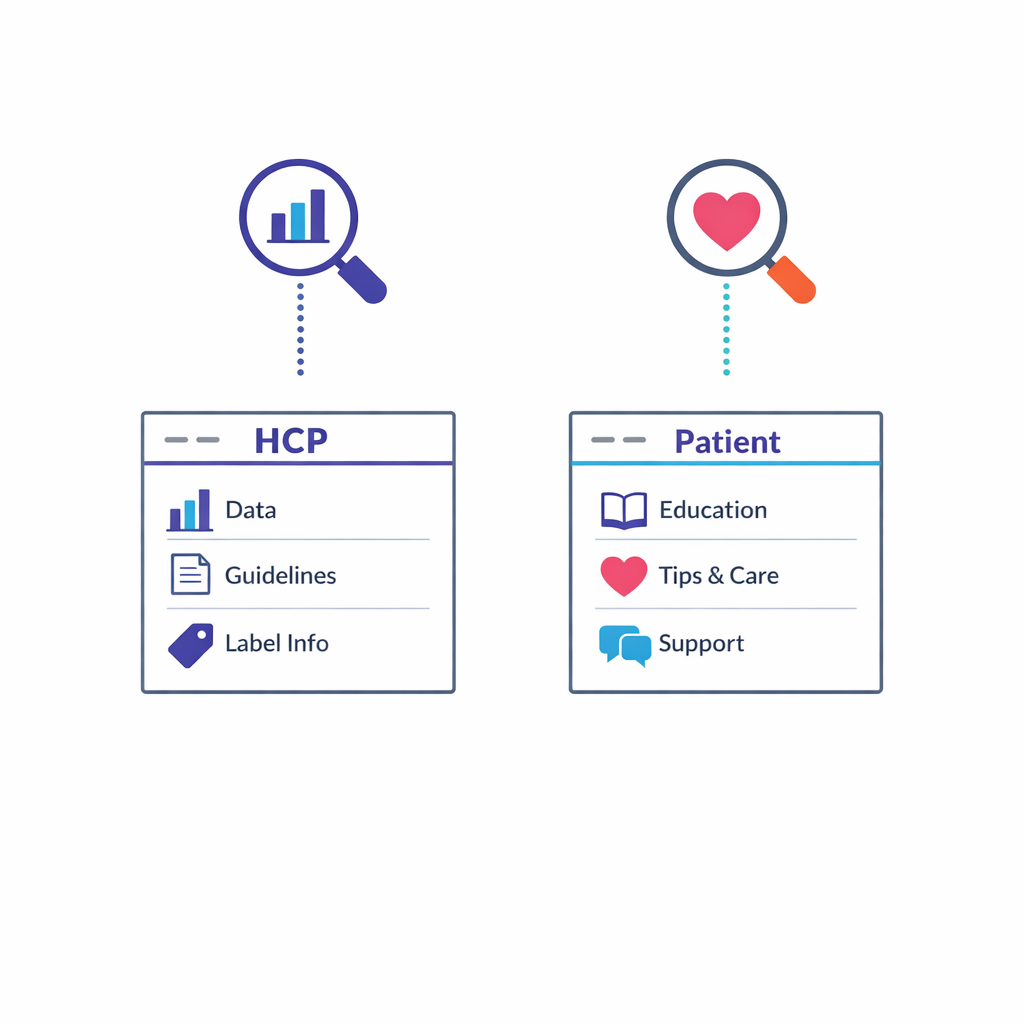
That structure improves more than compliance. It also improves relevance, because the ad can promise exactly what the landing page delivers. A page for HCPs may emphasize clinical data, access, or office follow-up. A patient page may emphasize understanding, support, consent, and plain-language next steps.
Negative keywords to reduce wasted spend and compliance risk
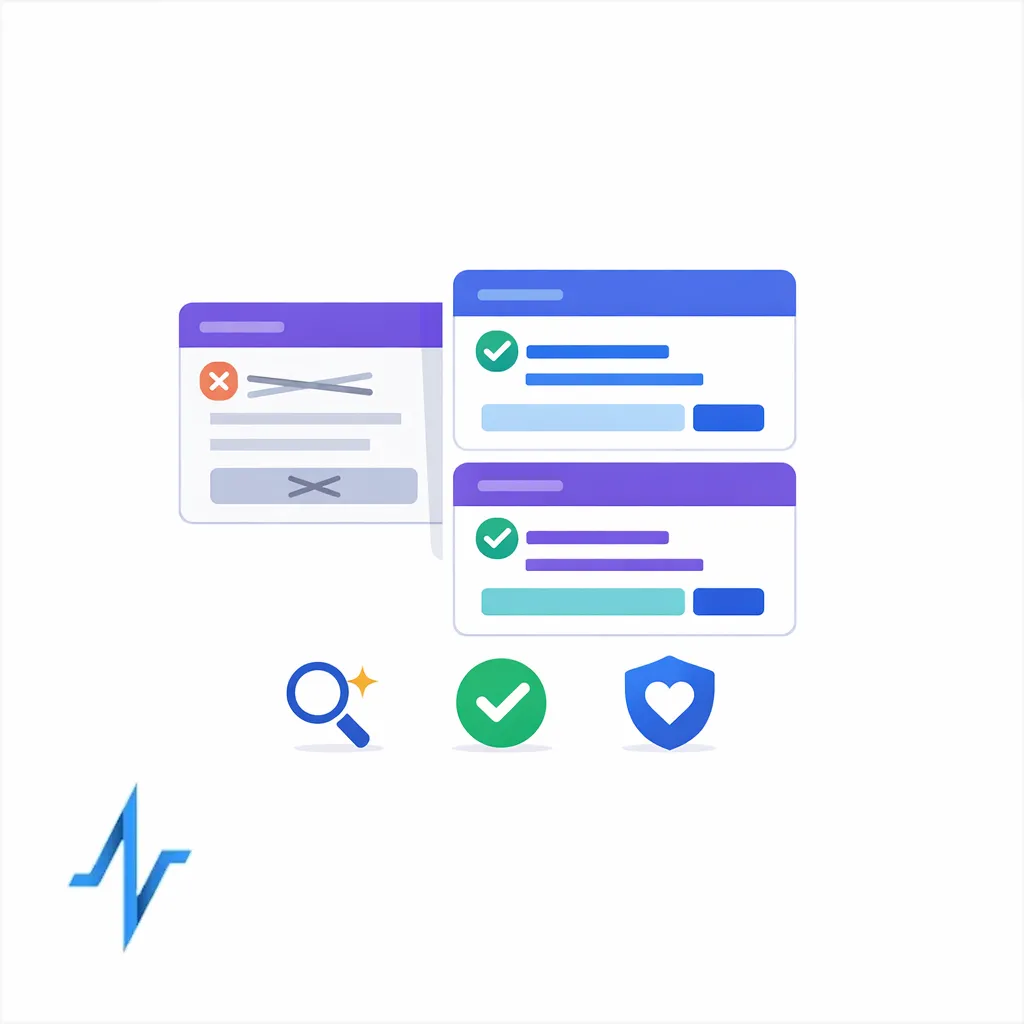
Negative keywords are one of the most underused controls in medical ppc. They reduce wasted spend, but they also help keep campaigns away from searches that suggest diagnoses, emergencies, unsupported populations, job seekers, unrelated medical meanings, or research intents your page is not built to satisfy.
Build negative keyword lists from three sources: internal terminology review, historical search term reports, and brand-safety review. Revisit them frequently. In life sciences search, a good negative list is not just an efficiency tool; it is part of the compliance system.
Geo-targeting and localization where appropriate
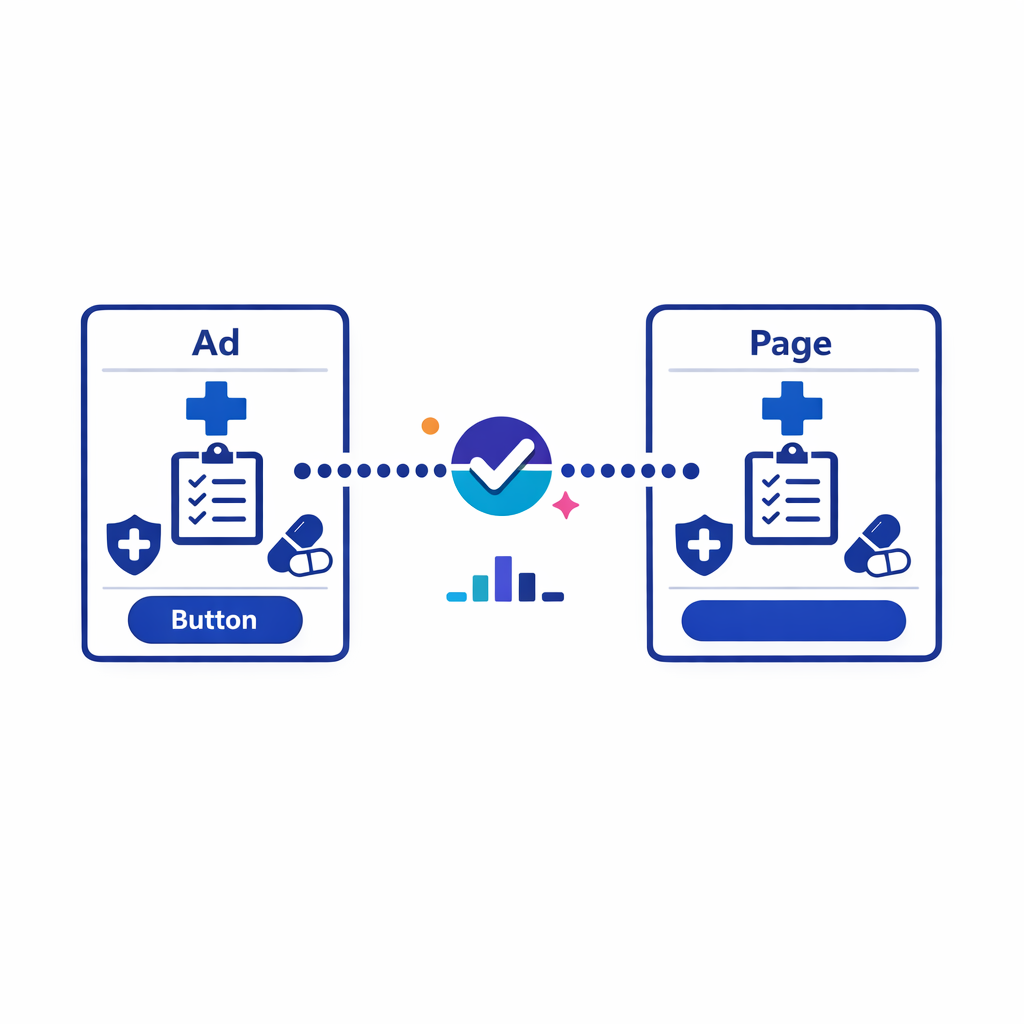
Use geography only where it genuinely improves relevance or reflects approved program design. Examples include state-specific support availability, field coverage, congress activity, or brand-approved localization needs.
What matters is consistency. If the ad references a local or regional promise, the landing page, routing logic, and follow-up workflow should honor that promise. Otherwise the search experience creates friction and review risk at the same time.
Ad copy and landing pages that pass review and convert
Trust-first messaging without prohibited claims
Strong healthcare paid search copy is usually precise, not dramatic. It tells the user what they will get next, avoids vague superlatives, and does not hint at outcomes the landing page cannot responsibly support.
For life sciences brands, trust-first copy often wins because it lowers both review risk and bounce risk. Clear education, approved support language, access information, and audience-specific framing often outperform ambitious copy that earns a click but fails downstream review or user confidence.
Matching ad copy to landing page content
The landing page should answer the exact promise made in the ad. If the ad offers dosing information, the first screen should help the user reach dosing information. If the ad offers patient support, the first screen should clarify eligibility, expectations, and next steps.
This sounds basic, but it is where many ppc for healthcare programs break down. Teams route multiple intents to one generic corporate page, then wonder why quality, conversion rate, and approval velocity all lag. Specific intent deserves specific content.
Privacy-safe forms, consent, and next-step design
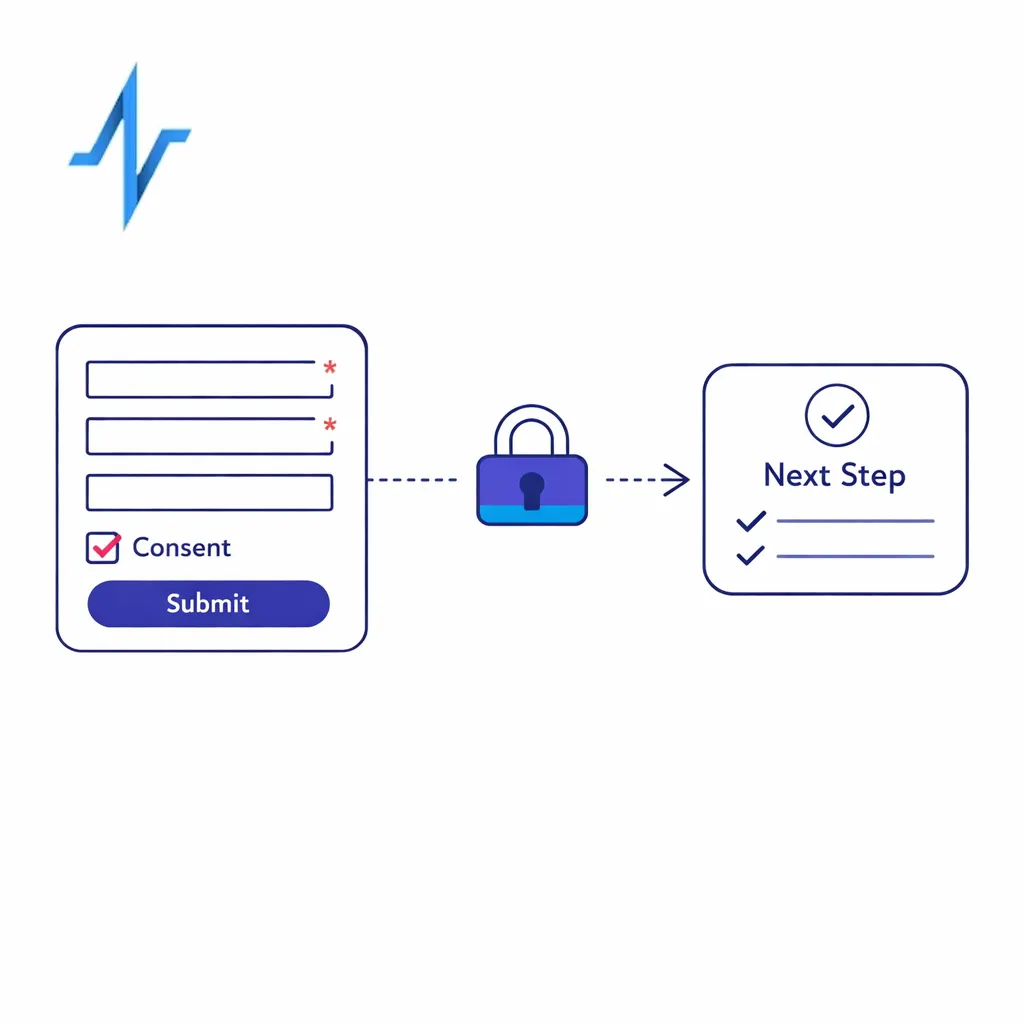
Forms should collect the minimum information needed for the stated next step. Ask for data because an operational process truly requires it, not because every additional field seems useful for future marketing.
Consent language should match what will happen next. If the user is requesting information, support, or contact, the disclosure, routing, and follow-up sequence should be explicit. Good CTA design in life sciences is less about urgency and more about clarity, appropriateness, and confidence.
HCP and patient landing page differences
HCP pages can assume more technical context, but they still need fast paths to the material the searcher likely wants: label, mechanism, data, access, or representative follow-up where appropriate. Patient pages need simpler language, more explanation, and more careful attention to emotional tone, consent, and what is or is not being asked of the user.
One useful rule is this: if a single landing page forces you to compromise on language, proof, or CTA for two different audiences, it probably should have been two pages.
Measurement and optimization for life sciences PPC
What to track beyond clicks
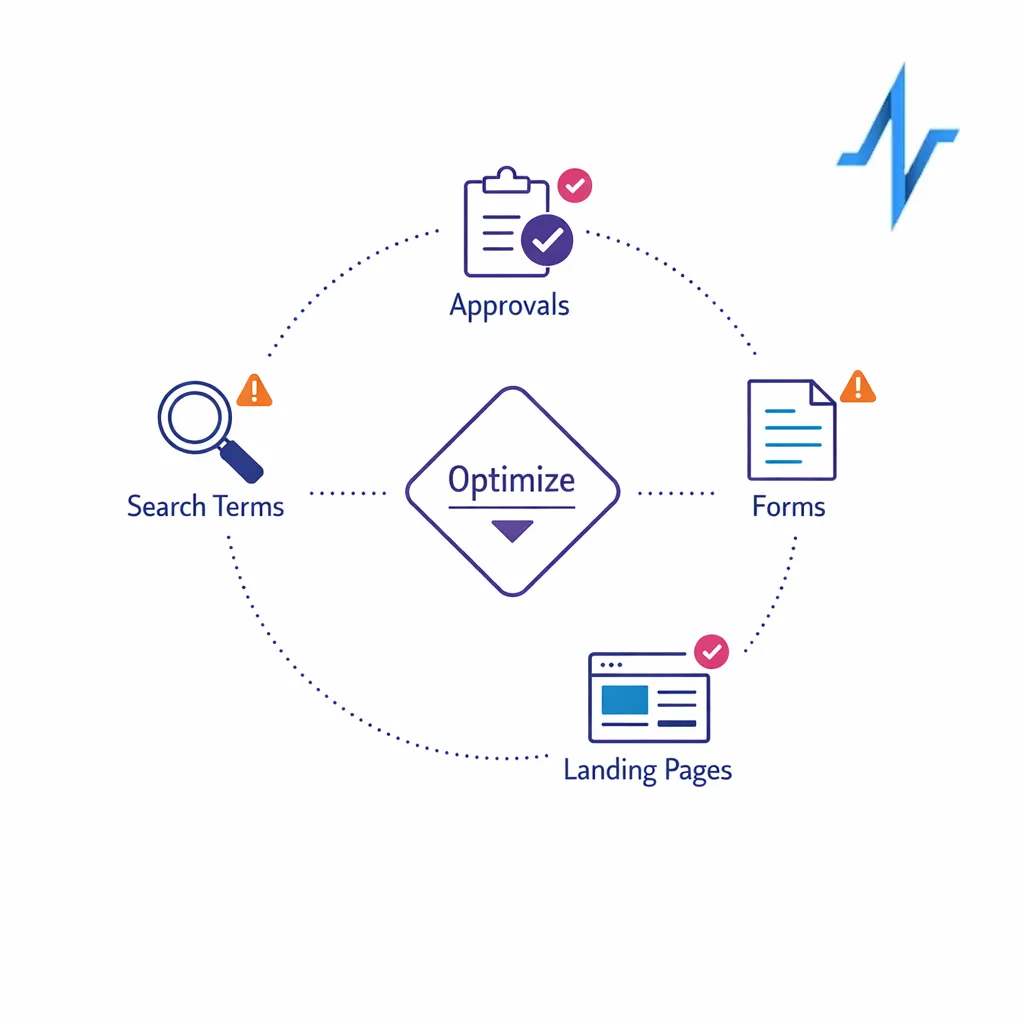
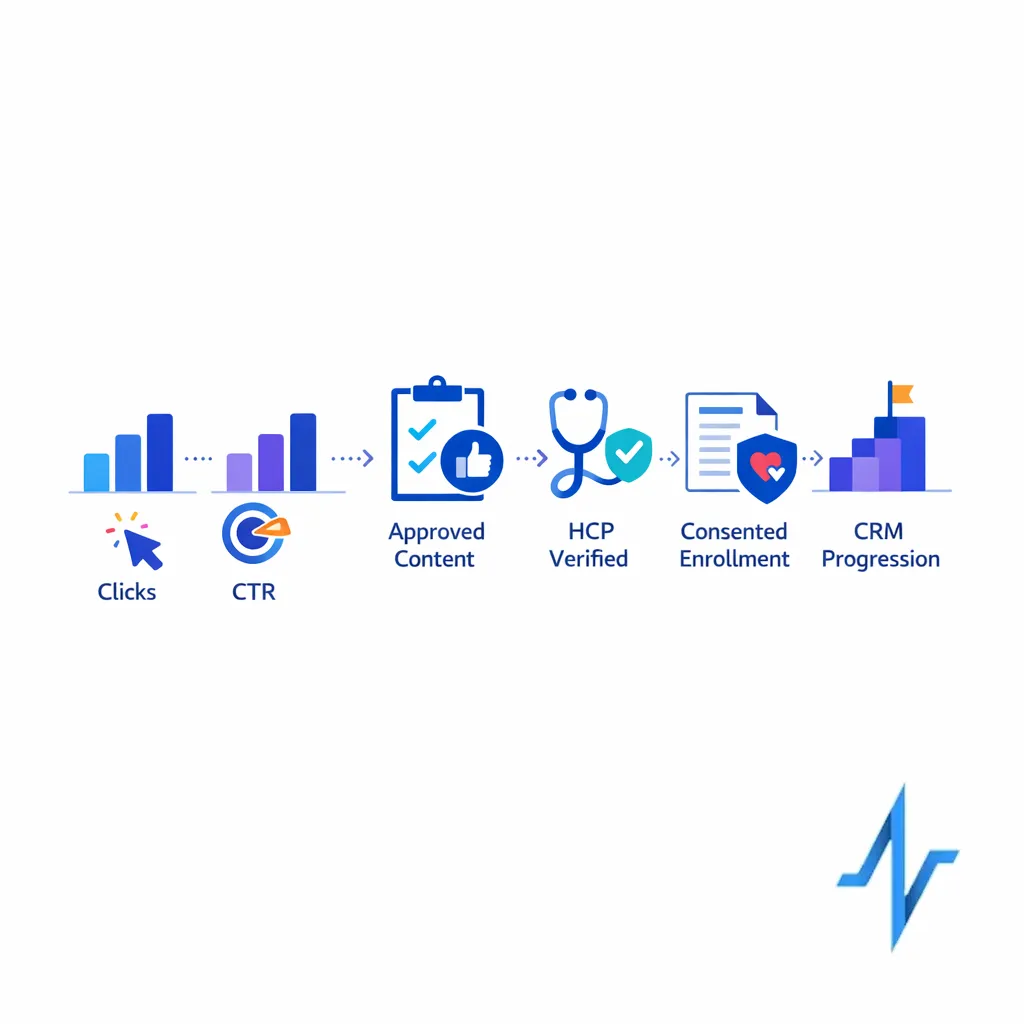
Clicks and CTR can tell you whether the ad is attracting attention. They do not tell you whether the program is producing qualified value. For life sciences teams, better north-star actions often include approved content consumption, form quality, consented enrollments, HCP identification, rep-request completion, or progression to a next validated status in the funnel.
Define those events before build. If the campaign is meant to support patient education, success may be depth of engagement and qualified sign-up, not raw form volume. If the campaign supports HCP engagement, success may be a verified professional action and accepted follow-up, not just page visits.
Offline conversion and CRM attribution
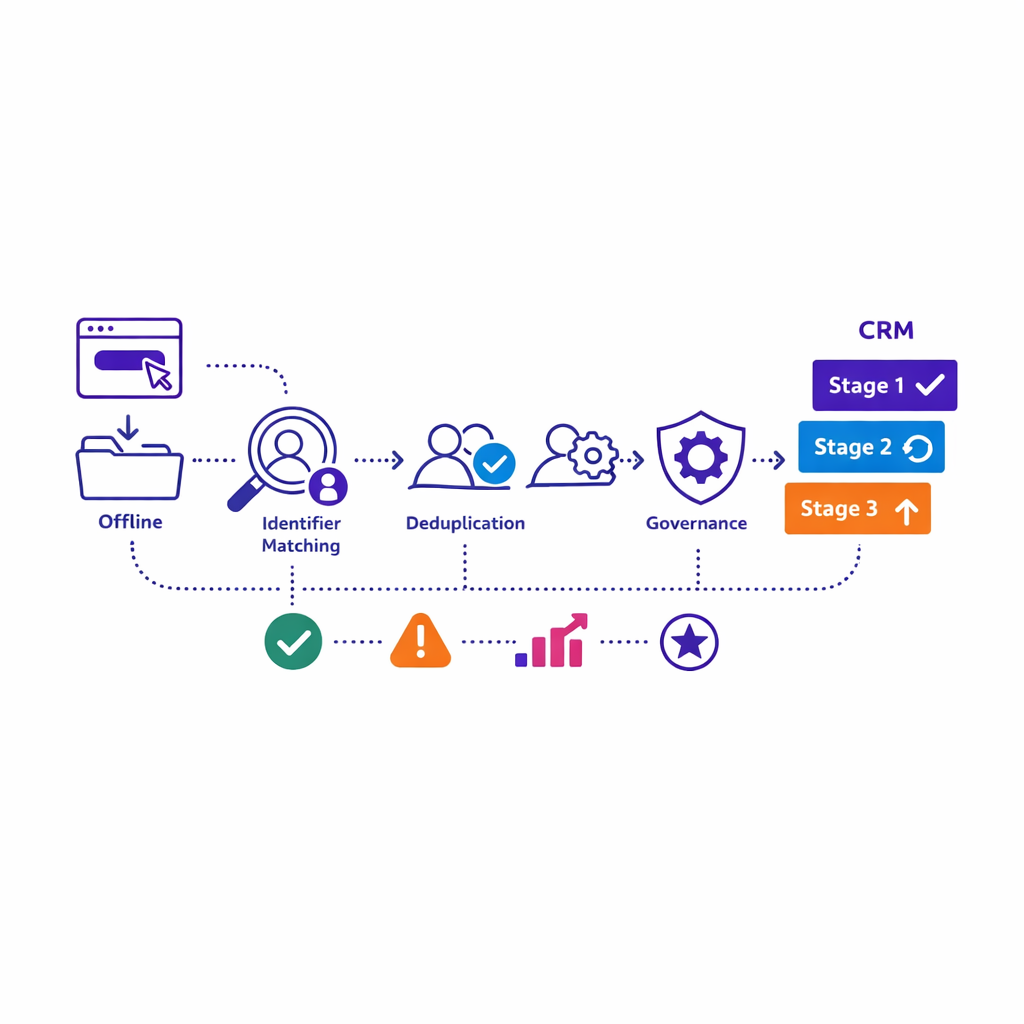
Search becomes more useful when online actions can be reconciled to downstream outcomes in a governed way. Google supports offline conversion imports into Google Ads, which is why many teams design healthcare paid search around consented first-party events, clean identifiers, and CRM status definitions instead of browser-only metrics.
The important discipline is governance. Decide which statuses count as optimization signals, who owns deduplication, how long attribution windows should run, and which teams can change those rules. Without that discipline, the media platform may optimize to activity that looks productive but does not actually represent qualified commercial or educational progress.
Compliance monitoring and search term audits
Optimization in healthcare paid search is not just bid tuning. It includes weekly or biweekly review of search terms, landing page behavior, new negatives, approval exceptions, broken forms, and any signal that user intent is drifting away from what the program was designed to handle.
That review should also check whether content approvals are still current. A high-performing ad is not truly high-performing if it keeps driving traffic to a page that has since changed, expired, or lost alignment with current approved messaging.
When to use automation and where human review is required
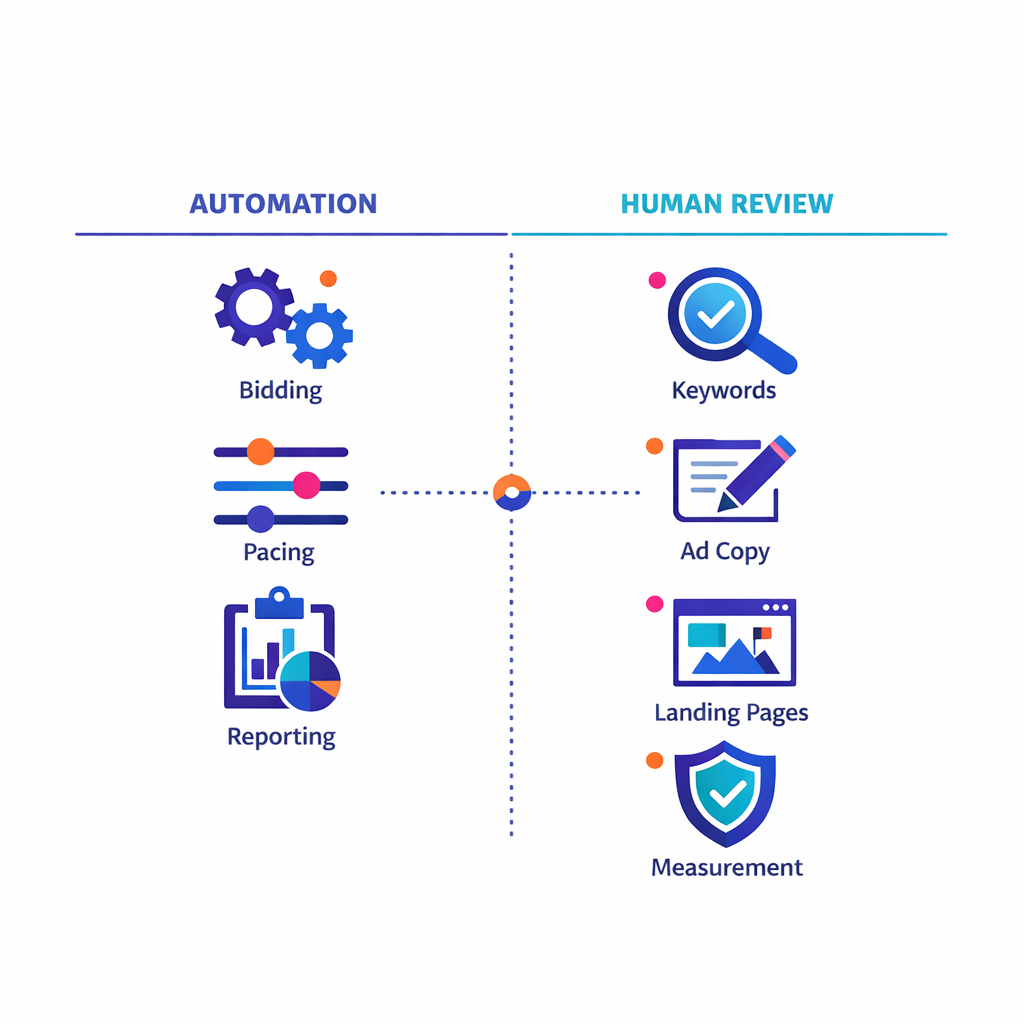
Automation is valuable when it speeds up repetitive execution inside approved guardrails. It is less valuable when it starts generating headlines, combinations, or audience treatments that have not been reviewed for a regulated brand context.
A practical rule is to automate bidding, pacing, and reporting sooner than messaging and audience experimentation. Human review should stay close to keyword expansion, ad copy variations, landing page changes, and any measurement change that could alter what data is collected or shared.
Common mistakes life sciences brands make
- Using broad keywords too early. This brings in ambiguous intent, irrelevant medical meanings, and avoidable review complexity before the campaign has a stable conversion model.
- Sending traffic to a generic homepage. The user has one question in mind; the homepage usually answers ten others first.
- Using remarketing logic that feels too sensitive. If the tactic would make the audience feel identified by a condition, it is usually the wrong first move for compliant healthcare paid search.
- Launching unvetted ad copy. Small text changes can materially alter a claim, audience implication, or risk profile.
- Optimizing to lead volume instead of qualified outcomes. More form fills are not better if they are low-intent, duplicated, or operationally unusable.
- Treating search as a standalone channel. Paid search works best when it connects cleanly to approved email, CRM workflows, HCP engagement, and the rest of the omnichannel plan.
Pulse Health framework for compliant paid search
For many brand and operations teams, the real bottleneck is not media buying skill. It is operational coordination across approved messaging, privacy-aware data capture, HCP or patient journey design, and measurable downstream orchestration.
That is where Pulse Health can add leverage. A compliant healthcare ppc program is easier to run when paid search is designed alongside approval workflows, CRM status logic, consent-aware forms, integration planning, and the next channel step rather than as an isolated traffic source.
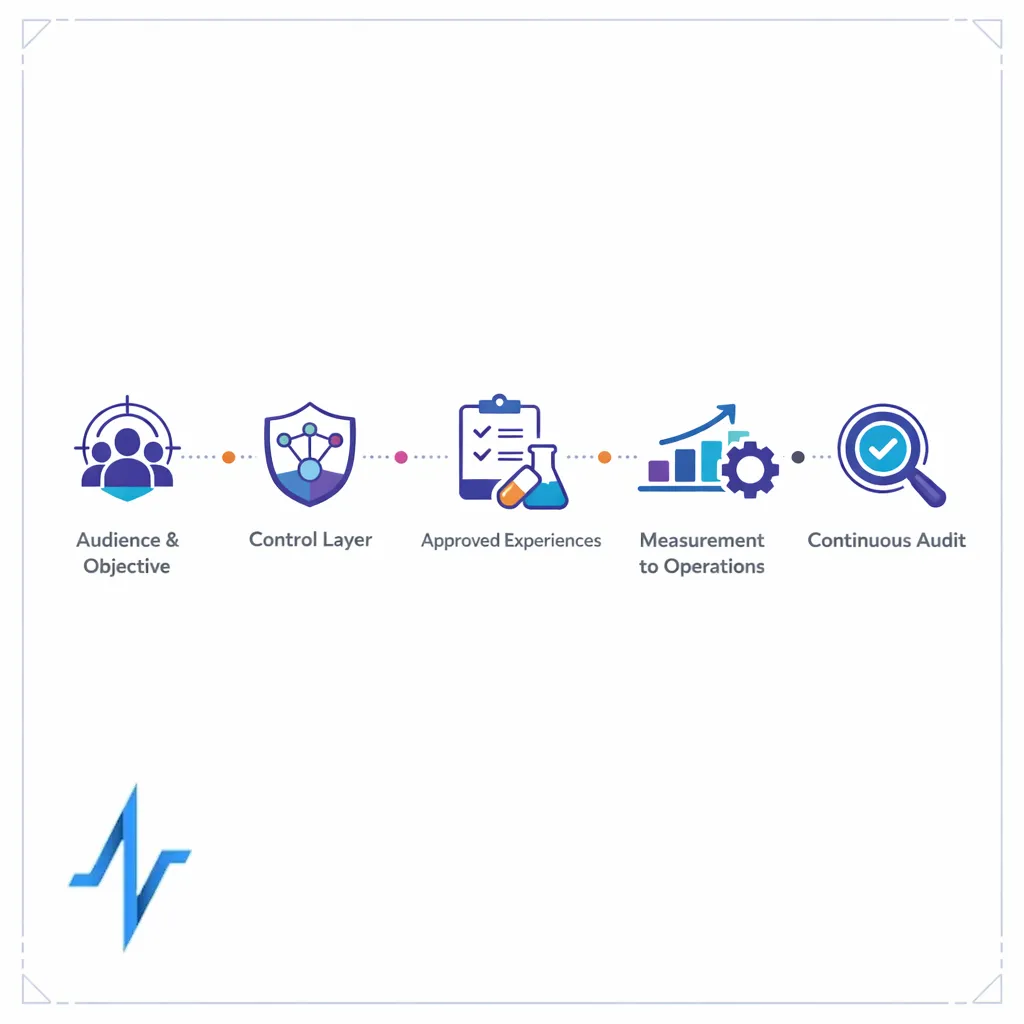
A practical framework looks like this:
- Start with audience and objective. Define the approved user, the approved next step, and the business question the campaign is meant to answer.
- Design the control layer. Set privacy, promotional, and platform constraints before keywords and creative are expanded.
- Build around approved experiences. Create landing paths for each audience and indication instead of forcing all traffic to one destination.
- Connect measurement to operations. Use consented first-party events and CRM stages that map to real downstream outcomes.
- Audit continuously. Review search terms, approvals, tracking behavior, and follow-up performance on a set cadence.
Used this way, ppc in healthcare becomes more than media execution. It becomes a governed acquisition and education workflow that supports HCP engagement, patient education, identity, measurement, and orchestration with less rework.
What to do next
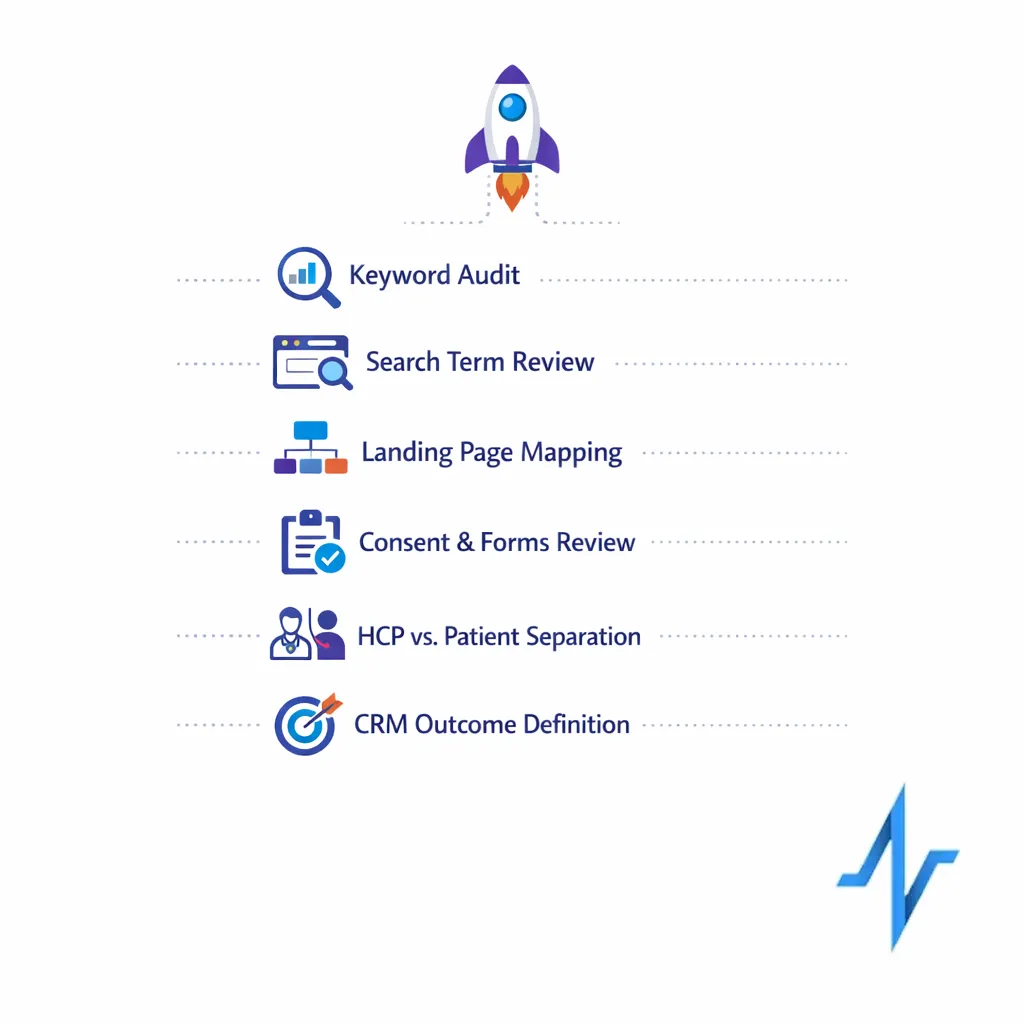
- Audit current keywords and search terms for audience ambiguity, unsupported claims, and missing negatives.
- Map every ad group to one approved landing experience and one clearly defined next step.
- Review tags, forms, consent language, and CRM routing before the next launch or refresh.
- Separate HCP and patient journeys if they currently share copy, pages, or forms.
- Define the offline or CRM outcomes that should count as success before changing bid strategy.
- Set a recurring compliance and search-term review cadence with marketing, ops, and review stakeholders.
Request a Demo
If your team needs healthcare paid search that is measurable, privacy-aware, and easier to operationalize across review and CRM workflows, Request a Demo with Pulse Health. You can also use that conversation to see how it works, get the platform overview, or explore integrations that support approved messaging, HCP engagement, and downstream measurement.