
Direct-to-consumer pharma means reaching patients directly with a mix of promotion, education, access, and support. For US pharma brand teams, omnichannel leads, CRM owners, and agency partners, the challenge is building patient journeys that feel simple to the consumer but stay disciplined across medical, legal, regulatory, privacy, and measurement requirements.
This article explains what direct to consumer pharma means today, where dtc pharmaceutical marketing fits in the patient journey, which channels matter most, and how teams can stay compliant while improving access and experience. It also covers common mistakes, real-world platform examples, and a practical framework you can use to launch or tighten a program.
FAQ: What does direct-to-consumer mean in pharma?
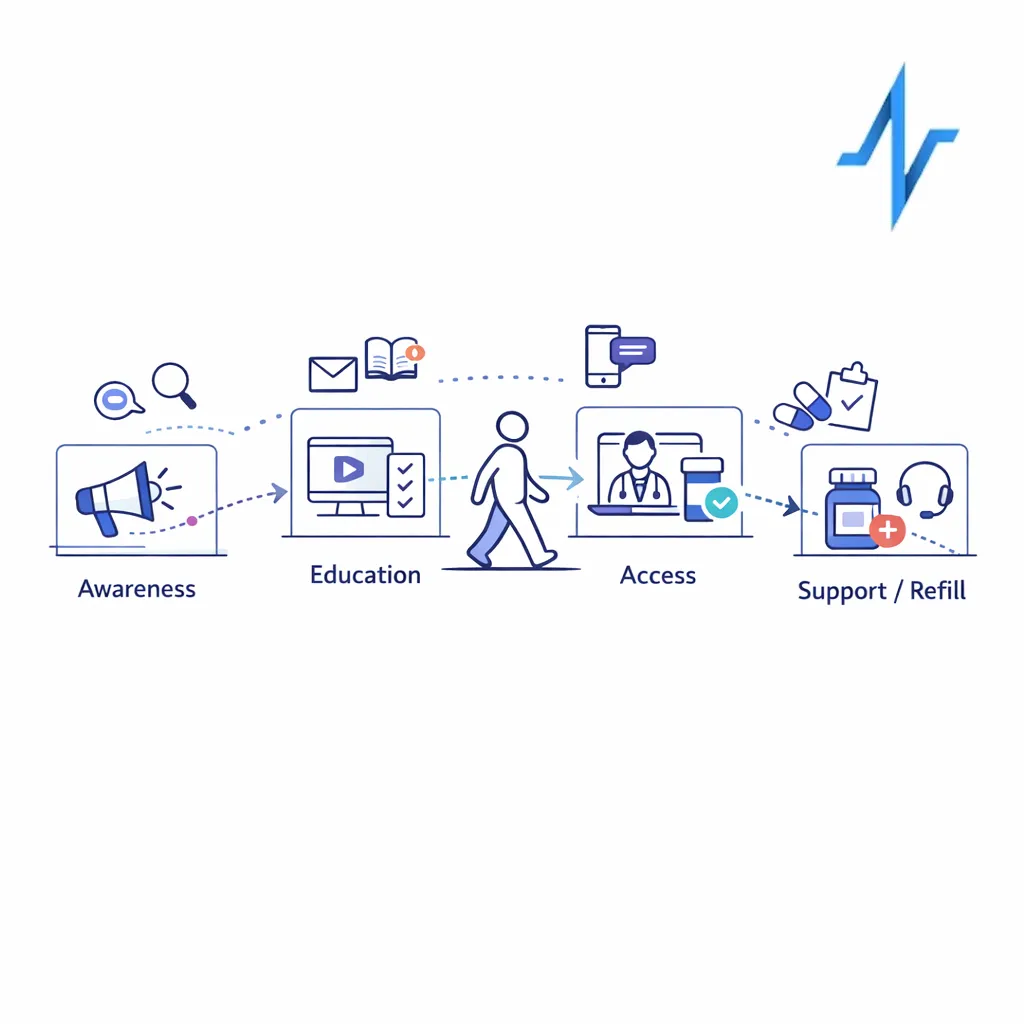
In pharma, DTC usually refers to activity aimed at patients rather than only HCPs, health systems, or payers. The narrow meaning is direct-to-consumer pharmaceutical advertising. The broader operating meaning includes direct-to-patient experiences that help people learn, sign up, qualify for support, and move toward therapy start or refill.
- DTC advertising focuses on awareness or product messaging delivered through paid, earned, or owned media.
- DTC access focuses on practical next steps such as affordability guidance, telehealth routing, intake, or support enrollment.
- Direct-to-patient platforms combine content, consent, routing, service workflows, and measurement in one connected experience.
That distinction matters because not every patient-facing touchpoint is the same kind of asset. A consumer pharma advertising unit, a disease-education article, a portal sign-up form, and a refill reminder may all sit in one journey, but they do not all trigger the same review, disclosure, or data rules.
What changed in DTC pharma
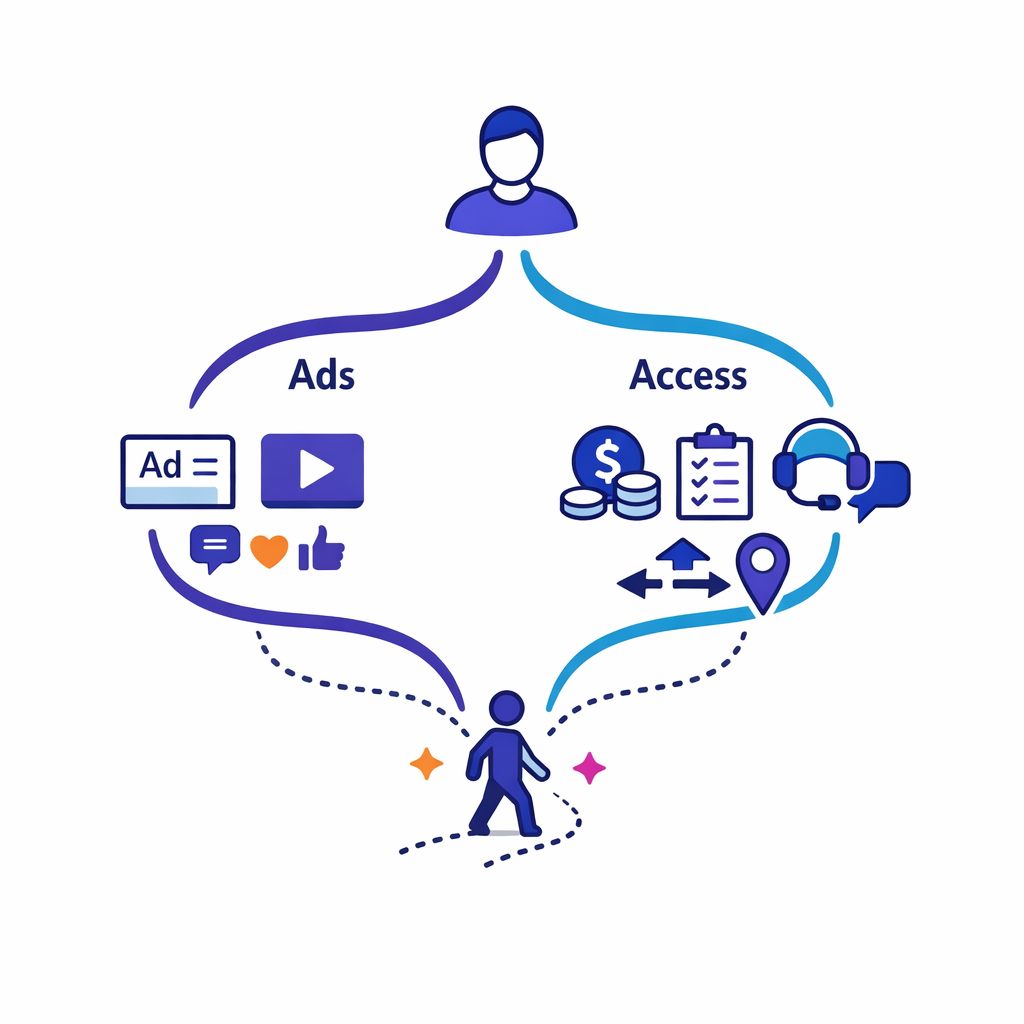
Many teams now define DTC more broadly than the advertising-only view. Instead of treating consumer pharma advertising as a stand-alone media line item, they are designing connected experiences that continue from awareness into intake, affordability, fulfillment, and support.
That shift changes the operating model. Brand teams need approved content fragments, channel-aware orchestration, consent logic, identity resolution, and measurement that can follow the journey from first visit to service use, therapy start, and persistence.
What direct-to-consumer pharma means today
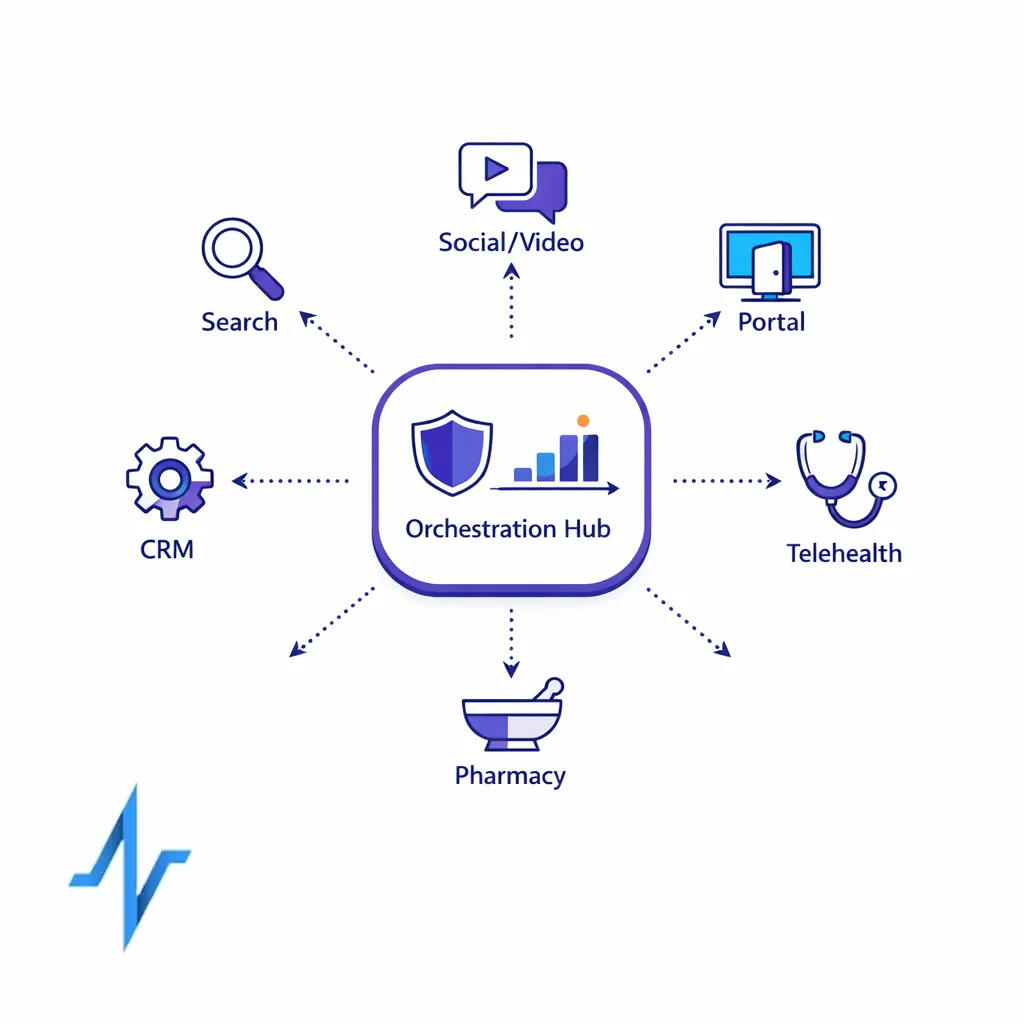
Modern dtc pharma is less about broadcasting a message and more about reducing friction. The patient may start with a search, social post, or video, then move into a branded hub, a savings workflow, a telehealth handoff, a pharmacy path, or an owned CRM program.
The most useful way to think about the model is by job-to-be-done. Advertising creates awareness. Access design helps the patient understand what to do next. Fulfillment and support keep the experience moving after intent appears. When those layers are disconnected, even strong media performance can turn into weak starts and noisy measurement.
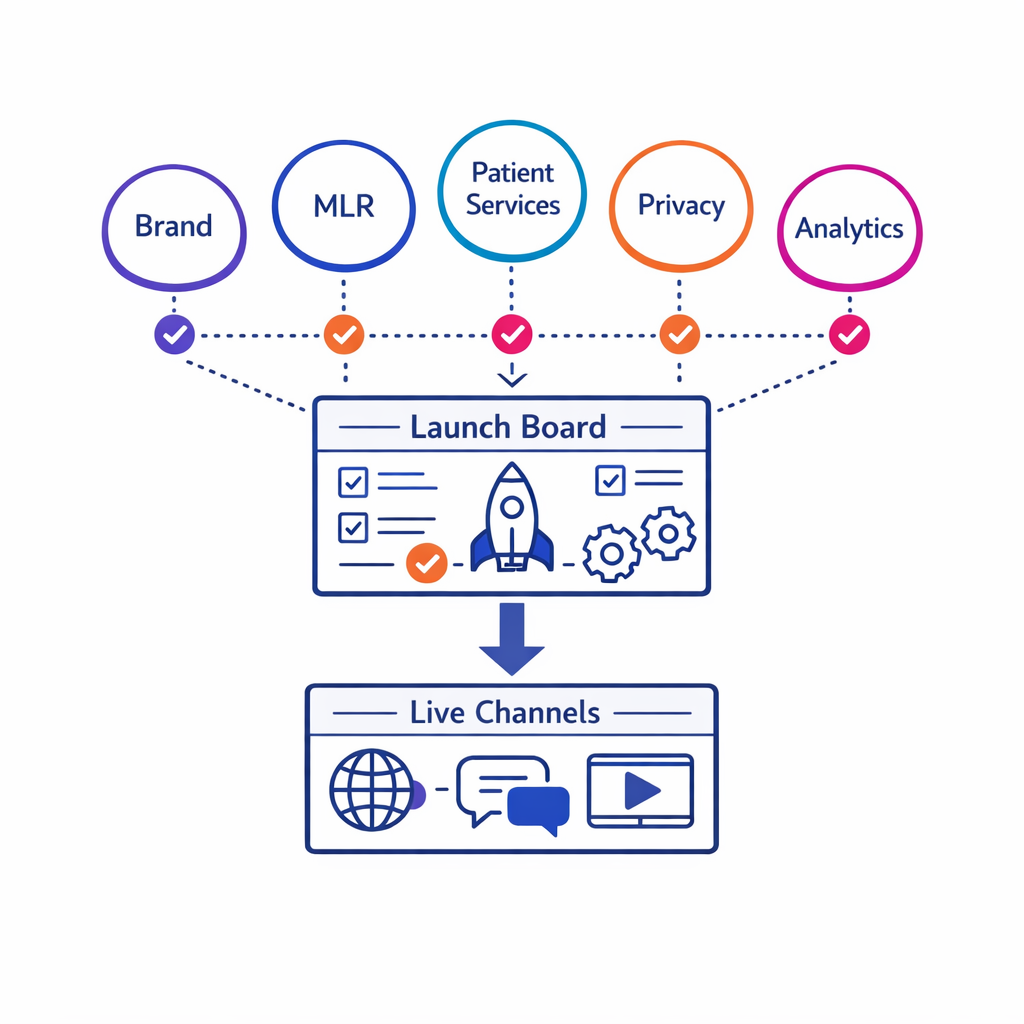
For marketers, this means direct to consumer healthcare is no longer just a creative exercise. It is a coordination problem involving brand, MLR, patient services, CRM, analytics, privacy, agencies, and vendor partners.
Why pharma brands are moving closer to patients
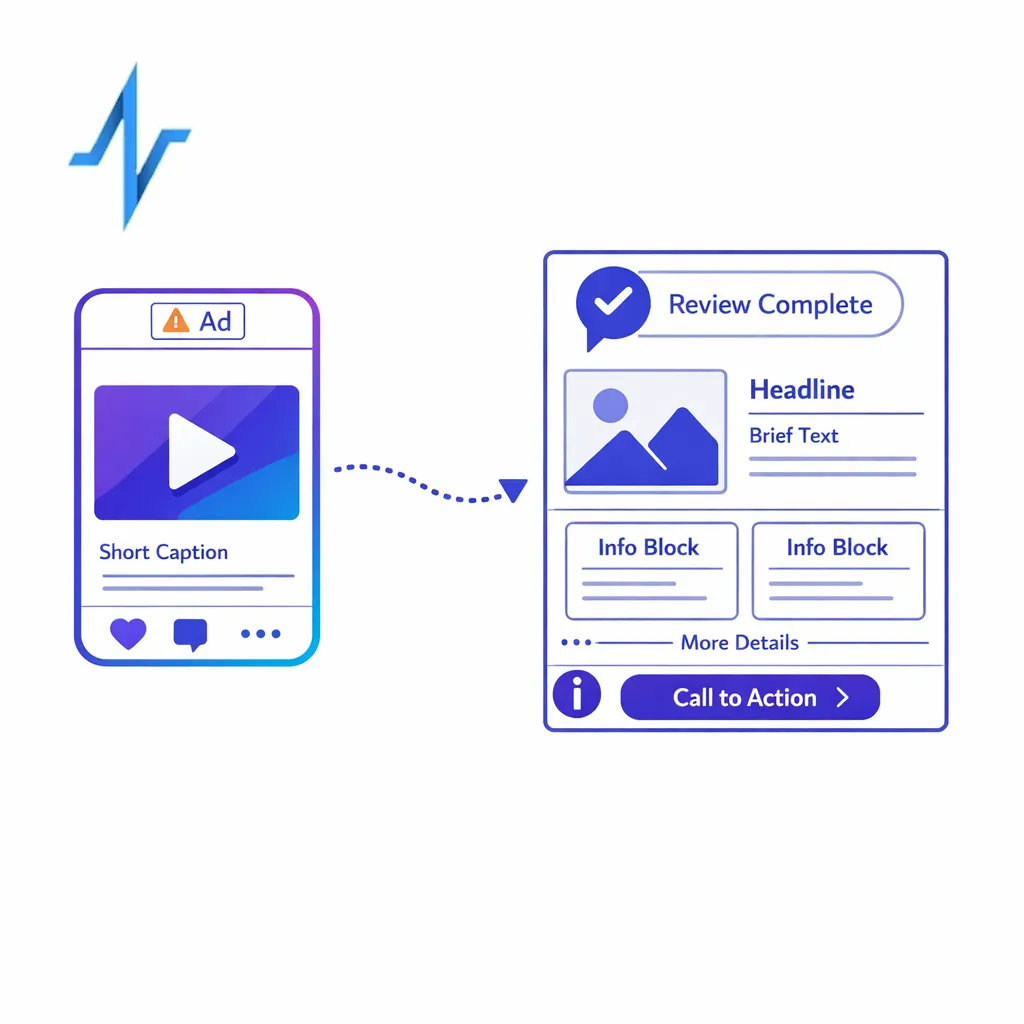
Brand teams are responding to patients who compare pharma journeys with other digital experiences. When a program connects education with affordability information and support in one flow, the experience feels less confusing and the brand learns where people stall.
There is also pressure to shorten the distance between demand and access. Some programs are designed to make pricing, assistance, virtual intake, or home-delivery options easier to discover, while others focus on helping patients prepare for conversations with their clinicians instead of navigating alone.
The result is a broader definition of dtc pharmaceutical marketing. It still includes advertising, but it increasingly overlaps with service design, patient support, and direct-to-patient orchestration.
Core DTC pharma channels brands use
Search and educational content
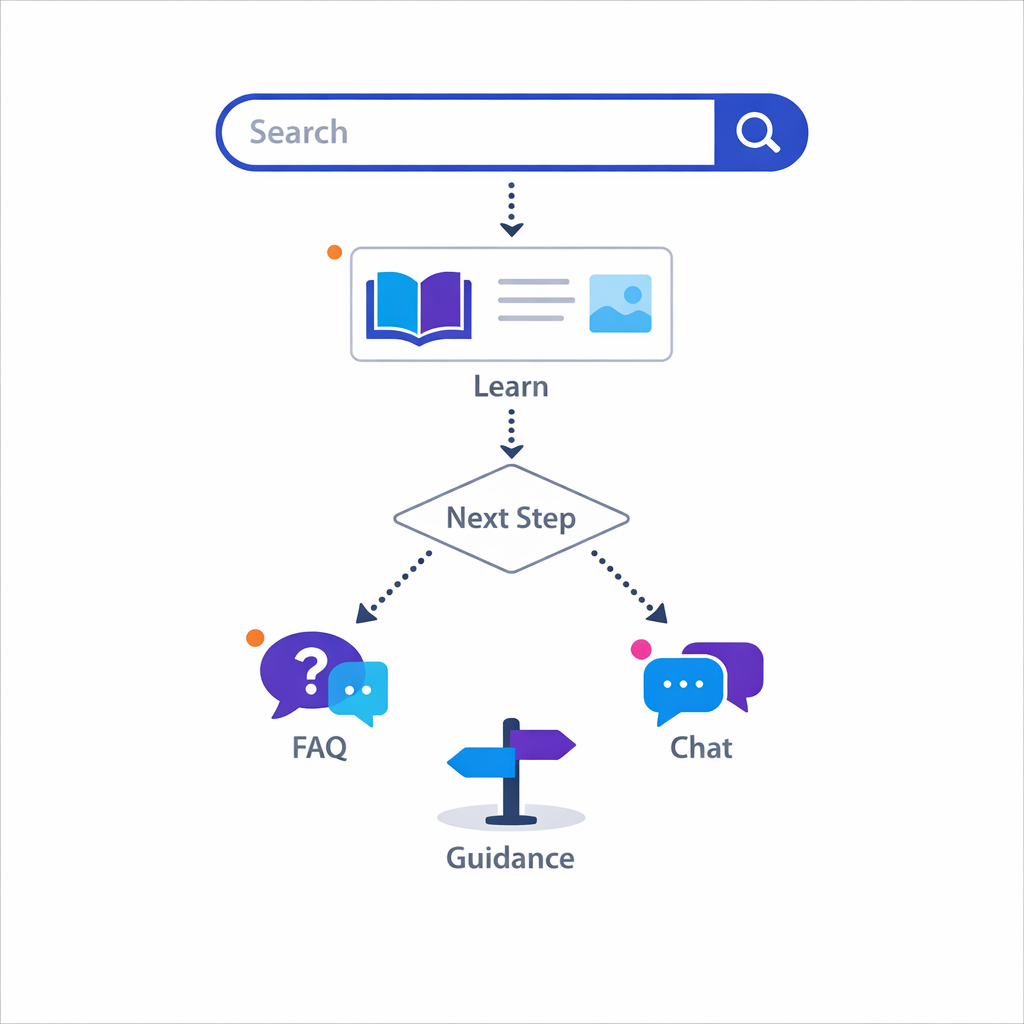
For many brands, search is the clearest place to meet patient intent. Strong programs separate unbranded education from branded promotion, answer real condition or treatment questions plainly, and route people into the right next step instead of forcing every visitor into the same funnel.
This is also where content governance matters. Search copy, metadata, landing-page modules, FAQs, and chat entry points should be reviewed as a connected system so teams do not create compliant long-form pages but noncompliant short-form hooks.
Social and video
Social and video help brands turn complex therapies into understandable narratives. The most effective creative usually does one job well: spark interest, set expectations, and move the patient to a destination where fuller education and support can happen.
Short-form environments make discipline more important, not less. Teams need clear rules for how branded claims, community management, patient stories, and comment-response workflows will work before campaign volume scales.
Telehealth and virtual intake
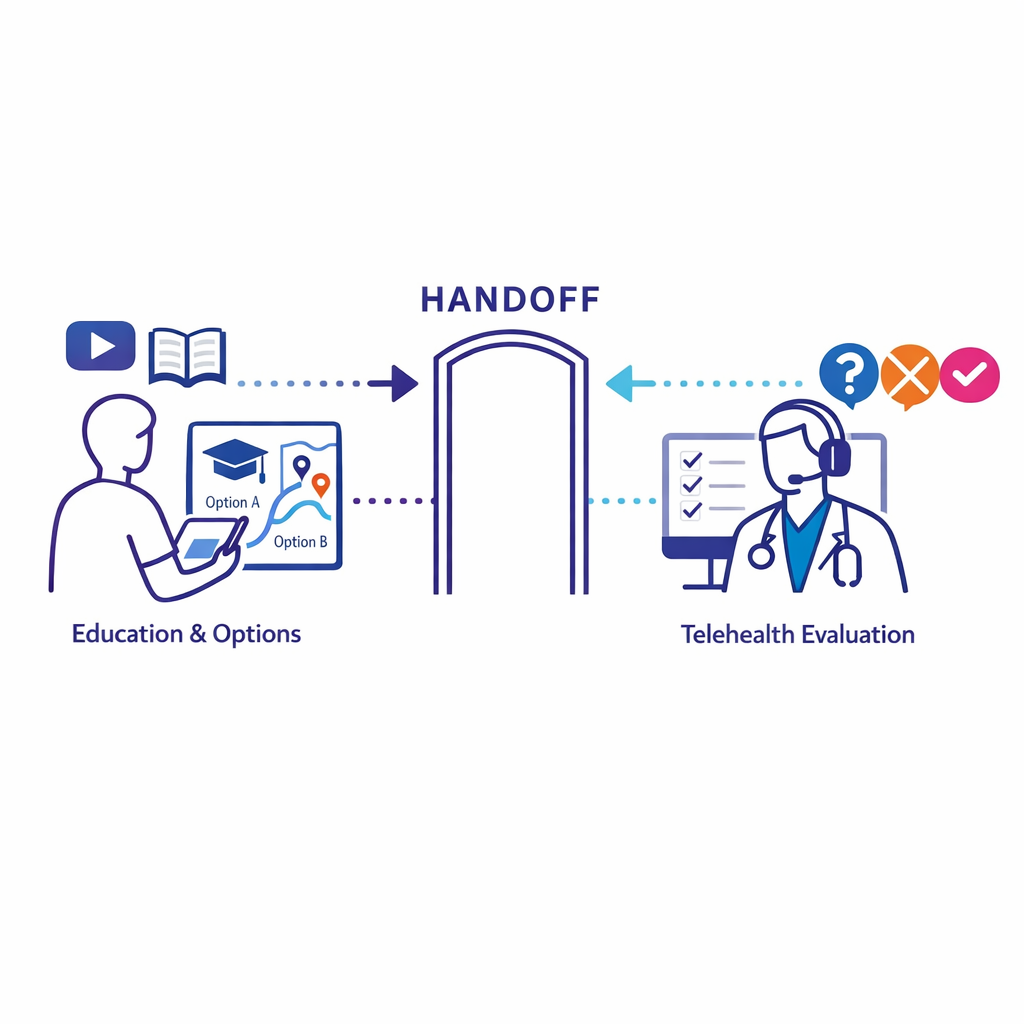
Telehealth-enabled access can reduce friction when the patient needs evaluation, information, or a route into care. The safest model is to make the handoff explicit: the brand experience can educate and route, while the clinical encounter remains clinically independent and focused on patient appropriateness.
Virtual intake forms should only ask for information that is operationally necessary. They should also explain why the data is being collected and what happens next, especially if the patient is moving from content consumption into service enrollment or clinician matching.
Brand portals and patient support hubs
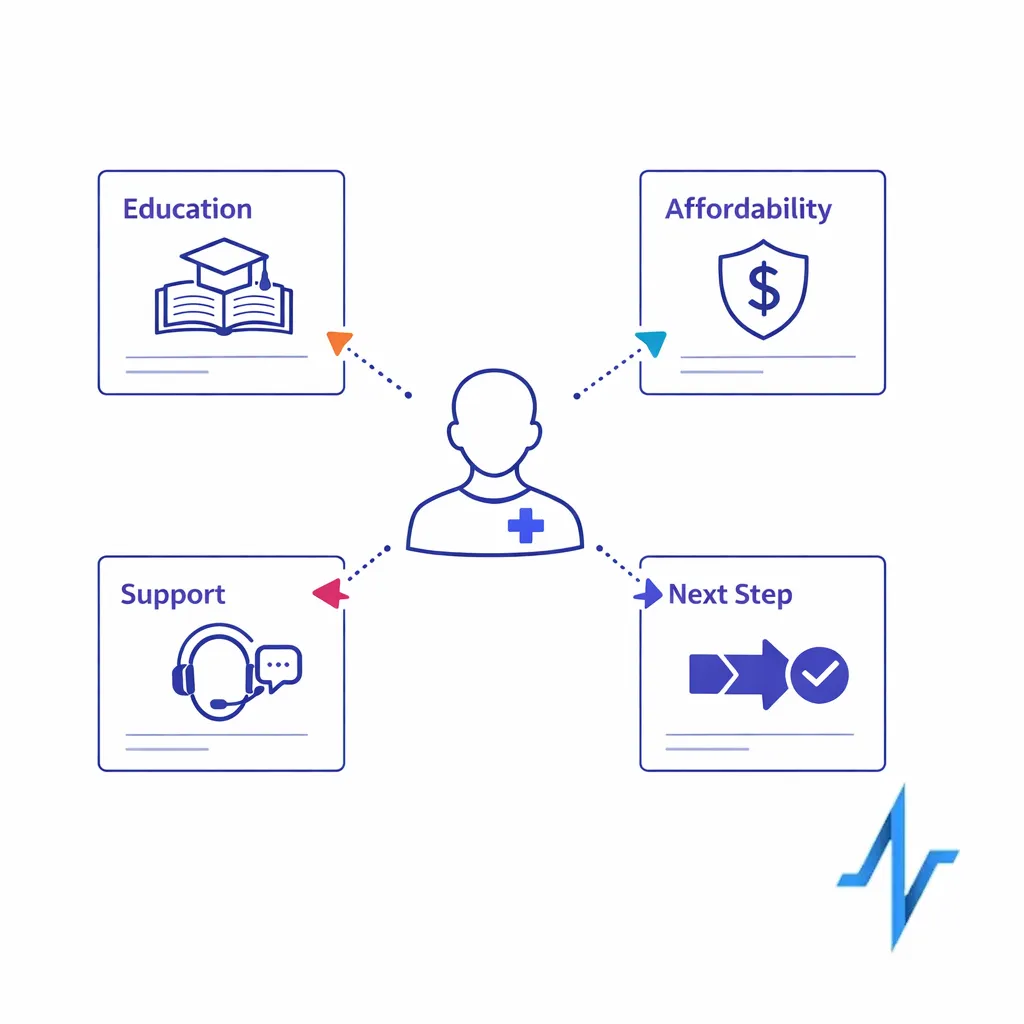
Brand portals work best when they act as a clean front door. That may mean disease education, copay and affordability information, starter-kit enrollment, refill support, nurse or hub escalation, or simple route selection based on patient need.
The mistake is trying to make one page do everything. Good portals sequence decisions so patients can self-identify, understand options, and move forward without feeling pushed into a prescription outcome.
Pharmacy fulfillment and home delivery
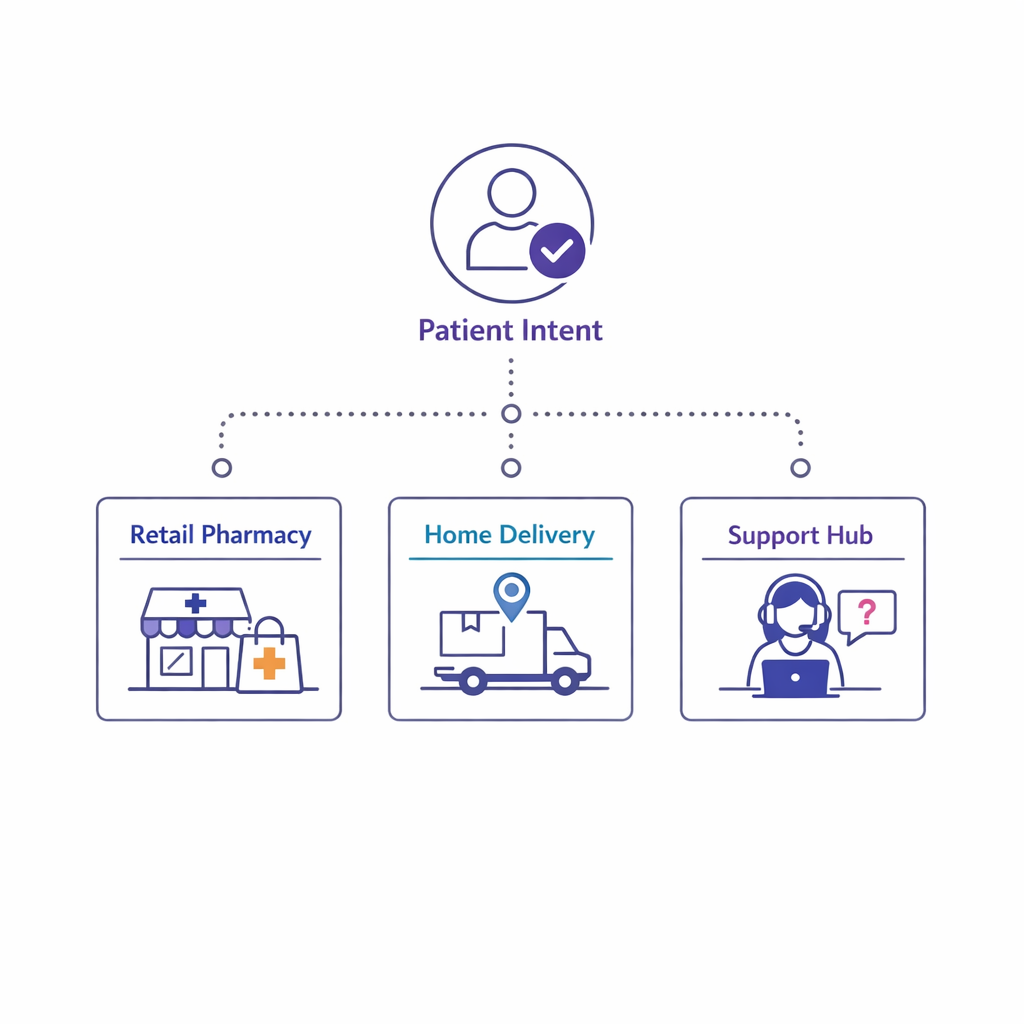
Some direct to consumer pharma programs extend into pharmacy coordination, home delivery, or cash-pay paths. Whether the model is direct or partner-enabled, the marketing task is to make fulfillment options understandable without oversimplifying who is eligible, what requires clinician review, or how coverage and support interact.
Fulfillment is where access promises become operational realities. If the experience creates expectations that the pharmacy, hub, or support program cannot meet, trust erodes quickly.
Email, CRM, and owned patient journeys
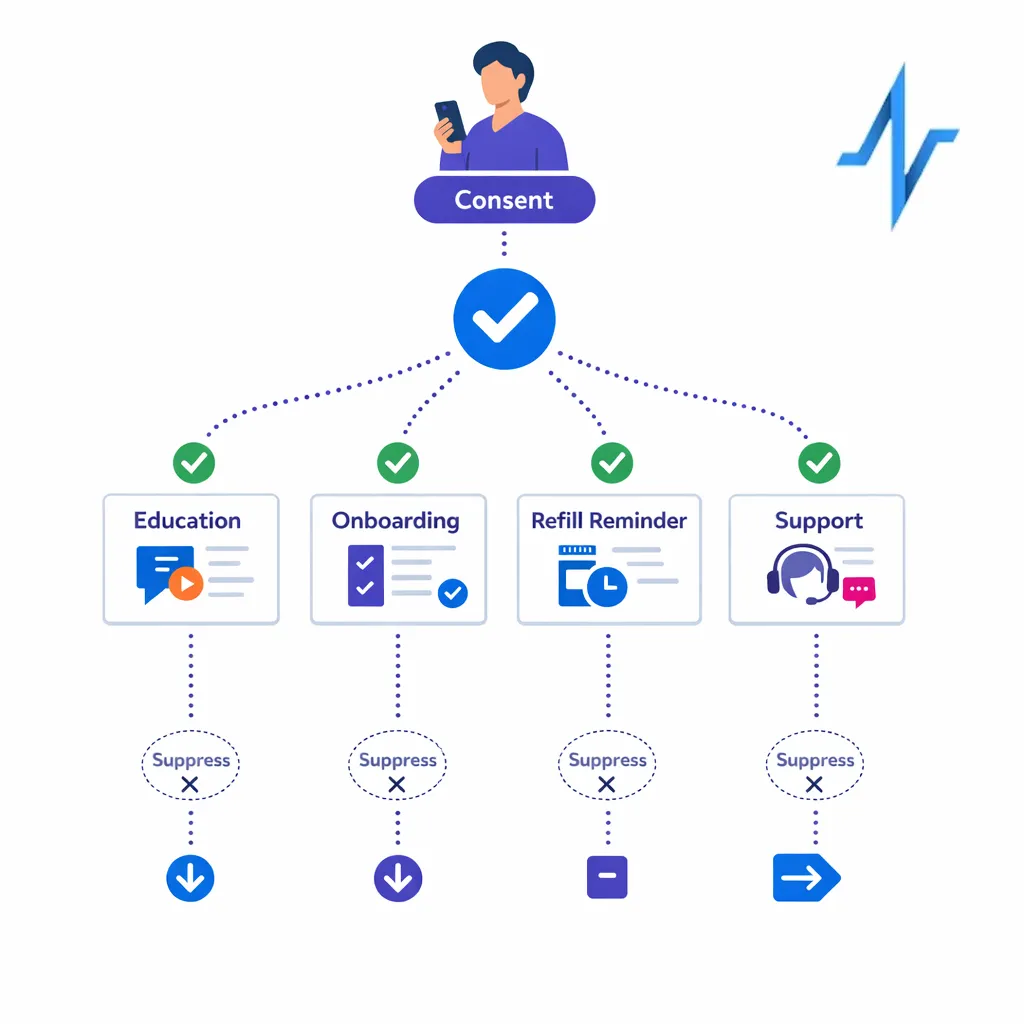
Owned channels are where compliant orchestration becomes measurable. After opt-in, email, SMS where appropriate, and CRM-triggered workflows can deliver approved education, onboarding, refill reminders, affordability guidance, and service follow-up based on explicit consent and program rules.
This is also where first-party data becomes useful. The goal is not to collect everything. It is to know enough to route the patient to the next best action, suppress the wrong message, and give operations teams clearer signals about drop-off, completion, and experience quality.
How brands stay compliant across channels
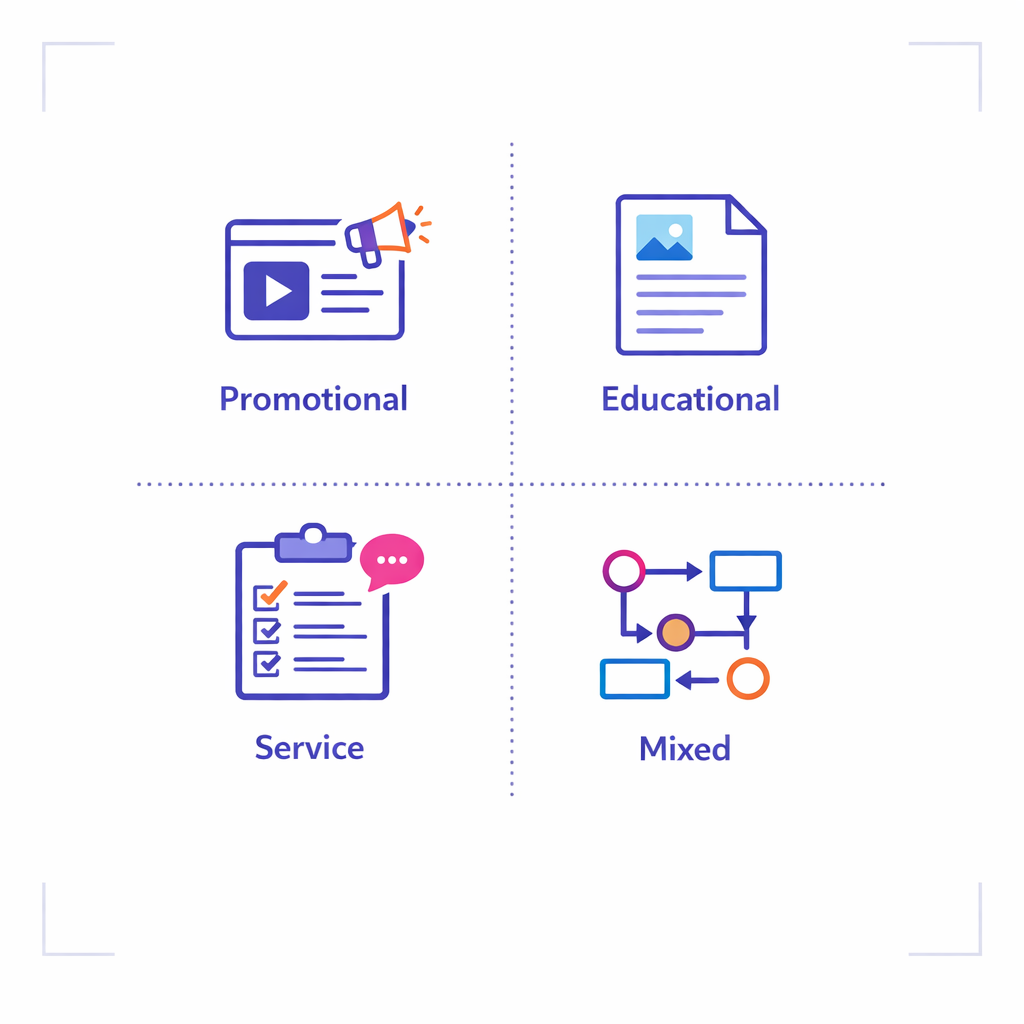
For patient-facing prescription promotion, FDA’s prescription drug advertising framework sets the baseline for consumer-directed communications. In practice, teams should first decide whether an asset is promotional, disease-awareness, service communication, or a hybrid journey with multiple asset types.
- Classify the asset correctly. The review path for a branded claim ad is different from the review path for a support email or an intake form.
- Keep channel fragments governed. Headlines, thumbnails, landing-page modules, chat prompts, and triggered messages should map back to approved source language.
- Design escalation rules. Medical questions, adverse events, and service issues should move quickly to the right team without improvisation.
FDA fair balance and risk disclosure basics
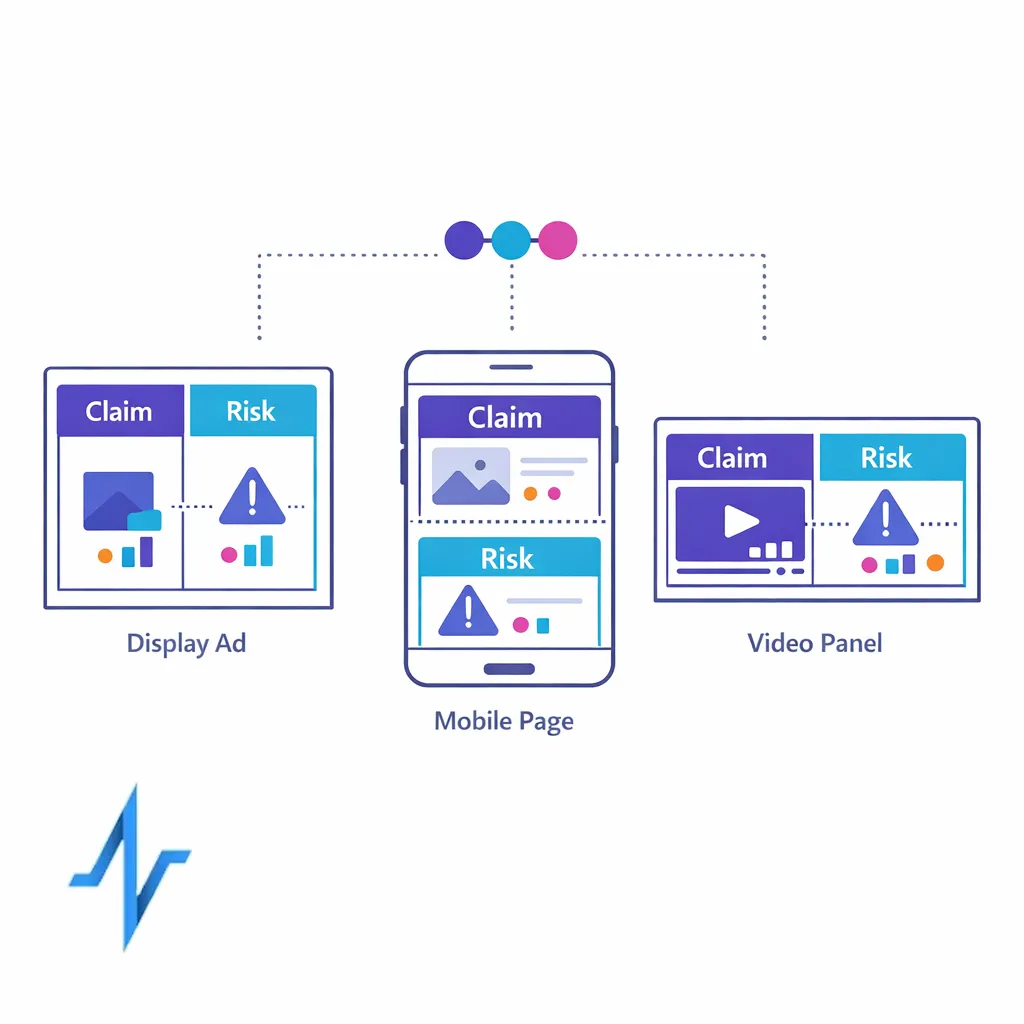
When a patient-facing asset makes product claims, risk information has to be presented with adequate prominence, readability, placement, and context. For omnichannel teams, that is not only a media issue. It affects the landing page, the video cutdown, the follow-up email, the mobile layout, and any step where approved promotional copy is shortened or reassembled.
Claims substantiation and promotional review
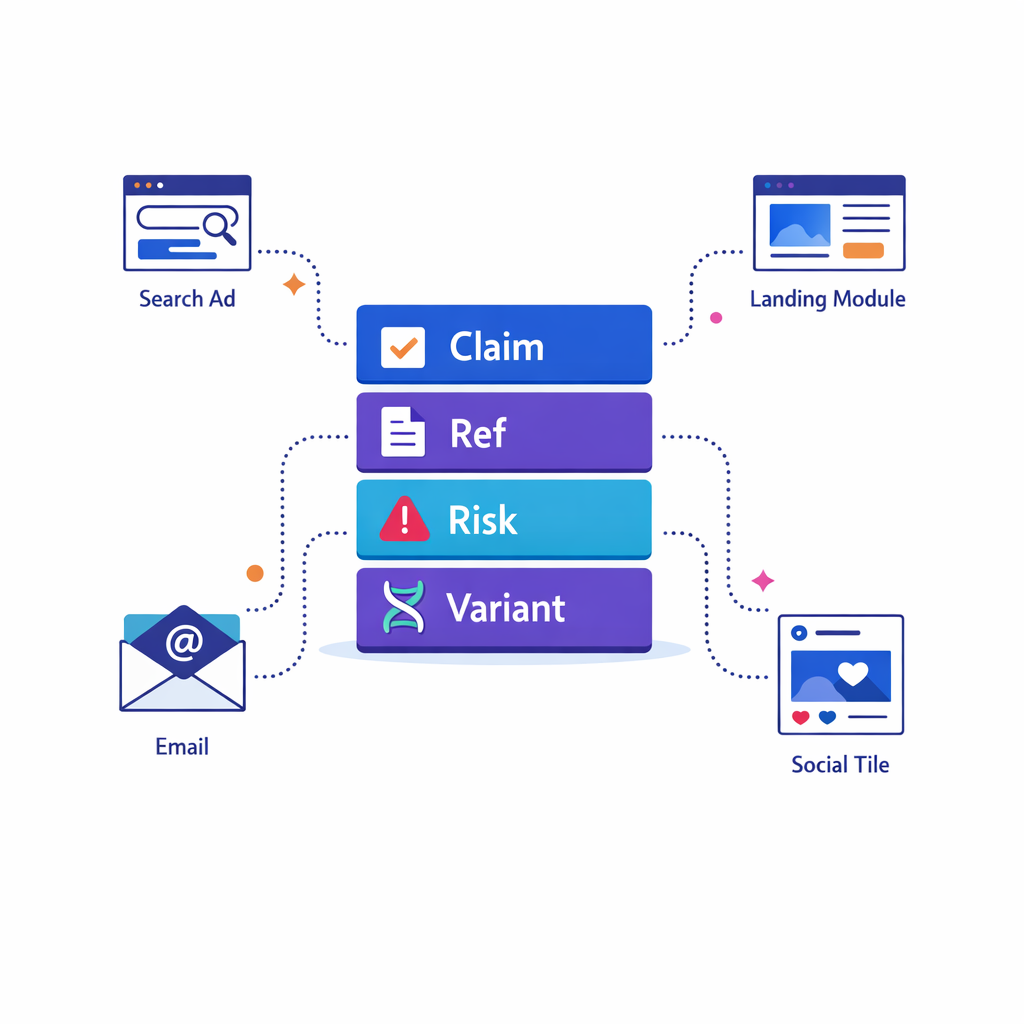
Substantiation starts before launch. Teams need a reusable library of approved claims, references, disclaimers, and channel-specific variants so campaign speed does not depend on rewriting regulated language every time a segment, placement, or audience changes.
That is why dtc pharma programs often benefit from modular review workflows. Instead of approving whole campaigns as one block, teams can approve components and rules for reuse, then track where each fragment appears across media, portals, and CRM.
Privacy, HIPAA, and consent considerations
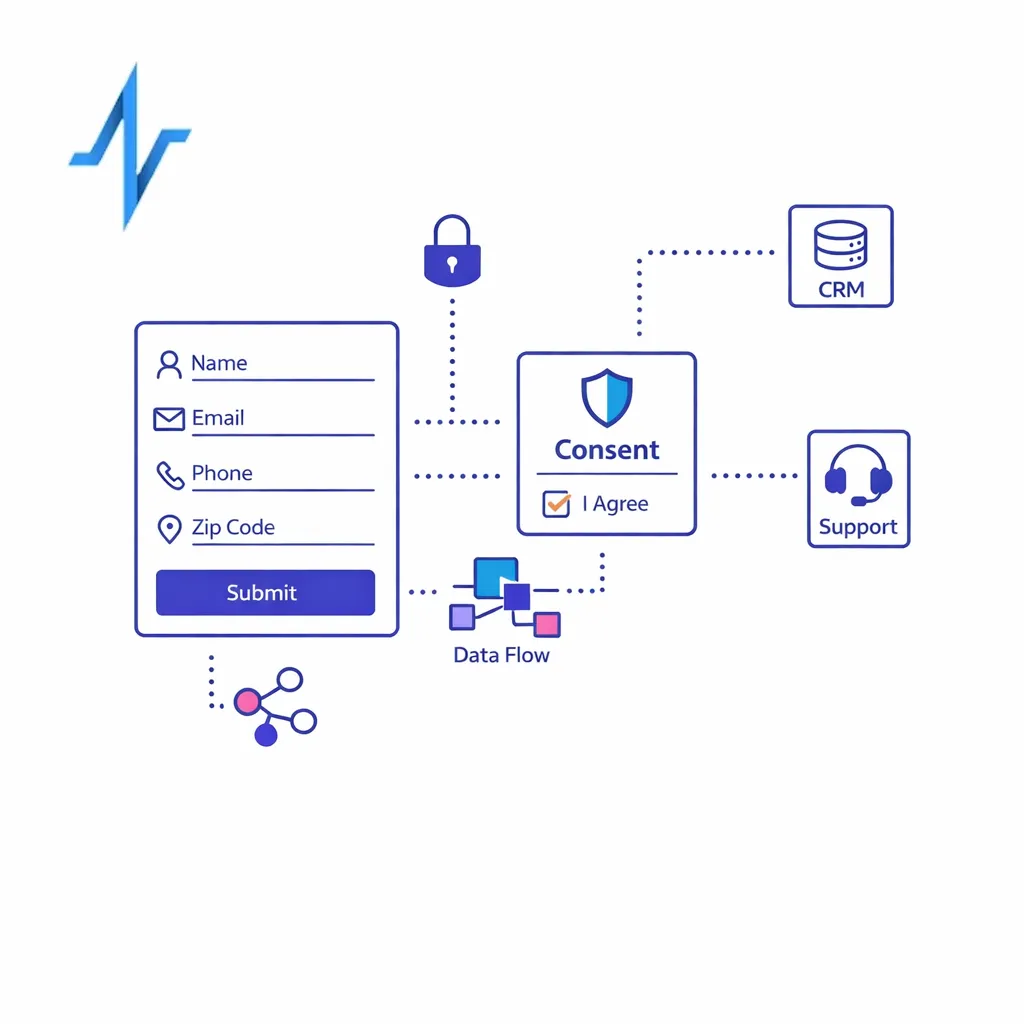
When protected health information is in scope, the HIPAA Privacy Rule defines the baseline obligations for covered entities and business associates. Even when a given workflow sits outside HIPAA, patients still expect a clear explanation of what data is collected, why it is collected, and how follow-up communications are authorized.
Operationally, that means mapping every form field, cookie-enabled journey, CRM sync, and vendor handoff before launch. Consent language, suppression logic, retention rules, and audience sharing should be designed into the journey rather than patched in after media goes live.
Influencer, social, and telehealth risk areas
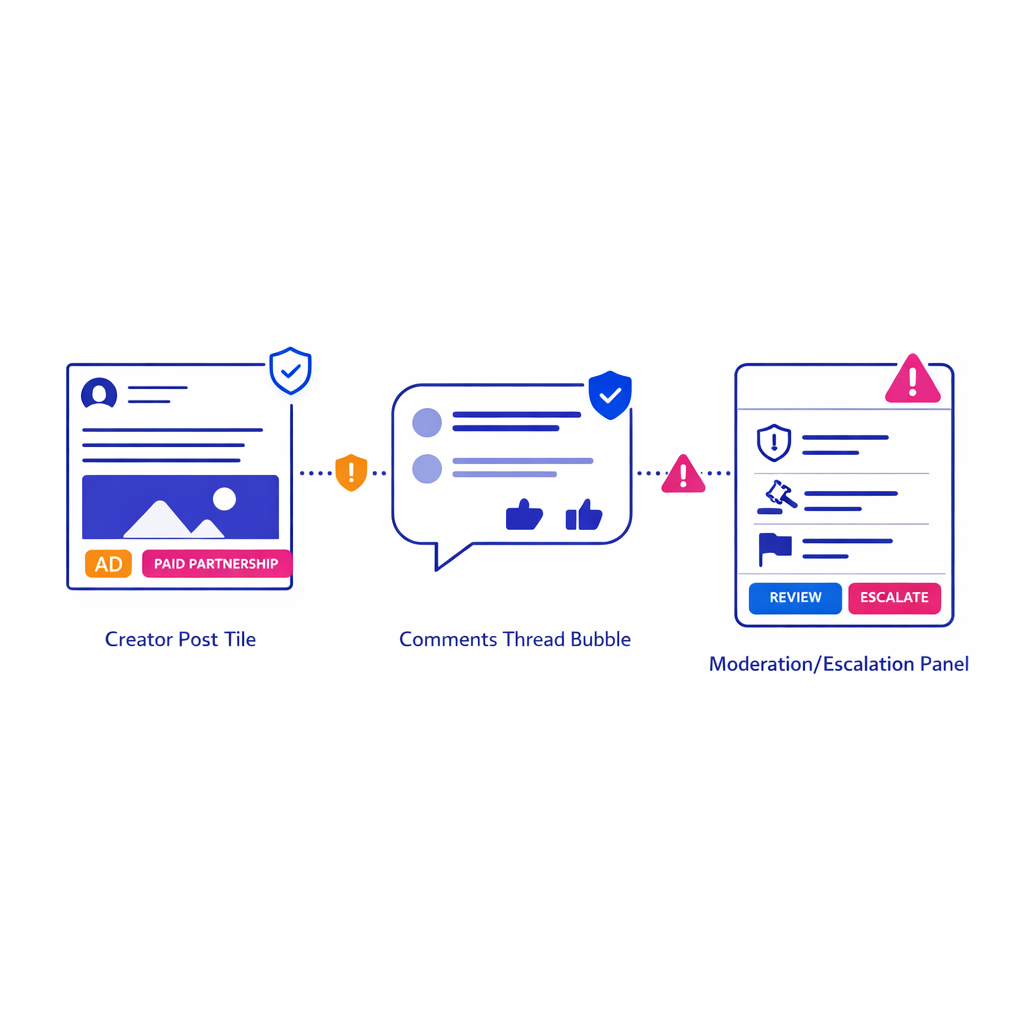
In social or creator programs, material connections should be clearly disclosed. Telehealth adds a second layer of risk, so brands should avoid interfaces that imply a prescription is the default outcome, obscure eligibility criteria, or blend clinical decision-making with promotional pressure.
FAQ: What are the risks of DTCA?
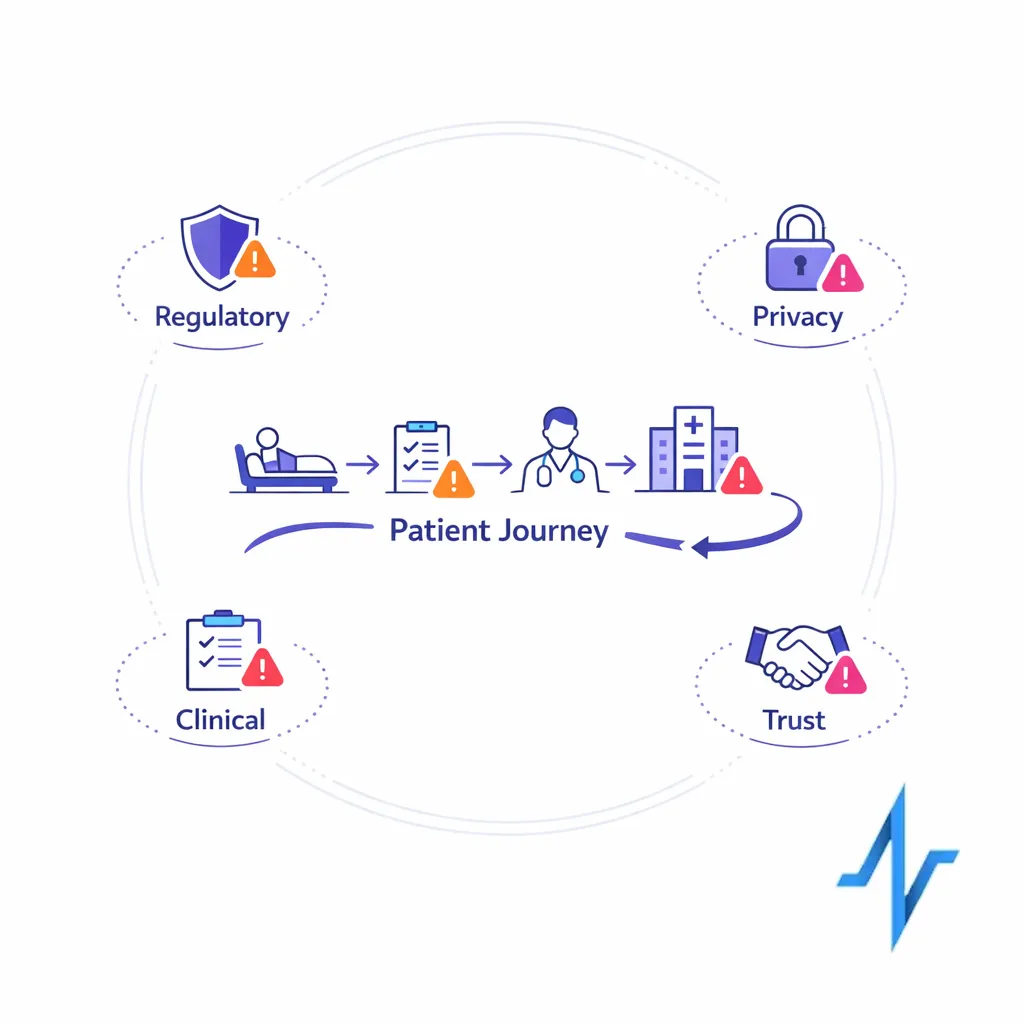
The main risks of direct-to-consumer pharmaceutical advertising sit in four buckets.
- Regulatory risk: unsupported claims, weak fair balance, or incomplete disclosures.
- Privacy risk: collecting patient data without clear consent, governance, or routing rules.
- Clinical risk: messaging or flows that create pressure, confusion, or unrealistic expectations.
- Trust risk: fragmented experiences that promise help but deliver dead ends, delays, or mismatched support.
Benefits of DTC pharma for patients and brands
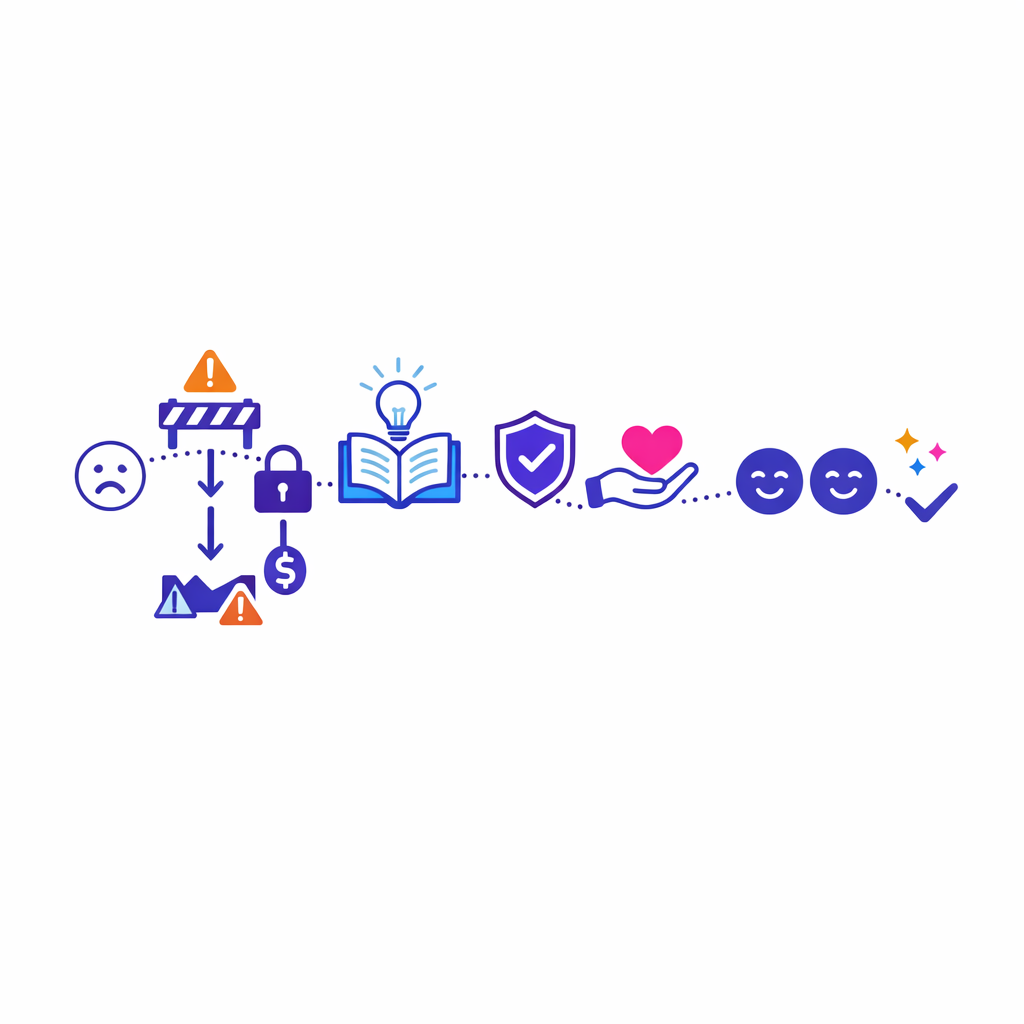
When designed well, direct to consumer pharma can make care pathways easier to understand. Patients get clearer education, easier access to support, and fewer blind handoffs between interest, affordability, and fulfillment.
Brands benefit differently. They get first-party signals on where patients drop off, which service steps create friction, which messages lead to consented engagement, and where operational fixes may produce more lift than incremental media spend. That makes measurement more actionable than simple awareness reporting.
A strong program can also improve internal efficiency. Approved content reuse, cleaner routing, and better journey instrumentation reduce the rework that often slows consumer pharma advertising once it expands across channels.
Risks and tradeoffs to manage
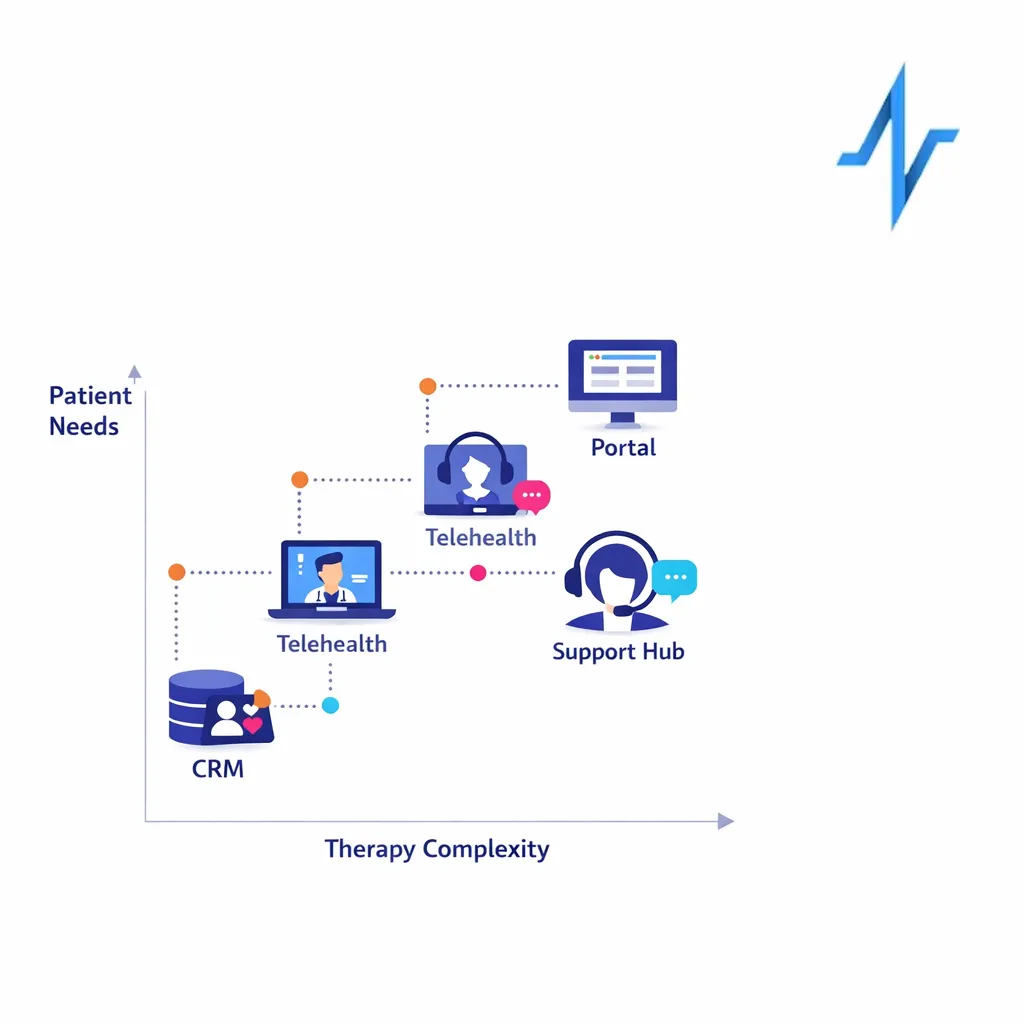
Not every product is a fit for the same dtc pharma model. High-complexity therapies, narrow indications, or products with complicated access requirements may need lighter consumer promotion and stronger service coordination instead of a commerce-like front end.
There are also ecosystem tradeoffs. Direct-to-patient experiences can create tension if they confuse the role of the prescriber, overlap awkwardly with pharmacies or support hubs, or create channel conflict with existing partners. The best programs reduce fragmentation rather than simply moving it to a different screen.
Trust is the hardest variable to win back. If a brand asks for health-related information, patients assume the experience will be accurate, respectful, and useful. That expectation should shape data practices as much as it shapes creative.
Real-world examples of DTC pharma platforms
Public examples help show how varied the model can be. LillyDirect is a brand-led patient front door. PfizerForAll is another visible example of a platform that brings education and support closer to the consumer journey.
Other programs look more like ongoing patient support ecosystems than storefronts. NovoCare emphasizes affordability, product support, and treatment guidance, while J&J withMe is a patient support hub rather than a storefront-style direct-access portal.
The takeaway is not that every brand should copy one of these models. It is that direct to consumer pharmaceutical advertising is increasingly being paired with service layers that reduce friction after the first moment of interest.
FAQ: What pharma companies have direct-to-consumer?
Well-known public examples include Lilly and Pfizer through branded patient-access platforms, plus broader support ecosystems from manufacturers such as Novo Nordisk and Johnson & Johnson. The exact format varies by company, product, and service strategy, which is why teams should benchmark the operating model rather than only the homepage design.
A practical framework for launching compliant DTC pharma programs
Assess product-channel fit
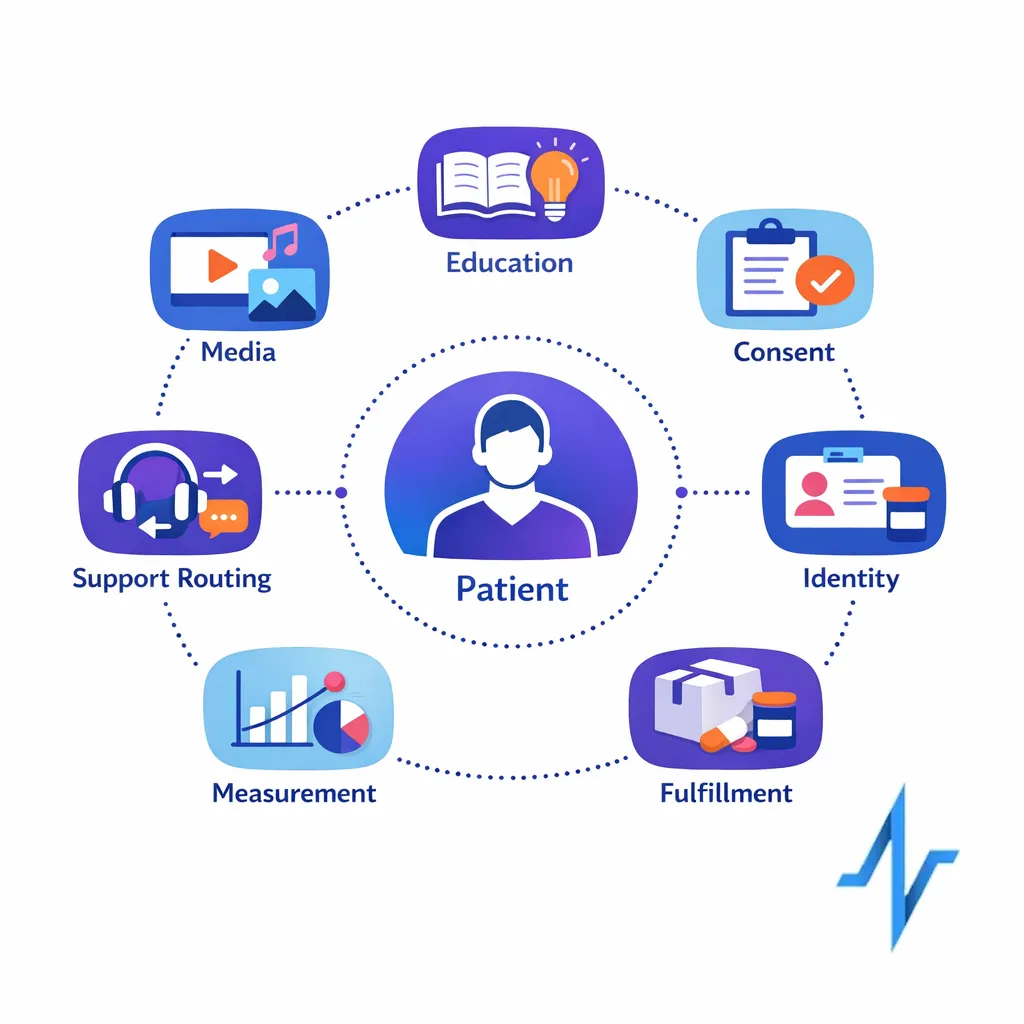
Start with the therapy, not the channel. Ask what the patient actually needs at each step: awareness, education, affordability guidance, prescriber discussion support, enrollment, refill help, or persistence support. Then choose the lightest-weight channel mix that can do that job well.
Build MLR and compliance workflows early
Do not wait until campaign trafficking to define review logic. Create approved message hierarchies, modular content libraries, escalation paths, and rules for what can be personalized, suppressed, or reused across search, social, portals, and CRM.
Design the patient journey and support services together
Marketing, patient services, and operations should map one connected flow. That includes form logic, identity resolution, consent capture, service routing, pharmacy or telehealth handoffs, and clear fallbacks when a patient is not eligible or needs a different next step.
Measure access, adherence, and experience
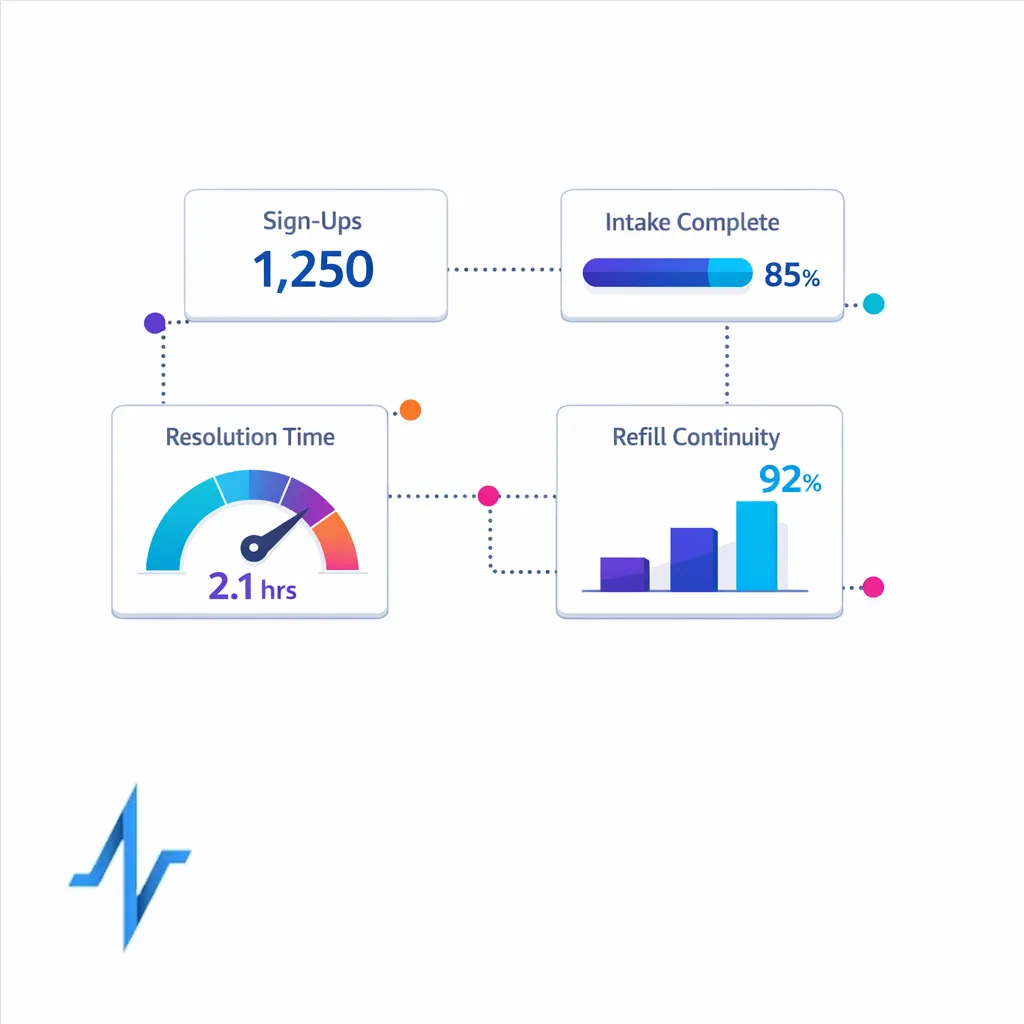
Do not stop at impressions and clicks. Track journey metrics such as consented sign-ups, qualified referrals, completion of intake, service resolution time, therapy start, refill continuity, and patient satisfaction signals. Those measures tell you whether the direct to consumer healthcare experience is actually removing friction.
The future of direct-to-consumer pharma marketing
The next phase of dtc pharmaceutical marketing will look less like isolated campaigns and more like governed experience systems. Awareness will still matter, but the competitive advantage will come from how well brands connect media, education, consented data capture, support routing, and post-start engagement.
That also means the line between marketing ops and patient ops will keep shrinking. Teams that can orchestrate content, compliance, identity, and measurement in one workflow will be better positioned than teams that treat consumer touchpoints as disconnected tactics.
FAQ: Why is pharma going direct to consumers?
Because patient expectations changed. People want clearer information, fewer handoffs, and more convenient access to support. Brands go direct when they believe a better front-end experience can improve education, reduce friction, and make demand more measurable without replacing the clinician’s role.
Common mistakes and misconceptions
- Assuming every patient touchpoint is just an ad. Many programs fail because they treat service design, consent, and routing as afterthoughts.
- Thinking fair balance is only for the first impression. Risk and claims discipline has to survive into landing pages, retargeting, and owned follow-up.
- Collecting data before defining purpose. If a team cannot explain why a field exists, how it will be used, and who receives it, the journey is not ready.
- Optimizing only media KPIs. The biggest gains often come from fixing drop-off between intake, support, affordability, and fill.
- Copying another brand’s model. A telehealth-heavy path, a support-hub path, and a content-first path solve different problems.
What to do next
- Inventory every patient-facing asset and label it as promotional, educational, service, or mixed.
- Map the full journey from first touch to support, fill, and follow-up so gaps are visible.
- Define consent, data ownership, and vendor handoffs before launching media.
- Build modular approved content for search, social, portals, and CRM instead of reviewing from scratch each time.
- Pilot one product, one audience, and one measurable journey goal before scaling across brands.
See how Pulse Health can support compliant DTC pharma orchestration
If your team is trying to connect approved content, consent-aware engagement, service routing, and measurement across channels, Pulse Health can help you make the workflow more operational and less manual. The goal is simple: give patients a clearer path while giving brand, CRM, and compliance teams better control.
Request a Demo, Book a Consultation, or Talk to Pulse Health to see how it works, explore integrations, and get the platform overview for your use case.