
Pharma teams rarely replace technology because they need one more channel. They replace it because field activity, approved email, events, virtual engagement, content approvals, identity, and measurement live in separate tools that make execution slow and reporting unreliable. For US brand teams, omnichannel leads, CRM owners, commercial ops, medical affairs partners, and agency teams, the real question is not which vendor has the longest feature list. It is which hcp engagement solution fits your operating model, compliance requirements, and data stack.
This guide explains what hcp engagement solutions actually do, how they sit next to pharmaceutical CRM, which capabilities matter most, what workflows to map before demos, and which implementation questions reduce platform risk. It is written for commercial evaluation, so the emphasis is on workflow fit, governance, and measurable execution quality rather than vendor hype.
What HCP engagement solutions are and who should evaluate them
Definition for commercial, CRM, omnichannel, and medical stakeholders
An hcp engagement solution is the operating layer that helps pharma teams plan, coordinate, deliver, and measure interactions with healthcare professionals across field, digital, virtual, and event channels. In practice, it should connect identity, approved content, triggers, tasks, handoffs, and analytics so the experience is managed as one engagement system instead of a collection of point tools.
In this guide, HCP refers to the clinicians and professional audiences your teams engage through commercial and medical programs. Your hcp engagement strategy is the logic for who should receive what interaction, through which channel, at what time, and with what next step. Brand teams usually care about channel execution and campaign agility. CRM and ops leaders care about workflow control, data ownership, and reliable write-back.
Medical teams care about appropriate separation of workflows, accurate follow-up, and usable activity history. Compliance teams care about auditability, permissions, and defensible process design. If those groups are not aligned before vendor selection, the buying process usually turns into a feature debate instead of an operating-model decision.
Where HCP engagement platforms sit relative to pharmaceutical CRM
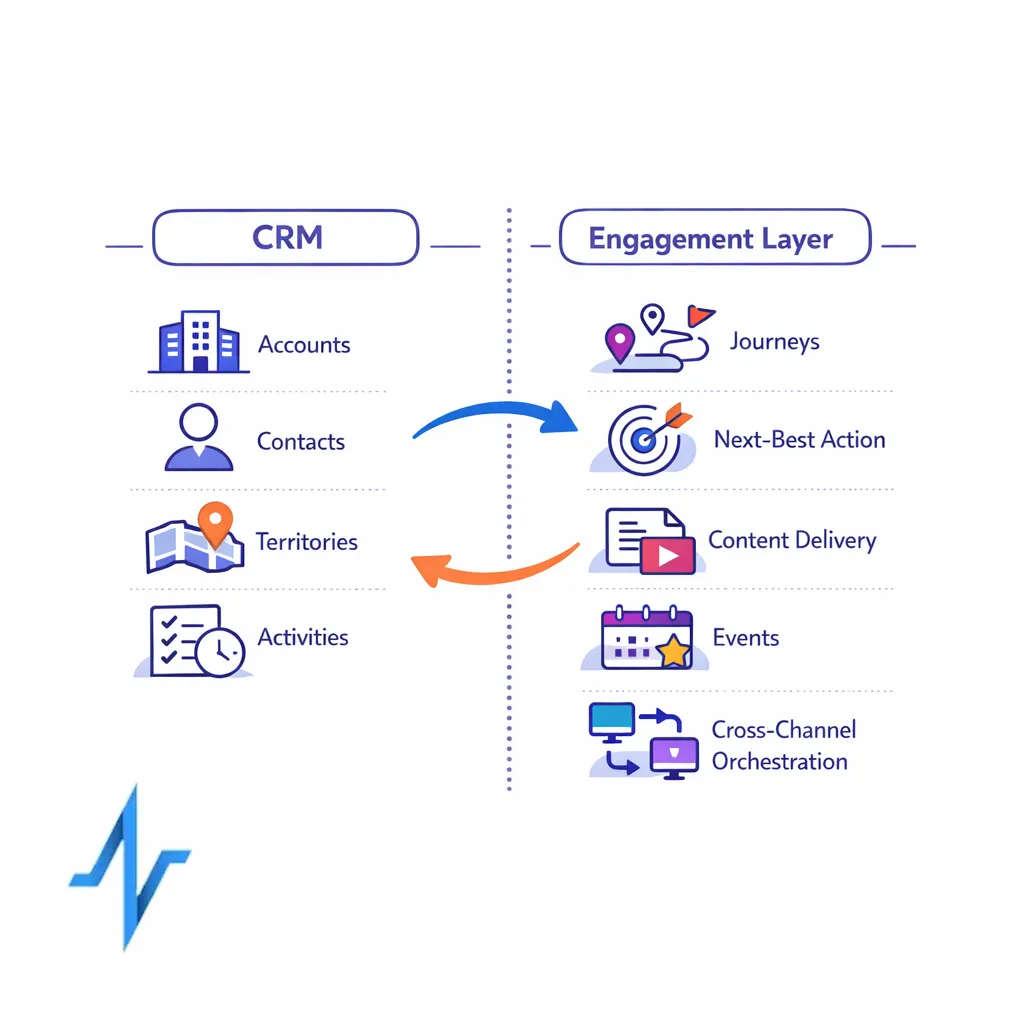
This is not a pharmaceutical CRM buyer’s guide. A CRM typically anchors account, contact, territory, and activity data, while the engagement layer manages journeys, content delivery, next-best-action logic, event workflows, and cross-channel orchestration. For selection purposes, you can think of that engagement layer as a customer engagement platform that sits beside your core CRM rather than replacing it.
A useful test is simple. If a requirement is about data stewardship, territory structure, or core field recordkeeping, keep it in the CRM lane. If it is about triggering the right touch, routing work across teams, managing approved assets, or coordinating follow-up across channels, it belongs in the hcp engagement evaluation lane.
What changed in platform evaluations
A better buying lens is to look beyond isolated email or webinar tooling and ask whether a platform can support end-to-end omnichannel hcp engagement with fewer manual handoffs. That shift forces teams to evaluate workflow design, not just channel availability.
Another useful change is to assess governance early. Permissions, approvals, content controls, and audit history should be part of the initial scorecard, because they shape how the system can actually be operated after launch.
Measurement also needs a broader definition. Instead of asking only whether a platform can report campaign activity, ask whether it creates usable operational signal that can trigger next steps and write trustworthy data back to the rest of your stack.
Why pharma teams are re-evaluating HCP engagement platforms
Omnichannel expectations and digital-first HCP behavior
In many evaluations, channel-by-channel success is no longer enough. Leaders want a system that can coordinate rep outreach, approved email, virtual meetings, webinars, events, and follow-up tasks around one engagement plan. When those motions sit in separate applications, teams often see duplicate outreach, delayed follow-up, and weak measurement.
For evaluation purposes, treat omnichannel hcp engagement platforms as execution infrastructure rather than simple communication tools. The important question is whether the platform can sequence touches, suppress the wrong message at the wrong time, and help teams act on response signals without forcing operations to rebuild logic for every brand.
Gaps between field, medical, marketing, and compliance workflows
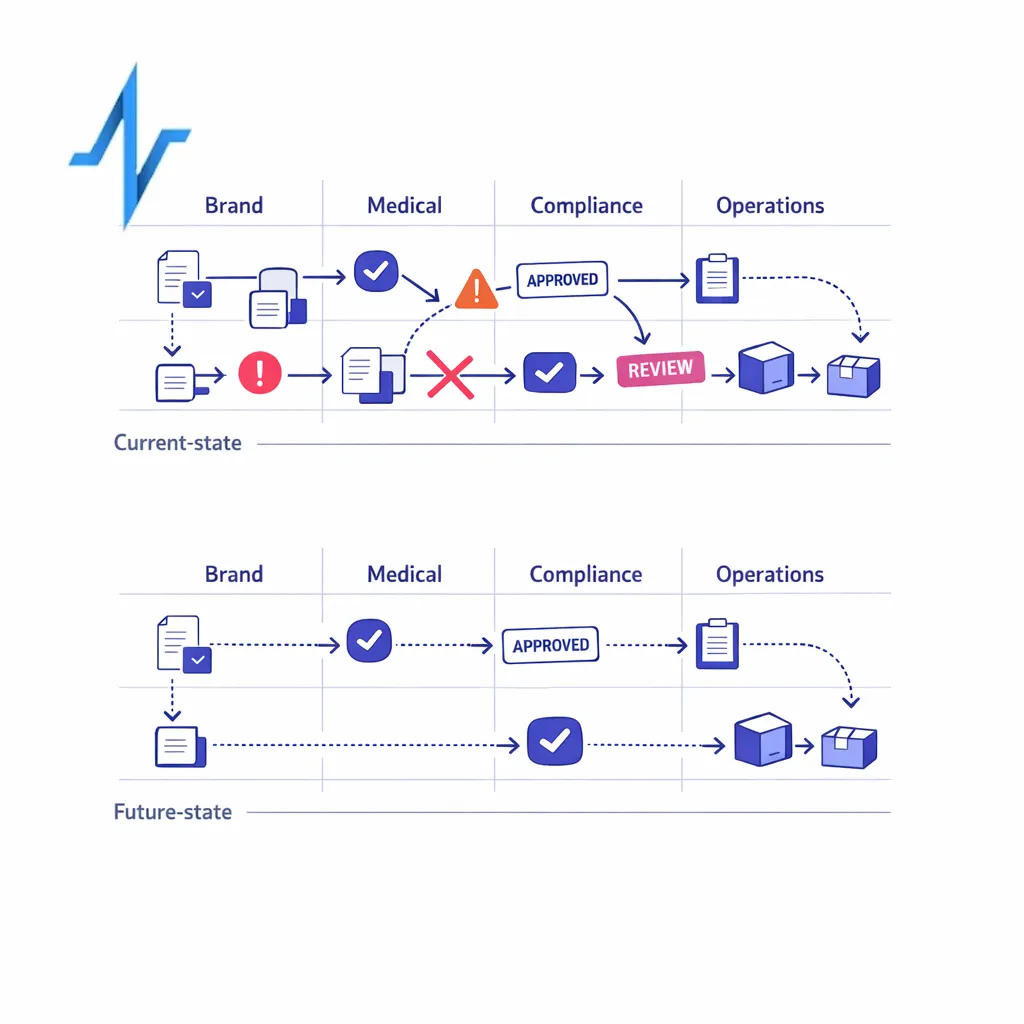
A common source of dissatisfaction is workflow friction, not a missing feature line item. Sales may be able to send content, but medical cannot easily route a scientific follow-up. Brand may launch an event invitation, but compliance cannot see the full approval chain. Ops may report activity, but CRM owners cannot reconcile engagement data back to the master record.
Selection improves when teams stop asking which platform has the most features and start asking which platform removes the most friction across functions. That lens helps separate a workable hcp communication platform from an expensive collection of modules.
Core capabilities to evaluate before selecting a platform
Before vendor scoring starts, align on the minimum capabilities your hcp engagement solution must support:
- Unified profile and identity: one usable view of HCP, account, affiliation, specialty, permissions, and engagement history.
- Orchestration: rules, triggers, suppression logic, and next-best-action support across channels.
- Content execution: approved email, content sharing, virtual meetings, webinars, and field follow-up.
- Engagement workflows: events, speaker programs, advisory boards, service requests, and handoffs.
- Governance: permissions, approvals, consent handling, audit trails, and transparency support.
- Measurement: segmentation, activity capture, channel performance, and downstream action reporting.
Unified HCP profile and data foundation
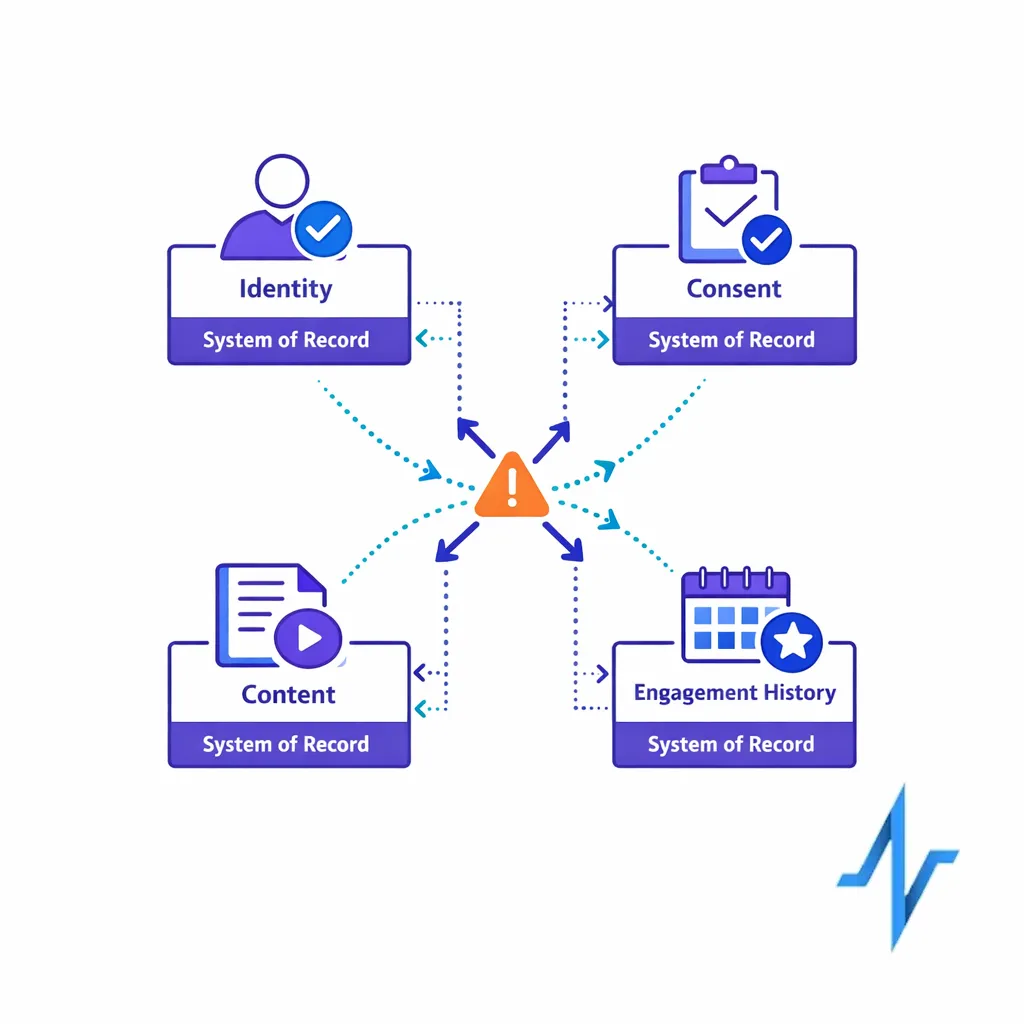
A unified profile does not mean every record lives inside the platform. It means users can act with confidence because the solution resolves the right HCP, account, affiliation, role, and historical context at the moment of engagement. Ask whether identity resolution is native or dependent on your MDM, how affiliation changes are handled, and whether segmentation logic can be shared across field and digital programs.
The highest-risk platform decisions usually start with fuzzy ownership. Be explicit about which system owns person and account data, which system owns channel permissions, and which system is allowed to create or update engagement history. If the vendor is vague on source-of-truth design, expect reconciliation work and reporting disputes.
Omnichannel orchestration and next-best-action support
Look beyond static journeys. A strong hcp engagement platform should support triggers from rep activity, email response, event attendance, website behavior, or service outcomes, then route the next task, message, or suppression rule without custom work every time. It should also let business users understand why a recommendation fired, not just that it fired.
Next-best-action support is only useful when it fits daily operations. Ask how rules are prioritized, how conflicts are resolved, how exclusions are managed by brand or market, and how quickly teams can adjust orchestration without opening a development queue.
Content delivery, approved email, webinars, and virtual meetings
Evaluate the full execution chain, not just the send button. Can the platform manage approved templates, dynamic content rules, channel-specific variants, webinar registration flows, attendance capture, and post-event follow-up tasks in one governed process? Can field and marketing users work from the same content logic without breaking approval boundaries?
Also ask how content performance is measured. You want more than open rates or attendance counts. The better question is whether the system helps teams understand which content, sequence, and follow-up pattern actually moved the engagement forward.
Events, speaker programs, advisory boards, and engagement workflows
Many buyers underestimate workflow depth. Events and speaker programs are not just scheduling problems. They involve nominations, approvals, invitations, attendance, follow-up, expense handling, documentation, and handoffs between brand, field, agencies, and operations. If those flows still run in email and spreadsheets, the platform will not feel successful even if the channel modules look strong.
Advisory boards and consultant workflows need the same scrutiny. Ask whether the vendor can model the real approval states, required documents, stakeholder tasks, and exception paths your teams already manage today.
Compliance controls, FMV, transparency, consent, and auditability
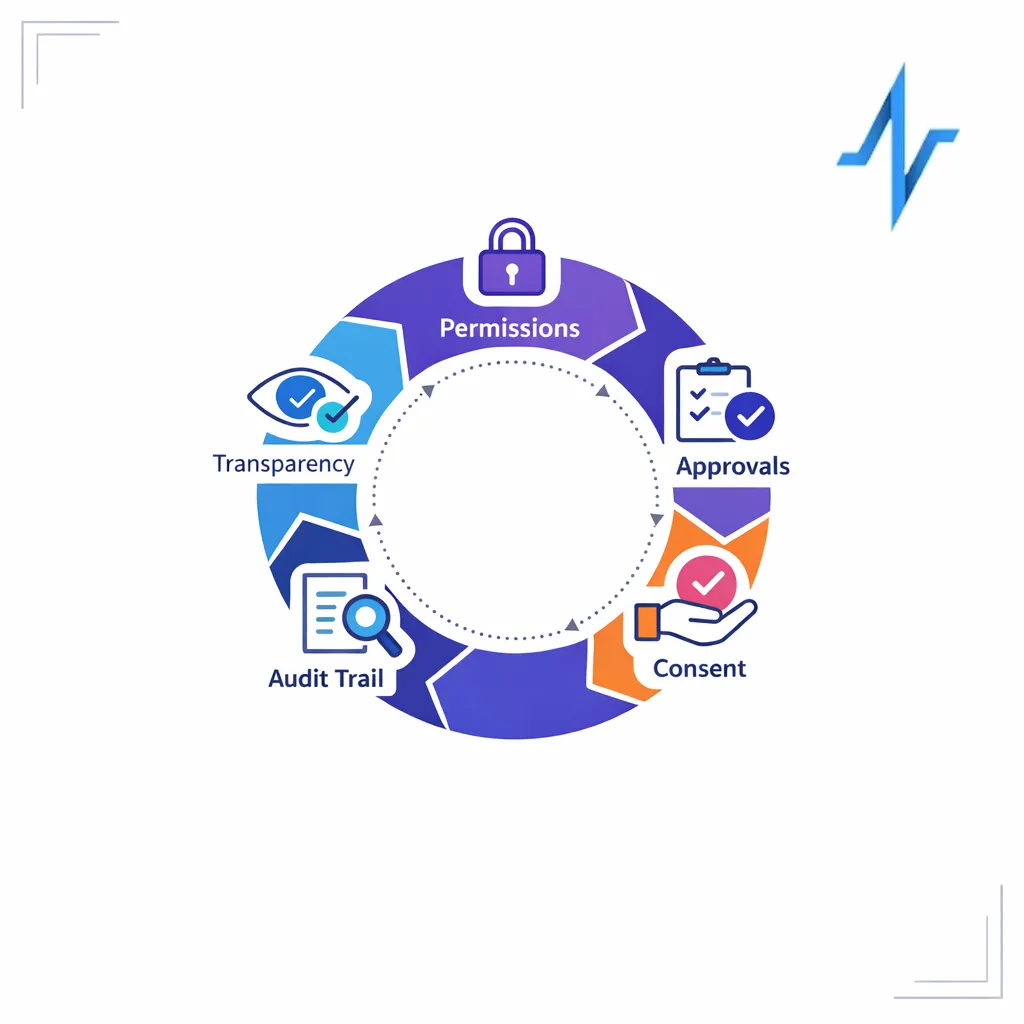
Compliance should be designed into the operating model, not added after selection. If the workflow involves speaker or consultant activity, ask how the platform captures the data your team needs for Open Payments reporting, how FMV reviews are documented, and how approvals are preserved alongside the engagement record.
If the platform will store protected health information or other sensitive health data, require controls aligned to the HIPAA Privacy Rule and the HIPAA Security Rule. For workflows that depend on electronic records, signatures, or defensible audit history, ask how the vendor supports controls expected under 21 CFR Part 11.
Analytics, segmentation, and performance measurement
Do not settle for channel dashboards that stop at activity totals. Evaluate whether the platform can report at the level you actually manage the business: segment, account, HCP, content asset, rep, event type, trigger, and next-step outcome. You also want clarity on what is measured natively, what requires your BI stack, and what data can be written back to CRM for cross-functional reporting.
Measurement should support decisions, not just retrospectives. The best hcp engagement solutions help teams see where journeys stall, which segments are over-contacted, where follow-up breaks, and which workflows are creating operational drag.
Workflow requirements pharma teams should map before vendor selection
Commercial sales workflows
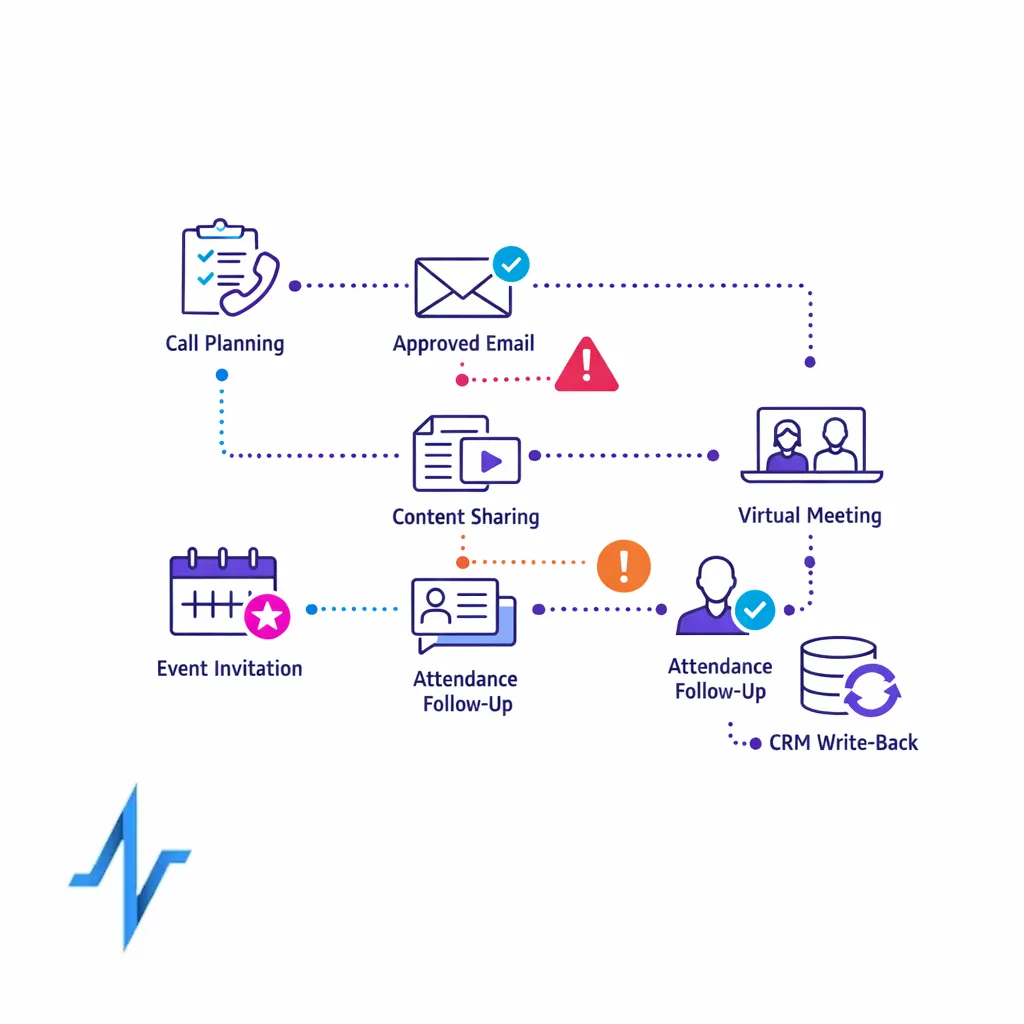
Map the everyday motions first. That includes call planning, approved email follow-up, content sharing, virtual meetings, event invitation and attendance follow-up, sample or service escalation if relevant, and write-back to CRM. If a demo cannot reproduce those motions with your approval rules and data dependencies, the platform fit is weaker than it looks.
Medical affairs and MSL workflows
Medical workflows deserve separate mapping. MSL teams often need different permissions, content libraries, activity capture, and follow-up logic than promotional teams. The platform should make those distinctions operational without forcing medical users into commercial shortcuts or forcing commercial ops to maintain parallel systems.
Ask specifically how the vendor handles scientific inquiry handoff, meeting documentation, KOL tracking, advisory board follow-up, and regional variations in working practice. These details drive adoption more than broad omnichannel claims.
Cross-functional handoffs between brand, CRM, and compliance teams
The most important handoffs are usually invisible in demos. Who creates segmentation rules? Who approves triggered content changes? Who can pause a journey? Who reconciles failed sends, duplicate records, or missing attendance data? Who signs off before a new brand or market goes live?
Document those handoffs before vendor selection. Once they are clear, you can judge whether the platform simplifies operating rhythm or just moves work to another queue.
Data and integration questions to ask every vendor
CRM, MDM, consent, content, and field system integrations
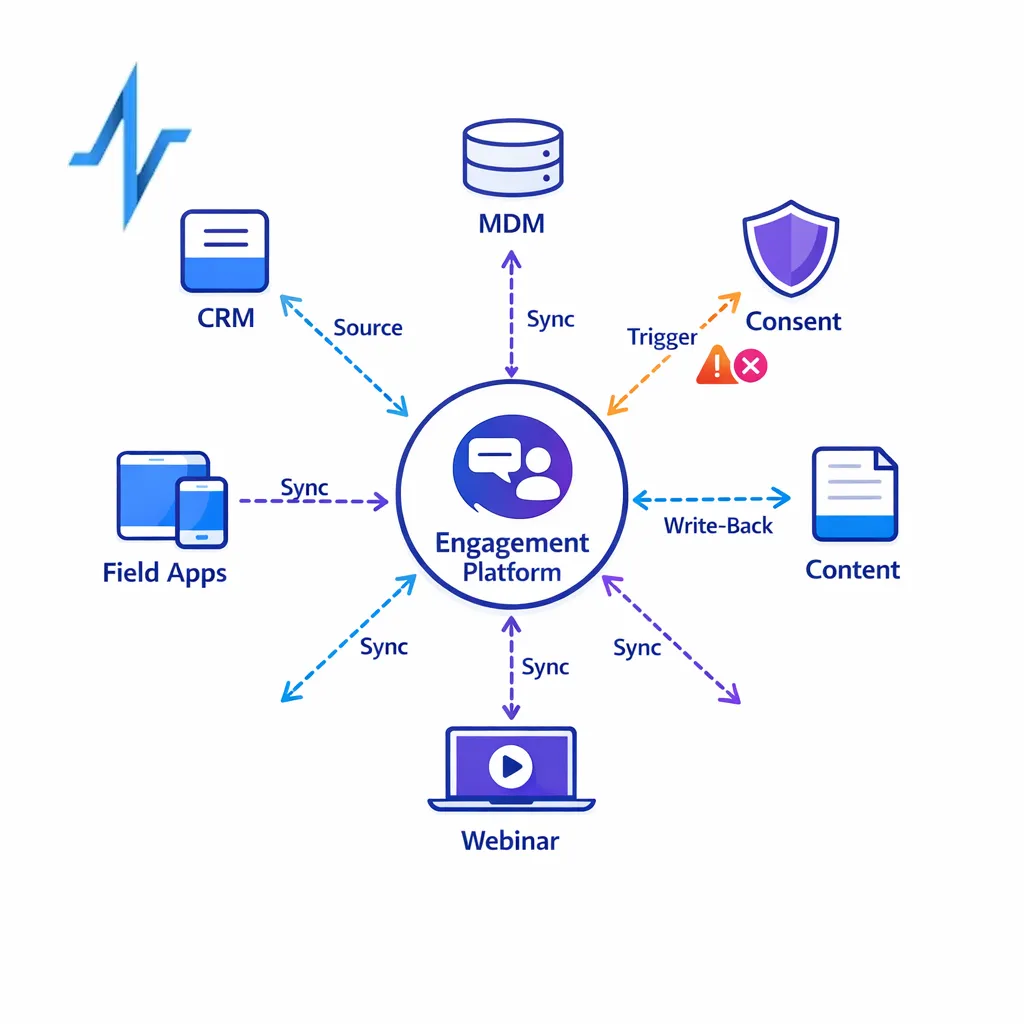
Ask vendors to draw the data flow, not just list connectors. You need to see the source system, the write-back target, the event trigger, the sync frequency, the failure handling logic, and the owner of each critical data object. That is especially important when pharmaceutical CRM, MDM, consent tools, content systems, webinar platforms, and field applications all touch the same engagement journey.
For interoperability, ask whether the vendor supports modern APIs or data contracts that can work with standards such as HL7 FHIR where relevant, or whether every integration becomes custom project work. Also ask what happens when identity does not match cleanly, when source data arrives late, or when one system becomes unavailable during a live campaign.
Data governance, reporting, and role-based access
Governance questions should be operationally specific. Can access be controlled by brand, team, market, role, and record type? Can sensitive fields be masked? Can audit history be exported? Can the platform separate authoring rights from approval rights? Can teams archive, restore, or retain records according to internal policy without breaking reporting?
Reporting needs the same discipline. Ask whether the vendor stores event-level history or only summary metrics, how data is retained over time, and whether your analytics team can access raw interaction data without reverse-engineering vendor dashboards.
Implementation and adoption questions that reduce platform risk
Change management and user adoption
The best platform still fails if users do not trust it. Ask vendors how they support role-based training, sandbox validation, pilot design, launch sequencing, and post-launch adoption measurement. Adoption is not just login volume. It is whether reps, marketers, medical users, and ops teams complete real work faster and with fewer exceptions.
Configuration vs customization
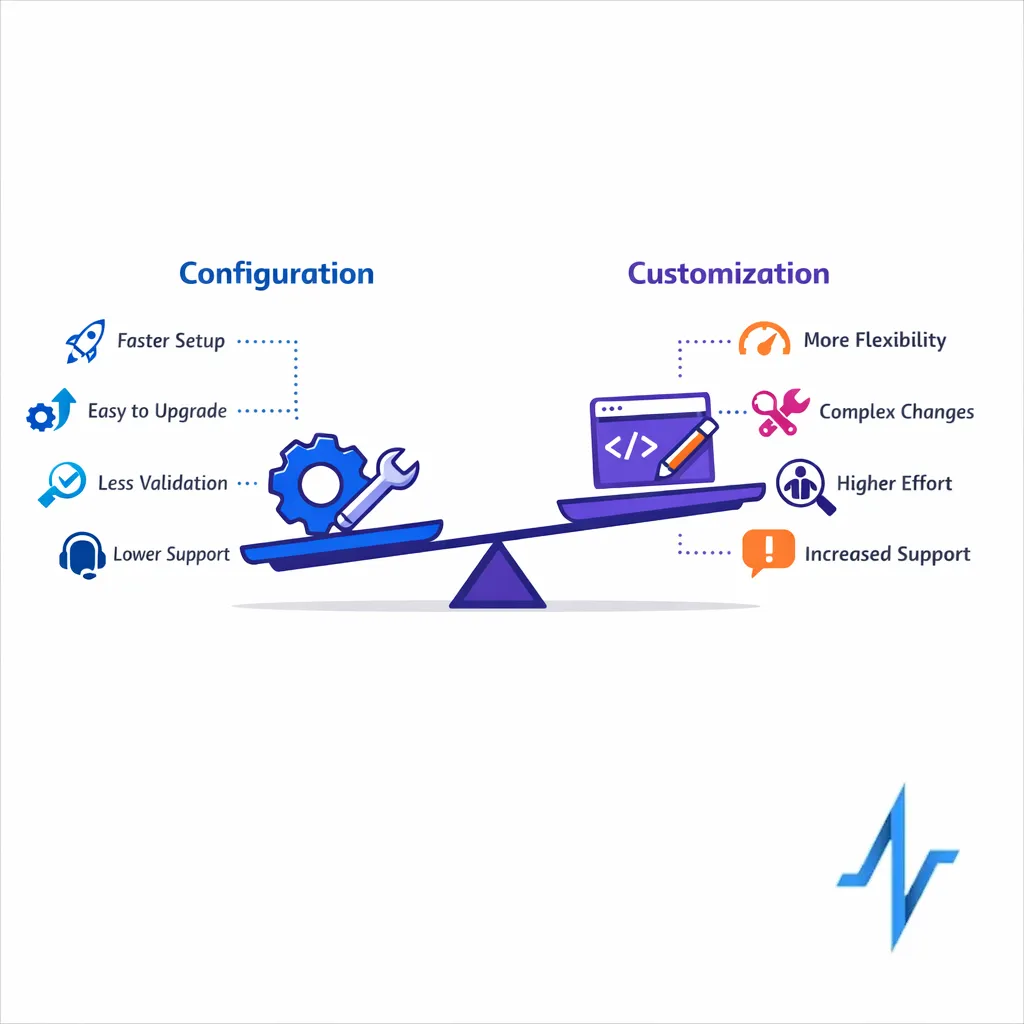
Favor configuration until the business case for customization is unmistakable. Every custom object, logic layer, or bespoke integration can extend validation, slow upgrades, and create support burden. The right question is not whether a vendor can customize. It is how much value you get before you need to.
Global and regional rollout considerations
If you expect multi-brand or multi-market use, ask how the vendor handles local language, local approval steps, market-specific permissions, template variation, and shared versus separate data models. A platform that looks efficient in one pilot can become expensive when every region needs a different workflow design.
Rollout sequencing matters too. Start with one or two high-value workflows that expose data, approval, and reporting complexity early. That gives you better signal than a polished pilot built around the easiest use case.
Common mistakes and misconceptions
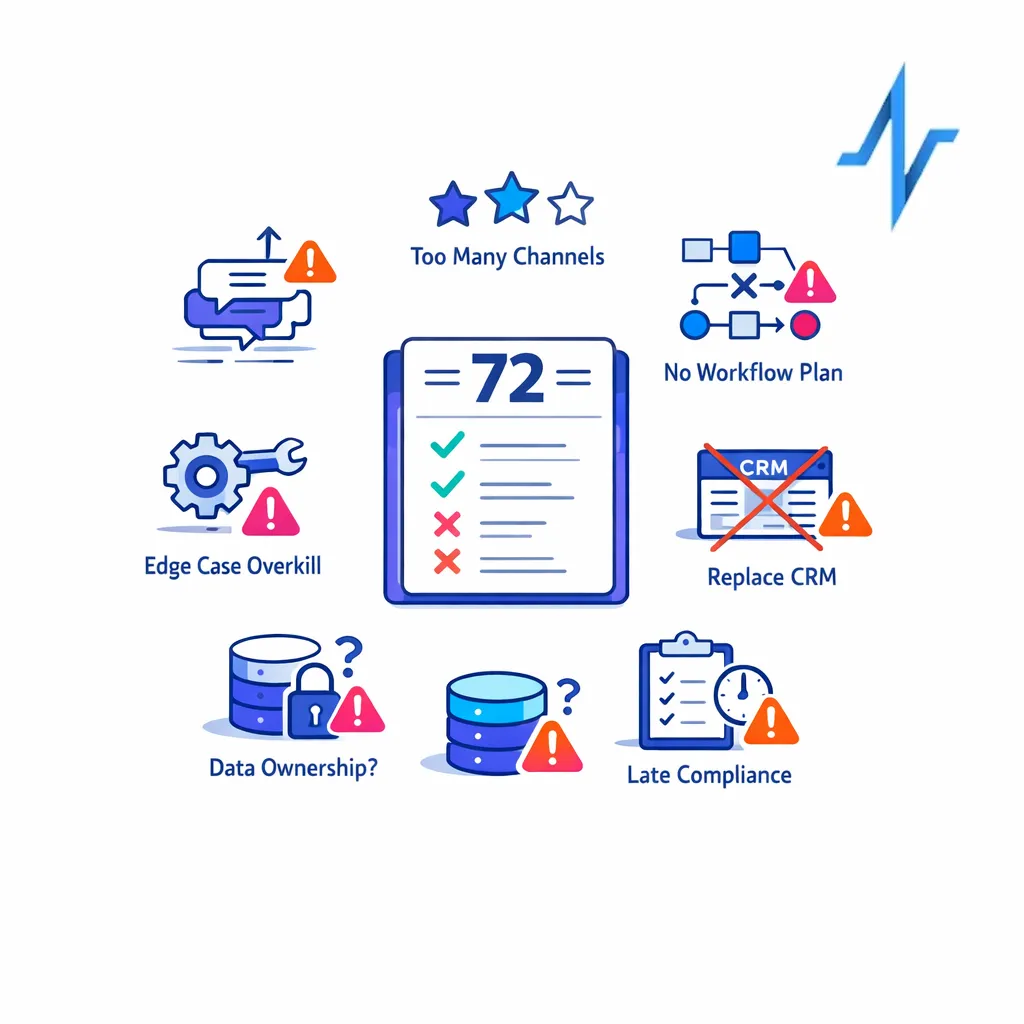
- Mistaking channel count for orchestration maturity. More channels do not help if suppression logic, sequencing, and handoffs are weak.
- Running demos before mapping workflows. Without real scenarios, buyers overvalue polished screens and undervalue operational fit.
- Assuming the platform should replace CRM. Most teams need cleaner boundaries and better integration, not another system trying to own everything.
- Treating compliance as a late-stage review. Permissions, approvals, transparency support, and auditability shape the architecture from the start.
- Ignoring data ownership. If no one knows which system owns identity, consent status, or engagement history, reporting quality suffers quickly.
- Over-customizing for edge cases. If every exception becomes product logic, time-to-value slips and upgrades get harder.
HCP engagement platform evaluation checklist
Functional checklist
- Can it support your priority channels in one orchestrated workflow?
- Can business users configure rules, triggers, and suppressions without constant developer help?
- Does it manage approved content, reusable templates, and channel-specific variants?
- Can it capture activity at the level required for meaningful measurement?
Workflow checklist
- Can it reproduce the real commercial sales motion, not just the idealized one?
- Can it support separate medical affairs and MSL workflow logic where needed?
- Does it handle cross-functional handoffs, exceptions, and approvals without email sidecars?
- Can it scale from one brand use case to adjacent workflows such as events, speaker programs, or advisory boards?
Compliance checklist
- Can permissions, approvals, and audit history be configured in a way your compliance team can defend?
- Can the solution support privacy, security, transparency, and documentation requirements relevant to your use case?
- Can the platform preserve the records your team needs for review, escalation, and reporting?
- Are vendors clear about shared responsibilities versus customer responsibilities?
Implementation checklist
- Is there a clear source-of-truth model for identity, consent, content, and engagement data?
- Are integration patterns defined, including write-back, sync timing, and error handling?
- Can the platform be configured quickly enough to support pilot learning before heavy customization?
- Is there a realistic training, rollout, and adoption plan for each user group?
How to compare HCP engagement solutions without duplicating your CRM buyer’s guide
Separate infrastructure questions from engagement questions. CRM evaluation usually centers on record structure, territory workflows, activity capture, and core system administration. HCP engagement platform evaluation should focus on orchestration, content execution, workflow routing, approval design, measurement, and the ability to operate across functions.
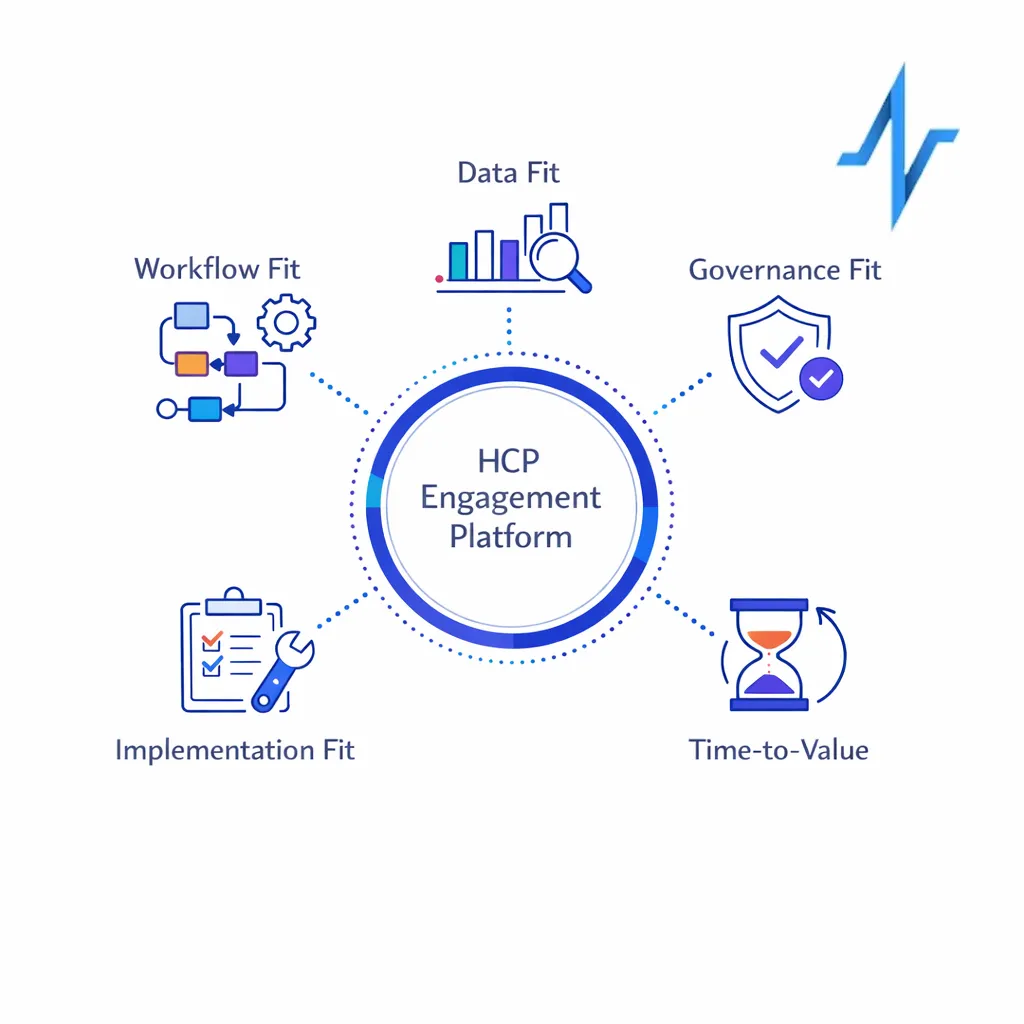
A practical scoring model uses five lenses: workflow fit, data fit, governance fit, implementation fit, and time-to-value. When two vendors look similar on features, these five lenses usually reveal the better decision.
What to do next
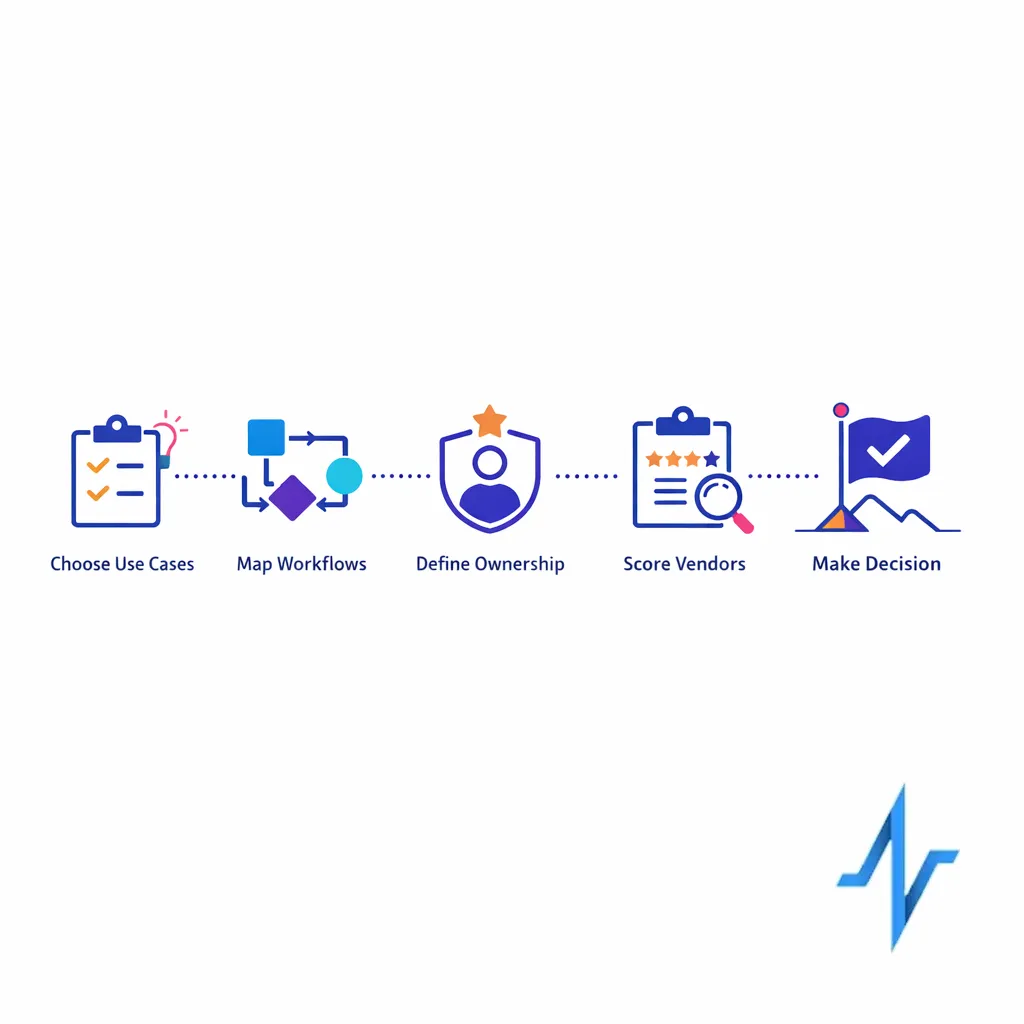
- Pick three high-value use cases before you start demos.
- Map current-state workflow, handoffs, data sources, and approval steps for each use case.
- Define which system owns identity, consent, content, and engagement history.
- Write vendor questions around exceptions, not just happy paths.
- Score vendors on operational fit and implementation risk, not presentation quality.
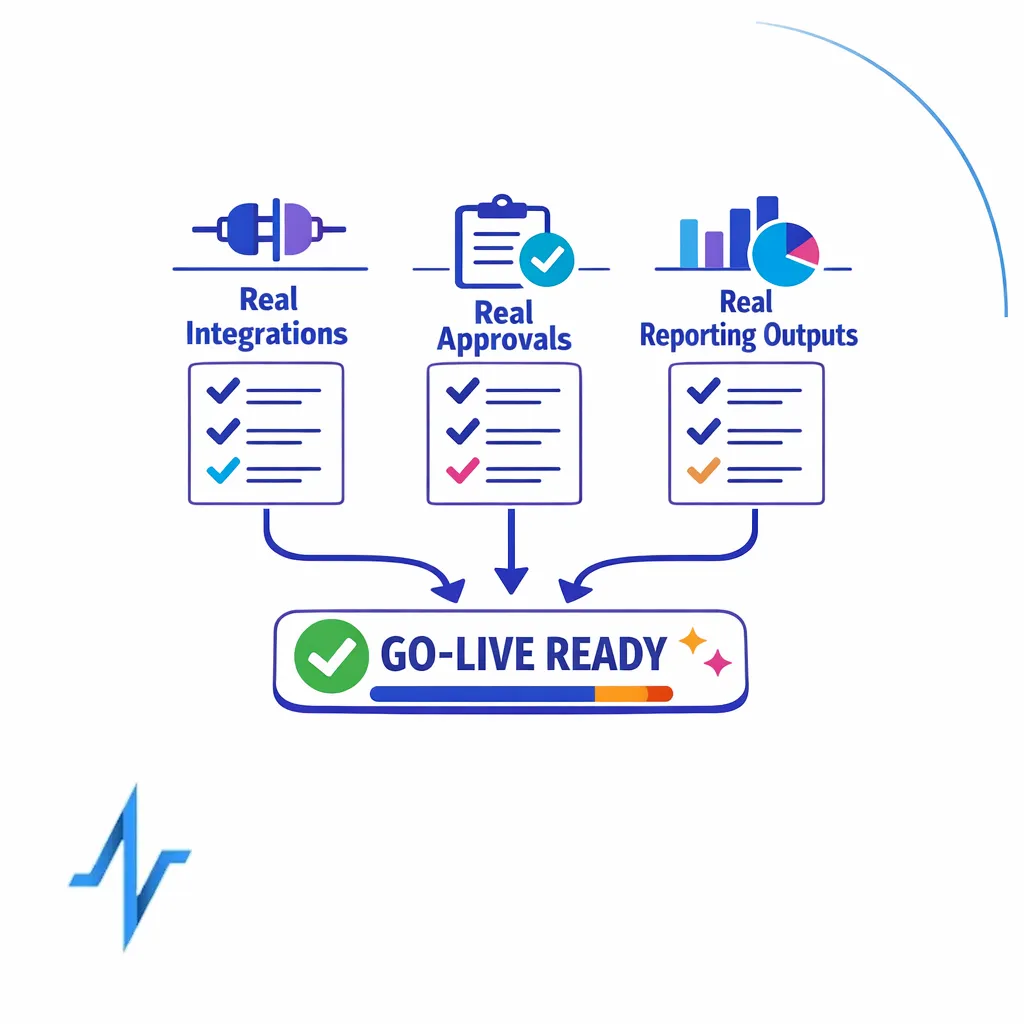
- Plan a pilot that tests real integrations, real approvals, and real reporting outputs.
See how Pulse Health fits your HCP engagement model
If your team wants a more practical way to evaluate hcp engagement solutions, Pulse Health can help you pressure-test workflows, orchestration design, and reporting requirements before you commit to a platform path. The goal is simple: get a clearer view of what will work in your current stack, where integration risk sits, and how to reach value faster.
Request a Demo, Book a Consultation, or Talk to Pulse Health to review your target workflows, see how it works in practice, explore integrations, and get the platform overview your team needs for a confident decision.