
For pharma brand teams, commercial ops leaders, CRM owners, and agency partners, the term life sciences software can be confusing because different vendors use it to describe very different products. One platform may focus on pharmaceutical CRM software, another on patient engagement software, and another on analytics or workflow control. This guide is built to make the category easier to compare, with a practical focus on omnichannel engagement, analytics, integration, and compliant execution.
Life sciences software is a broad category of digital systems used by pharma and other regulated health organizations to manage engagement, data, workflows, and reporting. In commercial settings, it often combines audience data, approved content, orchestration, measurement, and documentation that supports electronic records and electronic signatures.
What is life sciences software?
At the broadest level, life sciences software includes the systems used across commercial, medical, clinical, quality, and operations teams. In buyer conversations, the more useful question is usually not “Do we need software?” but “Which layer of the stack are we trying to improve, and who needs to use it every day?”
For commercial teams, the category matters because customer and patient interactions happen in a setting shaped by FDA prescription drug advertising requirements, internal review processes, and channel-specific permissions. That is why specialized pharmaceutical software often emphasizes approved content, controlled workflows, audience governance, and measurement instead of just campaign sending.
In practice, life sciences software is less a single product type and more a family of tools. Some platforms are narrow and excellent at one job, such as CRM, analytics, or patient services. Others try to connect multiple jobs so teams can plan, execute, and measure in one operating environment.
What changed in life sciences software buying
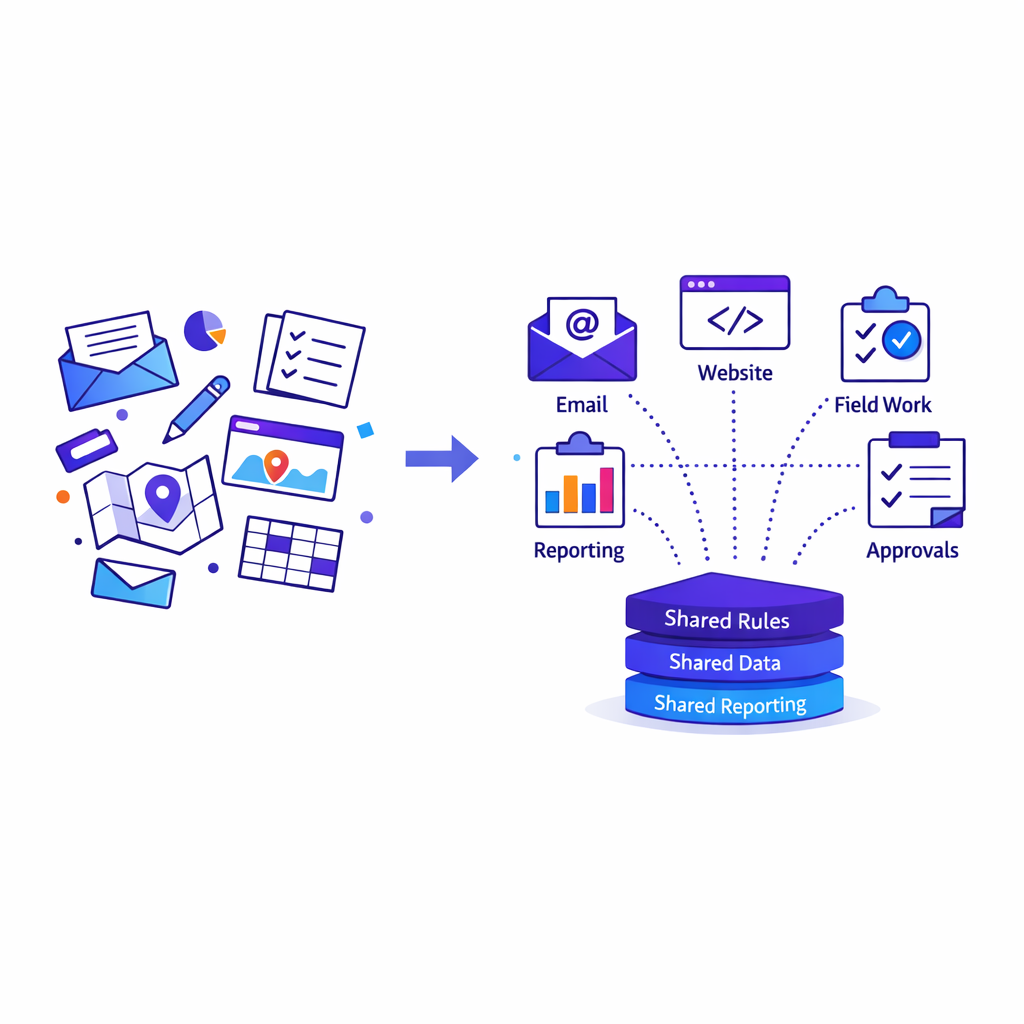
Buying criteria have changed. Teams used to tolerate separate tools for CRM, email, web, field activity, and reporting, but today the bigger question is how well the parts work together. Interoperability expectations across healthcare have been shaped by the 21st Century Cures Act Final Rule, and vendor security reviews increasingly reference the NIST Cybersecurity Framework 2.0.
That shift affects commercial buyers even when they are not purchasing certified health IT. They now ask harder questions about APIs, data movement, identity, auditability, access controls, and how quickly performance data returns to the teams making decisions.
Why life sciences companies use specialized software
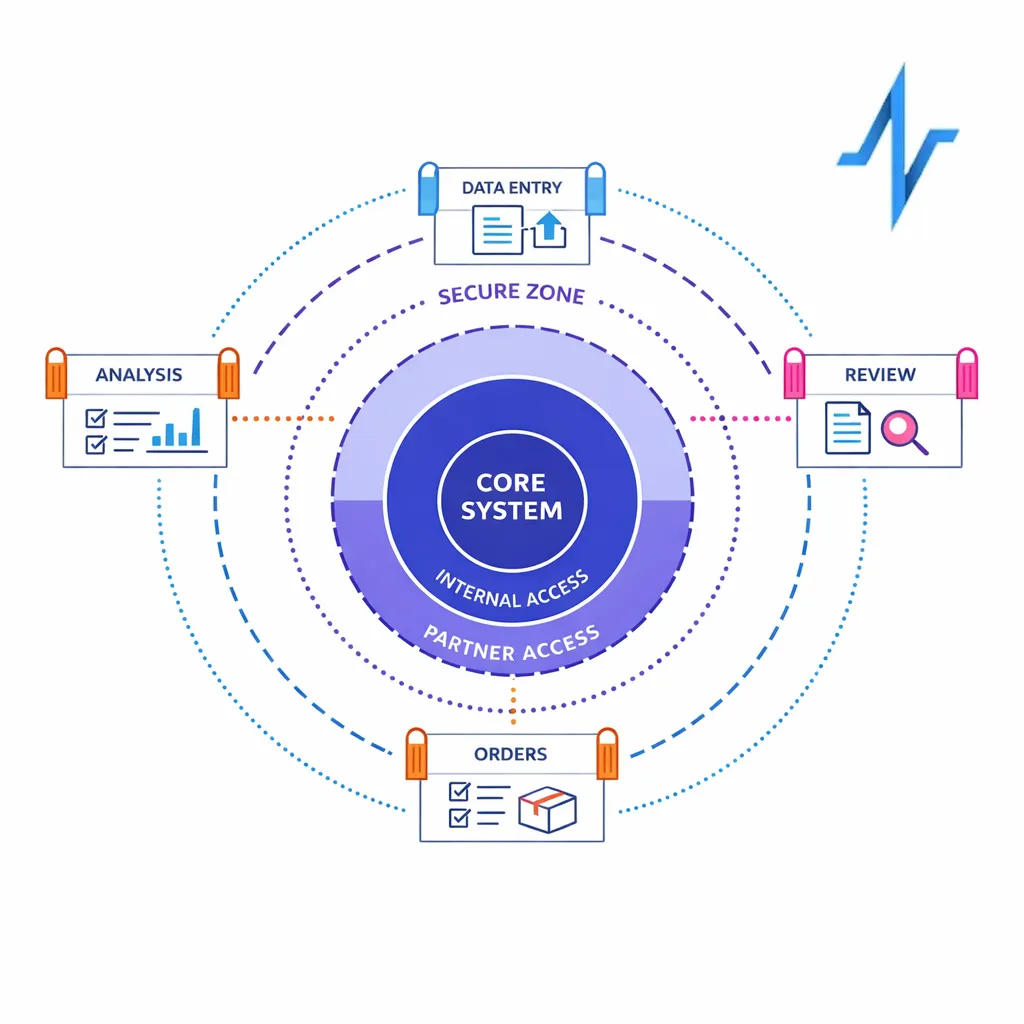
Teams generally look for specialized life sciences software when pharma workflows become multi-party and evidence-heavy. Brand, medical, legal, regulatory, analytics, operations, field teams, and external partners may all touch the same program, but each group needs different permissions, views, and responsibilities.
A well-chosen specialized platform can reduce the gap between strategy and execution. Instead of moving audience lists, content versions, and performance files between disconnected tools, teams can work from shared data, shared business rules, and shared reporting definitions.
- Less manual coordination: fewer spreadsheet handoffs, clearer ownership, and faster changes when priorities shift.
- More consistent execution: channel rules, approved content, and segment logic travel together.
- Better measurement: analysts and operators can more easily trace what was sent, to whom, when, and what happened next.
Core categories of life sciences software
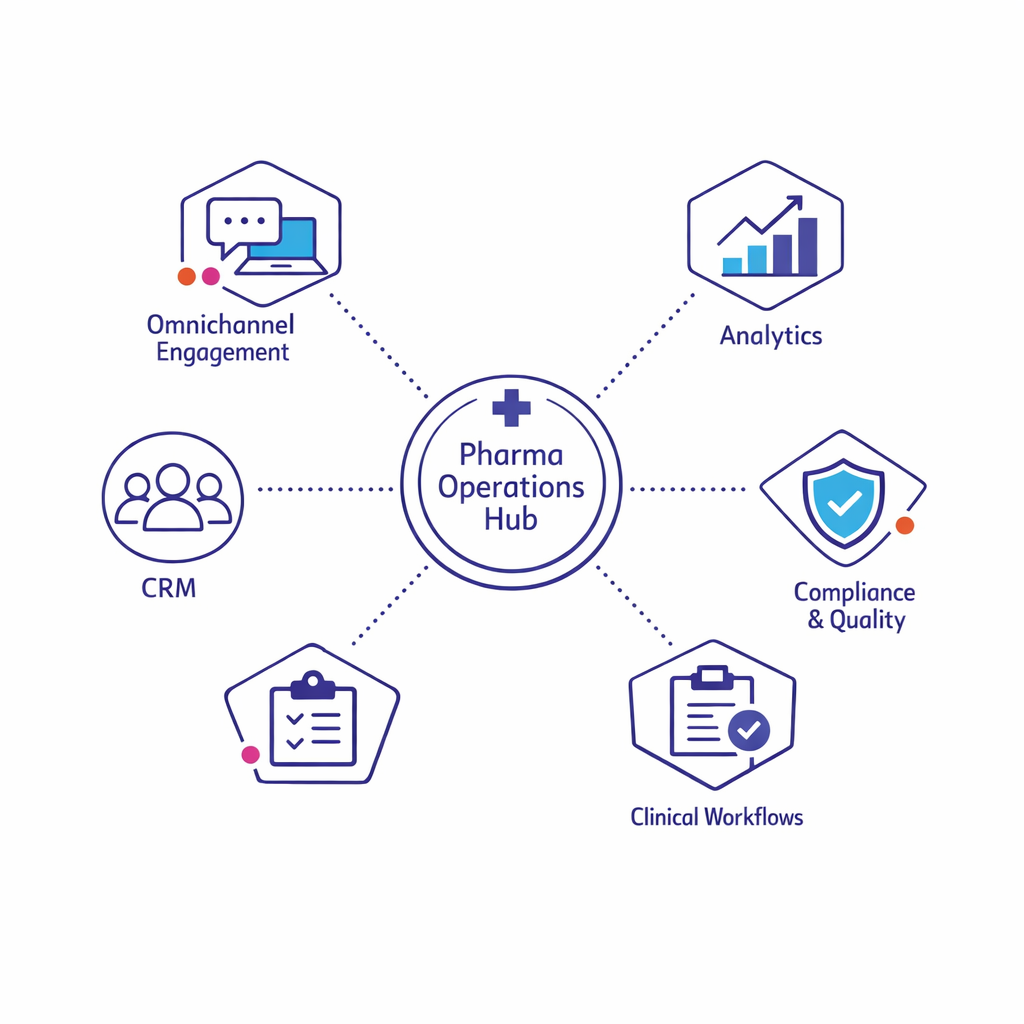
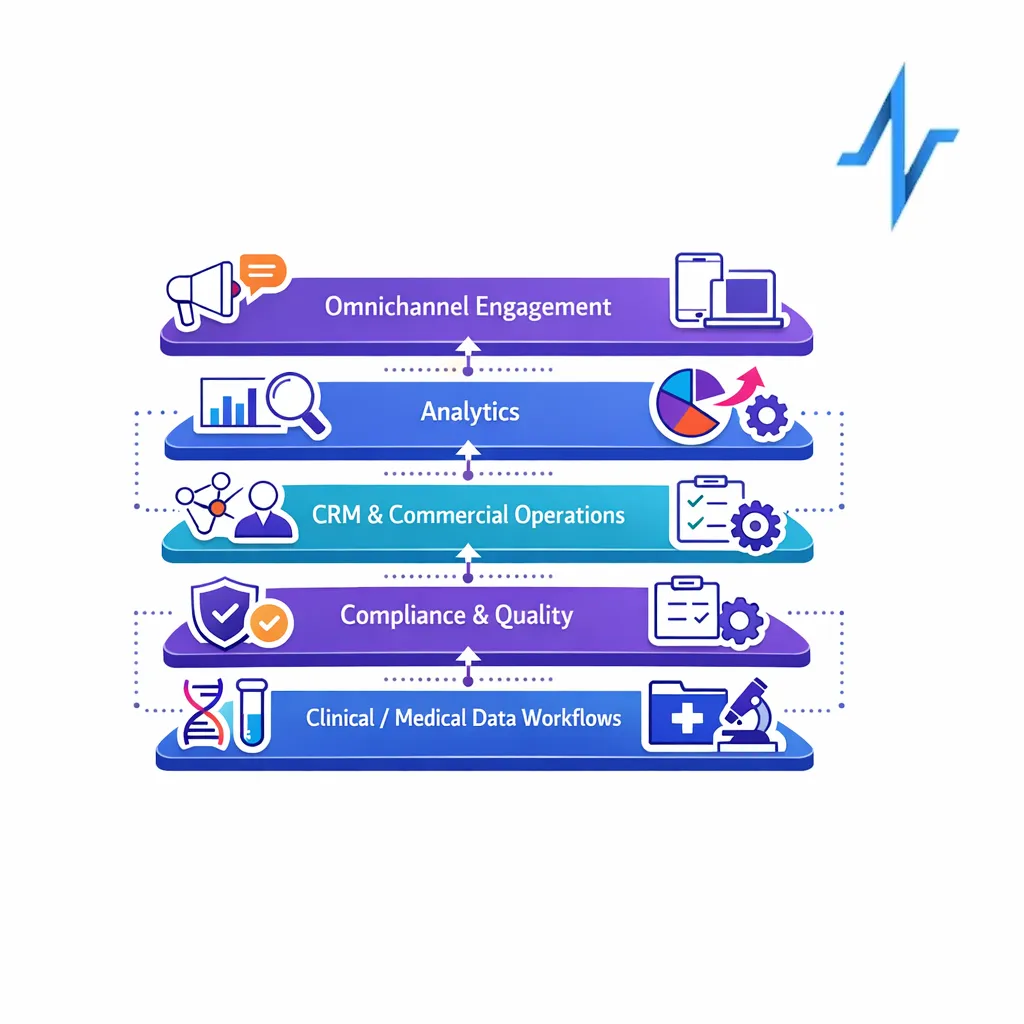
Not all pharma software platforms do the same job. A buyer-friendly way to compare them is to group the stack into five practical categories:
- Omnichannel engagement platforms for orchestration across digital, field, and partner channels.
- Pharma analytics software for measurement, dashboards, attribution logic, and decision support.
- CRM and commercial operations tools for account planning, field activity, and customer history.
- Compliance and quality management systems for document control, approvals, training, and evidence capture.
- Clinical, medical, and data workflow tools for trial operations, medical information, data management, and other specialized workflows.
Omnichannel engagement platforms
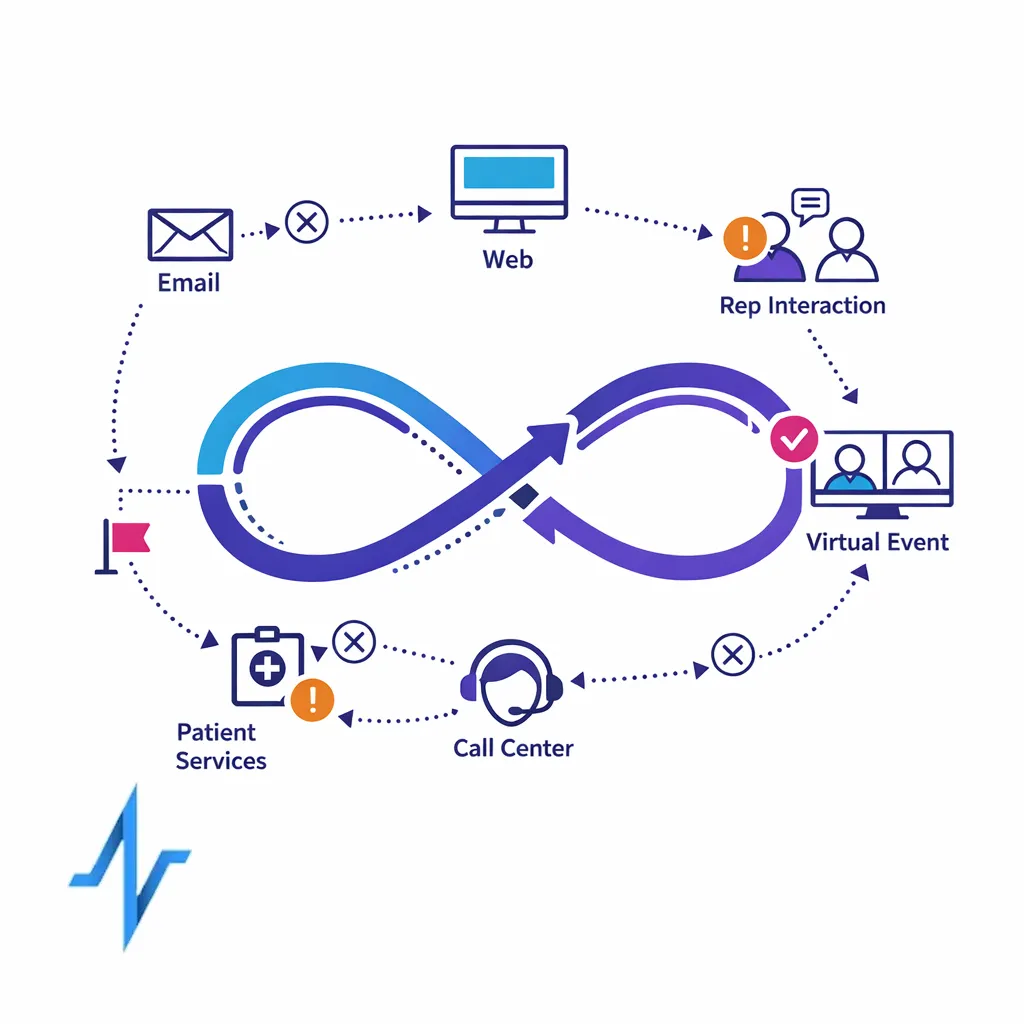
An omnichannel engagement platform coordinates audiences, messages, timing, and next-best actions across more than one channel. In practice, that can include email, web, paid media, rep activity, virtual events, portals, call centers, and patient services working from a shared view of the journey instead of isolated campaign calendars.
This category becomes important when a team wants orchestration, not just outreach. If the platform cannot use response signals, suppress inappropriate touches, and trigger the right follow-up across channels, it is closer to a point tool than a true omnichannel customer engagement platform.
Pharma analytics software
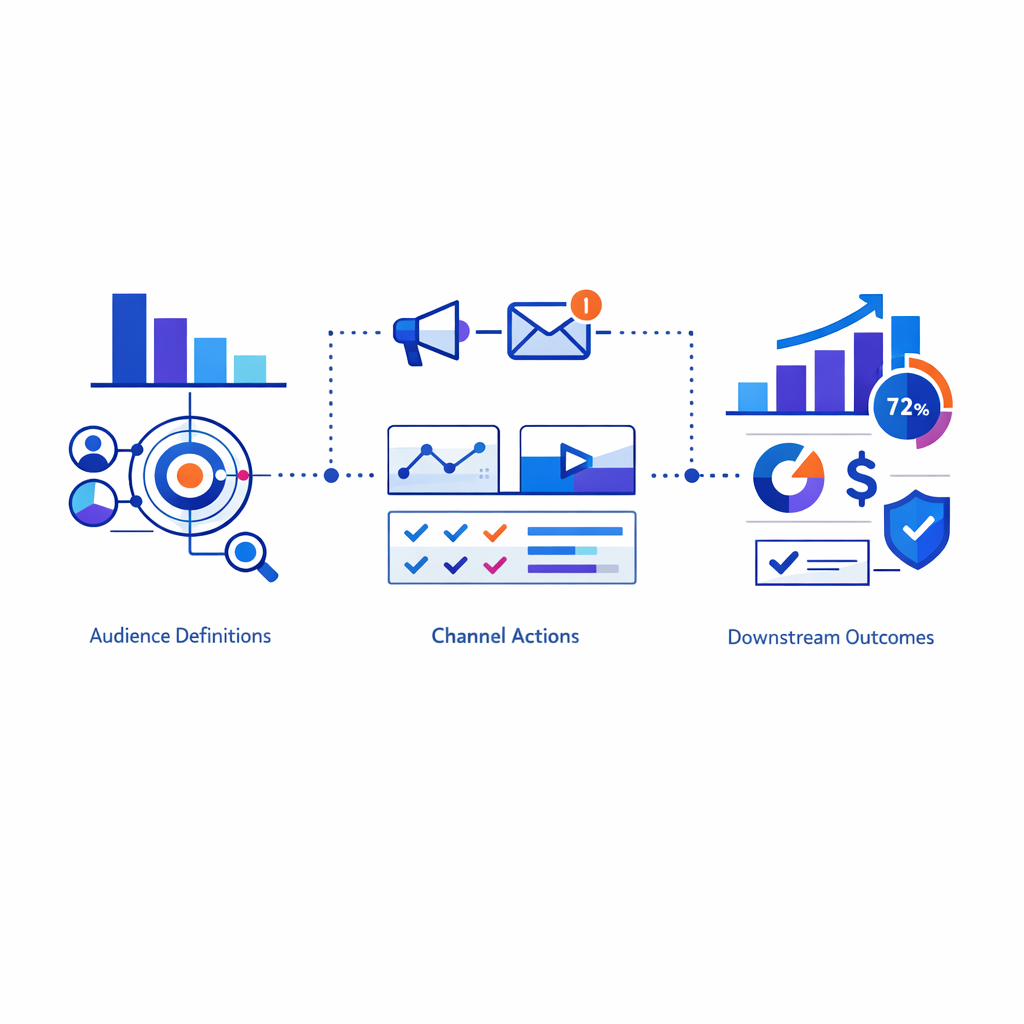
Pharma analytics software turns commercial activity into decision-ready evidence. The strongest systems do more than show opens and clicks; they connect audience definitions, channel performance, field actions, and downstream outcomes so teams can understand where engagement is building and where friction appears.
Buyers should look for clear metric definitions, usable drill-downs, fast data refresh, and enough lineage to explain where numbers came from. When the inputs are understandable, the outputs are much easier for brand and operations teams to trust.
CRM and commercial operations tools
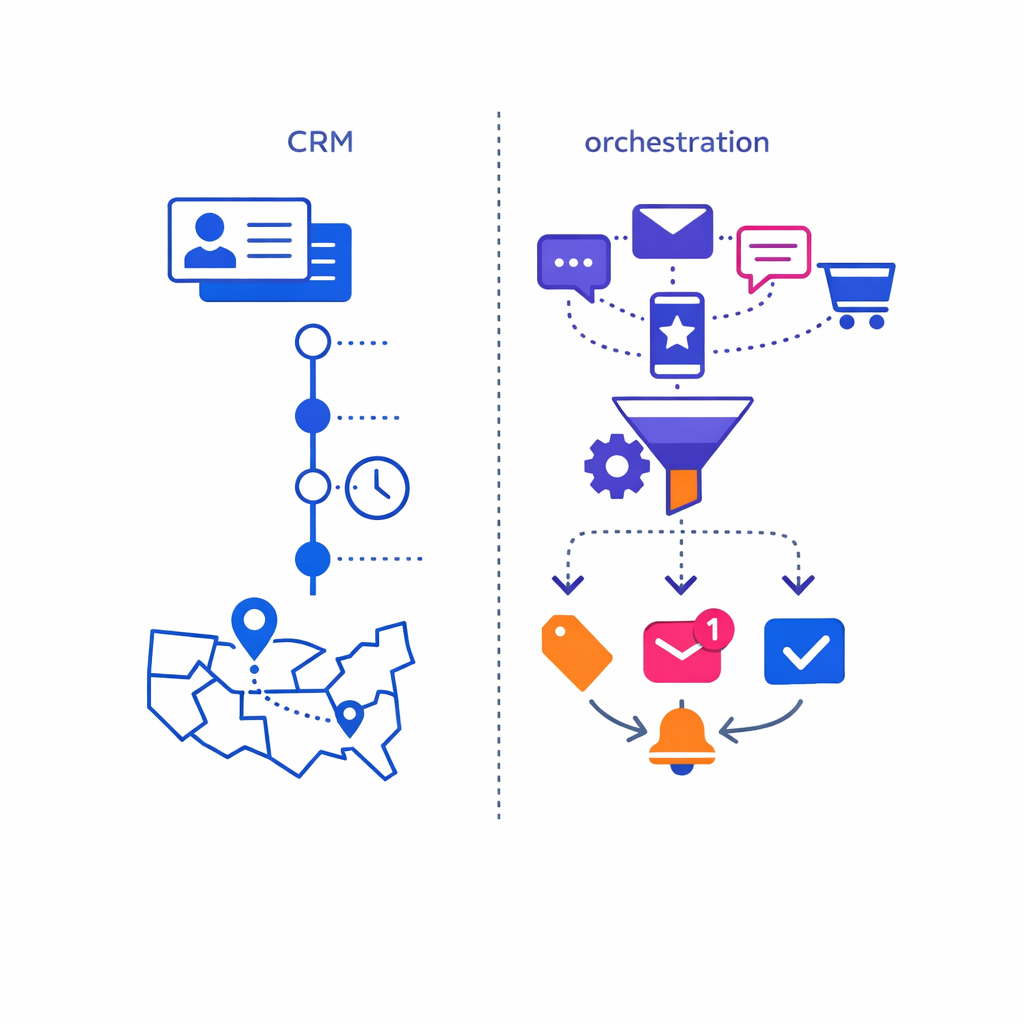
Life sciences CRM and commercial operations tools anchor customer history, account context, territory activity, and field execution. They are often central to the commercial stack, but they are not automatically the system of orchestration, identity resolution, or cross-channel measurement.
That distinction matters during evaluation. A strong CRM for the pharmaceutical industry can still need a separate engagement layer or analytics layer to deliver coordinated omnichannel execution at scale.
Compliance and quality management systems
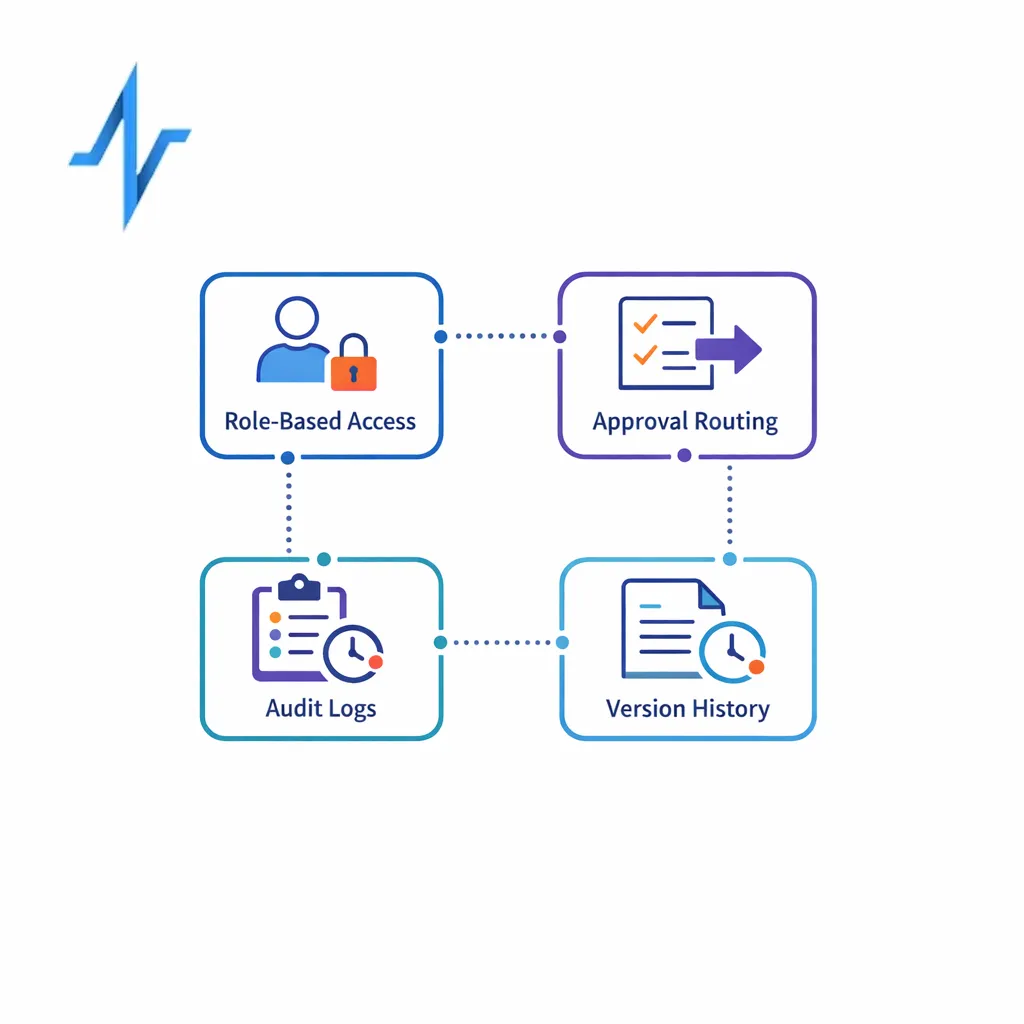
Compliance and quality systems create process discipline around documents, training, approvals, deviations, and records. Commercial teams may not buy these tools first, but they depend on the controls those tools represent: version clarity, approval states, accountability, and durable evidence.
In practical terms, buyers should understand whether those controls live inside the platform, connect through existing enterprise systems, or rely on manual workarounds. The more evidence handling depends on side processes, the more delay and ambiguity the team may carry into execution.
Clinical, medical, and data workflow tools
This category covers software that sits outside core commercial orchestration but still affects it. Examples can include medical information workflows, clinical and study systems, data management tools, content repositories, and specialized services platforms.
These tools matter because commercial teams rarely operate in a vacuum. The value of a life sciences software stack often depends on how well commercial systems can receive, send, and reconcile data with adjacent platforms.
Key capabilities buyers should evaluate
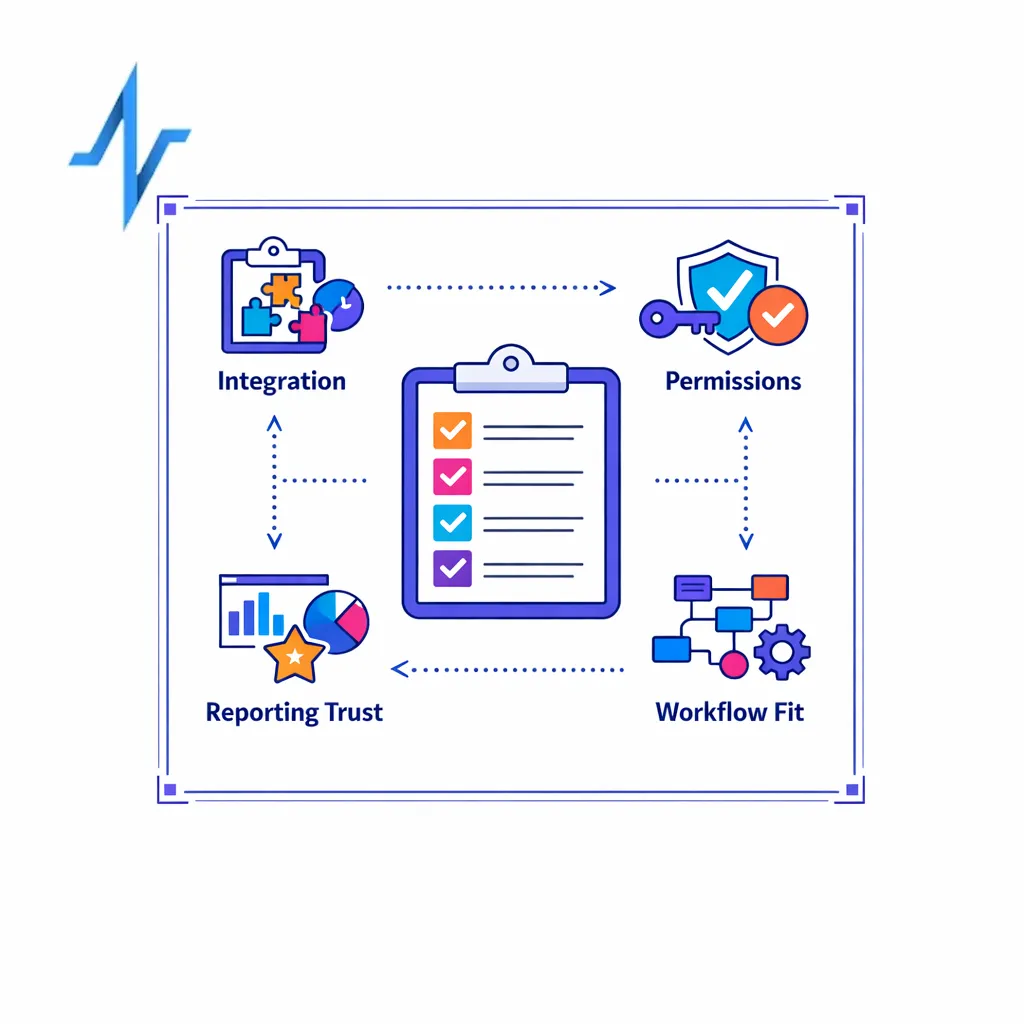
Once buyers understand the categories, the next step is capability fit. Two platforms can look similar in a demo and still behave very differently in production, especially when compliance, partner access, and reporting speed matter.
Compliance and audit readiness
Software does not make an organization compliant by itself. What it can do is make compliant execution more practical through role-based access, approval routing, durable records, event logs, version history, and clear separation between draft and approved materials.
Ask vendors to show how the platform handles exceptions, not just happy-path workflows. The important details are usually found in changes, overrides, escalations, re-approvals, and historical traceability.
Data integration and interoperability
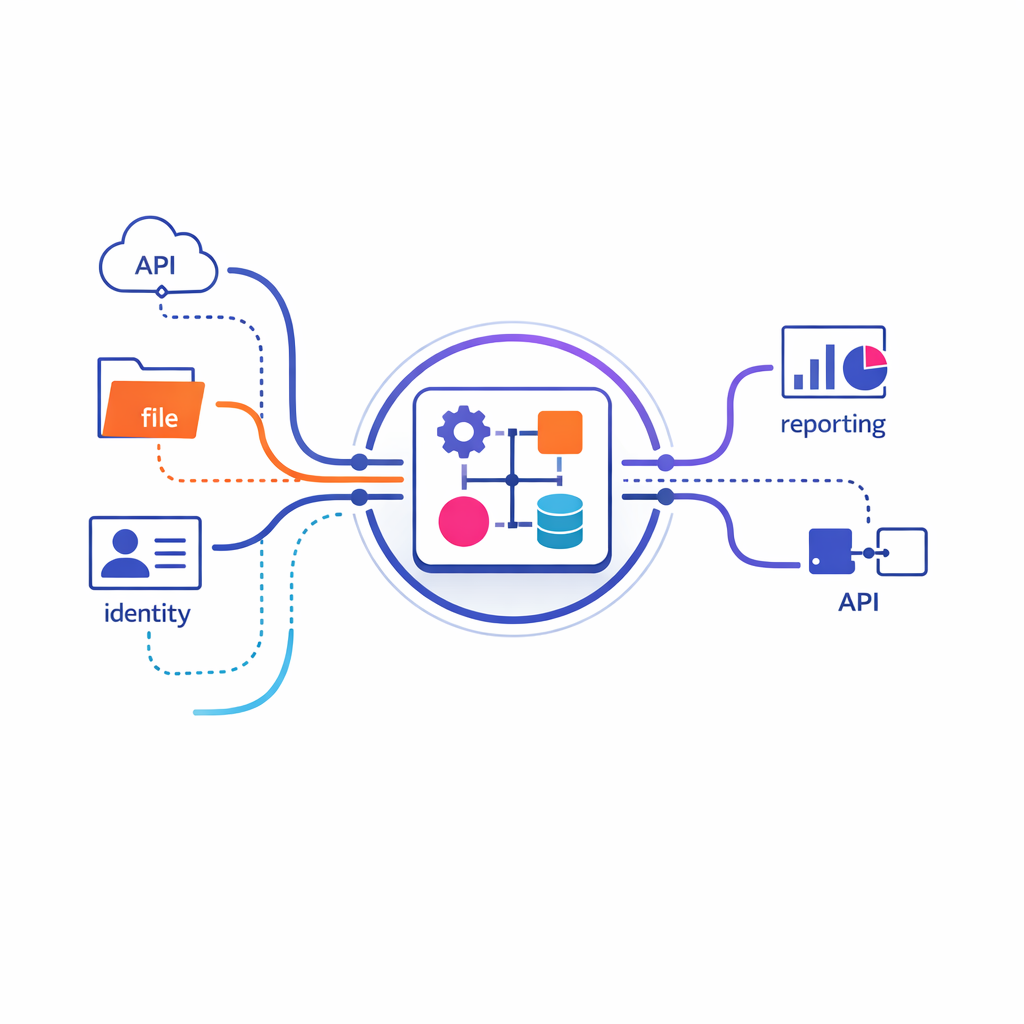
Integration quality is often the difference between a useful platform and another operational bottleneck. Buyers should understand inbound data sources, outbound reporting options, APIs, file-based fallbacks, identity logic, and how the system handles partial, late, or conflicting data.
A good question is whether the platform fits the stack you have now and the stack you expect to have in eighteen months. If the answer depends on custom one-off work every time a channel is added, scale will be expensive.
Audience segmentation and engagement orchestration
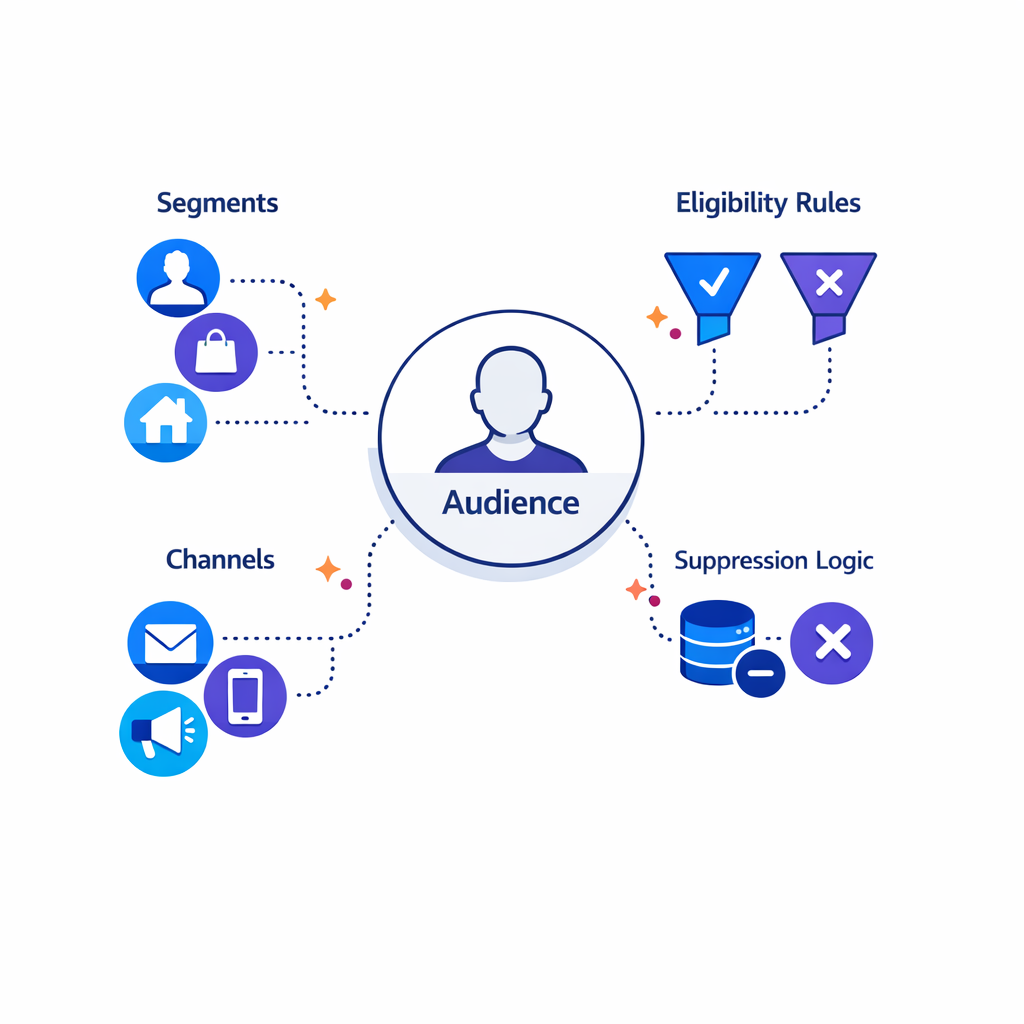
Omnichannel engagement means coordinating interactions across channels using shared audience rules and response data. For pharma teams, that usually includes segmentation, suppression logic, eligibility rules, channel preferences, pacing, and the ability to trigger follow-up actions when someone responds or does not respond.
Buyers should ask whether the platform supports reusable audience definitions and journey logic, or whether every campaign has to be rebuilt from scratch. Reusability lowers effort and improves consistency across brands, teams, and agency partners.
Measurement, analytics, and reporting
Measurement should do more than summarize activity. It should help teams answer whether the right audience was reached, which messages moved engagement, where drop-off occurred, and what operational changes are likely to improve the next cycle.
Look for reporting that is understandable by non-analysts and detailed enough for analysts. The ideal setup lets brand, ops, and leadership work from the same numbers without constant debate over spreadsheet versions.
Workflow automation and user adoption
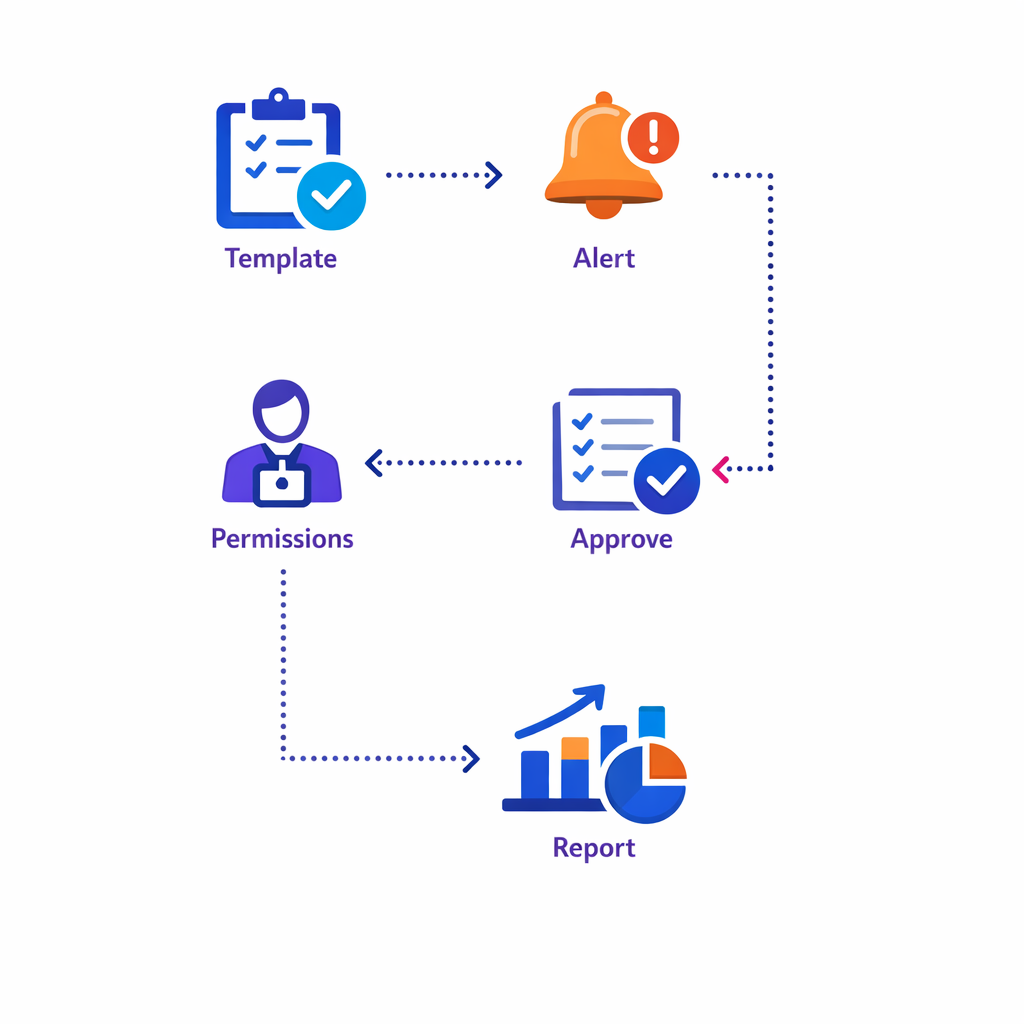
Adoption is not a side issue. If the platform is hard to configure, hard to learn, or dependent on a few power users, execution slows down and reporting quality becomes harder to maintain.
Strong life sciences software makes the next task obvious. Templates, guided steps, alerts, permissions, and embedded reporting usually matter more than flashy features that appear only in demos.
How omnichannel engagement and analytics fit into the life sciences stack
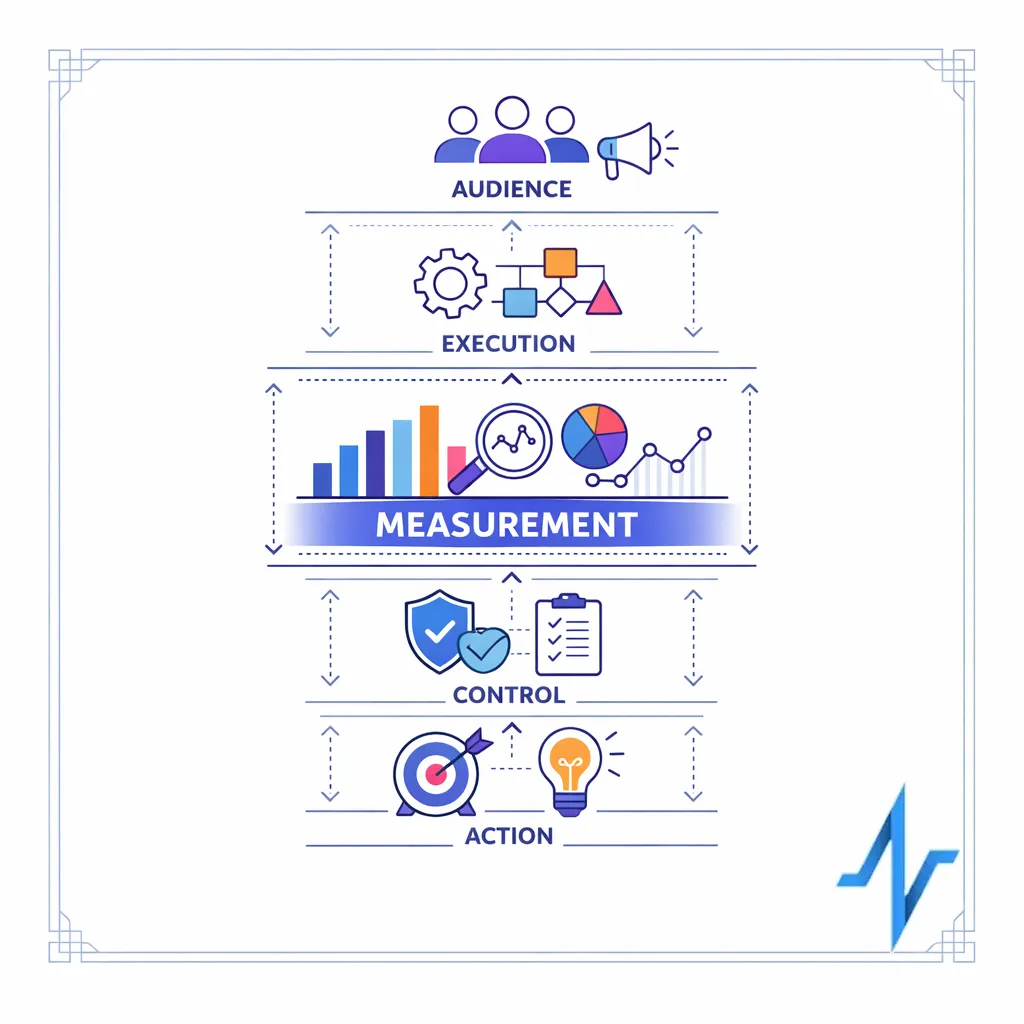
For commercial teams, omnichannel engagement and analytics usually sit in the middle of the stack. They connect upstream data and governance with downstream execution and measurement.
- Audience layer: HCP data, account context, consent or preference signals, and segment logic.
- Execution layer: email, web, paid media, field activity, virtual programs, call centers, and patient services.
- Control layer: approved content, permissions, workflows, and record keeping.
- Measurement layer: dashboards, journey performance, audience response, and operational reporting.
- Action layer: the next campaign, next field follow-up, next optimization, or next budget decision.
When these layers are disconnected, teams can spend more time reconciling data than improving performance. When they are connected, the stack starts to behave more like an operating system for commercial execution than a loose collection of tools.
Common use cases for pharma commercial teams
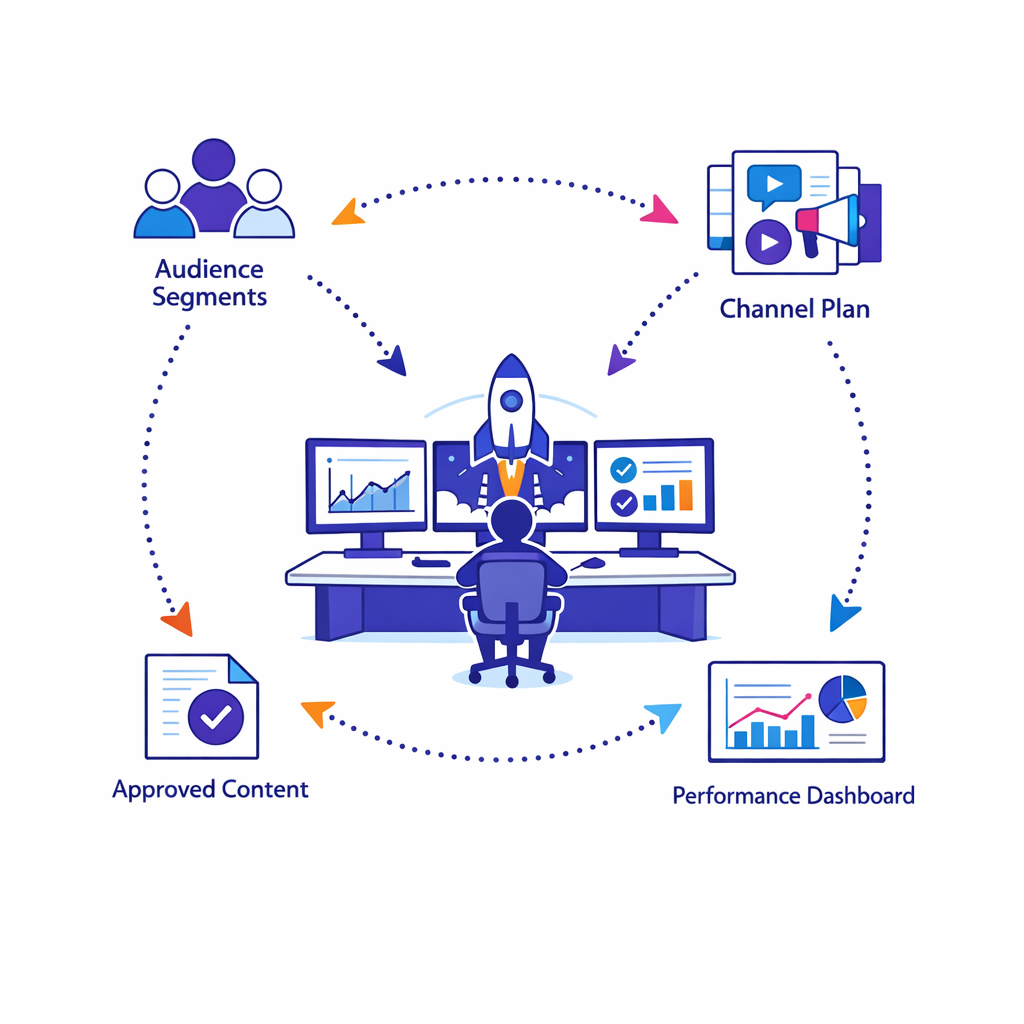
The most useful buying lens is not vendor category alone. It is the set of jobs the software needs to do for the team using it.
- HCP engagement: coordinate rep activity, digital follow-up, audience suppression, and performance visibility across brands or territories.
- Patient education and sign-ups: manage awareness journeys, enrollment or referral flows, and service follow-up with cleaner handoffs between media, web, and support teams.
- Launch orchestration: align channels, content, segments, and dashboards so launch teams can see where engagement is building or stalling.
- Partner execution: give agencies and external vendors access to the right workflow steps without exposing the entire system.
- Measurement and optimization: connect campaign activity, field signals, and audience response so teams can act before the quarter ends.
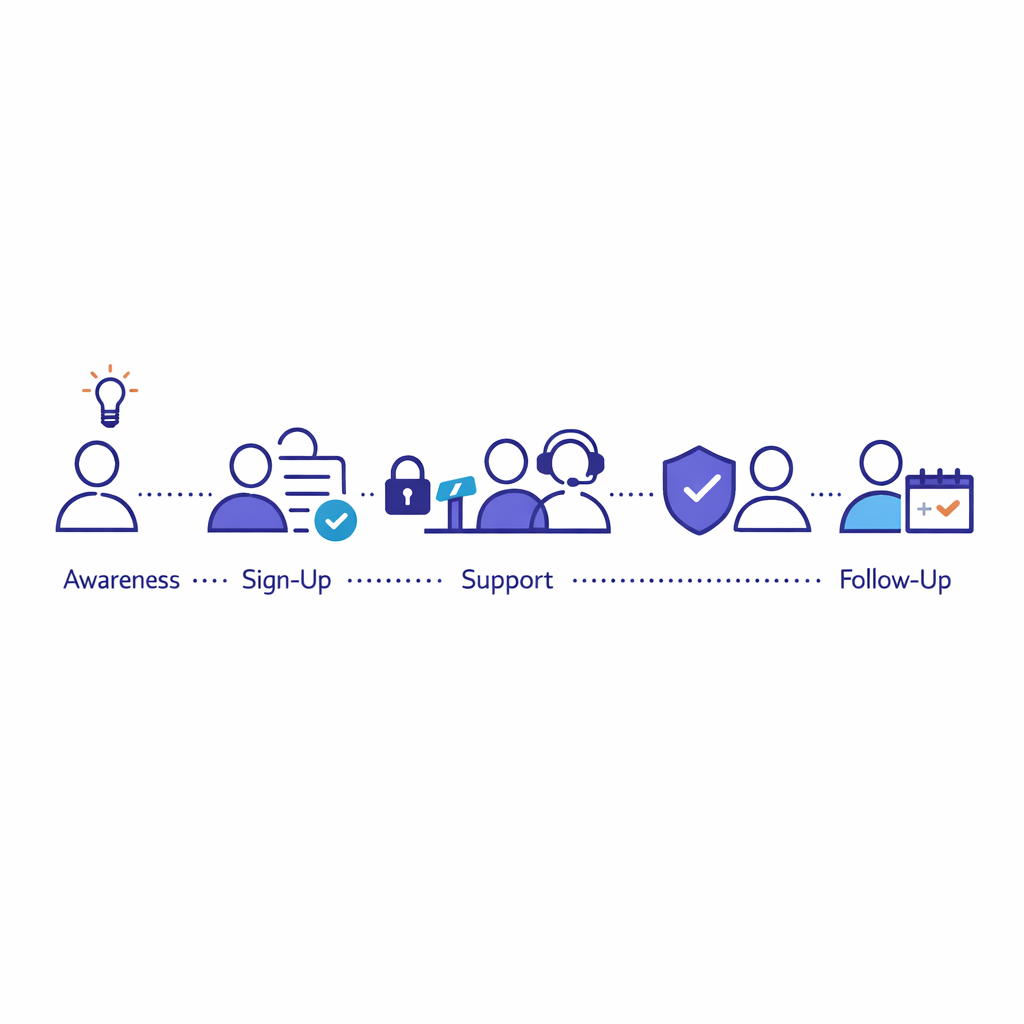
When patient programs collect or route protected health information inside a covered-entity or business-associate model, buyers need architecture that lines up with the HIPAA Security Rule. Even when HIPAA is not the governing framework for a specific program, security, permissioning, and data minimization still deserve direct evaluation.
Common mistakes and misconceptions
- “A CRM is the same as an omnichannel platform.” It is not. CRM is often the history and workflow anchor, while orchestration requires journey logic, cross-channel triggers, and shared measurement.
- “Analytics is just dashboarding.” It is also metric design, data lineage, refresh cadence, and the ability to connect actions to outcomes.
- “Compliance can be added later.” Late-stage controls often create rework. If approvals, evidence, and permissions are weak, execution speed usually suffers.
- “More channels automatically means better omnichannel.” More channels only help when they are coordinated. Uncoordinated volume often creates noise instead of lift.
- “A broad suite is always better than a focused platform.” Breadth helps only if the capabilities you need are strong enough and usable enough for the team that owns them.
How to choose the right life sciences software
Start with the business problem, not the vendor category. A practical evaluation begins by defining the decisions the platform must improve, the users who must adopt it, the data it must connect, and the evidence it must produce.
From there, narrow the evaluation around production realities: integration effort, workflow fit, time to value, reporting trust, and who will support the system after launch. A polished demo matters far less than a credible operating model.
Questions to ask vendors
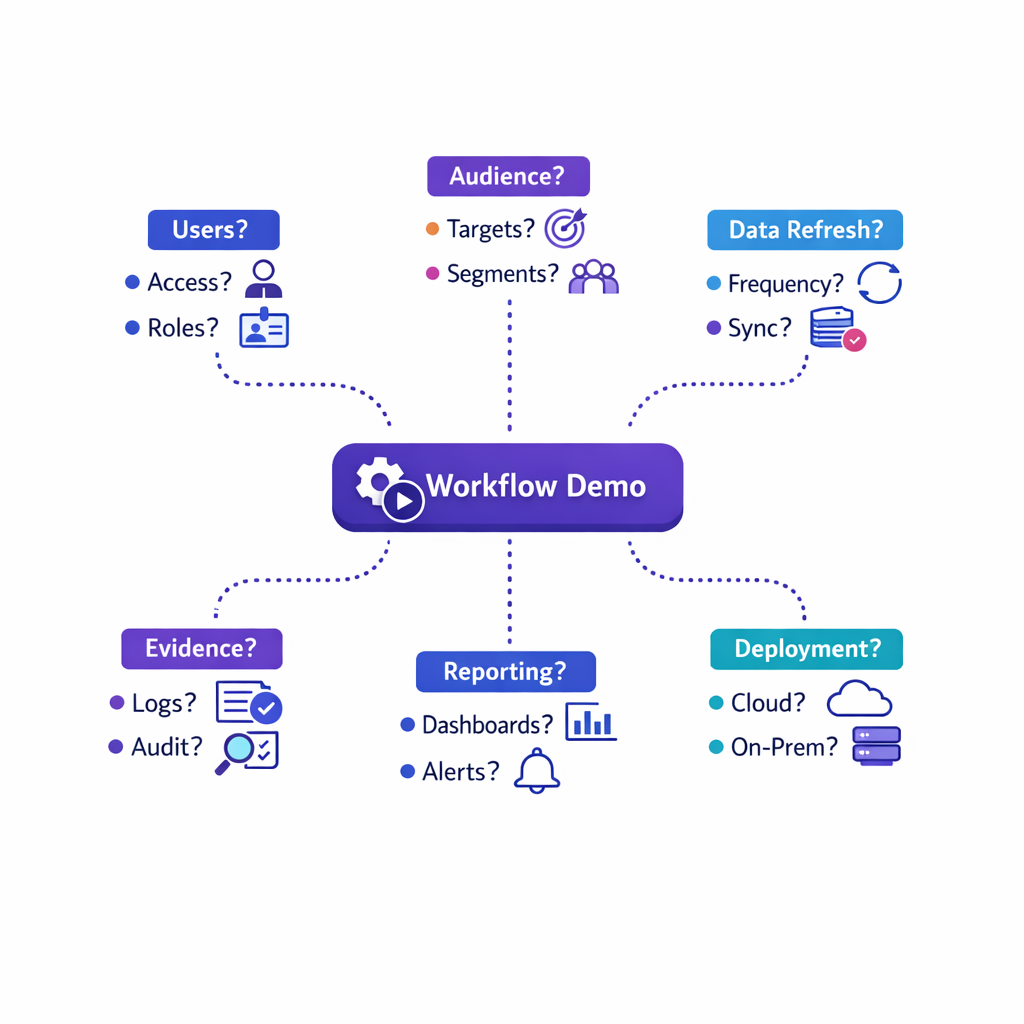
- Which user groups is the product designed for, and which jobs are native versus custom?
- How are audiences defined, reused, and governed across brands, channels, and partners?
- What data enters the system, how often does it refresh, and how is identity handled?
- What records, approvals, logs, and exports are available when teams need evidence?
- How does reporting work for brand users, operations users, and analysts?
- What parts of deployment depend on services, and what parts can internal teams manage themselves?
Red flags during evaluation
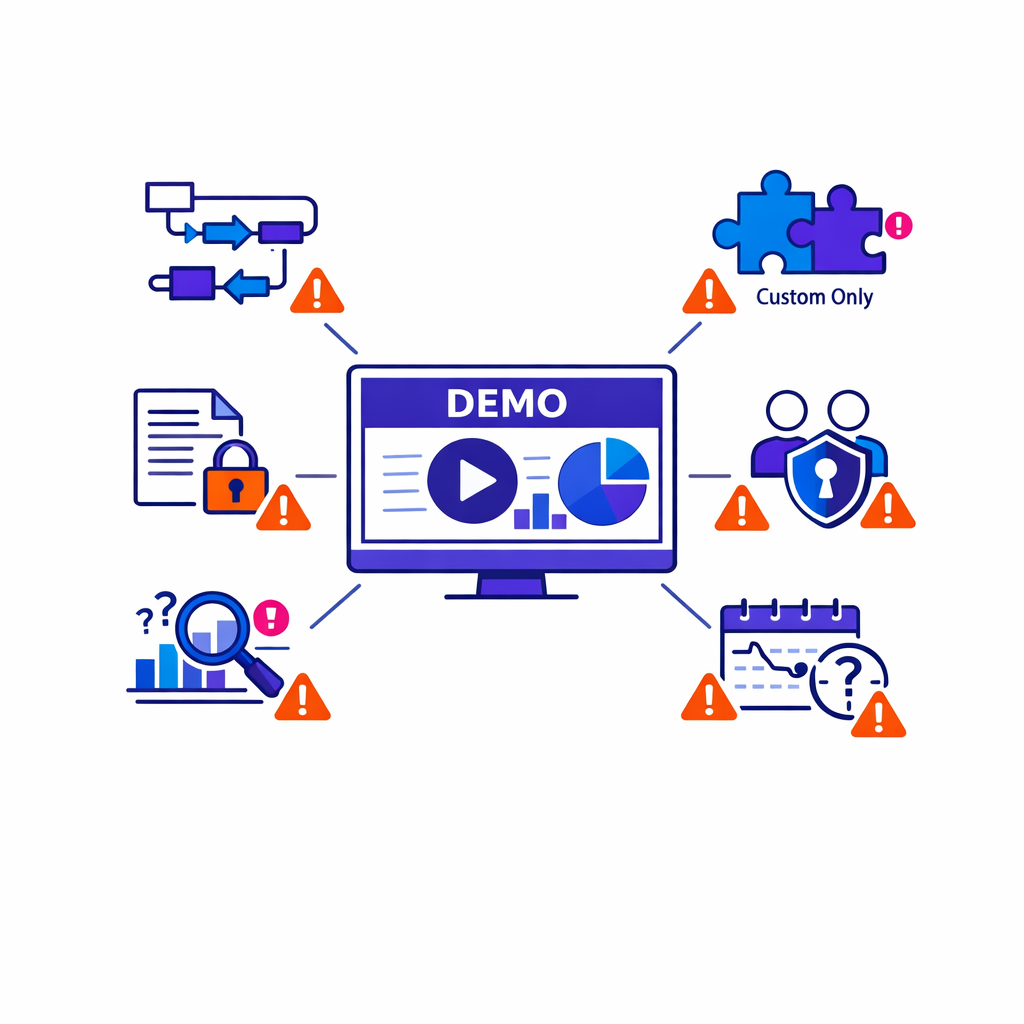
- Journeys are hard-coded in the demo and cannot be changed by normal users.
- Every new channel or integration requires custom development.
- Metric definitions are vague or differ across screens.
- Approved content and live content are hard to distinguish.
- Role-based access is shallow, especially for agencies, vendors, or cross-brand teams.
- Historical event data is incomplete, difficult to export, or hard to reconcile.
Life sciences software vs general-purpose tools
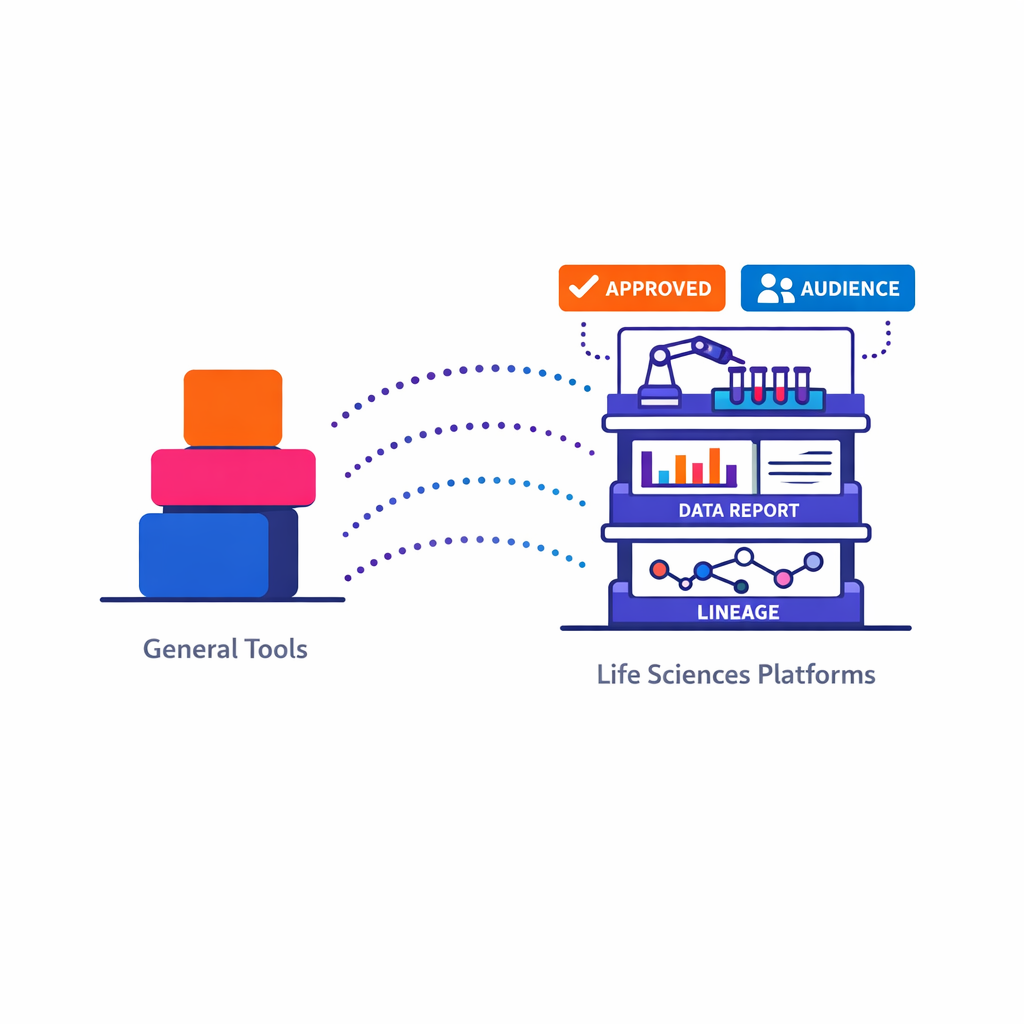
General-purpose tools can be flexible and cost-effective, especially for narrow use cases. They can work well when the workflow is simple, the audience model is stable, and compliance overhead is limited.
Specialized life sciences software is usually the better fit when the commercial model depends on controlled content, structured approvals, precise audience governance, partner coordination, and measurement that has to stand up to scrutiny. For many pharma teams, the right answer is a blended stack: use general tools where they are sufficient, and specialized tools where the workflow or risk profile demands them.
FAQ
What is pharmaceutical software?
Pharmaceutical software is software designed for the workflows common in pharma and adjacent life sciences organizations. Depending on the team, that can mean CRM, patient engagement, analytics, quality systems, medical workflows, or broader enterprise tools.
What software do pharmaceutical companies use?
Most organizations use a mix of systems rather than one platform. A typical stack can include CRM, omnichannel engagement, analytics, approved content workflows, data management, patient support tooling, and enterprise systems such as ERP or QMS.
What is omnichannel engagement?
Omnichannel engagement is coordinated interaction across channels using shared audience rules and response data. The goal is not to be everywhere at once; it is to make each next interaction more relevant based on what already happened.
What is pharma analytics?
Pharma analytics is the practice of turning commercial, operational, and audience data into usable decisions. In software terms, it usually includes data preparation, metric definitions, dashboards, journey analysis, and reporting that helps teams improve targeting, timing, and resource allocation.
What to do next
- Clarify the job to be done: orchestration, CRM improvement, analytics, patient engagement, or a combination.
- Map the minimum viable stack: data sources, execution channels, reporting outputs, and approval points.
- List non-negotiables: permissions, auditability, partner access, integration requirements, and reporting latency.
- Run a workflow-based demo: ask vendors to show your real use case, not a generic campaign.
- Test the operating model: who builds, who approves, who monitors, and who fixes issues after go-live.
- Define success early: adoption, cycle time, measurement quality, and business outcomes should all be visible.
See how Pulse Health supports compliant omnichannel execution
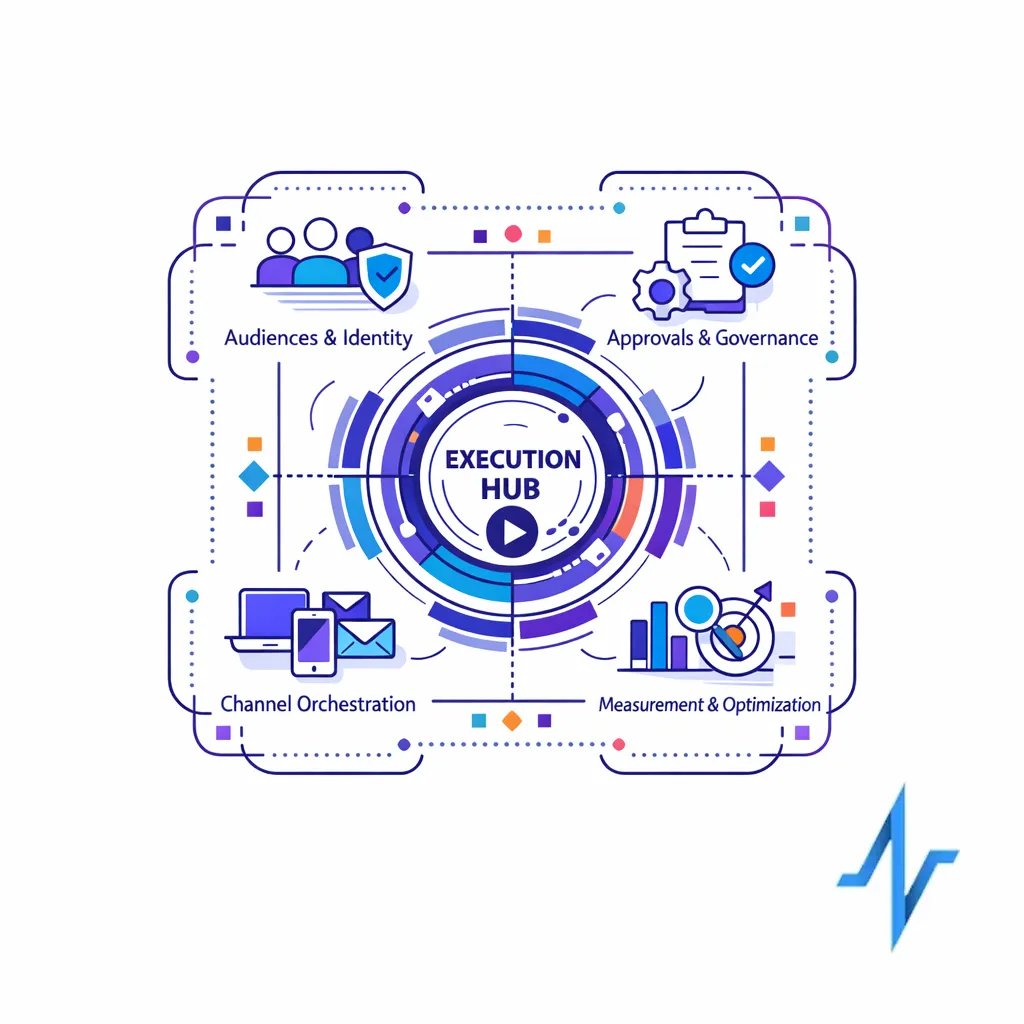
If your team is evaluating life sciences software for HCP engagement, patient education flows, or cross-channel measurement, Pulse Health can make the comparison more concrete. The most productive next step is usually a workflow discussion built around your actual audiences, systems, approval steps, and reporting needs.
You can Request a Demo, Book a Consultation, or Talk to Pulse Health to review whether the platform fits your orchestration, visibility, and workflow goals.