

Choosing pharma industry software is no longer a simple vendor selection exercise. For US pharma brand teams, omnichannel leads, commercial ops leaders, CRM owners, and agency partners, the real challenge is deciding how engagement, data, compliance, and measurement should work together across one operating model.
This guide is built for teams evaluating software for pharma industry use cases such as HCP engagement, patient education and sign-ups, identity resolution, analytics, and orchestration. You will learn what categories matter most, how to compare platforms beyond feature lists, which questions to ask vendors, and how to build a phased roadmap that improves execution without forcing a full rip-and-replace.
What pharma industry software includes today
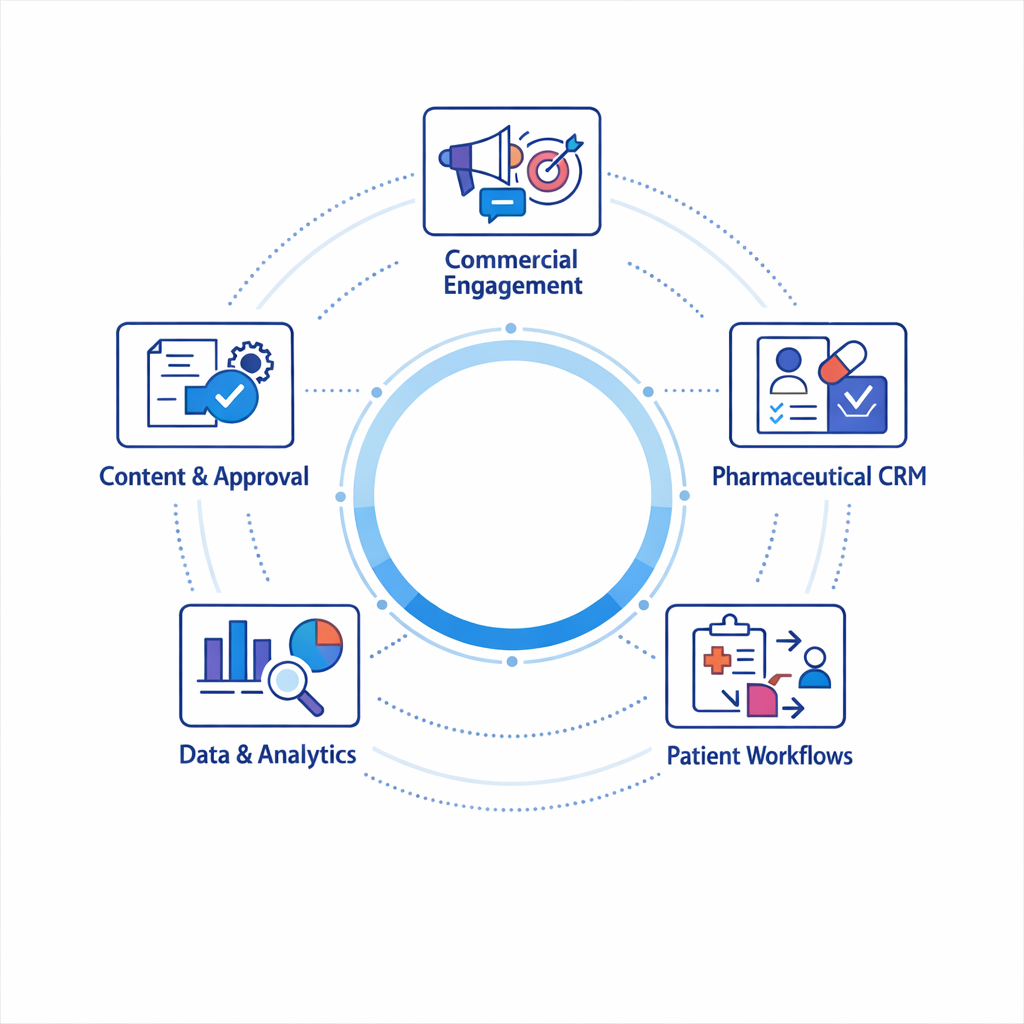
Pharma industry software is the set of platforms pharma companies use to plan, approve, deliver, measure, and improve commercial engagement. For most commercial teams, that means an ecosystem of connected systems for CRM, content, workflows, analytics, and integrations rather than one application doing everything well.
What software do pharmaceutical companies use?
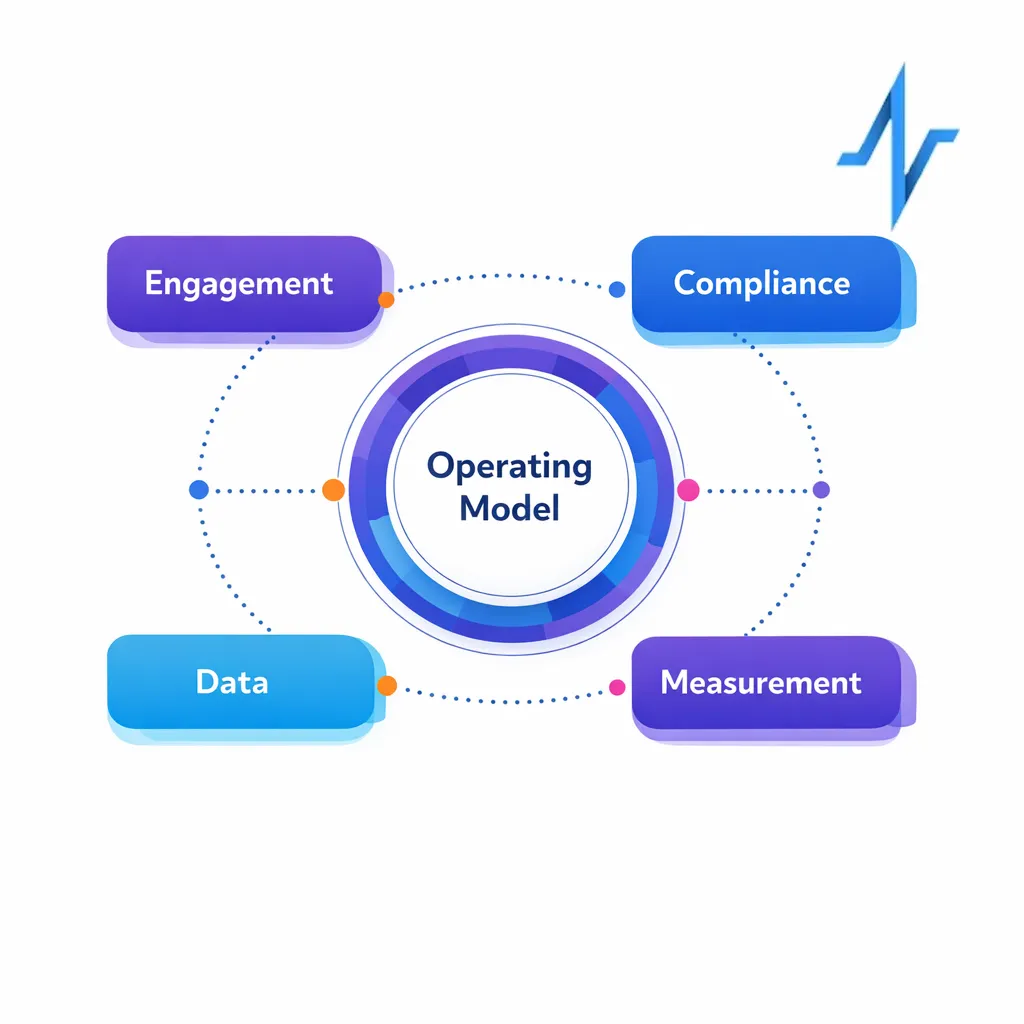
Commercial buyers usually evaluate several categories together because each one solves a different part of the customer and measurement problem. A useful buying process compares how the categories connect, not just how each tool performs on its own.
- Commercial engagement platforms for email, web, portals, paid media, webinars, events, and coordinated outreach
- Pharmaceutical CRM and field tools for HCP, HCO, KOL, territory, and account activity management
- Patient support and service workflows for intake, consent, education, enrollment, and case coordination
- Content, DAM, and approval systems for modular content, review, reuse, and governance
- Data unification and identity layers for audience resolution, suppression logic, and event capture
- Analytics and orchestration tools for reporting, optimization, next-best-action logic, and cross-channel sequencing
What is life science software?
Life sciences software is the broader category that spans research, quality, manufacturing, regulatory, and commercial systems. In this article, the focus is the commercial subset of life sciences software that helps teams engage customers, coordinate programs, and measure outcomes.
Commercial engagement platforms
These tools handle outbound and inbound interactions across digital and human channels. The key buying question is not whether a vendor supports a long list of channels, but whether those channels share the same audience logic, content rules, and reporting structure.
Pharmaceutical CRM and field tools
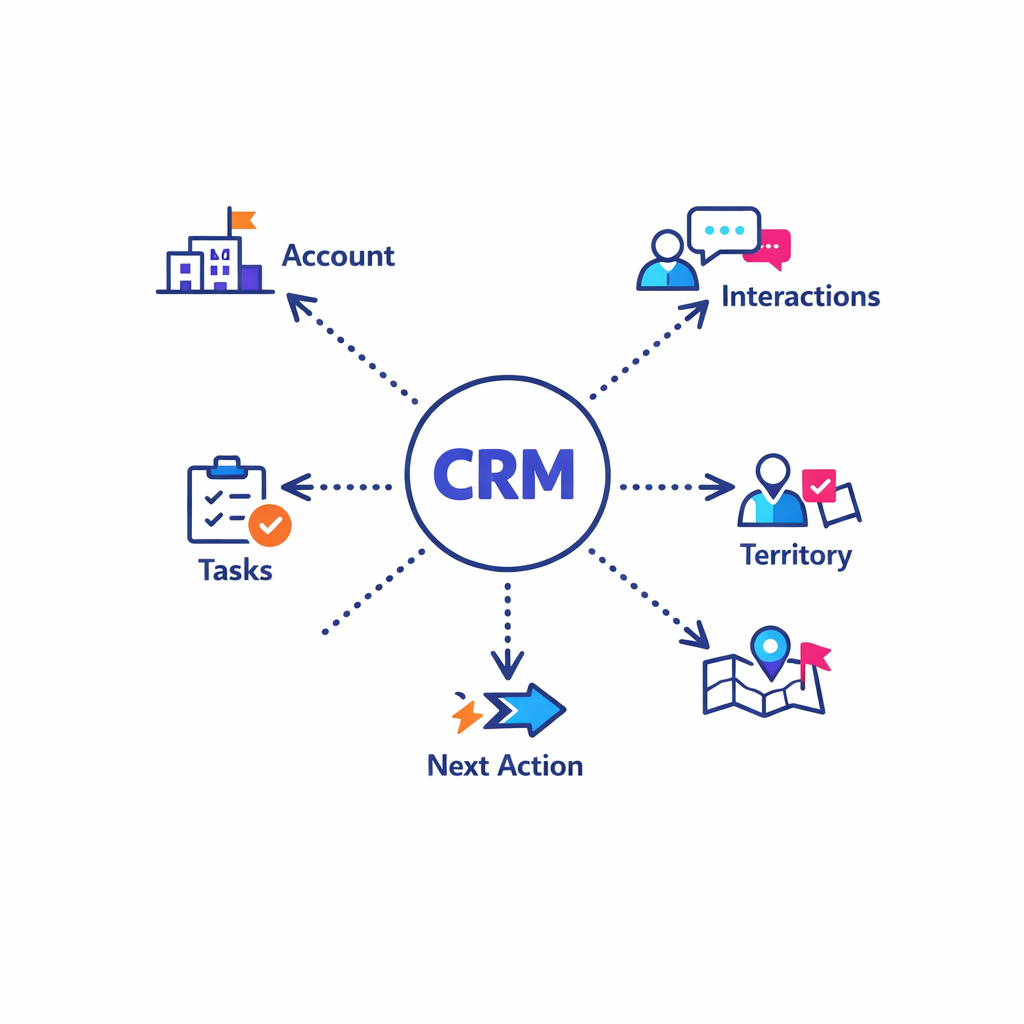
What is a CRM in pharma? It is the workflow and system-of-record layer for HCP, HCO, and KOL engagement, including account views, interactions, tasks, and coordination between field and digital teams. A strong pharmaceutical CRM should help commercial teams act on insight, not just store account data.
What type of CRM is used in the pharmaceutical industry? Usually it is a pharmaceutical CRM or life sciences CRM that reflects pharma-specific engagement patterns and governance needs. Generic healthcare CRM software can still be useful, but only if it supports the approval, data, and reporting model your commercial organization actually needs.
Patient support and service workflows
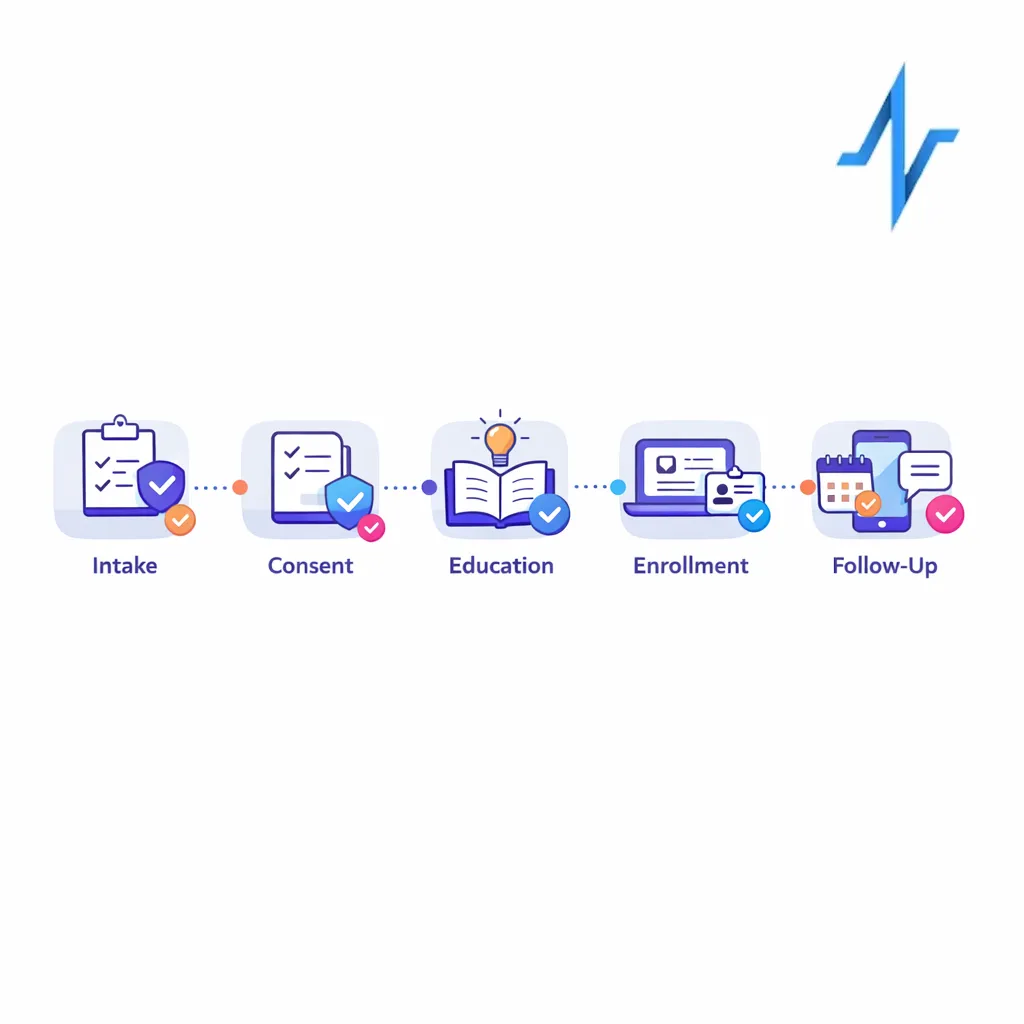
Patient programs are often spread across multiple tools for intake, education, enrollment, consent, and follow-up. If a platform stores or routes protected health information, buyers should understand how the workflow aligns with the HIPAA Privacy Rule and the HIPAA Security Rule.
Analytics, measurement, and orchestration layers
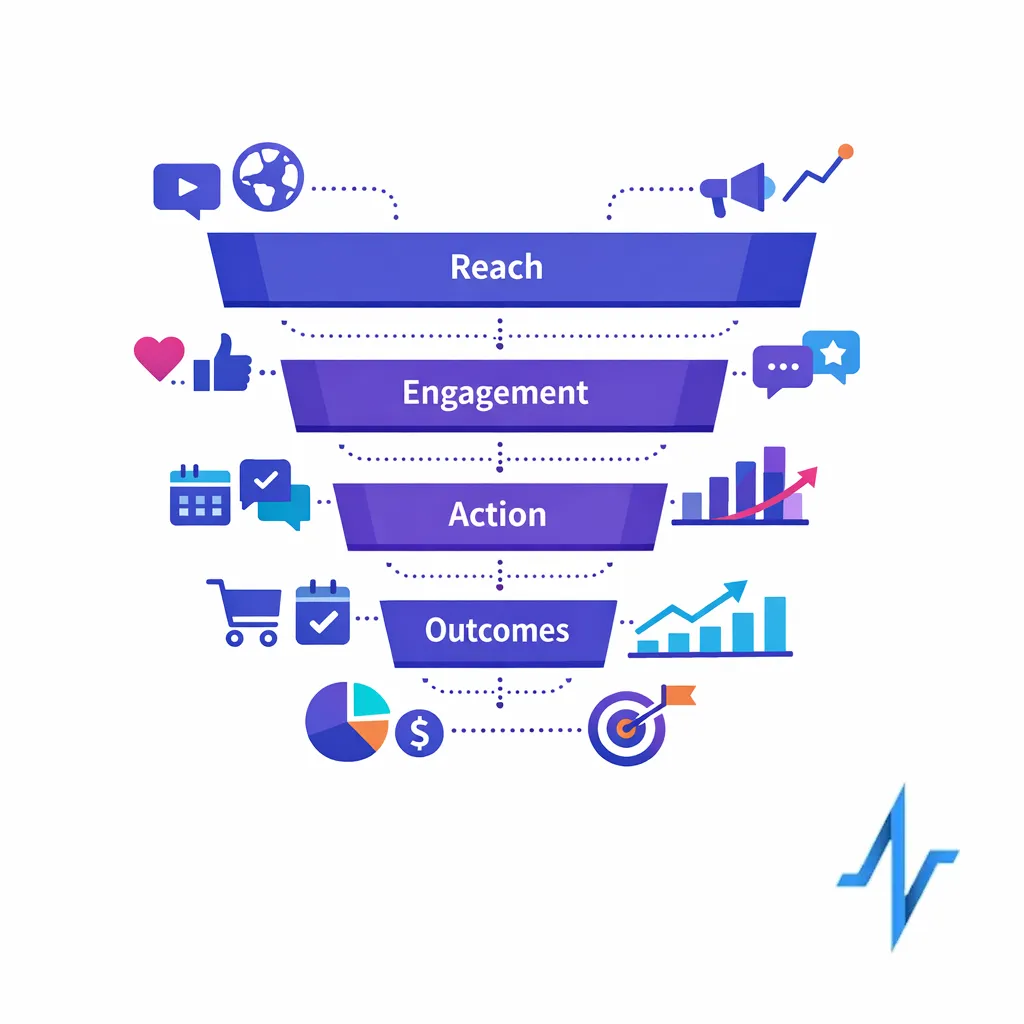
This layer turns disconnected activity into decisions. When teams talk about modern interoperability, they usually mean support for HL7 FHIR-based APIs and clear handling of electronic records and signatures under 21 CFR Part 11 when those controls are relevant to the workflow.
What changed in how teams evaluate software
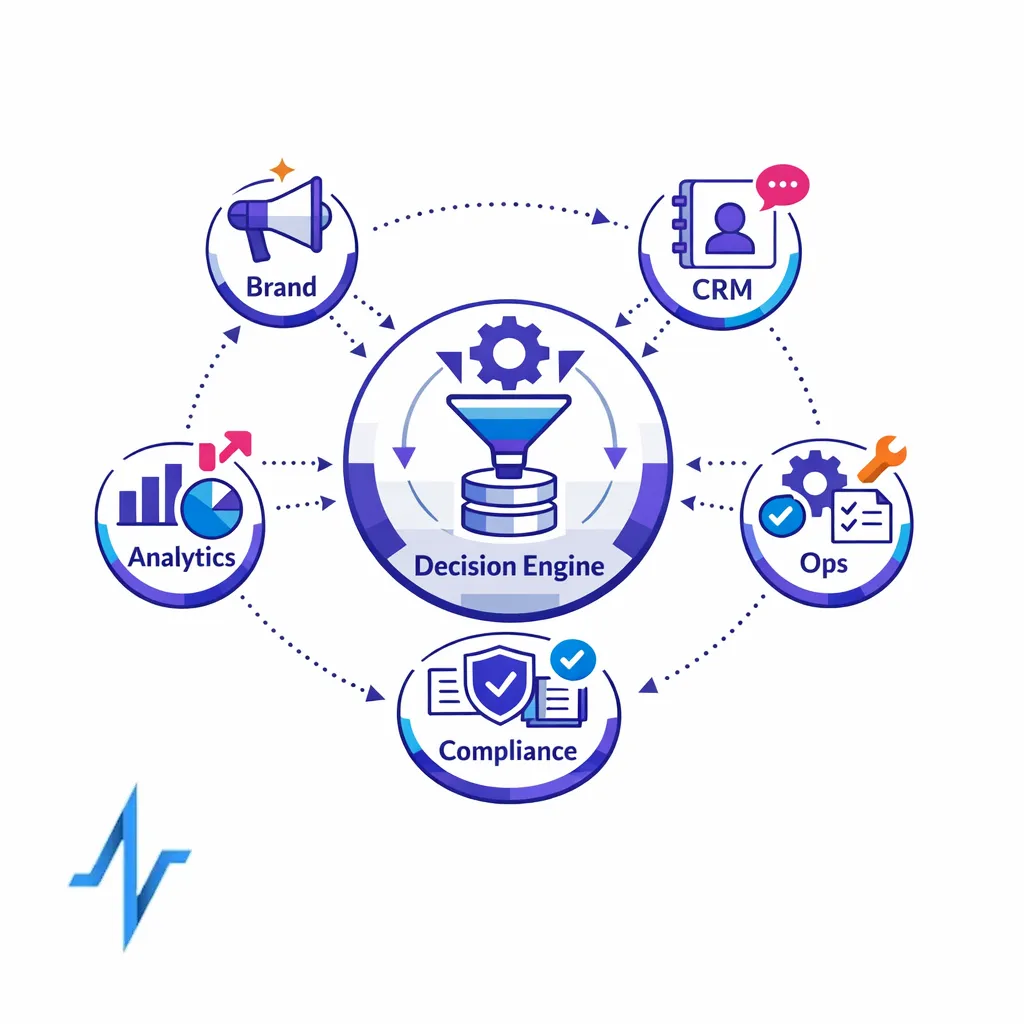
Buying criteria have shifted from “Which tool can run this channel?” to “Which platform helps us coordinate channels, data, and proof of performance?” That is a major change because it forces brand, CRM, analytics, compliance, and commercial ops teams to evaluate one shared system design instead of separate point solutions.
In practice, pharma marketing technology is being judged less on isolated features and more on operational fit. Buyers want cleaner identity resolution, faster launch cycles, stronger governance, and reporting they can trust without stitching together weeks of manual work.
Why pharma teams are rethinking their software stack
Fragmented HCP and patient data
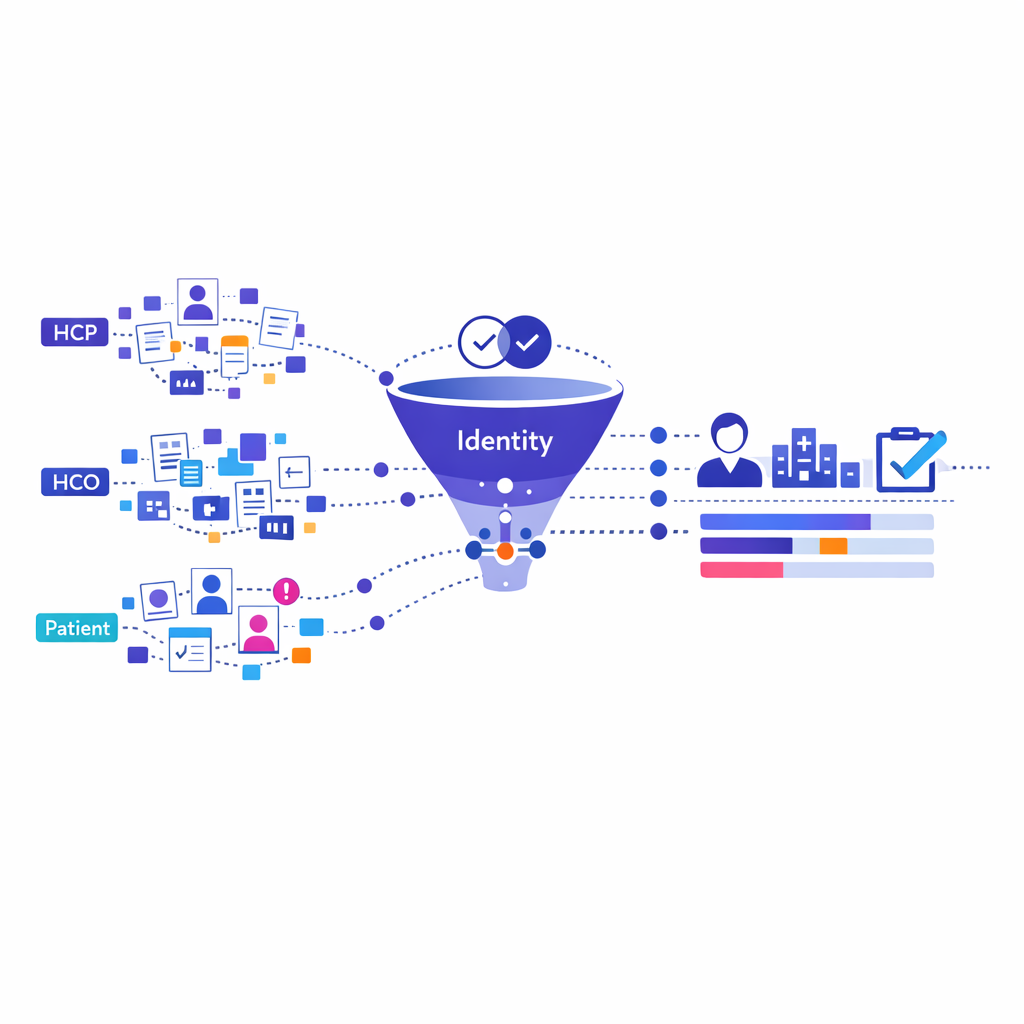
Different teams often work from different IDs, audience definitions, and interaction logs. When that happens, segmentation gets messy, suppression rules become risky, and reporting turns into reconciliation instead of analysis.
Channel proliferation and omnichannel pressure
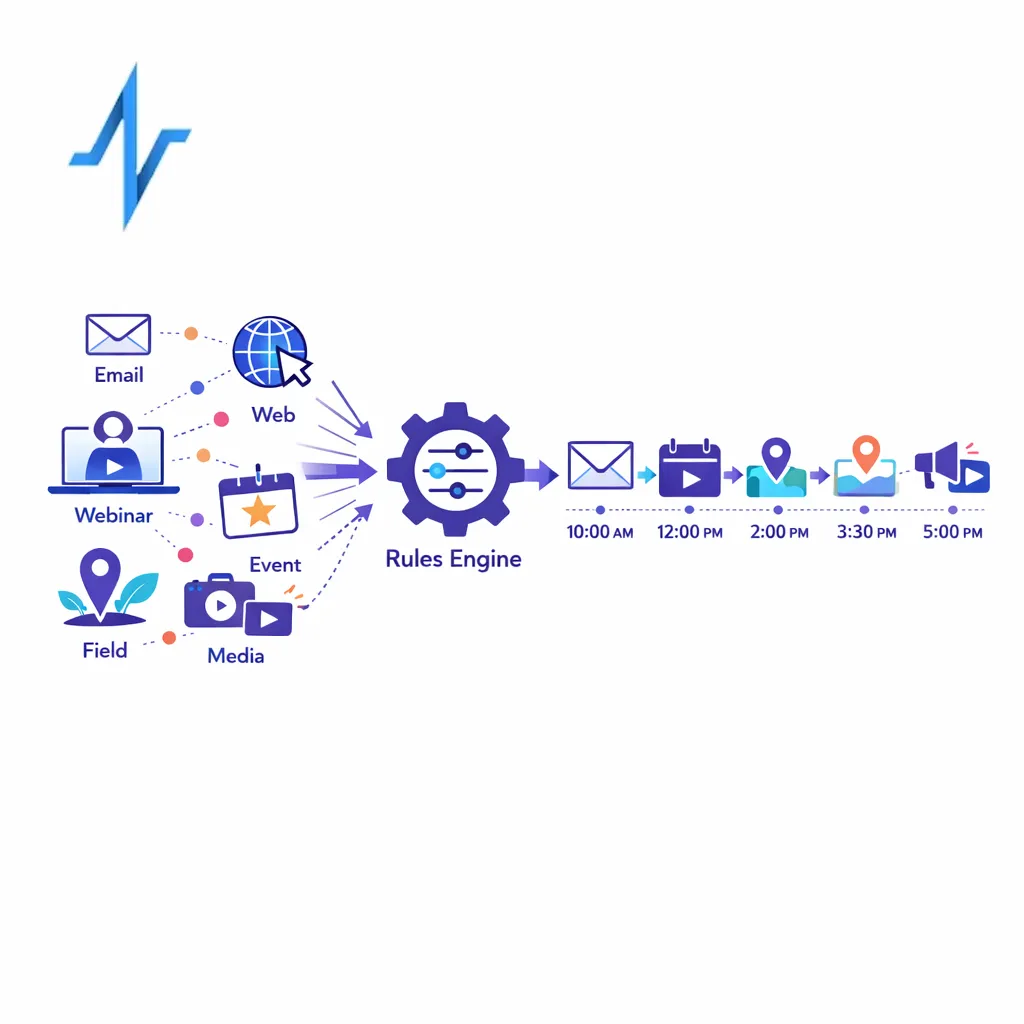
More channels do not automatically create an omnichannel strategy. If each channel runs on separate logic, the team is managing complexity, not improving relevance or timing.
Compliance, approval, and governance demands
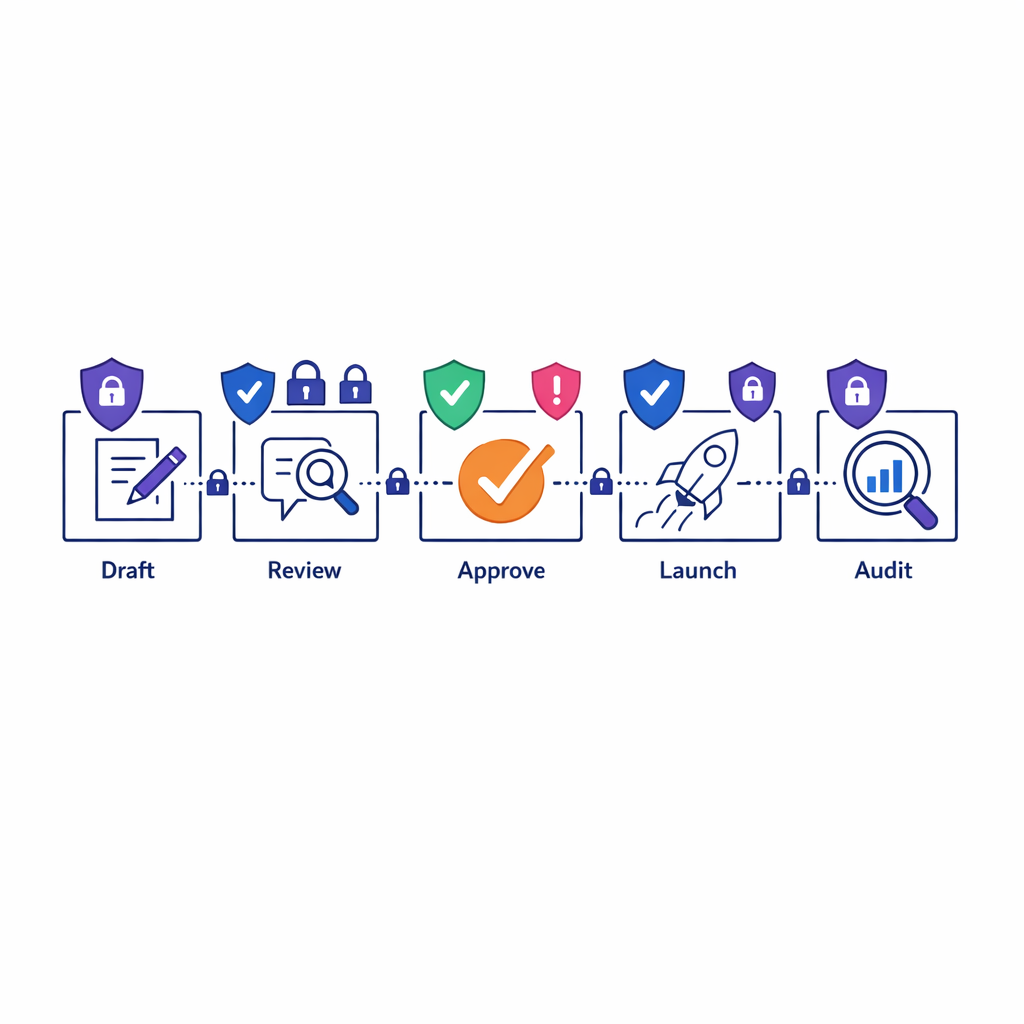
Commercial promotion is still shaped by the FDA prescription drug advertising framework, which is why workflow design matters as much as channel execution. Buyers should ask whether approval, reuse controls, audit history, and role permissions are built into the platform or pushed into manual work outside it.
Pressure to prove performance and ROI
Senior stakeholders want more than activity counts. They want clearer answers about which audiences were reached, which sequences improved engagement quality, which programs drove action, and where additional investment is justified.
Core categories to assess in a pharma software ecosystem
CRM for HCP, HCO, and KOL engagement
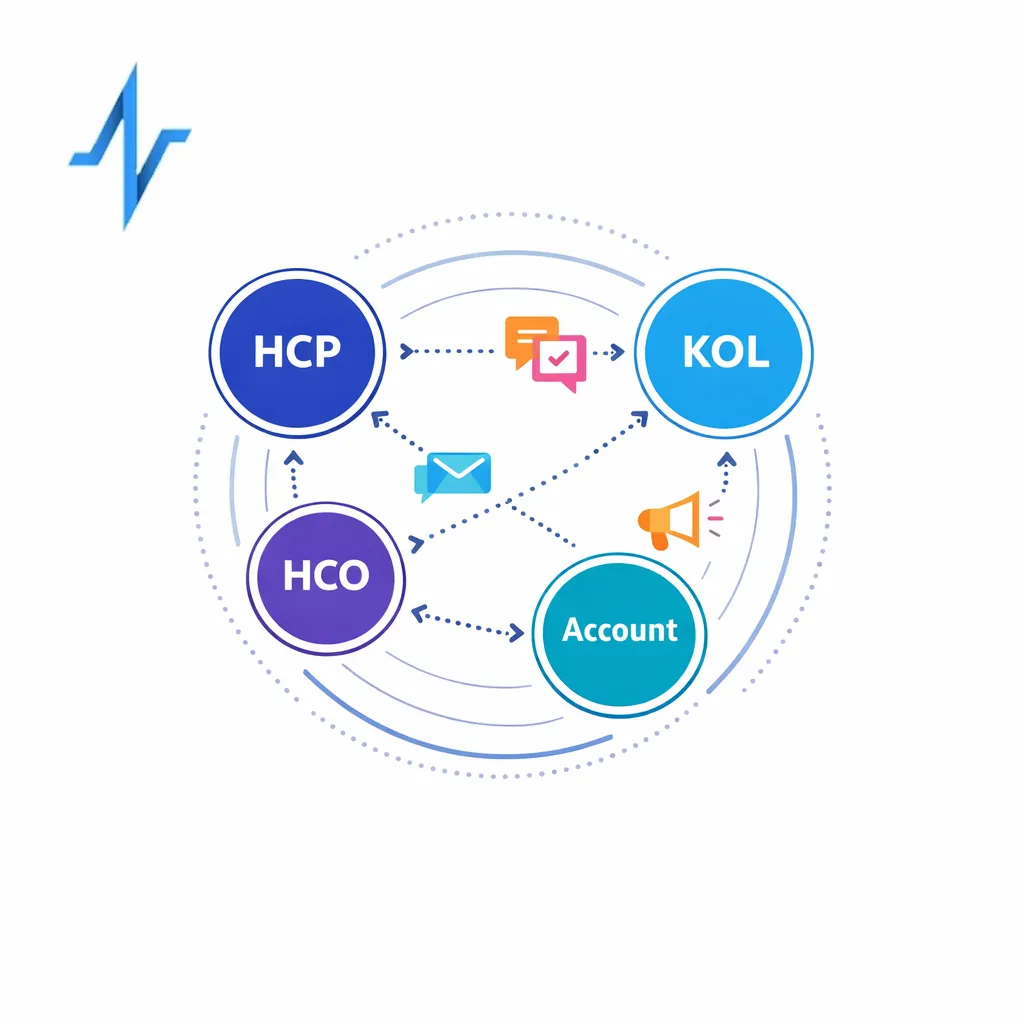
Your CRM is the anchor for account context, relationship history, ownership, and coordination. When comparing pharmaceutical CRM options, look beyond call reporting and ask whether the platform can support field, inside sales, digital, agency, and analytics teams against one usable customer view.
A good test is whether commercial users can move from account insight to action without leaving the system. If reps, marketers, and ops teams all need separate exports to understand what happened, the CRM is acting like a database instead of a workflow engine.
Marketing automation and journey orchestration
This category includes campaign logic, trigger-based journeys, audience suppression, and cross-channel sequencing. The strongest platforms make it easy to control who gets what, when they get it, and how that decision is logged for later measurement.
For pharma teams, orchestration should not be judged only by visual journey builders. It should also be judged by how well the platform handles audience eligibility, channel conflicts, consent logic, frequency rules, and handoffs between digital programs and human follow-up.
Content, DAM, and MLR/compliance workflows
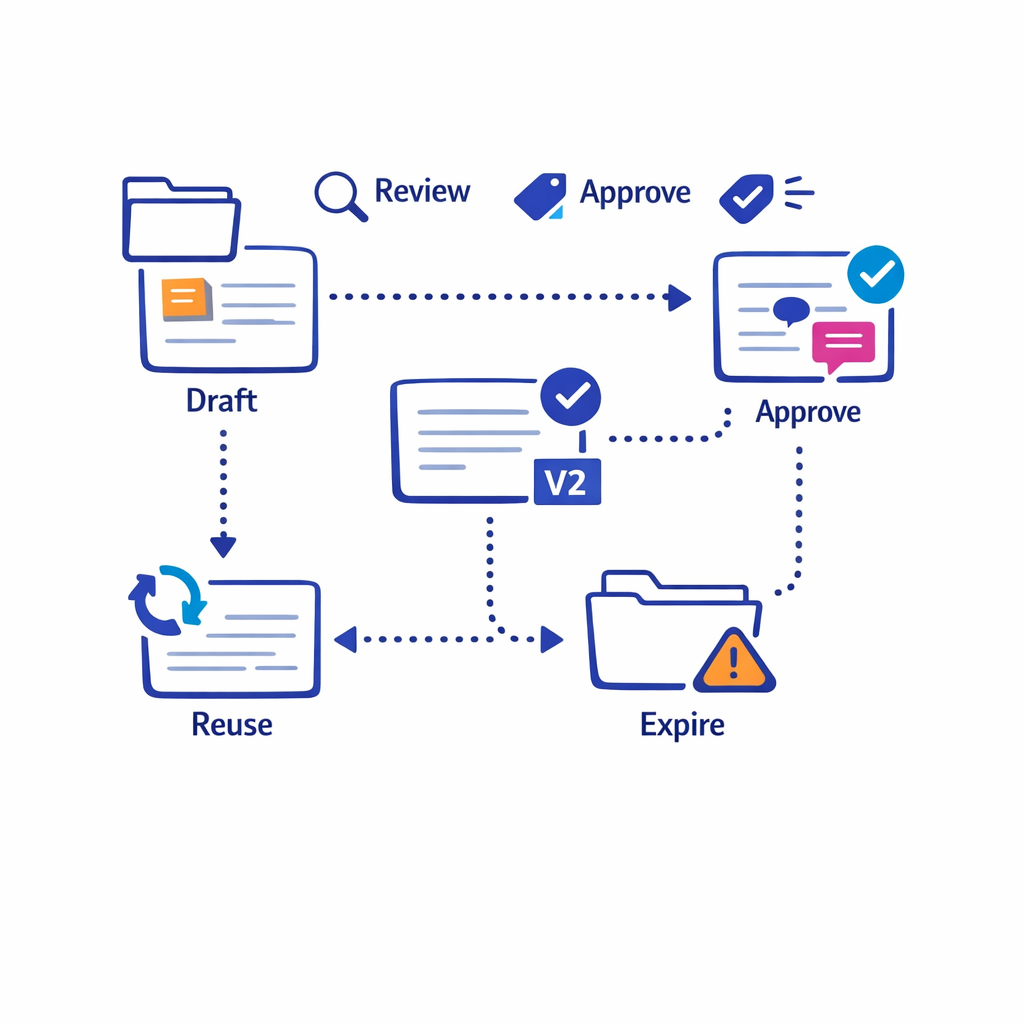
Content operations are often the bottleneck hiding inside commercial execution. A platform can have strong delivery features and still fail if teams cannot find approved assets, track versions, manage claims, or understand which content is eligible for reuse in a new program.
Ask whether the vendor supports modular content, annotation, review states, expiration logic, and clear metadata that can feed downstream measurement. Content systems should reduce review friction while improving traceability, not just store files in a more polished interface.
Data unification, analytics, and reporting
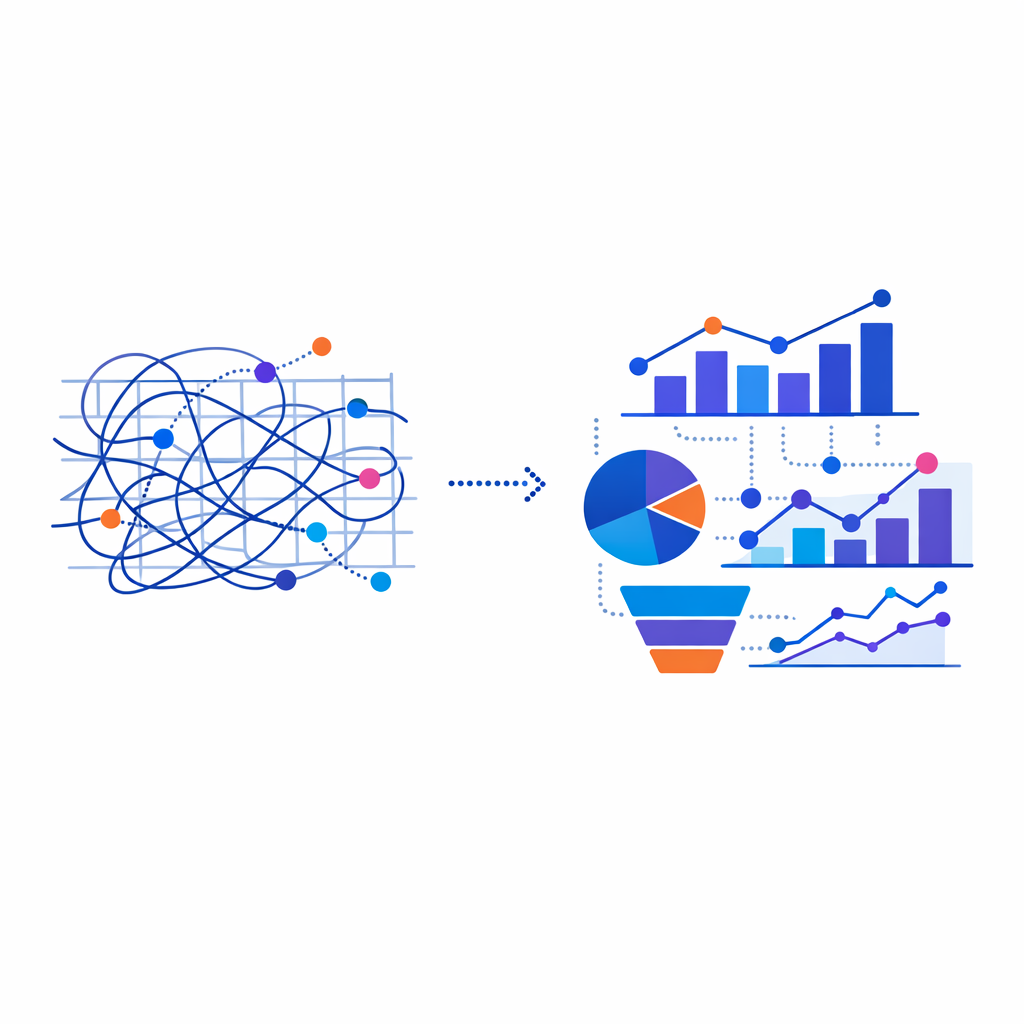
If a vendor claims interoperability, ask whether that means real exchange aligned with broader health IT interoperability principles or simply flat-file imports on a schedule. Commercial teams should care about how customer, channel, content, and conversion data are structured long before they care about dashboard colors.
Measurement maturity starts with a clean data model. The best analytics layer makes it possible to answer practical questions such as which segments are under-reached, which channel combinations perform best, how content contributes to action, and where data gaps still limit confidence.
Integrations with ERP, QMS, LIMS, and downstream systems
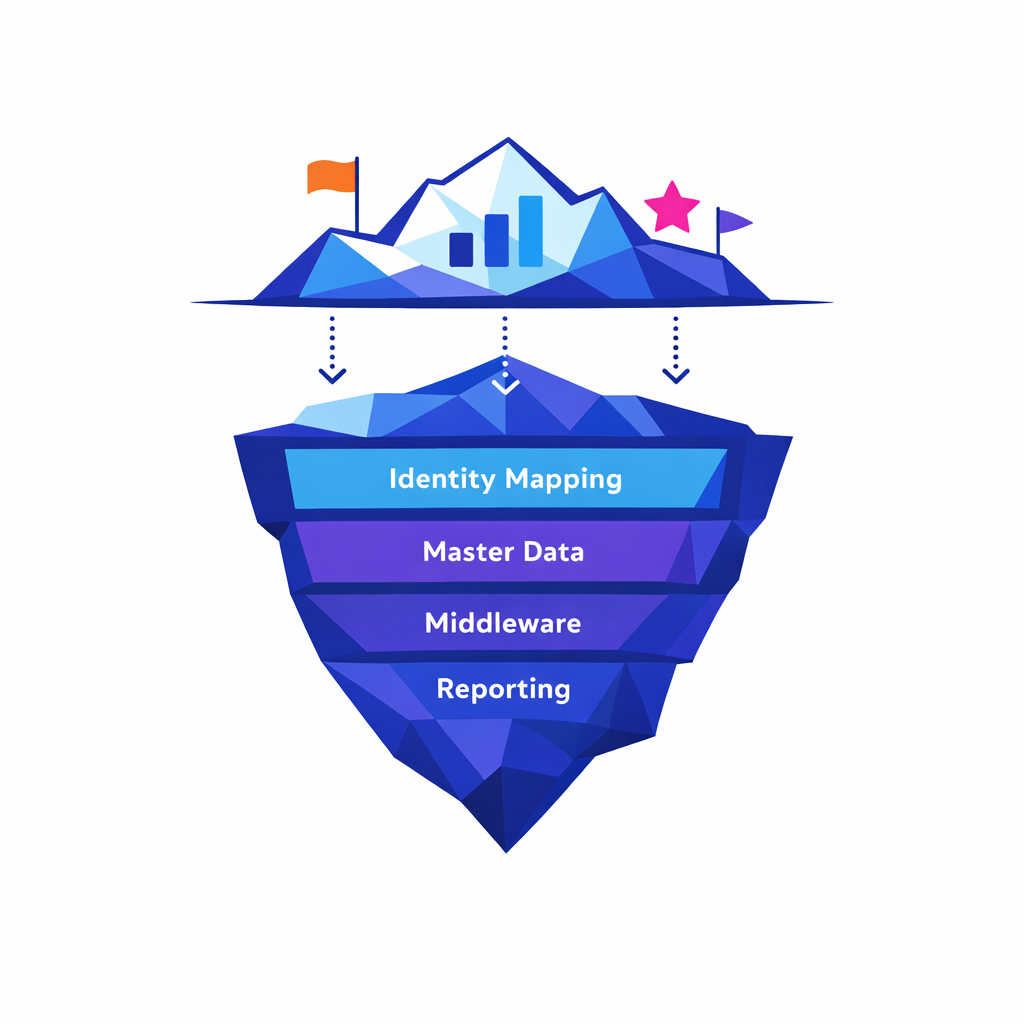
What is an ERP system in pharma? For commercial buyers, it is the back-office system that matters when product, order, territory, financial, or operational data needs to flow into planning and reporting. Your engagement platform does not need to replace ERP, QMS, or LIMS systems, but it should connect to them cleanly where business logic overlaps.
This is where many evaluations go off track. Buyers spend time comparing front-end features while underestimating how much long-term value depends on identity mapping, master data rules, middleware, and downstream reporting dependencies.
Evaluation criteria for commercial teams
Engagement capabilities across channels
Start with the real workflows you need to run, not the channels a vendor lists on a slide. Most teams get better decisions by testing a small number of high-value scenarios end to end.
- Audience control: Can teams apply shared eligibility, suppression, and frequency rules across channels?
- Workflow continuity: Can digital and human touchpoints work from the same account and program context?
- Content fit: Can approved content be matched to segment, stage, and channel without manual workarounds?
- Operational clarity: Can users see what happened, why it happened, and what should happen next?
Data model, interoperability, and API readiness
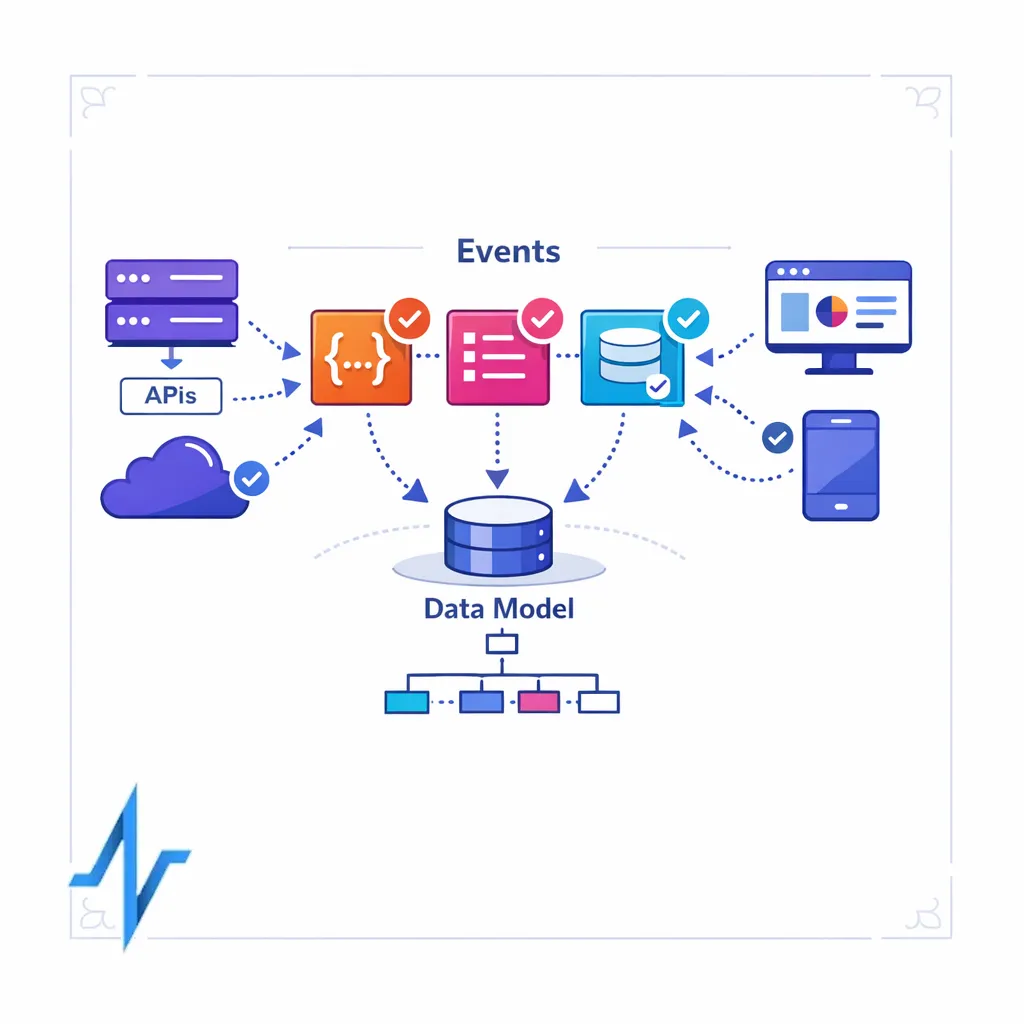
This is often the most important category and the least visible in demos. A polished interface cannot fix a weak data foundation, especially when multiple agencies, data vendors, business units, or patient support teams need to contribute to the same measurement model.
- Identity structure: How are HCP, HCO, patient, and account records linked, deduplicated, and governed?
- Event capture: Which engagement events are native, which are imported, and how quickly are they available?
- API depth: Are integrations limited to basic syncs, or can the platform support near real-time workflow triggers?
- Data portability: Can your team access raw and modeled data without creating permanent vendor dependence?
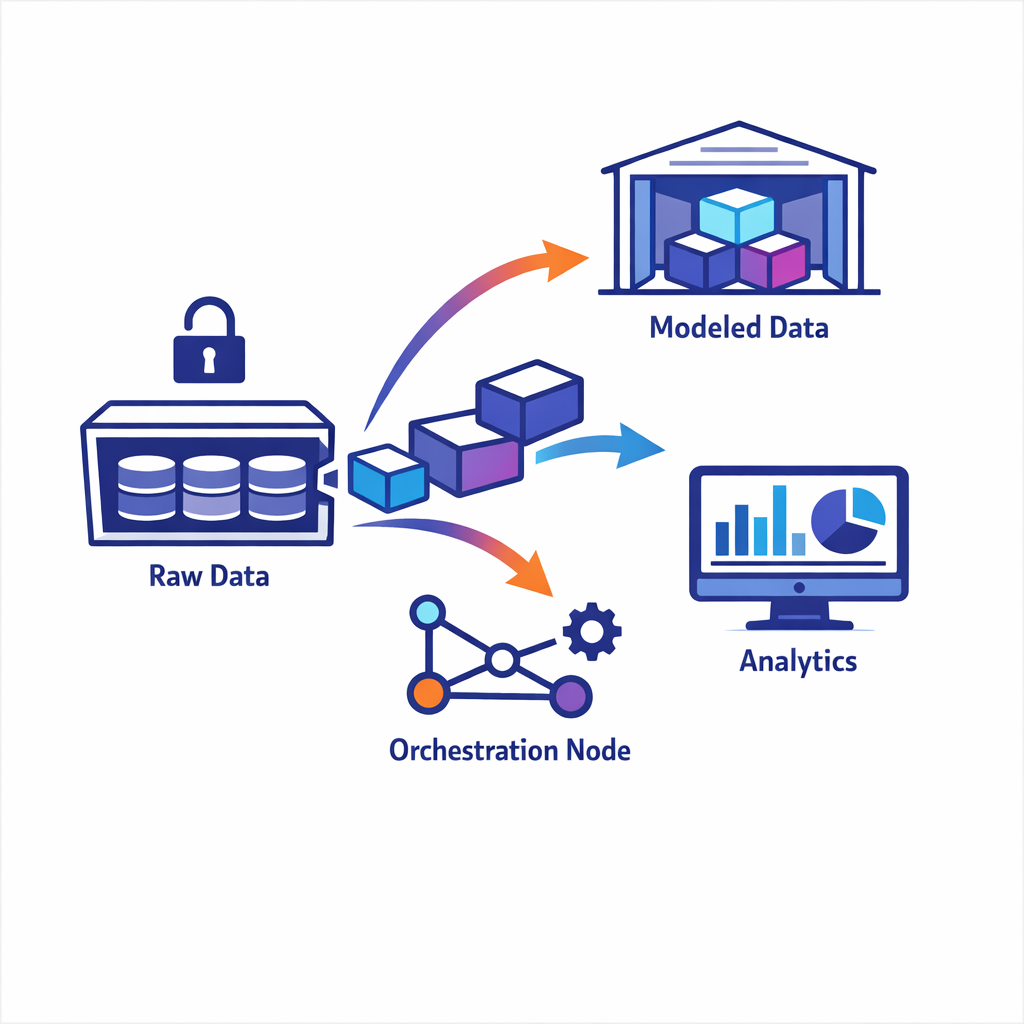
Measurement, attribution, and dashboarding
Reporting should be treated as a product requirement, not a post-launch clean-up exercise. The right software for pharma industry teams makes it easier to define common metrics across channels and programs before launch, not after the quarter closes.
- Metric consistency: Are reach, engagement, conversion, and program outcomes defined the same way across teams?
- Content visibility: Can you tie outcomes back to message, asset, and sequence, not just campaign name?
- Decision speed: Can brand and ops users act on the data quickly without waiting for custom analysis?
- Confidence level: Does the platform make data gaps and assumptions visible, or hide them inside summary views?
Compliance controls and auditability
Compliance should be evaluated as workflow design, permissioning, logging, and operational discipline. Buyers should know what is native, what is configurable, what depends on process outside the platform, and what requires custom development to meet internal expectations.
- Role-based access: Can the right users act quickly without overexposing sensitive data or functions?
- Approval traceability: Are review status, history, exceptions, and content lineage easy to inspect?
- Audit support: Can the system show who changed what, when, and under which workflow state?
- Governance fit: Does the platform fit your MLR, legal, privacy, and security operating model?
Implementation speed, usability, and change management
The best platform on paper can still fail if users cannot adopt it or if every change request becomes a consulting project. Commercial ops leaders should ask how quickly new workflows can be launched, how much configuration internal teams can own, and what training is required across brand, field, and agency users.
- Time to value: How long until the first live workflow with usable reporting is in market?
- User experience: Can non-technical users build, review, and optimize programs with confidence?
- Admin control: What can your team change without vendor support?
- Scale path: Can one use case expand to multiple brands, teams, or markets without redesign?
Questions to ask vendors before selecting pharma software
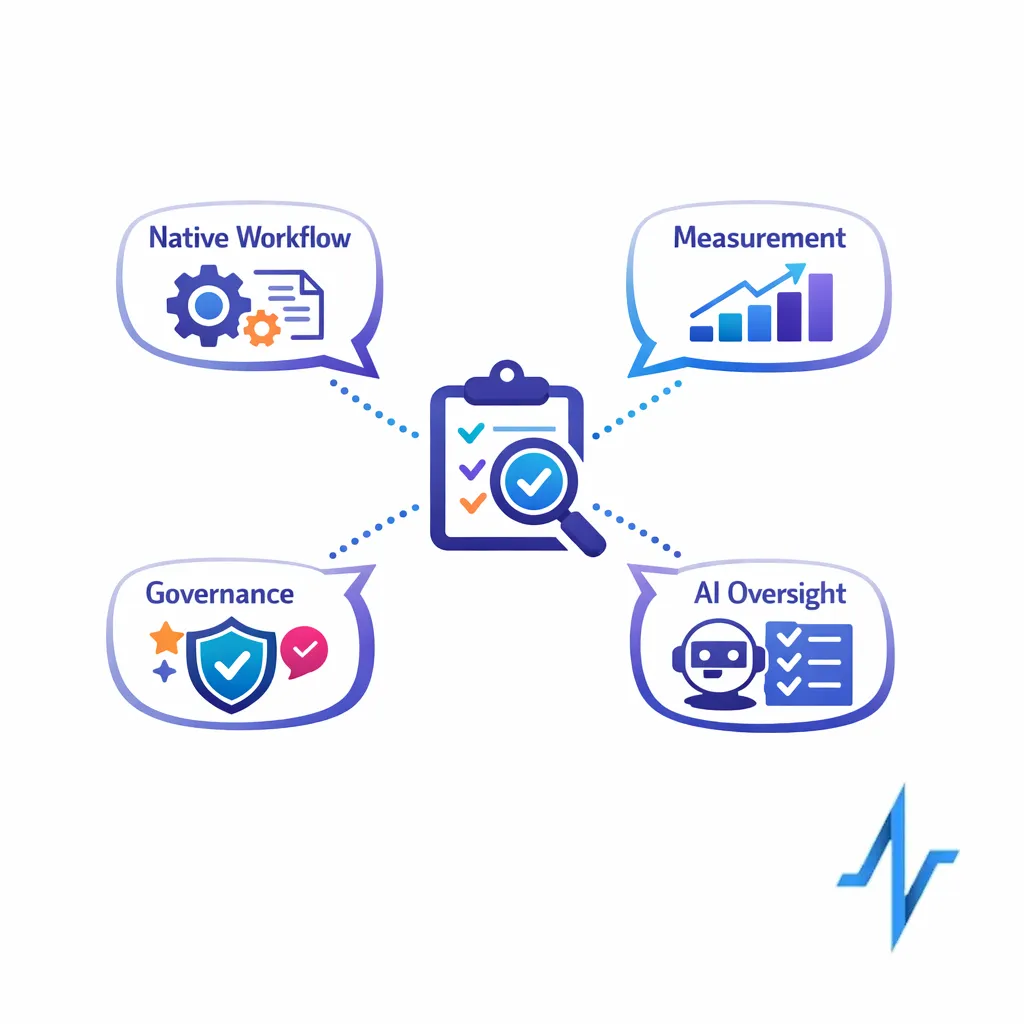
Good vendor questions force clarity around native capability, data architecture, governance, and measurement. They also make it much harder for a demo to hide operational gaps behind polished UI moments.
What workflows are native vs custom?
Ask the vendor to separate standard functionality from configuration, custom code, partner add-ons, and roadmap promises. If a critical workflow depends on custom work, ask who maintains it, how upgrades affect it, and how long changes typically take.
How is measurement handled across HCP and patient programs?
Ask for the underlying event model, not just dashboard screenshots. Buyers should understand how audiences are defined, how identity is resolved, how cross-channel activity is stitched together, and how the platform distinguishes output metrics from meaningful outcomes.
What content approval and governance features exist?
Ask how the system handles claims, versions, modular reuse, approvals, expirations, and exceptions. The goal is to learn whether governance is part of the execution workflow or a separate manual process that users have to remember on their own.
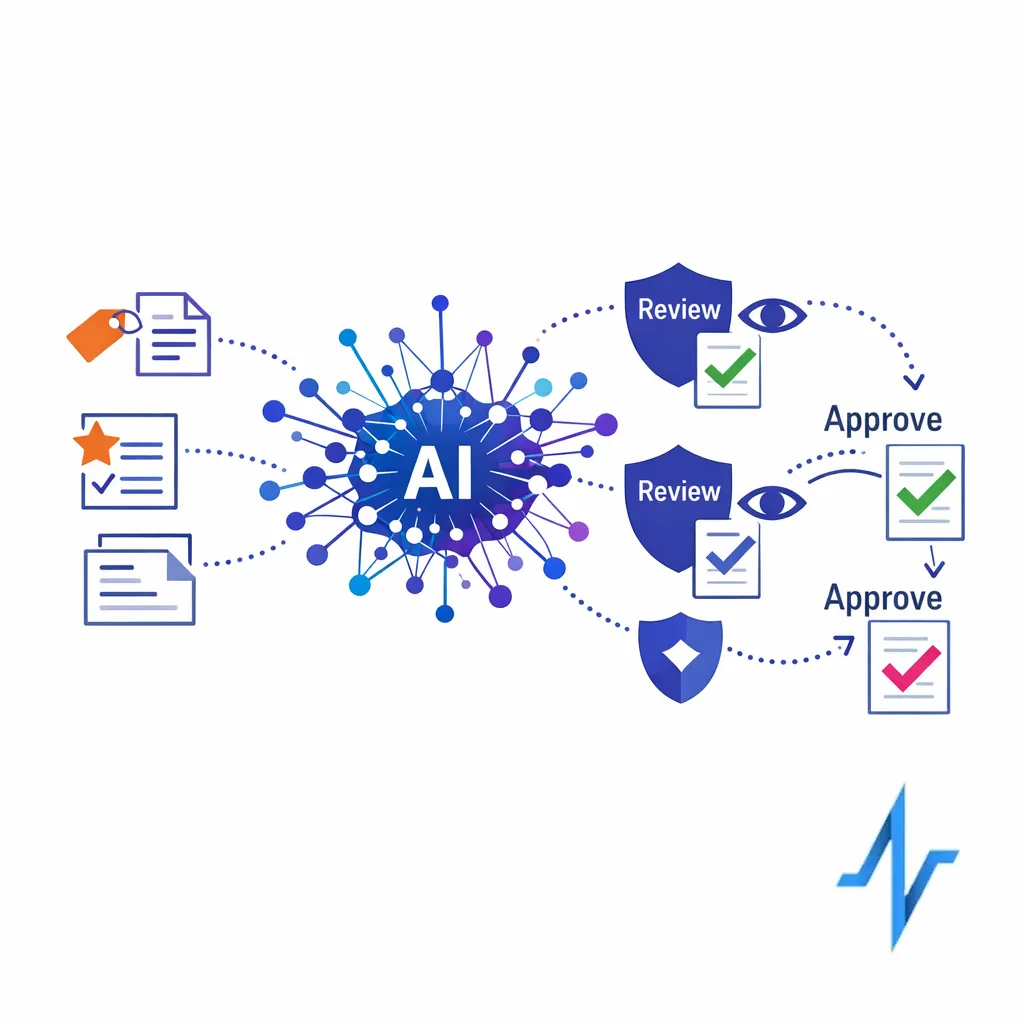
How is AI applied and monitored?
Ask where AI is used, what data it touches, how outputs are reviewed, and who is accountable for final approval. Useful answers will distinguish between automation that improves speed and automation that changes decision quality, risk posture, or user control.
A practical scorecard for comparing platforms
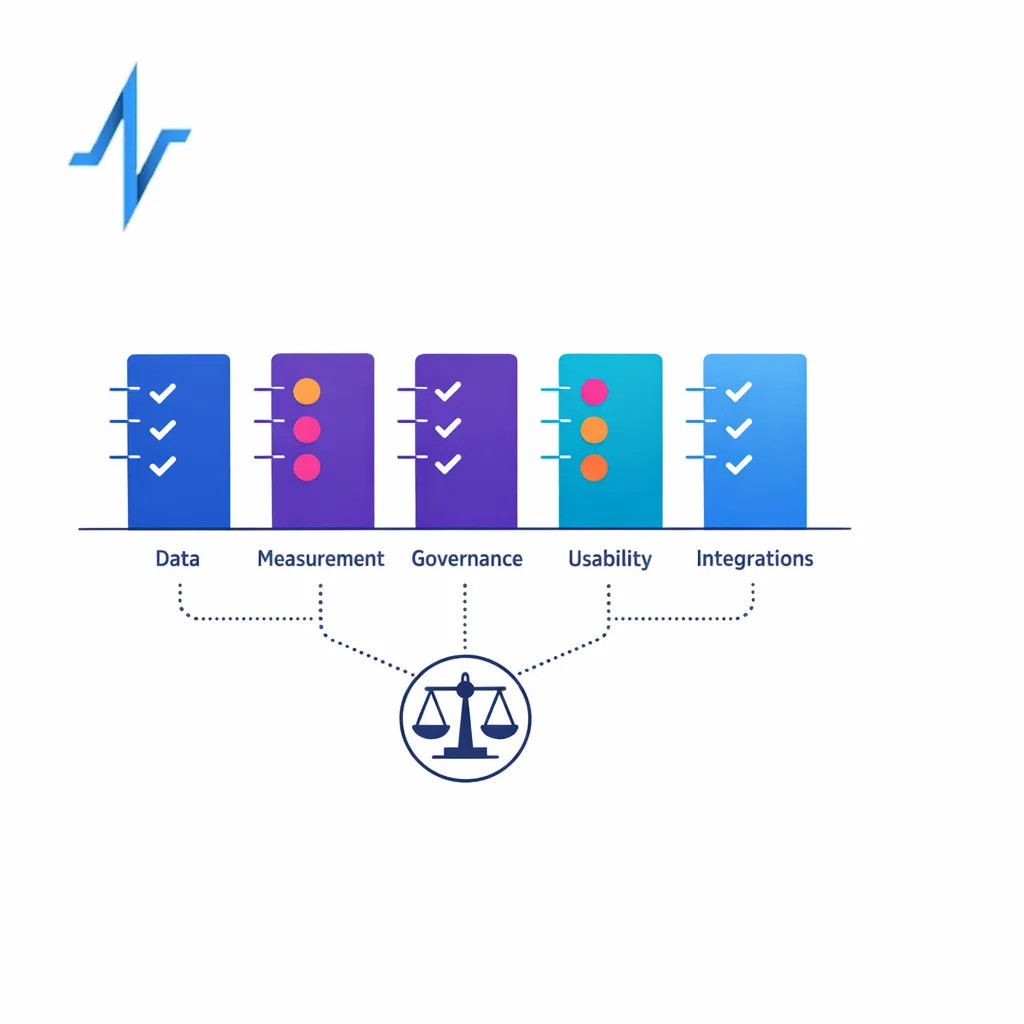
Use a simple 1-to-5 scoring model and weight the categories that solve your biggest operational pain. For many commercial teams, data model quality, measurement readiness, and workflow governance deserve more weight than channel count alone.
Must-have capabilities
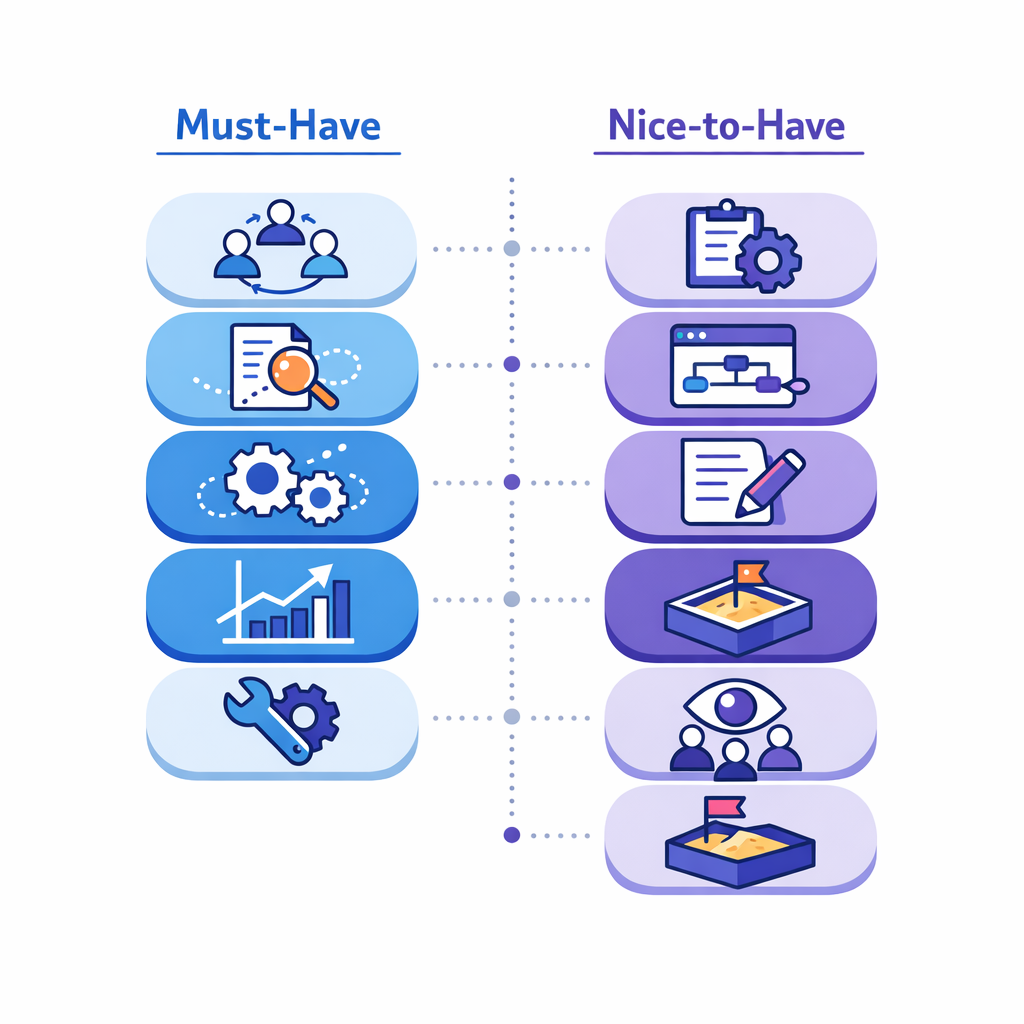
- Shared customer and audience model across major workflows
- Clear approval and audit paths for content and execution steps
- Usable integrations with CRM, analytics, and key operational systems
- Reporting that supports optimization, not just retrospective summaries
- Configuration options that reduce dependence on custom development
Nice-to-have capabilities
- Advanced orchestration and recommendation logic
- Reusable templates for multi-brand deployment
- Deeper asset tagging and content performance views
- Stronger sandboxing for testing and controlled rollout
- Flexible role views for brand, field, agency, and ops stakeholders
Red flags in demos and proofs of concept
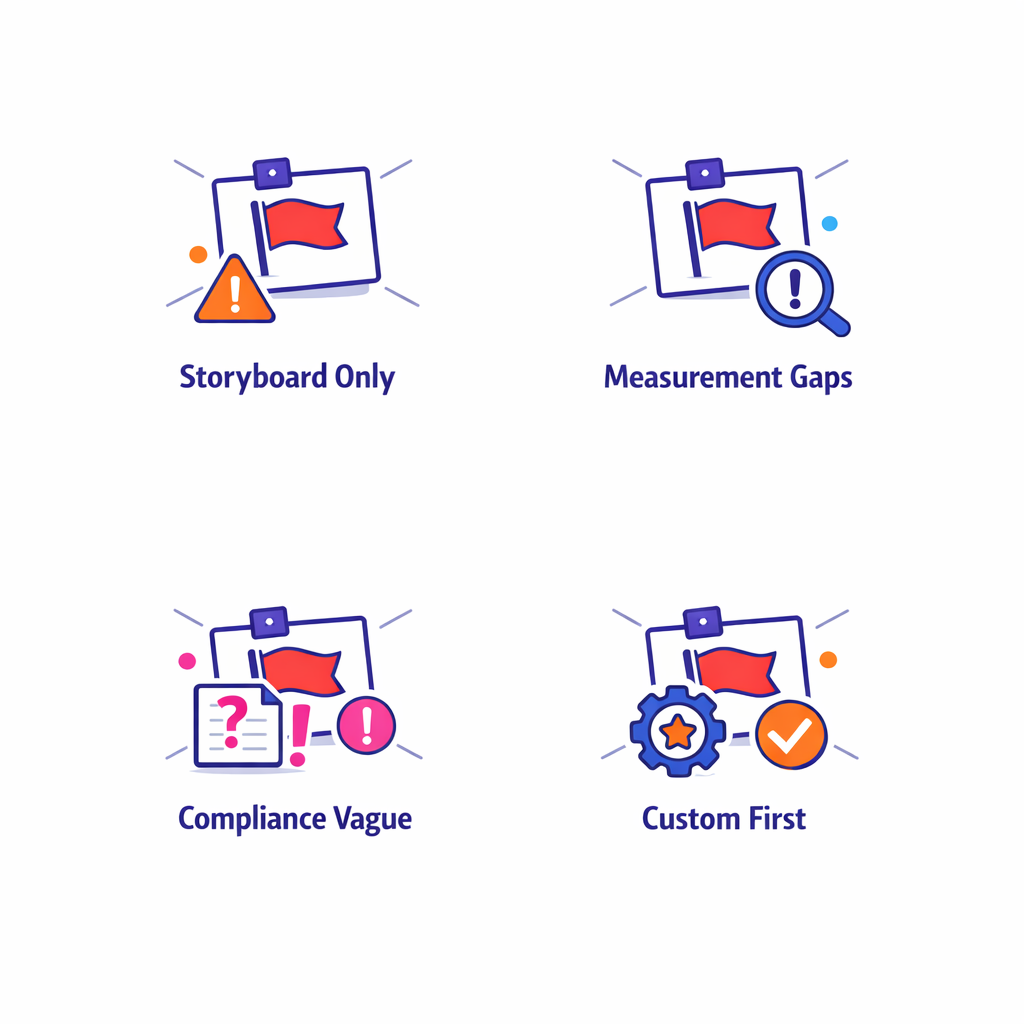
- Storyboard demos only: The vendor never shows your real workflow, data dependencies, or exception handling.
- Measurement hand-waving: Dashboards look strong, but no one explains event capture, identity logic, or source-of-truth ownership.
- Custom-first answers: Too many core requirements are solved with custom code, services, or future roadmap items.
- Compliance vagueness: Approval, audit, and access controls are described at a high level but never demonstrated.
- Integration optimism: “We integrate with everything” really means CSV exchange and manual reconciliation.
Common mistakes and misconceptions
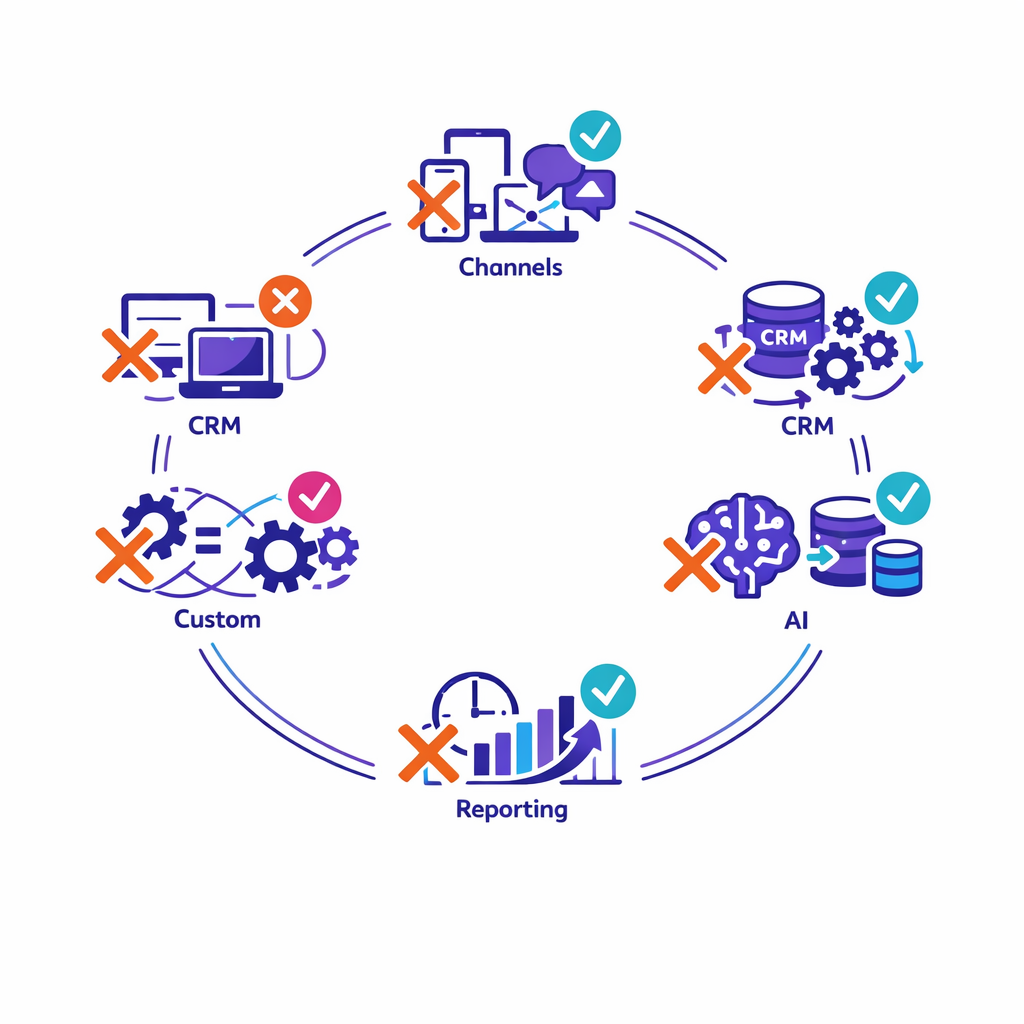
- “More channels means better omnichannel.” Channel count matters far less than shared decision rules, coordinated timing, and consistent measurement.
- “A CRM alone will fix the stack.” CRM is foundational, but it cannot replace content governance, orchestration, analytics, and integration design.
- “Custom equals flexible.” Some customization is useful, but too much of it slows upgrades, increases costs, and weakens repeatability across brands.
- “AI will solve bad data.” AI can accelerate tagging, summarization, or recommendations, but weak identity and event design still produce weak decisions.
- “Reporting can wait until after launch.” If metrics, sources, and ownership are unclear before go-live, measurement debt compounds quickly.
How to build a phased roadmap instead of replacing everything at once
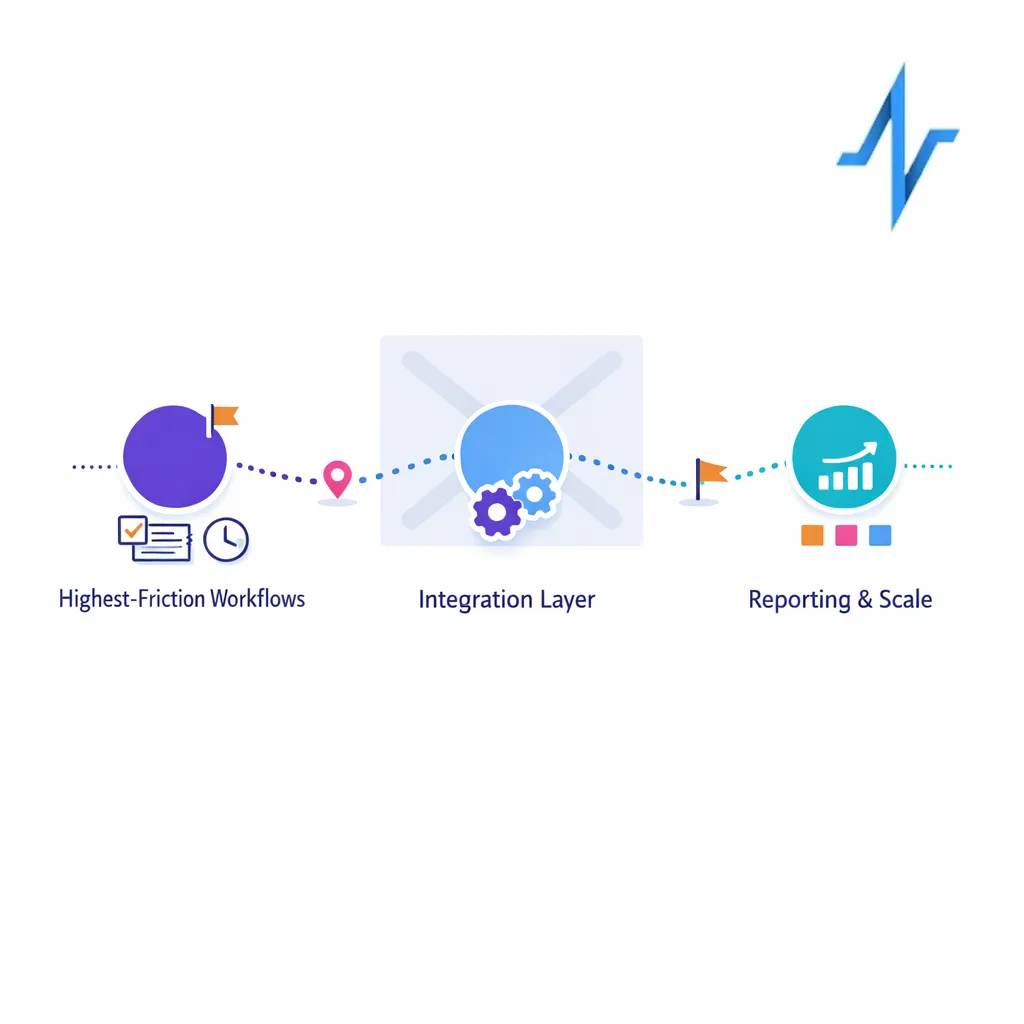
Start with highest-friction workflows
Pick the journeys where fragmentation is most expensive or visible. That might be HCP engagement reporting, patient program intake and follow-up, or content-to-campaign activation where approvals and launch speed are both painful.
Prioritize integration and reporting layers
A phased roadmap works best when early phases improve connectivity and measurement, not just user interface. If you can create a cleaner reporting layer and more reliable workflow handoffs first, later channel or CRM decisions become less risky.
Define success metrics before rollout
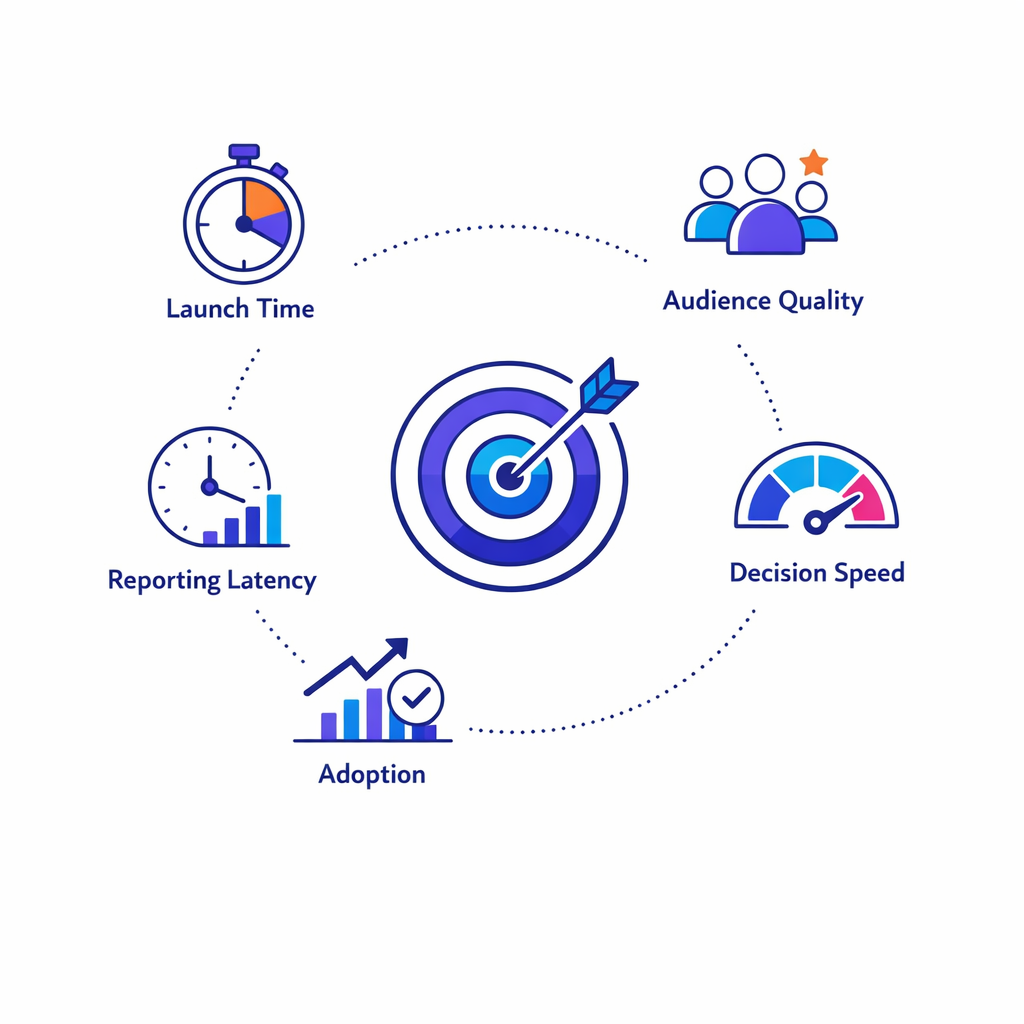
Set measurable targets for launch time, workflow completion, audience quality, reporting latency, adoption, and decision speed. That keeps the project tied to business value instead of drifting into a feature comparison exercise.
What to do next
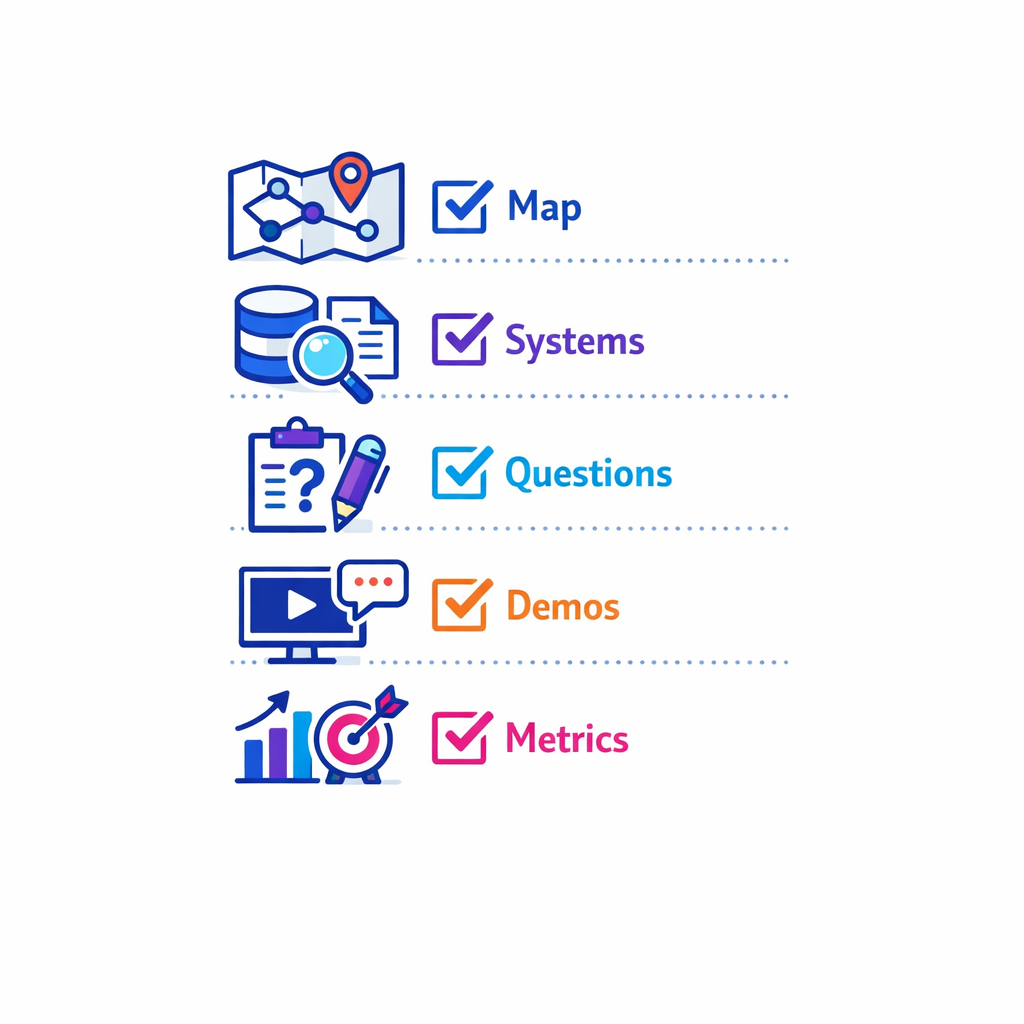
- Map the five workflows that create the most friction for brand, field, and ops teams today
- Identify the current systems of record for customer, content, consent, and performance data
- Write vendor questions that force clarity on native workflow, data model, and governance
- Ask every vendor to demo one real use case end to end, including reporting and exception handling
- Score platforms on measurement confidence and integration fit, not just channel breadth
- Define rollout metrics before contracting so success is clear from day one
See how Pulse Health fits your stack
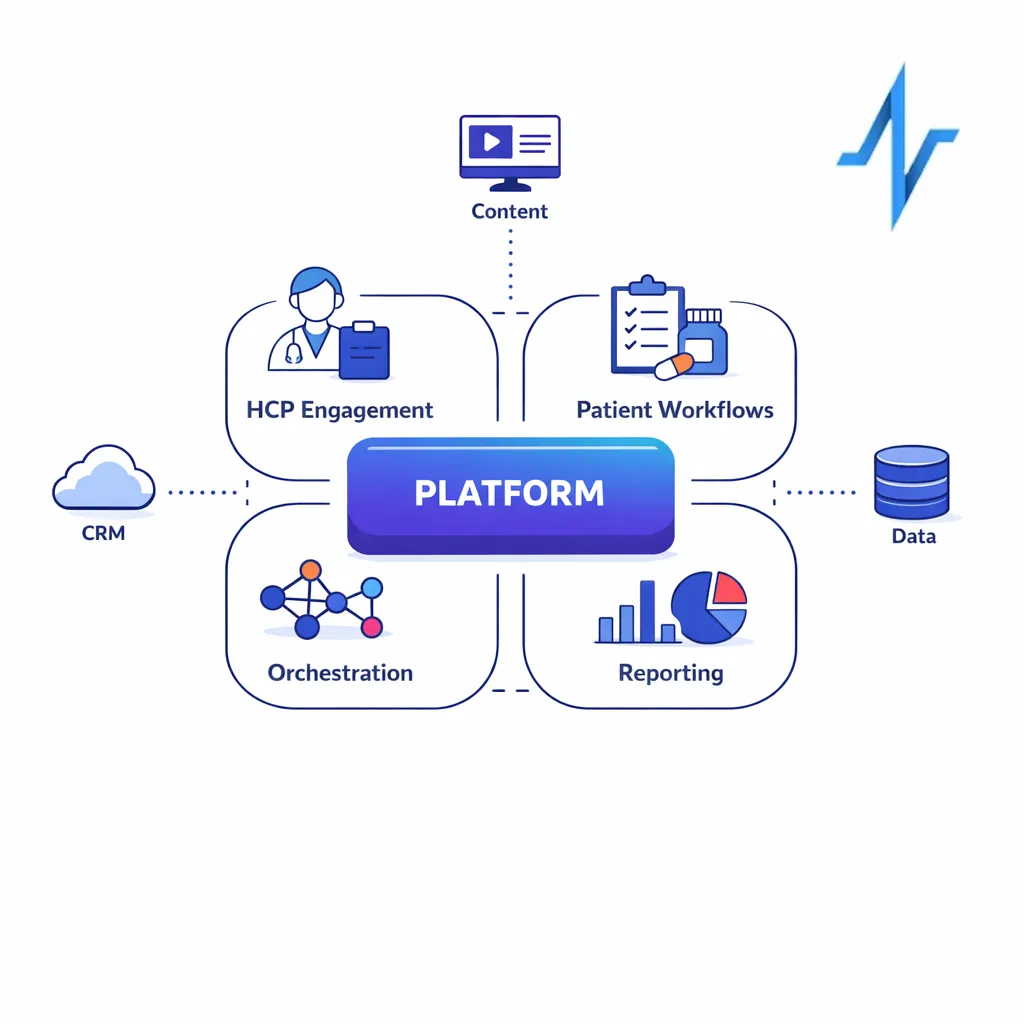
If you are comparing pharma industry software across HCP engagement, patient workflows, orchestration, and measurement, Pulse Health can be evaluated as part of that broader buying framework. The useful question is whether the platform helps your team launch faster, coordinate programs more cleanly, and trust performance reporting with less manual effort.
You can Request a Demo to review your current architecture, workflows, and reporting priorities, or Book a Consultation to discuss integrations, rollout sequencing, and how the platform can support your commercial operating model. If your team is still early in the process, it also helps to ask for the platform overview, explore integrations, and see how it works against a real use case rather than a generic product tour.