
HCP marketing is the planning, delivery, and measurement of brand communications built for healthcare professionals rather than consumers. Done well, it coordinates digital and field activity so the right clinician receives the right message, through the right channel, at the right time.
This guide is for US pharma brand teams, omnichannel leads, commercial operations, marketing operations, CRM owners, and agency partners who need a practical HCP marketing strategy, not another glossary. You will learn how to design audiences, assign channel roles, sequence content, align contact policy, connect digital and field workflows, and measure what actually moves HCP engagement forward.
What is HCP in marketing?
In pharma and healthcare professional marketing, HCP stands for healthcare professional. In advertising and brand planning, the term is used as shorthand for the clinician audience your brand needs to reach, educate, and activate with compliant information.
What is HCP engagement? It is broader than promotion alone. HCP engagement includes every meaningful interaction a clinician has with your brand, from email and media exposure to webinar attendance, rep follow-up, service experiences, and repeat content consumption.
What is HCP engagement in pharma? Practically, it is the quality and continuity of those interactions over time. That means HCP marketing creates planned outreach, while omnichannel HCP engagement measures whether the experience feels relevant, timely, and useful enough for the clinician to keep moving.
- HCP marketing: the campaign plan itself, including audience, channels, messaging, timing, and measurement.
- HCP engagement: the clinician’s response to that plan across touchpoints and over time.
- DTC marketing: patient-directed promotion focused on consumers, caregivers, or patients rather than professional audiences.
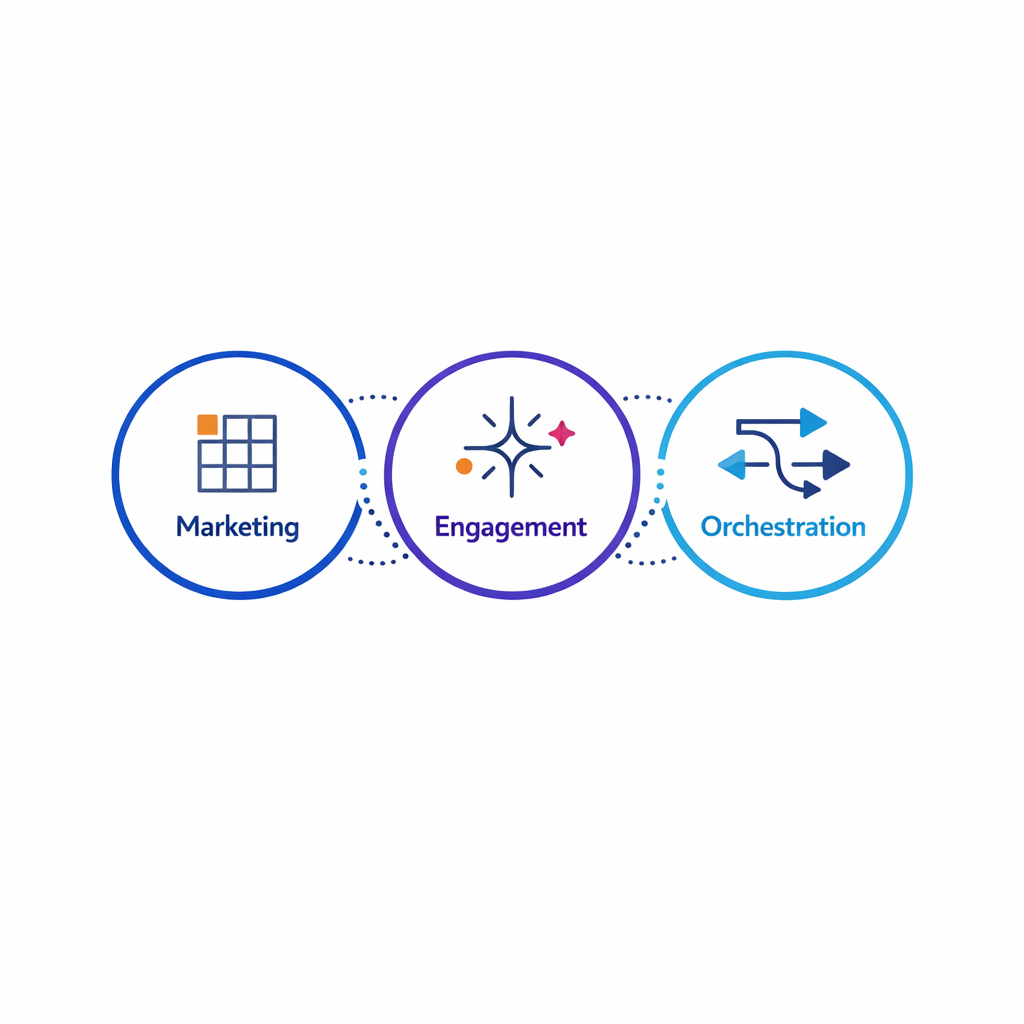
A good way to think about the difference is this: marketing is the system you build, engagement is the behavior you earn, and orchestration is the logic that connects one touch to the next. When teams mix those ideas together, they often end up with busy channel calendars but weak physician engagement strategy.
Why coordinated omnichannel HCP marketing matters now
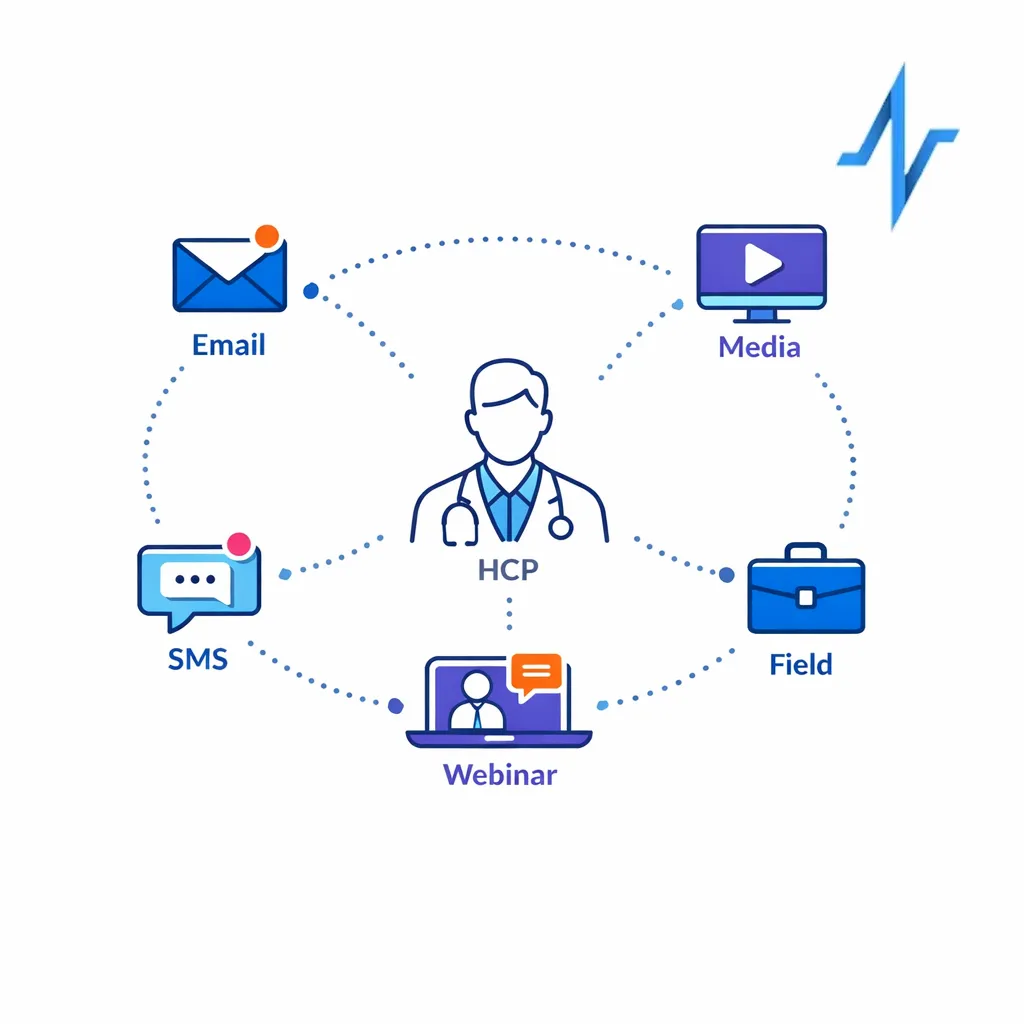
Most clinicians do not experience your brand by channel. They experience it as a stream of touches from many teams: media, email, text, webinars, sales reps, conference activity, and follow-up from field or inside teams. If those touches are not coordinated, the brand feels repetitive in some moments and absent in others.
This is why standalone tactics rarely outperform a coordinated pharma marketing strategy. One channel can create awareness, another can reinforce relevance, and another can prompt action, but only if the sequence is intentional and the audience is shared across teams.
Coordinated HCP outreach also helps brand teams manage a more practical problem: scarce attention. The objective is not maximum activity. It is to create an experience where every message has a job, every job supports the next step, and every step is appropriate for the clinician, account, and access reality.
What changed in HCP marketing operations
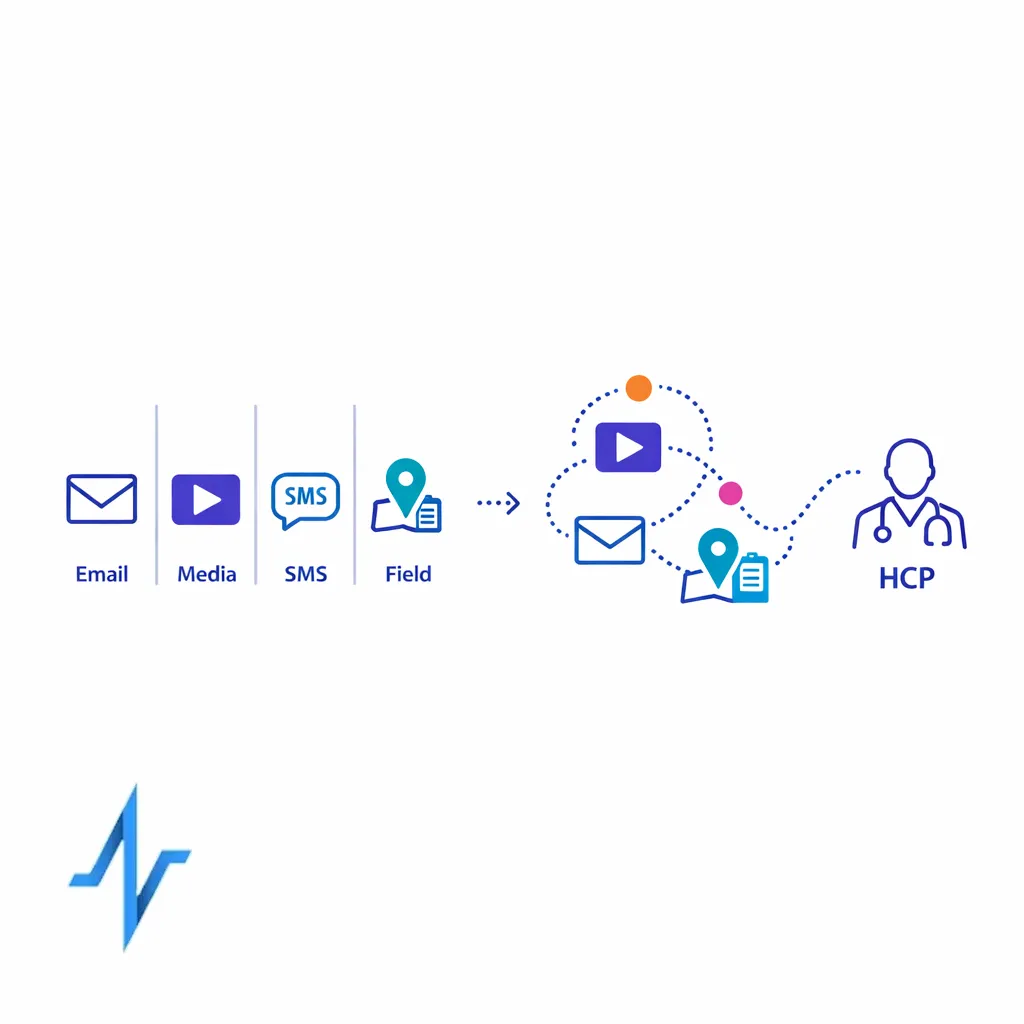
The biggest change is not that there are more channels. It is that brands can no longer treat each channel as its own mini-campaign. Modern HCP digital marketing works best when audience logic, frequency rules, and field triggers are designed once and reused across channels.
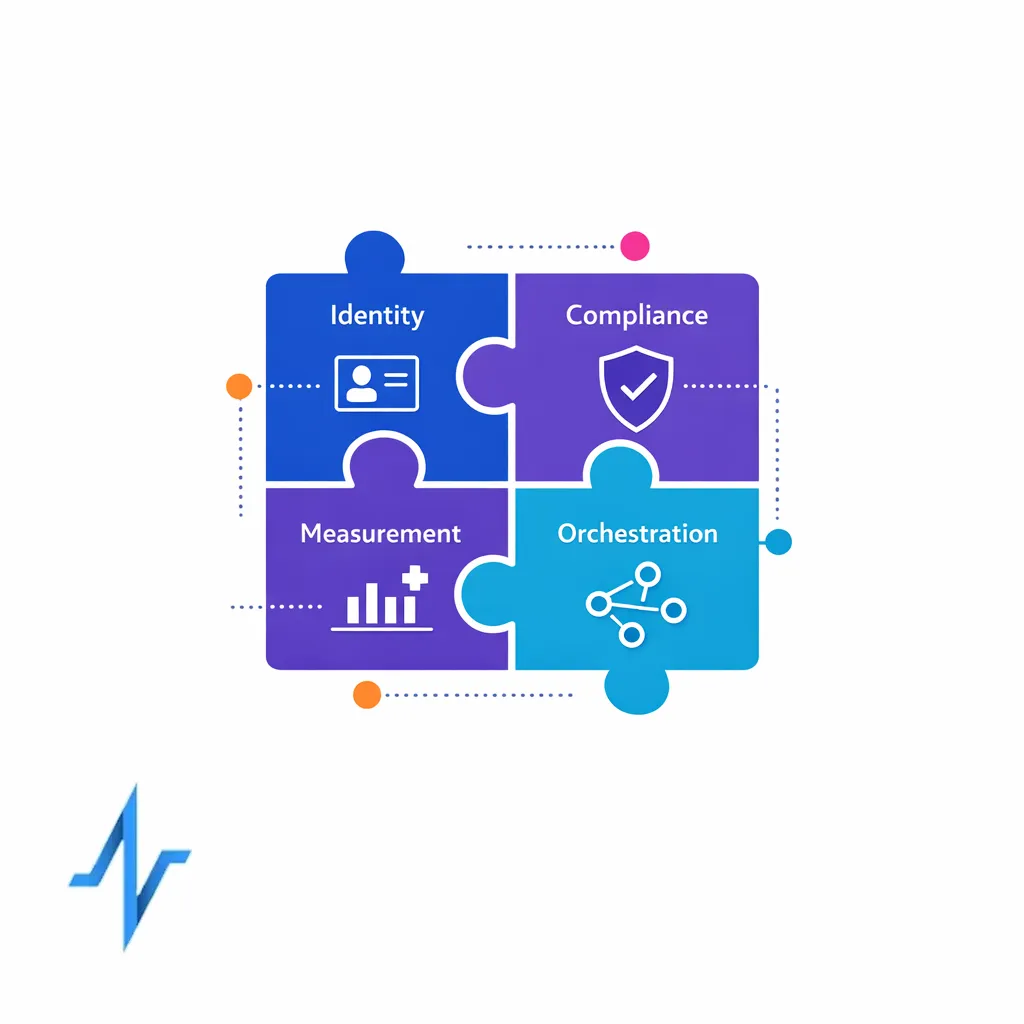
Another shift is from list-based sending to identity-based orchestration. Teams now need a cleaner view of who the HCP is, what role they play, where they practice, what they have already seen, what they are eligible to receive, and what should happen next if they engage or do nothing.
That operating model is what separates generic healthcare professional marketing from a real omnichannel program. It also makes measurement more meaningful, because the brand can evaluate journey progression instead of isolated channel outputs.
The HCP marketing strategy framework
The strongest HCP marketing strategy is simple enough to govern and specific enough to execute. Use the six steps below in order. If any step is skipped, downstream coordination usually becomes slower, noisier, and more expensive to fix.
1. Audience design and segmentation
Audience design should start with identity, not creative. In many pharma workflows, that foundation begins with the National Provider Identifier standard and then expands into specialty, role, site of care, network affiliation, treatment context, and channel permissions inside your pharma CRM.
Start with the smallest set of variables that will actually change message, sequence, or channel treatment. Too many teams over-segment early, then discover they cannot activate half the segments cleanly. A better approach is to define a core audience, then layer only the factors that matter for relevance or access.
- Clinical relevance: specialty, sub-specialty, disease-state focus, and prescribing or referral context.
- Operational relevance: site of care, account type, formulary environment, and rep coverage model.
- Reachability: known email, approved mobile, media matchability, webinar eligibility, and field access status.
- Behavioral signal: prior engagement, content depth, non-response, and recency of activity.
Audience design is where HCP campaign planning either becomes precise or stays generic. If the audience is defined only by specialty, the campaign usually ends up sounding like broad category advertising. If it is defined by relevance, access, and behavior, the brand can choose smarter content and cleaner next steps.
2. Channel role definition
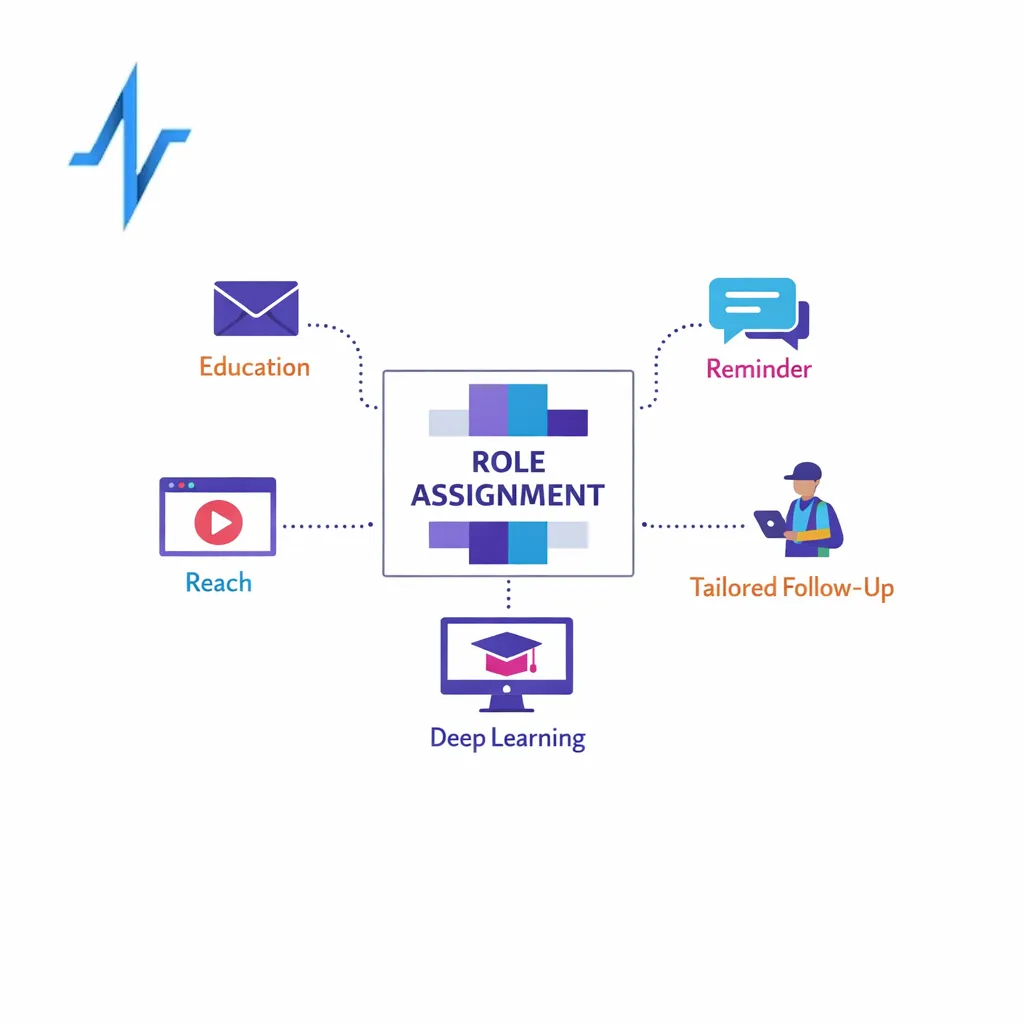
What is HCP in digital marketing? It is simply the digital subset of HCP marketing: clinician-targeted outreach delivered through authenticated and non-authenticated digital channels, mapped to a known audience and governed by clear permissions and measurement rules.
Each channel should have a distinct job. When every channel tries to do everything, brands create duplicated messaging and unclear performance signals.
- Email: best for layered education, repeatable sequencing, and deeper clicks into branded or unbranded content.
- SMS: best for short, time-sensitive prompts such as event reminders, confirmations, or high-priority follow-up for appropriately permissioned audiences.
- Endemic media: best for scalable reach, awareness building, and reinforcing key messages before or between owned touches.
- Point-of-care media: best when relevance near the treatment decision matters more than broad frequency.
- Webinars and virtual events: best for longer-form education, peer voice, and live question handling.
- Field: best for tailored discussion, objection handling, account context, and progressing high-value opportunities.
The point is not to use every available channel. It is to assign each channel the job it can do most efficiently. That creates cleaner sequencing and prevents the common mistake of using SMS, email, media, and field to repeat the same message in four different formats.
3. Content sequencing and journey design
Once channel roles are clear, build the journey. A strong HCP marketing program does not ask every asset to do the same work. It uses content sequencing so awareness content opens the door, consideration content builds confidence, action content creates movement, and follow-up content reinforces the next best step.
- Awareness: disease education, unmet need, mechanism framing, audience-specific problem statements, or short clinical updates.
- Consideration: patient fit, differentiators, evidence summaries, access or support context, and more detailed educational formats.
- Action: webinar registration, rep meeting request, sample or starter conversation, formulary discussion, or enrollment into a relevant next step.
- Follow-up: recap content, objection handling, field handoff, reminder sequences, and tailored reinforcement based on prior behavior.
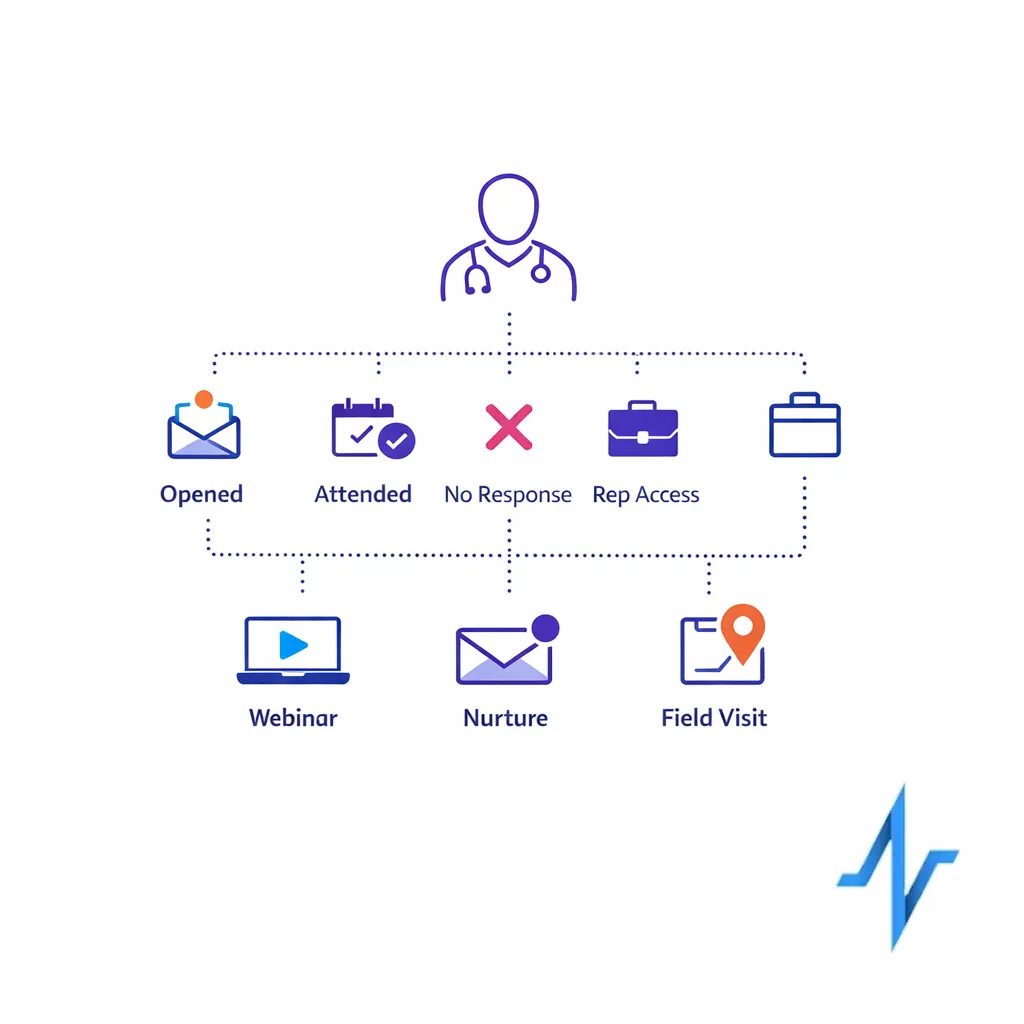
The most useful journey maps also define branch logic. What happens if the HCP opens but does not click? What happens if they attend a webinar but ignore post-event follow-up? What happens if they never engage digitally but the rep has account access? Those choices are the difference between a campaign calendar and an orchestration plan.
Keep the sequence tight. Three strong steps with clear purpose usually outperform a long string of loosely related touches. For most brands, relevance and timing matter more than raw volume.
4. Contact policy and compliance alignment
Compliance should shape the program early, not review it after the workflow is already built. Prescription drug promotion sits under the oversight of FDA’s Office of Prescription Drug Promotion, and campaign messaging should be reviewed against fair balance and truthfulness standards in 21 CFR 202.1 before activation logic is finalized.
Channel governance should also be channel-specific. Commercial email programs need to honor CAN-SPAM requirements, while SMS programs should use tighter eligibility, suppression, opt-out, and timing rules, with teams reviewing FCC guidance on unwanted texts as part of policy design.
If the program touches protected health information through a covered entity or business associate, the HIPAA Privacy Rule needs to be considered up front. If the campaign includes meals, speaker activity, or other reportable transfers of value, those workflows should align with CMS Open Payments processes from the beginning.
In practice, contact policy means deciding who is eligible for which channels, how often they can be reached, what content version is approved, which suppression rules apply, and when a field handoff is allowed. Teams that document those rules early move faster later, because field, brand, legal, and agencies are working from the same operating model.
5. Field and digital coordination

Digital should make field better, and field should make digital smarter. That sounds obvious, but many HCP marketing programs still operate as separate lanes: digital drives impressions, reps run calls, and no one owns the handoff logic between them.
A stronger model uses explicit triggers. If an HCP shows high-intent behavior, the rep should know what happened and what topic to continue. If a rep logs an interaction or learns something new about access, that signal should change the next digital step. This is where closed-loop workflows create real lift.
- Shared ID: one person or account record used across media, CRM, event, and field systems.
- Trigger threshold: a defined signal that justifies a rep follow-up or channel change.
- Owner: one team responsible for the next step, with a clear service-level expectation.
- Feedback capture: a way to record the outcome so the campaign can adapt.
For example, a webinar attendee might move into a rep-follow-up pool only if they match a priority segment and have not had a recent live touch. A low-access account might stay media-led until the HCP crosses a defined engagement threshold. A non-responder might get fewer promotional emails but more clinically useful, lighter-weight content instead of more frequency.
This is also where next-best action becomes practical rather than theoretical. It does not need to be complicated. It just needs to answer one question consistently: based on what we know now, what is the most appropriate next move for this HCP or account?
6. Measurement and optimization
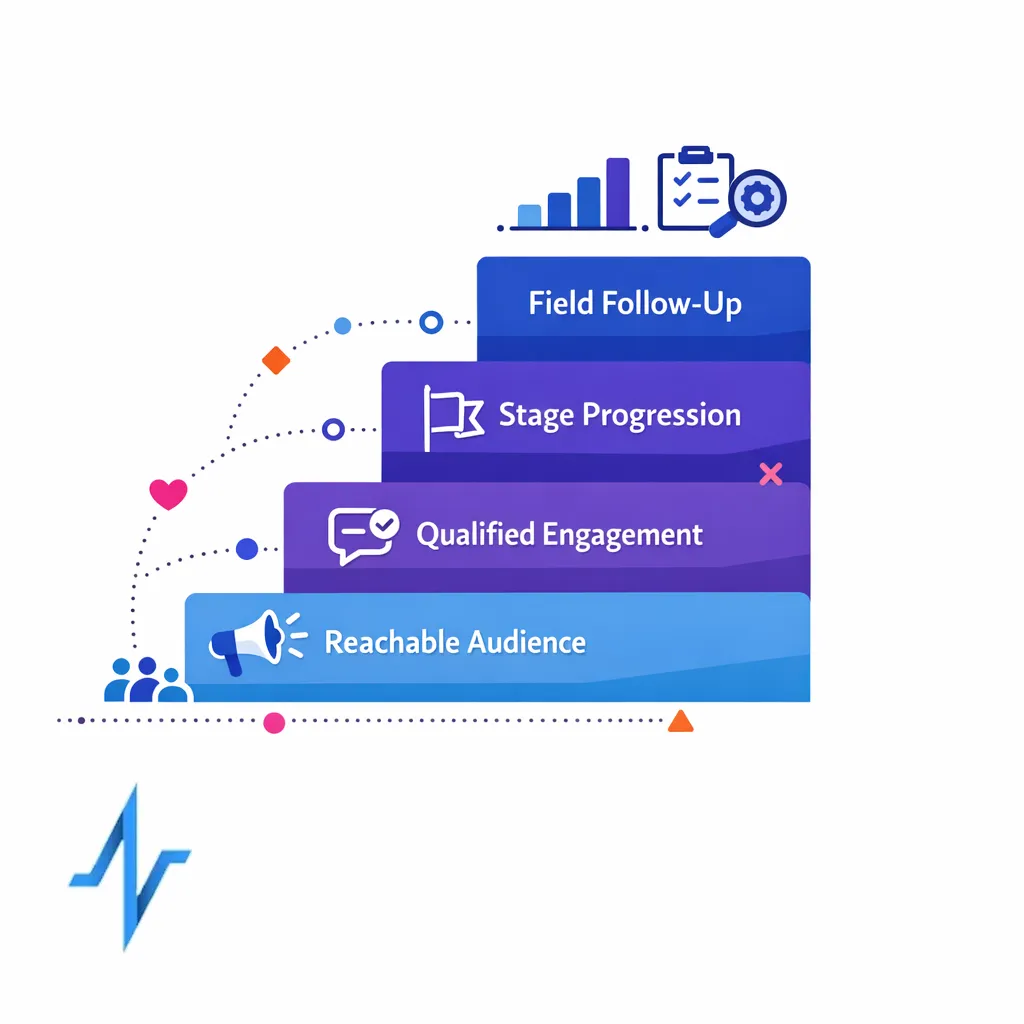
Measure progression, not just activity. A healthy scorecard for HCP engagement should show whether the audience was reachable, whether the content was consumed, whether the HCP moved to a higher-intent action, and whether field and digital actions worked together instead of competing.
- Reachable audience rate: how much of the intended target can actually be activated.
- Qualified engagement rate: meaningful opens, clicks, visits, registrations, time spent, or repeat touches.
- Stage progression: movement from awareness to consideration to action.
- Field follow-up completion: whether rep-triggered tasks were executed and on time.
- Account penetration: whether the campaign is reaching the right mix of individuals within priority accounts.
- Downstream action proxies: requests, meetings, event attendance, support pathway activity, or other steps tied to the campaign objective.
Do not let vanity metrics dominate the conversation. Open rate alone does not tell you whether the audience was right, whether the content mattered, or whether the program created better commercial follow-through. The more useful question is whether each channel contributed to the next meaningful step.
Build one shared measurement framework for brand, omnichannel, field, analytics, and agency partners. If every team reports a different numerator, optimization becomes politics instead of decision-making.
Recommended channel mix by campaign objective
New therapy or launch
Launch programs usually need broad awareness first, then fast qualification. Start with higher-reach channels such as endemic media and prioritized email, then use webinars, targeted follow-up, and field engagement to deepen understanding once interest is visible.
- Suggested mix: endemic media, launch email sequence, webinar or speaker program, rep follow-up for high-value responders, tightly permissioned SMS for reminders or confirmations.
- What to watch: audience quality, message repetition, and whether field is getting actionable signals instead of noise.
Mature brand or retention
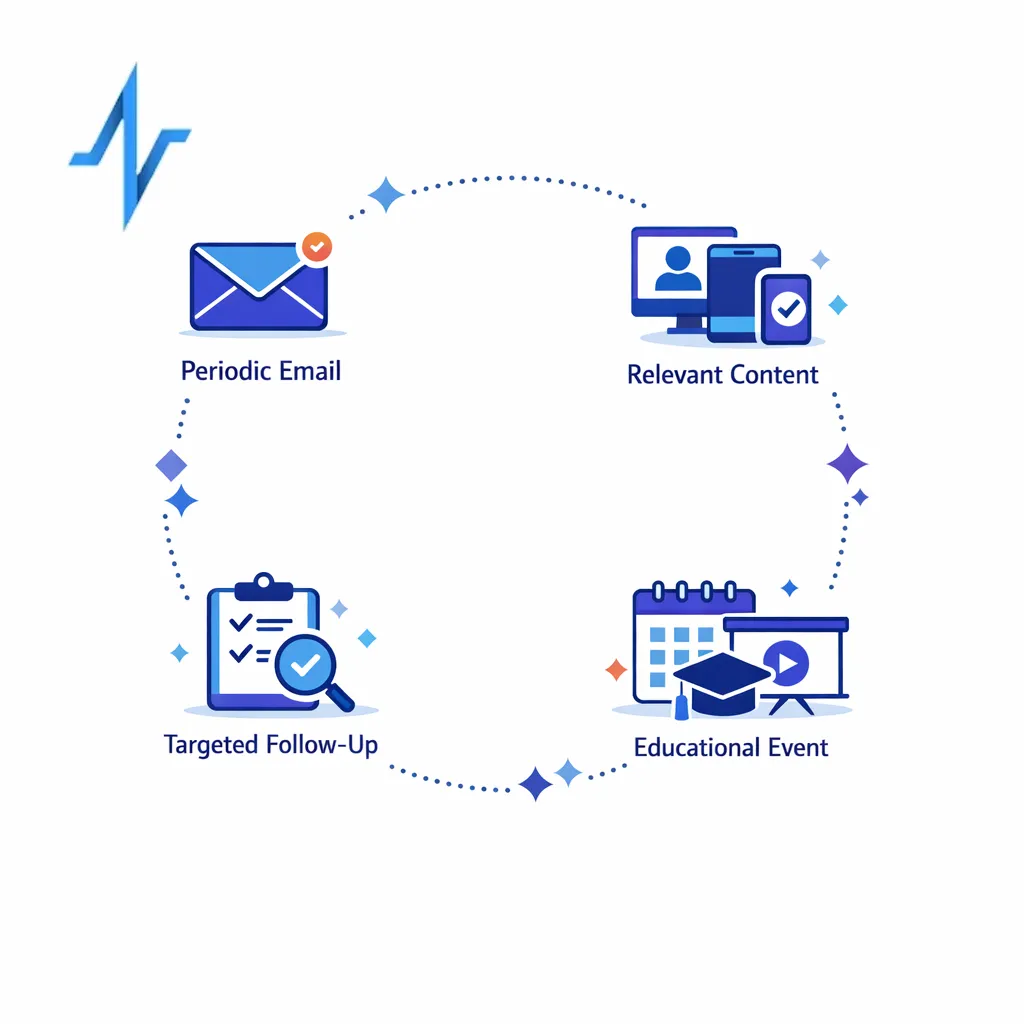
Mature brands usually benefit from better sequencing more than broader reach. The goal is often to sustain relevance, refresh evidence, reinforce patient fit, and keep high-value clinicians from becoming passive.
- Suggested mix: lower-frequency email, account-aware media, targeted educational events, field-led follow-up for priority segments, and selective text reminders where appropriate.
- What to watch: fatigue, generic content, and whether the program is teaching something new or just repeating the brand story.
Re-engagement or low-access audiences
Low-access audiences need a different physician engagement strategy. If live access is limited or digital response is inconsistent, lead with channels that can re-establish relevance without demanding too much effort from the HCP.
- Suggested mix: media and point-of-care for visibility, concise email for low-friction value, webinar invitations only when the topic is truly compelling, and rep follow-up triggered by a strong digital signal rather than blanket outreach.
- What to watch: over-contacting unresponsive clinicians and mistaking exposure for engagement.
Common pitfalls in HCP marketing programs
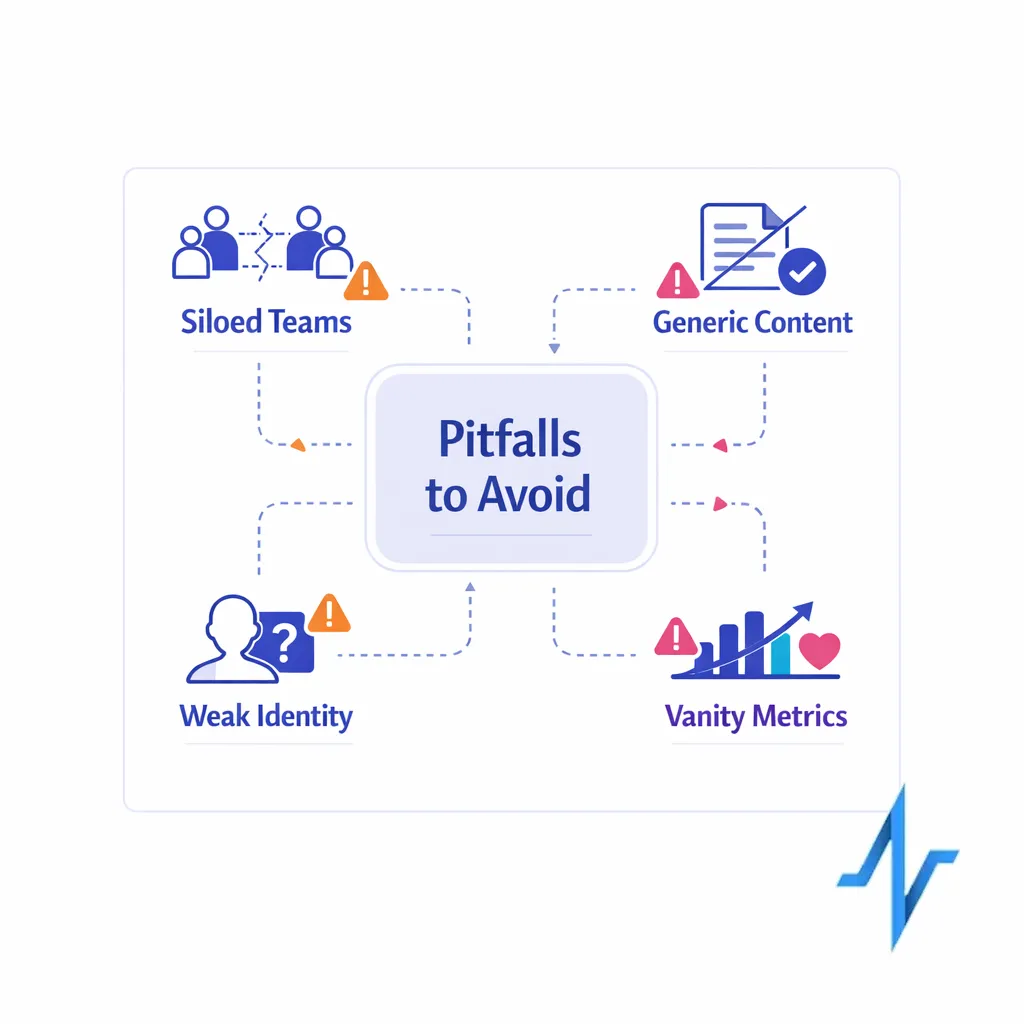
Most underperforming HCP campaign planning does not fail because teams lack channels. It fails because the operating model is fragmented.
- Siloed channel teams: email, media, and field each optimize their own work, but no one owns the journey.
- Generic content: every segment receives the same message, so the program looks personalized in the dashboard but not to the clinician.
- Weak identity and access controls: audiences look large on paper but cannot be reached consistently or compliantly.
- Late compliance involvement: teams build journeys first and discover policy constraints only when they are ready to launch.
- Overreliance on vanity metrics: success is declared because volume is high, even though progression and downstream action are flat.
- “More channels equals better marketing” thinking: adding channels without giving them clear roles usually increases noise, not performance.
A common misconception is that personalization means swapping in a first name or a specialty label. In HCP marketing, true relevance comes from choosing the right message, in the right format, at the right stage, with the right next step. Another misconception is that field coordination starts after digital proves demand. In reality, the best programs define the field handoff before the first send goes live.
Build an HCP marketing program clinicians will actually engage with
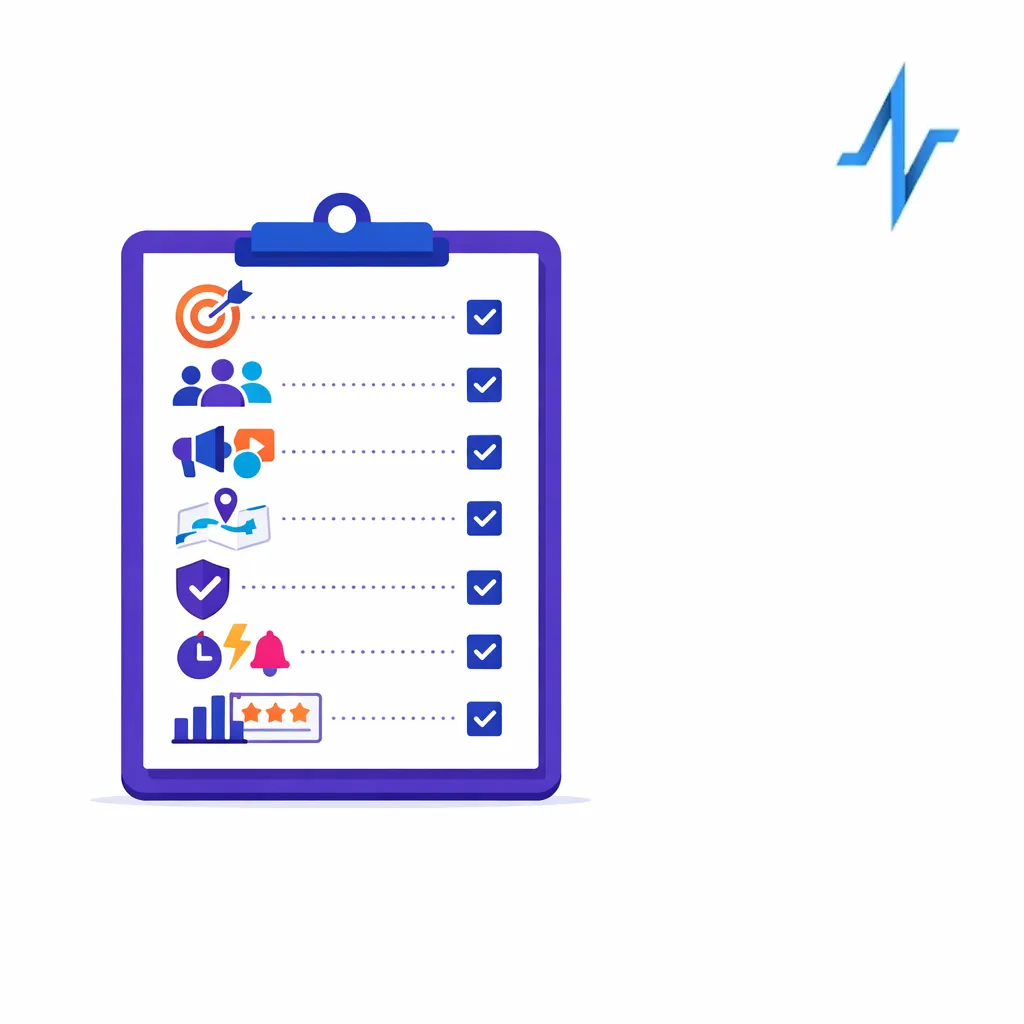
If you want a cleaner omnichannel HCP engagement model, start by simplifying the operating plan. Most brands do not need more tactics. They need tighter audience logic, clearer channel jobs, better sequencing, and a shared measurement system.
- Define one campaign objective and one primary success metric before selecting channels.
- Design the audience around identity, relevance, and reachability, not specialty alone.
- Assign each channel a specific role so email, SMS, media, webinars, and field do not duplicate one another.
- Map a four-stage journey from awareness to consideration to action to follow-up.
- Document contact policy early so brand, legal, operations, and agencies are aligned before asset production.
- Set field triggers and ownership rules so digital and rep activity support each other.
- Use one shared scorecard focused on progression, not just volume.
- Review weekly and adjust fast when a segment, sequence, or channel role is not working.
This checklist is simple on purpose. The brands that execute HCP marketing well are usually not the ones with the most complexity. They are the ones with the clearest decisions about who they are trying to move, what each channel should do, and how they will know when the program is working.
Request a Demo
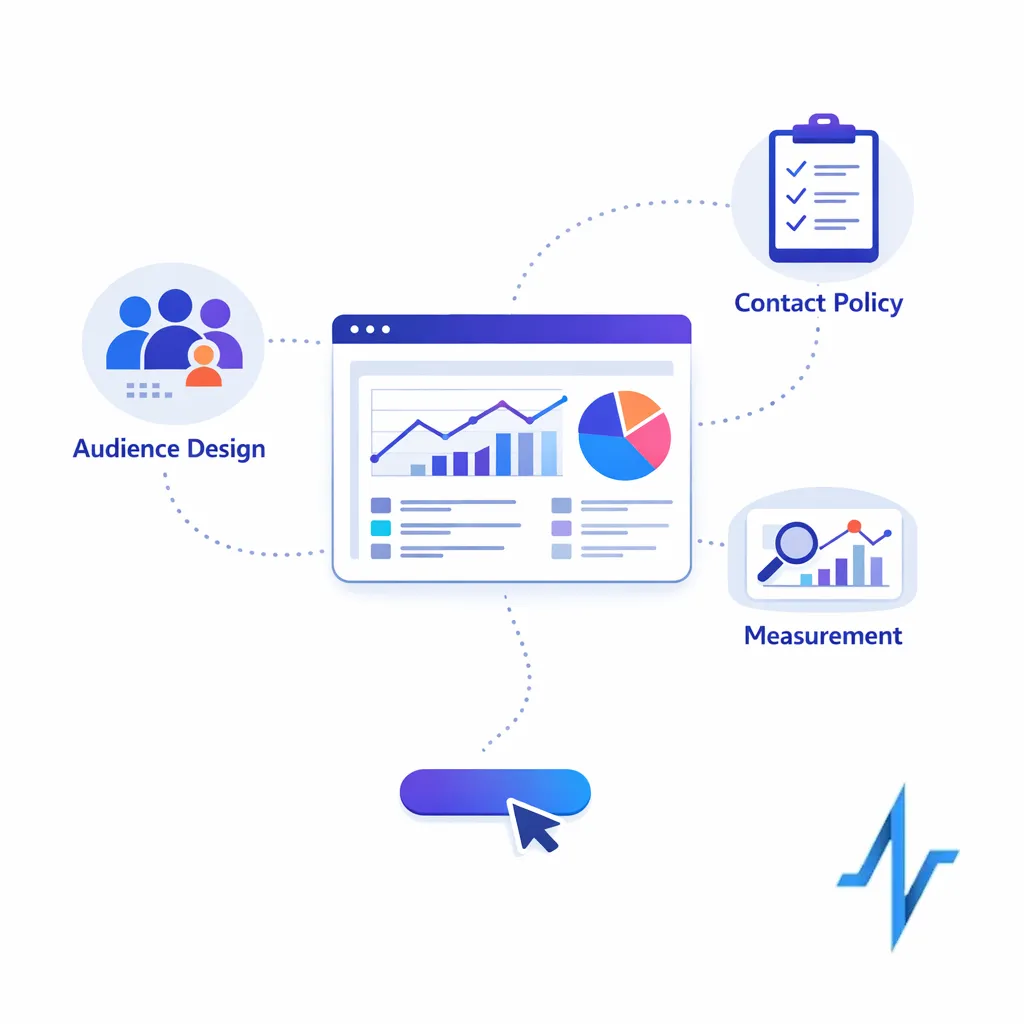
If your team is trying to connect audience design, contact policy, orchestration, and measurement in one workflow, Pulse Health can help you see how the model works in practice. Request a Demo to review your current HCP marketing strategy, pressure-test your campaign design, and identify the orchestration gaps worth fixing first.