
Choosing a medical affairs platform is no longer a niche software decision. For US pharma teams, it now sits at the intersection of compliant scientific exchange, field coordination, content review, analytics, and cross-functional execution. That makes the decision relevant not only to medical affairs leaders, but also to brand teams, commercial and marketing operations, CRM owners, and agency partners.
For this article, a medical affairs platform means the shared system a pharma organization uses to coordinate scientific interactions, medical content, insights, workflows, and reporting across teams. The goal is not just better recordkeeping. It is faster collaboration, clearer oversight, and more useful data from day-to-day medical activity.
You will learn how medical affairs software differs from generic CRM and BI tools, why buying criteria have changed, which eight capabilities matter most, and how to evaluate options without defaulting to the biggest suite or the narrowest point solution.
At a glance: the 8 capabilities that matter most
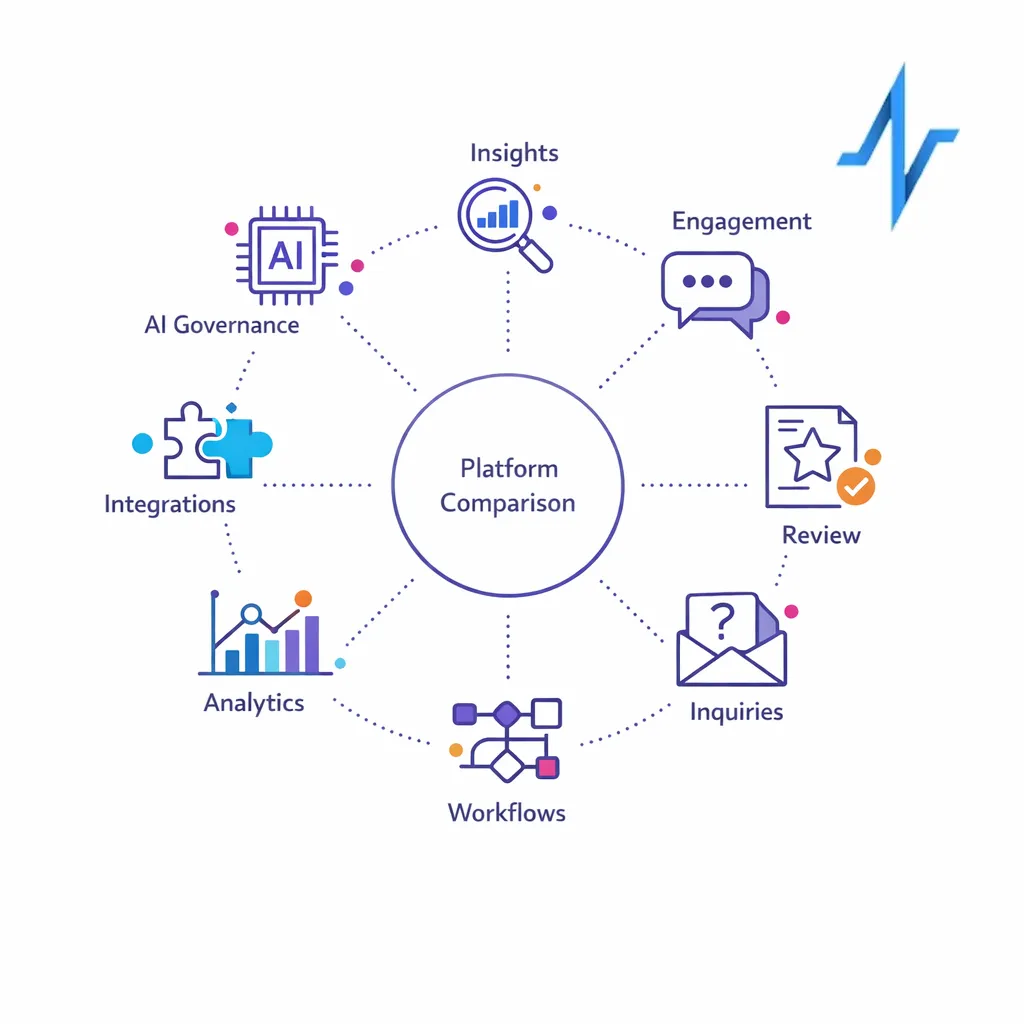
- 1. Medical insights capture and analysis
- 2. KOL and HCP engagement with field coordination
- 3. Content review and compliant collaboration
- 4. Medical information and inquiry workflows
- 5. Cross-functional workflow orchestration
- 6. Analytics, dashboards, and impact measurement
- 7. Integrations across CRM, medical, safety, and data systems
- 8. AI support with governance, traceability, and oversight
What do medical affairs do in pharma?
In practical terms, medical affairs connects evidence to real-world scientific exchange. Teams may support MSL activity, medical information responses, advisory boards, congress follow-up, field insight capture, and collaboration with safety, legal, regulatory, and brand stakeholders. A strong platform helps that work happen in a way that is organized, traceable, and useful to the broader business.
What is a medical affairs platform?
How it differs from generic CRM, BI, and point tools
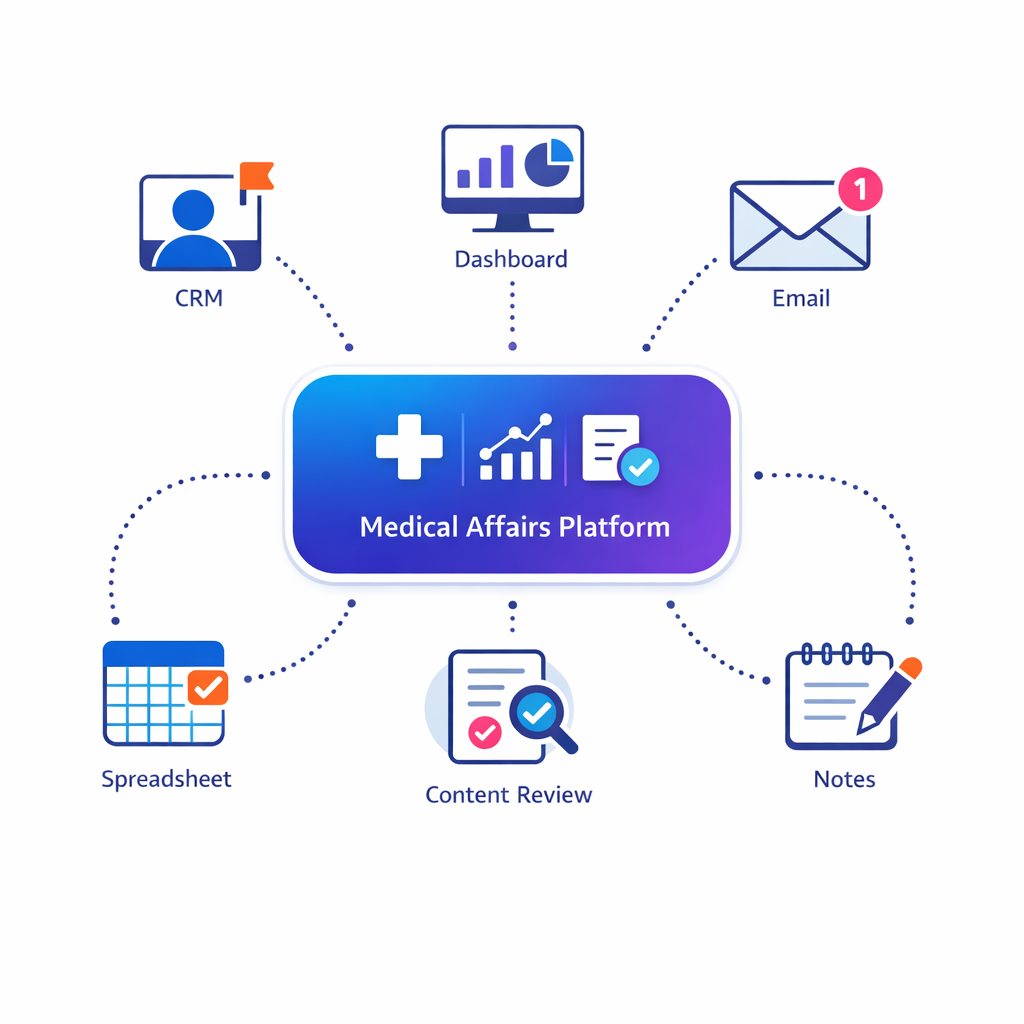
A medical affairs platform is not just a CRM with different labels. CRM systems are useful for contact management and activity tracking, but they often reflect commercial workflows first. Medical affairs technology has to handle scientific context, evidence-linked conversations, compliant review paths, and handoffs that do not map neatly to sales processes.
It also differs from BI tools. Dashboards can tell you what happened, but they usually do not coordinate the workflow that produced the data. Point tools may solve one problem well, such as content review or meeting capture, yet still leave teams stitching together the rest of the medical affairs workflow through email, spreadsheets, and manual follow-up.
Which pharma teams use it
The core users are usually medical affairs, MSL leadership, and medical operations. But a comparison process often expands quickly because adjacent teams care about the same data and handoffs. Brand leads want cleaner insight flows, operations teams want better system fit, and CRM or data owners want fewer disconnected tools.
That is why the best comparison framework looks beyond feature lists. Buyers should evaluate how a platform works across functions, not only how it works inside a single team.
What changed in the buying criteria
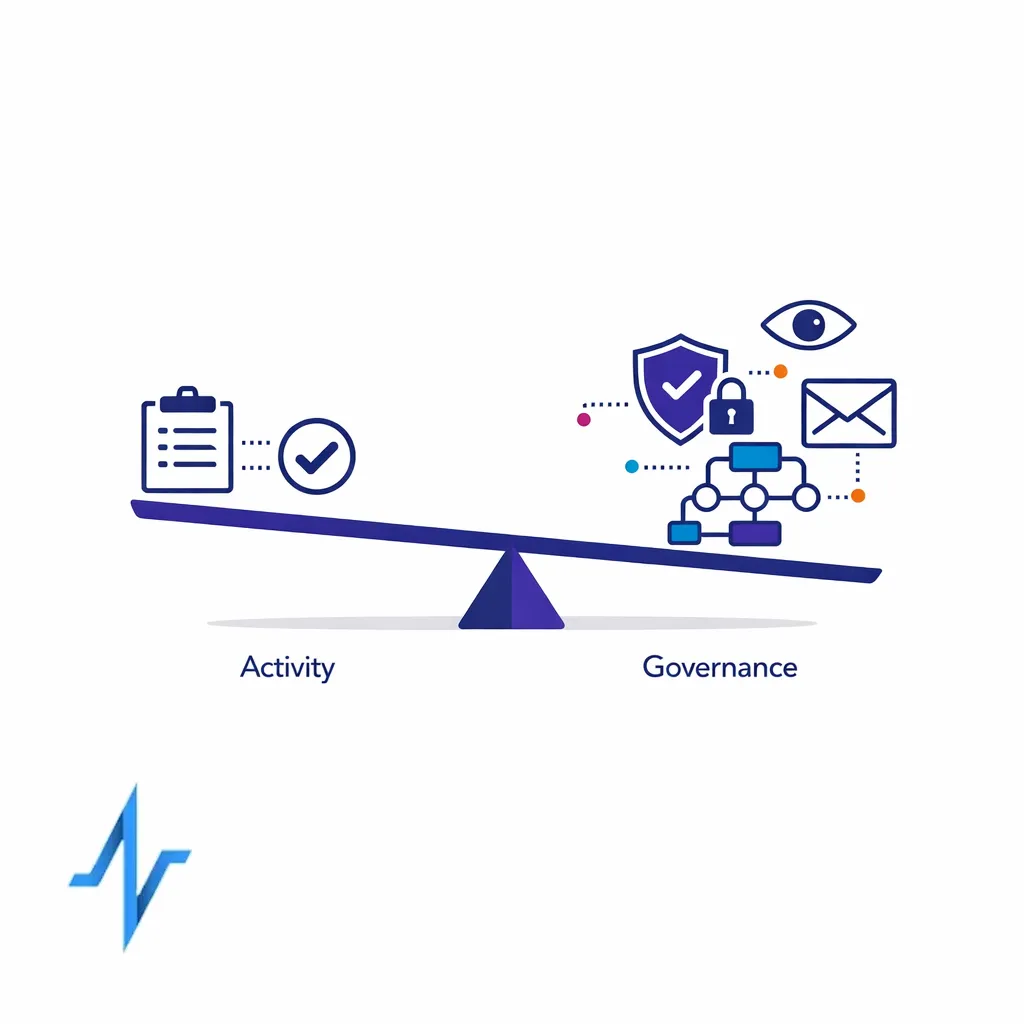
Medical affairs buyers are asking different questions than they did a few years ago. The discussion is shifting away from simple activity capture and toward auditability, governed scientific exchange, and operational fit across the stack.
That shift matters because medical teams increasingly need workflows that preserve review history, support controlled communications, and make field insight usable without creating more manual reconciliation. When teams discuss evidence with clinicians, workflow design matters because communications often need to align with FDA guidance on communications consistent with FDA-required labeling.
AI is also changing evaluation criteria. Buyers are less impressed by generic automation claims and more interested in whether a vendor can show permissioning, human review, and documented oversight for AI-assisted outputs.
Why teams compare medical affairs platforms now
Rising pressure for compliant collaboration
As medical work becomes more digital, fragmented collaboration gets riskier. Review comments live in one place, approvals in another, and field context somewhere else. That slows decision-making and makes it harder to understand who changed what, why it changed, and whether the final output is the one the field is actually using.
Need for connected insights, content, and field coordination
Most teams are not short on activity. They are short on connected activity. Medical insights, medical information themes, approved content, and stakeholder history are often spread across separate systems, which means the organization captures work without consistently learning from it.
A modern medical affairs platform should reduce that gap. It should help translate raw interactions into usable signals, then route those signals to the teams that can act on them.
AI and launch-readiness expectations

Launch and growth-stage teams want faster search, summarization, and content discovery. They also want systems that can support new indications, stakeholder groups, and reporting needs without a long rebuild. That makes flexibility and governance just as important as feature depth.
What is a medical affairs strategy?

A medical affairs strategy is the operating plan for how evidence, scientific exchange, field activity, and insight generation support a product across its lifecycle. Platform selection should follow that strategy, not replace it. If the software does not fit your engagement model, review model, and data model, the implementation will feel heavier than it should.
8 capabilities pharma teams should prioritize
1. Medical insights capture and analysis

The first capability to prioritize is structured insight capture. A medical affairs platform should let teams collect notes from the field, advisory boards, and inquiries in a way that can be tagged, searched, grouped, and escalated. Otherwise, insight stays trapped in free text and retrospective summaries.
Look for configurable taxonomies, topic clustering, easy note entry, and workflows that separate observation from validated insight. The strongest tools do not just store notes. They help teams identify emerging themes, assign owners, and close the loop with downstream stakeholders.
2. KOL and HCP engagement with field coordination
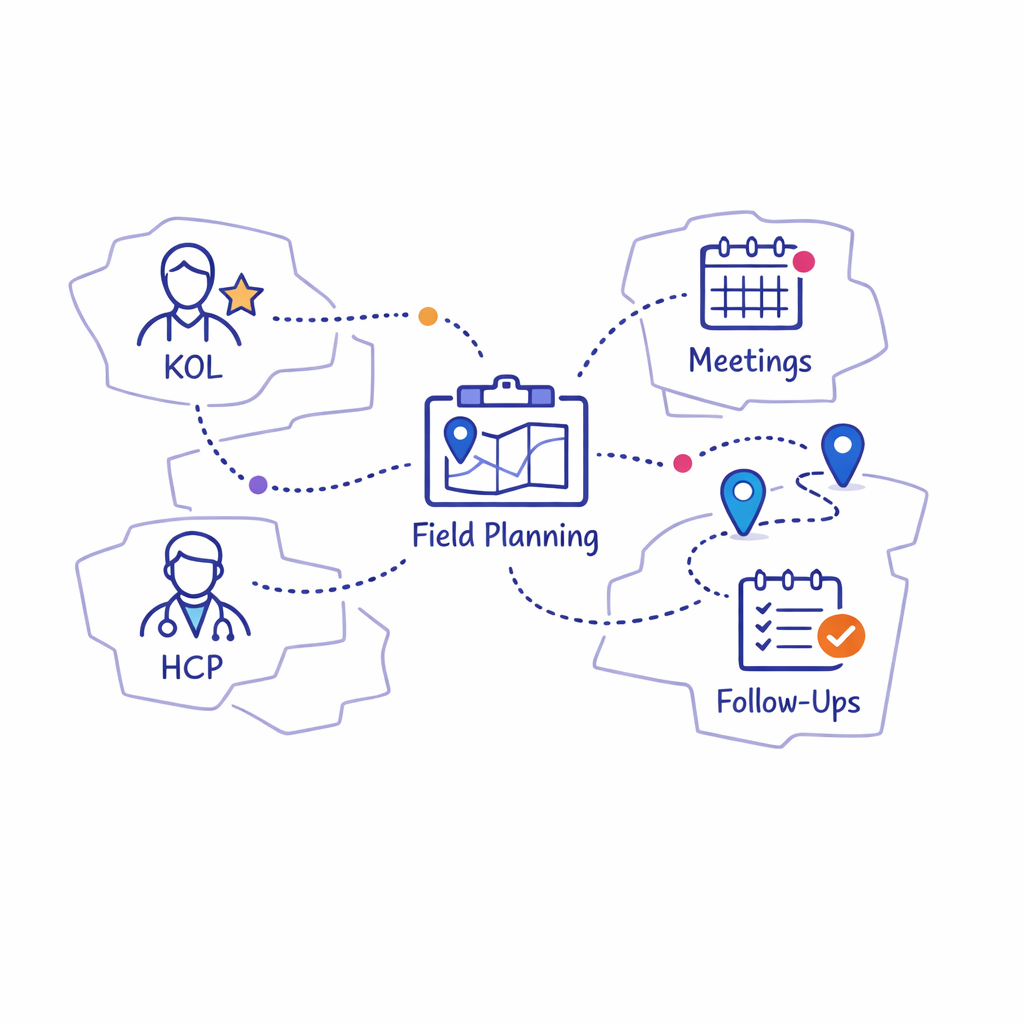
Medical teams need a clear view of who they are engaging, why the interaction matters, what the scientific context is, and what follow-up should happen next. That sounds simple, but many tools still force medical users into commercial-style workflows that do not fit peer-to-peer scientific exchange.
Pharma medical affairs tools should support relationship planning, visit preparation, follow-up tracking, and visibility across MSL territories or therapeutic areas. Where transfers of value or reportable interactions are in scope, the platform should fit with processes shaped by the CMS Open Payments program and your internal governance model.
3. Content review and compliant collaboration
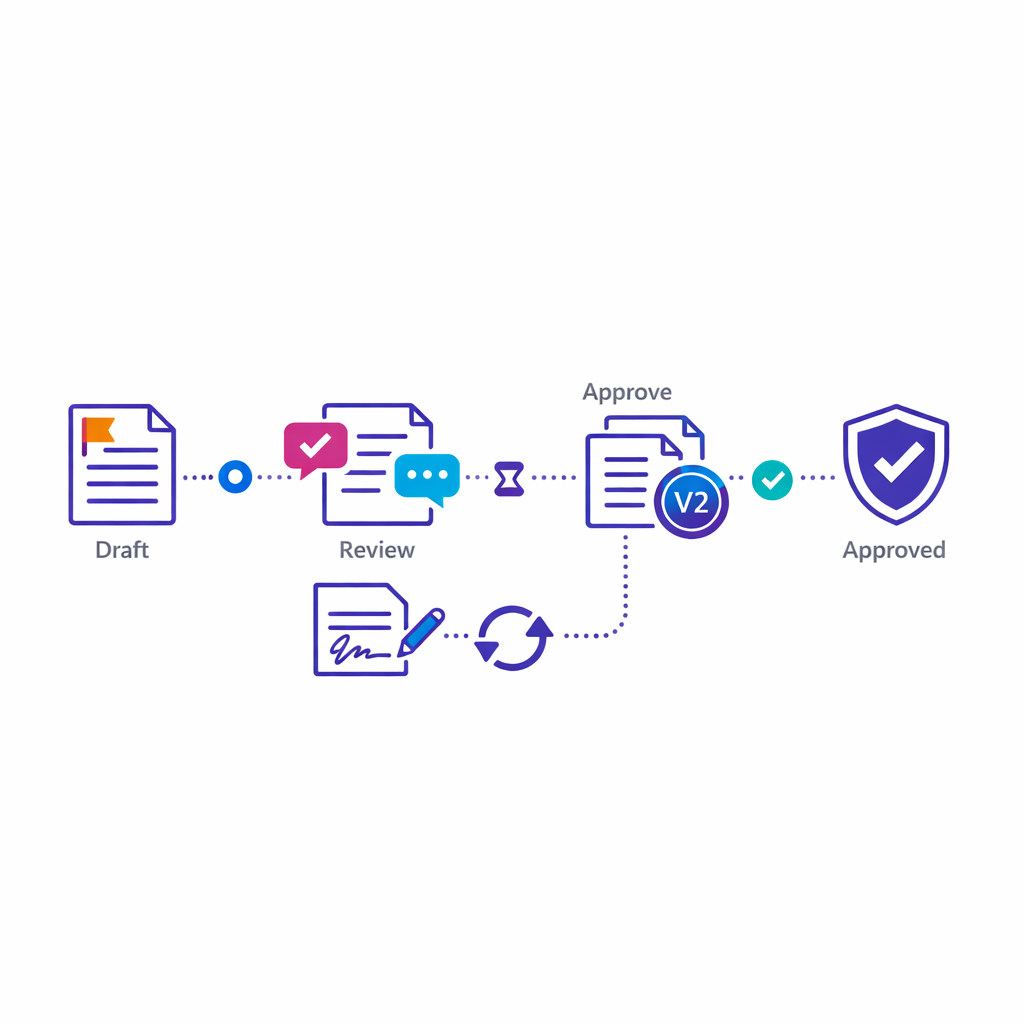
Content review is one of the clearest dividing lines between a true medical affairs platform and a generic collaboration tool. Medical teams need version control, comment resolution, approval logic, and clear traceability from draft to approved use.
For regulated workflows, ask how the system handles annotations, approvals, and electronic signatures, and whether those controls are designed to support 21 CFR Part 11 requirements for electronic records and signatures. If the answer depends on manual workarounds, the process may not scale well.
4. Medical information and inquiry workflows
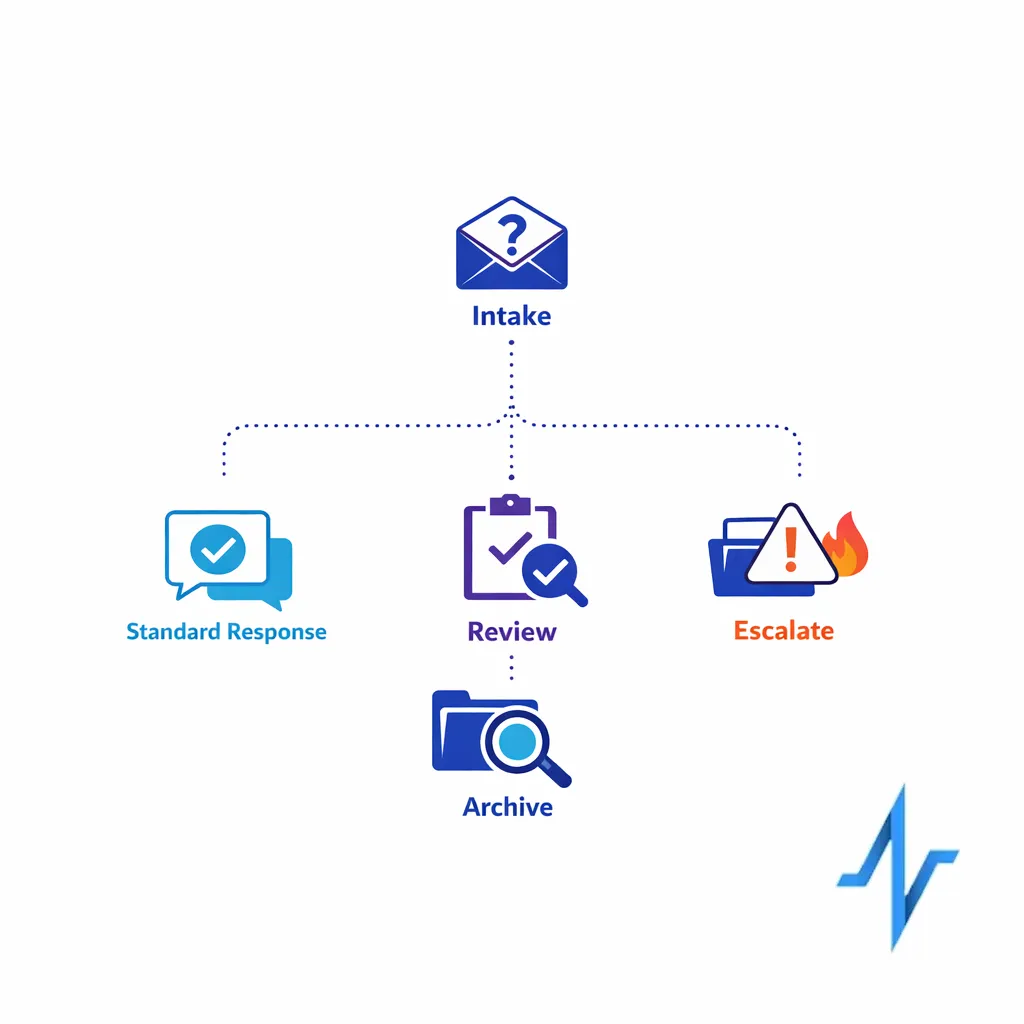
Medical information is often where workflow quality becomes most visible. Teams need to intake a request, triage it, draft or select the right response, route it for approval when needed, and preserve a searchable history. They also need an easy way to flag issues that belong somewhere else.
That matters because inquiry workflows can surface product complaints or safety information that require escalation. Systems that support medical information should make those handoffs easy to document and route in line with postmarketing safety reporting obligations under 21 CFR 314.80.
5. Cross-functional workflow orchestration
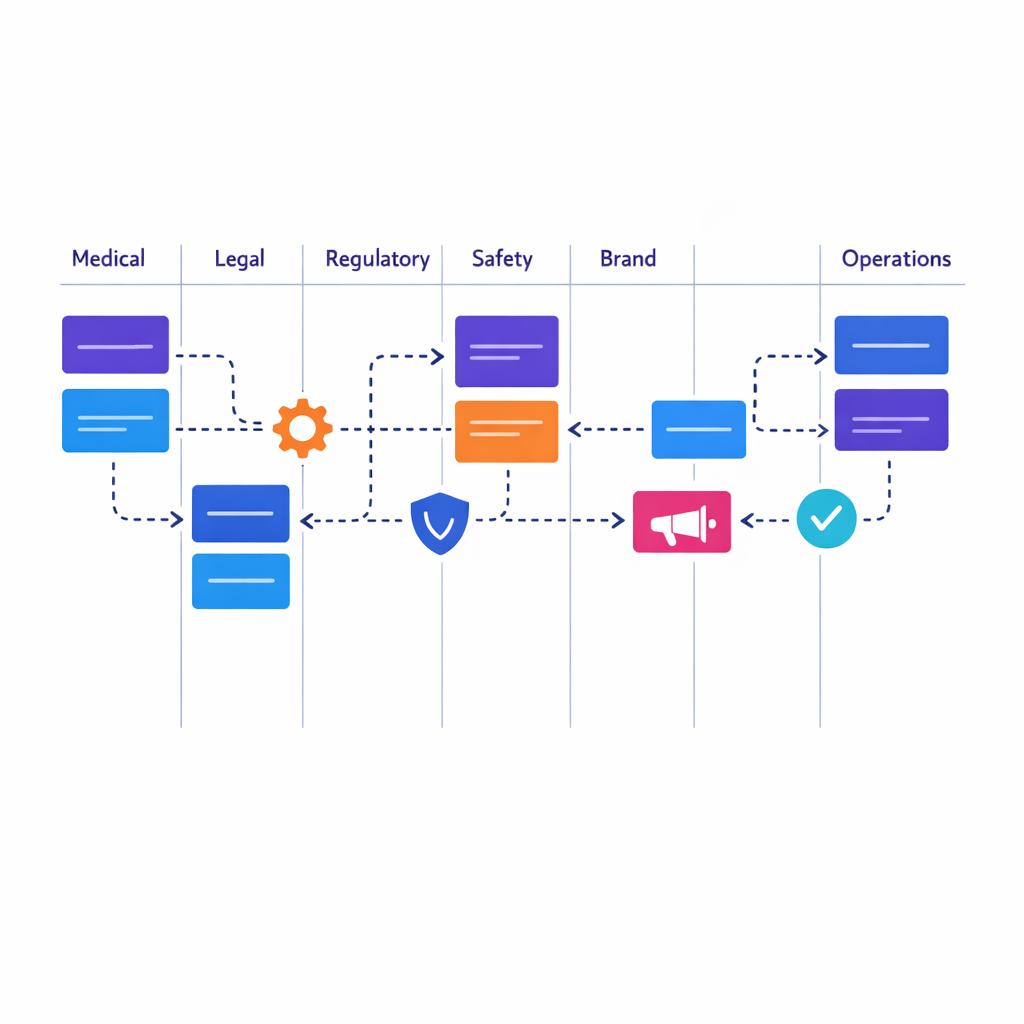
Medical affairs rarely operates in a sealed lane. Publications, legal, regulatory, safety, market access, patient support, and commercial teams may all touch connected processes. The platform should make those handoffs visible without forcing every group into the same rigid workflow.
Prioritize role-based permissions, reusable templates, shared status tracking, and task routing that respects function-specific responsibilities. The goal is coordination, not unnecessary standardization.
6. Analytics, dashboards, and impact measurement
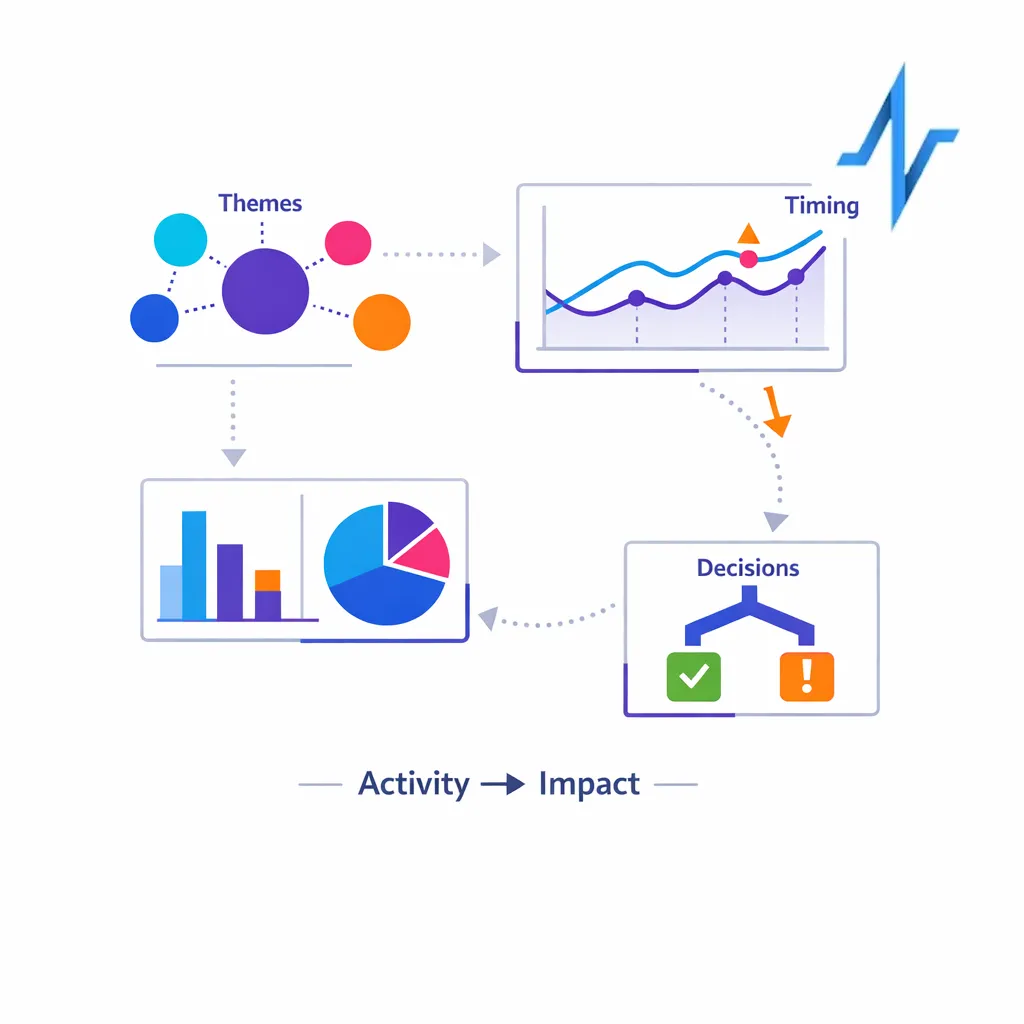
One of the most common platform mistakes is confusing reporting with insight. Activity charts may look polished, but they do not automatically tell you whether medical work is informing strategy, improving response quality, or uncovering unmet evidence needs.
Useful analytics should connect interactions, inquiry themes, content usage, and operational timing to decisions the business can act on. Buyers should ask whether the platform helps answer practical questions such as which topics are accelerating, which field questions lack approved support, where response times are drifting, and which segments need different engagement plans.
7. Integrations across CRM, medical, safety, and data systems
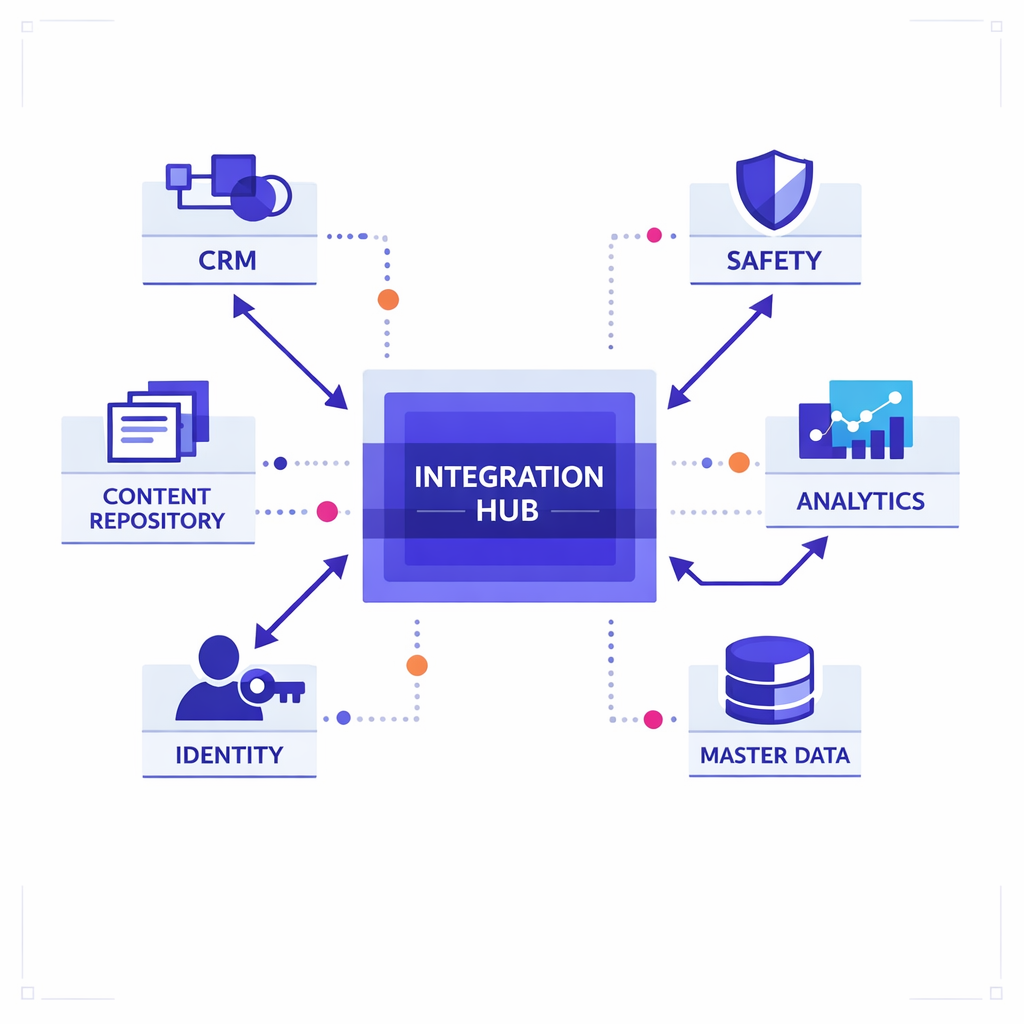
Integration quality often determines whether a platform becomes a system of action or just another place to log activity. A tool can look complete in a demo and still underperform if identity, content, activity, and outcome data do not move reliably across the rest of the stack.
Ask detailed questions about APIs, event triggers, master data alignment, and implementation ownership. Where healthcare interoperability is relevant, it is reasonable to ask about standards such as HL7 FHIR, but the bigger issue is whether integrations are production-ready and maintainable.
8. AI support with governance, traceability, and oversight
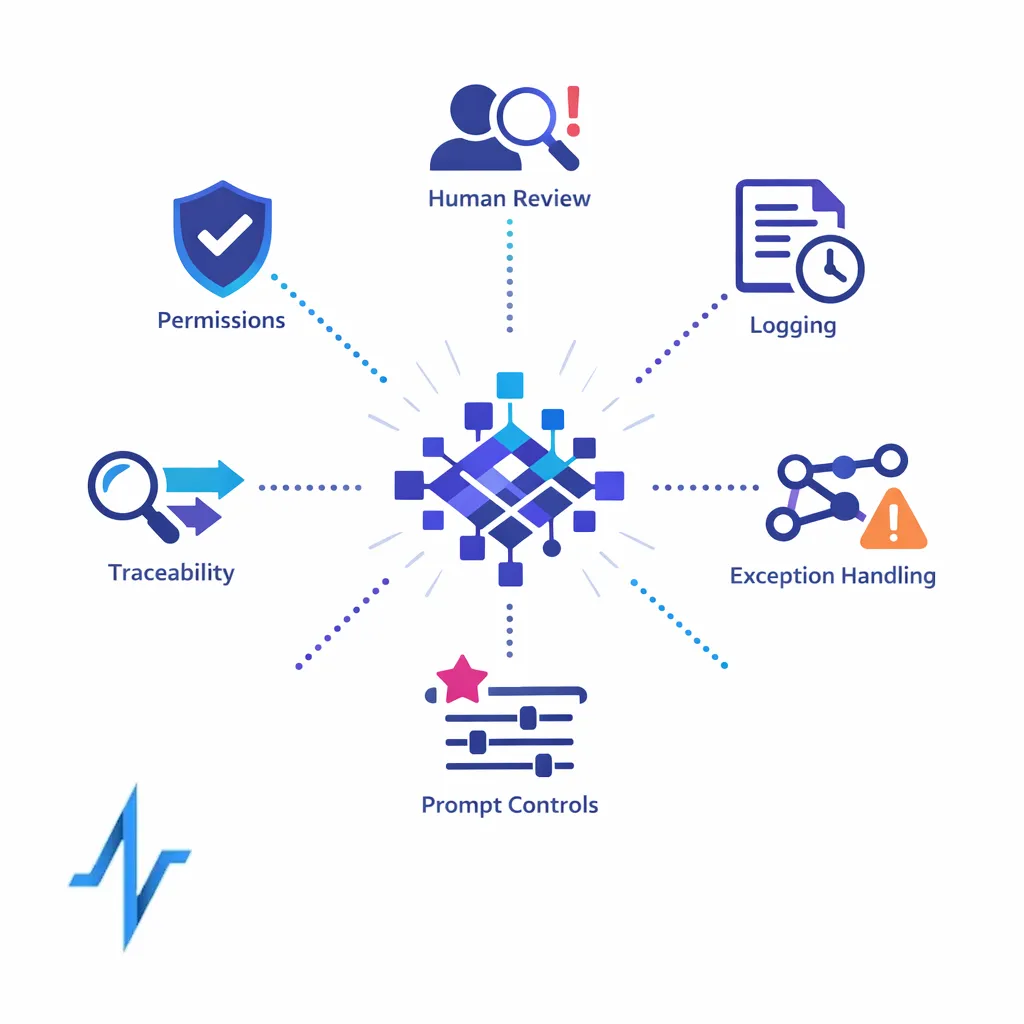
AI can add real value in medical affairs software when it summarizes notes, surfaces topic clusters, recommends next actions, or improves findability. But AI is most useful when it is embedded into governed workflow, not offered as an isolated feature that produces unreviewed output.
Vendor claims should map to concrete controls such as human review, output logging, prompt management, permissions, and exception handling. A good benchmark is whether those controls align with principles in the NIST AI Risk Management Framework.
Platform comparison criteria and evaluation checklist
Questions to ask vendors
- Can the platform support medical, brand, and operations workflows without forcing all users into one process?
- How are version history, approvals, comments, and exceptions captured for review readiness?
- How are insights structured, deduplicated, validated, and routed to downstream teams?
- Which integrations are live today, and which still require custom work?
- What does AI assistance actually do inside the workflow, and how is it reviewed?
- What implementation effort falls on your team versus the vendor or partner?
Role-based requirements: MSL, medical information, operations
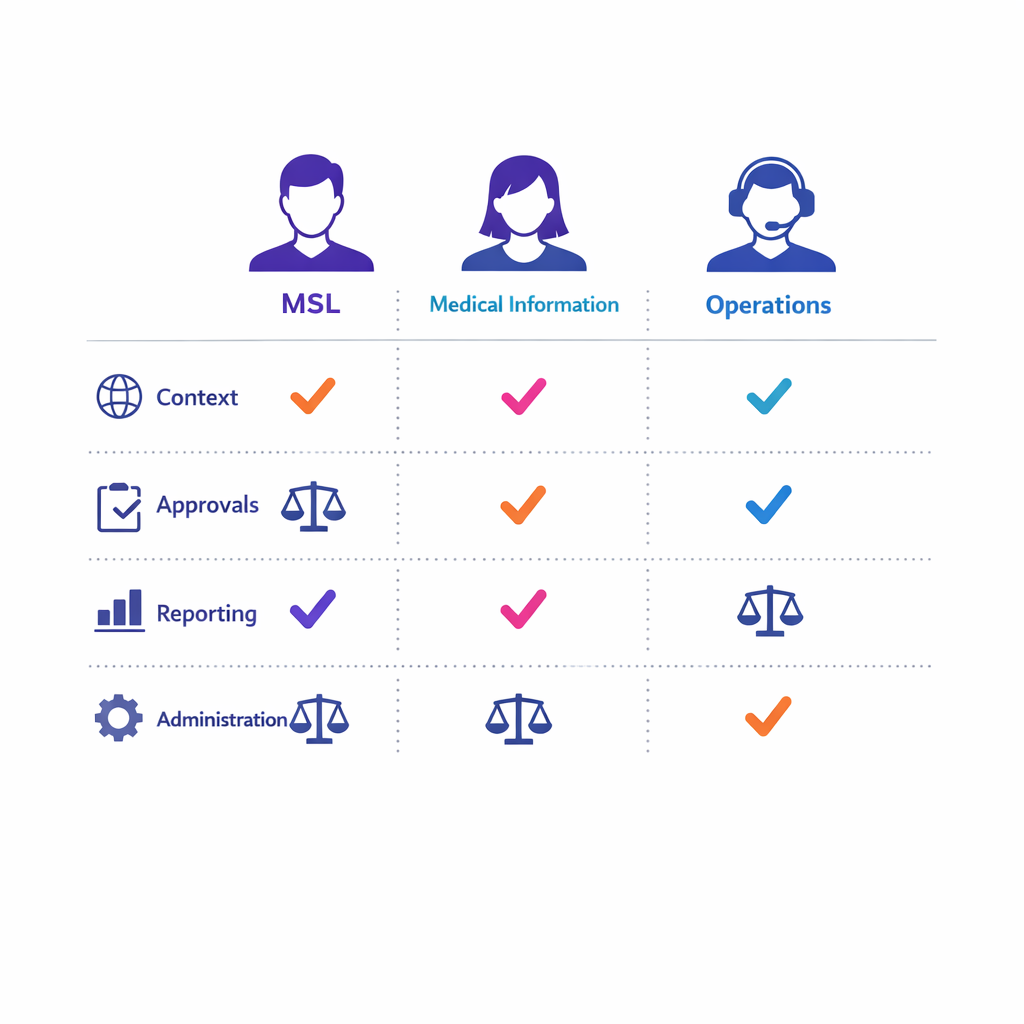
MSLs typically need fast stakeholder context, visit preparation, note capture, and simple follow-up workflows. Medical information teams usually care more about intake, response drafting, approval controls, and searchable history. Operations leaders are more likely to focus on configuration burden, reporting flexibility, system administration, and data quality.
That difference matters during evaluation. A platform may demo well for leadership and still frustrate daily users if role-specific workflows feel heavy or unnatural.
What are the pillars of medical affairs?
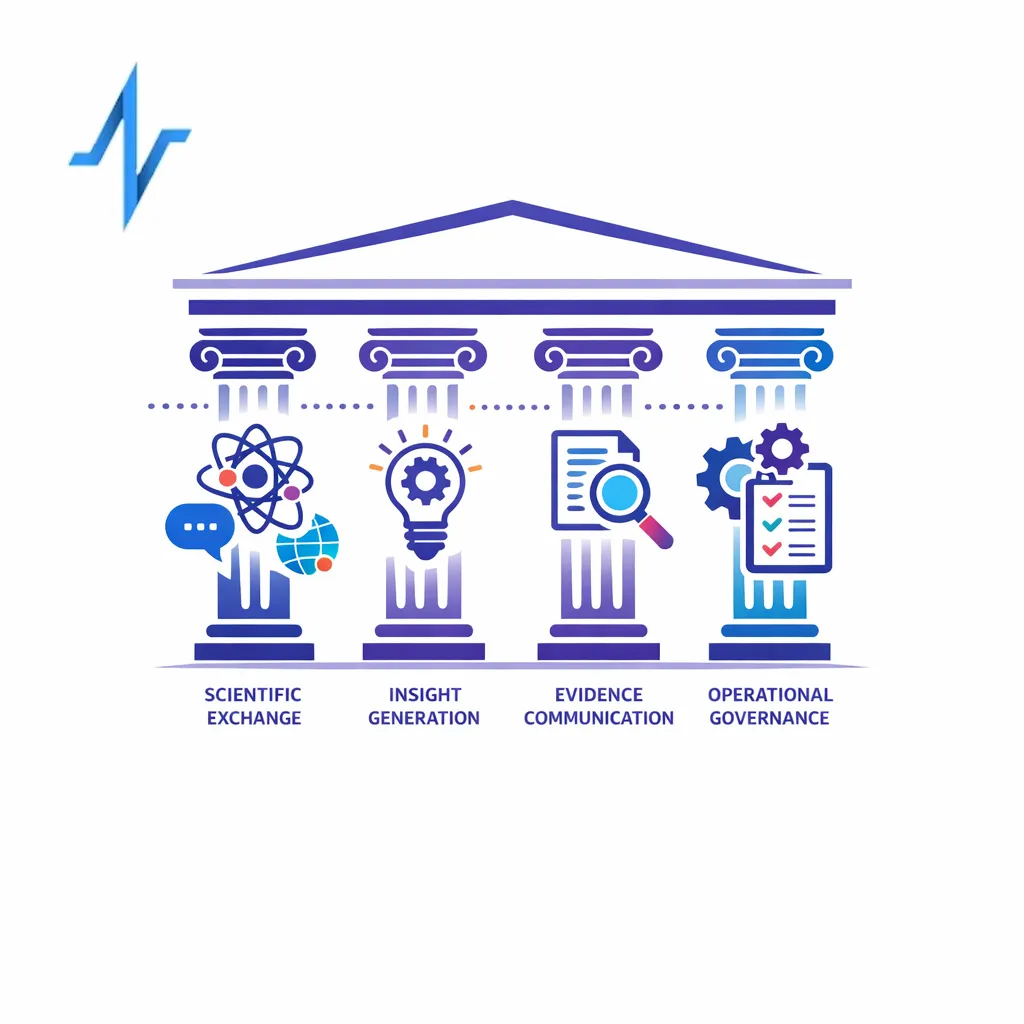
For buying purposes, it helps to think in four practical pillars: scientific exchange, insight generation, evidence communication, and operational governance. If a vendor is only strong in one pillar, you may be looking at a narrow tool rather than a durable medical affairs platform.
Buy vs. bolt-on vs. point-solution tradeoffs
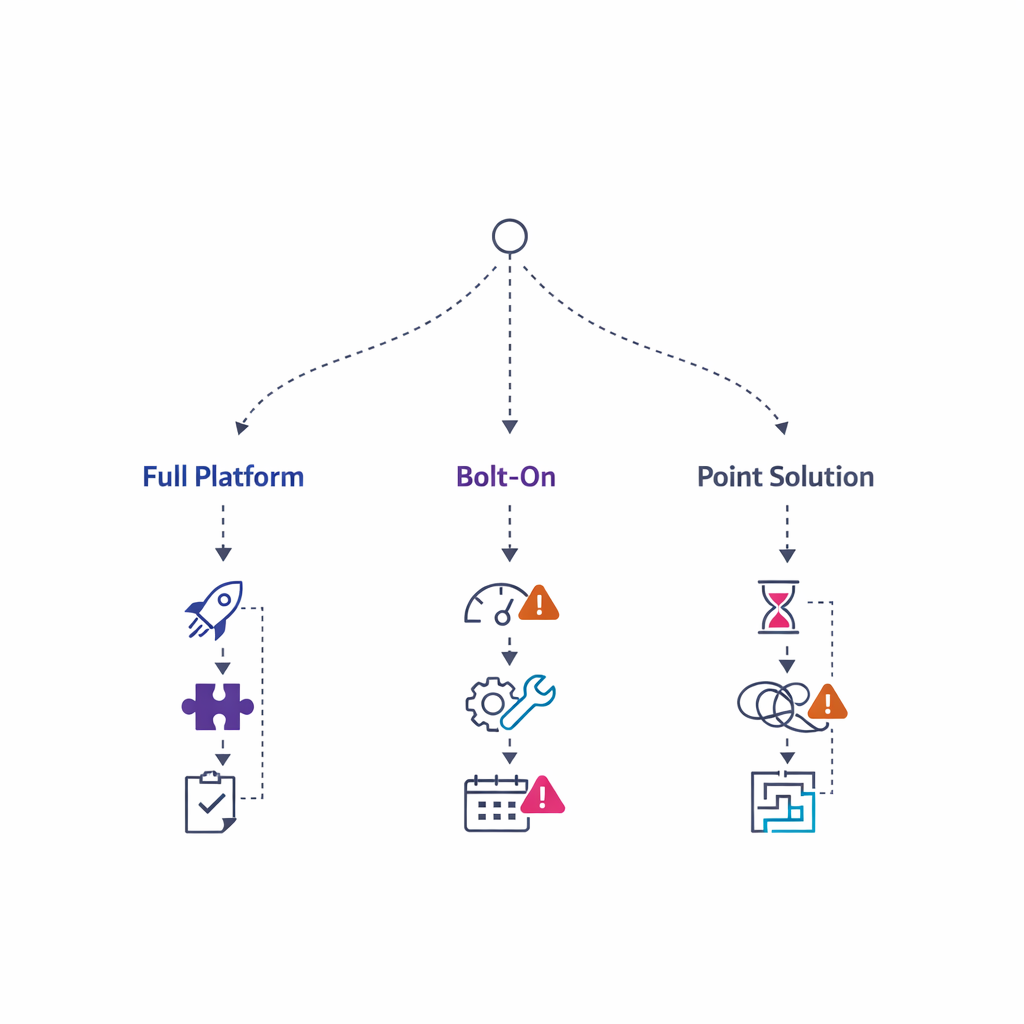
A full platform can reduce swivel-chair work and create a cleaner operating model, but it may require more planning upfront. A bolt-on approach can work well if your CRM or content stack is already mature and you mainly need medical-specific workflow on top.
Point solutions are often the fastest way to solve one immediate pain point. The tradeoff is that reporting, handoffs, and data consistency usually become harder as more specialized tools are added over time.
Common pitfalls when selecting medical affairs software
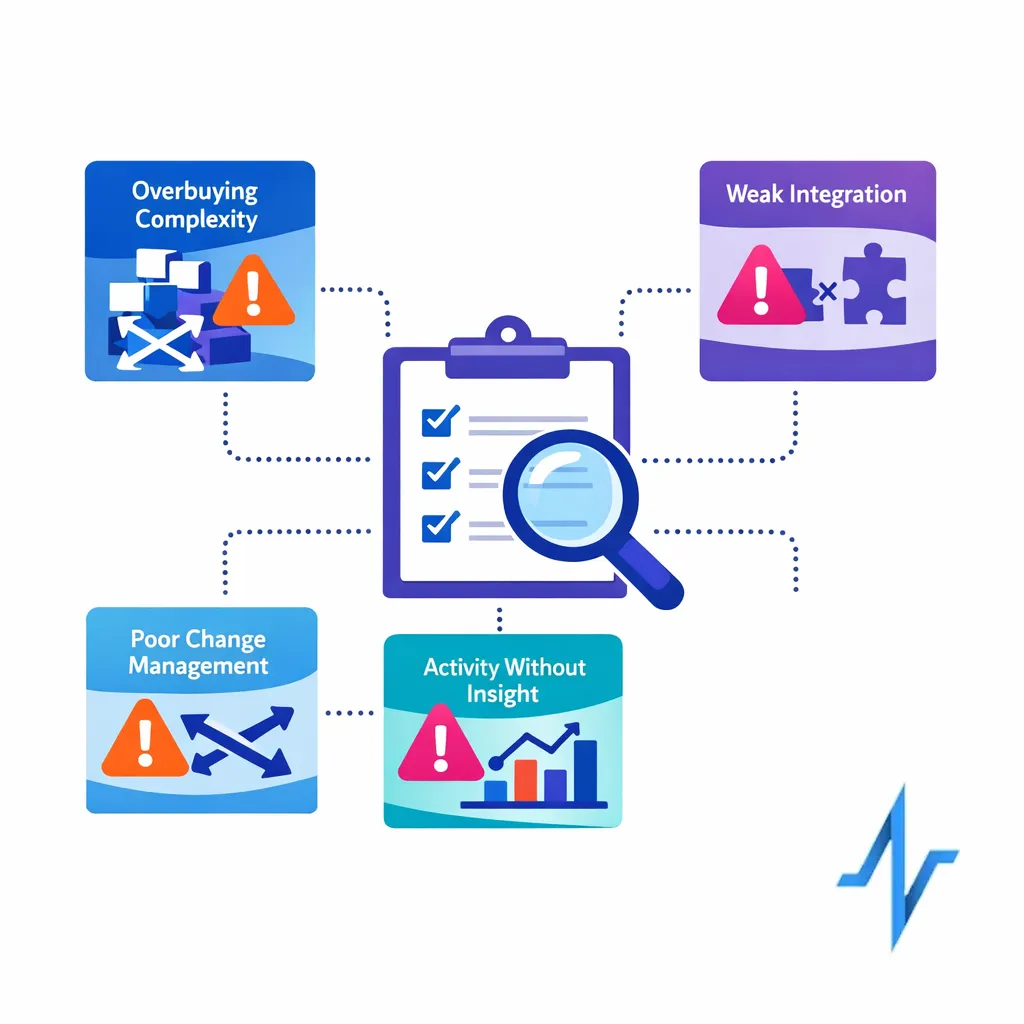
Overbuying enterprise complexity
Some teams buy for the organization they might become, not the workflows they need to improve now. If value depends on heavy services, custom code, or specialist admins before the field sees benefit, adoption often slows.
Underestimating integration and change management
Even strong medical affairs technology can fail if users do not trust the workflow or if source data is inconsistent. Selection should include the people who own data, review content, escalate issues, and consume the final reporting, not only the people funding the purchase.
Confusing activity tracking with actionable insight generation
Counting meetings, emails, or completed tasks is useful, but it is not the same as generating medical insight. If the platform cannot help teams identify patterns, validate signals, and route findings into decisions, it is measuring motion more than impact.
What do you do in a medical affairs role?
The answer depends on the role, but the common thread is translating complex evidence into compliant, useful action. That may include field scientific exchange, medical education support, inquiry handling, insight analysis, content collaboration, and coordination with safety, regulatory, legal, and brand teams.
What to do next
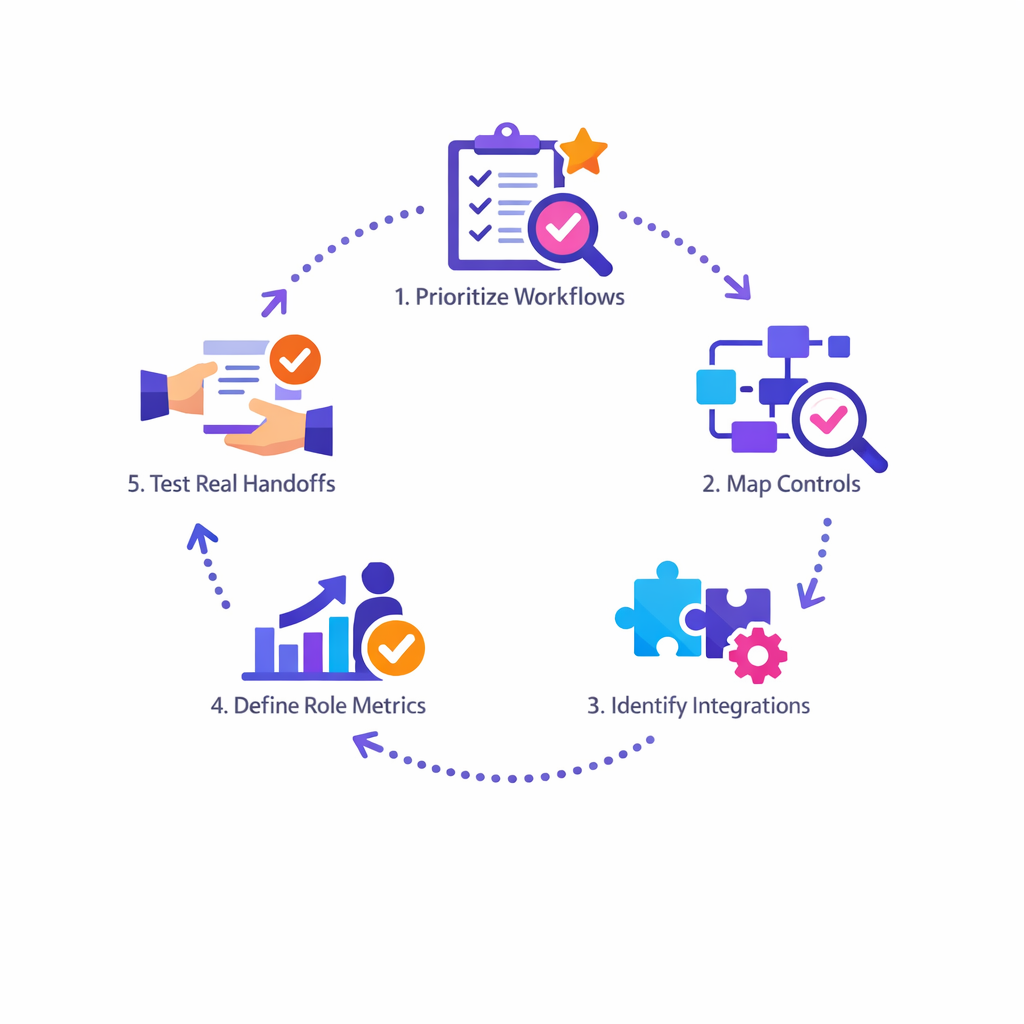
- List the workflows you need to improve first, before comparing feature grids.
- Map each workflow to the controls it requires for review, approval, escalation, and reporting.
- Identify the systems that must connect on day one, especially CRM, safety, content, and analytics.
- Define success metrics by role for MSLs, medical information, and operations before the demo starts.
- Ask vendors to show a real handoff, such as field insight to dashboard or inquiry to safety escalation.
- Use a pilot scope that tests adoption, configuration speed, and reporting quality, not just interface polish.
See how Pulse Health fits your medical affairs stack
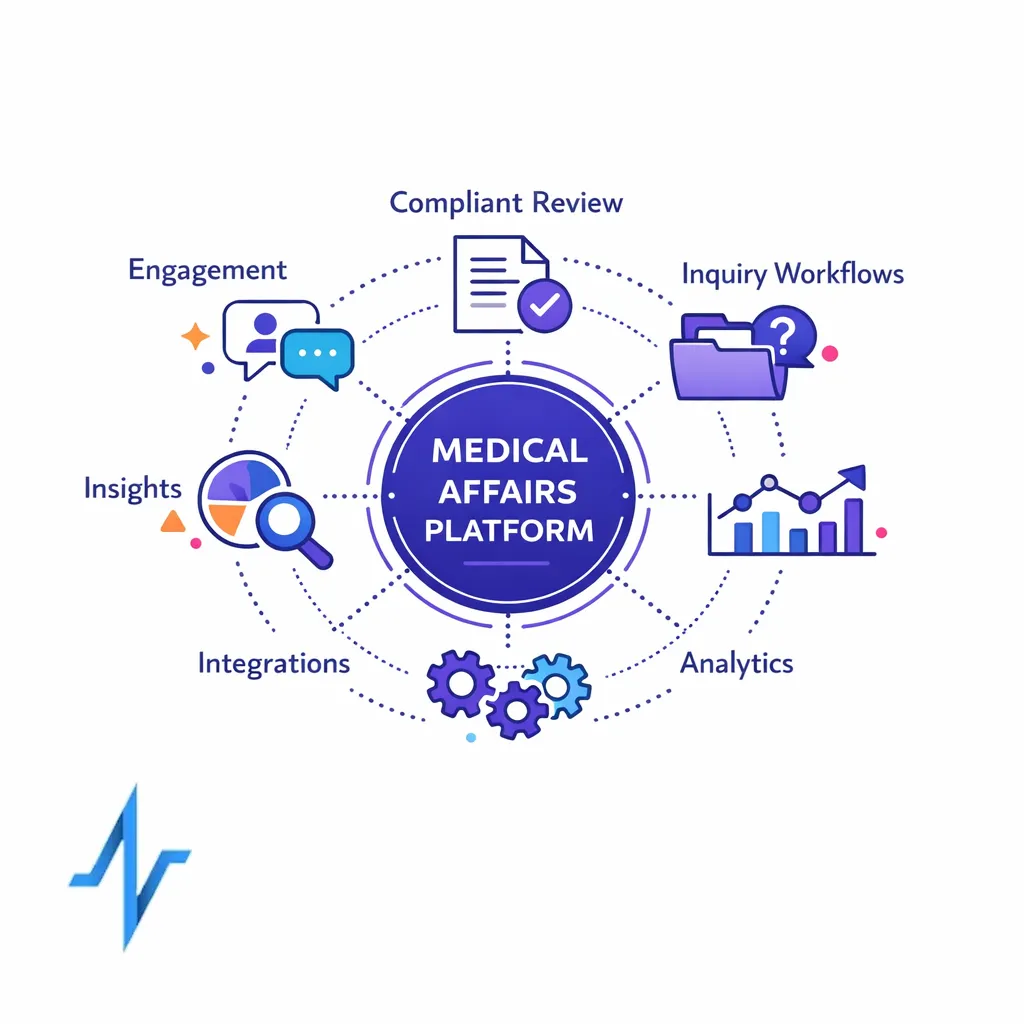
If your team is comparing medical affairs platforms, the goal is not to buy the biggest suite. It is to build a connected operating layer for compliant engagement, measurable insight generation, and cleaner coordination across medical, brand, and operations.
If you want to evaluate whether Pulse Health fits that job-to-be-done, you can request a demo or book a consultation to explore integrations, see how it works, and get the platform overview.