
Life sciences teams use the word CRM to describe very different systems. A platform that works for referral coordination, site support, or patient navigation may not fit compliant HCP engagement, field execution, or omnichannel brand orchestration. This guide is for pharma brand teams, omnichannel leads, commercial ops, CRM owners, and agency partners deciding whether a clinical CRM or a pharmaceutical CRM is the better fit.
If you are selecting a CRM for pharma programs, the important question is not just feature breadth. It is whether the system matches your operating model, data model, and compliance burden. Below, you will see how clinical CRM and pharma CRM differ, where they overlap, and how to choose the right foundation for HCP engagement, patient programs, identity, measurement, and orchestration.
Short answer: For most commercial teams, a pharmaceutical CRM is the better fit because it is designed for HCP identity, compliant engagement, field and marketing workflows, and auditable orchestration. A clinical CRM is the better starting point when referral, site, or patient-navigation workflows are the core operating model.
What is changing in life sciences CRM selection
The line between clinical and commercial systems is getting harder to ignore. Patient-facing programs can touch privacy-sensitive workflows governed by the HIPAA Privacy Rule when covered entities or business associates are involved, HCP-spend processes may need data that supports CMS Open Payments reporting, and workflows that capture regulated electronic records or signatures may need controls aligned with 21 CFR Part 11.
Integration expectations are also rising. When referral or site-engagement programs depend on clinical data exchange with healthcare organizations, teams need to account for ONC information blocking rules and design around cleaner interoperability instead of manual handoffs.
What clinical CRM means in life sciences
Why the term is often confused with healthcare CRM or clinical research management
“Clinical CRM” is an overloaded term. In some organizations it means a patient engagement CRM used by provider groups, specialty pharmacies, hubs, or care-navigation teams. In others, it gets mixed up with clinical trial tools, care management platforms, referral management software, or an EHR-adjacent workflow layer.
For commercial decision-making, the useful definition is narrower: a clinical CRM is a relationship and workflow system built around care-adjacent interactions. It usually organizes patients, referrals, sites, service events, educators, coordinators, and support milestones rather than territories, call plans, or promotional sequences.
The commercial-team use case for clinical-side engagement
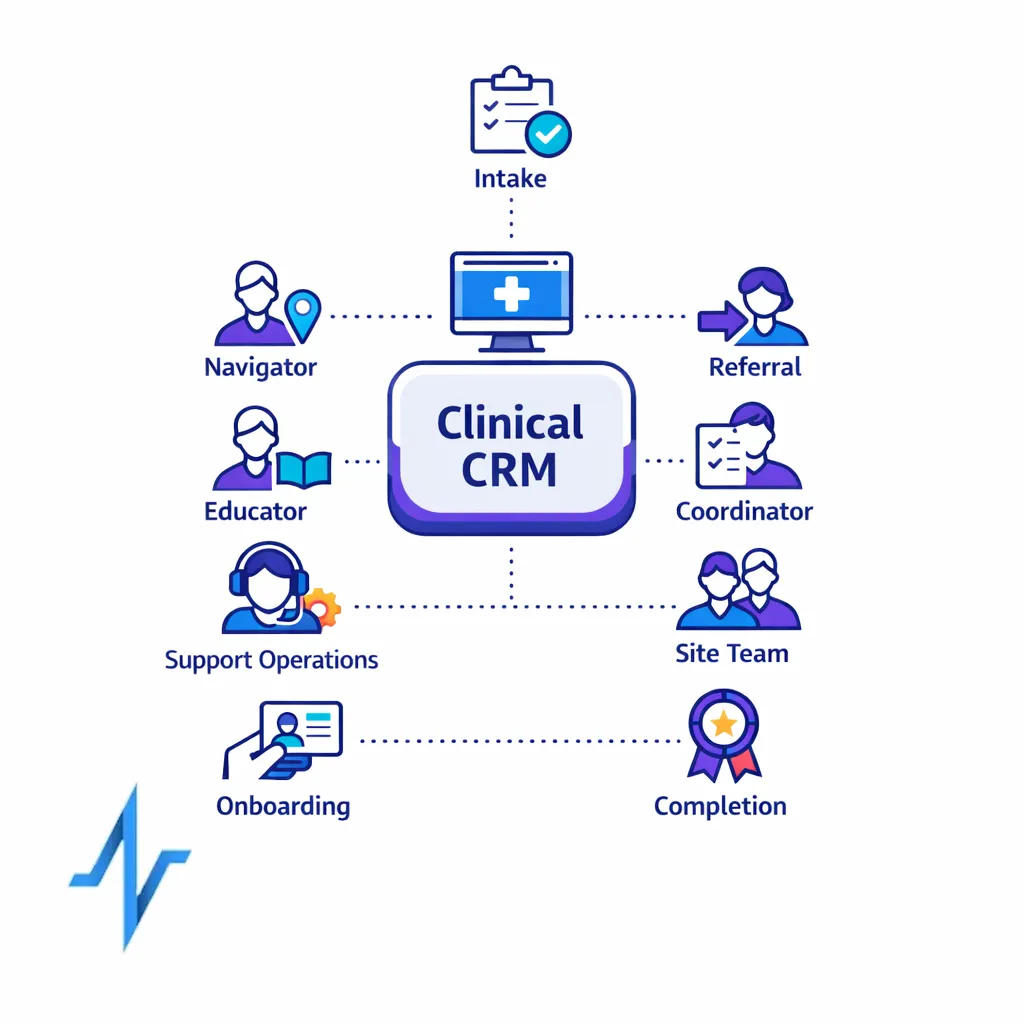
A clinical CRM matters to commercial teams when brand success depends on what happens after awareness. That includes specialty therapy onboarding, patient education and sign-up flows, referral coordination, site support, reimbursement assistance, and service-driven retention.
In those models, the key question is not only “Who is the HCP?” but also “What happened next?” Commercial teams often need visibility into enrollment steps, referral status, site readiness, patient drop-off points, and service completion. A clinical CRM can be strong when the journey is operational, longitudinal, and cross-functional.
What is a pharmaceutical CRM?
Core purpose for brand, field, medical, and market access teams
A pharmaceutical CRM, or pharma CRM, is built for commercial execution in life sciences. Its center of gravity is HCP and account engagement: targeting, segmentation, field activity, territory planning, approved content sequencing, suppression logic, channel coordination, and measurement.
In practice, a pharmaceutical CRM becomes the system of action for the brand team, field reps, inside teams, digital marketing, and often market access or medical users working under defined governance. It functions as a commercial CRM and, in many organizations, as the core HCP engagement platform for turning strategy into trackable execution.
Why compliance and HCP orchestration are central
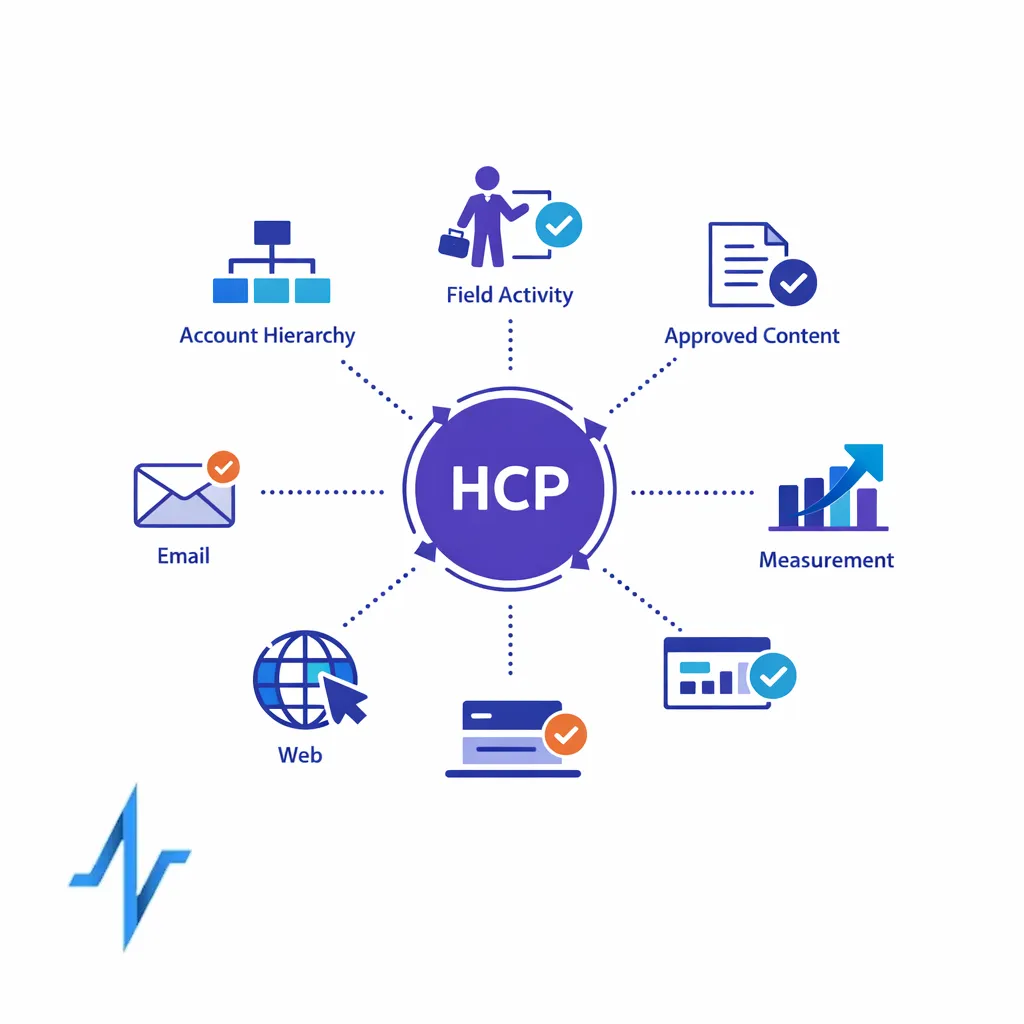
Commercial teams need more than contact management. They need rules for who can be contacted, by which team, through which channel, with which message, and with what evidence left behind for review, optimization, and audit.
That is why the best pharmaceutical CRM decisions are really orchestration decisions. The platform has to connect identity, consent and preferences, field activity, approved content, downstream measurement, and escalation paths when an interaction surfaces a safety issue that may require postmarketing reporting under 21 CFR 314.80.
Clinical CRM vs pharmaceutical CRM: key differences
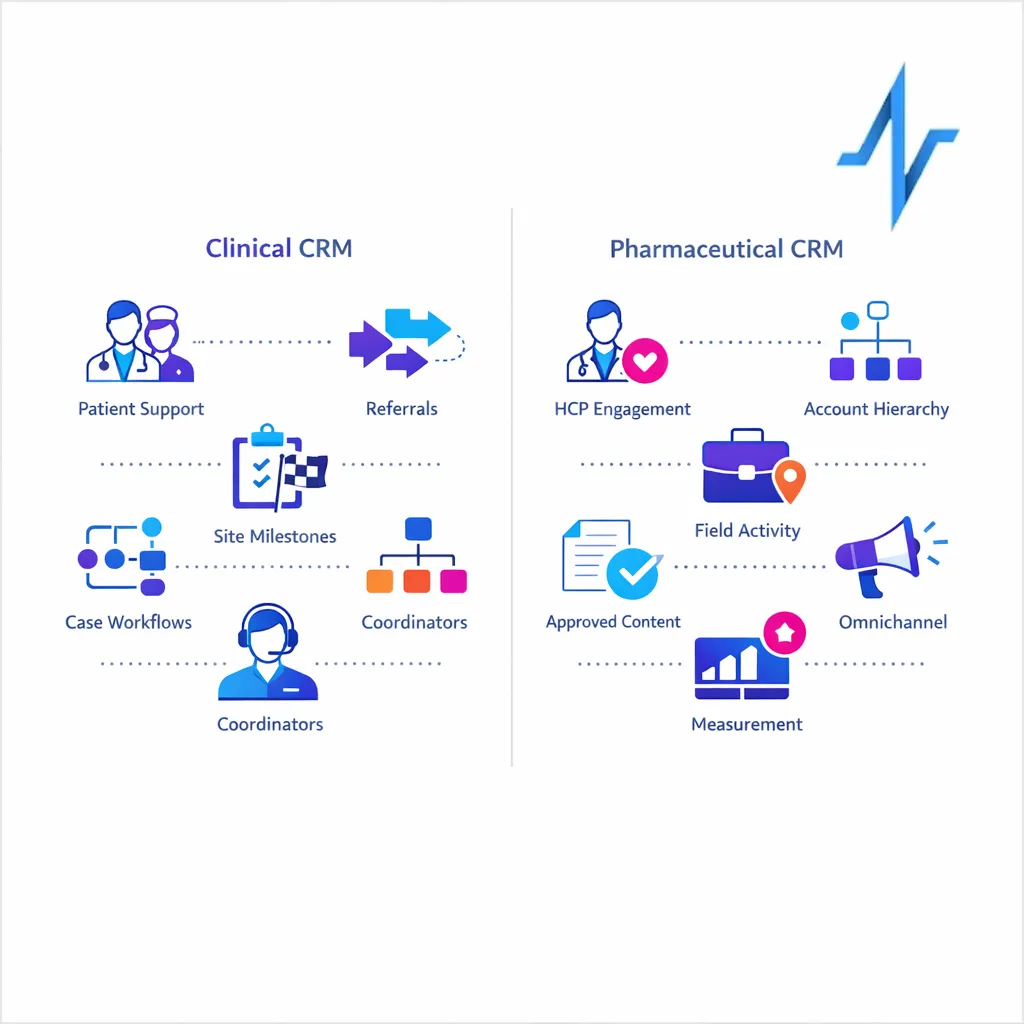
Clinical CRM is usually optimized for patient support teams, navigators, educators, care coordinators, referral managers, site teams, or access services. Commercial users may participate, but they are often one stakeholder among many.
Pharmaceutical CRM is optimized for brand, field, omnichannel, sales ops, marketing ops, and commercial leadership. Medical and market access teams may share data or workflows, but the core operating model is commercial planning and execution.
Primary users
Data model and records managed
Clinical CRM typically centers on patients, referrals, sites, service events, milestones, cases, and status-driven workflows. It may also need relationships among HCPs, offices, caregivers, pharmacies, and support vendors.
Pharmaceutical CRM usually centers on HCPs, accounts, affiliations, territories, segments, consent states, content exposure, engagement history, and channel response. The record model is built for targeting, orchestration, and measurement instead of care coordination.
Workflows and automations
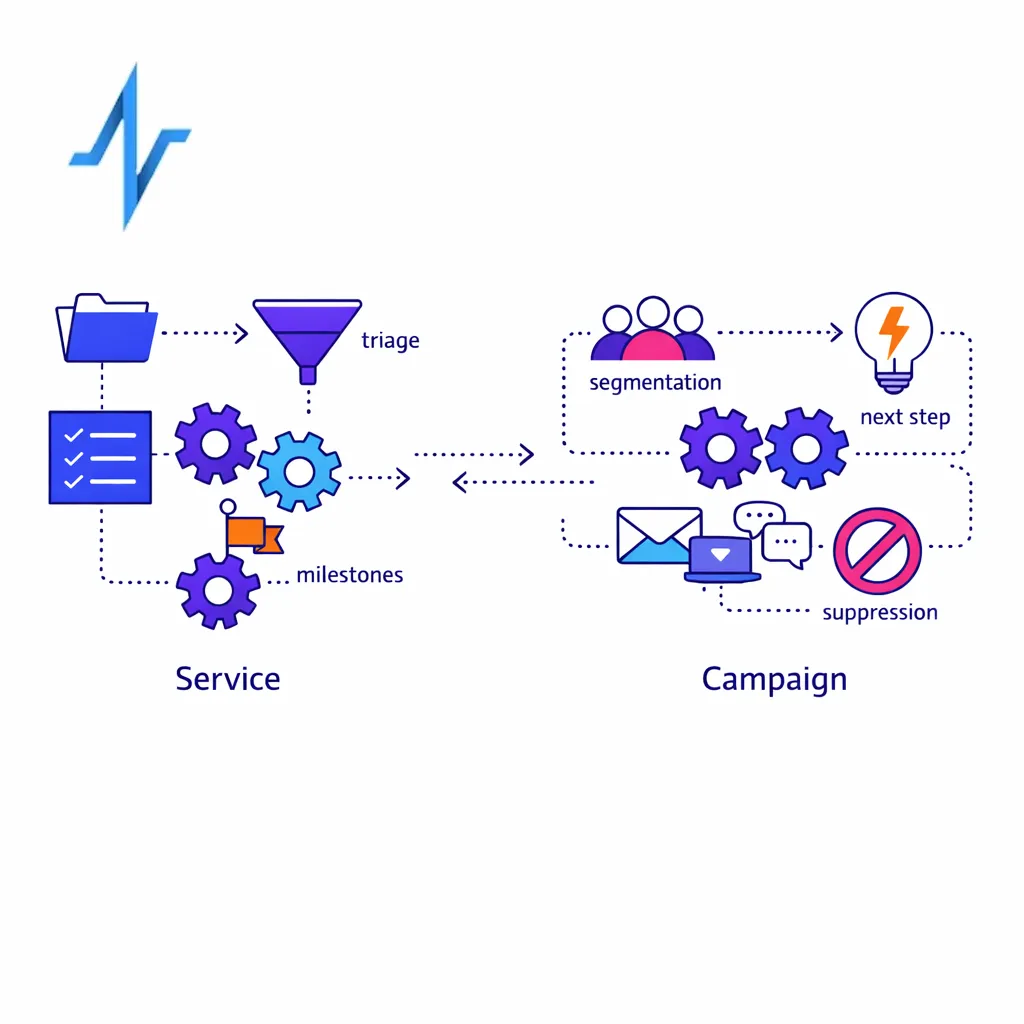
Clinical CRM automations are usually event-driven and service-oriented: intake, triage, referral routing, benefits investigation, onboarding tasks, reminder sequences, and handoffs across internal and external teams.
Pharmaceutical CRM automations are usually campaign-driven and promotion-aware: next-best action, rep tasking, cadence logic, suppression rules, audience activation, follow-up triggers, and channel sequencing across field, email, web, media, and service teams.
Compliance, governance, and audit needs
Both models need governance, but the risk profile is different. Clinical CRM decisions are shaped by patient privacy, case handling, and operational continuity. Pharmaceutical CRM decisions are shaped by promotional controls, HCP transparency, territory and access rules, and auditable commercial activity.
When a single program spans both sides, the wrong data model creates friction fast. A commercial CRM can struggle to manage case-like patient journeys, while a clinical CRM can struggle to manage segmentation, brand logic, and scaled omnichannel rules without heavy customization.
Channels and engagement goals
Clinical CRM is designed to move people through an operational journey. Success looks like completed referrals, activated sites, enrolled patients, closed support tasks, and fewer handoff failures.
Pharmaceutical CRM is designed to move audiences through an engagement journey. Success looks like better reach, frequency, relevance, orchestration, and measurable lift in commercial performance across HCP and account segments.
Which fit is better for commercial teams?
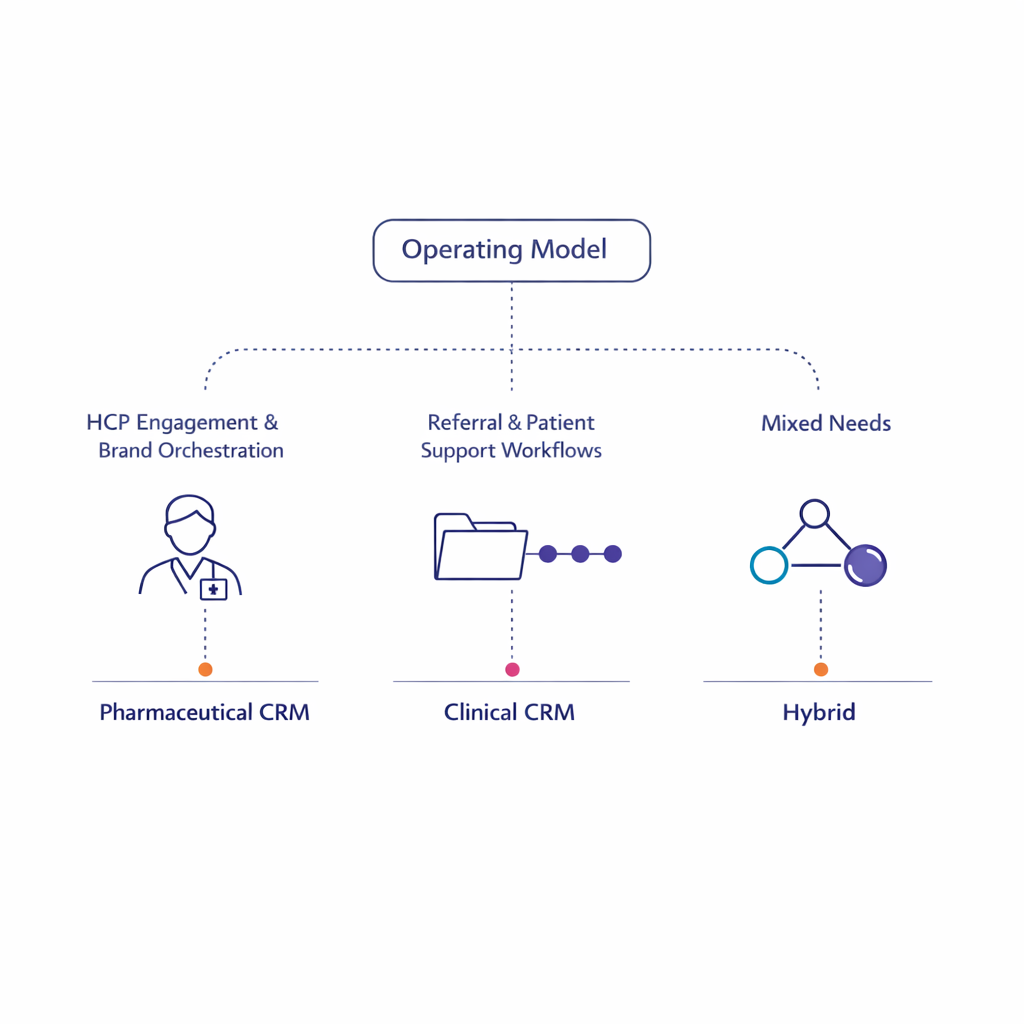
If the primary job is HCP engagement, a pharmaceutical CRM is usually the better fit. Commercial teams need account hierarchies, segmentation, field coordination, content control, frequency management, and reporting that ties engagement back to brand objectives.
A clinical CRM can store HCP relationships, but that does not make it a strong commercial orchestration layer. If the system was designed for service workflows first, commercial teams often end up bolting on audience logic and channel controls that should have been native.
HCP engagement
Patient support programs
If the primary job is running patient support or service operations, a clinical CRM often fits better. It is better suited to step-based journeys, status tracking, callbacks, outreach tasks, and cross-functional coordination tied to individual service milestones.
But many pharma programs are not purely clinical or purely commercial. A brand may need compliant patient education and sign-up experiences, plus identity resolution, channel measurement, and HCP-triggered follow-up. That is where a hybrid approach becomes more realistic than forcing one team to live in the other team’s system.
Omnichannel orchestration
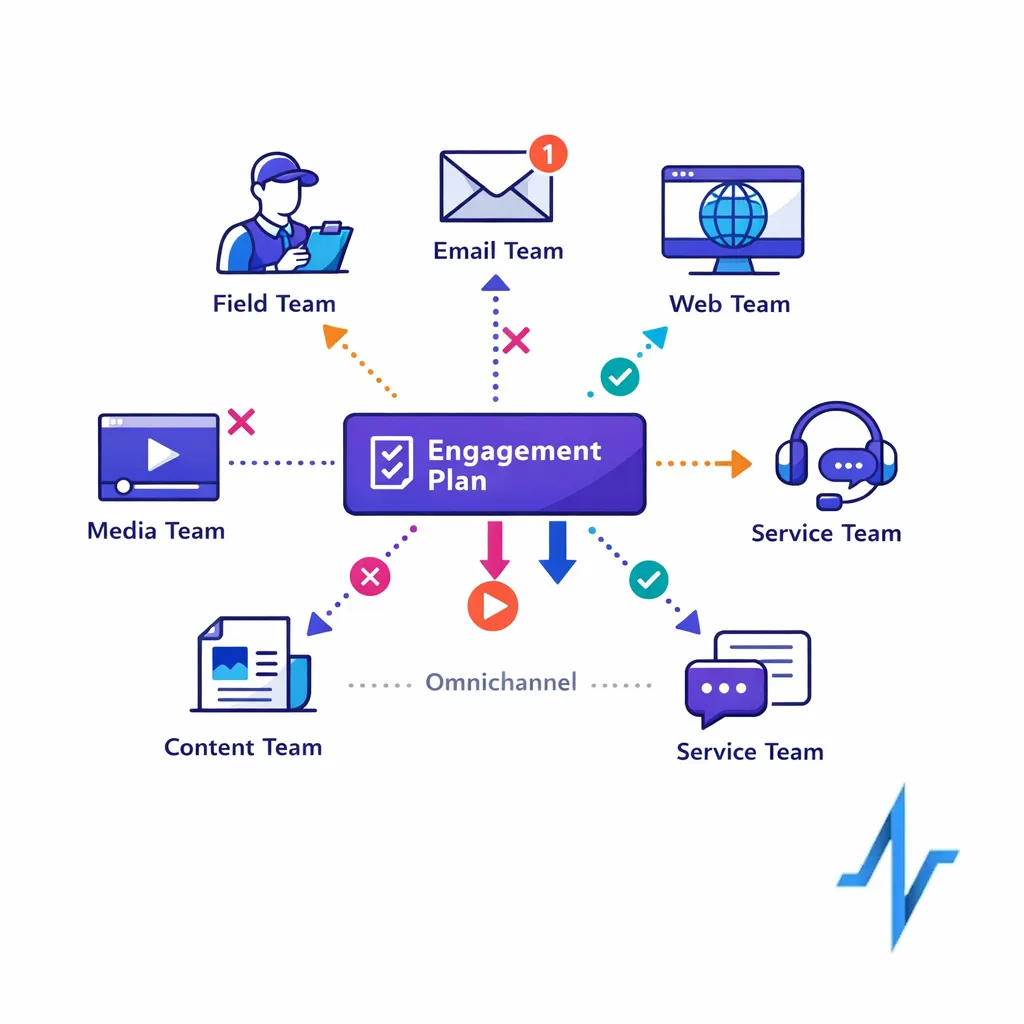
For omnichannel commercial execution, pharmaceutical CRM usually wins. The commercial stack needs audience logic, cross-channel sequencing, measurement, suppression, and a shared view of engagement across brand, field, and partner programs.
Clinical CRM can contribute important signals, especially when patient progress or site readiness should change who gets engaged and when. But it is usually stronger as a connected source of operational truth than as the primary orchestration engine for brand activity.
Referral and site engagement crossover
This is the area where teams most often get stuck. Referral and site workflows can look “clinical,” but commercial teams still need account intelligence, coverage logic, content governance, and measurement. If your program depends on both, treat the decision as a hybrid architecture problem from the start.
In practical terms, that usually means choosing one system as the engagement hub and another as the service or workflow system, with clean identity, event, and reporting connections between them. Trying to make one platform do everything usually creates slower launches and weaker adoption.
Feature comparison grid
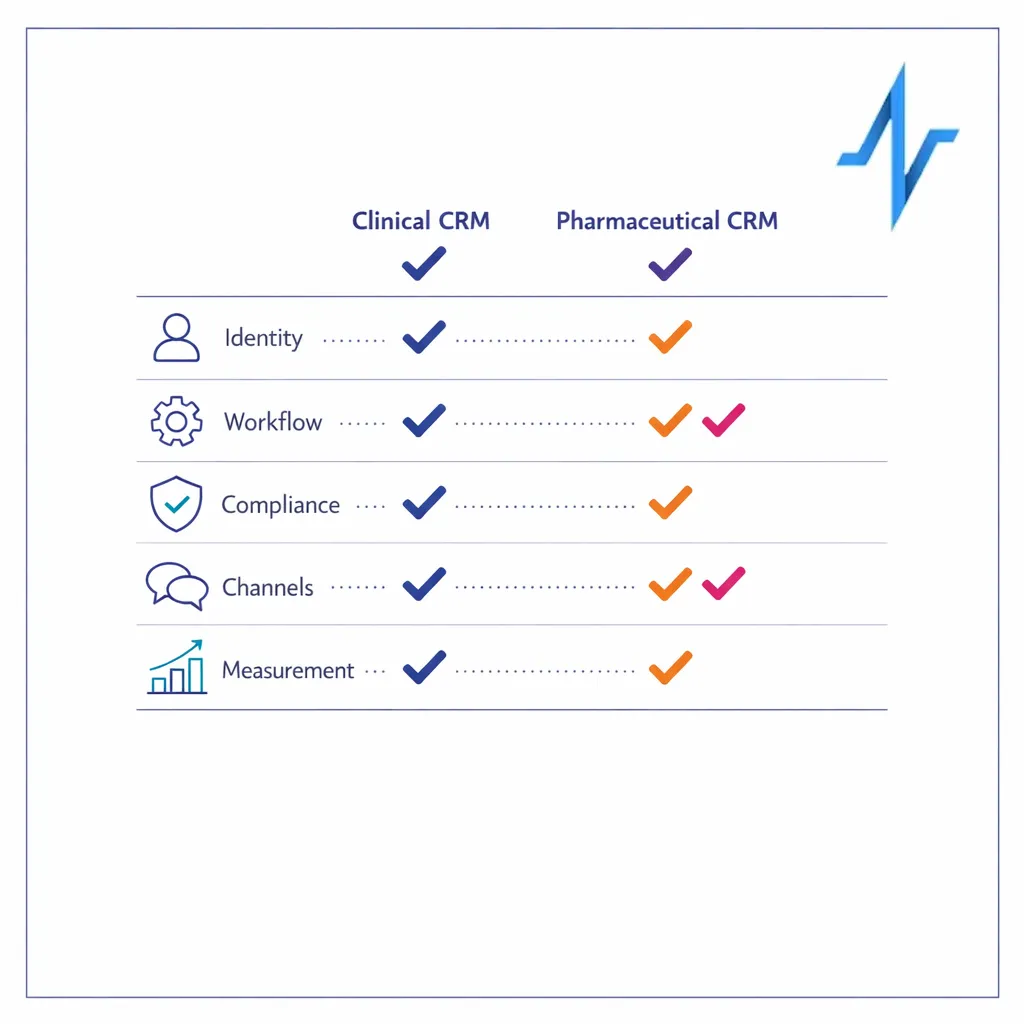
Identity and account model
- Clinical CRM: Stronger for patient, referral, site, and case relationships.
- Pharmaceutical CRM: Stronger for HCP identity, account hierarchies, affiliations, territories, and segmentation.
- Hybrid requirement: A shared identity layer so service events and commercial engagement can be connected without duplicating records.
Workflow engine
- Clinical CRM: Best for intake, triage, milestones, task queues, and longitudinal case management.
- Pharmaceutical CRM: Best for campaigns, field calls, next-best action, and omnichannel cadence logic.
- Hybrid requirement: Event triggers that let operational milestones change commercial journeys and vice versa.
Compliance controls
- Clinical CRM: Better when the program revolves around sensitive patient workflows and service governance.
- Pharmaceutical CRM: Better when the program revolves around promotional controls, HCP transparency, and auditable commercial execution.
- Hybrid requirement: Clear data boundaries, role-based access, and escalation paths for privacy and safety events.
Channels and content
- Clinical CRM: Stronger for service notifications, reminders, and guided outreach tied to case status.
- Pharmaceutical CRM: Stronger for approved-content delivery, rep follow-up, email, web, media, and orchestrated HCP engagement.
- Hybrid requirement: Shared rules so a patient or site event can inform timing without exposing unnecessary sensitive data.
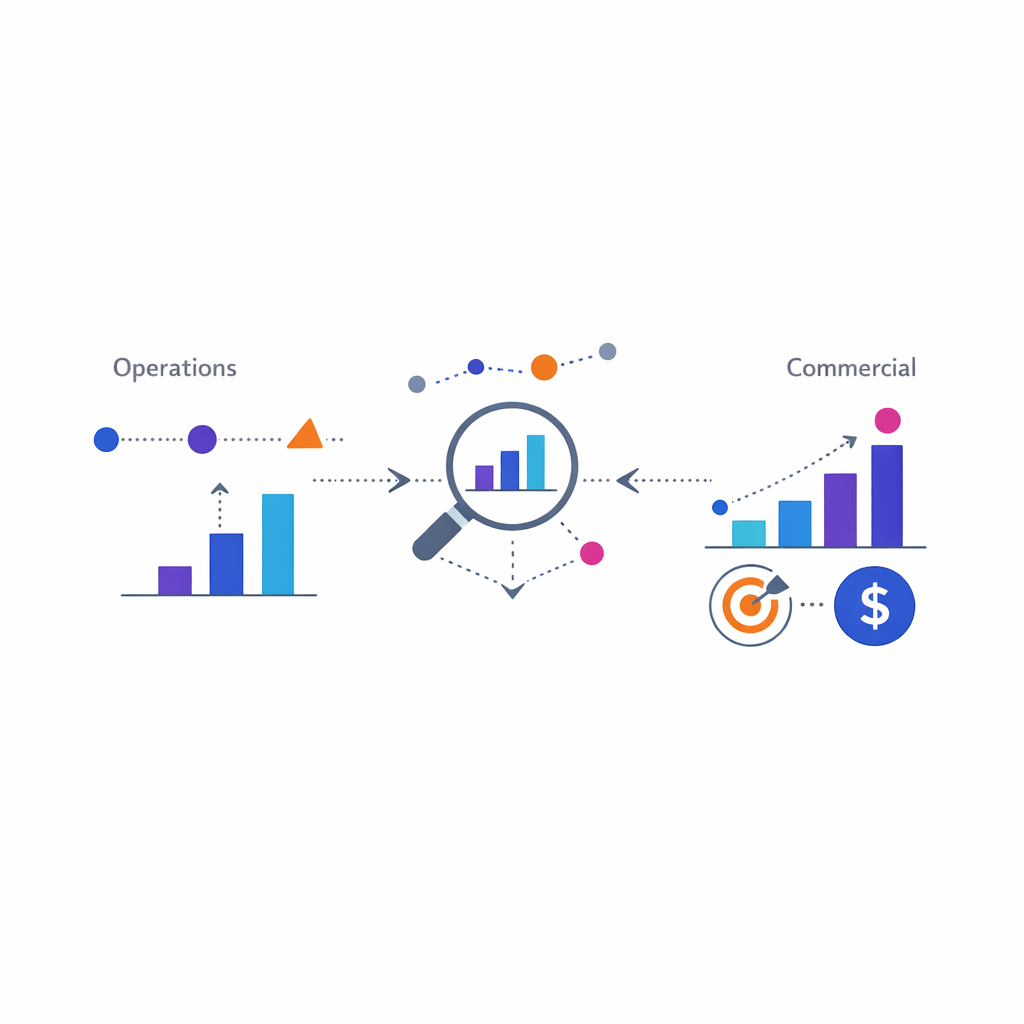
Measurement
- Clinical CRM: Measures completion, throughput, timeliness, dropout, and service outcomes.
- Pharmaceutical CRM: Measures reach, engagement, channel performance, field productivity, and commercial lift.
- Hybrid requirement: A measurement model that connects operational milestones to brand performance without confusing correlation with causation.
Short answers buyers often ask
What is a clinical CRM?
A clinical CRM is a relationship and workflow platform used around care-adjacent programs such as referrals, site activation, patient navigation, education, or support services. It is designed to manage operational journeys, not just marketing or sales interactions.
What is CRM in pharma?
In pharma, CRM usually means a life sciences commercial platform used to manage HCP and account data, field activity, approved engagement, orchestration, and measurement. It is a commercial CRM with life sciences-specific governance rather than a generic contact database.
What are the 4 types of CRM?
A useful working model is four types: operational CRM, analytical CRM, collaborative CRM, and strategic CRM. In life sciences, pharmaceutical CRM usually leans operational and collaborative, while clinical CRM often adds deeper service workflow capability.
What type of CRM is used in the pharmaceutical industry?
For commercial teams, the answer is usually a pharmaceutical CRM or broader life sciences CRM built for HCP engagement. Teams with large patient service, referral, or site operations often add clinical CRM capabilities or connect a service workflow system to the core commercial stack.
How to evaluate CRM fit in life sciences
Questions to ask vendors
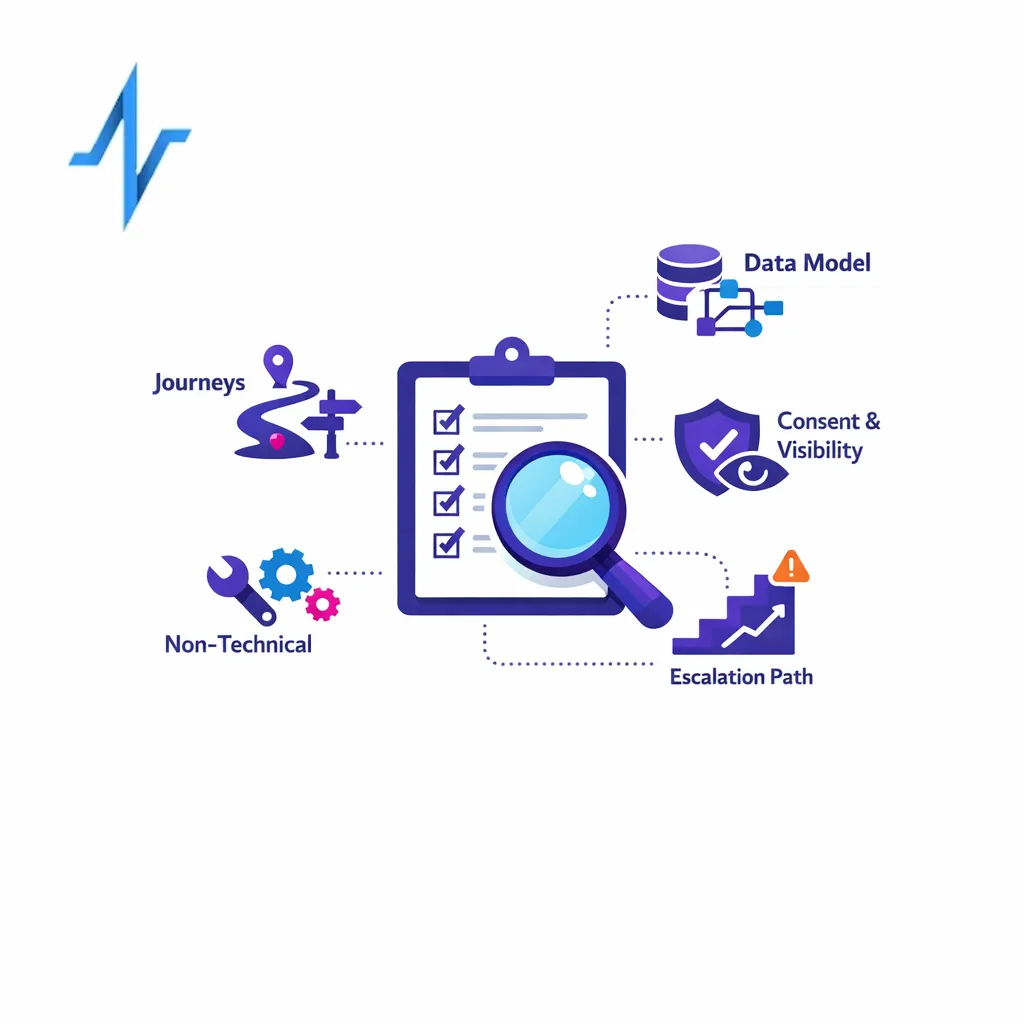
- What is the native data model: HCPs and accounts, or patients and cases?
- Which journeys are first-class objects in the product: calls and campaigns, or referrals and milestones?
- How does the platform handle consent, preferences, suppression, and role-based visibility?
- What is the escalation path when an interaction surfaces a privacy, medical information, or safety issue?
- Can non-technical users adjust audience logic, workflows, and reporting without a major services dependency?
Integration requirements
The CRM decision is rarely just a CRM decision. Commercial teams should map the systems that must connect on day one: identity resolution, data warehouse, marketing automation, content or MLR workflow, analytics, field tools, patient support systems, and any EHR or referral data source that matters to the program.
The most important design question is where truth lives for each object. If HCP identity, patient status, consent state, and engagement history live in different places, define system-of-record ownership early. That prevents duplicate outreach, broken reporting, and manual reconciliation later.
Implementation and change management
Fit is not just about features. It is also about who will adopt the system, how often they will use it, and whether the workflows match how teams actually work. A commercial-first team will resist a case-management user experience. A service-first team will resist a field-centric interface built around calls and targets.
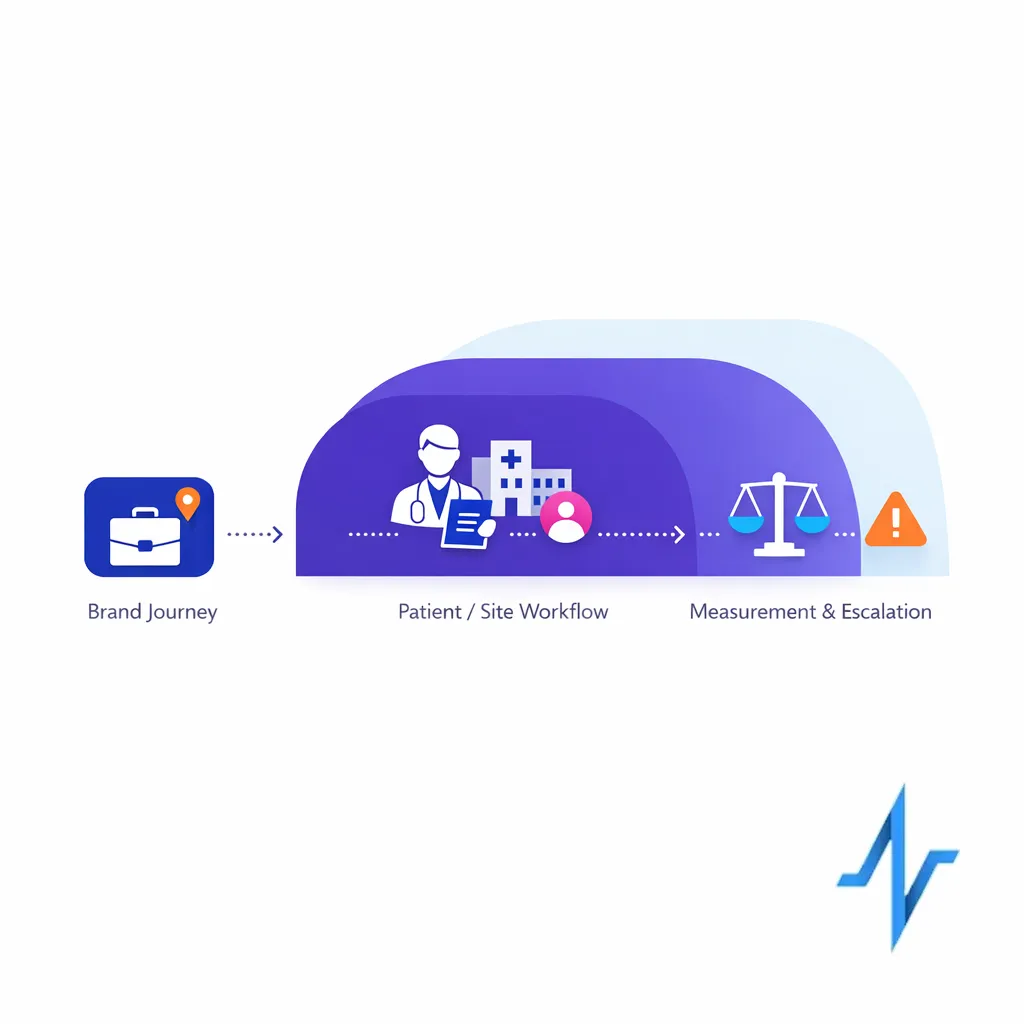
Start with a narrow but cross-functional use case. For example, connect one brand journey, one patient or site workflow, one measurement model, and one escalation process. If that works cleanly, scale outward rather than trying to transform every team at once.
Common mistakes when selecting a life sciences CRM
- Using “CRM” as if it means one thing. In life sciences, the difference between relationship management for service operations and relationship management for commercial orchestration is material.
- Buying for today’s org chart instead of tomorrow’s workflow. Patient services, brand, field, and data teams increasingly share journeys even when they report into different functions.
- Overweighting demo breadth. A platform that can do everything in a demo may still be weak at the one journey that matters most in production.
- Ignoring the operating model. If approvals, handoffs, and escalation paths are unclear, the software will not fix that.
- Treating integration as a later phase. In life sciences, identity, governance, and measurement are part of the initial architecture, not a cleanup project.
- Choosing generic CRM terminology over life sciences reality. A generic commercial CRM can miss regulated workflow needs, while a clinical CRM can miss the mechanics of HCP engagement and omnichannel execution.
Final recommendation framework
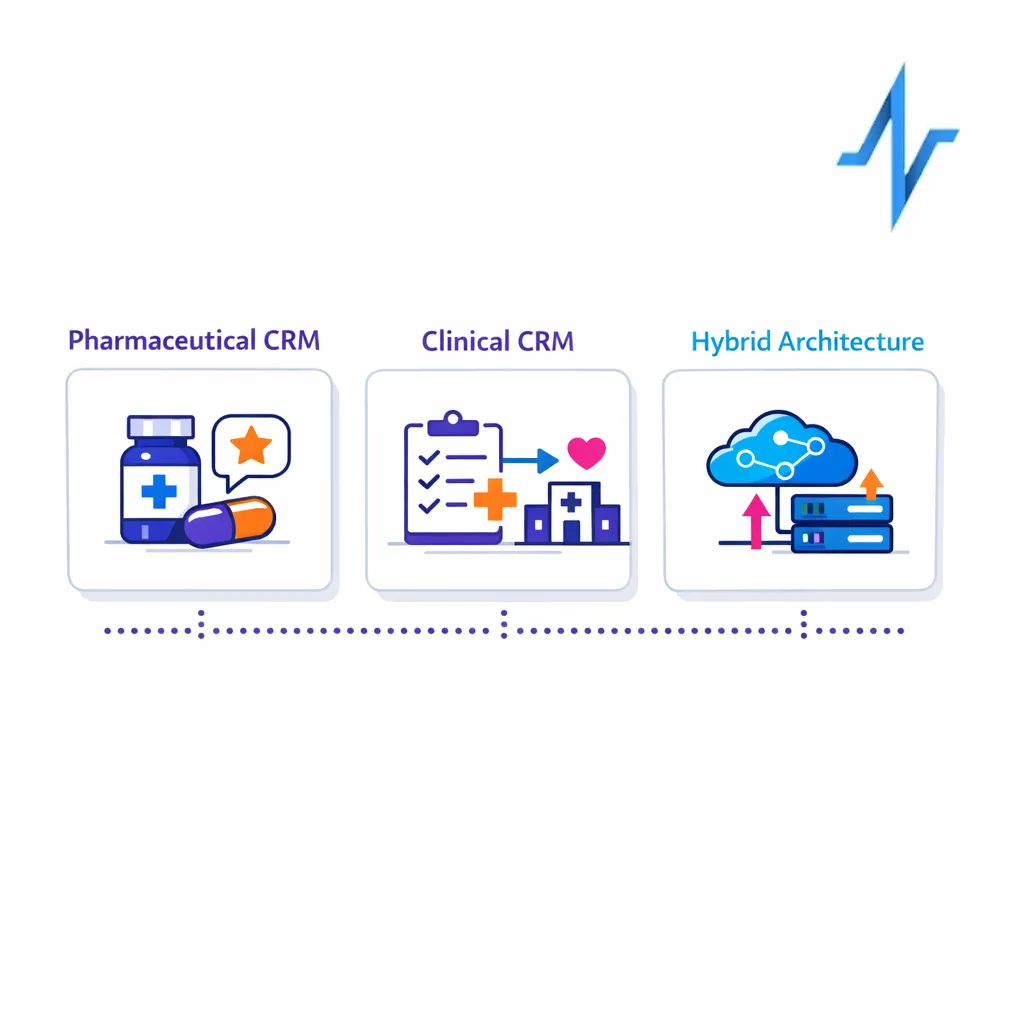
Choose a pharmaceutical CRM first if your main objective is HCP engagement, field execution, brand orchestration, compliant content sequencing, and commercial measurement. That is the usual answer for brand teams, omnichannel leads, and commercial ops.
Choose a clinical CRM first if your main objective is referral management, site activation, patient onboarding, service coordination, or longitudinal case-like workflows. That is more common when support operations are the heart of the program and commercial engagement is secondary.
Choose a hybrid architecture if commercial performance depends on both HCP orchestration and operational follow-through. This is often the right answer for specialty therapies, complex patient programs, access-heavy brands, and any model where referral or patient milestones should change who gets engaged next.
- Best fit for commercial teams: pharmaceutical CRM when the center of gravity is HCP engagement.
- Best fit for service-led programs: clinical CRM when the center of gravity is referrals, sites, or patient workflow.
- Best fit for modern life sciences growth: a connected model when both engagement and operational outcomes drive performance.
Request a Demo
If your team is trying to connect HCP engagement, patient programs, identity, measurement, and orchestration without forcing a clinical system to behave like a commercial platform, Pulse Health is worth a closer look. You can request a demo to see how a commercial-first approach can support compliant life sciences workflows while keeping execution practical for brand, omnichannel, and ops teams.
If you are earlier in the buying process, you can also book a consultation, talk to Pulse Health, explore integrations, see how it works, or get the platform overview to compare fit against your current stack and operating model.