
Pharmaceutical industry marketing is crucial for promoting new drugs and healthcare solutions. Drug companies are key players in pharmaceutical industry marketing and must adapt their strategies to effectively connect with healthcare professionals and patients. This article details effective strategies to engage healthcare professionals, utilize data, and create comprehensive marketing plans. Understanding these strategies will help you succeed in the competitive pharmaceutical market.
Key Takeaways
- Pharmaceutical marketing success relies on a deep understanding of healthcare professionals and integrating omnichannel strategies for consistent engagement.
- Data analytics plays a critical role in identifying trends, optimizing marketing strategies, and personalizing outreach to enhance campaign effectiveness.
- Compliance with regulatory requirements and a focus on personalized communication are essential for fostering trust and improving patient engagement in the pharmaceutical marketing landscape.

Understanding Pharmaceutical Marketing
Pharmaceutical marketing is a multifaceted discipline that aims to promote medications and healthcare solutions to key stakeholders, including patients and healthcare professionals (HCPs). The primary goals include creating scalable resources, precision insights, and actionable ideas to drive engagement and adoption of pharmaceutical products. The success of any pharmaceutical marketing strategy hinges on its ability to resonate with these target audiences and address their specific needs. What does pharmaceutical marketing entail?
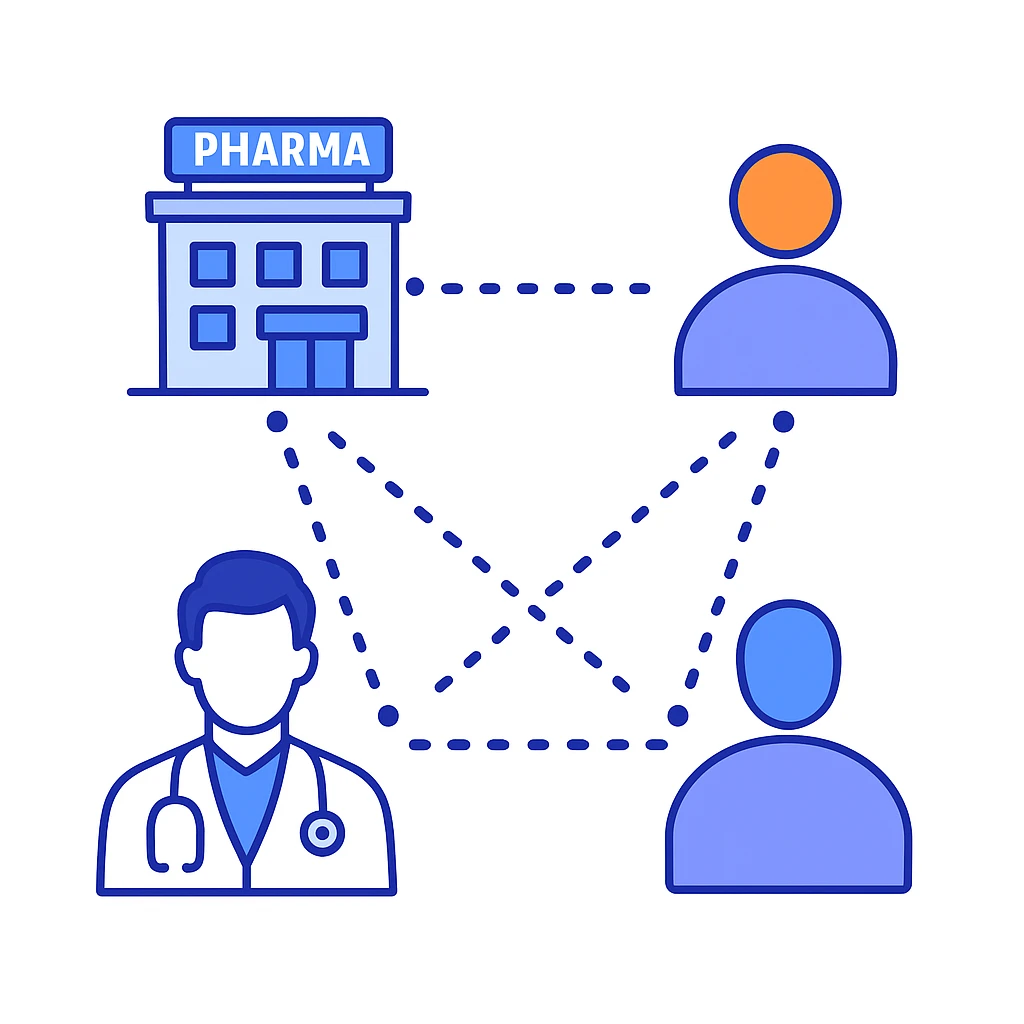
Healthcare professionals play a vital role in pharmaceutical marketing.
Their influence on patient treatment decisions makes them a key audience.
Engaging HCPs requires a deep understanding of their preferences and communication styles. Analytical, data-driven communications are highly appreciated by this group, which underscores the importance of incorporating robust data analytics into marketing strategies.
Key opinion leaders (KOLs) also play an essential role in shaping perceptions and opinions about pharmaceutical products.
Leveraging the influence of KOLs enhances pharmaceutical companies’ credibility and reach within the medical community.

Pharma companies are increasingly adapting their marketing and engagement strategies, especially through digital platforms, to strengthen relationships with healthcare professionals and respond to evolving industry challenges. Integrating various communication channels into a cohesive omnichannel marketing strategy is increasingly vital for effective engagement.

The shift from traditional multichannel marketing to a comprehensive omnichannel approach addresses fragmentation and improves coordination.
This strategy ensures that all stakeholders, including consumers, HCPs, and payers, receive consistent and personalized messaging, leading to better engagement and outcomes.
The adaptation and effectiveness of promotional strategies within the pharmaceutical and life sciences industries are also influenced by the structure and cultural factors of different countries’ healthcare systems, which impact how digital channels are adopted and how interactions with HCPs are managed.
The Role of Data in Pharma Marketing
In today’s data-driven world, the role of data in pharmaceutical marketing cannot be overstated. Data analytics is crucial for identifying trends, enhancing campaign performance, and driving return on investment (ROI) in pharmaceutical marketing. Leveraging data allows pharmaceutical companies to make informed decisions, optimizing marketing strategies and improving effectiveness.
Real-time data usage allows pharmaceutical companies to swiftly adapt their strategies based on immediate feedback.
Agility in a competitive market allows for timely adjustments that can make a significant difference.
The integration capabilities of platforms like the Pulse Engagement Cloud enable the consolidation of multiple data sources, providing a unified view of healthcare professionals’ interactions with the brand.
Reliable data sources are crucial for effective AI implementation in pharmaceutical marketing, producing accurate insights that drive successful campaigns. By utilizing advanced analytics and predictive analytics models, pharmaceutical marketers can enhance targeting and personalization, ultimately leading to better engagement and outcomes through data driven decision making.
Building a Comprehensive Pharmaceuticals Marketing Plan
A comprehensive pharmaceuticals marketing plan helps navigate industry complexities and achieve marketing success. A well-structured plan helps pharmaceutical companies increase their market presence and effectiveness by clearly outlining goals, strategies, and actionable steps. Documenting these elements ensures that the marketing team stays on track and works cohesively towards common objectives in pharmaceutical marketing planning.
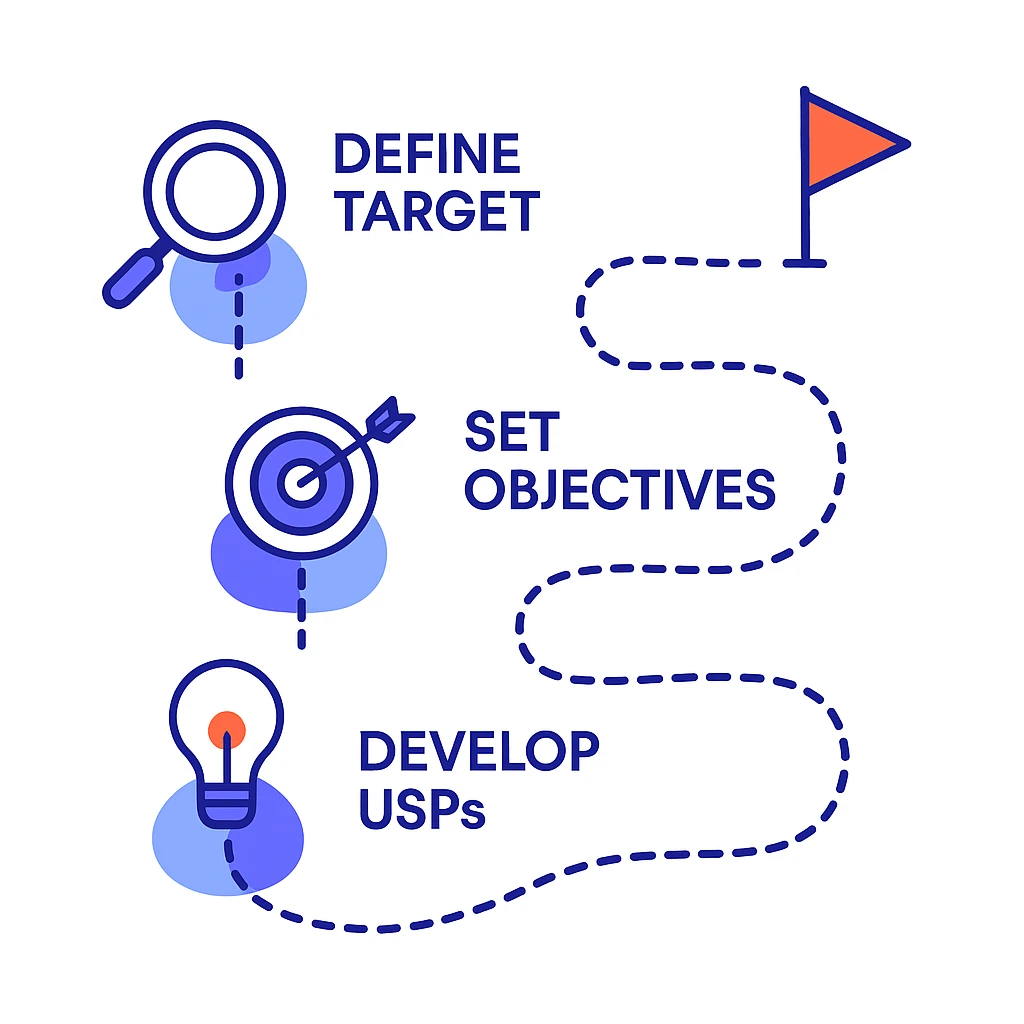
Key components of a successful marketing plan include defining the target audience, setting clear marketing objectives, and developing unique selling propositions (USPs) to attract potential customers.
Identifying and understanding the target market — such as specific healthcare providers and patient populations — enables companies to segment audiences and optimize marketing strategies based on their characteristics and behaviors.
These steps help tailor marketing efforts to resonate with specific audience segments and achieve commercial success.
Traditional marketing strategies, such as providing free samples, have long been used in the pharmaceutical industry to influence healthcare professional prescriptions, but are now complemented by digital approaches.
The following subsections will delve into each of these components in detail.
Define Your Target Audience
Identifying the target audience is a critical first step in developing an effective marketing strategy. Key aspects include:
- Market segmentation allows pharmaceutical companies to tailor their strategies to resonate with specific audience segments, ensuring that marketing efforts are focused and impactful.
- Conducting thorough market research helps understand the specific needs and preferences of different target audiences.
- This enables more precise targeting and messaging.

Tools like Pulse Health enable brands to precisely segment and target the right audiences, including hard-to-reach or previously unengaged healthcare professionals. Understanding the customer journey and key stakeholders allows pharmaceutical marketers to create personalized experiences, enhancing engagement and driving better outcomes.
Set Clear Marketing Objectives
Clear marketing objectives guide efforts and ensure contributions to overall business success. Aligning marketing goals with the company’s broader objectives ensures that marketing strategies are not only effective but also meaningful and impactful. This alignment is crucial for achieving measurable outcomes and demonstrating the value of marketing investments.
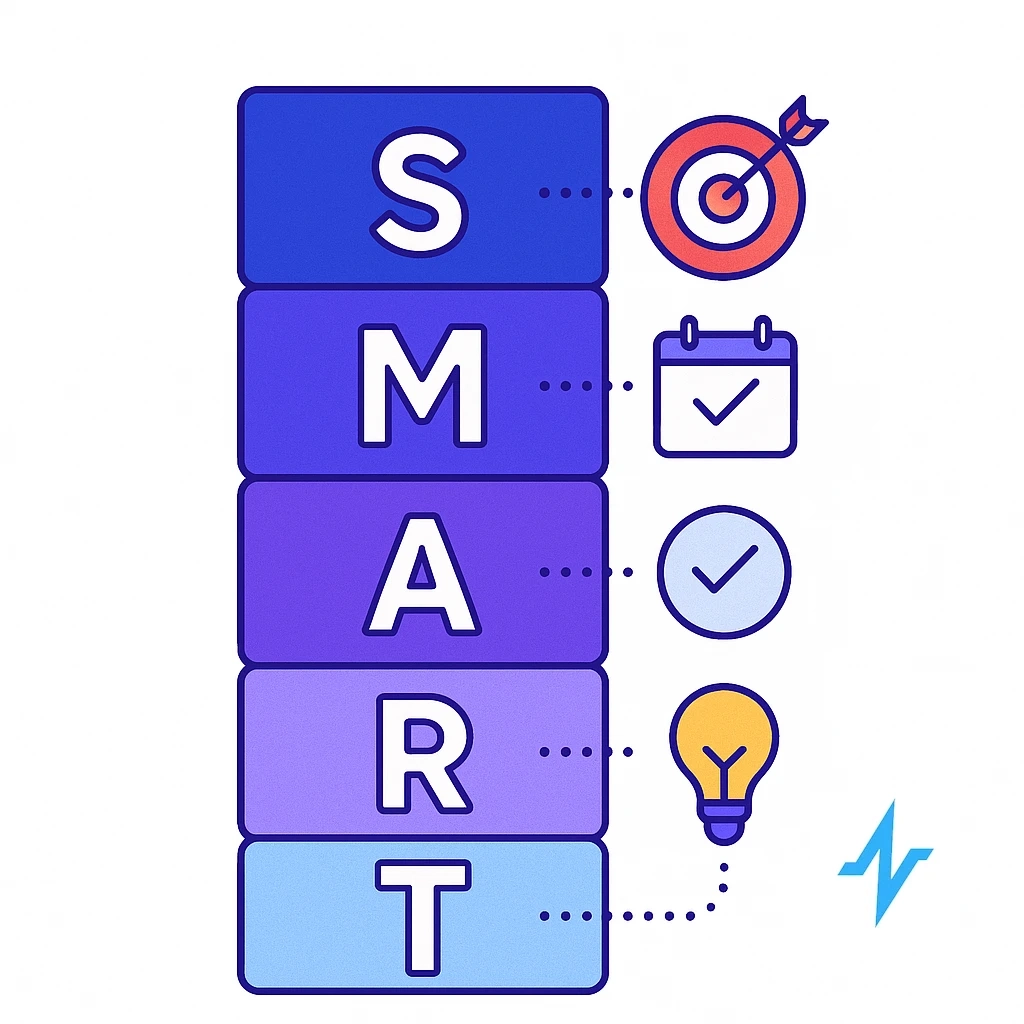
Using the SMART criteria — Specific, Measurable, Achievable, Relevant, and Time-bound — provides a structured approach to setting objectives.
Clear and attainable goals help marketing teams stay focused and motivated, ultimately leading to more effective and efficient marketing campaigns.
Clear objectives are essential for planning, executing, and evaluating a successful marketing campaign as part of the overall marketing strategy.
Develop Unique Selling Propositions (USPs)
In a saturated pharmaceutical market, developing Unique Selling Propositions (USPs) is essential for distinguishing products and capturing the attention of target audiences. USPs highlight the unique benefits and features of a product, making it stand out from competitors. Crafting compelling USPs requires a deep understanding of the market, customer needs, and the competitive landscape.
Emphasizing unique value propositions helps pharmaceutical companies create persuasive marketing messages that resonate with healthcare professionals and patients.
This differentiation is crucial for gaining a competitive advantage and driving successful marketing campaigns.
Well-crafted USPs not only differentiate products but also play a crucial role in driving pharmaceutical sales by appealing to both healthcare professionals and patients.
Leveraging Digital Marketing Platforms
The shift from traditional to digital marketing has revolutionized the pharmaceutical industry, providing new opportunities for engagement and growth. Key points include:
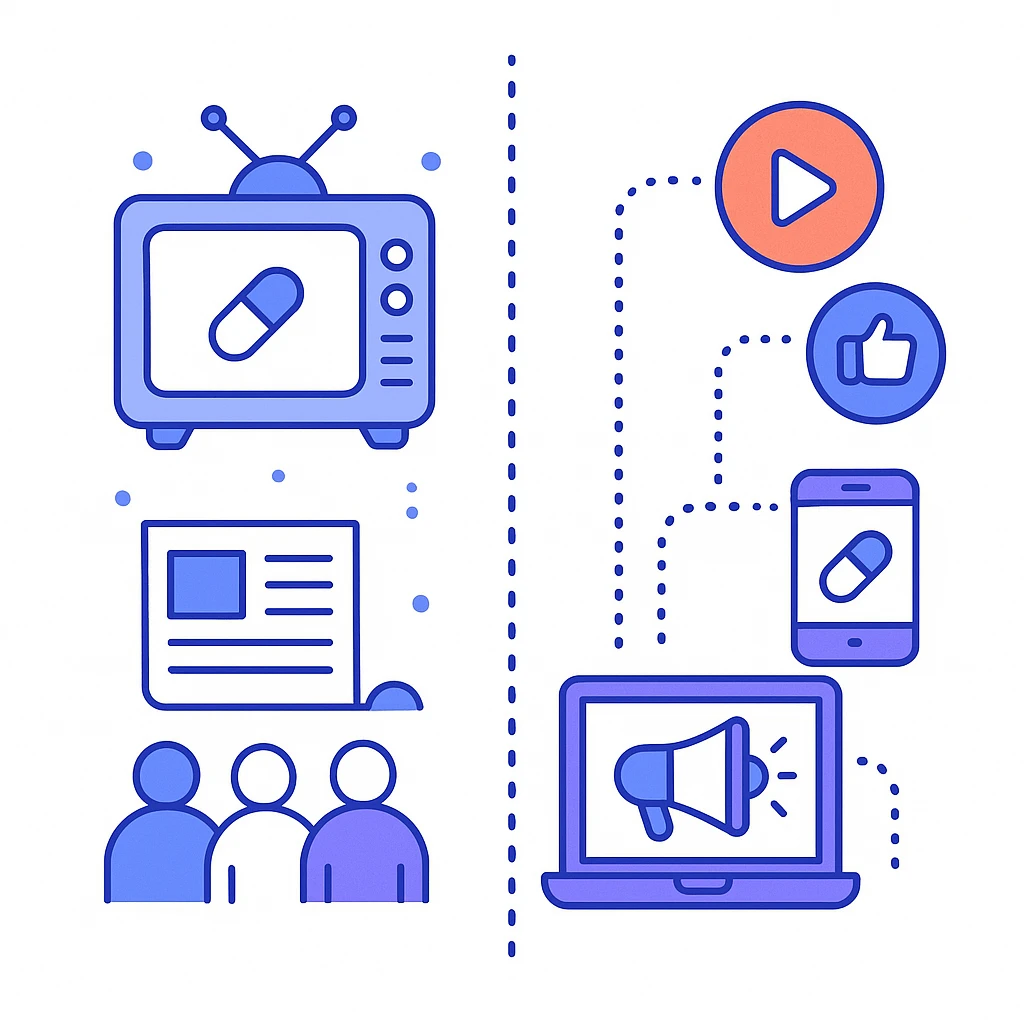
- Investing in digital marketing helps pharmaceutical firms enhance their brand reputation more effectively than traditional advertising methods.
- The recent trend in pharmaceutical advertising spending reflects a shift from TV advertising to digital channels.
- This shift highlights the growing importance of digital marketing platforms and digital technologies.
Pharmaceutical internet marketing agencies harness digital channels to reach target audiences effectively by:
- Utilizing frameworks like RACE — Reach, Act, Convert, Engage — to guide their effective pharma marketing strategies.
- Customizing communications to ensure healthcare providers receive relevant information quickly.
- Streamlining access to critical drug and treatment data for pharma brands.

Digital marketing platforms are also transforming the role of sales reps by enabling more targeted and data-driven interactions with healthcare professionals. Sales reps can now leverage digital tools to identify and engage high-prescribing doctors, personalize outreach, and adapt to the evolving challenges of pharmaceutical marketing in the digital age.
This approach not only improves engagement but also builds trust and credibility with HCPs through relationship building.
Social media platforms have become a powerful tool in pharmaceutical marketing, reducing costs, initiating dialogues, and building a positive brand image. The pandemic has accelerated the shift towards digital channels like emails and remote calls as preferred communication methods for HCPs, highlighting the importance of direct to consumer marketing.
Generative AI is also transforming customer engagement by enabling personalized content at scale and providing 24/7 support through AI-powered chatbots. Publishing regular blogs and optimizing content for search engines (search engine optimization) can significantly increase website traffic and showcase a pharmaceutical company’s expertise and product range. This holistic approach to digital marketing ensures consistent and personalized messaging across various platforms, enhancing overall marketing effectiveness.
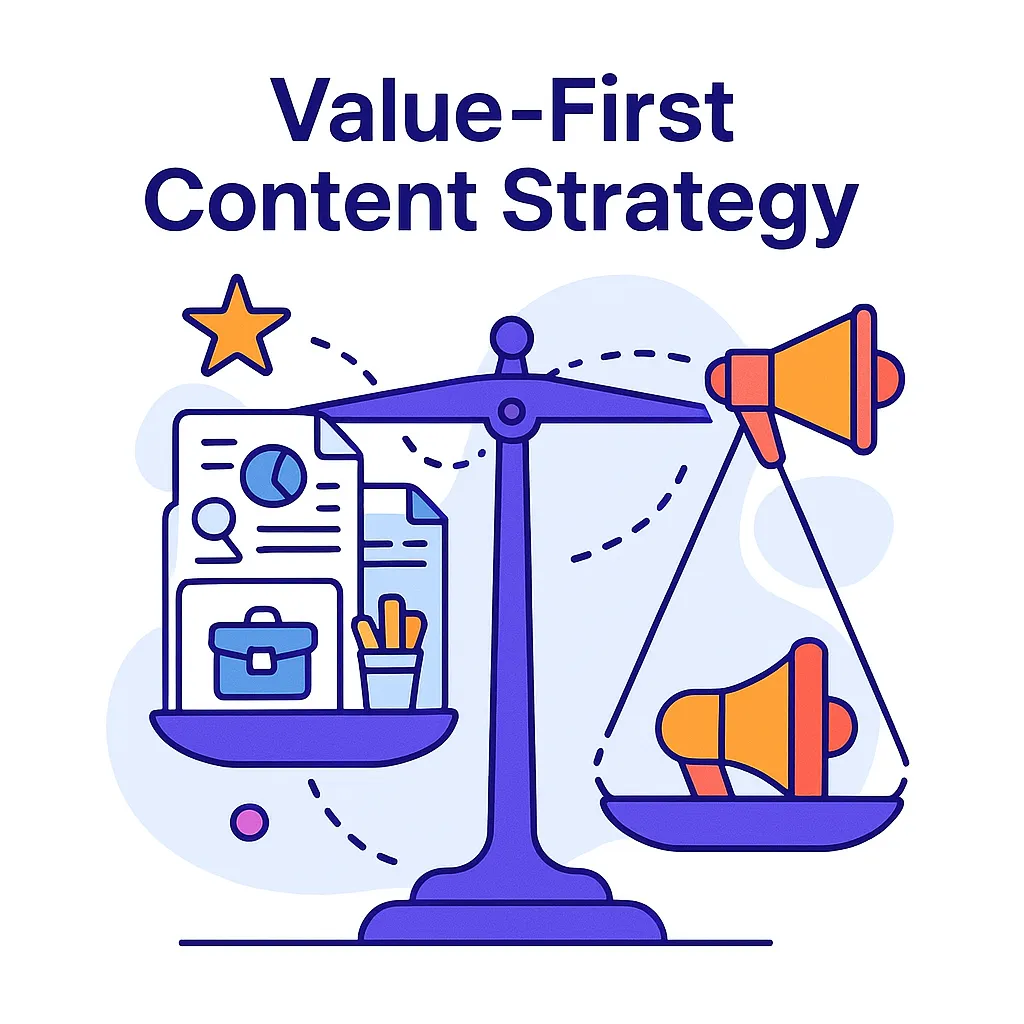
Utilizing Pulse Health’s Engagement Solutions
Pulse Health offers a centralized platform that streamlines marketing efforts and enhances engagement with healthcare partners and healthcare professionals (HCPs). By consolidating brand data and facilitating automation across various communication channels,
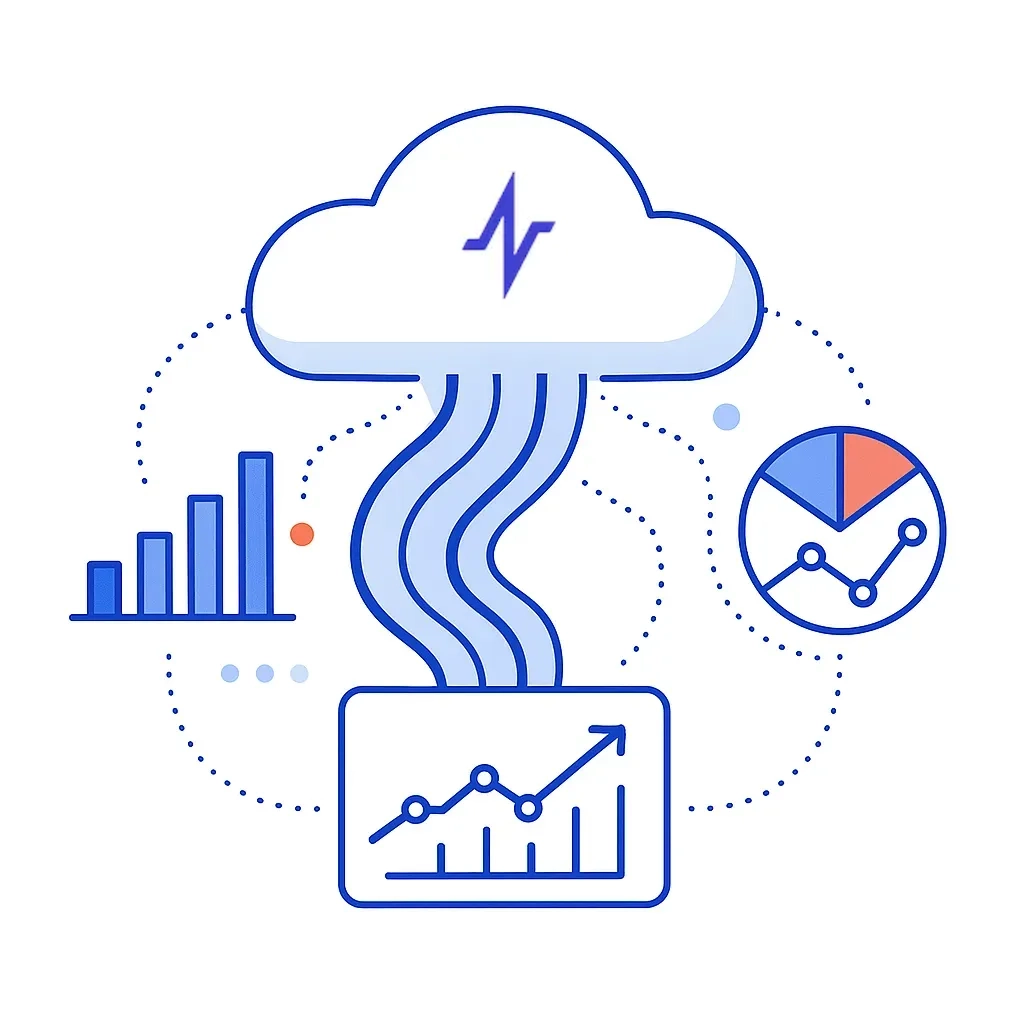
Pulse Health helps pharmaceutical companies deliver tailored messaging that resonates with their target audiences and health systems.
The platform also supports pharmaceutical sales representatives by optimizing their outreach and interactions with healthcare professionals, helping them effectively promote products and influence prescribing behavior.
The following subsections will explore the key features of Pulse Health’s engagement solutions, including the Pulse Engagement Cloud, real-time analytics and insights, and the certification program for marketers.
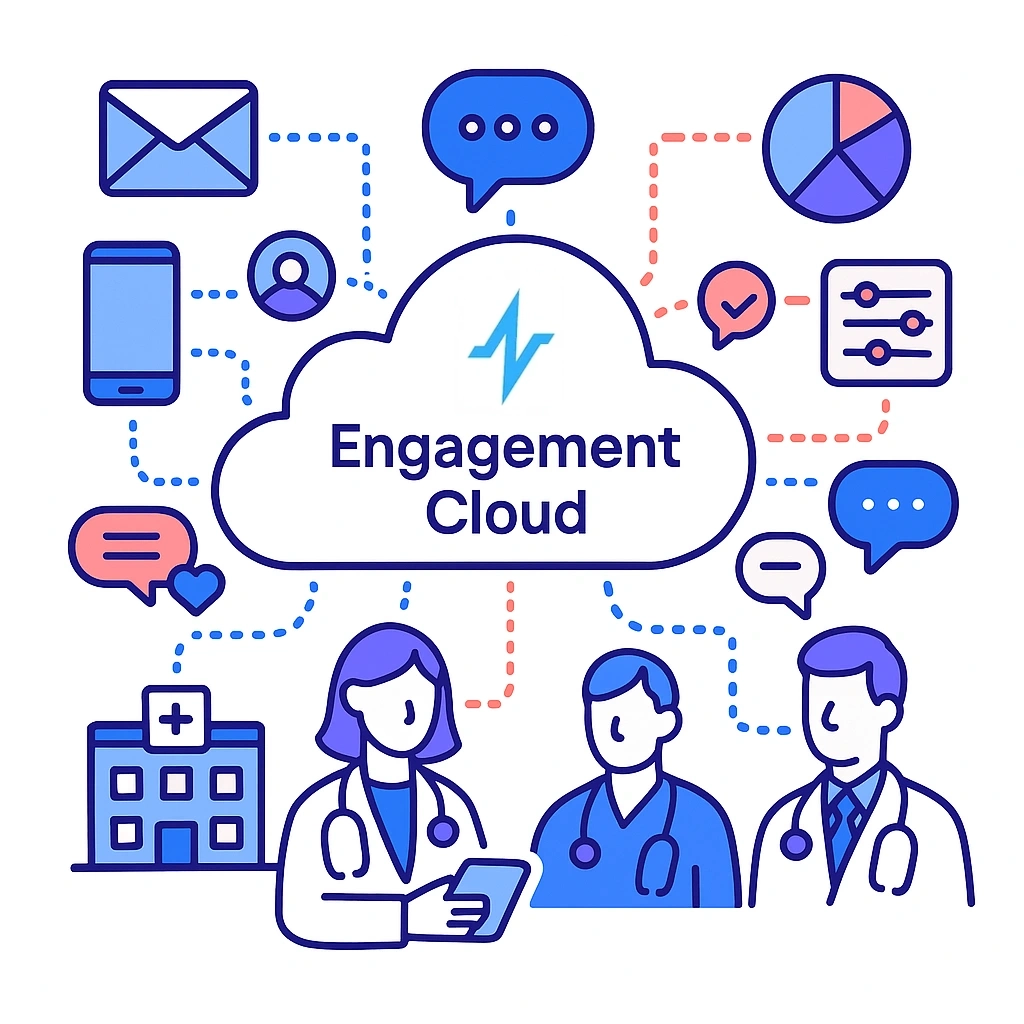
Pulse Engagement Cloud
The Pulse Engagement Cloud is a powerful tool for centralizing data and automating marketing efforts across various channels. Key features include:
- Cloud-based platform allowing pharmaceutical companies to provide tailored messaging
- Enhances engagement with healthcare professionals (HCPs)
- Access to over 1 million HCPs and 30 million opt-in patients
- Offers extensive reach and precise targeting capabilities
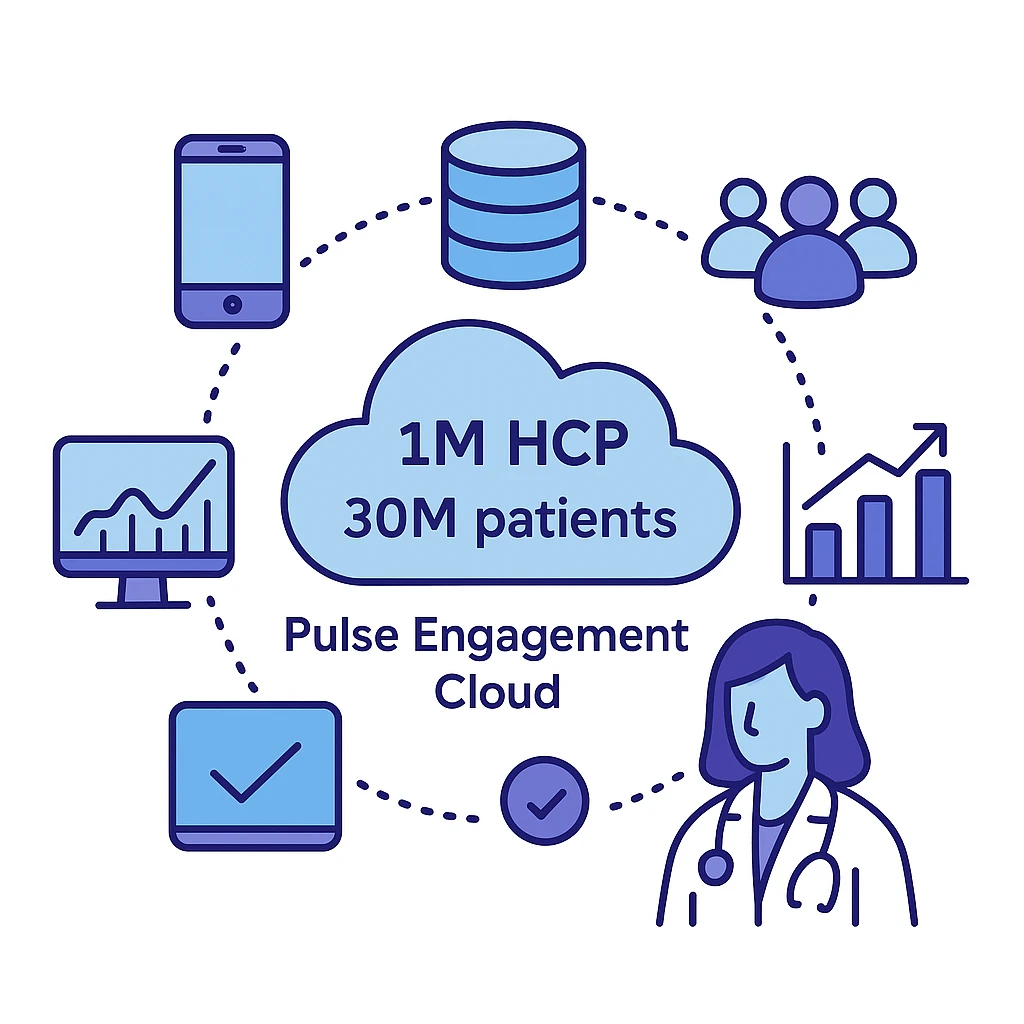
Pulse Health’s all-in-one solutions are designed to build and automate omnichannel campaigns, ensuring a cohesive approach to brand messaging. The Pulse Engagement Cloud allows pharmaceutical companies to connect with healthcare professionals and patients throughout a product’s lifecycle, driving better health outcomes.
Real-Time Analytics and Insights
Pulse Health’s analytics suite offers immediate visibility into campaign success and healthcare professional interactions, facilitating real-time adjustments for improved marketing outcomes. The ability to track campaign performance instantaneously enables marketers to make timely adjustments based on real-time data, optimizing their strategies and enhancing overall effectiveness.
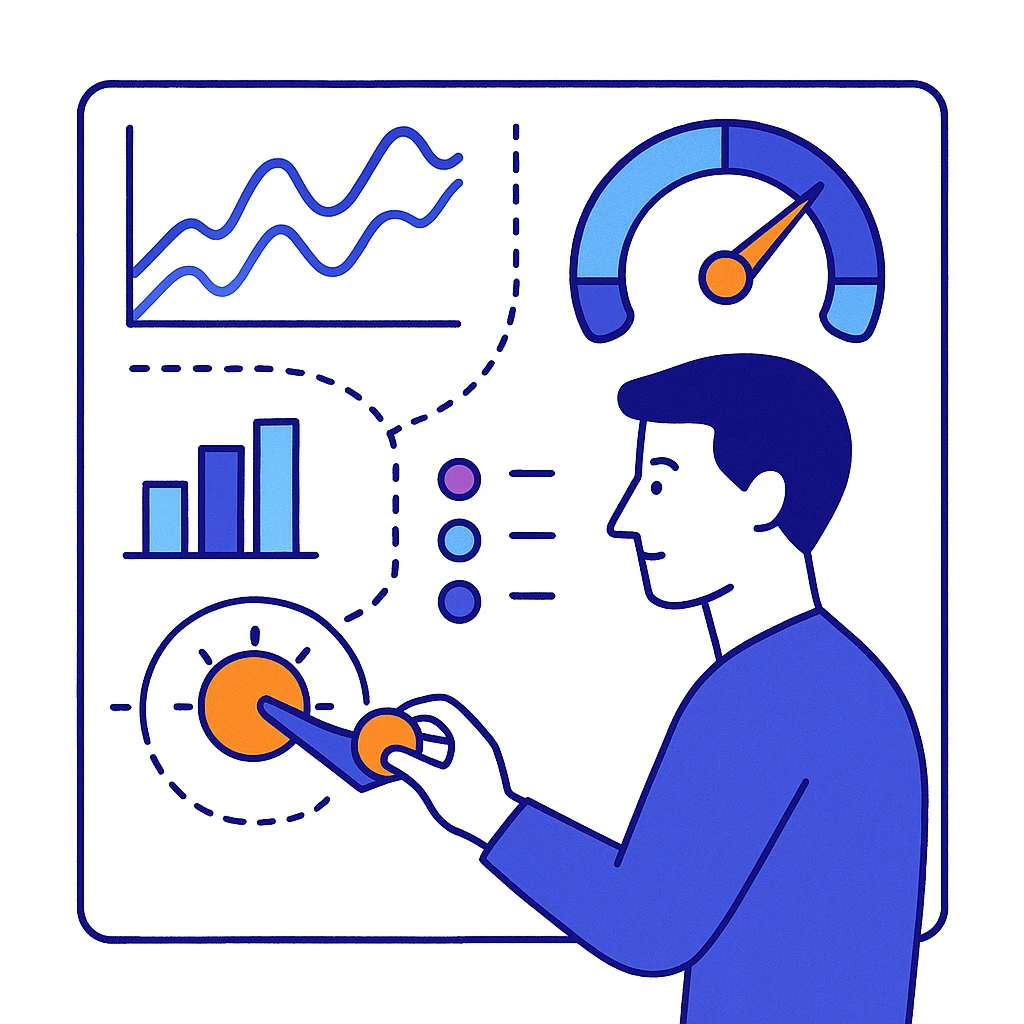
The intuitive dashboards provided by Pulse Health deliver actionable insights that help optimize campaigns and demonstrate return on investment.
Utilizing advanced analytics provides key insights into marketing effectiveness and healthcare professional behavior, driving better engagement and outcomes.
Certification Program for Marketers
The certification program by Pulse Health equips marketers with the necessary skills to maximize platform features and optimize their engagement strategies. This program provides comprehensive training on how to effectively use the Pulse platform, enhancing marketers’ ability to engage and connect with healthcare professionals.
Earning Pulse Certified gives users full control of their Pulse Engagement Cloud experience, mastery of core features, and enhanced pharma engagement, showcasing their expertise.
This certification not only boosts the skills of marketing teams but also demonstrates their proficiency in utilizing advanced marketing tools for better outcomes.

Personalizing Marketing Strategies for Better Outcomes
Personalized communication is a cornerstone of effective pharmaceutical marketing. Delivering tailored information enhances patients’ trust and engagement in their health management. Personalized marketing strategies can significantly improve medication adherence by sending timely reminders and educational content to patients. These strategies can also positively impact prescription drug adherence by providing patients with relevant information and support tailored to their specific prescription drug regimens.

Insights from advanced analytics are necessary for precise targeting and messaging personalization in pharma marketing.
By identifying where patients seek information about symptoms and therapies, pharmaceutical marketers can effectively reach them through the most appropriate channels.
This patient-centric approach is crucial for improving health outcomes and fostering proven patient outcomes while building a positive relationship between patients and pharmaceutical brands to improve patient outcomes.
Being customer centric is especially important in the current healthcare landscape, where value-based care is becoming the norm. Understanding and addressing patients’ needs helps build trust and ensures marketing efforts are effective and compliant with regulatory requirements, promoting patient centricity.
Complying with Regulatory Requirements
Compliance with regulatory requirements is essential for maintaining the safety and efficacy of pharmaceutical products. The FDA and other regulatory bodies regularly update their guidelines to reflect current standards and practices in pharmaceutical marketing. Non-compliance can lead to severe consequences, including fines and legal action, making it crucial for pharmaceutical companies to stay compliant with current regulations.
Marketing messaging regarding drugs must be truthful regarding drug efficacy and consistent messaging with FDA-approved prescribing information.
Personalized strategies also enhance regulatory compliance by ensuring that communications are clear and tailored to meet specific patient needs in marketing drugs.
Pharmaceutical marketing agencies play a vital role in ensuring that pharma marketers’ marketing activities remain compliant with industry rules and regulations in the pharmaceutical company pharma industry.
Enhancing Customer Engagement through Omnichannel Marketing
An omnichannel approach is essential for successful engagement in pharmaceutical marketing today. The shift from multichannel to omnichannel engagement aims to provide a cohesive and personalized experience across all customer interactions. Digital marketing enables pharmaceutical companies to connect with a global audience, overcoming geographical limitations and enhancing engagement.

Digital platforms provide interactive tools that allow pharmaceutical companies to share precise information and debunk myths, enhancing consumer trust.
Pulse Health provides a comprehensive engagement platform tailored for the pharmaceutical sector, focusing on enhancing healthcare professional interactions across various channels.
Effective omnichannel strategies require robust measurement systems that account for various touchpoints and ensure alignment across sales, marketing, and medical teams. Consolidating marketing data and automating campaigns across diverse channels ensures effective communication with HCPs and enhances overall engagement through customer relationship management.
Customer Relationship Management in Pharma Marketing
Customer Relationship Management (CRM) has become an essential pillar of pharmaceutical marketing, empowering pharmaceutical companies to build and nurture meaningful connections with healthcare professionals, patients, and other key stakeholders. By implementing robust CRM systems, pharma marketing teams can centralize and analyze customer data, track every interaction, and tailor their marketing efforts to the unique needs and preferences of each audience segment.
Effective customer relationship management enables pharmaceutical companies to deliver personalized marketing strategies that resonate with healthcare professionals and drive higher engagement. By understanding the behaviors and preferences of their target audiences, marketing teams can craft relevant communications, provide timely updates, and offer valuable resources that support healthcare professionals in their daily practice.
CRM platforms also facilitate seamless collaboration across sales, marketing, and medical teams, ensuring that every touchpoint with healthcare professionals is consistent and aligned with broader marketing objectives.
This integrated approach not only enhances customer engagement but also supports data-driven decision making, allowing pharmaceutical marketers to refine their strategies based on actionable insights.

Ultimately, investing in customer relationship management helps pharmaceutical companies strengthen relationships, improve loyalty, and achieve greater commercial success in an increasingly competitive market.
Influencer Marketing and Key Opinion Leaders
Influencer marketing, particularly through the engagement of Key Opinion Leaders (KOLs), is a powerful strategy in pharmaceutical marketing. KOLs are highly respected medical professionals whose expertise and thought leadership have a significant impact on their peers’ perceptions and clinical decisions. By collaborating with KOLs, pharmaceutical companies can amplify their marketing strategies and reach healthcare professionals with credible, science-backed information.

Pharmaceutical companies often partner with KOLs to share clinical trial results, present at medical conferences, and develop educational content that informs and influences the broader medical community.
These collaborations help establish trust and authority, making it easier for new products and therapies to gain acceptance among healthcare professionals.
Influencer marketing in the pharmaceutical sector also extends to digital platforms, where KOLs with a strong online presence can engage large audiences of medical professionals. By leveraging the reach and reputation of these influencers, pharmaceutical marketers can increase brand awareness, build credibility, and drive adoption of their products.
Incorporating key opinion leaders into marketing strategies not only enhances the effectiveness of pharmaceutical marketing campaigns but also ensures that messaging is grounded in clinical expertise and aligned with the needs of healthcare professionals.
Direct to Consumer (DTC) Marketing Approaches
Direct to Consumer (DTC) marketing has become a cornerstone of pharmaceutical marketing, allowing pharmaceutical companies to communicate directly with patients and caregivers about prescription drugs and health solutions. Through DTC marketing strategies, companies can raise awareness about medical conditions, promote medications, and empower patients to take an active role in their healthcare journey.
DTC marketing approaches utilize a variety of channels, including television commercials, print advertising, and digital marketing platforms such as social media and search engines.
These campaigns are designed to educate consumers, highlight the benefits of prescription drugs, and encourage conversations with healthcare providers.
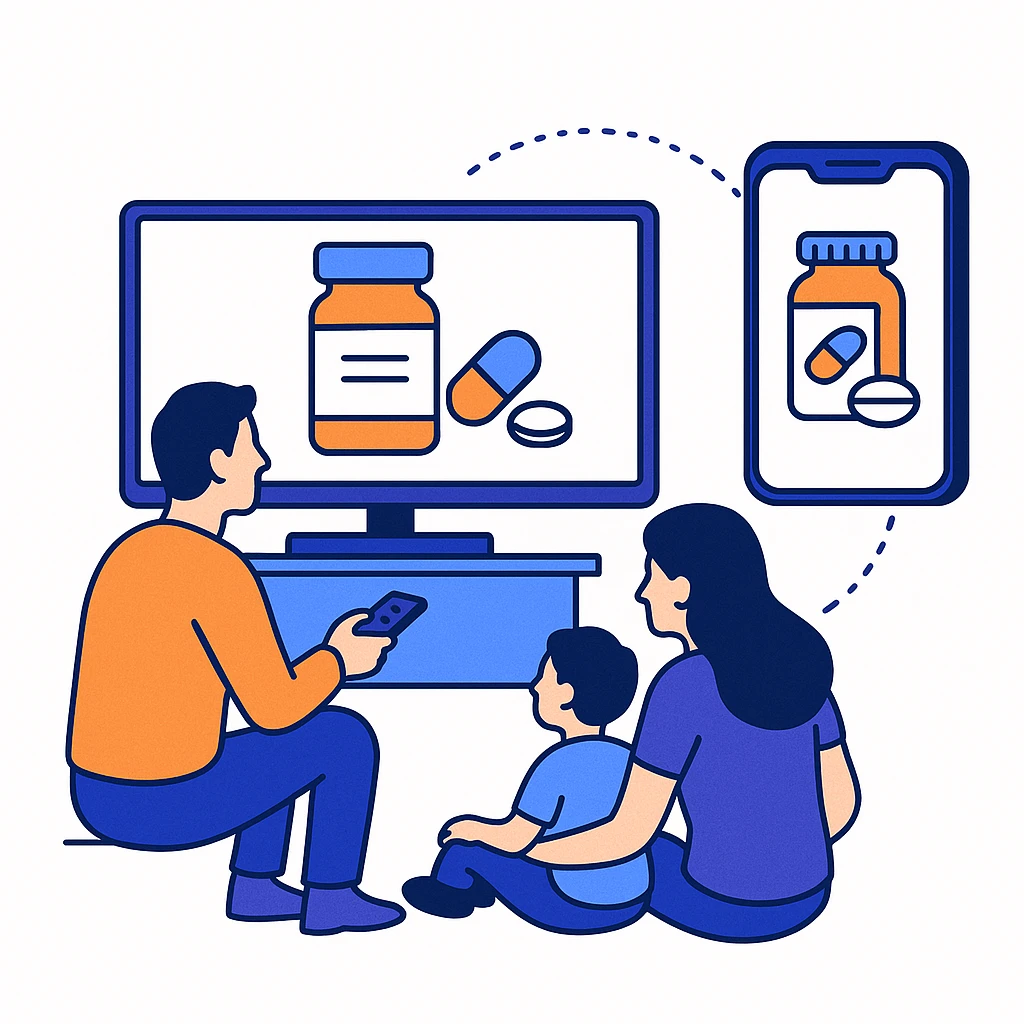
To be effective, DTC marketing requires a deep understanding of patient needs, preferences, and behaviors. Pharmaceutical companies must craft clear, compelling messages that resonate with their target audience while ensuring that all marketing efforts comply with strict regulatory requirements. Regulatory compliance is critical in DTC marketing, as all communications must be accurate, balanced, and consistent with approved prescribing information.
By adopting responsible and patient-centric DTC marketing strategies, pharmaceutical companies can promote medications ethically, enhance public health awareness, and drive better health outcomes while maintaining trust and transparency with consumers.
Measuring and Adjusting Marketing Efforts
Setting key performance indicators (KPIs) in pharmaceutical marketing is crucial to assess the effectiveness of the marketing strategy. Consistent monitoring of KPIs against marketing objectives is necessary for long-term success. Analyzing data is essential for refining marketing strategies and ensuring that marketing investments are allocated effectively.
Each KPI should be assessed against marketing objectives to refine strategies and improve marketing effectiveness. Using analytics to measure success allows pharmaceutical companies to evaluate campaigns and adjust them as necessary, ensuring continuous improvement and better outcomes.
Get Started with Pulse Today
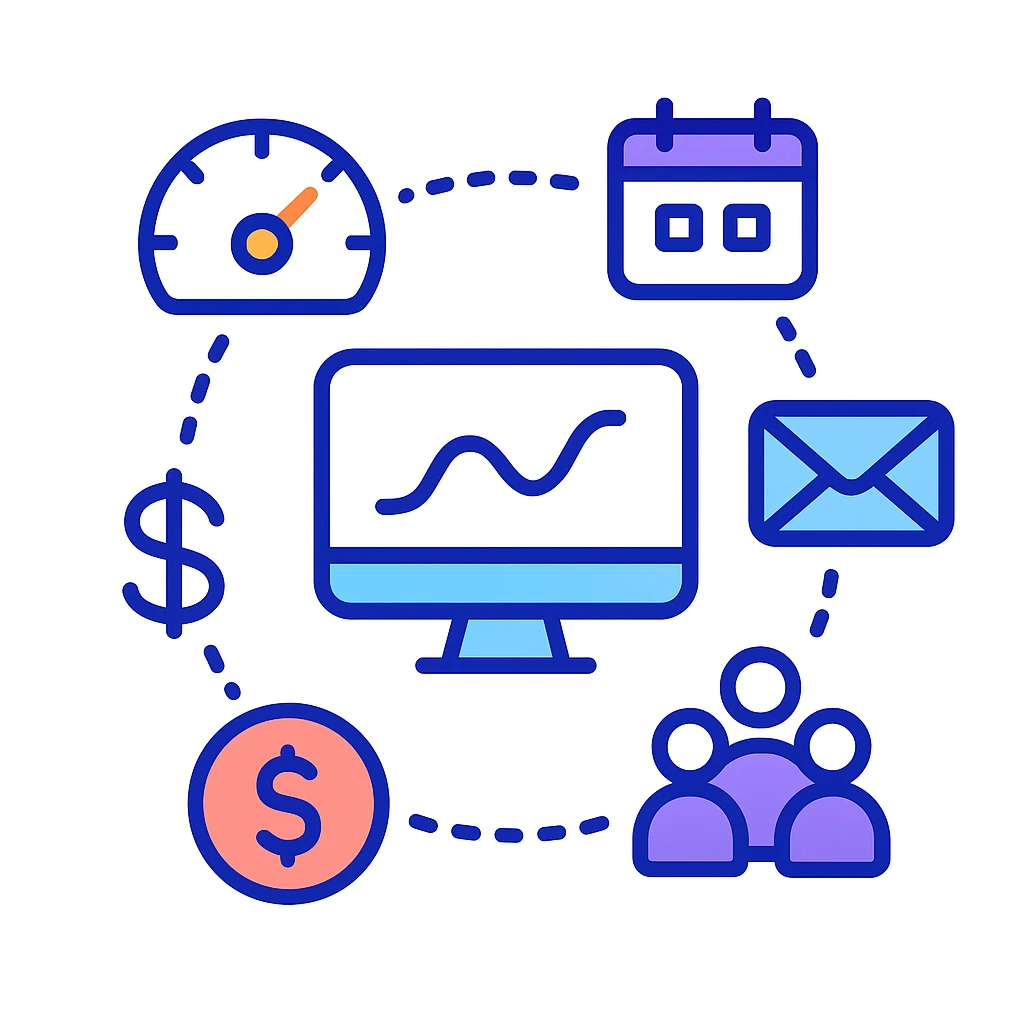
Ready to transform your pharmaceutical marketing strategies? Get started with Pulse Health today. Pulse offers a framework that helps pharmaceutical teams focus on five key metrics related to public health:
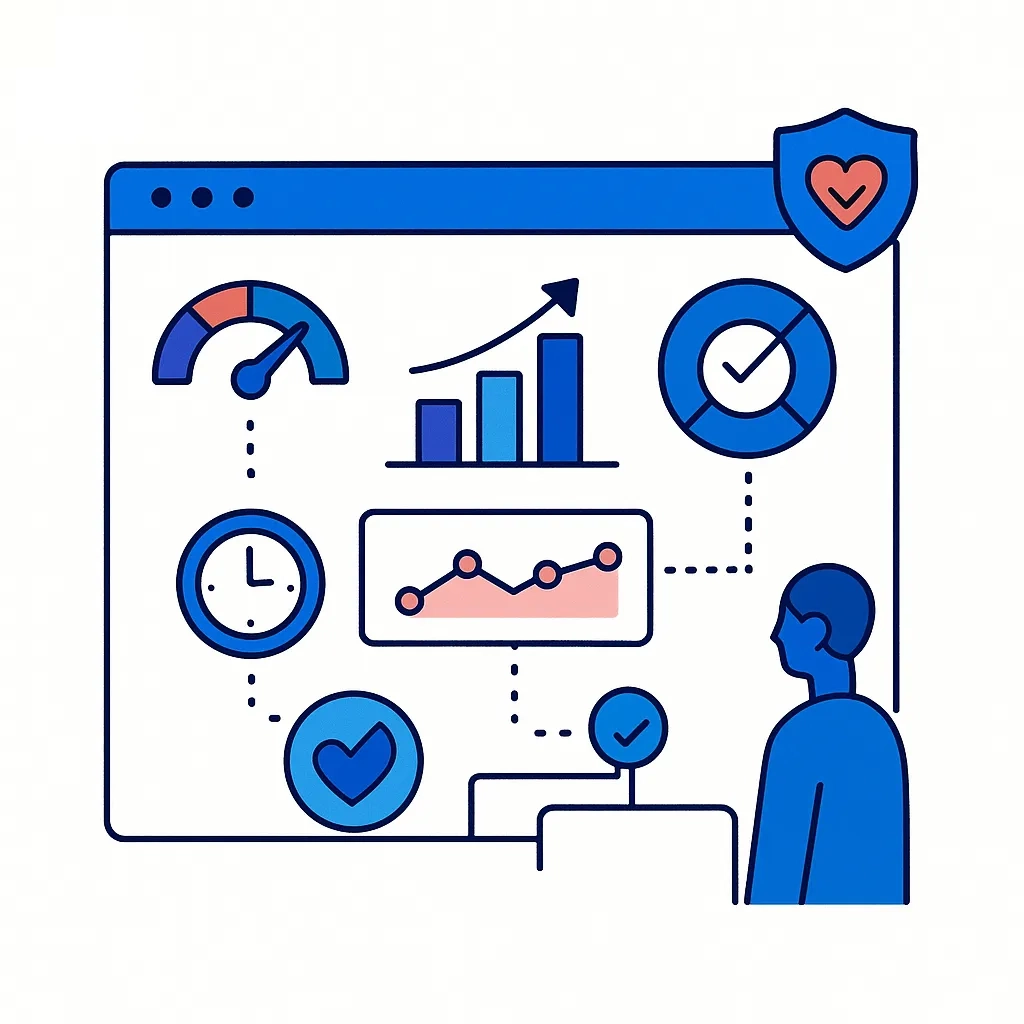
- Qualified Reach
- Omnichannel Engagement Quality
- Incremental Lift
- Time-to-Therapy
- Cost per Qualified Action
These metrics provide a comprehensive approach to measuring and enhancing marketing effectiveness.
Pulse Health offers:
- Access to over 1 million healthcare professionals and 30 million opt-in patients
- High-quality data for effective marketing campaigns
- An analytics platform that enables real-time performance tracking and strategy adjustments
- Empowerment for brands to make data-driven decisions quickly
Leveraging these tools and insights enhances engagement strategies and drives better health outcomes. Don’t wait — get started with Pulse today and elevate your marketing efforts.
The pharmaceutical industry in 2026 requires innovative marketing strategies to stay competitive and effective. From understanding the importance of data analytics and creating comprehensive marketing plans to leveraging digital platforms and personalizing marketing efforts, each step plays a crucial role in achieving marketing success. Pulse Health’s engagement solutions provide the tools and insights needed to enhance healthcare professional interactions and drive better health outcomes.
Embracing these strategies will ensure that your marketing efforts are not only effective but also compliant with regulatory requirements and aligned with the latest industry trends. By focusing on personalized and omnichannel approaches, pharmaceutical companies can build trust, improve patient engagement, and ultimately achieve their marketing objectives. Now is the time to innovate and lead — start implementing these strategies today and watch your pharmaceutical marketing efforts soar.
Frequently Asked Questions
What are the three methods of pharmaceutical marketing?
The three primary methods of pharmaceutical marketing are direct-to-consumer advertising, physician detailing, and managed markets solutions. Each method plays a crucial role in promoting pharmaceutical products to both the public and healthcare professionals.
What is the primary goal of pharmaceutical marketing?
The primary goal of pharmaceutical marketing is to drive engagement and adoption of products through scalable resources and precision insights. This strategic approach ensures that healthcare professionals and patients are effectively informed and engaged.
How does data analytics enhance pharmaceutical marketing?
Data analytics enhances pharmaceutical marketing by identifying trends and improving campaign performance, enabling informed decision-making that optimizes strategies and drives ROI.
What is the Pulse Engagement Cloud, and how does it benefit pharmaceutical companies?
The Pulse Engagement Cloud is a centralized platform that streamlines data and automates cross-channel marketing, allowing pharmaceutical companies to deliver personalized messaging and improve engagement with healthcare professionals. This benefits them by optimizing marketing efforts and fostering stronger relationships with their audience.
Why is it important to set clear marketing objectives in a pharmaceutical marketing plan?
Setting clear marketing objectives is crucial as it directs marketing efforts towards achieving specific goals, ensuring alignment with overarching business success. This structured approach keeps teams focused and motivated, ultimately enhancing effectiveness.