
Pharmacovigilance sits at the point where patient safety, regulatory compliance, and operational design meet. For pharma teams, it is not only a drug safety function. It also affects how websites, CRM programs, support services, field activity, and patient or HCP interactions capture and route potentially reportable information.
Pharmacovigilance, defined: WHO’s foundational definition of pharmacovigilance describes it as the science and activities concerned with the detection, assessment, understanding, and prevention of adverse effects or any other drug-related problems. In practical terms, that means turning scattered safety observations into a repeatable process for intake, review, pattern detection, and action.
This guide is for pharma brand teams, omnichannel leads, commercial and marketing ops, CRM owners, and agency partners who need a clear view of how the pharmacovigilance process works. You will learn the end-to-end workflow, the roles involved in drug safety monitoring, the core systems behind adverse event reporting, and why these workflows matter for modern engagement programs.
What is pharmacovigilance?
WHO definition and how it differs from general drug safety
Drug safety is the broad goal of reducing harm associated with medicines. Pharmacovigilance is the structured discipline used to make that goal operational, especially after a product is used outside tightly controlled study settings.
The distinction matters because many teams influence safety workflows without owning them. A brand site, nurse line, webinar, rep follow-up, reimbursement hub, or patient education program can surface adverse event information even when the main purpose of the interaction is not safety reporting.
Why pharmacovigilance matters after drug approval
Once a medicine is in routine use, the challenge changes from controlled observation to continuous monitoring. That is why EMA’s post-authorisation pharmacovigilance framework includes signal management, risk management planning, and recurring safety review rather than relying only on isolated case reports.
The real value of pharmacovigilance is not just collecting reports. It is understanding whether those reports change the current view of benefit and risk, and then making sure the right people act on that information.
How the pharmacovigilance process works
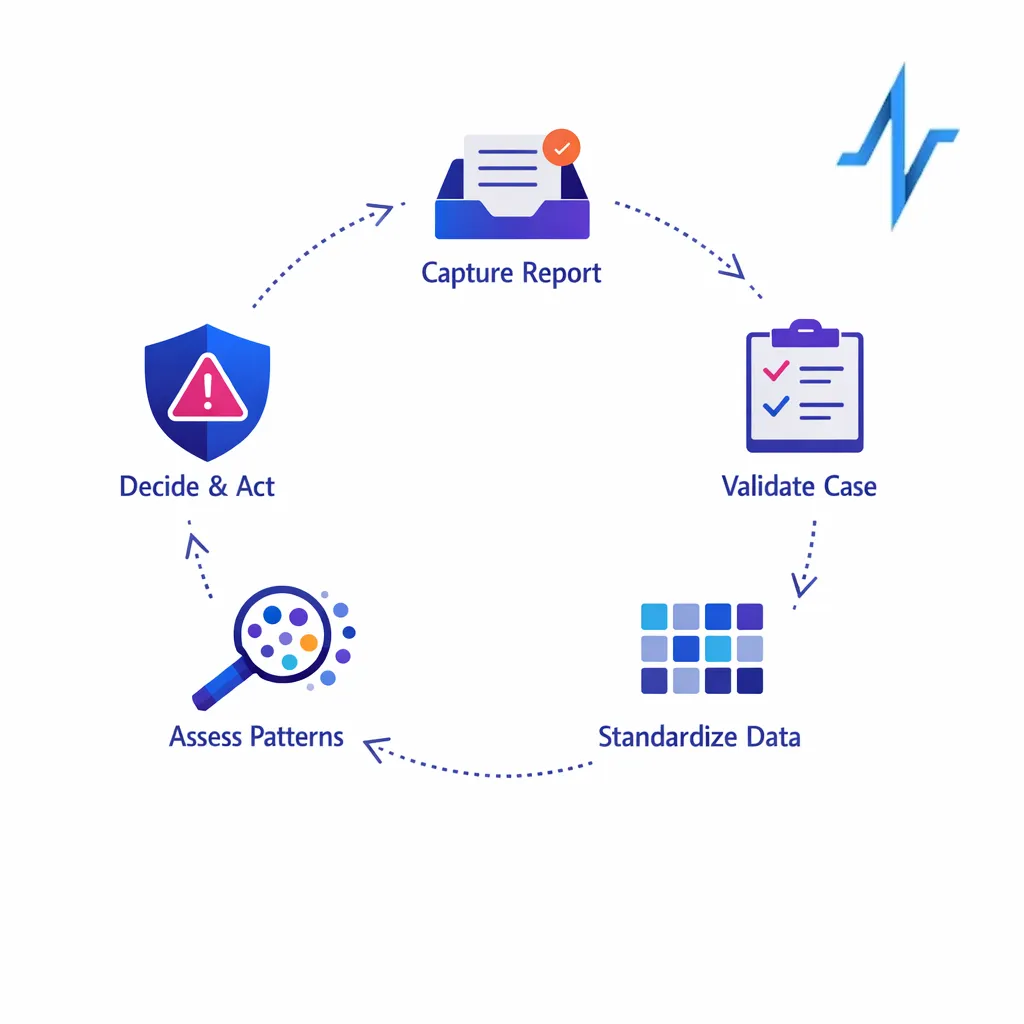
A simple way to understand the pharmacovigilance process is as a loop with five practical stages. Different companies split the steps differently, but the operating logic is usually the same.
- 1. Capture the report. Gather a potential adverse event, product complaint, medication error, or related safety detail from any inbound channel.
- 2. Check that it is usable. Confirm there is enough information to understand the product, the event, and whether follow-up is needed.
- 3. Standardize the data. Structure the case so similar reports can be searched, grouped, and compared consistently.
- 4. Assess the case and look for patterns. Review clinical context, potential causality, seriousness, duplicates, and whether similar cases are accumulating.
- 5. Decide and act. Submit, aggregate, escalate, communicate, and update risk controls when the overall picture requires it.
Case intake and adverse event reporting
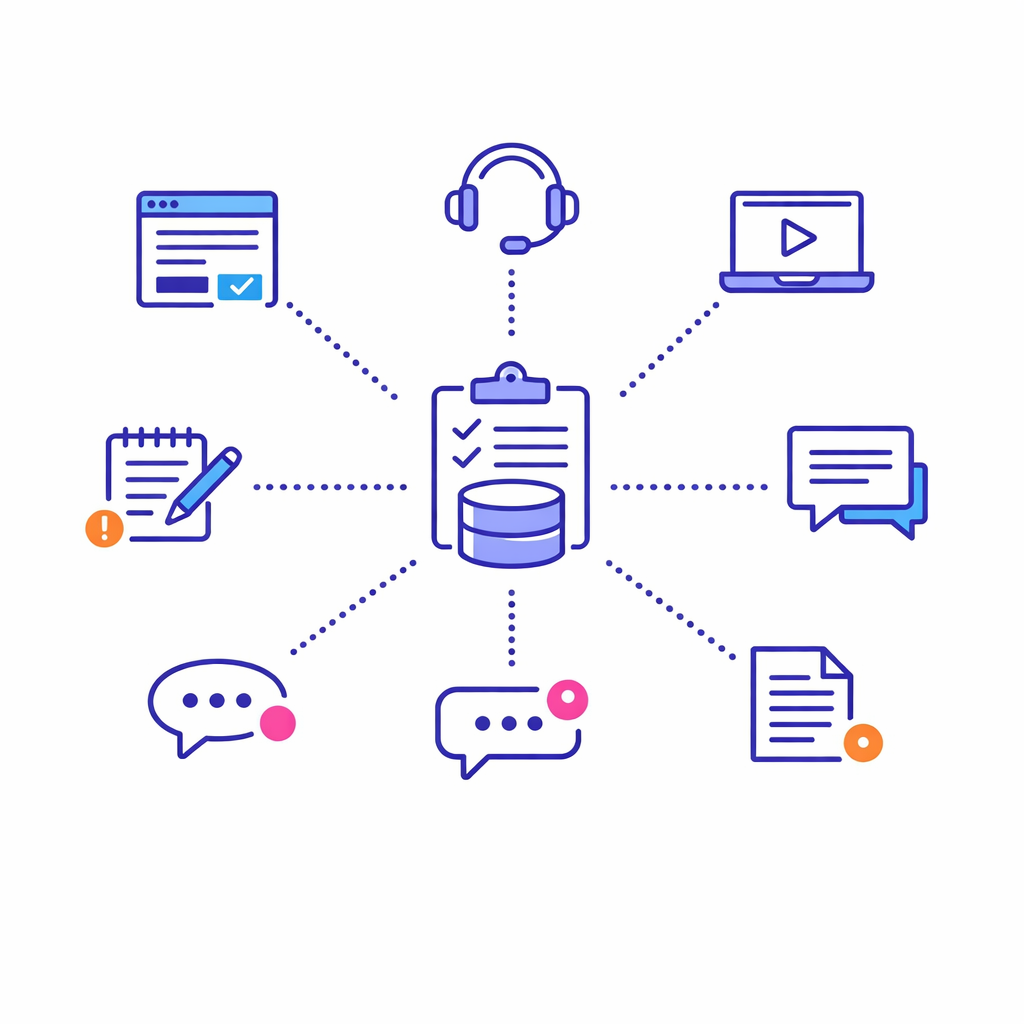
Every pharmacovigilance workflow starts with intake. The source may be a patient support interaction, call center note, rep conversation, digital form, social content escalation, medical inquiry, or literature finding. In the US, many of those reports ultimately feed the FDA Adverse Event Reporting System (FAERS), which is why upstream capture and routing matter even for teams outside central safety.
For operational teams, the key design question is simple: if a safety-relevant detail appears, can your process capture enough context and move it quickly to the right reviewers? If not, the risk is usually not dramatic at first. It shows up as missing fields, back-and-forth follow-up, duplicate work, and weak traceability.
Case validation and ICSR essentials
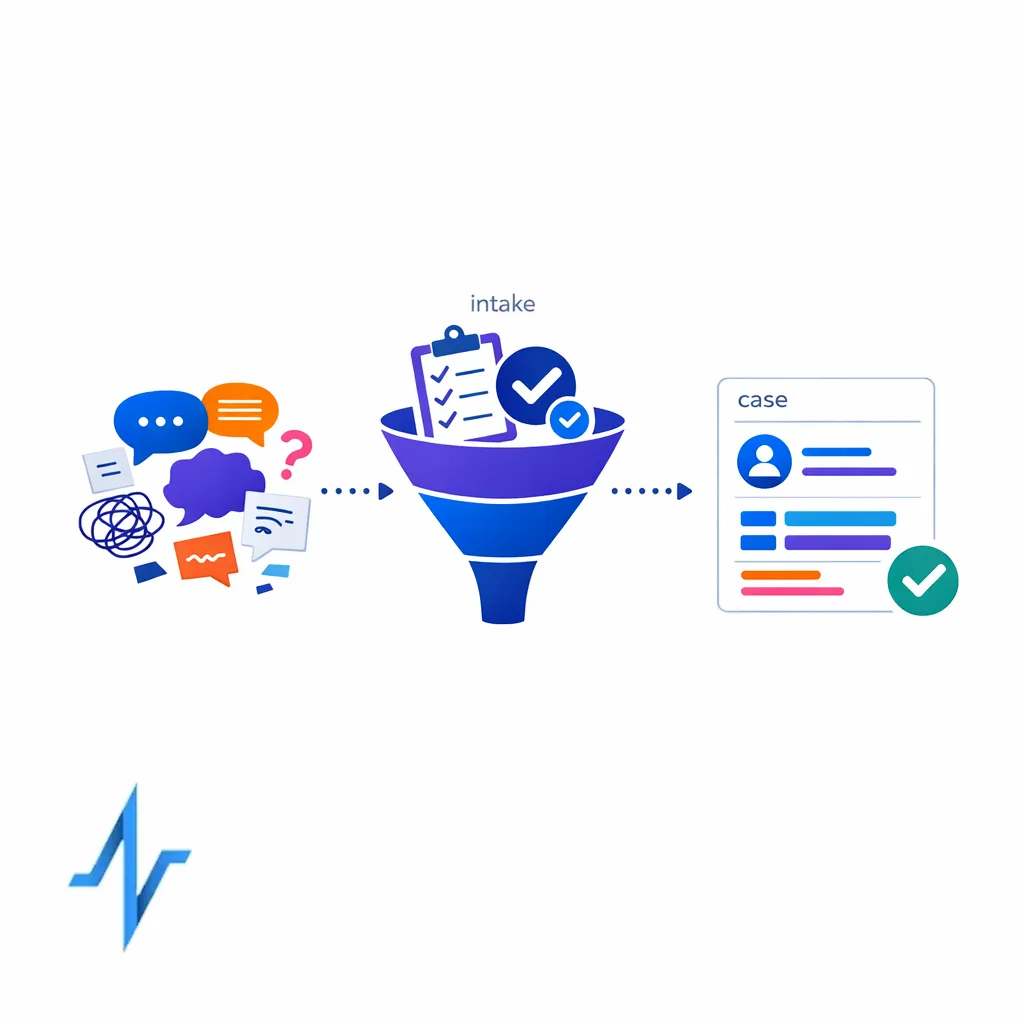
After intake, the report has to be made usable. Safety teams typically check whether the case can be understood, whether it appears to describe a real event associated with a real product exposure, whether the same case may already exist elsewhere, and whether follow-up is needed to clarify gaps.
This is where many non-safety teams underestimate the work. Pharmacovigilance is not just forwarding an email. It is turning messy, human language into a case record that can survive medical review, submission, reconciliation, and future audit.
Medical coding with MedDRA
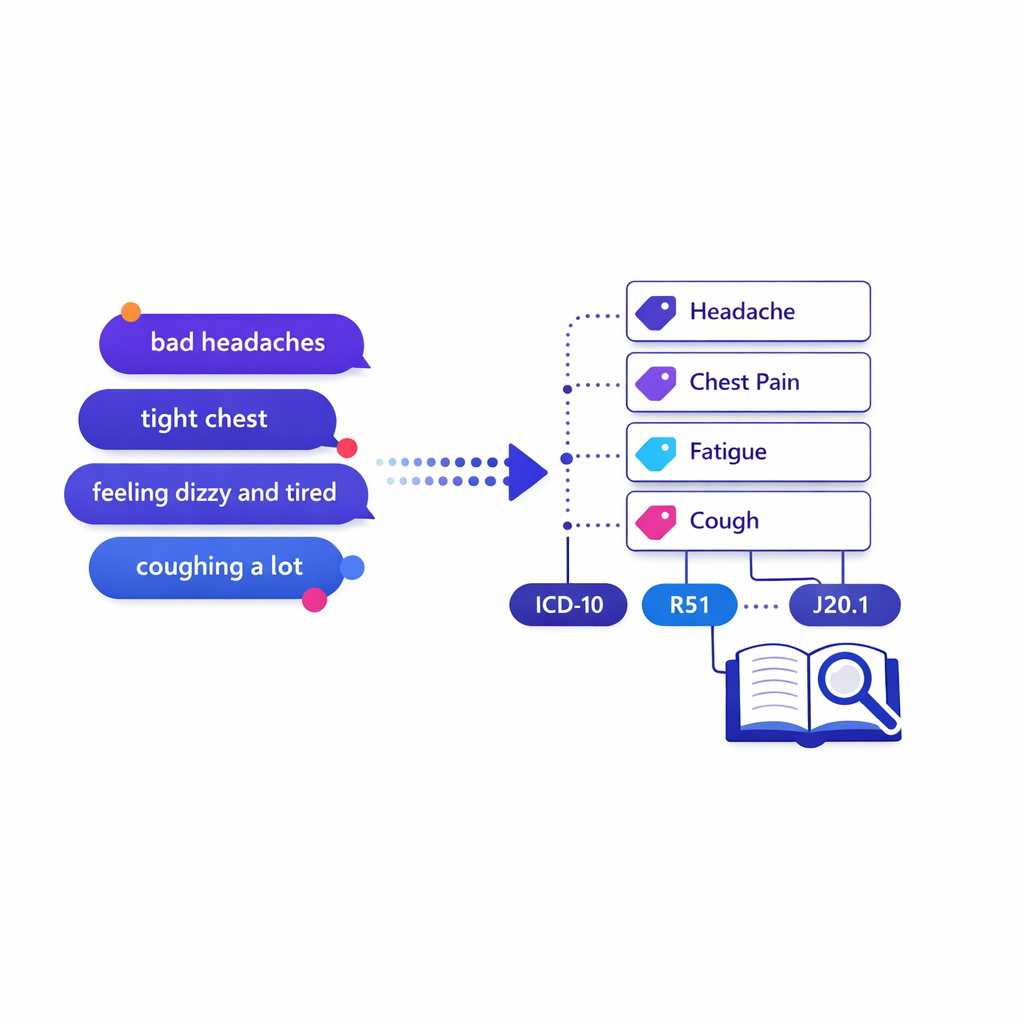
To make free text analyzable, teams standardize terminology with MedDRA, the Medical Dictionary for Regulatory Activities. Coding helps convert everyday descriptions into terms that can be grouped, searched, trended, and compared across studies, products, vendors, and markets.
This step is easy to overlook if you only see the front end of a program. But consistent coding is what allows pharmacovigilance systems to move from anecdote to pattern recognition.
Causality assessment and signal detection
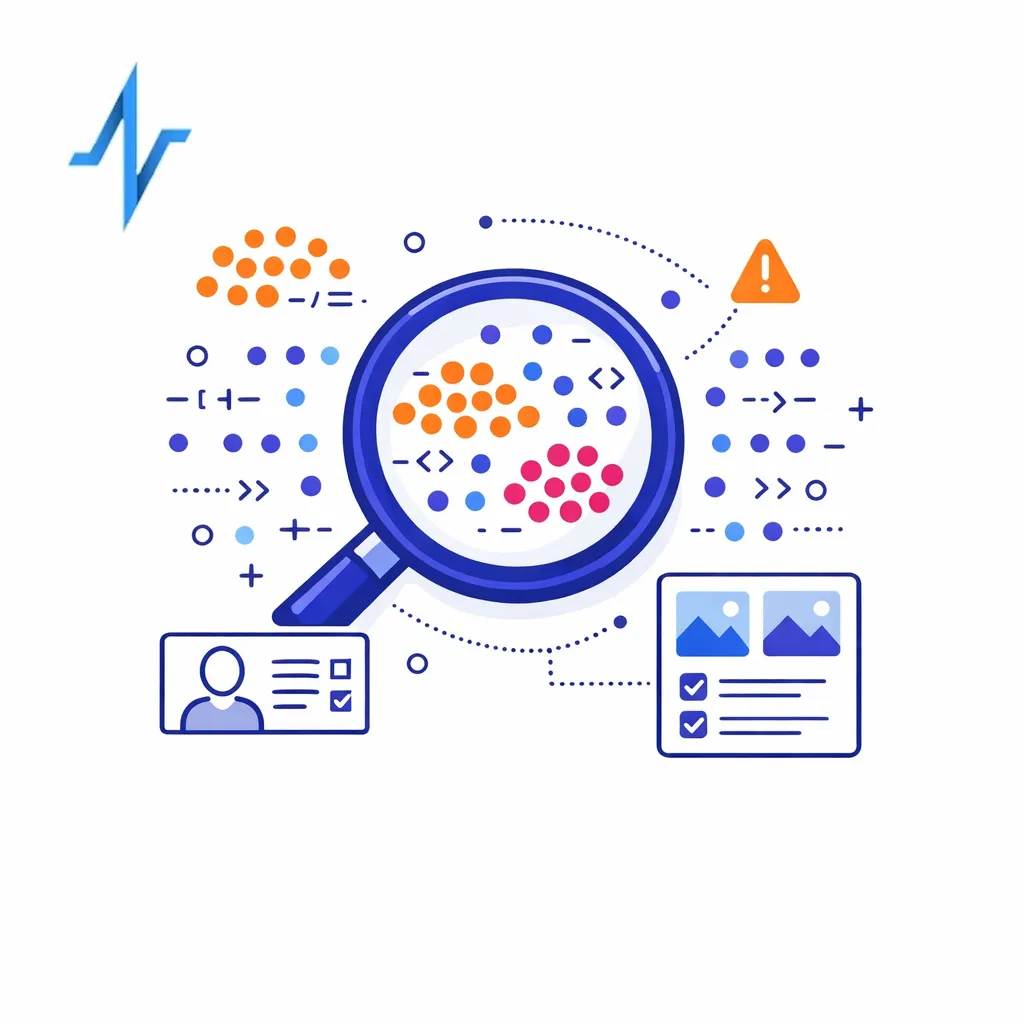
Once a case is structured, reviewers assess timing, clinical plausibility, alternative explanations, and whether similar reports are appearing elsewhere. In Europe, EudraVigilance manages and analyzes electronic reports of suspected adverse reactions, which shows how signal detection depends on both medical judgment and consistent data structure.
A signal is not a verdict. It is a reason to look harder. The question is whether the accumulating information points to something new, more severe, more frequent, or more clinically meaningful than previously understood.
Risk management, labeling changes, and regulatory action
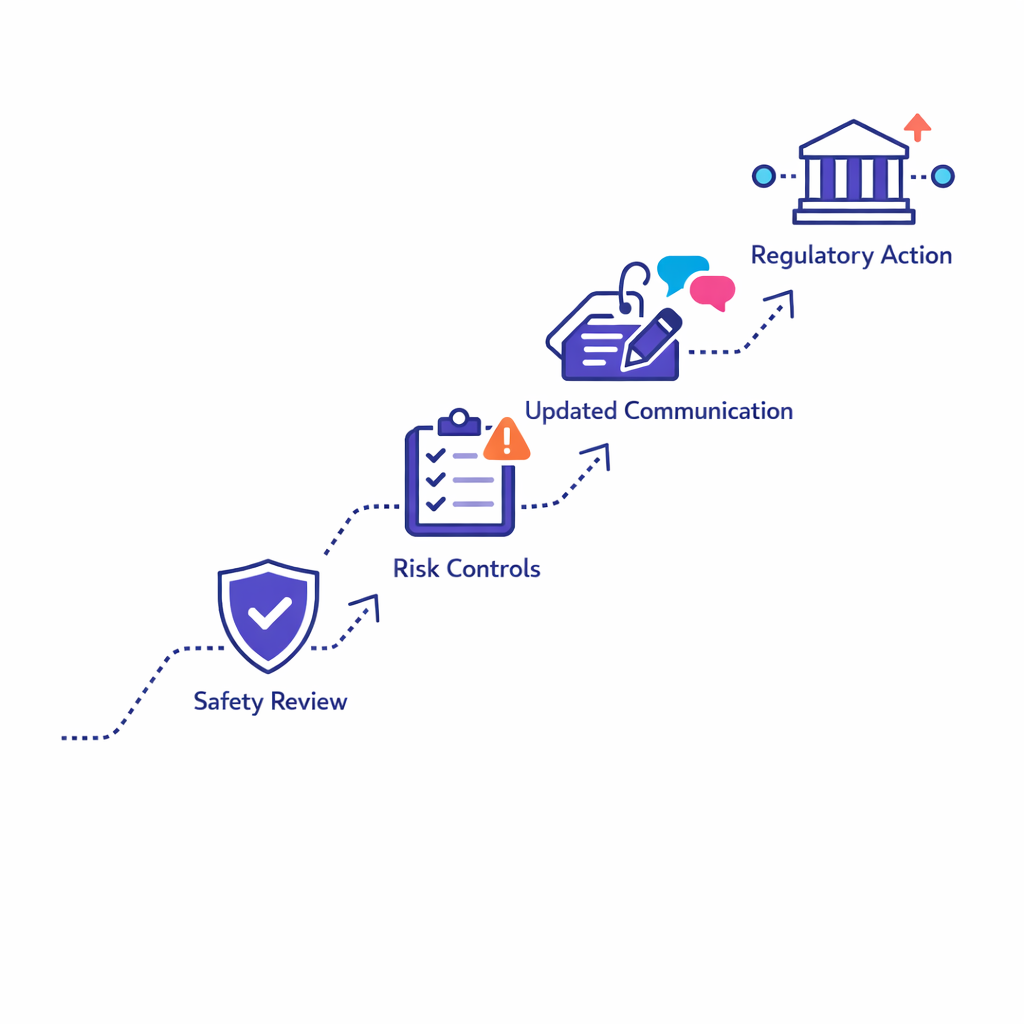
If the overall picture changes, pharmacovigilance moves from observation to action. That action may include deeper review, updated communications, revised risk controls, changes to product information, or additional evidence generation.
This is why pharmacovigilance should be seen as a business process as well as a scientific one. The faster teams can capture, structure, and escalate the right information, the faster safety leaders can make sound decisions.
Key pharmacovigilance activities across the drug lifecycle
Pre-market clinical trials
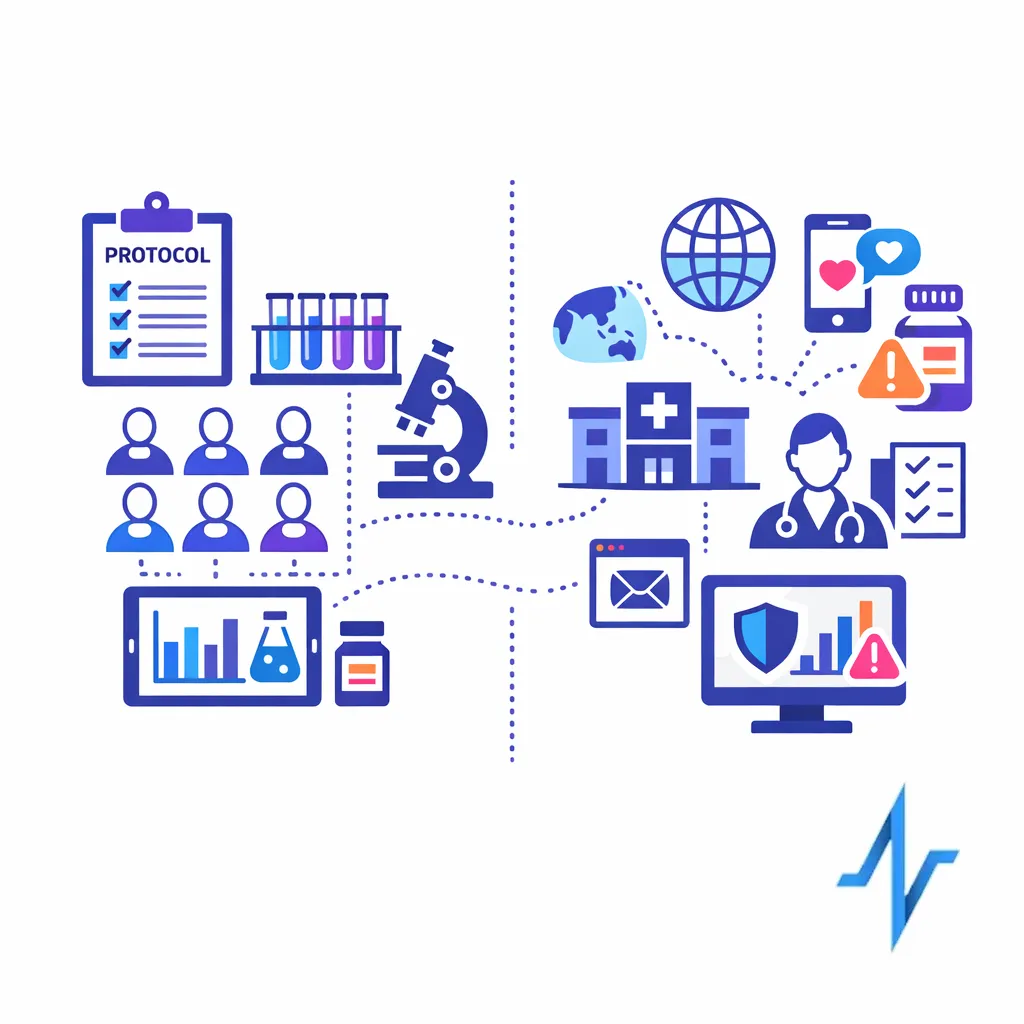
Before approval, safety work happens in a more defined environment. Study protocols, data collection rules, and investigator processes create a narrower channel for event capture, but the core habits are already visible: disciplined intake, consistent terminology, medical review, and clear documentation.
Post-marketing surveillance
After launch, volume and variability rise. Reports can surface through spontaneous submissions, partner programs, support services, websites, field teams, medical information, and everyday care settings. That shift is what makes post-market drug safety monitoring operationally complex.
Aggregate reporting and ongoing benefit-risk review
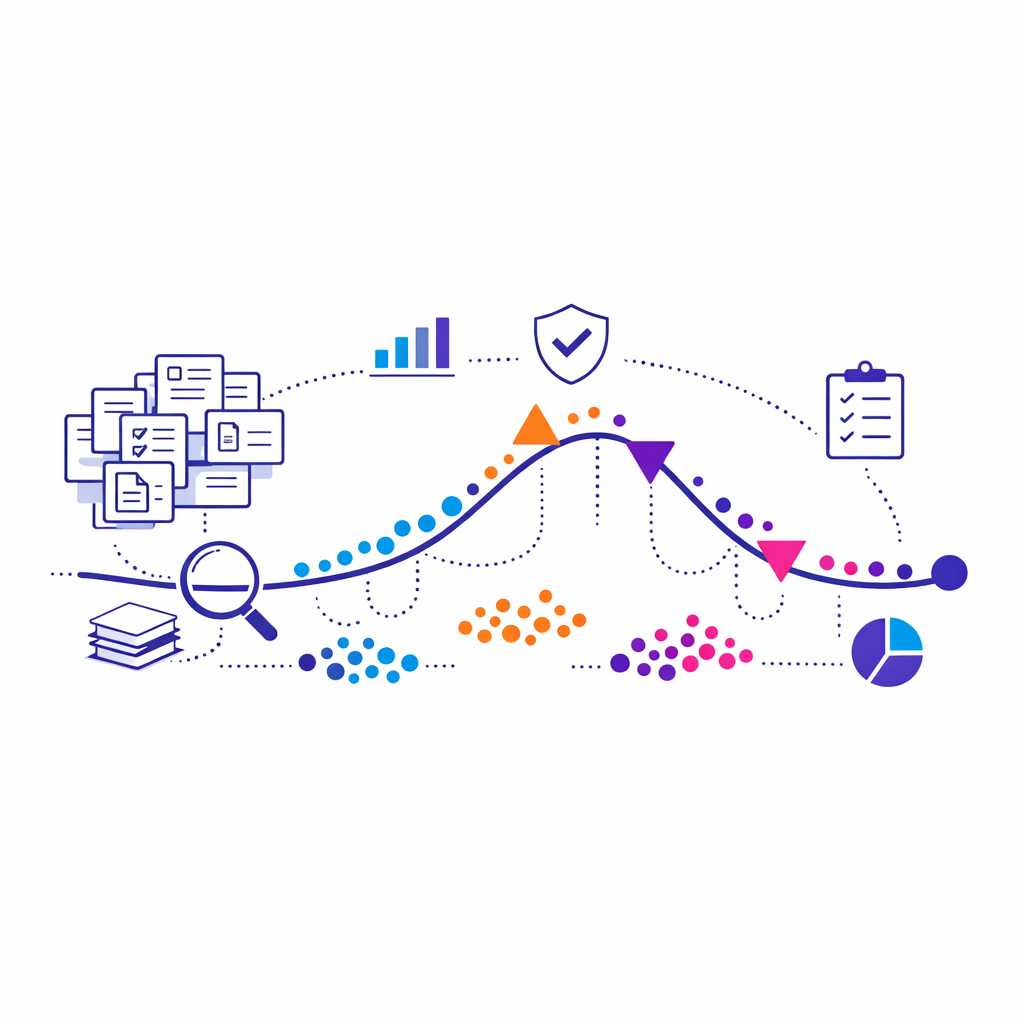
Single cases matter, especially when they are serious or unusual. But many important pharmacovigilance decisions happen at the aggregate level, when cases are reviewed together over time to understand whether the product’s overall benefit-risk profile still looks acceptable and well controlled.
Who is involved in monitoring drug safety?
Pharma companies and safety teams
Drug manufacturers usually own the internal systems, case processing, medical review, submissions, vendor oversight, and governance that keep pharmacovigilance running. Depending on company size, that work may span safety science, physicians, operations, medical affairs, quality, compliance, and partner management.
Regulators such as FDA, EMA, and the WHO network
Regulators receive, analyze, and act on safety information at market level. They also shape the reporting rules, data standards, and review frameworks that companies must design around.
Healthcare professionals and patients as reporters
Front-line observations are the raw material of pharmacovigilance. Clinicians, pharmacists, caregivers, patients, company personnel, and service partners may all be the first people to notice that something needs to be captured and escalated.
Core systems, databases, and reporting frameworks
FAERS
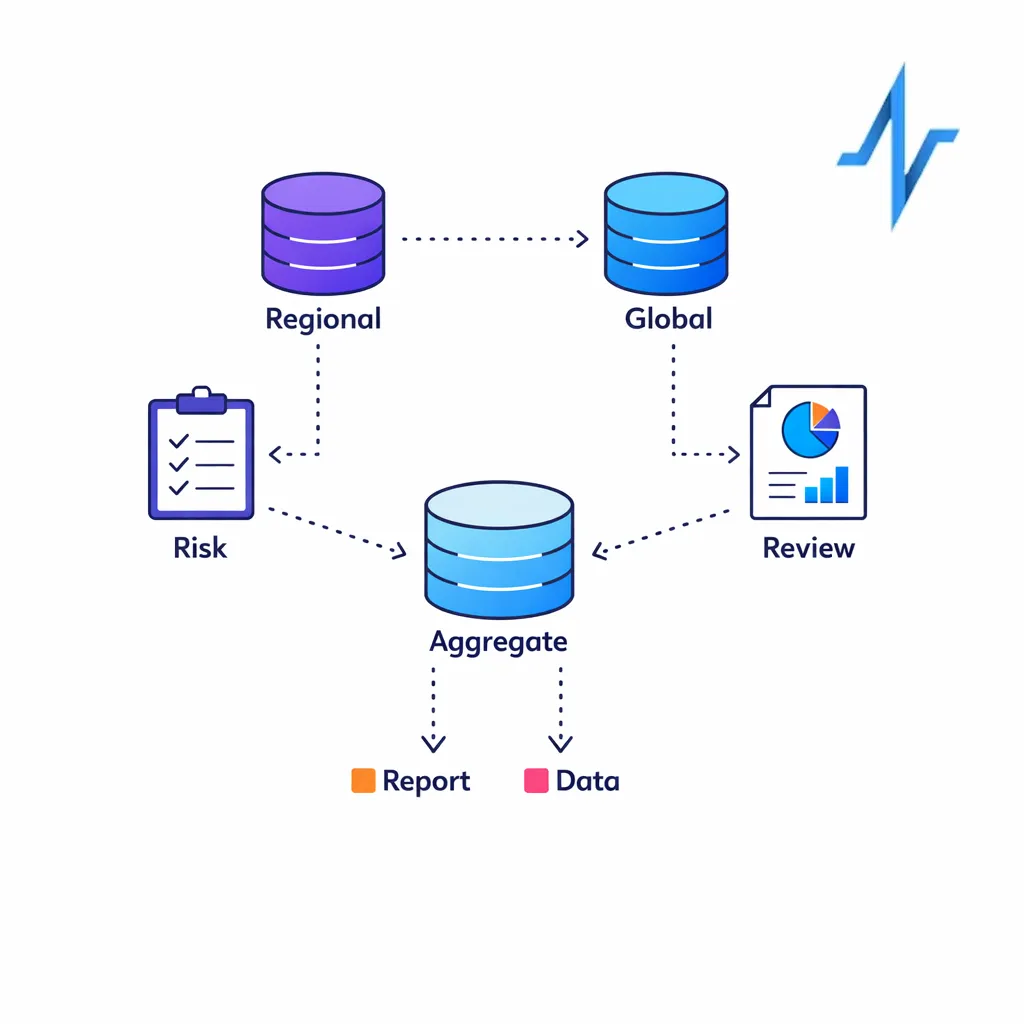
For US teams, FAERS is the downstream reporting reality that shapes upstream intake design. Even if a brand, agency, or program owner never works inside the database directly, the structure of adverse event reporting still influences what fields must be captured, how cases are routed, and how records are reconciled across systems.
EudraVigilance
For EU operations, EudraVigilance underscores the need for aligned electronic case handling across affiliates, vendors, and local teams. In practice, that means data discipline matters as much as channel coverage.
VigiBase
At the international level, VigiBase, the WHO global database of individual case safety reports, shows why pharmacovigilance is not only a local compliance task. Pooled case information helps broader safety patterns become easier to recognize across countries and settings.
Risk management plans, PSURs/PBRERs, and additional controls
These frameworks turn one-off case handling into recurring benefit-risk review. They help organizations move beyond the question of whether a single report was processed correctly and toward the more important question of whether the full safety picture is being monitored, interpreted, and communicated appropriately.
Pharmacovigilance vs drug safety
Where the terms overlap
In everyday conversation, people often use pharmacovigilance and drug safety interchangeably. Both are concerned with identifying and reducing harm related to medicines, and both involve adverse events, review workflows, and risk controls.
When pharmacovigilance is the more precise term
Use drug safety when you mean the broad function or objective. Use pharmacovigilance when you mean the formal reporting, case processing, signal detection, aggregate review, and regulatory management activities that support that objective.
- Drug safety is the goal and organizational domain.
- Pharmacovigilance is the operating discipline that captures, assesses, and acts on safety information.
- The pharmacovigilance process is the workflow that connects intake to evidence-based action.
What’s new in pharmacovigilance
Real-world data and EHRs
One major shift is that safety monitoring is no longer limited to spontaneous reporting alone. Programs such as the Sentinel Initiative, which uses electronic healthcare data for active safety surveillance, show how broader data sources can complement traditional case-based monitoring.
AI, automation, and signal management
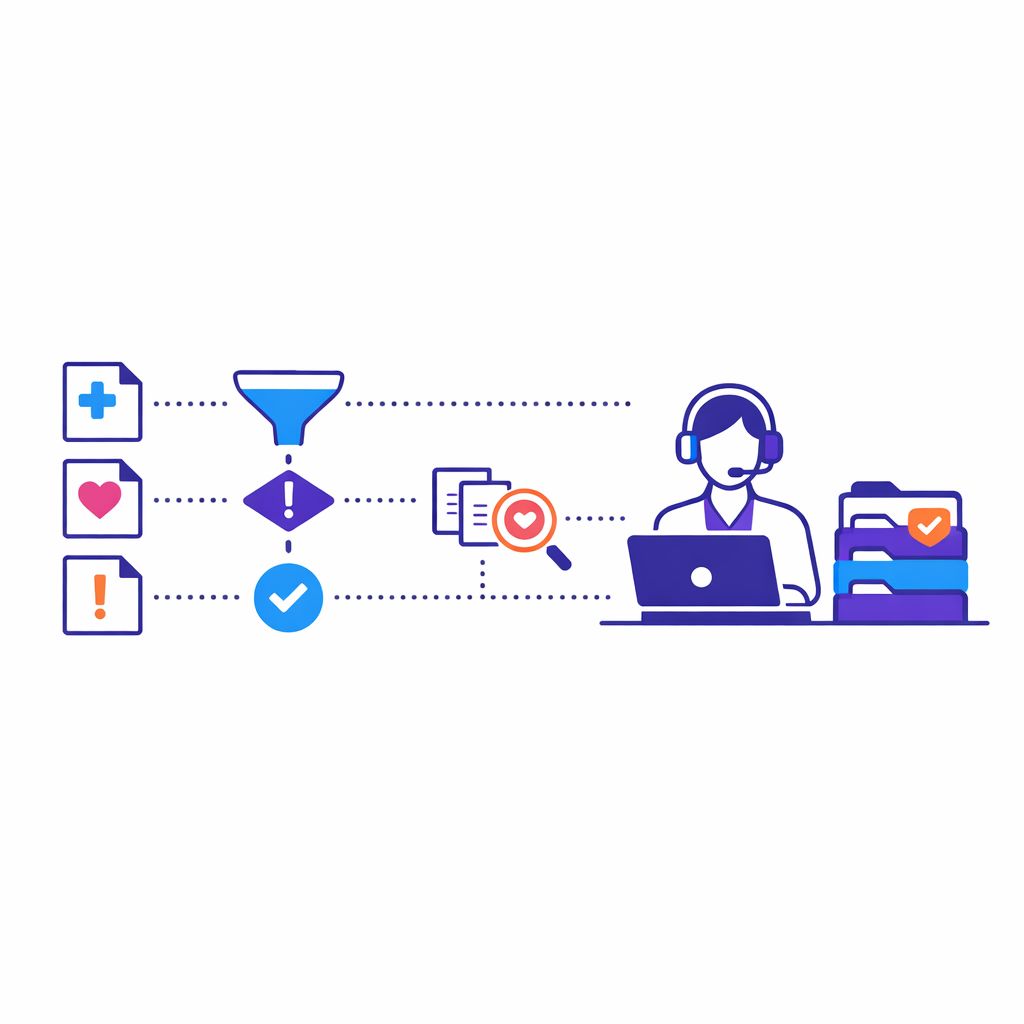
Most of the near-term value from automation is operational. Teams use it to support intake triage, identify potentially reportable content, reduce obvious duplication, and prepare structured records for human review. The point is not to remove clinical judgment. It is to reduce manual friction before clinical judgment is needed.
Why this matters for modern medical affairs and compliance workflows
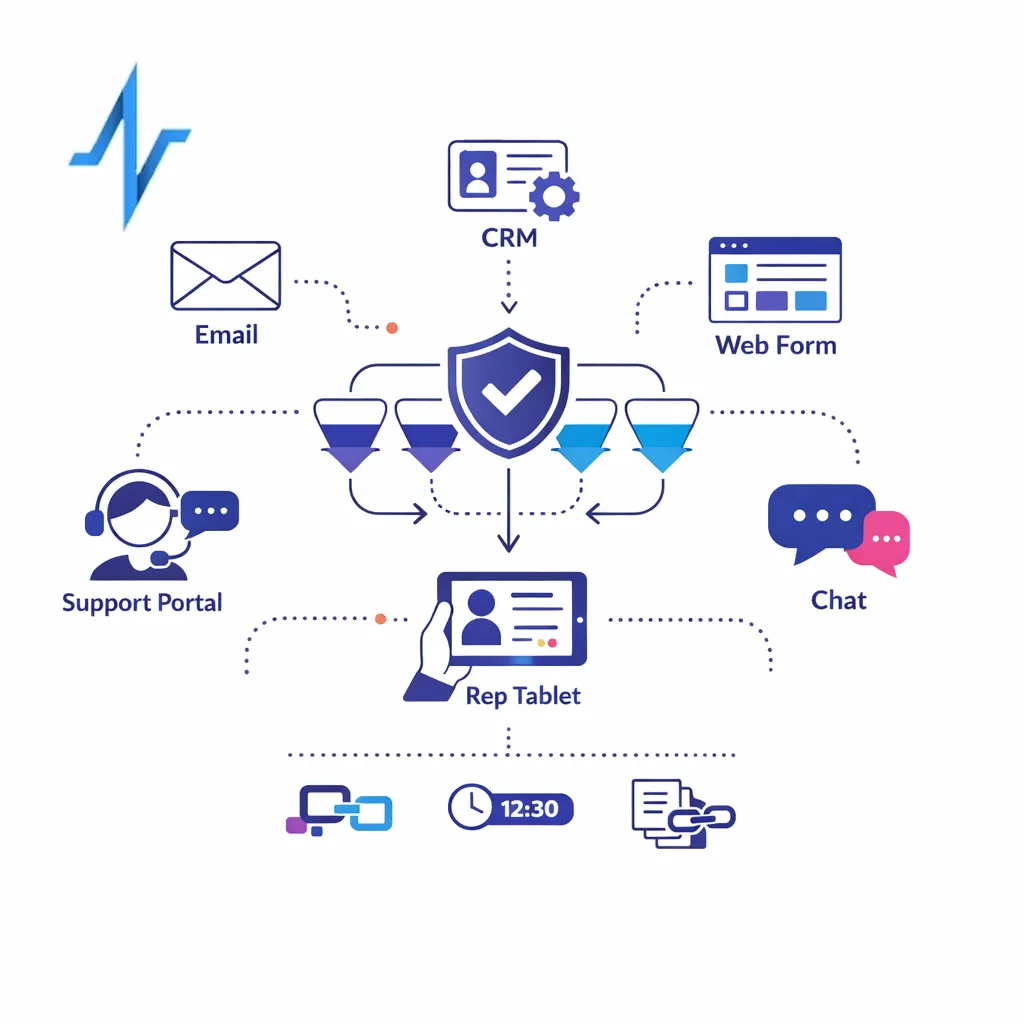
As omnichannel programs expand, safety-relevant information can appear anywhere a patient or HCP can respond. That makes workflow design a compliance issue, not just a marketing or service issue.
For platforms like Pulse Health, the practical implication is clear: engagement systems should not operate as blind spots. They should make it easier to capture context, preserve provenance, route potential adverse events, and support the teams responsible for review.
Common mistakes and misconceptions
- Treating every adverse event as proven causality. Intake captures a reported event. Pharmacovigilance then evaluates whether there may be a relationship and whether the pattern matters.
- Assuming pharmacovigilance is only the safety department’s job. Many reportable details first appear in commercial, service, digital, or partner-run channels.
- Optimizing only for speed. Fast capture matters, but weak documentation creates rework and undermines follow-up, reconciliation, and audit readiness.
- Thinking submission is the finish line. The bigger goal is ongoing benefit-risk understanding, not just moving one case from inbox to database.
What to do next
- Map every inbound channel. Know where patient and HCP responses can create potential safety intake.
- Define a minimum capture standard. Make sure front-line teams know what information to record before escalation.
- Clarify routing ownership. Decide who receives safety-relevant content from websites, CRM, call centers, field teams, and partners.
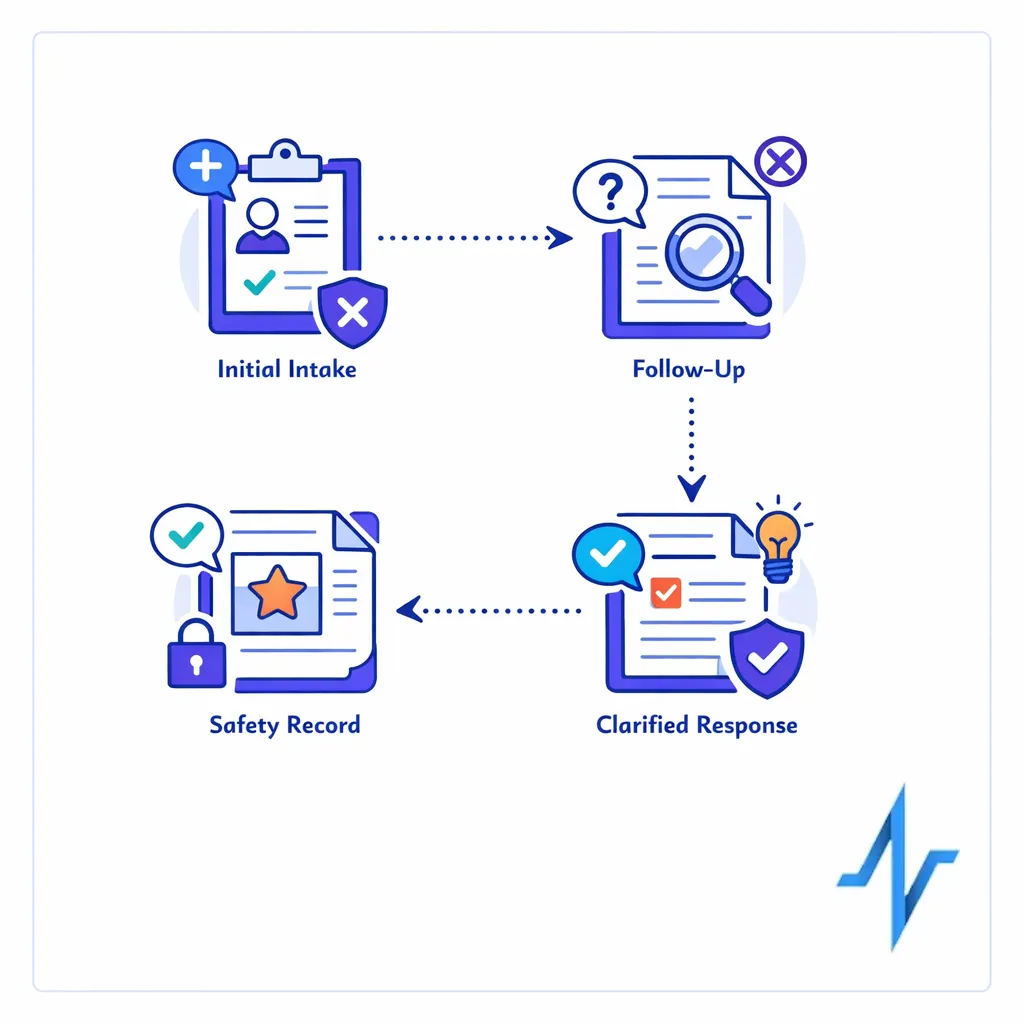
- Pressure-test follow-up workflows. Confirm teams can request clarification without losing context or creating duplicate records.
- Connect engagement data to compliant review. The best user experience still needs audit-friendly handoffs behind the scenes.
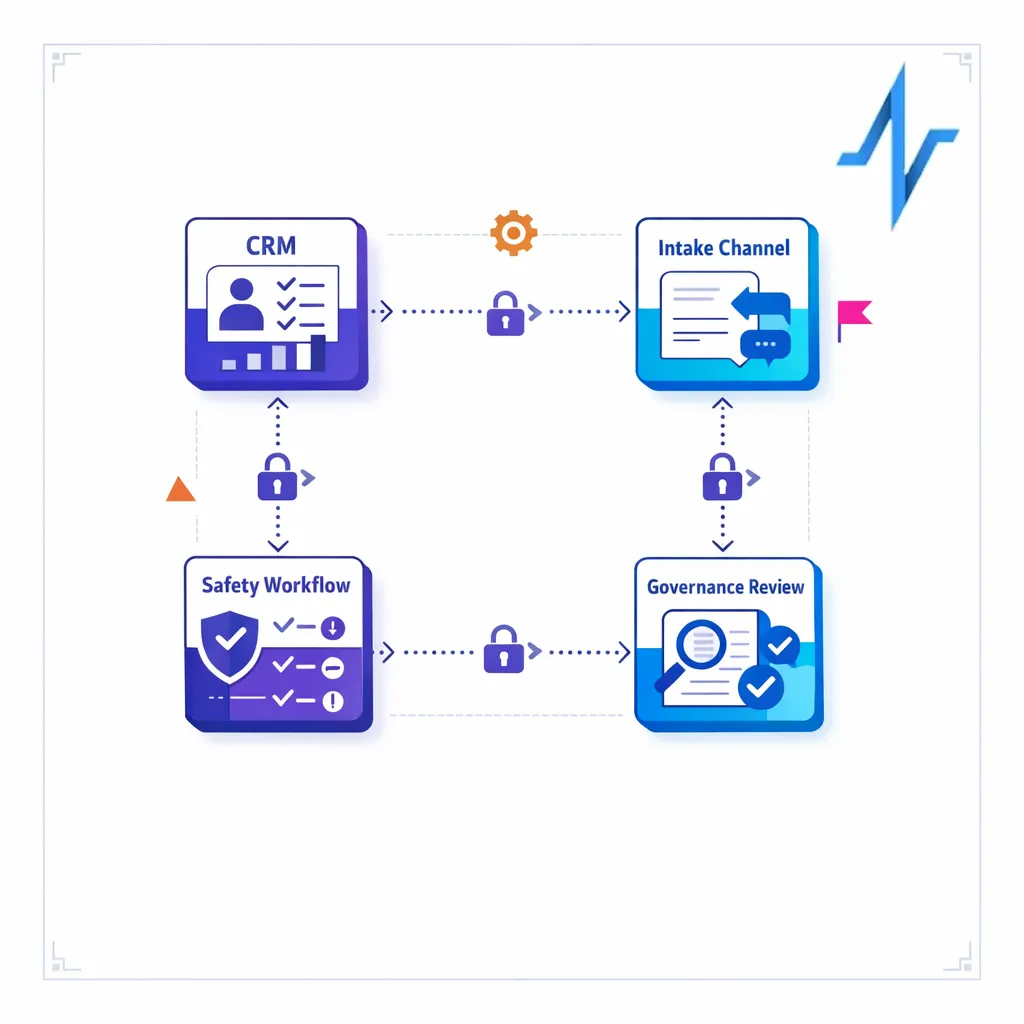
- Review systems and integrations together. Pharmacovigilance breaks down when the intake channel, CRM, and safety workflow are treated as separate design problems.
Frequently asked questions
What are the four stages of pharmacovigilance?
A practical four-stage model is: collect the report, structure the case, evaluate the information, and act on the result. Some teams split structuring into validation and coding, and some add monitoring as a fifth stage, but the basic cycle stays the same.
What is the process of pharmacovigilance case processing?
Case processing usually includes intake, review for usability, follow-up for missing details, coding, medical assessment, duplicate checks, submission or escalation, and inclusion in aggregate review. The exact tooling varies by company, but the job is always to turn unstructured information into a defensible safety record.
What are active and passive pharmacovigilance approaches?
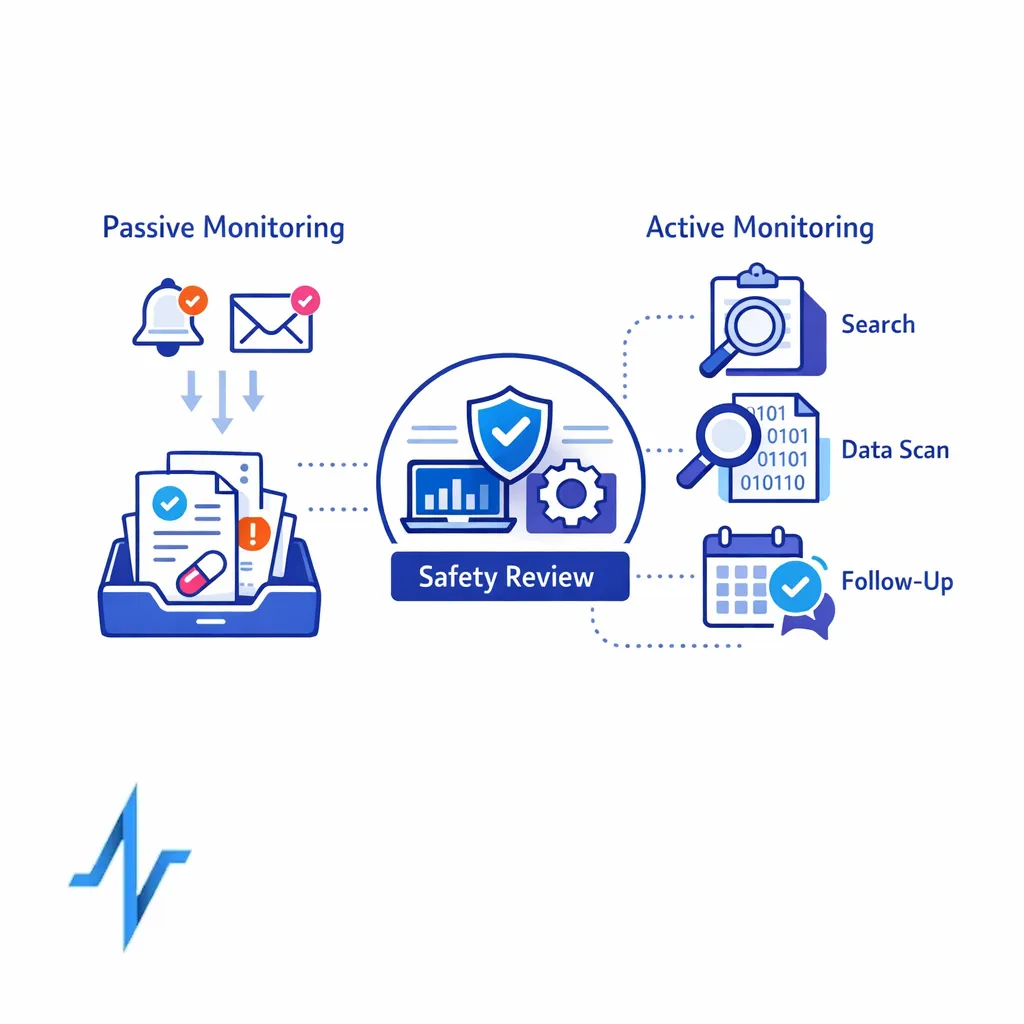
Passive pharmacovigilance waits for reports to come in through routine channels. Active pharmacovigilance looks more deliberately for safety information through planned follow-up, organized surveillance methods, or broader healthcare data review. Mature programs often need both.
Talk to Pulse Health about safer omnichannel workflows
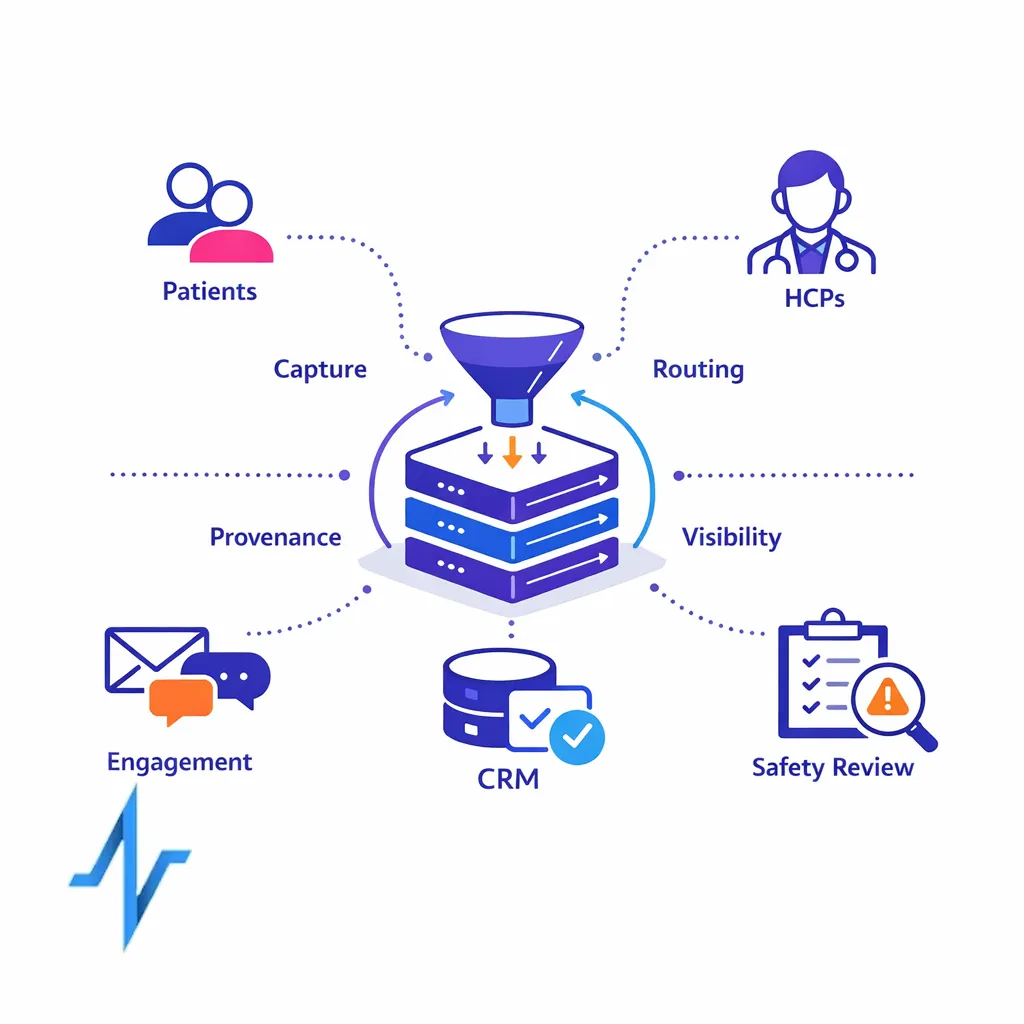
If you are designing HCP or patient engagement programs that may surface safety-relevant information, the right question is not only how to drive response. It is how to capture that response in a way that supports compliant routing, cleaner operations, and better visibility across teams. To see how that can work in practice, Talk to Pulse Health.