
Third-party cookies were never a perfect way to measure and optimize healthcare professional (HCP) campaigns. Even when they “worked,” they were fragile (browser limits, ITP/ETP, cross-device gaps), difficult to govern, and increasingly misaligned with modern privacy expectations.
Now the signal loss is no longer theoretical:
- Safari limits cross-site tracking by default, reducing the reliability of third-party cookie-based audience matching and measurement. (Apple Support)
- Firefox disables cross-site tracking cookies by default and blocks common tracker behaviors. (Mozilla Support)

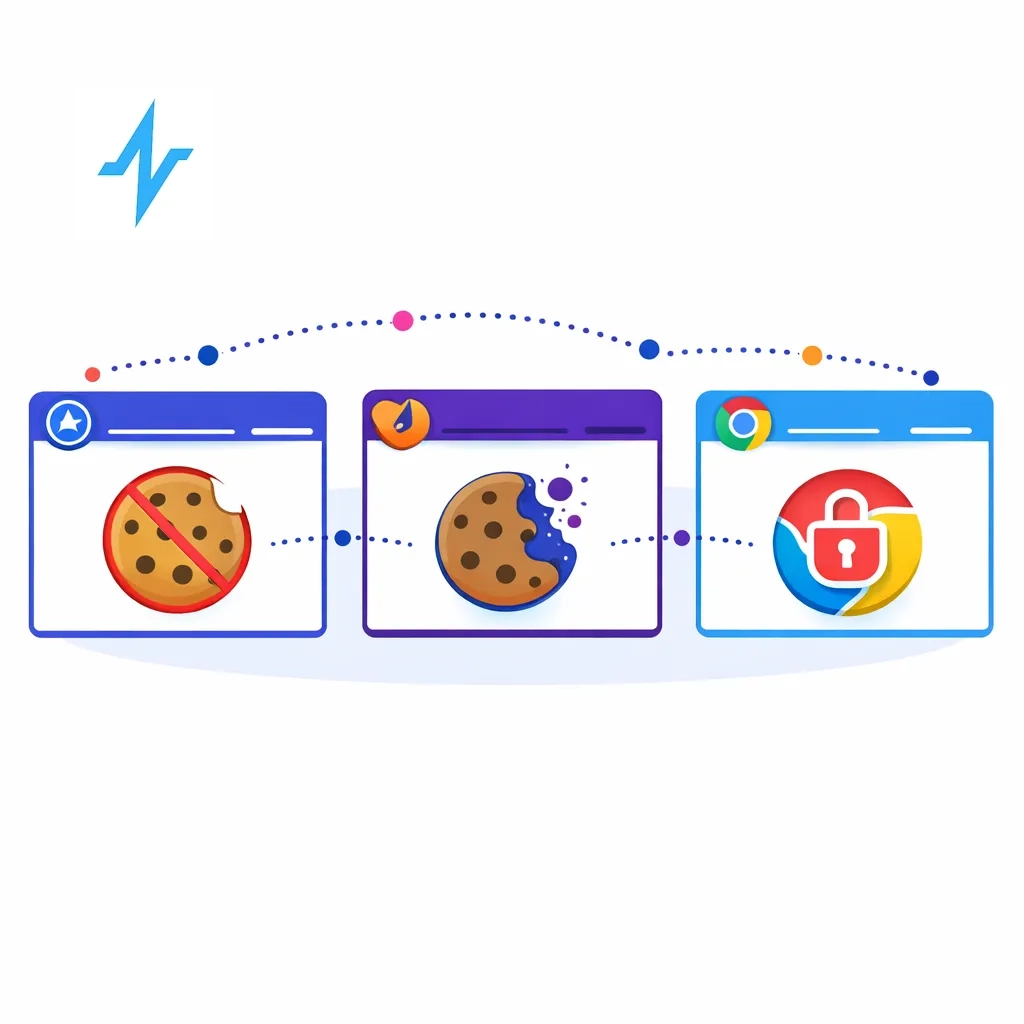
- Chrome’s direction has shifted: Google decided not to roll out a new standalone third-party cookie prompt and to keep a “user choice” approach — while continuing to block third-party cookies by default in Incognito. (Privacy Sandbox)
- And critically for “cookie replacement” plans, Google announced it will retire most remaining Privacy Sandbox ad APIs (including Attribution Reporting API, Topics, and Protected Audience) due to low adoption and expected value. (Privacy Sandbox)
So even if some third-party cookie traffic still exists in places, measurement strategies that depend on it are brittle — especially in HCP marketing where you need defensible governance, tight controls on personal data, and reporting your compliance team can live with.
This post breaks down what “cookieless measurement” really means for HCP targeting, and the identity options that can replace (or reduce reliance on) third-party cookies — without sacrificing rigor.
What “cookieless measurement” means in HCP marketing
When pharma marketers say they need “measurement,” they usually mean a bundle of jobs:
- Audience validation
Are we reaching the right specialties, titles, settings, and geographies? - Reach and frequency management
How many unique HCPs did we reach, and how often? - Outcome attribution
Did exposure influence downstream actions (site engagement, webinar attendance, rep requests, sample requests, formulary content views, etc.)? - Optimization loops
Which publishers, creatives, and segments are driving incremental impact?

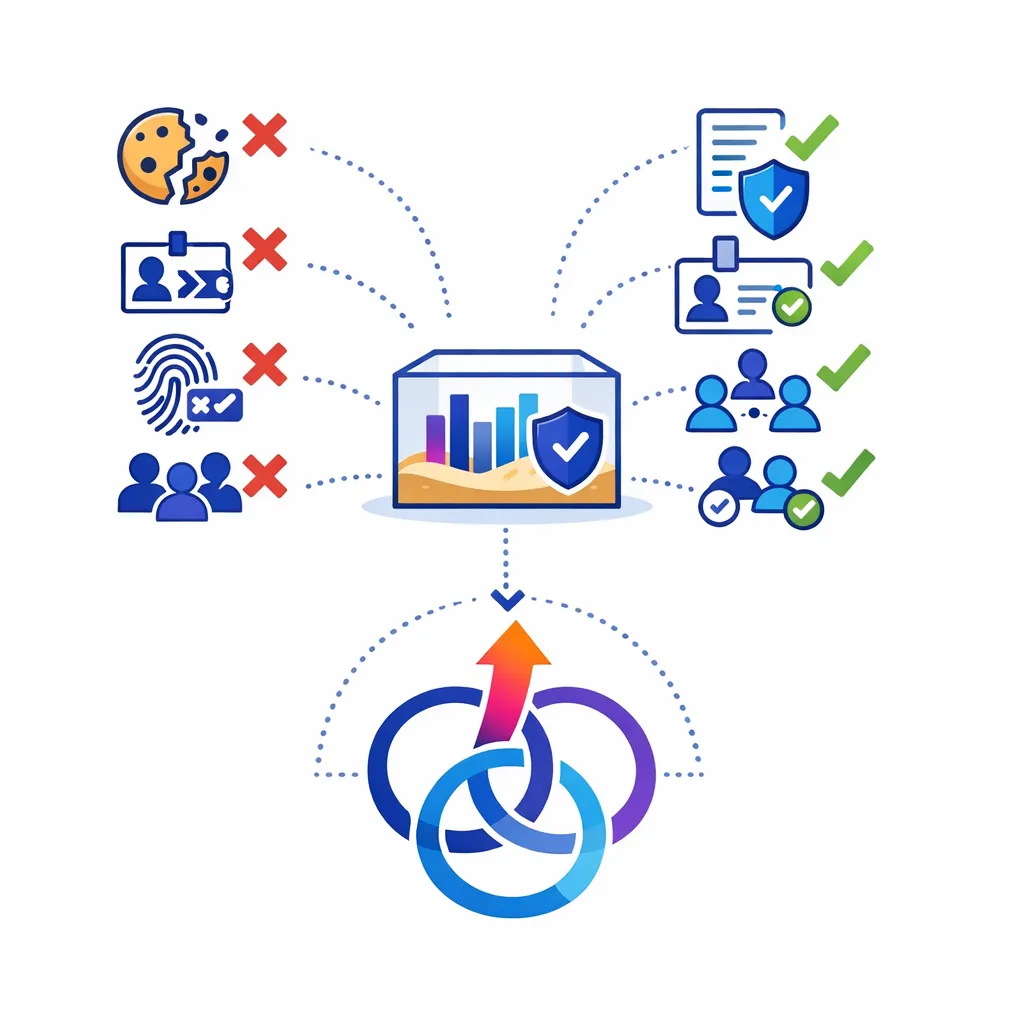
Third-party cookies historically acted as a crude glue between ad exposure and downstream behavior. Cookieless measurement replaces that glue with a stack of approaches — some identity-based, some aggregated, some experimental-design based.
The key mindset shift: there is no single “new cookie.” The industry has converged on exactly that point — no single solution replaces cookies and mobile ad IDs everywhere. (IAB Tech Lab)
Instead, the best cookieless measurement programs treat identity as a spectrum and build coverage intentionally.
Identity vs. measurement: separate the concepts
A common failure mode is buying an “ID solution” and assuming measurement is solved.
- Identity answers: “Who is this?” (or, more realistically, “Is this the same entity as before?”)
- Measurement answers: “What happened because of our marketing?” (in a way you can trust)
Identity can improve measurement, but measurement also needs:
- consistent instrumentation (events, conversions),
- governance (consent, retention, deletion),
- and often incrementality methods (holdouts, geo tests, lift studies) when identity is partial.
The identity spectrum (and why compliance teams care)
Identity approaches typically fall into two buckets:
Deterministic identity
Based on a stable, explicit identifier — most commonly:

- authenticated email (or hashed email),
- phone number (or hashed phone),
- a first-party CRM ID mapped through a partner,
- or a publisher-provided login ID.
Deterministic methods tend to be more accurate and easier to validate, but they require:
- user authentication or reliable collection,
- strong consent/notice, and
- strict controls around PII handling.
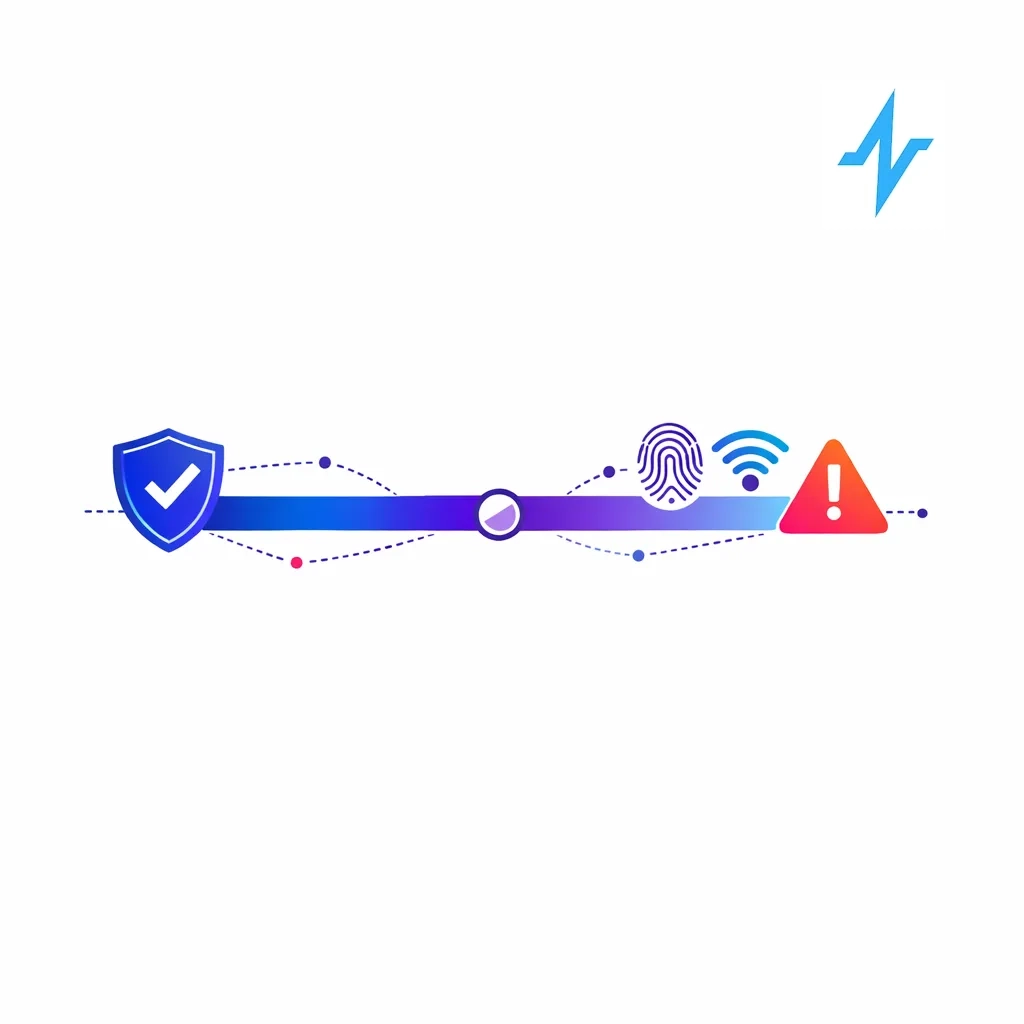
Probabilistic identity
Based on signals like device characteristics, IP-derived inferences, or statistical matching.
Probabilistic approaches can inflate reach but are riskier:

- they’re harder to audit,
- more likely to break as browsers harden privacy protections,
- and more likely to trigger privacy concerns.
If your compliance posture is “avoid anything that looks like fingerprinting,” that’s not paranoia — modern browsers explicitly invest in blocking or reducing tracking vectors beyond cookies. (Firefox, for example, lists “fingerprinters” among what it blocks by default.) (Mozilla Support)
For HCP targeting, deterministic + aggregated measurement is usually the safest long-term bet.
The cookieless identity toolbox for HCP campaigns
Below are the most common identity options beyond third-party cookies, along with where they fit in an HCP measurement plan.
Quick comparison table
| Option | What it is | Best for | Trade-offs |
| First-party IDs + first-party cookies | Measurement on your owned domains and logged-in experiences | Site engagement, form conversion, CRM linkage | Limited to owned properties; doesn’t automatically solve publisher-side exposure |
| Hashed email/phone (user-enabled IDs) | User-provided identifiers transformed into privacy-safer tokens | Deterministic matching across partners | Requires consent + consistent collection + strong governance (IAB Tech Lab) |
| Universal/alternative IDs (e.g., UID2-style) | Shared identity frameworks used across publishers/ad tech | Cross-site addressability where supported | Coverage varies; depends on partner adoption (unifiedid.com) |
| Publisher-provided cohorts / curated audiences | Publishers package first-party segments for activation/measurement | Scaled targeting without leaking raw user data | Less granular; requires trust in publisher taxonomy (IAB Tech Lab) |
| Identity graphs / collaboration networks | Partner networks map first-party IDs to interoperable IDs | Cross-channel measurement + activation | Vendor dependency; privacy and contract diligence required |
| Clean rooms | Privacy-preserving matching and analysis in controlled environments | Outcome measurement without raw data sharing | Setup complexity; works best with strong first-party datasets |
| Mobile privacy frameworks | ATT + aggregated attribution approaches | App-related campaigns | Less user-level detail by design (Apple Support) |
| Incrementality & MMM | Experimental design or model-based measurement | True lift in low-identity environments | Needs scale and discipline; not always campaign-granular |

Let’s unpack the big ones.
1) First-party identity: make your owned properties the source of truth
For HCP marketers, first-party identity is often the most defensible measurement foundation because you can control:
- what data you collect,
- how you store it,
- how you document consent,
- and how you audit access.
Examples of first-party identifiers in HCP contexts:
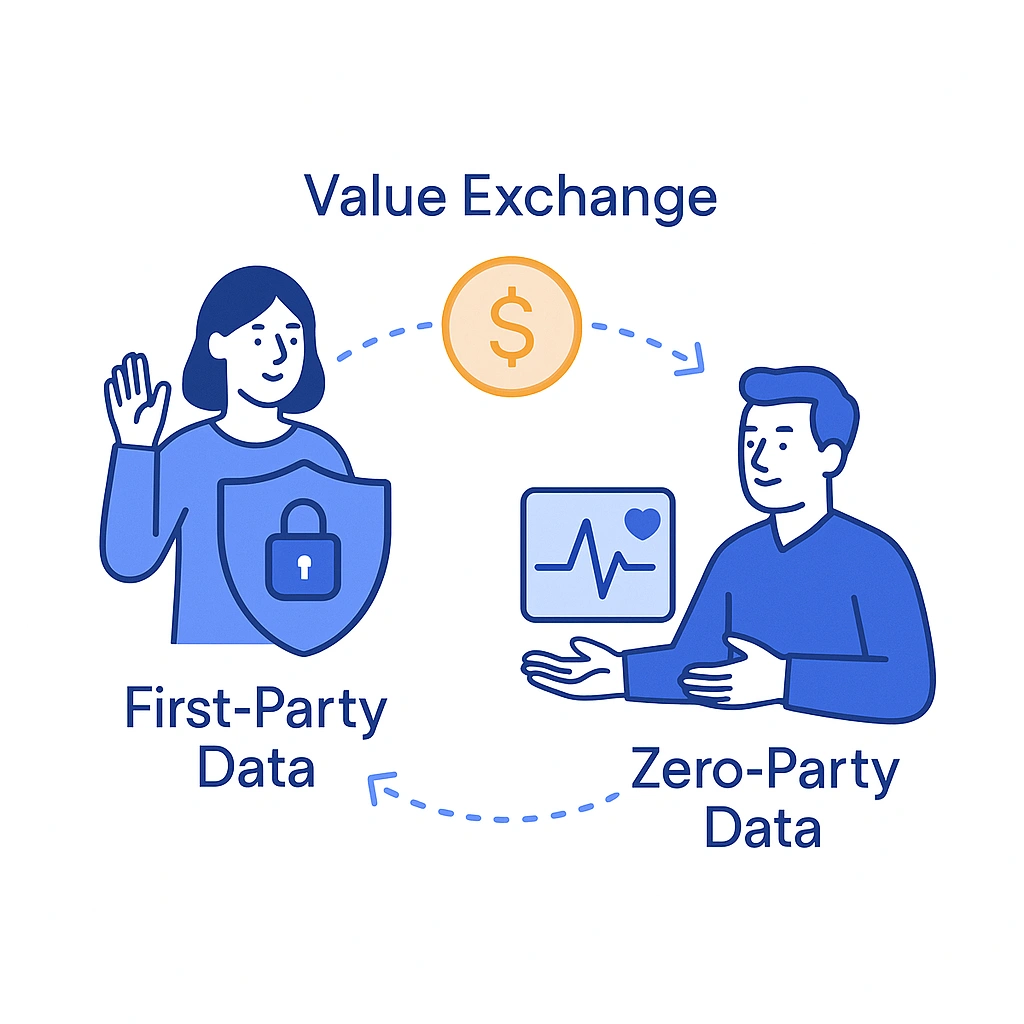
- portal or resource-center logins,
- gated clinical content registrations,
- webinar signups,
- rep contact requests,
- medical information requests.
Measurement strength: When you capture an HCP action on a branded property, you can tie it to:
- specialty,
- territory,
- prior engagement,
- and downstream CRM workflows (e.g., “rep follow-up completed,” “email nurture completed”).
Limitation: First-party identity alone doesn’t tell you who saw an ad on a publisher site — unless you have a way to bridge exposure to your first-party dataset (via universal IDs, clean rooms, publisher reporting, etc.).
2) Hashed email/phone: user-enabled identity tokens (the compliance-friendly workhorse)
Hashed email (HEM) and hashed phone are common “bridge keys” for cookieless measurement. Industry guidance explicitly discusses hashed email as prevalent across markets and provides frameworks for evaluating ID solutions. (IAB Tech Lab)
The IAB Tech Lab also provides best practices for user-enabled identity tokens (notably email and phone), including guidance around secure handling and use. (IAB Tech Lab)
Why this matters for HCP measurement:
If you can ethically and transparently collect an HCP’s email (or a stable identifier tied to it), you can:
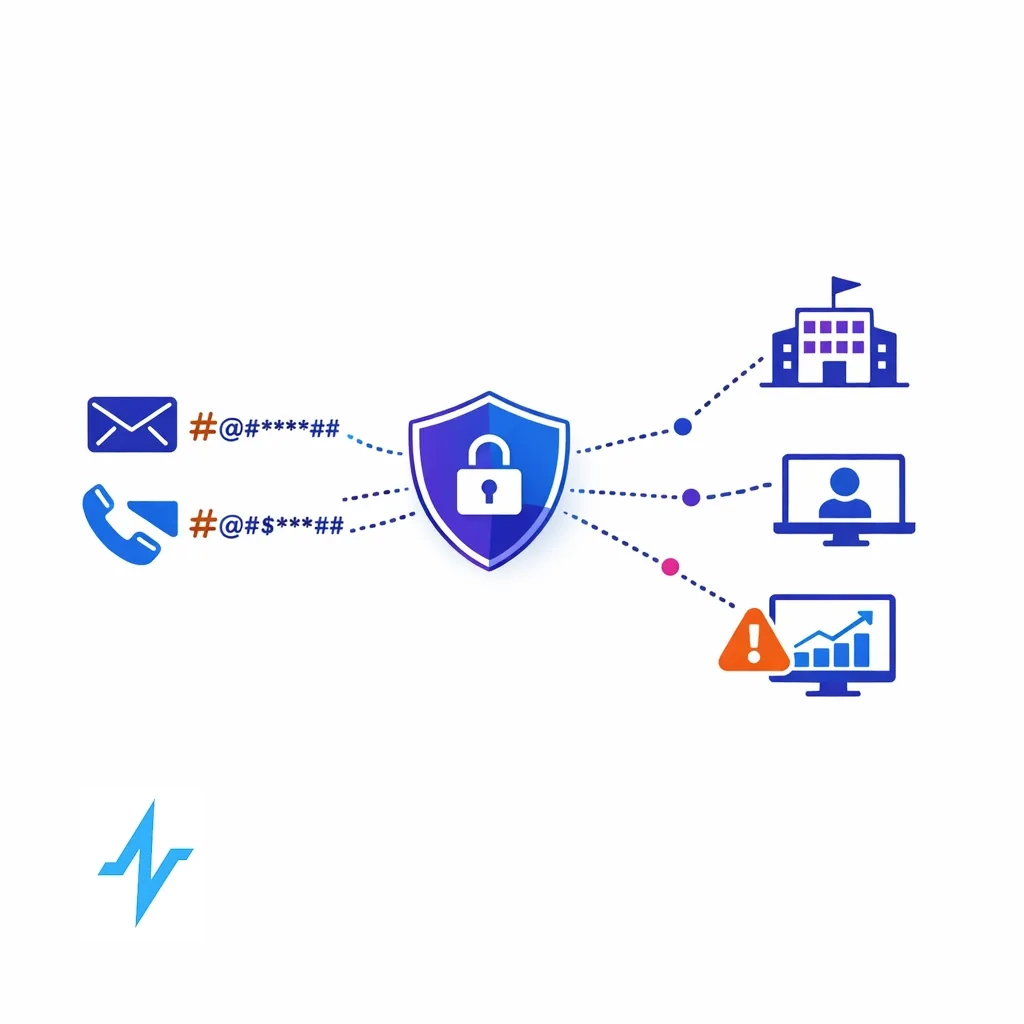
- create deterministic matches with participating publishers/platforms,
- limit reliance on device-level tracking,
- and tighten governance around who can access what.
Compliance posture tips:
- Treat HCP emails and derived IDs as personal data.
- Document notice and consent pathways.
- Enforce retention and deletion workflows (especially across vendors).
- Minimize what gets shared: share tokens and segment IDs, not raw profile data.
3) Universal/alternative IDs: where supported, they restore cross-site continuity
Universal IDs aim to provide deterministic identity “for advertising opportunities on the open internet” with privacy controls and governance. UID2, for example, describes itself as an open-source framework designed for deterministic identity and privacy controls. (unifiedid.com)
Where this can help HCP campaigns:
- Measuring reach/frequency across multiple publisher properties that support the same ID framework
- Running sequential messaging where identity persists across participating inventory
- Reducing waste by suppressing already-converted HCPs (where policy allows)

The practical constraint: adoption is uneven. You’ll get best results when your media mix includes:
- authenticated publisher environments,
- direct publisher deals,
- and programmatic pipes that support the chosen ID(s).
4) Publisher-provided cohorts and “curated audiences”: scaled targeting without raw identity leakage
IAB Tech Lab’s “Seller Defined Audiences,” now positioned as Curated Audiences, is designed to help publishers scale first-party data “without data leakage or reliance on deprecated IDs.” (IAB Tech Lab)
This approach is particularly interesting for regulated categories because it shifts power to the publisher to define segments, rather than exposing raw user-level identifiers to the open ecosystem.
How it fits cookieless measurement:

- You can measure performance by cohort/segment across inventory
- You can compare cohort performance across publishers using standardized taxonomies (where implemented)
- You reduce dependence on cross-site IDs
Trade-off: you lose some user-level continuity, so you’ll often pair this with:
- clean-room outcomes measurement, or
- incrementality testing, or
- strong first-party conversion instrumentation.
5) Identity graphs and collaboration networks: powerful, but diligence-heavy
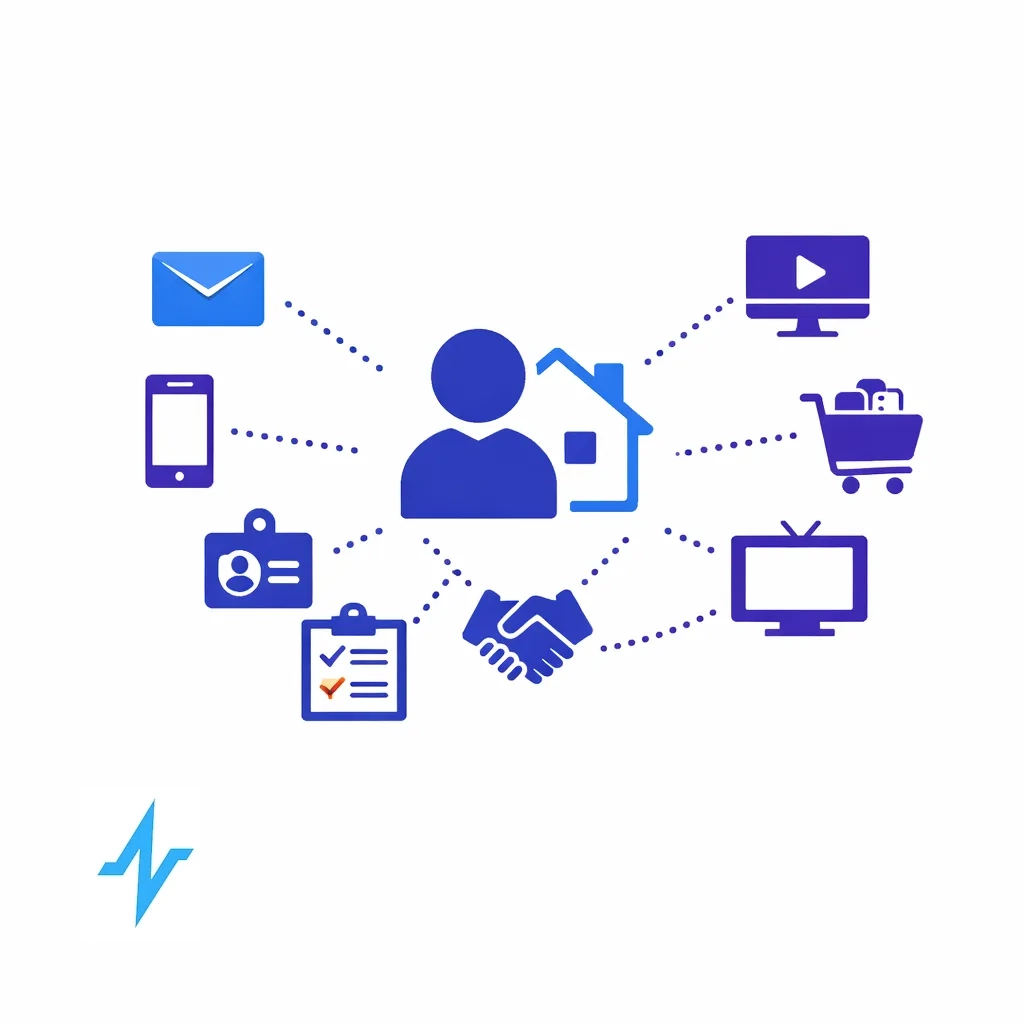
Identity graphs map multiple identifiers (email, device IDs, login IDs, sometimes offline signals) into a durable “person/household” representation.
These can be compelling for:
- cross-channel measurement (web + CTV + programmatic + sometimes retail media),
- closed-loop reporting (exposure → site action → CRM outcome),
- and suppression strategies.
But they require strong diligence:
- contracts,
- permitted-use boundaries,
- and deletion/rights management across participants.
If your compliance team asks, “Can we audit how this ID is created and used?” you need a real answer — not marketing slides.
(If you’re evaluating this category, IAB Tech Lab’s identity solutions guidance is worth using as an internal evaluation checklist.) (IAB Tech Lab)
6) Clean rooms: measurement without moving raw data around
Clean rooms help you answer questions like:
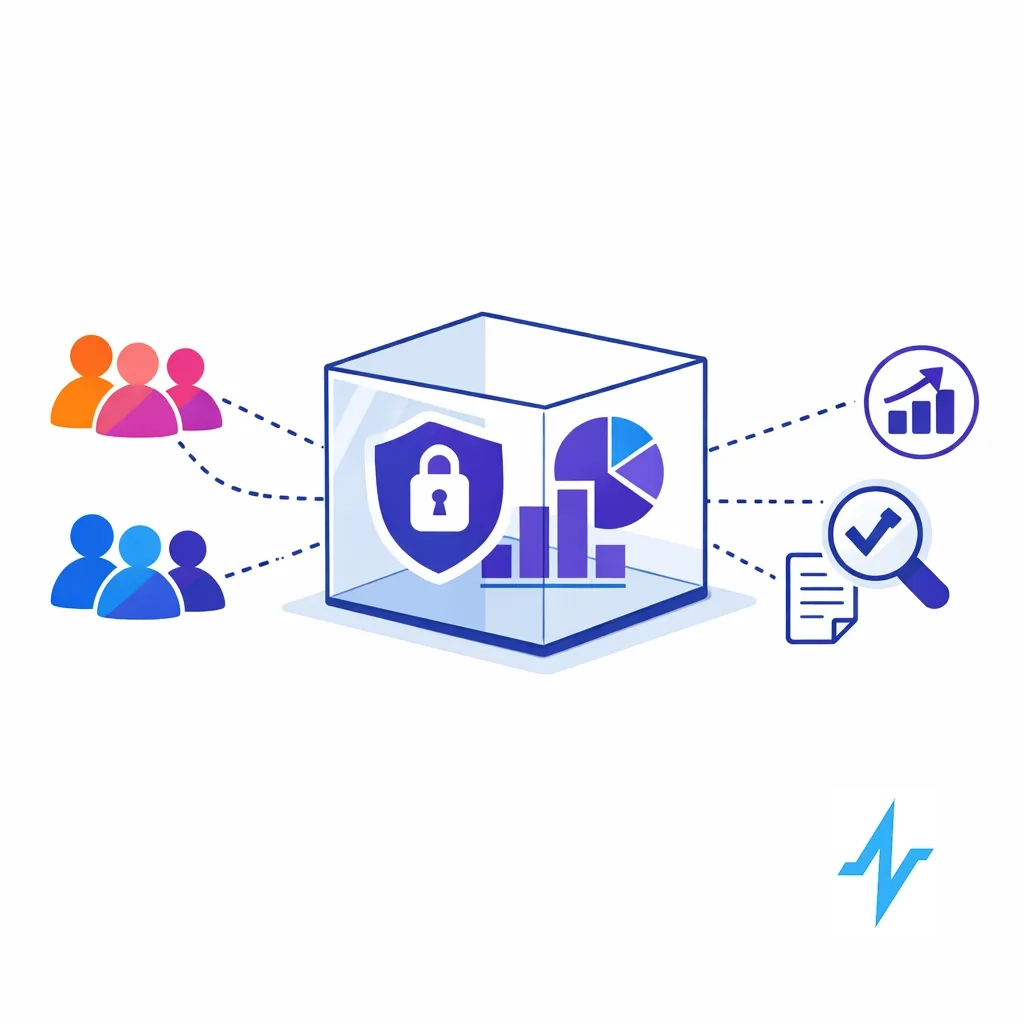
- “Did exposed HCPs convert at a higher rate than unexposed?”
- “Which segments drove the most lift?”
- “What is overlap between our CRM list and a publisher audience?”
…without directly sharing raw identifiers between parties.
For HCP marketing, clean rooms often become the “trust layer” that makes cookieless measurement acceptable:
- controlled access,
- auditable queries,
- aggregated outputs.
7) Mobile and app measurement: privacy-first by design
If part of your HCP engagement strategy includes apps (publisher apps, point-of-care tools, etc.), mobile measurement has already gone cookieless.
- Apple’s App Tracking Transparency requires user permission for tracking across companies’ apps and websites. (Apple Support)
- Apple introduced privacy-preserving attribution approaches like SKAdNetwork (designed to report outcomes in aggregated, privacy-centric ways). (Apple Developer)

The practical outcome: you should expect more aggregated reporting and more modeling, and you should bias toward incrementality studies when possible.
A reality check: Privacy Sandbox ad APIs are being retired — plan accordingly
For a few years, many teams assumed browser APIs would replace third-party cookie measurement. But Google has now publicly stated it will retire many of those Privacy Sandbox ad technologies — including Attribution Reporting API and Topics — citing low adoption and expected value. (Privacy Sandbox)
At the same time, Chrome is maintaining a third-party cookie “choice” approach and continuing strong tracking protections in Incognito (where third-party cookies are blocked by default). (Privacy Sandbox)
Translation for HCP marketers:
Don’t build your long-term measurement roadmap around browser-native ad measurement APIs “saving” you. Build around:
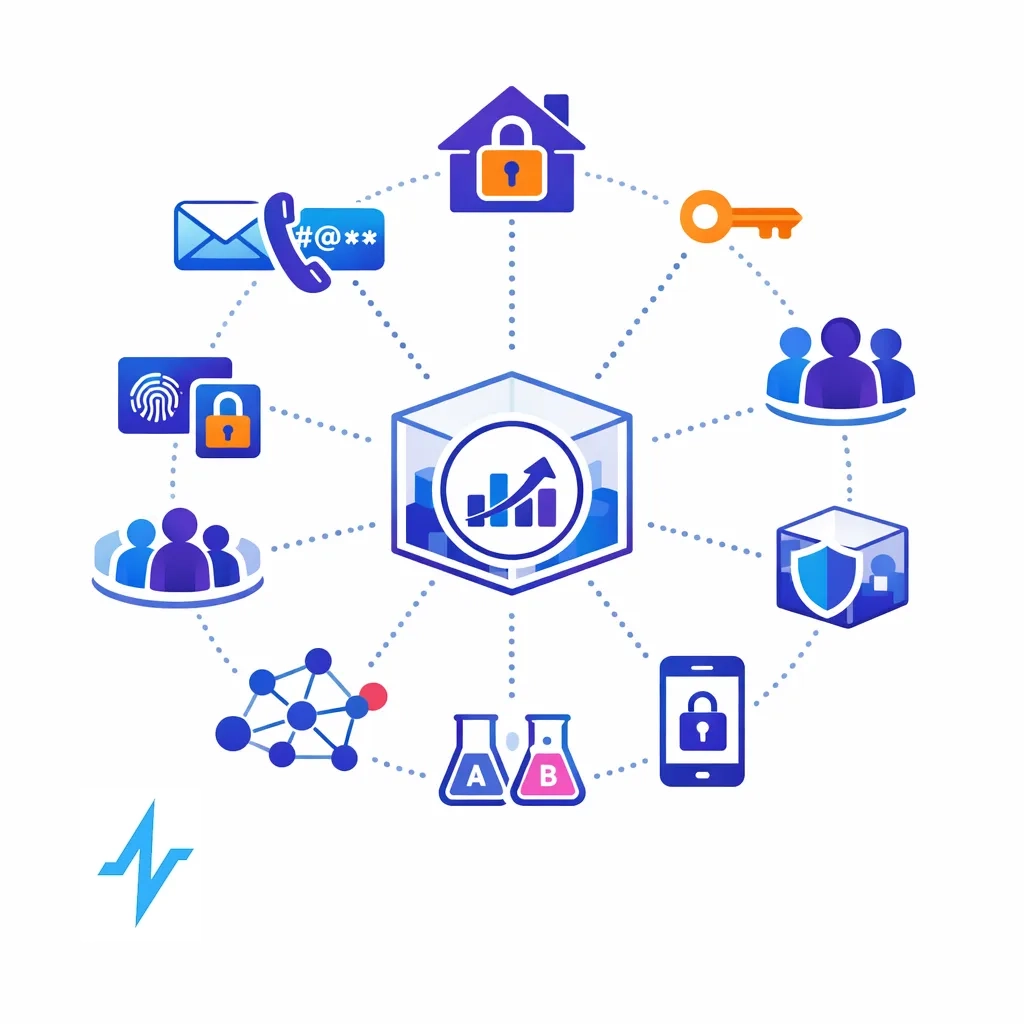
- first-party identity,
- authenticated publisher ecosystems,
- curated cohorts,
- clean rooms,
- and incrementality.
A practical cookieless measurement blueprint for HCP campaigns
Here’s a battle-tested way to design measurement that survives signal loss.
Step 1: Define outcomes that matter (and can be audited)
Examples:
- HCP content depth (clinical monographs, MOA, safety pages)
- webinar attendance
- rep request / MSL request
- formulary or access resource interaction
- sample request (if applicable)
- email/SMS engagement as supporting signals (not end goals)

Make sure each outcome has:
- a clear event definition,
- a timestamp,
- and a governance policy.
Step 2: Centralize consent and preference signals
Your measurement is only as defensible as your consent posture.
At the ecosystem level, privacy signal frameworks like IAB Tech Lab’s Global Privacy Platform (GPP) exist to streamline consent and consumer choice signals across markets. (IAB Tech Lab)
In practice, you want:
- clear notice and preference capture on owned properties,
- consent states carried into activation,
- and suppression rules that respect opt-outs.
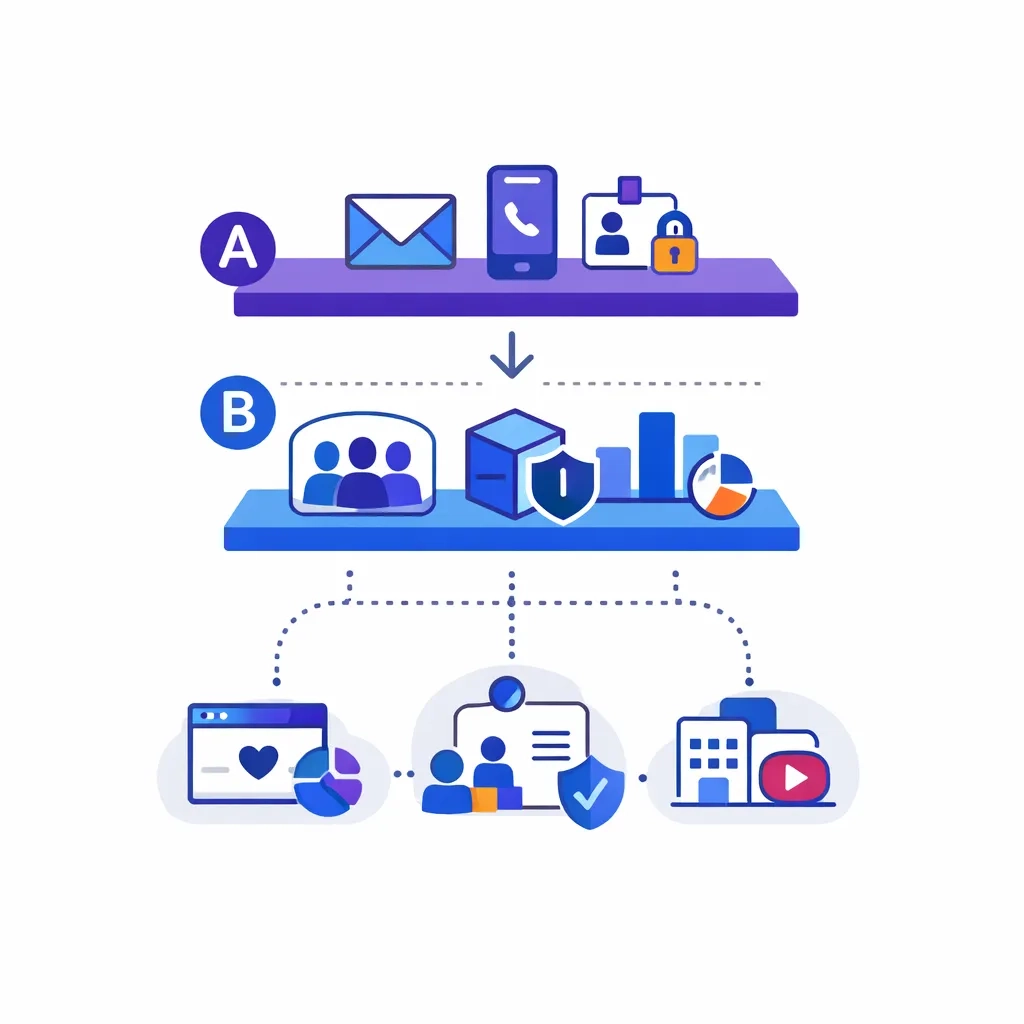
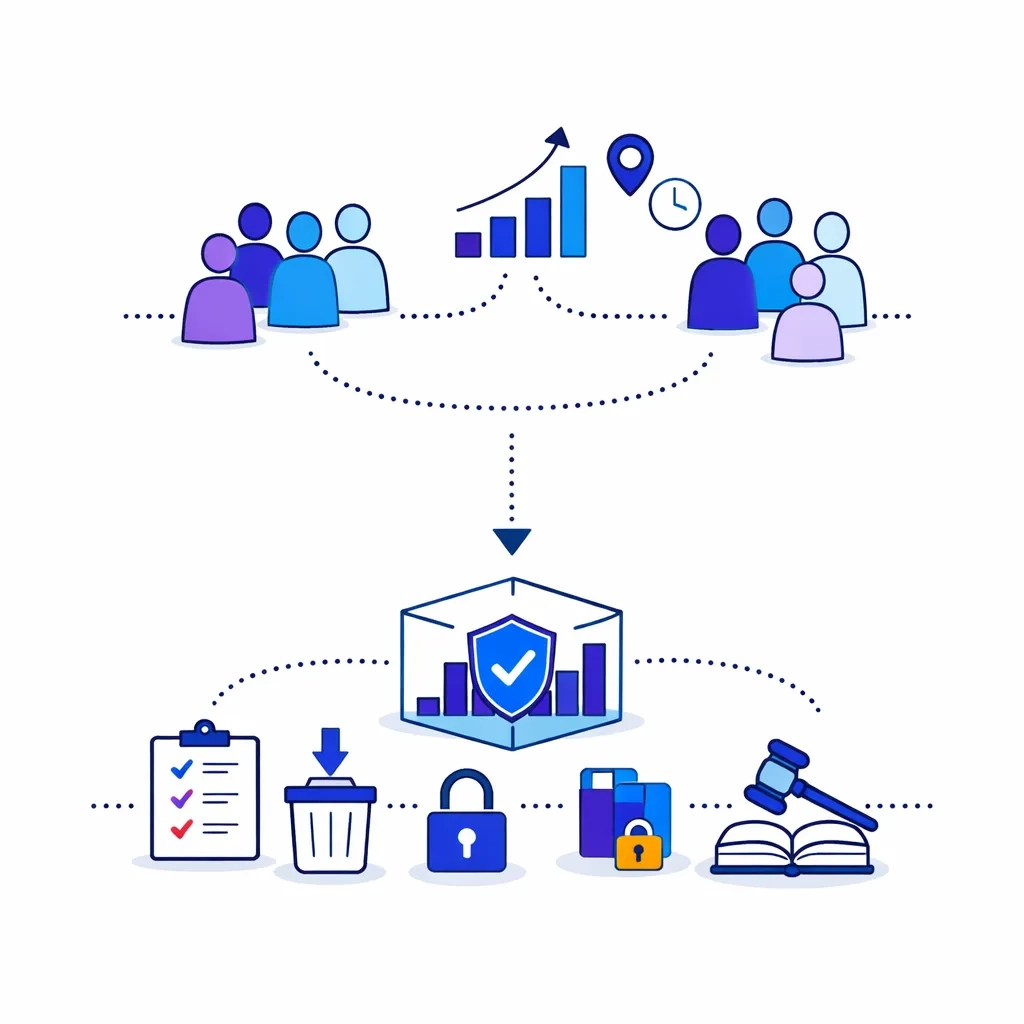
Step 3: Build a “two-layer” identity strategy
Layer A (deterministic): first-party IDs, hashed email/phone, authenticated IDs
Layer B (aggregated): cohorts/curated audiences, clean-room results, platform reporting, incrementality
This avoids the trap of “identity or nothing.”
Step 4: Activate through channels that can return measurable signals
Prioritize media partners who can support:
- deterministic ID matching (where policy allows),
- cohort reporting with transparent taxonomies,
- and clean-room measurement options.
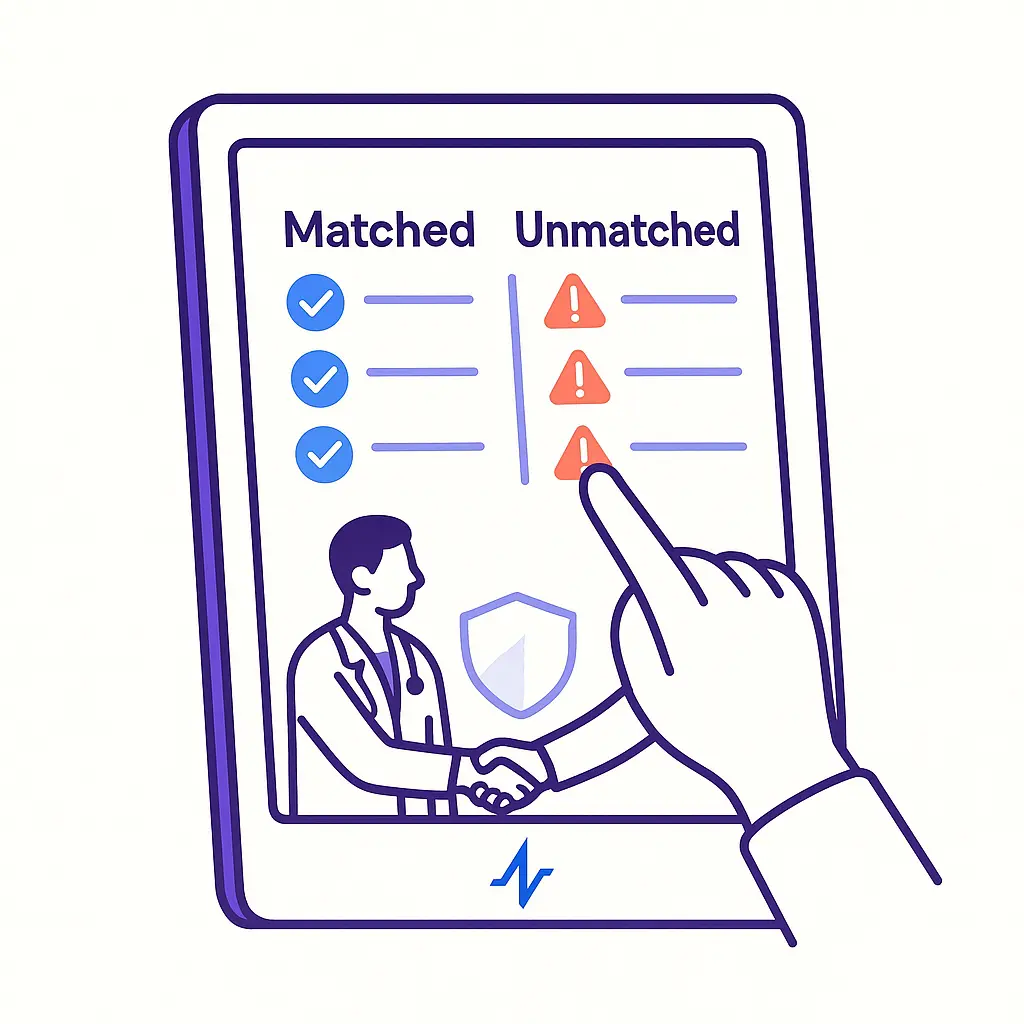
Step 5: Use incrementality to validate attribution
When identity is partial, incrementality is your truth serum:
- holdout groups (randomized where possible),
- geo experiments,
- time-based tests,
- publisher lift studies.
Your goal isn’t perfect user-level attribution; it’s credible decision-making.
Step 6: Operationalize governance (so compliance isn’t a blocker)
Cookieless measurement fails most often because governance is bolted on late.
Bake in:
- data minimization (only what you need),
- clear retention schedules,
- deletion workflows that cascade to partners,
- and audit logs for access and data movement.

Common pitfalls to avoid
- Treating cookies as “deprecated” everywhere
Chrome’s path has changed, and browser behaviors vary. Your strategy must assume fragmentation, not a single switch flip. (Privacy Sandbox) - Over-investing in a single ID vendor
Coverage is uneven, and adoption shifts. Design for portability. - Using probabilistic identity as a crutch
It’s harder to defend and more likely to erode as browsers tighten protections. (Mozilla Support) - Measuring what’s easy instead of what matters
Clicks and opens aren’t business outcomes. Tie exposure to meaningful HCP actions and downstream workflows.
Where Pulse Health fits in a cookieless world
In cookieless measurement, the winners are the teams that can connect three things — cleanly and compliantly:

- First-party HCP engagement data (what happened on your owned properties)
- Activation metadata (which segments/messages ran, where, and when)
- Outcome analytics (what changed, and what was incremental)
Platforms like Pulse Health are well-positioned to serve as the system of record for consented engagement — helping you:
- standardize events and conversion definitions,
- maintain clean HCP profile and preference data,
- orchestrate compliant outreach across channels,
- and power reporting that stands up to scrutiny when third-party cookies don’t.

A “ready for cookieless” checklist
If you want cookieless measurement that both marketing and compliance can support, aim to answer “yes” to these:
- Do we have a clear set of HCP outcomes and event definitions?
- Can we measure those outcomes reliably on owned properties?
- Do we have consent + preference capture and suppression rules?
- Do we use deterministic IDs where appropriate (hashed email/phone) with strong governance? (IAB Tech Lab)
- Are we using cohorts/curated audiences and/or clean rooms to scale beyond deterministic coverage? (IAB Tech Lab)
- Do we run incrementality tests to validate impact in low-identity environments?
- Can we document and audit data flows end-to-end?
Cookieless measurement isn’t a downgrade. Done right, it’s an upgrade: more intentional, more defensible, and more aligned with how privacy and regulation are evolving.