

Pharma teams rarely struggle to find channels. The harder problem is choosing patient communication tools that can educate, capture enrollment, support reminders, and produce defensible measurement without adding compliance risk or operational friction.
This guide is for US pharma brand teams, omnichannel leads, patient support leaders, CRM owners, and agency partners evaluating a healthcare communication platform for patient education, patient enrollment, and ongoing adherence support. You will learn what these tools should do, where they fit in pharma workflows, which vendor questions matter most, and how to measure whether the platform is improving enrollment completion, response speed, and staff efficiency.
What are patient communication tools in pharma?
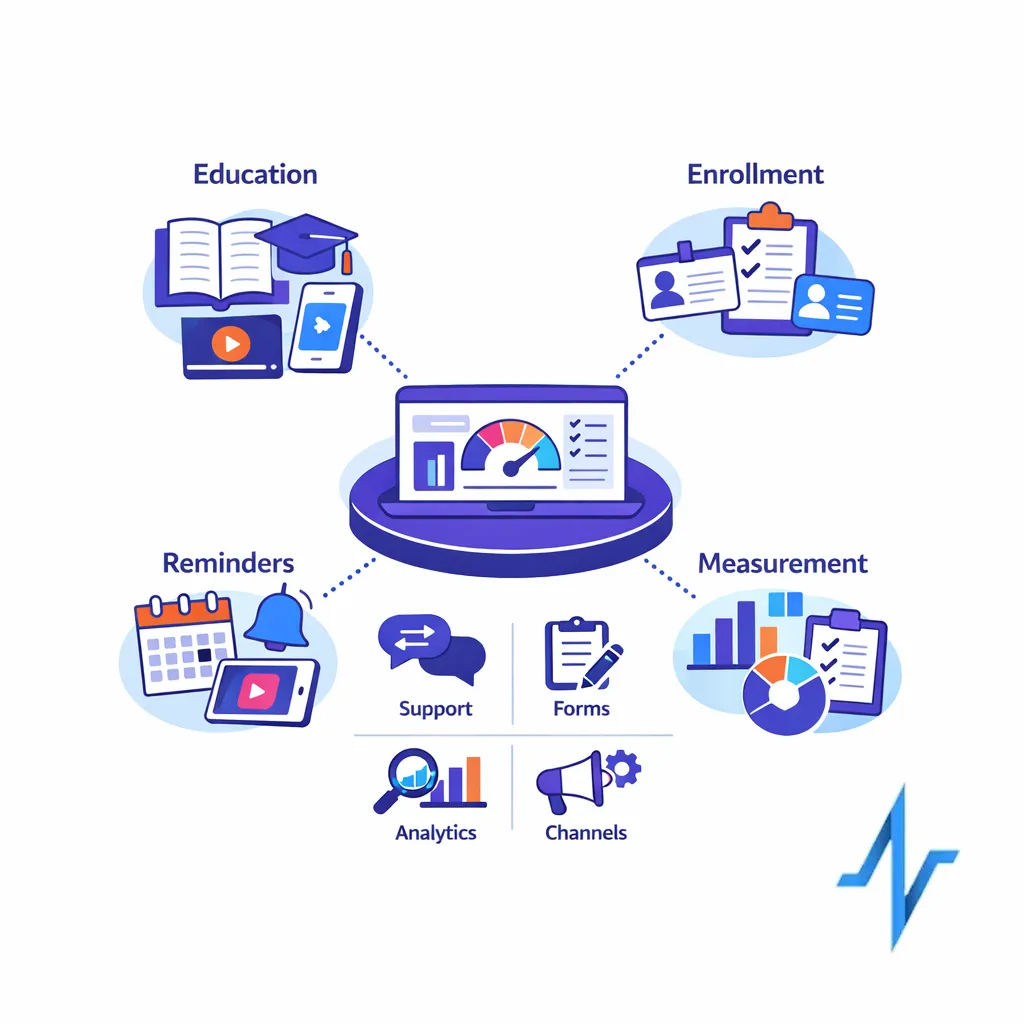
Patient communication tools in a pharma context are the systems and workflow components used to deliver education, reminders, forms, consent steps, and two-way support across channels such as SMS, email, voice, web, and service teams. The goal is not just outreach. It is to move a patient or caregiver from interest to understanding to action in a way that is measurable and operationally manageable.
How they differ from generic patient engagement software
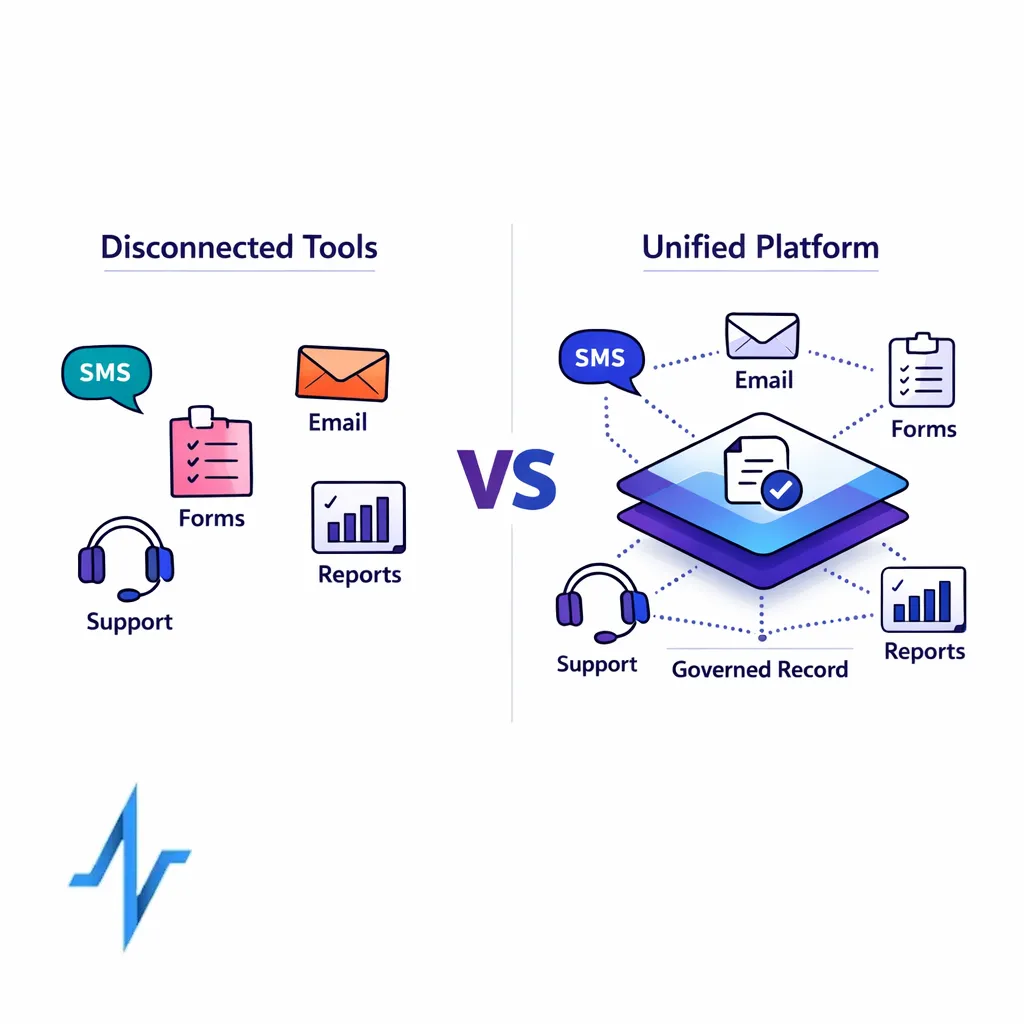
When buyers say patient engagement software, they can mean anything from appointment reminders to provider portals to general outreach tools. Pharma teams usually need more than a broadcast channel. They need controlled content, enrollment capture, service escalation, identity continuity, and reporting that follows the patient across education, patient access, and support workflows shaped by patient-focused drug development.
Where they fit across education, reminders, and enrollment journeys
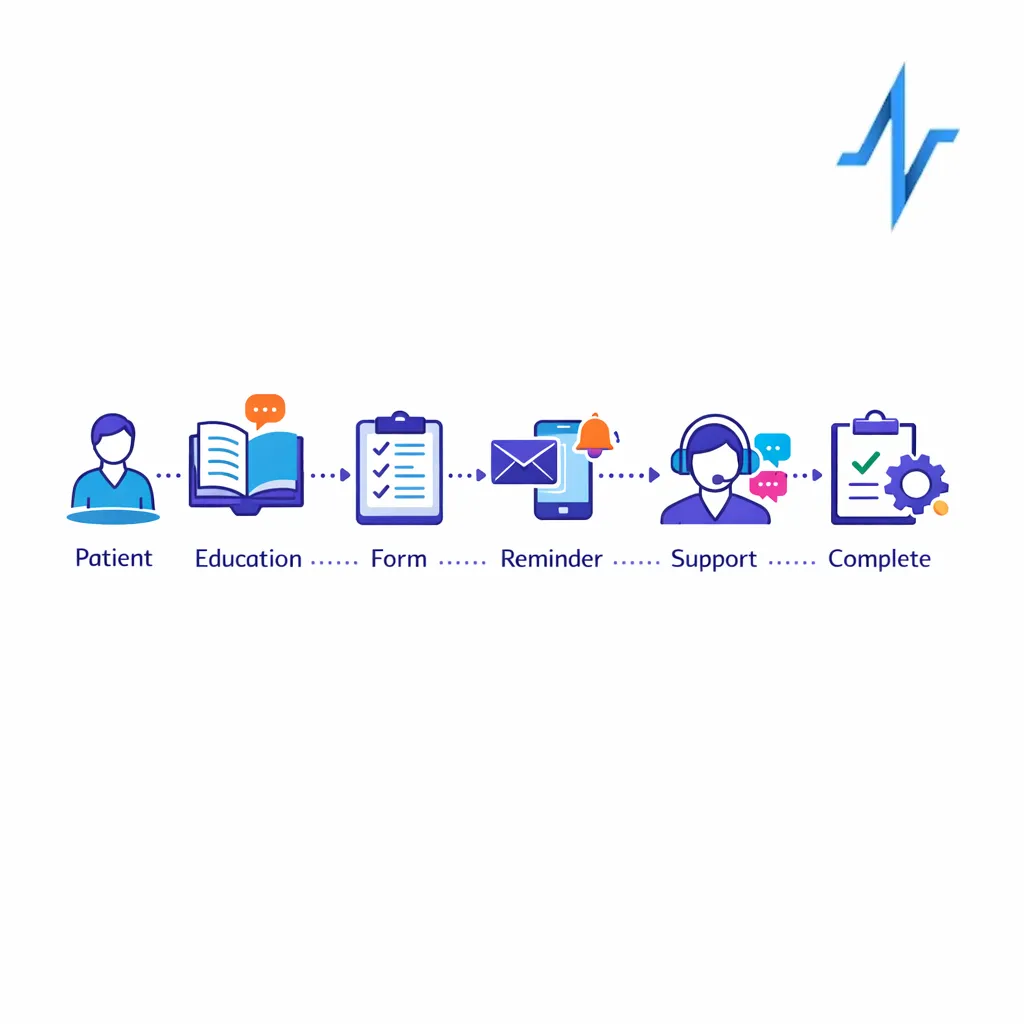
These tools sit between campaign entry points, websites, call centers, hubs, patient services teams, and downstream support operations. In specialty programs, communication flows may also need to align with Risk Evaluation and Mitigation Strategies, which raises the bar for documentation, routing, and closed-loop follow-up.
What is patient enrolment? In this setting, patient enrollment is the step where a patient or caregiver provides the information, permissions, and documentation needed to enter a support program, affordability pathway, or therapy-start workflow. A strong platform turns that step from a static form into an orchestrated process with reminders, handoffs, and visibility into where people drop off.
What changed in the evaluation process
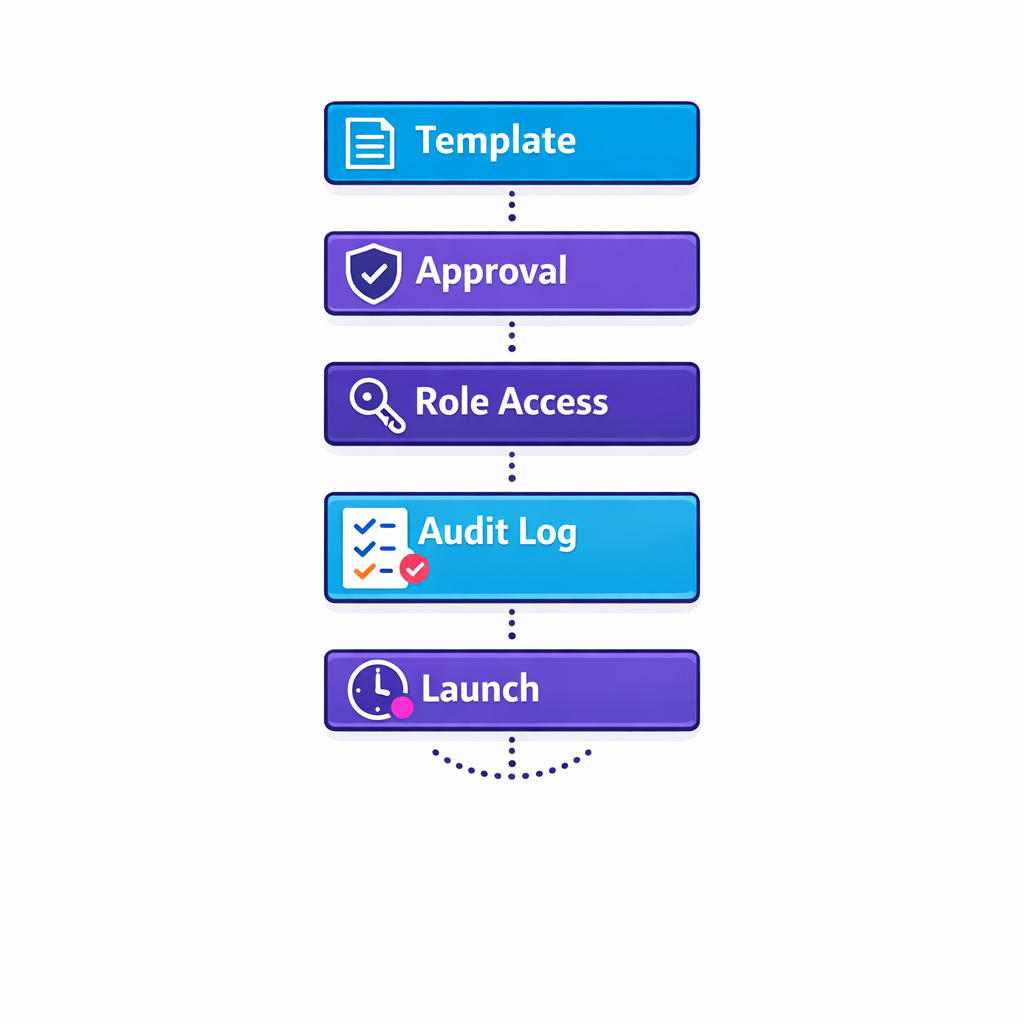
Many teams once evaluated communication tools as channel vendors. Today, the buying criteria are broader. The platform has to support governed outreach, measurable journeys, system connectivity, and accessible communications from day one.
That shift is tied to the continuing importance of the HIPAA Privacy Rule, the technical safeguard expectations in the HIPAA Security Rule, modern interoperability expectations under the ONC Cures Final Rule, and language-access and disability communication obligations under Section 1557.
For pharma marketers and patient support teams, that means the old feature checklist is not enough. A reminder tool may look fine in a demo and still fail when the program needs consent capture, multilingual variations, case creation, escalation, or integration back to CRM and patient services.
When pharma teams need a dedicated communication platform
Education programs
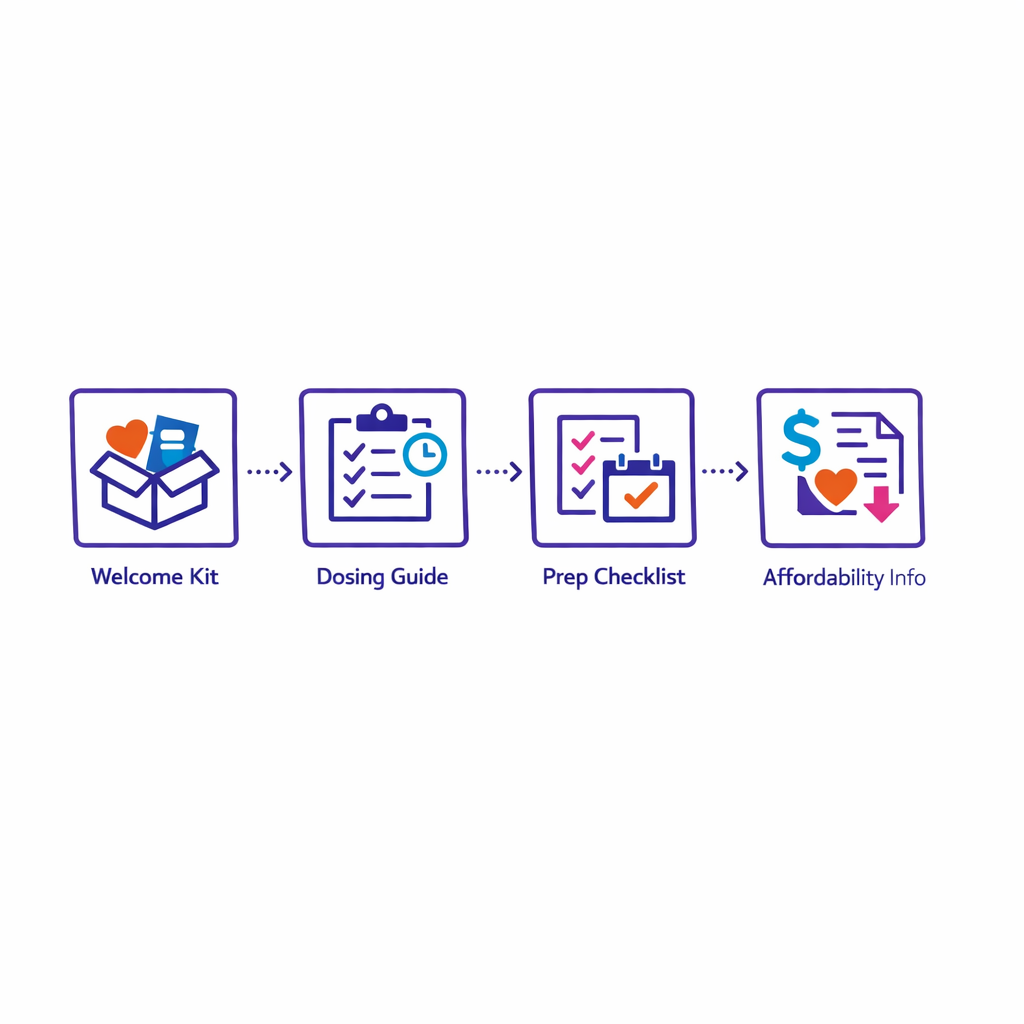
Education journeys need more than content storage. They need sequencing, audience logic, suppression rules, and a way to detect whether a patient actually consumed the material and took the next step. That is especially important when the program spans web education, patient support outreach, and live-service follow-up.
Look for a platform that can coordinate branded and unbranded education, track progression through key milestones, and route unanswered questions to the right team. If education sits in one tool and enrollment in another, the handoff often becomes manual.
Enrollment and patient support workflows
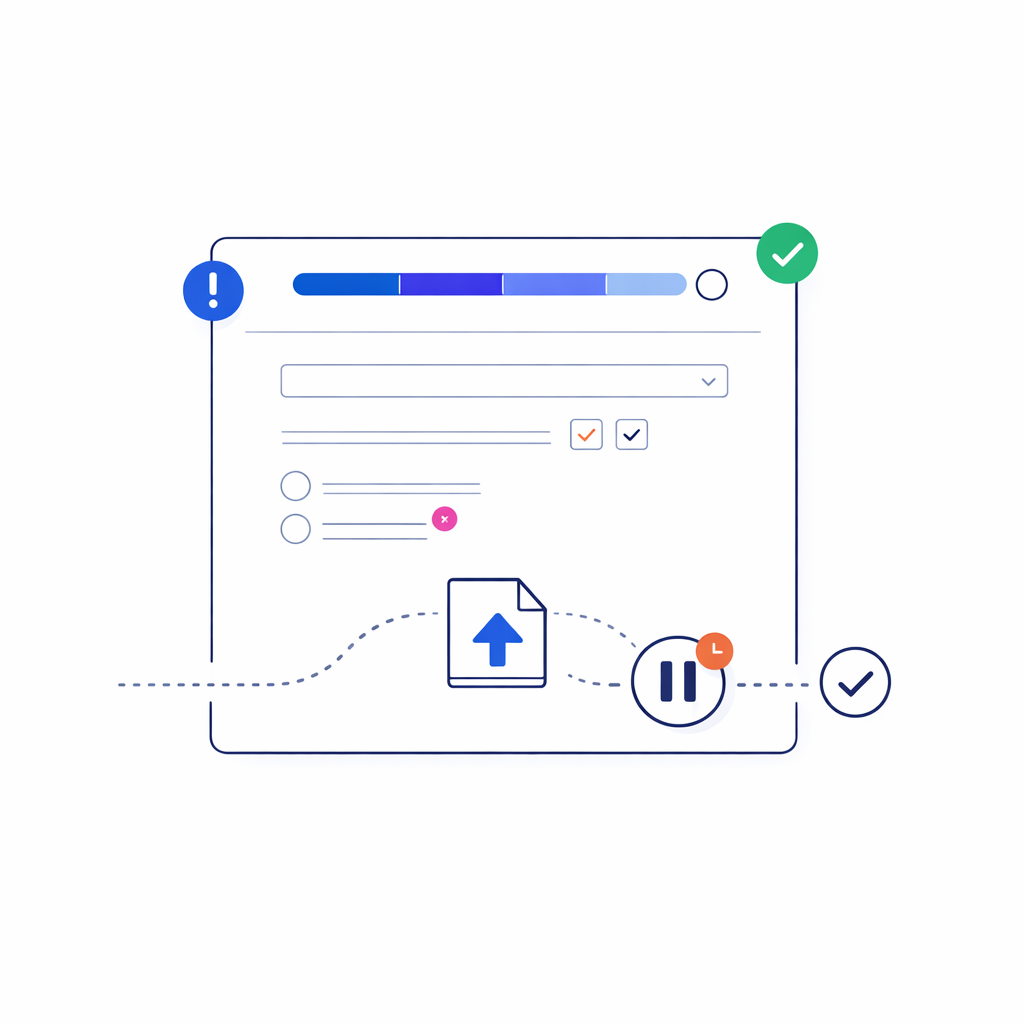
Enrollment is where weak systems are exposed. The platform should collect form data, validate missing fields, trigger reminders, create cases, and keep the record moving even when the patient pauses and returns later.
This is also where patient access complexity shows up. If the journey includes benefits investigation, prior authorization support, affordability steps, or hub coordination, your patient communication tools should preserve the history of what was sent, what was completed, and what still requires follow-up.
Ongoing adherence and refill reminders
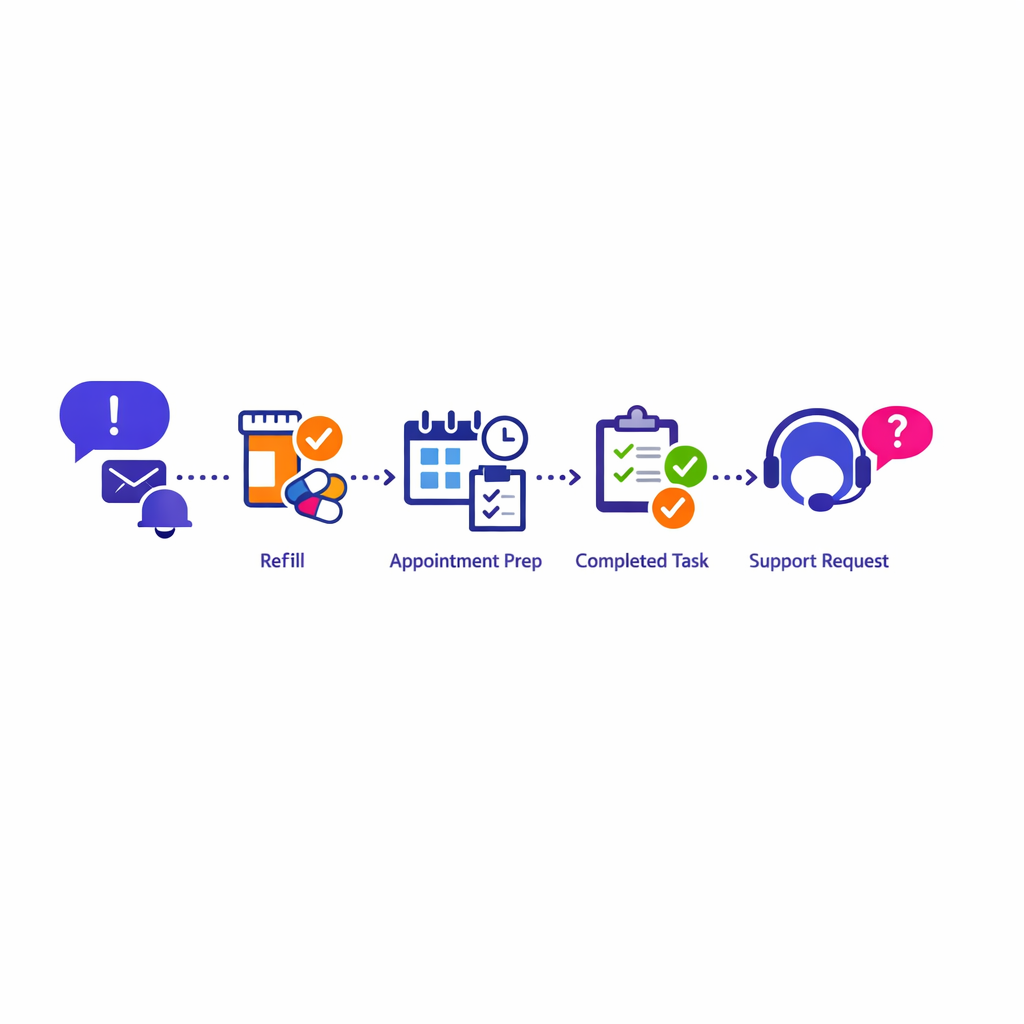
After enrollment, the workflow shifts from conversion to continuity. The right platform can support refill reminders, appointment reminders, readiness checks, and adherence support without turning the program into a one-way message stream.
For these programs, two-way response handling matters as much as send volume. A patient who replies with confusion, access barriers, or a request for help should move into a defined support path, not into a generic inbox.
Core capabilities to evaluate before selecting a platform
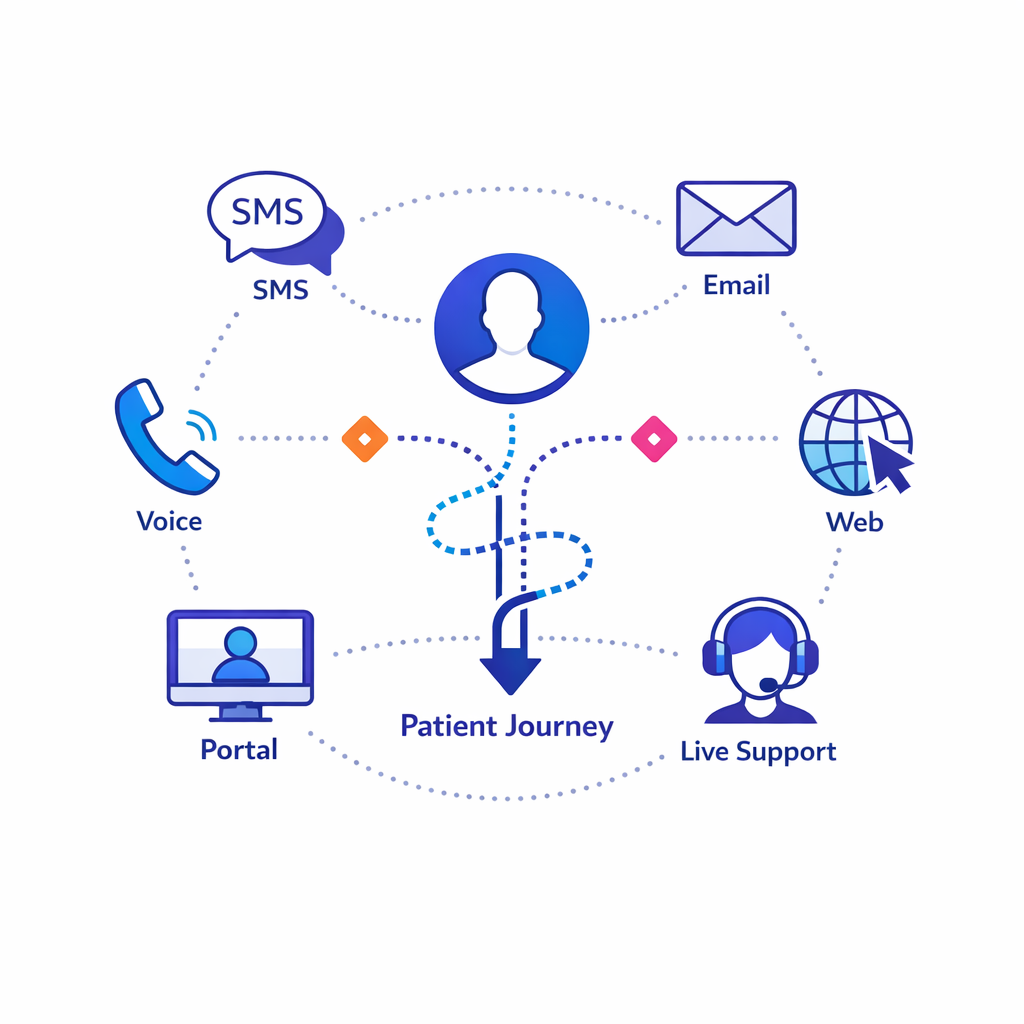
Omnichannel outreach: SMS, email, voice, portal, web chat
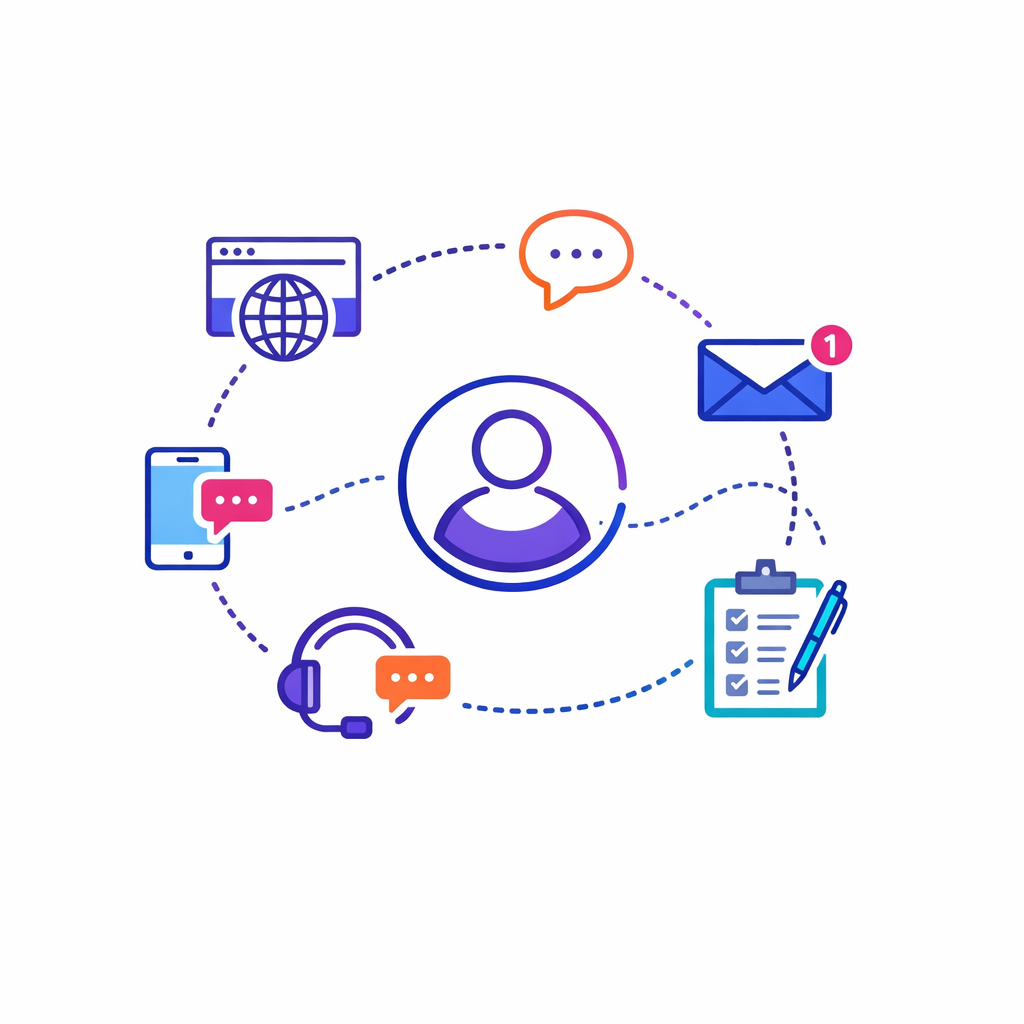
In pharma patient engagement, channel count matters less than orchestration. The system should know when to use SMS for urgency, email for richer education, voice for unreachable patients, web for form completion, and service outreach when the patient signals a barrier.
- Why it matters: Patients do not follow one linear path, so the platform should coordinate channels around one journey rather than treat each touchpoint as a separate campaign.
- What to ask vendors: Can one workflow manage SMS, email, voice, patient portals, and web interactions from a single profile? Can the system suppress duplicate outreach when the task is completed elsewhere?
Workflow automation and intelligent routing
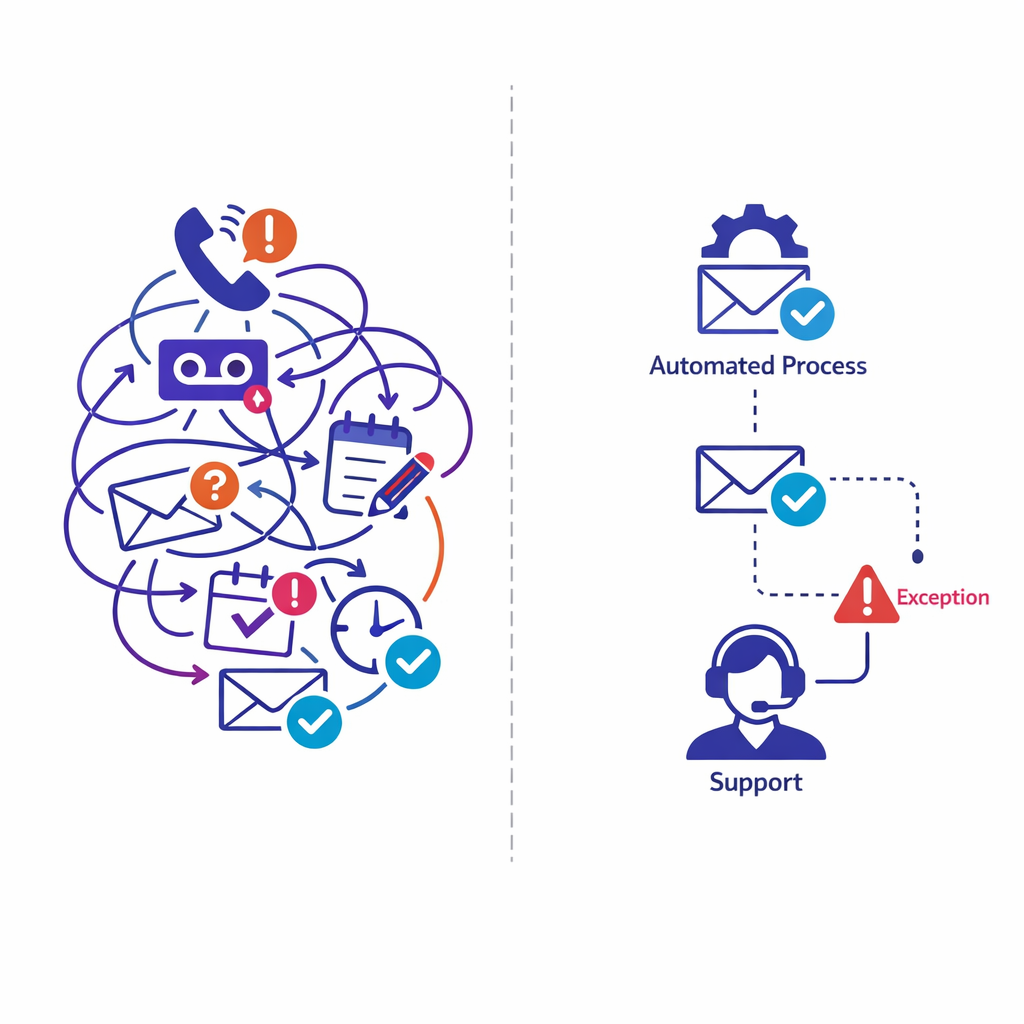
Automation should move a patient toward a next best action, not just schedule messages. Good workflow automation reacts to form status, reminder response, service outcomes, and timing rules so teams can prioritize exceptions instead of touching every case manually.
- Why it matters: The value comes from reducing phone tag, missed follow-up, and repetitive staff work.
- What to ask vendors: What events can trigger a new message, task, or case? Can routing logic branch by therapy stage, geography, language, and support need?
Digital forms, consent, and enrollment capture
For patient enrollment, the form is part of the journey, not a document at the end of it. Evaluate conditional questions, save-and-return flows, document upload, e-signature support, and the ability to create a service record the moment a patient submits.
- Why it matters: Abandonment often happens because the form experience is disconnected from reminders and human follow-up.
- What to ask vendors: Can incomplete forms trigger reminders automatically? Can the platform prefill known data and show staff exactly where the patient stopped?
Two-way messaging and secure escalation paths
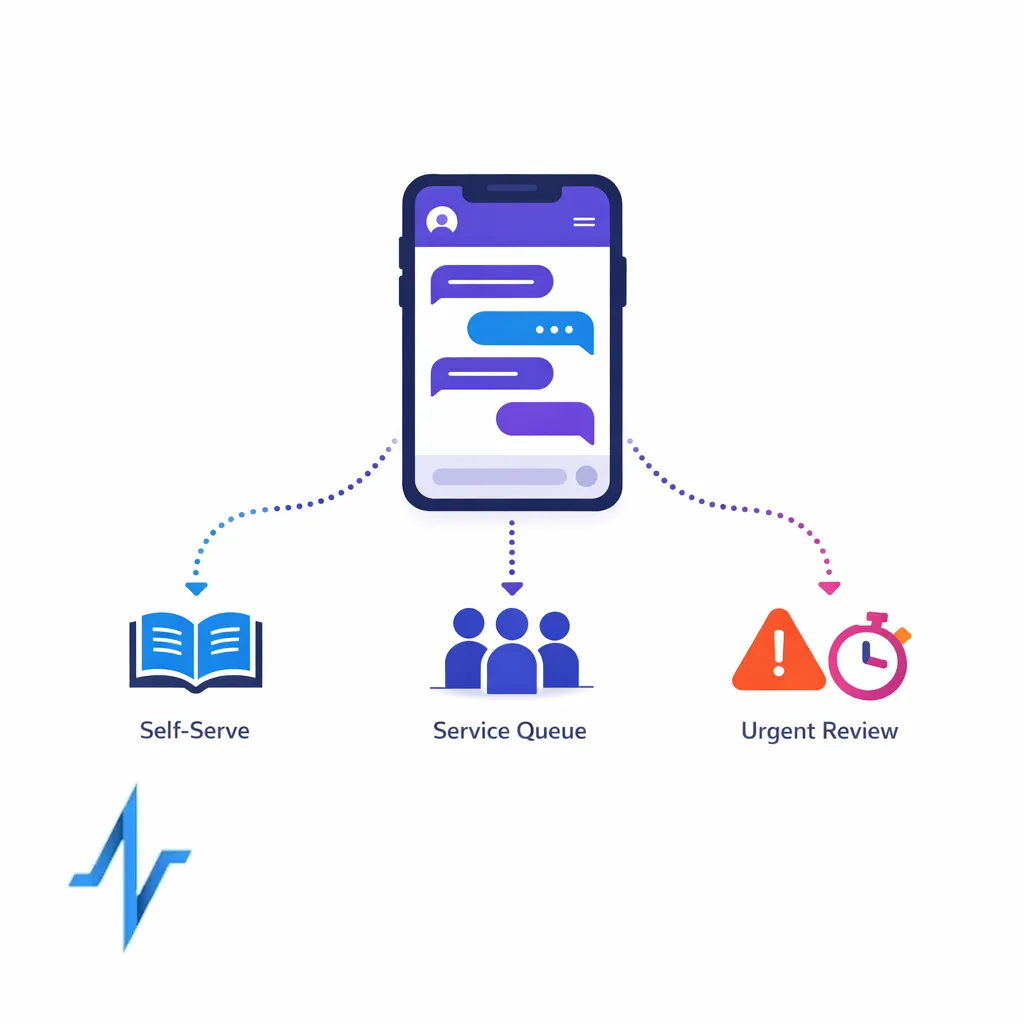
Two-way texting only matters if inbound responses trigger action. Buyers should evaluate how the platform handles reimbursement questions, requests for live support, opt-outs, adverse-event language, and non-standard replies that need escalation.
- Why it matters: Patient support teams need a closed-loop workflow, not a pile of unstructured inbound messages.
- What to ask vendors: Can inbound messages create tasks, update CRM fields, or route to service queues? What guardrails exist for sensitive or unsupported topics?
EHR, hub, CRM, and patient services integrations
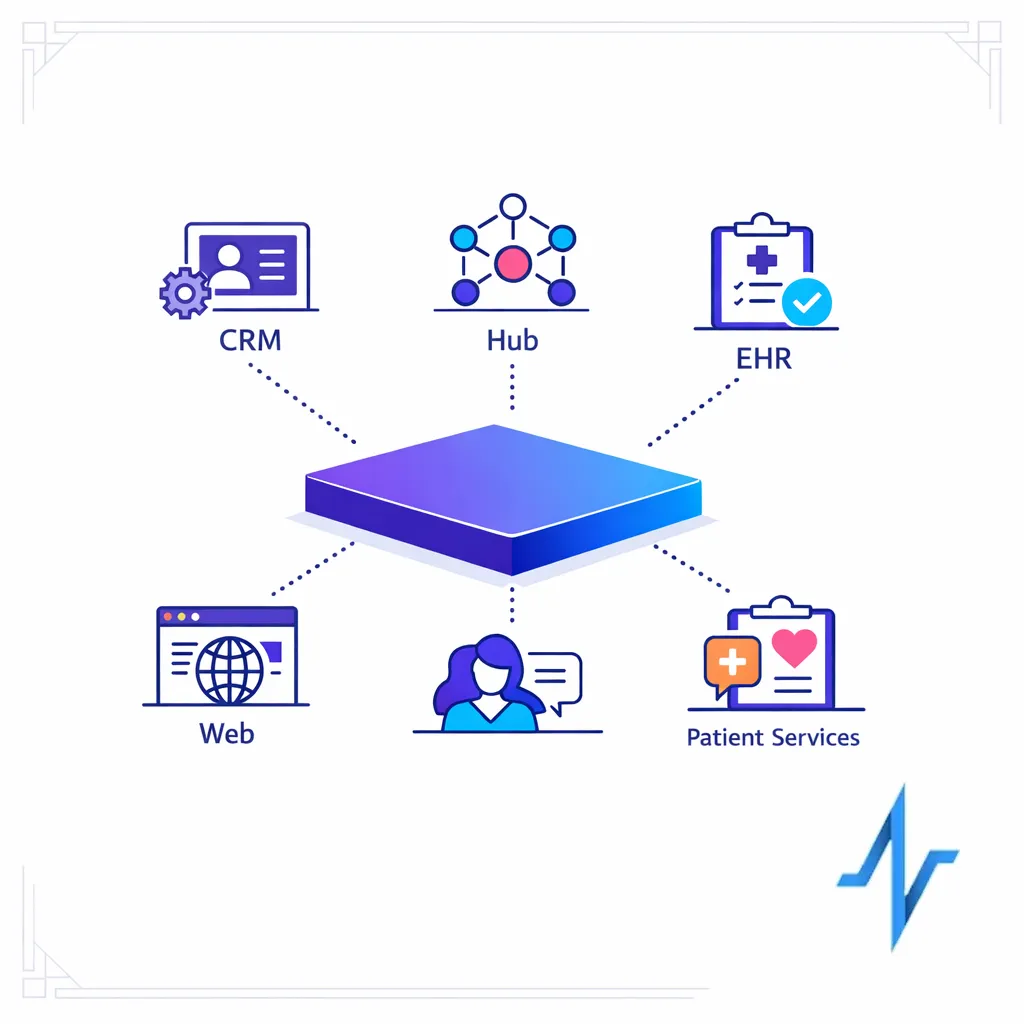
A healthcare communication platform becomes far more useful when it connects web journeys to CRM, hub, EHR, and patient services systems. Ask whether integrations are event-driven, scheduled, or manual and whether status changes can re-enter the communication workflow automatically.
- Why it matters: Without integration depth, teams lose continuity between marketing, enrollment, patient access, and support operations.
- What to ask vendors: Which systems already have connectors? How are field mappings managed? How quickly can downstream status updates trigger the next outreach step?
Reporting, analytics, and attribution
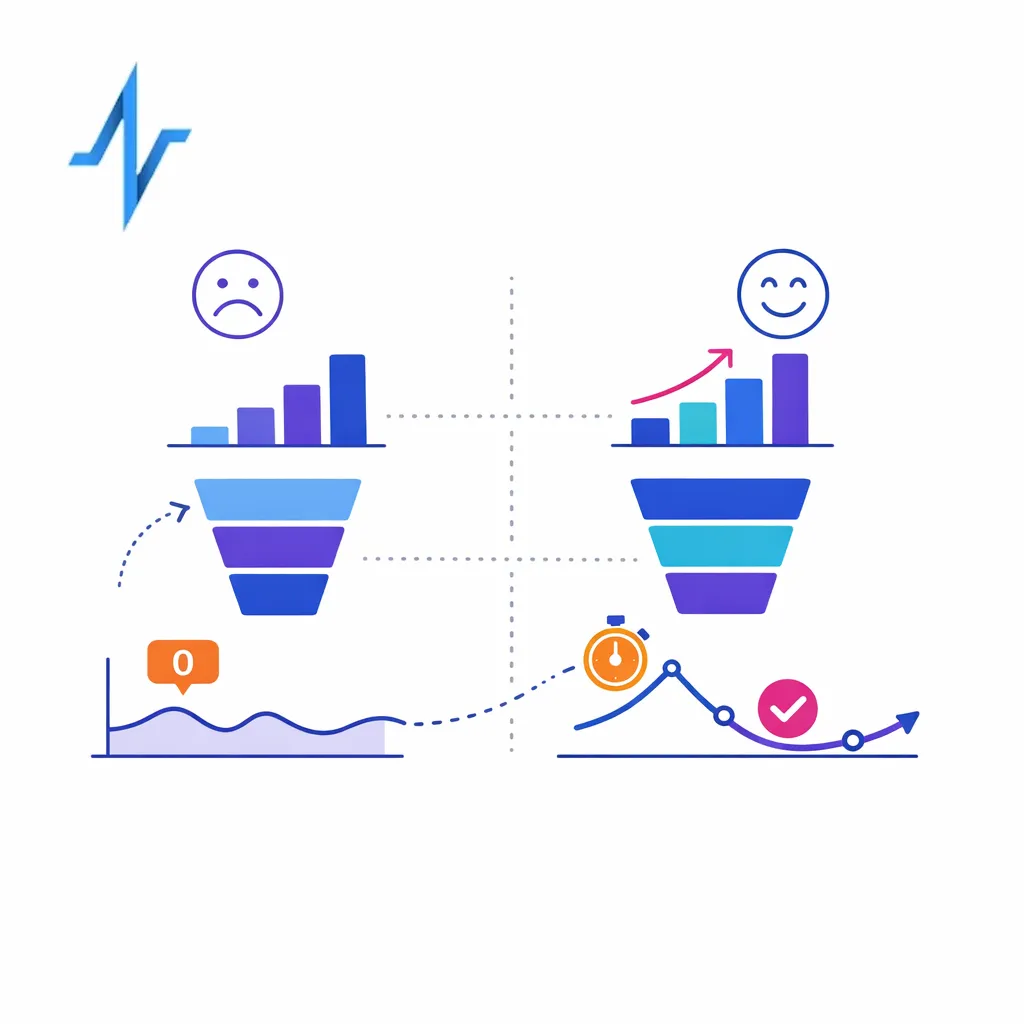
Reporting should tie channel activity to program outcomes. That means measuring starts, completions, abandonments, handoffs, and time-to-next-action by source, audience segment, message path, and operational queue.
- Why it matters: Opens and sends can hide workflow failure. Enrollment completion, response timing, and staff effort are more useful indicators of program value.
- What to ask vendors: Can the platform attribute enrollment to specific campaigns and journey steps? Can marketers and operations teams see the same performance model without exporting multiple files?
Security, HIPAA, permissions, and audit trails
Security review should be part of platform selection from the start. For workflows that involve protected information, governance is not an IT add-on. Buyers should evaluate approval workflows, least-privilege access, message retention rules, segmentation by brand or program, and auditability of every user action.
- Why it matters: A system that cannot enforce permissions and trace changes creates compliance and operational risk.
- What to ask vendors: How are user roles defined? What is logged? How are templates reviewed, approved, and versioned before launch?
What patient education tools look like in practice
What are patient education tools examples? Common examples include onboarding email series, SMS reminders with links to next steps, digital welcome kits, dosing or administration explainers, appointment or infusion prep guides, affordability instructions, web experiences with comprehension checks, and service scripts that reinforce the same message. The best programs use plain-language design and comprehension-oriented content practices consistent with the Health Literacy Universal Precautions Toolkit and the CDC Clear Communication Index.
For pharma teams, the real evaluation question is not whether content exists. It is whether content can be personalized by therapy stage, support need, language, and next action while staying operationally simple for the teams who manage it.
Workflow questions to ask vendors
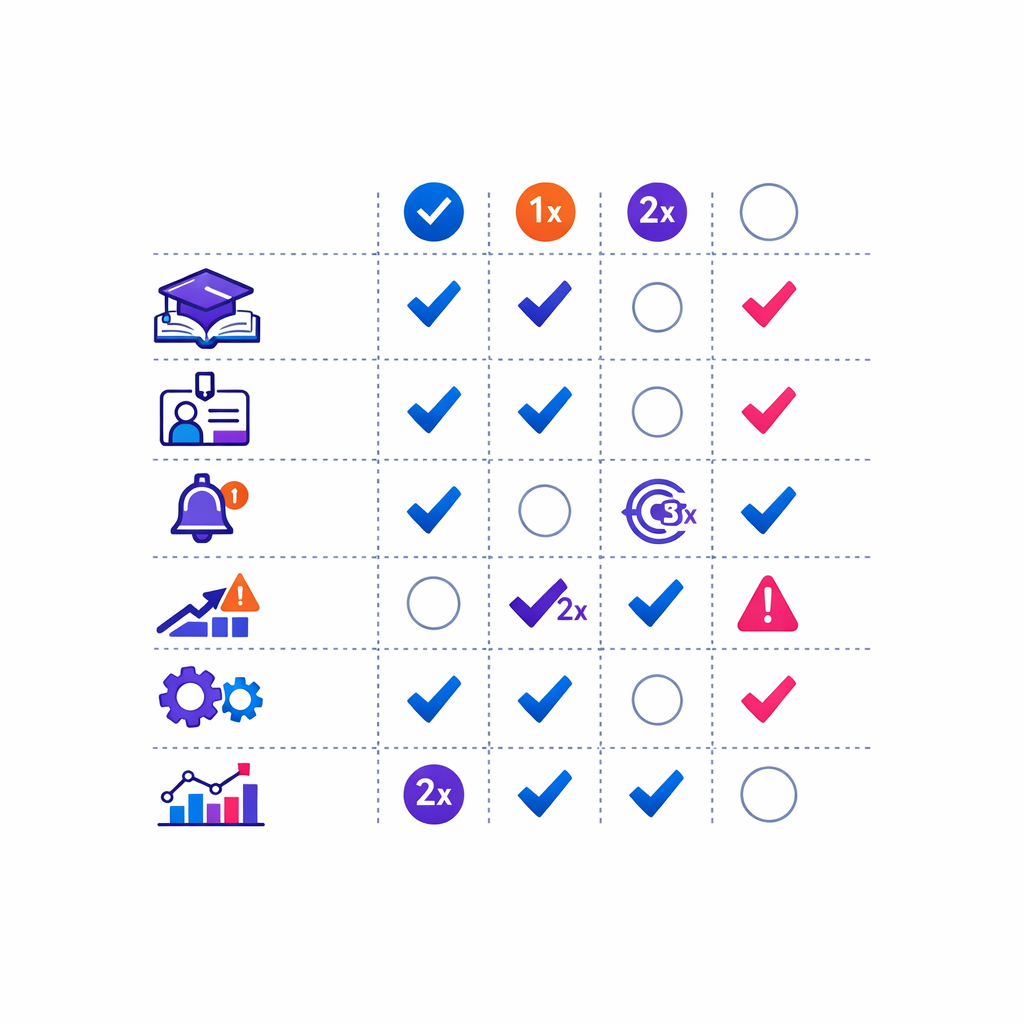
How does the tool support education-to-enrollment handoffs?
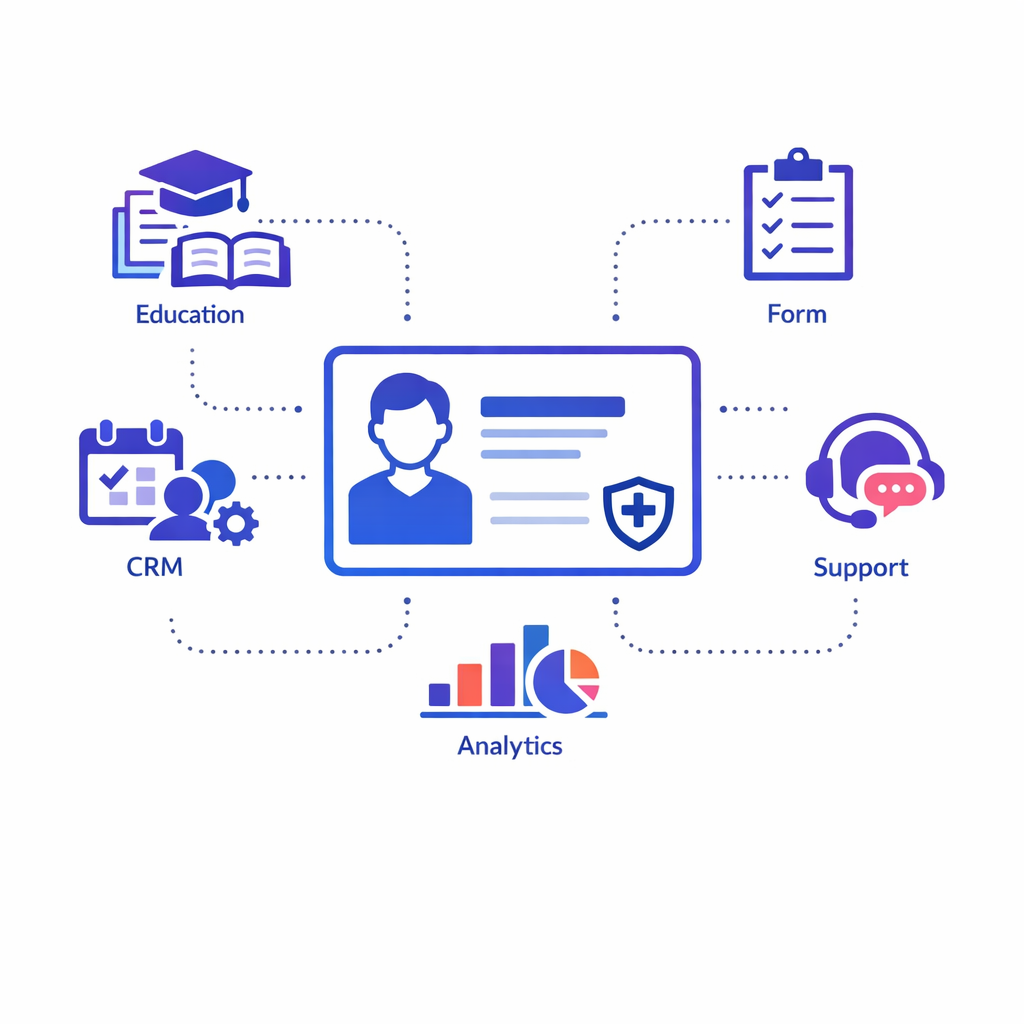
Ask the vendor to show one continuous patient record across education, reminder, form completion, and service escalation. You should be able to see entry source, messages sent, forms started, forms completed, tasks created, and final outcome without stitching together separate reports.
Can it reduce phone tag and manual outreach?
The strongest demos show exception handling, not just message sends. Ask how the platform reacts when a patient misses a call, stops mid-form, replies after hours, or needs a live agent at a specific point in the journey.
How does it handle multilingual and accessibility needs?
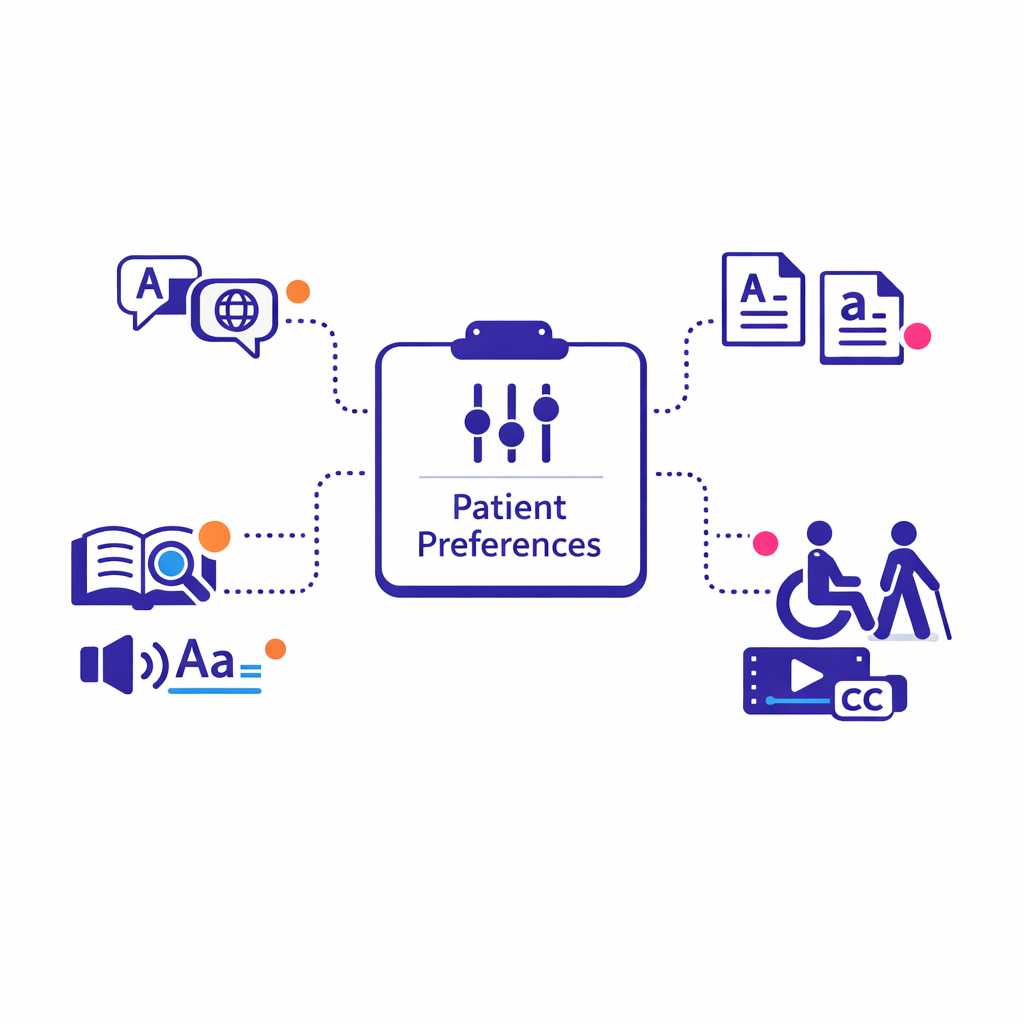
Look beyond simple translation. Ask how language preference is stored, how alternate content versions are governed, whether message flows support non-English opt-out handling, and whether web and form experiences are designed for accessibility and readability.
What implementation and support resources are included?
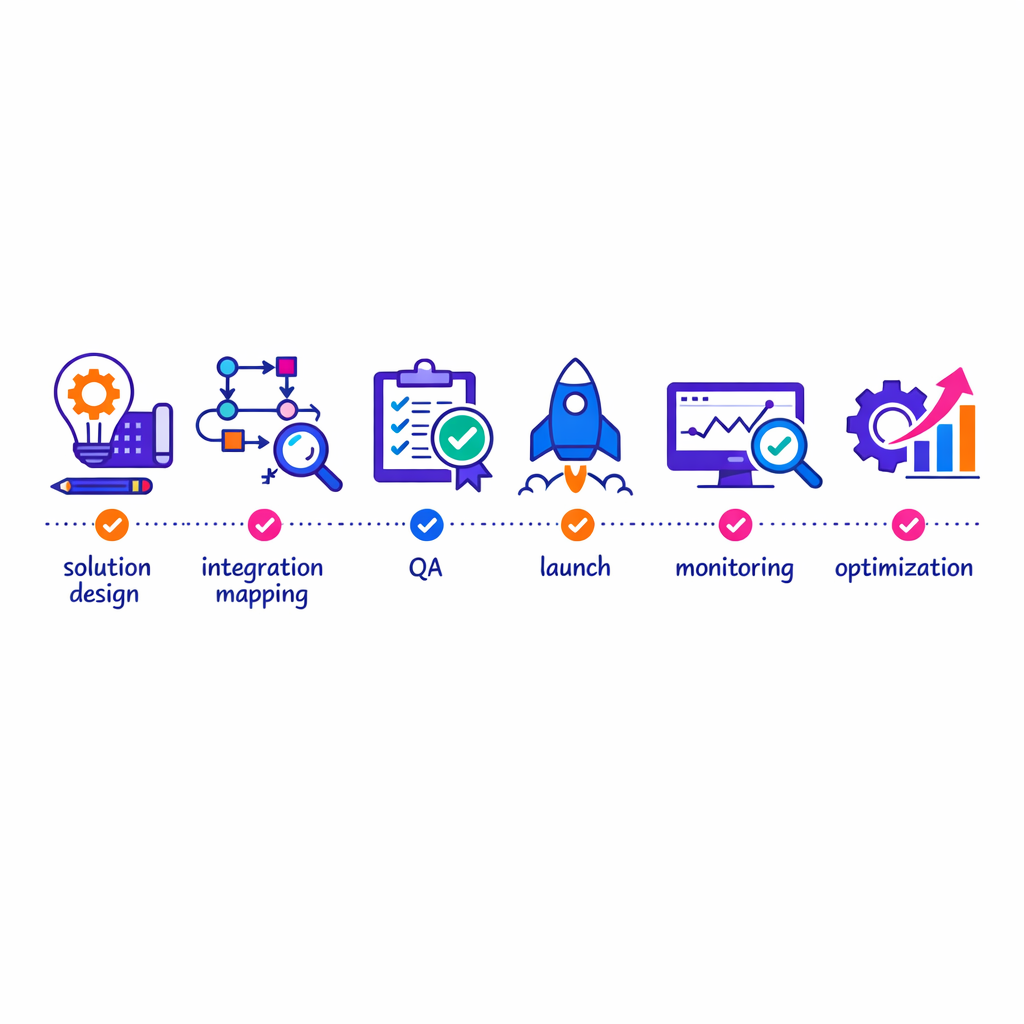
Implementation often decides time-to-value. Ask who owns solution design, integration mapping, QA, launch readiness, deliverability monitoring, and post-launch optimization. A vendor that cannot explain the operating model usually shifts the hard work back to your internal team.
A practical version of the 5 C’s of communication in healthcare
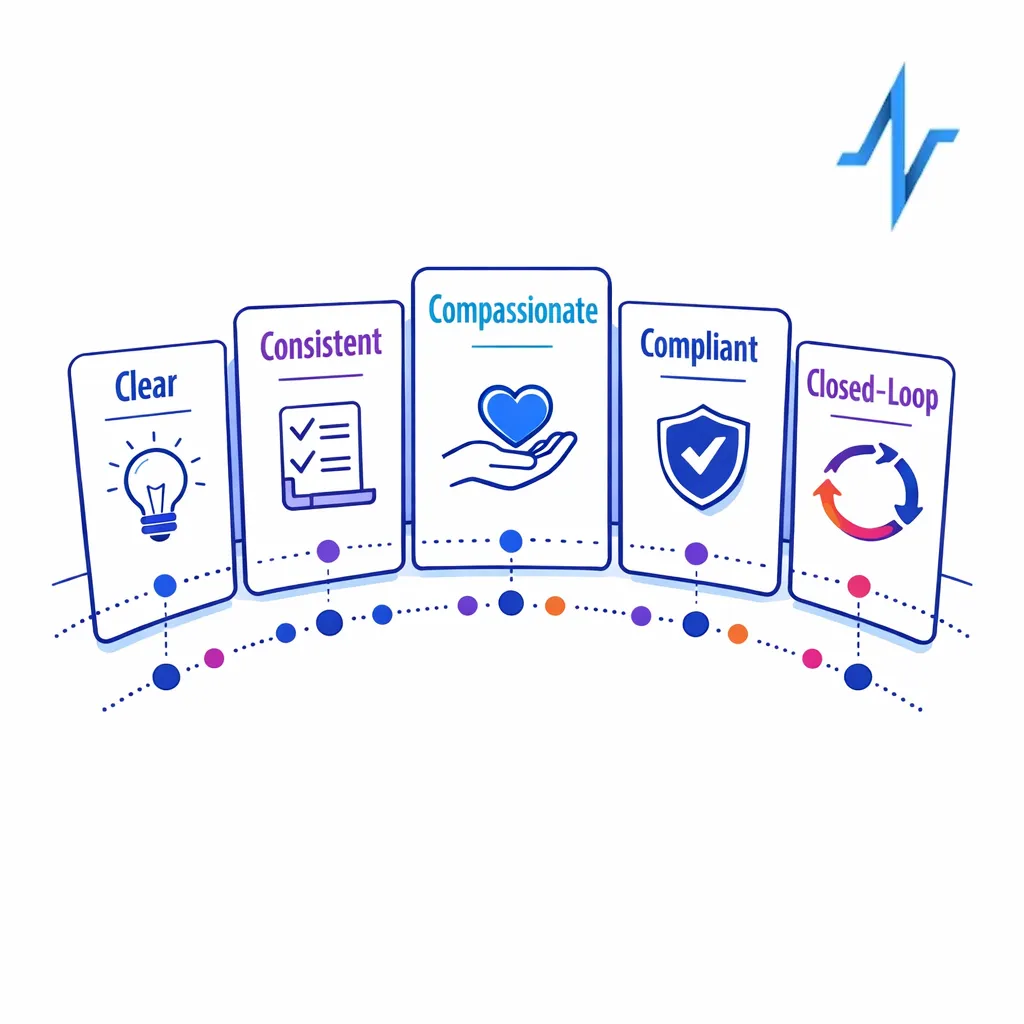
A useful way to score vendors is to apply five C’s: clear, consistent, compassionate, compliant, and closed-loop. If the platform cannot keep messages understandable, approved, human, governed, and tied to a next action, it is unlikely to improve enrollment or adherence in a durable way.
How to measure success

Enrollment completion rate
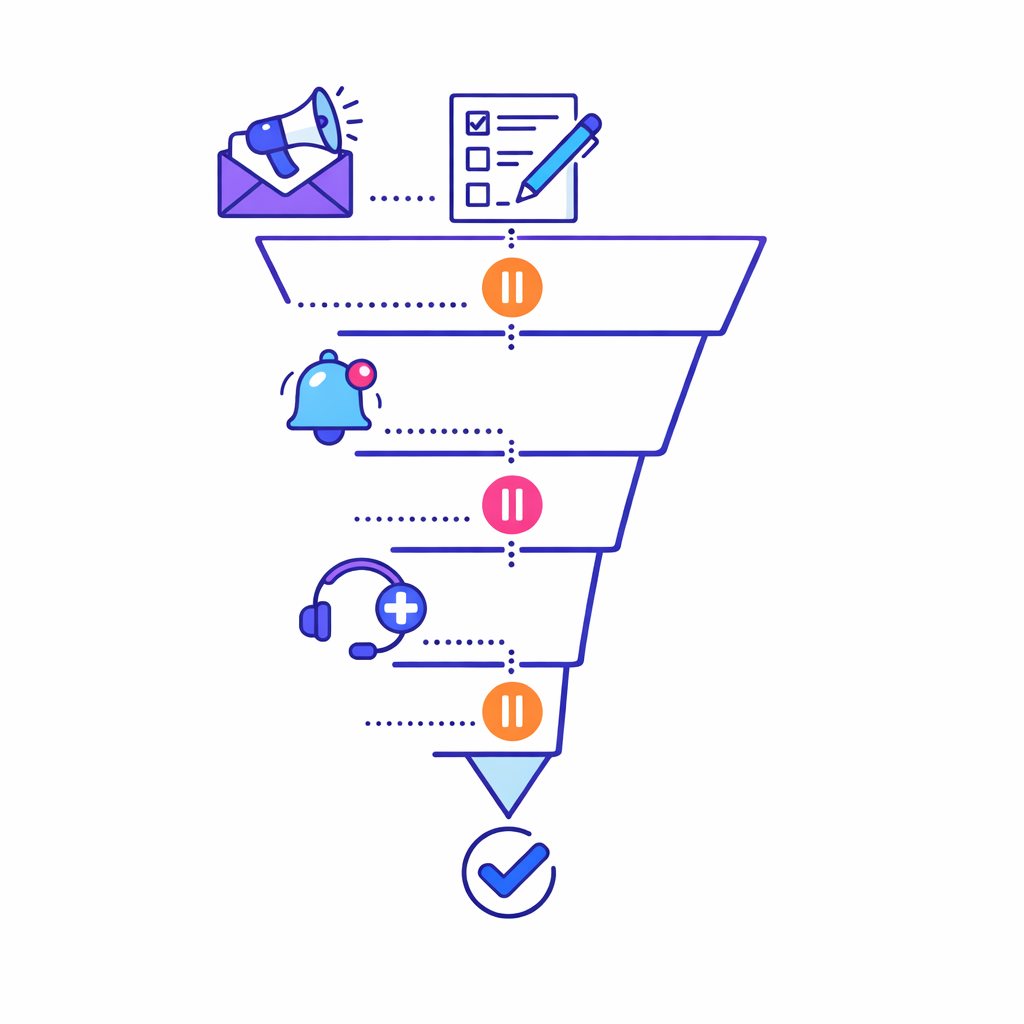
Measure the share of patients who complete enrollment after starting it. Break the metric down by source, channel path, audience segment, and form step so you can see where friction actually sits.
Reminder response and no-show reduction
For reminders, measure response rate, action completion rate, and the percentage of reminders that lead to a successful next step. If your program includes appointments, infusion visits, or scheduled callbacks, track whether reminders reduce missed events and reschedules by journey type.
Time-to-enrollment and staff time saved
Operational lift is often the clearest proof point for a new platform. Track median time from first outreach to completed enrollment, number of manual touches per completed case, and how many staff minutes are spent chasing incomplete forms or unanswered outreach.
Adherence, satisfaction, and engagement metrics
Longer-term measurement should connect reminder and education performance to practical proxies such as refill reminder response, repeat engagement, patient-reported satisfaction, and escalation resolution time. The goal is not to flood the dashboard with activity metrics. It is to understand whether the communication design is helping patients move forward with less confusion and less staff intervention.
Patient communication tools vs patient engagement software
When you need point solutions vs broader platforms
A point solution can work when the use case is narrow, the workflow is fixed, and the program does not require deep integration or multi-team coordination. That may be enough for a simple reminder stream or a limited educational pilot.
A broader patient engagement software platform is usually the better fit when multiple brands, patient support teams, agencies, or service partners need to work from the same governed system. If your program spans education, enrollment, patient access, reminders, and reporting, the platform should connect those motions instead of optimizing each one in isolation.
Common mistakes and misconceptions
- Buying a channel instead of a workflow. A strong SMS feature set does not fix broken enrollment routing.
- Measuring sends instead of completions. Volume can hide abandonment, duplicate outreach, and operational rework.
- Treating consent and permissions as a setup task. In pharma programs, governance has to stay visible inside the workflow.
- Assuming patient portals solve engagement on their own. Portals can be useful, but many journeys still require proactive outreach and service escalation.
- Underestimating implementation. Integration design, template governance, and exception handling usually matter more than the number of channels in the sales deck.
Evaluation checklist for pharma marketers and patient support leaders
Must-have requirements
- One workflow layer for education, reminders, forms, and support handoffs
- Two-way messaging with configurable routing and exception management
- Digital intake and forms that support save-and-return behavior
- Clear integration model for CRM, hub, EHR, and patient services tools
- Role-based permissions, approval workflow, and audit visibility
- Measurement tied to enrollment completion, time-to-next-action, and staff effort
- Support for multilingual content operations and accessibility review
- Operational dashboards for both marketers and patient support teams
Nice-to-have differentiators
- Reusable journey templates for recurring patient support programs
- Real-time decisioning that adapts outreach based on patient behavior
- Identity continuity across web sessions, forms, and service interactions
- Flexible content components that can be reused across brands or indications
- Embedded testing so teams can compare message paths and enrollment lift
If you are evaluating vendors such as Pulse Health, score each one against a real education-to-enrollment workflow, a live reminder use case, and an actual escalation path. Generic demos often make every platform look capable. Workflow proof is what separates a usable system from another disconnected tool.
Request a Demo for a Pharma-Ready Communication Workflow
If your team is comparing patient communication tools, focus on whether the platform can orchestrate education, enrollment, reminders, and measurement in one governed experience. Pulse Health is built for pharma teams that need compliant outreach, smoother patient access handoffs, and clearer visibility into what moves patients from interest to enrollment.
Request a Demo to review your workflow, Book a Consultation to map requirements with your team, or Talk to Pulse Health to see how it works, explore integrations, and get the platform overview.