

Pharma teams rarely struggle with the idea of key opinion leader engagement. They struggle with execution. The same expert gets separate outreach from medical affairs, brand, agencies, and field teams; insight notes stay trapped in slides or inboxes; and success gets reported as activity volume instead of organizational learning.
This article is for medical affairs leaders, brand teams, omnichannel owners, commercial and marketing ops, CRM owners, and agency partners who need a more practical kol engagement strategy. You will learn what a KOL engagement plan is, where it breaks down, how to structure ownership across teams, what to measure, and how to turn expert conversations into action.
What a KOL engagement strategy is in pharma
What is a KOL engagement plan?
A KOL engagement plan is the operating plan a pharma team uses to identify, prioritize, engage, and learn from the experts most relevant to a brand, disease area, or evidence question. A strong plan defines objectives, owners, channels, cadence, insight capture, and success metrics so engagement is repeatable instead of ad hoc.
KOL vs broader stakeholder engagement
Key opinion leaders are one subset of healthcare stakeholders. Broader pharma stakeholder engagement and healthcare professional engagement can include community HCPs, investigators, health systems, advocacy groups, payers, and internal field or brand teams, while KOL engagement focuses on experts whose scientific, clinical, educational, or peer influence can shape decisions and perception.
That distinction matters because not every important stakeholder needs the same depth of engagement. A national society leader, a regional therapeutic expert, a trial investigator, and a high-value community prescriber may all belong in the same disease ecosystem, but the purpose, format, and owner of each interaction should be different.
Why medical affairs and brand teams both need a shared framework
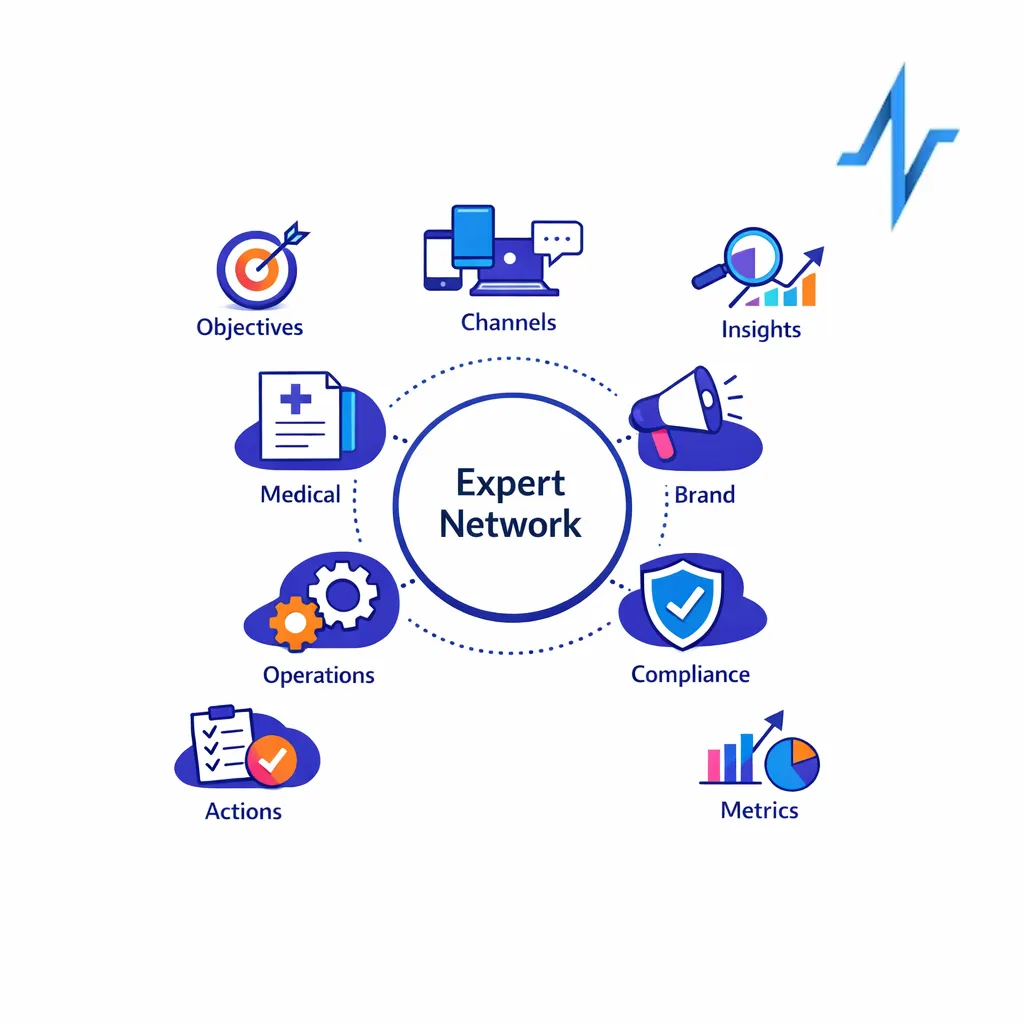
A practical strategy has to work across functions, not inside one silo. Medical affairs may own scientific exchange and insight generation, while brand teams shape approved education and orchestration, but the expert experiences one company, not separate org charts.
That shared framework also needs compliance by design because expert interactions sit inside the controls expected by HHS OIG compliance guidance for pharmaceutical manufacturers and the transparency requirements of CMS Open Payments. If an expert discussion moves into emerging evidence or unapproved-use questions, routing and documentation should reflect FDA guidance on communications with health care providers regarding scientific information on unapproved uses.
What changed
The core objective has not changed: engage the right experts for the right reason and learn from them. What has changed is the operational bar. Teams need clearer records, tighter rationale for formal expert work, and better coordination across live, virtual, and asynchronous channels.
The practical implication is simple. A spreadsheet-driven KOL engagement plan may be good enough to schedule meetings, but it is not good enough to coordinate cross-functional outreach, preserve institutional memory, or show how expert insight influenced a decision.
Why KOL engagement breaks down in practice
Siloed outreach across medical, commercial, and clinical teams
Breakdown usually starts with disconnected planning. Medical affairs has one target list, brand has another, an agency keeps a third, and a field team works from territory logic. The result is duplicated outreach, poor timing, and fragmented context.
Even when each touchpoint is individually reasonable, the combined experience can feel uncoordinated. Experts end up repeating the same background, teams miss the chance to build progressively deeper exchange, and no one has a full picture of what has already been discussed.
Overreliance on familiar experts instead of the most relevant experts
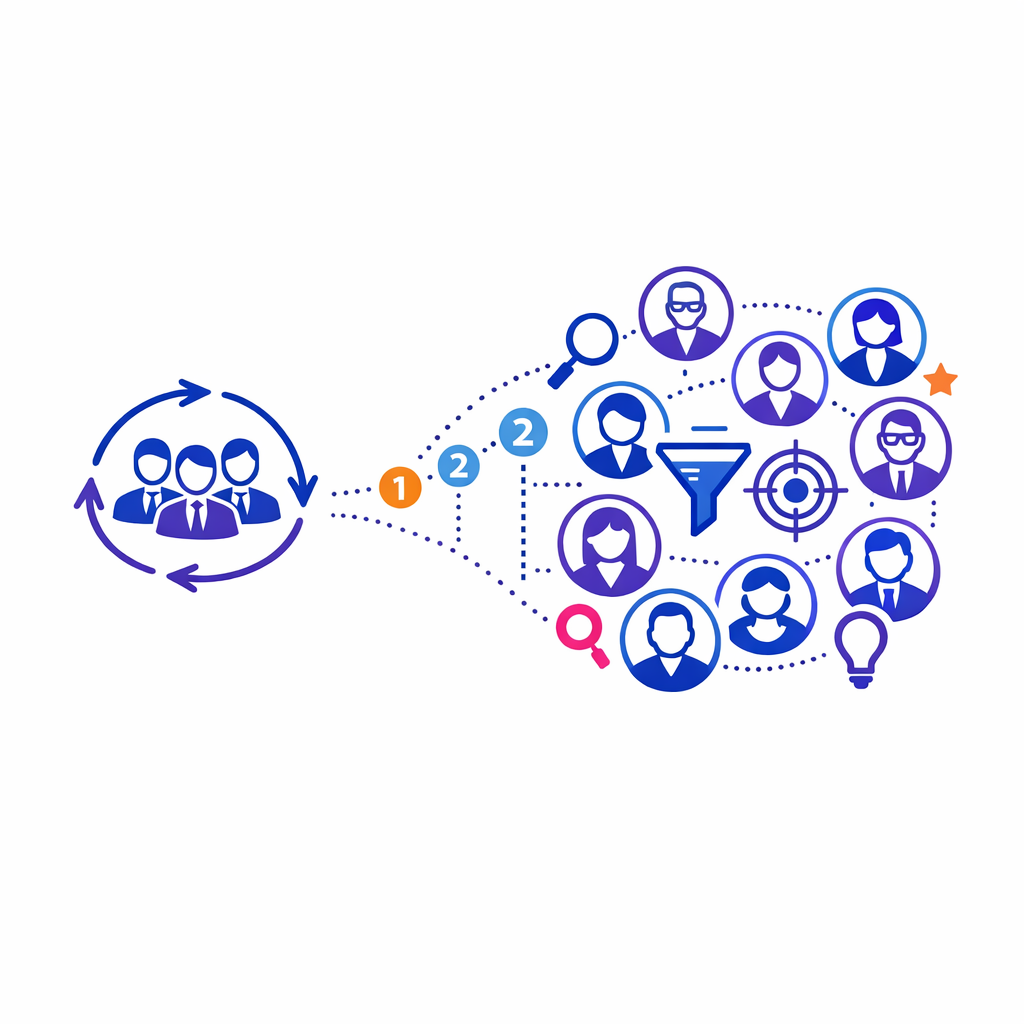
Teams often return to the same familiar names because they are easy to find and easy to access. That can be useful, but it also narrows the signal. You miss emerging voices, geographically important clinicians, digital educators, and experts who better match the exact clinical or access question in front of the brand.
The fix is objective segmentation. Instead of asking, “Who do we already know?” ask, “Whose perspective is most relevant to this evidence gap, audience, or launch decision?”
Weak insight capture and poor follow-through
Many organizations collect notes, but not usable insights. Free-text summaries in email, decks, or CRM comment boxes are hard to search, compare, or route. The insight never becomes a discrete signal with a topic, urgency, owner, due date, and resolution.
That makes KOL engagement look busy but not cumulative. Teams keep learning the same thing twice because the first learning was never structured well enough to be reused.
Limited measurement beyond activity counts
Counting meetings is easy, so many teams stop there. But activity volume does not tell you whether the right experts were covered, whether the exchange was high quality, whether the brand learned anything new, or whether a real decision changed.
A mature key opinion leader engagement program treats activity as an input, not the outcome. The real question is whether expert dialogue improved evidence planning, field readiness, education, content, access thinking, or launch execution.
A practical KOL engagement framework for pharma teams
In practical terms, the KOL strategy is the repeatable system for deciding which experts matter now, why they matter, how each team engages them, what insight is captured, and what the organization does next. The framework below gives medical affairs and brand teams a common operating model.
1. Set engagement objectives by lifecycle stage
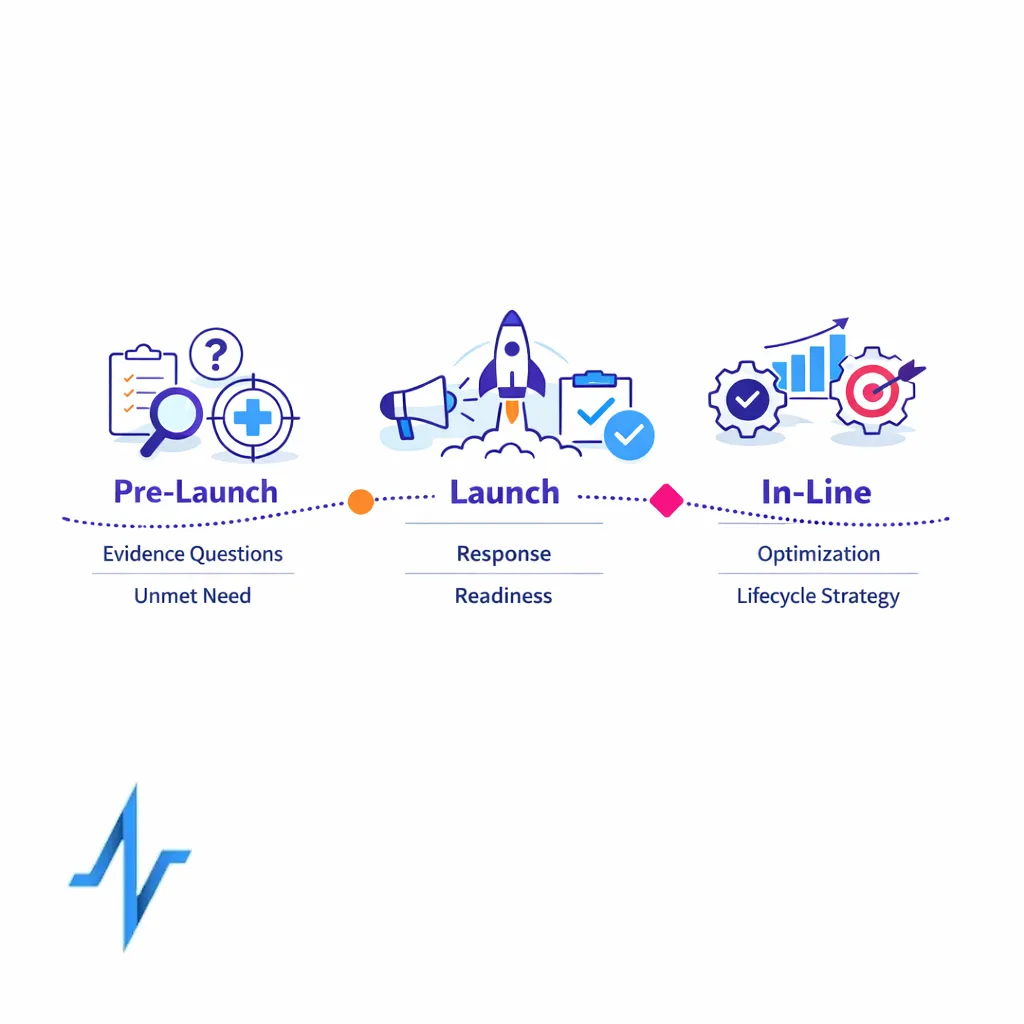
Start with the brand or disease-area problem to solve. Pre-launch objectives usually center on disease understanding, evidence gaps, treatment dynamics, and scientific narrative refinement. Launch objectives often shift toward readiness, objection handling, channel resonance, and rapid learning.
- Pre-launch: Objective: refine evidence questions and unmet-need themes. Owner: medical affairs. Activity: scientific exchange and advisory input. Metric: insights accepted into evidence or education planning.
- Launch: Objective: understand response to core scientific and brand themes. Owner: medical affairs and brand. Activity: congress follow-up, targeted one-to-ones, peer programs, field learning. Metric: speed from insight capture to action.
- In-line: Objective: optimize differentiation and lifecycle strategy. Owner: cross-functional team. Activity: periodic check-ins, targeted advisory work, digital follow-up. Metric: decision impact and closed-loop completion.
2. Identify and segment experts with objective criteria
Segmentation should reflect relevance, not status alone. Useful criteria include therapeutic expertise, publication and research activity, trial involvement, treatment-setting influence, geography, account importance, society roles, digital presence, and fit to the specific question at hand.
Use tiers, but do not treat tiers as destiny. A lower-visibility expert may be high priority for one launch market, one patient subgroup, or one evidence question. Good segmentation lets teams rebalance the universe as strategy changes.
3. Define ownership across medical affairs and brand teams
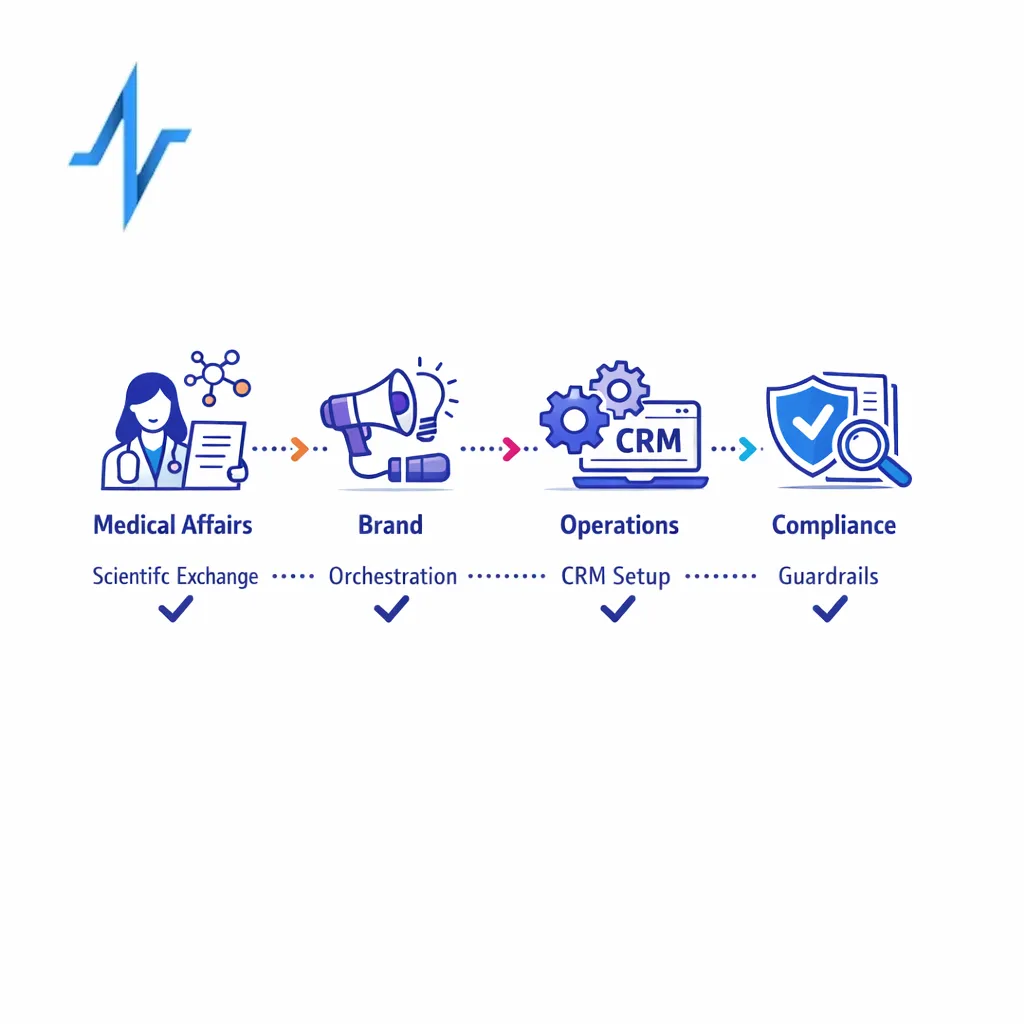
This is where many plans fail. If ownership is vague, every team assumes it can lead. If ownership is too rigid, useful signals get stuck in the wrong function.
- Medical affairs: lead scientific exchange, MSL coordination, evidence-gap discovery, and medically led advisory activity.
- Brand and commercial: lead approved messaging orchestration, non-personal promotion, and channel planning for broader HCP audiences.
- Operations: maintain CRM design, taxonomy, workflows, and reporting.
- Compliance, legal, and review partners: define guardrails, approval paths, documentation requirements, and escalation rules.
The goal is not to build walls. It is to make handoffs explicit. A medical insight about an evidence gap should move to the right evidence, content, or training owner without losing context, and a brand observation about recurring HCP questions should route back to medical affairs when scientific follow-up is needed.
4. Plan channels, cadence, and meeting types
Choose channels based on objective, not habit. One-to-one scientific exchange works well for nuanced clinical questions. Advisory boards work when there is a real decision to test. Congress meetings work for rapid signal collection. Virtual roundtables and asynchronous follow-up can keep momentum between major live interactions.
Cadence also matters. Some experts warrant a quarterly plan with clear purpose for each touchpoint. Others may only need one well-timed interaction around a publication, evidence milestone, or launch decision. Strategy gets stronger when each touchpoint builds on the previous one instead of starting over.
5. Capture insights in a structured way
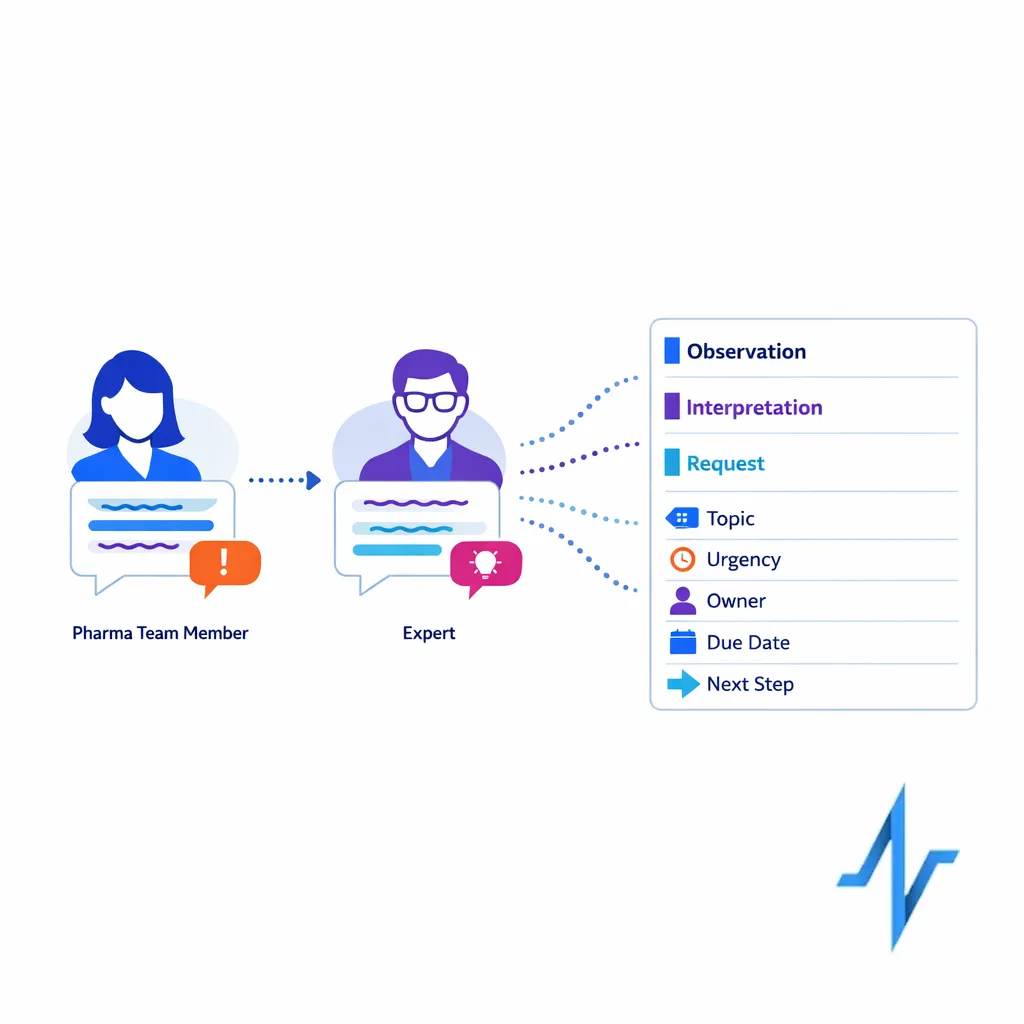
Every meaningful interaction should produce structured data, not just narrative notes. At minimum, capture topic, subtopic, lifecycle relevance, sentiment or stance, evidence gap, urgency, recommended next step, owner, and due date. Preserve free text, but do not rely on free text alone.
A useful rule is to separate observation, interpretation, and request. What did the expert actually say? What does the team think it means? What action does it suggest? That separation makes downstream routing much more reliable.
6. Close the loop and act on feedback
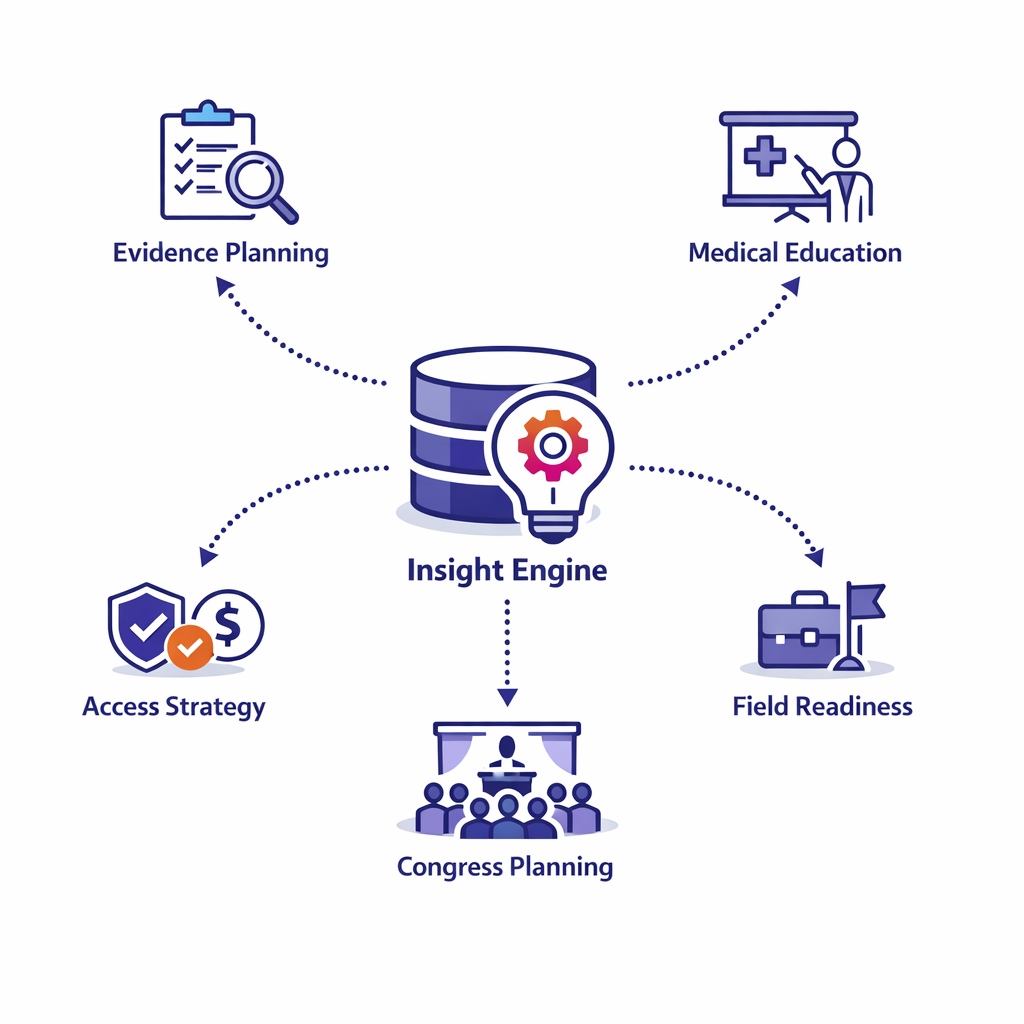
Insight capture is only valuable if there is a next step. Route signals into named workflows such as evidence planning, medical education, field enablement, access strategy, patient support, or congress planning. Then assign owners and service levels for review.
Not every expert comment deserves action, but every material insight deserves a decision. Accepted, declined, parked, or escalated are all valid outcomes. What matters is that the status is visible and the rationale is clear.
7. Measure outcomes and optimize
A strong kol engagement strategy measures both execution quality and business relevance. That means starting with operational metrics, then connecting them to learning and action.
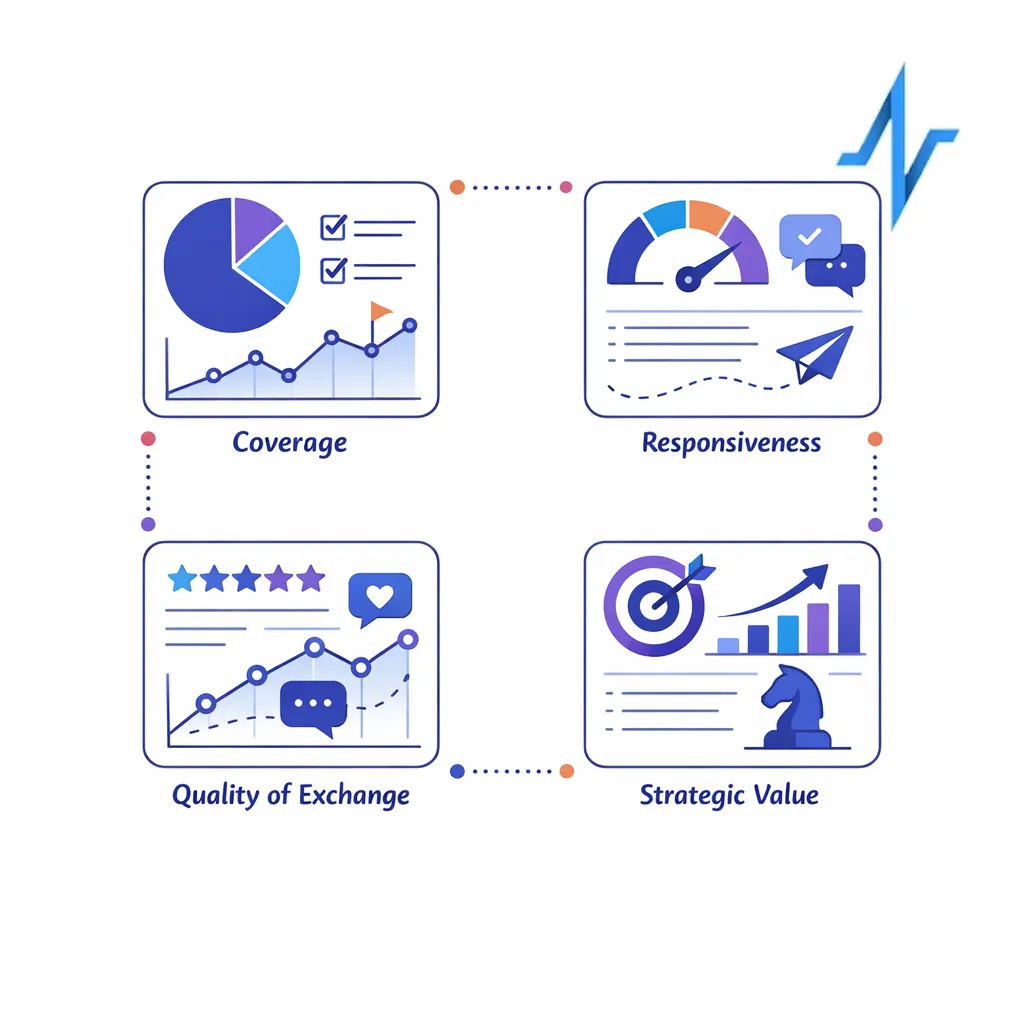
- Coverage: how much of the priority expert universe has a current plan and a recent relevant interaction.
- Responsiveness: how quickly planned outreach turns into completed exchange and documented follow-up.
- Quality of exchange: how often interactions generate coded insight, a next step, or both.
- Insight-to-action: how many material insights are routed, reviewed, acted on, and closed.
- Strategic value: which decisions, materials, evidence plans, or launch actions changed because of expert input.
How to build a cross-functional operating model
Shared planning cadence
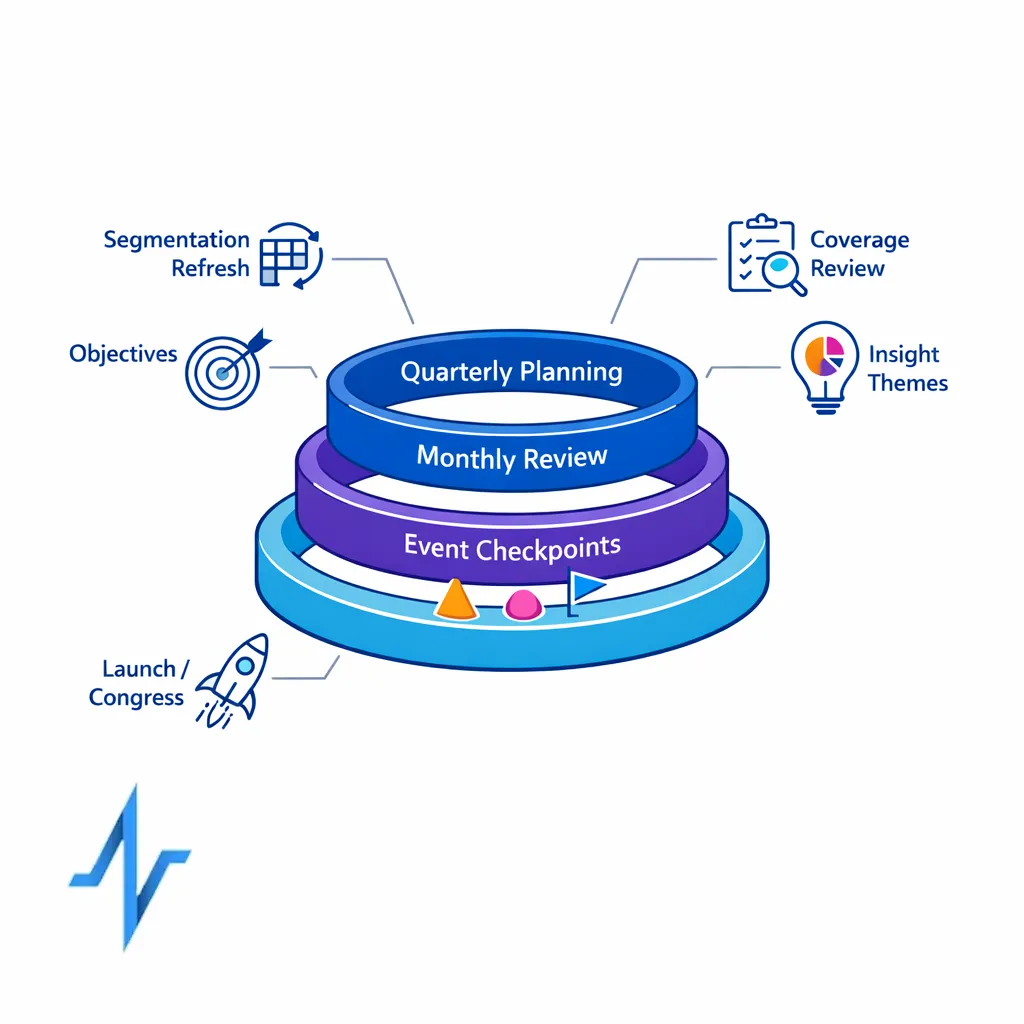
Build one rhythm for all teams. Quarterly planning works well for segment refresh, objective setting, and expert prioritization. Monthly review works well for coverage, insight themes, and open actions. Event-driven checkpoints help around congresses, launches, label changes, or major evidence milestones.
A simple step-by-step model looks like this: agree the expert universe, define objectives by lifecycle stage, assign owners, choose channels and cadence, capture insights with a shared taxonomy, route actions, and review outcomes on a fixed cadence. That is how to engage KOLs without relying on heroic manual coordination.
Governance, compliance, and approved workflows
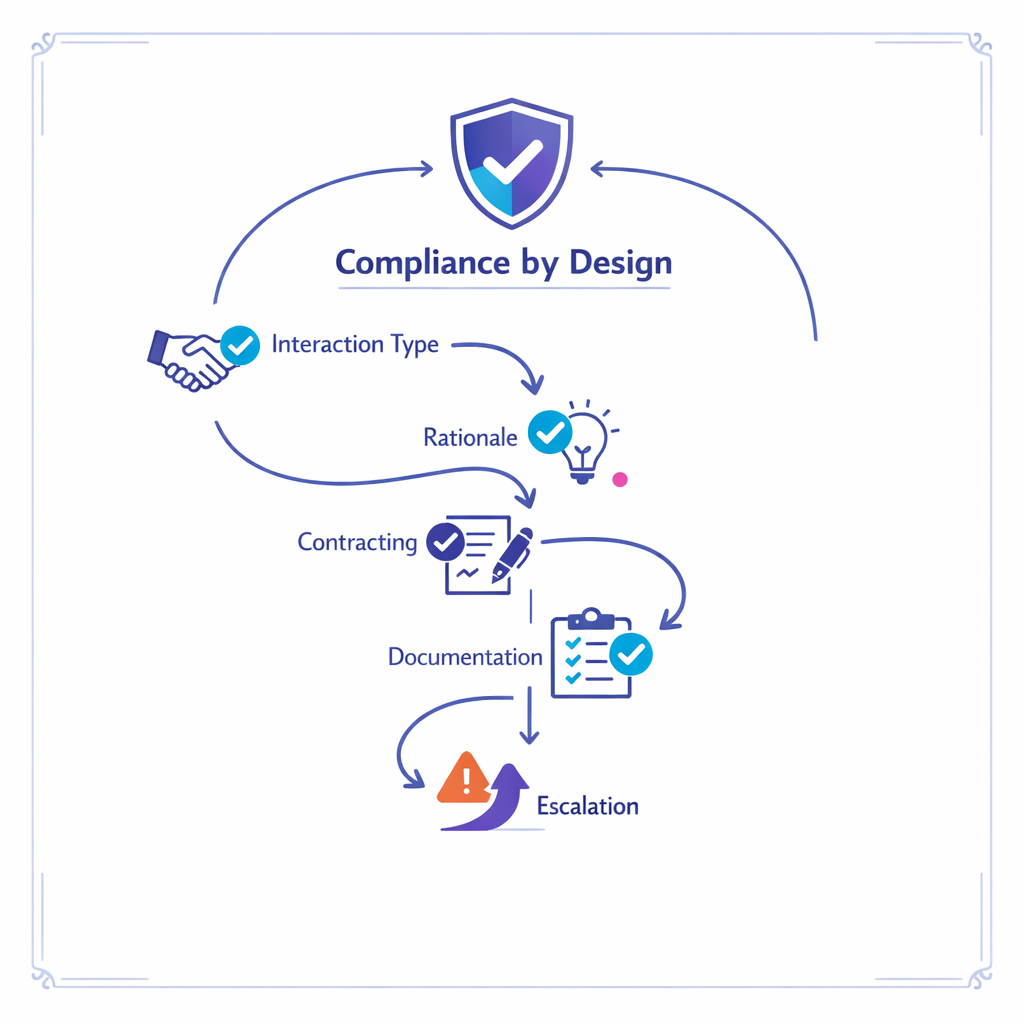
Governance should be built into the workflow, not added after the fact. That means approved interaction types, documented rationale for formal expert work, clear contracting paths, and visible escalation when a discussion crosses into complex scientific territory or a higher-risk engagement type.
Just as important, the workflow should make the compliant path the easy path. If teams need five separate trackers to determine whether an expert has an active contract, a recent interaction, or an unresolved follow-up, coordination breaks before strategy has a chance to work.
Single source of truth for KOL history and insights
The operational goal is one expert profile, one interaction history, and one place to see open and closed insights. That profile should unify affiliations, territory ownership, prior engagements, topics discussed, active plans, and next recommended action.
For CRM and ops owners, this is the difference between record-keeping and orchestration. When the data model supports identity, planning, interaction capture, and measurement in one system, teams can actually coordinate instead of merely reporting after the fact.
Metrics that matter for KOL engagement
Coverage, responsiveness, and quality of exchange
These are the foundational metrics because they tell you whether the operating model is working. If coverage is thin, the plan is incomplete. If responsiveness is slow, the workflow is clogged. If quality of exchange is low, the team may be meeting experts without learning anything new.
Insight-to-action metrics
This is where a key opinion leader engagement plan becomes more than relationship management. Track time from insight capture to triage, triage to decision, and decision to completion. Also track how many insights were duplicates, how many drove new actions, and how many were closed with a documented outcome.
Launch and lifecycle indicators
Different stages need different indicators. Pre-launch teams often care about evidence themes, expert coverage in priority markets, and the quality of launch assumptions. Launch teams care more about speed of learning, recurring objections, unanswered scientific questions, and whether field teams can use the learning quickly. Mature brands care about differentiation, persistence barriers, and lifecycle opportunities.
Common mistakes to avoid
Treating KOL engagement as one-off events
A single advisory board is not a strategy. A congress dinner is not a strategy. A speaker program is not a strategy. Programs without a clear scientific purpose or follow-through can create the kind of risk highlighted in HHS OIG Special Fraud Alerts.
The better model is a connected journey. Each interaction should have a purpose, a record of what changed, and a clear next step.
Confusing volume of interactions with strategic impact
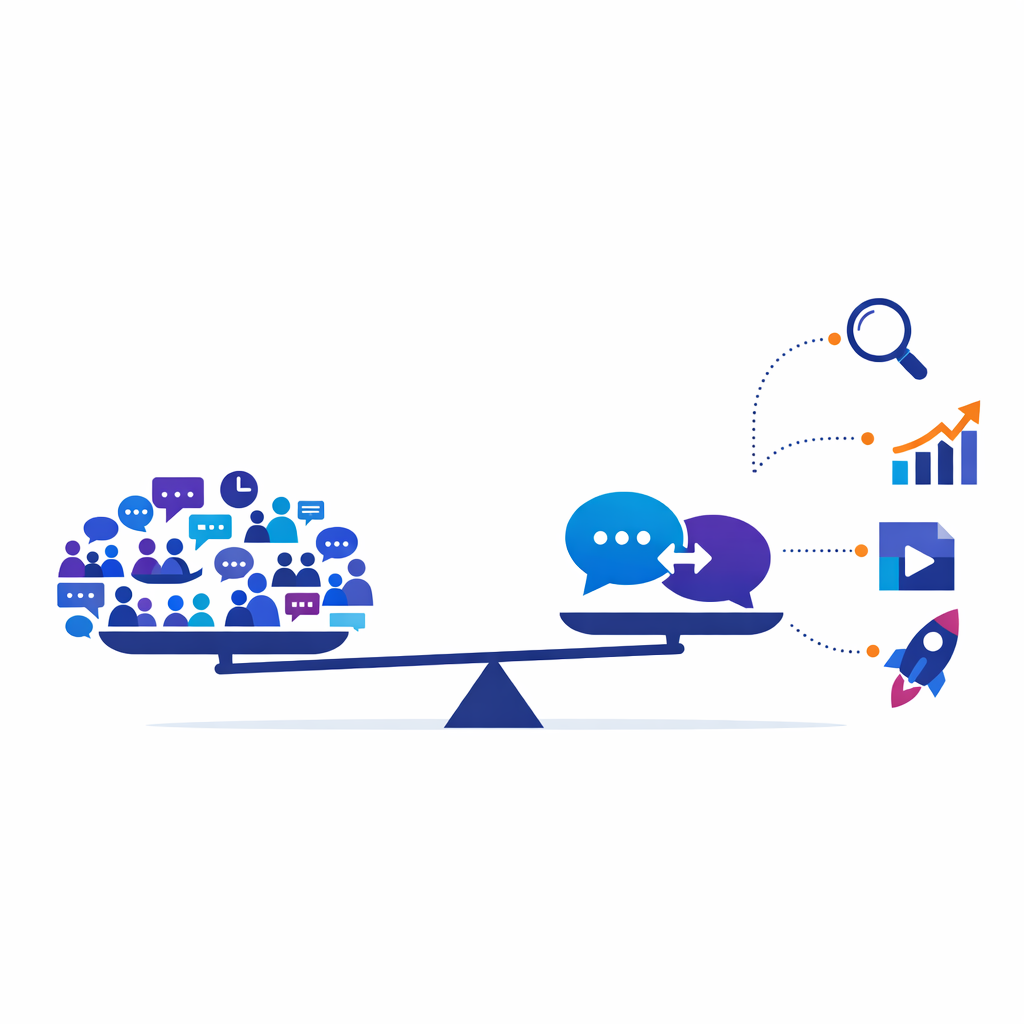
More activity can hide weaker strategy. Twenty low-value meetings with no clear output do not outperform five high-quality exchanges that refine a launch message, redirect an evidence question, or surface a barrier the field team can actually address.
Failing to personalize by expert role and influence
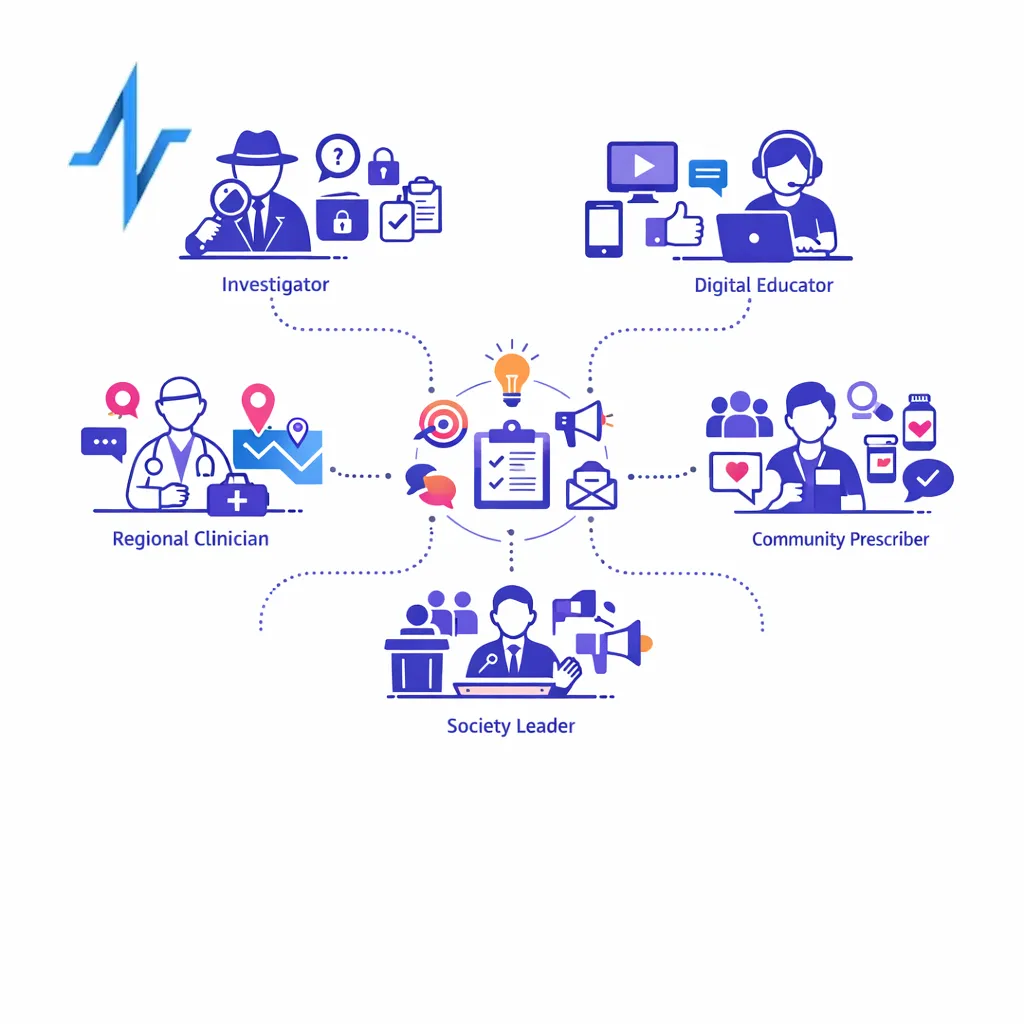
Experts are not interchangeable. Investigators, digital educators, regional clinicians, society leaders, integrated-delivery-system specialists, and community prescribers all contribute differently. Personalization means matching the ask, the owner, the channel, and the follow-up to the role the expert actually plays.
FAQ
Are KOLs different from influencers?
Yes. In pharma, KOLs are engaged for scientific or clinical expertise, not just audience reach. That is why the engagement model emphasizes relevance, evidence, and governance rather than pure visibility.
Do KOLs get paid?
They can be compensated for bona fide, documented services, but selection, contracting, and any reportable transfers of value should follow HHS OIG compliance guidance for pharmaceutical manufacturers and CMS Open Payments.
What is an HCP engagement strategy?
HCP engagement strategy is broader than KOL strategy. It covers the full mix of scientific, promotional, service, and educational interactions across healthcare professional audiences, while KOL engagement focuses on a smaller set of experts whose perspectives can shape evidence, education, and adoption.
Checklist for medical affairs and brand teams
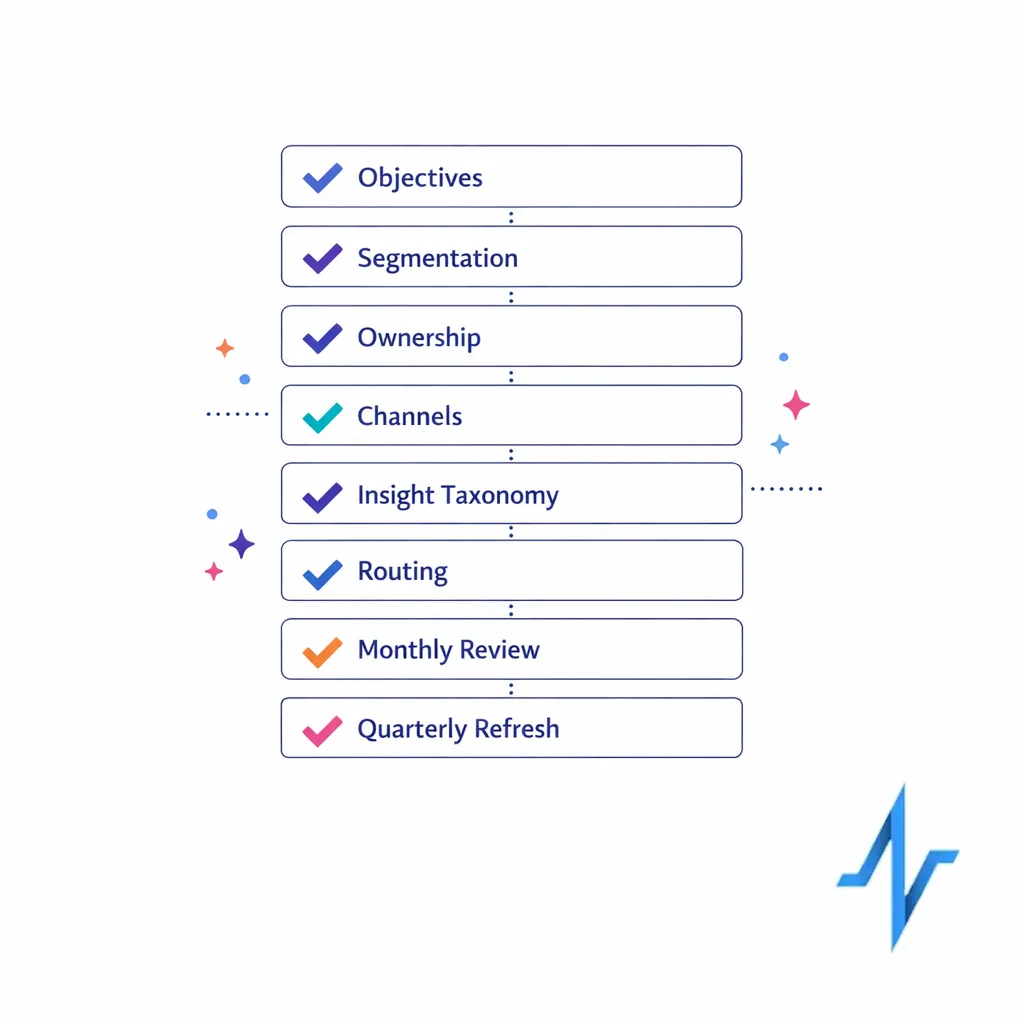
- Define three to five expert engagement objectives by lifecycle stage.
- Build one prioritized expert universe with transparent segmentation criteria.
- Assign clear owners across medical affairs, brand, operations, and review partners.
- Standardize interaction types, cadence rules, and escalation paths.
- Create a shared insight taxonomy and required CRM fields.
- Route every material insight to a named owner with a due date.
- Review coverage, responsiveness, and insight-to-action metrics monthly.
- Refresh segments, objectives, and expert plans quarterly.
Talk to Pulse Health
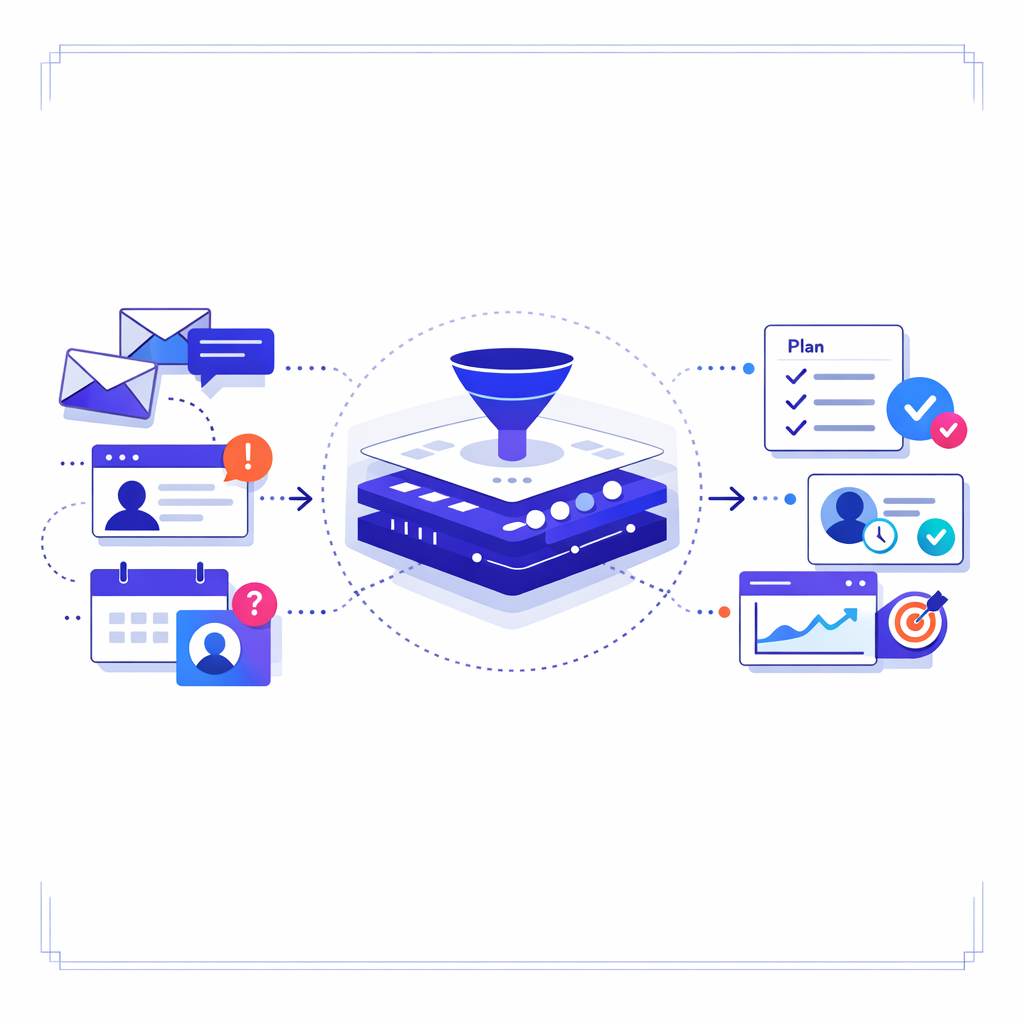
If your team is trying to unify KOL planning, interaction history, insight capture, and measurement across medical affairs and brand teams, Pulse Health can help create one operating layer for the work. That makes it easier to reduce duplicate outreach, keep workflows audit-ready, and give every stakeholder the same view of expert relationships and next steps.
Request a Demo to see how it works, or Get the Platform Overview if you want a faster way to assess fit for your current medical and commercial model.