

Pharma teams evaluating patient communication tools are usually solving a larger workflow problem, not just buying a messaging layer. They need a platform that can educate patients, capture program sign-ups, send timely reminders, route replies, and show program performance without creating a new operational bottleneck.
This guide is for US pharma brand teams, patient support leaders, omnichannel owners, commercial ops teams, CRM owners, and agency partners comparing platforms for patient education, enrollment, and adherence programs. You will learn what patient communication tools should include, which evaluation criteria matter most, how to compare vendors with a practical scorecard, and when to buy a dedicated patient engagement platform versus extending the stack you already have.
Short definition: In pharma, patient communication tools are software systems used to deliver education, collect permissions and enrollment data, coordinate outreach across channels, and keep patients moving through a program with the right next step.
What patient communication tools for pharma actually include
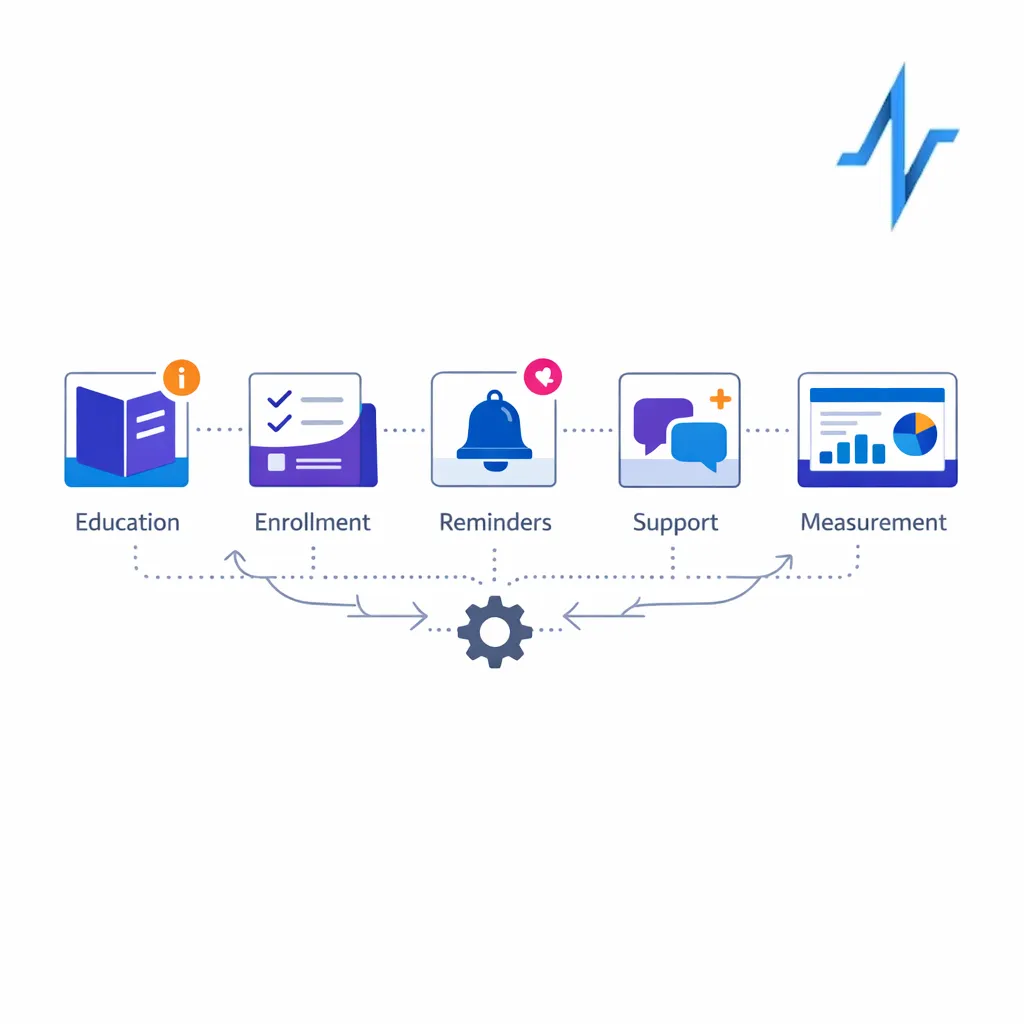
A useful buying definition is broader than a patient messaging platform and narrower than a giant enterprise engagement suite. In practice, the category spans the tools that support patient education, program enrollment, reminders, two-way support, and measurement across a defined journey.
- Education: branded or unbranded content, onboarding sequences, FAQs, and next-step guidance
- Enrollment: sign-up flows, permission capture, eligibility questions, and handoff into support workflows
- Reminders: refill prompts, appointment prompts, milestone nudges, and task completion follow-ups
- Ongoing support: two-way messaging, routing, escalation, and case-triggered outreach
- Measurement: dashboards for engagement, conversion, drop-off points, and program performance
- Integrations: connections to CRM, hub, data warehouse, case management, and other source systems
That is why the terms patient communication tools, patient outreach software, and patient engagement platform are related but not identical. Patient outreach software is often enough for simple outbound campaigns, while a patient engagement platform usually adds workflow logic, response handling, integrations, and measurement needed for more complex pharma patient engagement programs.
Why pharma teams are reevaluating patient communication platforms
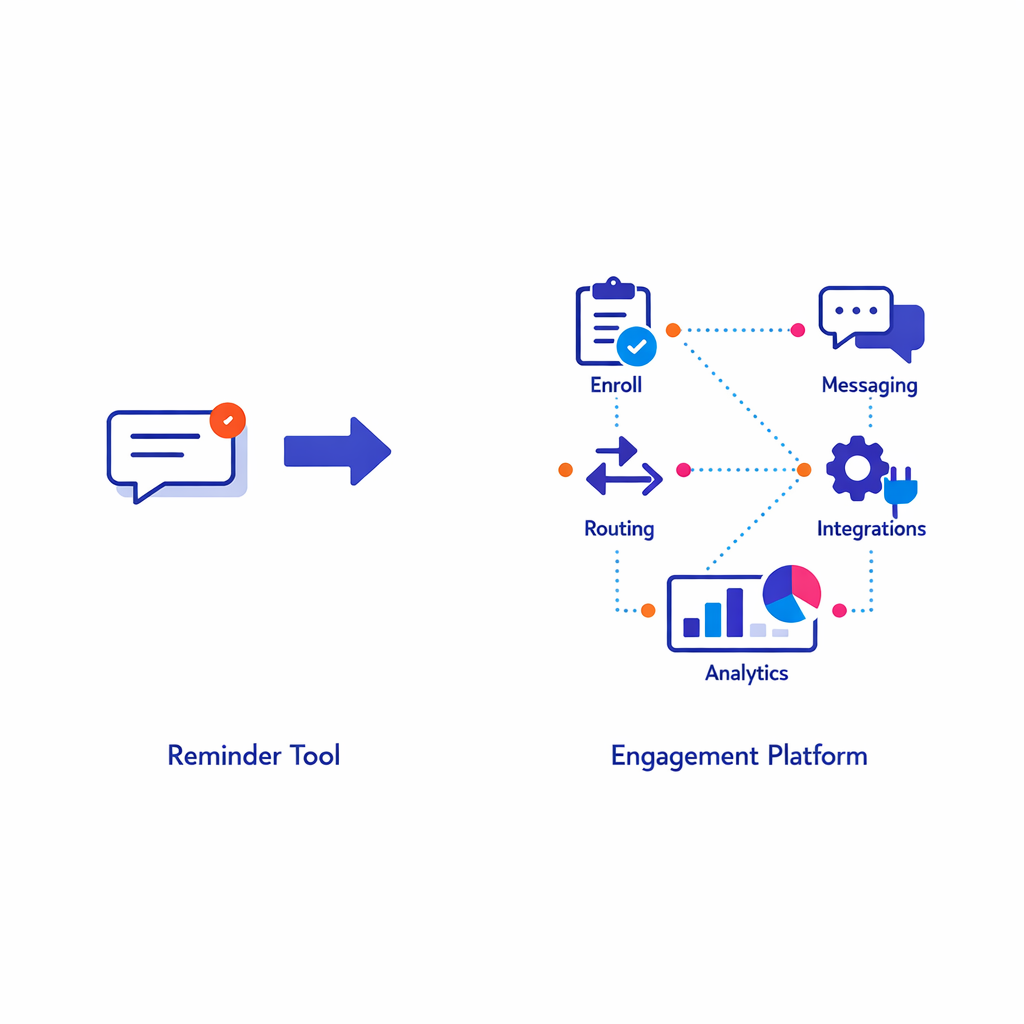
What looked acceptable as a reminder tool can feel incomplete once the program also needs digital enrollment, preference capture, routing to human support, and analytics that stand up to internal review. The shortlist also tends to get larger as more stakeholders join the buying process, including brand, patient support, legal, privacy, procurement, and operations.
In the US, outreach design is shaped by the HIPAA Privacy Rule, FCC rules on unwanted robocalls and robotexts, and the CAN-SPAM Act. That is one reason buyers increasingly want the platform itself to help enforce consent, suppression, and channel logic instead of leaving those controls to manual process.
The real buying question is no longer just, “Can it send a text or email?” It is, “Can it coordinate education, enrollment, reminders, and support in a way that is measurable, governable, and realistic for our team to run?”
Core use cases to evaluate
Education and onboarding
A strong patient education tool should support modular content, branching by audience or stage, and delivery formats that work well on mobile without forcing an app download for every interaction. Education is not only about sending information. It is about helping a patient understand the next action and complete it with confidence.
Content design should favor clarity, short steps, and language that reduces friction during sign-up or program start. Teams shaping onboarding copy and reminders can borrow plain-language and teach-back practices reflected in AHRQ’s Health Literacy Universal Precautions Toolkit.
Enrollment and consent capture
Patient enrollment software needs to do more than collect a name and phone number. The better platforms support progressive profiling, channel preferences, clear opt-in moments, evidence of what the patient agreed to, and handoff into downstream workflows without re-keying data.
During evaluation, ask whether the enrollment experience can adapt by program, indication, or patient need. A workflow that looks clean in a demo can still fail in production if every variation requires a vendor services ticket or a developer sprint.
Reminders, nudges, and adherence support
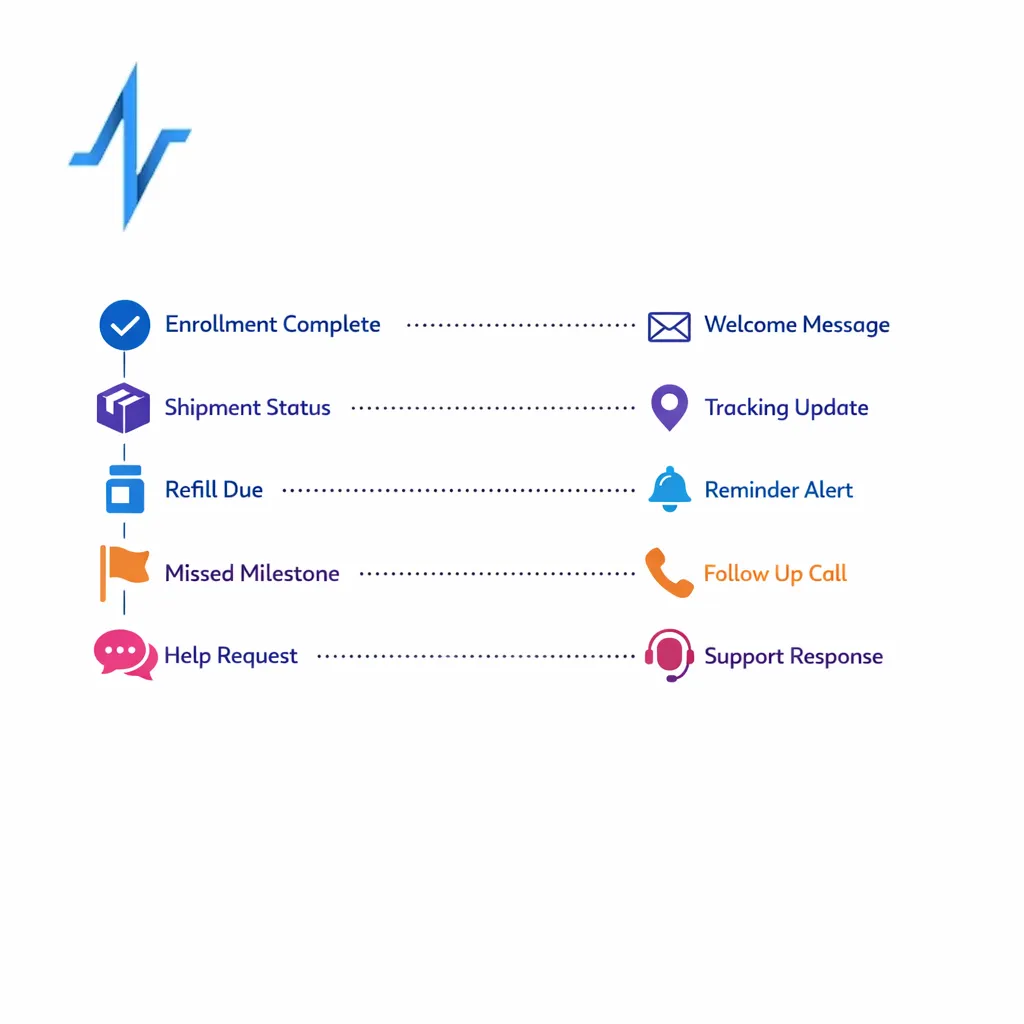
For adherence programs, timing matters as much as channel. A platform should be able to trigger outreach from actual events such as enrollment completion, shipment status, refill timing, missed milestones, or a request for help, rather than relying only on a fixed calendar schedule.
The goal is not to flood the patient with reminders. It is to sequence the right prompt, in the right channel, with a next action that is obvious and low effort. That is where omnichannel patient engagement becomes more valuable than isolated one-off campaigns.
Ongoing two-way support and escalation paths
Many programs break down after the first response. A patient asks a question, requests live help, shares a concern, or stalls mid-journey, and the tool has nowhere useful to send that signal.
Evaluate how replies are classified, routed, and tracked. If the patient needs affordability support, program assistance, a human follow-up, or a transfer into another team’s queue, the platform should make that path operationally simple instead of forcing staff to monitor inboxes and spreadsheets.
Must-have evaluation criteria
Consent management and preference capture
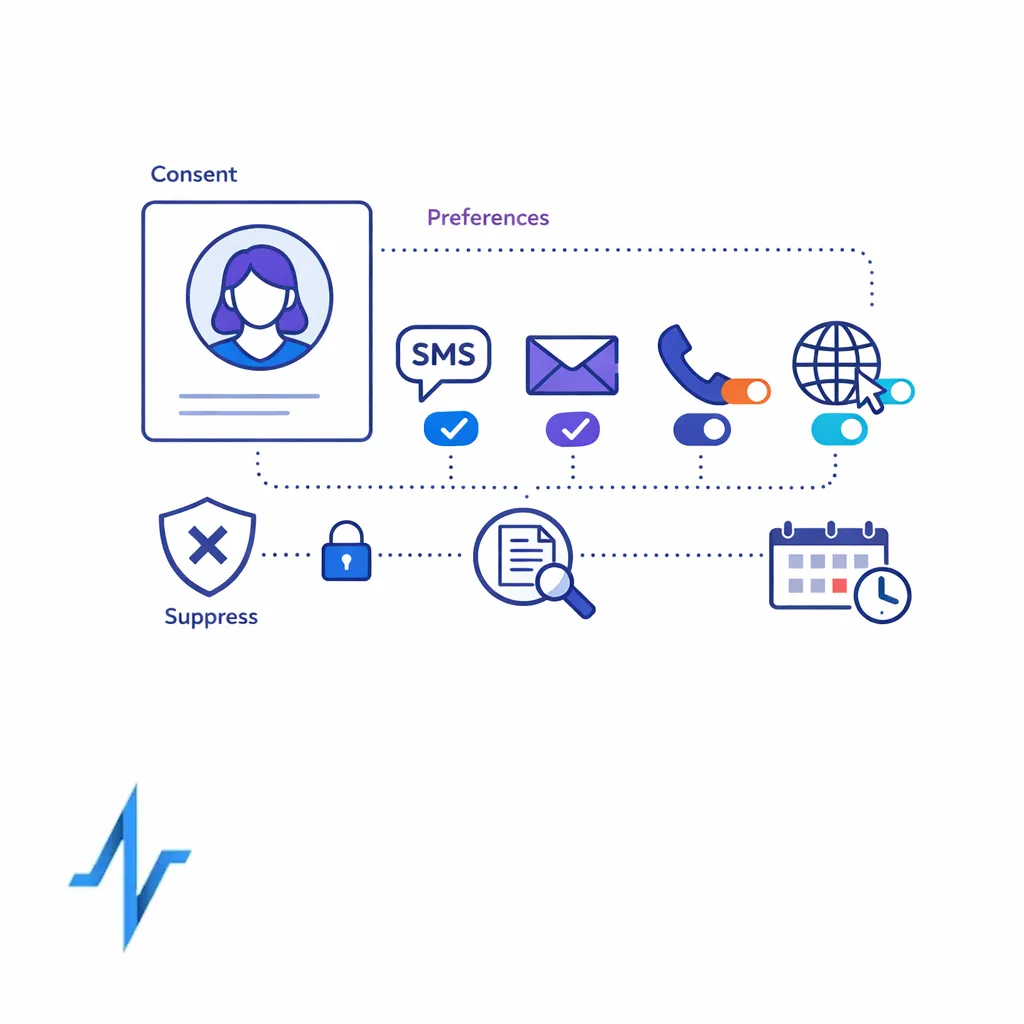
The vendor should let you record what the patient agreed to, when they agreed, which channel they chose, and how opt-outs or suppressions are enforced. Ask whether consent logic can vary by program, language, or workflow without custom development every time business rules change.
Preference capture also matters after enrollment. Patients may want education in one channel, reminders in another, and live support only when needed. A platform that treats all outreach as one undifferentiated opt-in usually creates more friction later.
Omnichannel orchestration across SMS, email, voice, web, and app or portal experiences
Omnichannel orchestration is not about turning on every channel. It is about deciding what should happen first, what should happen next if the patient does not respond, and when a human touchpoint should replace automation.
In demos, look for journey logic that is visible and editable, not buried in custom scripts. Brand and operations teams should be able to understand the sequence of events, fallback paths, and stop conditions without reverse-engineering the system.
Analytics and measurement with de-identified reporting
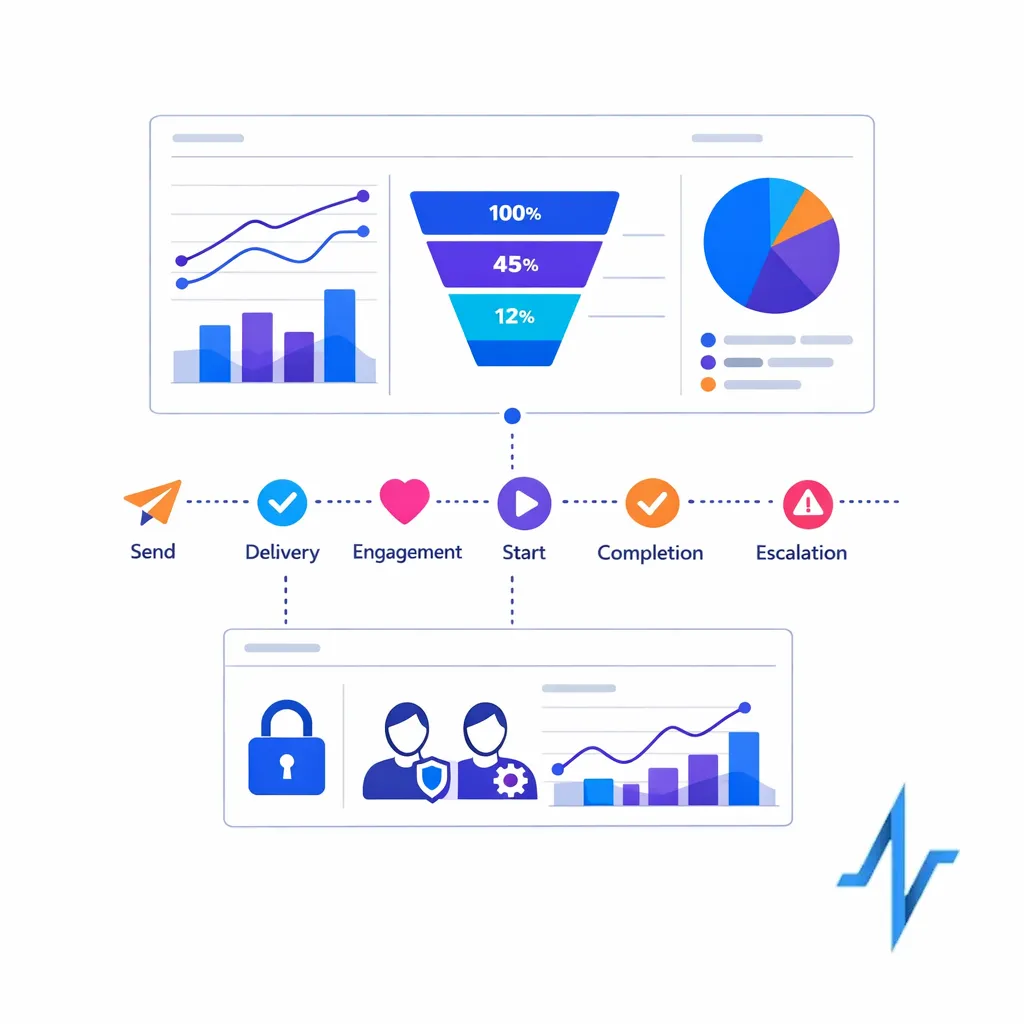
Program teams need enough visibility to improve performance, but they do not always need identifiable records in every dashboard. Ask whether analytics can be limited to de-identified data as described by HHS, while identifiable views are restricted to the operational users who actually need them.
Also ask how the platform distinguishes sends from deliveries, engagements, form starts, completions, escalations, and downstream program outcomes. If the reporting model cannot separate those events cleanly, optimization gets fuzzy very quickly.
EHR, CRM, hub, and data integrations
Integration work is where many software evaluations become real. The right platform should connect to the systems that already own identity, case management, consent evidence, program status, and reporting, instead of creating yet another silo.
When a vendor says it integrates, ask whether that means one-way file transfer, real-time APIs, webhooks, or support for HL7 FHIR interoperability where appropriate. The answer affects implementation effort, reporting fidelity, and how much manual reconciliation your team inherits.
Workflow automation and routing
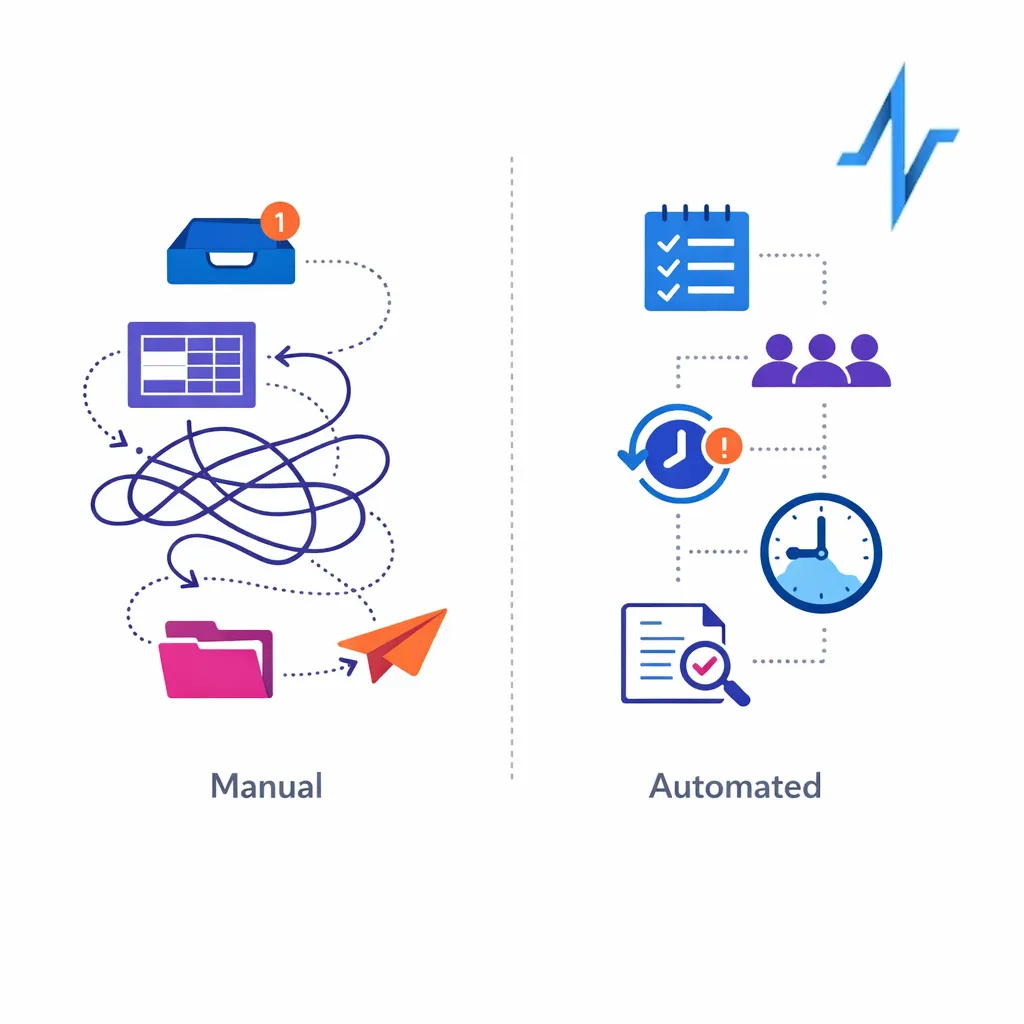
Automation matters most when it reduces manual handoffs. Ask whether the platform can create tasks, trigger follow-up sequences, branch based on patient behavior, assign work to queues, and document what happened without requiring staff to copy information between systems.
Look for practical workflow controls such as business-hour logic, exception routing, retry rules, escalations, and auditability. Those details often determine whether the program scales smoothly or becomes people-heavy as volume grows.
Patient-facing usability and accessibility
Patient adoption depends on how easy the experience feels in the moment. The best platforms make enrollment and follow-up feel lightweight, with clear copy, obvious next actions, mobile-friendly layouts, and as few barriers as possible.
Do not assume a login is necessary for every step. In many programs, no-login or low-friction interactions are more realistic than sending patients through a portal flow they may never return to.
Security and governance review questions
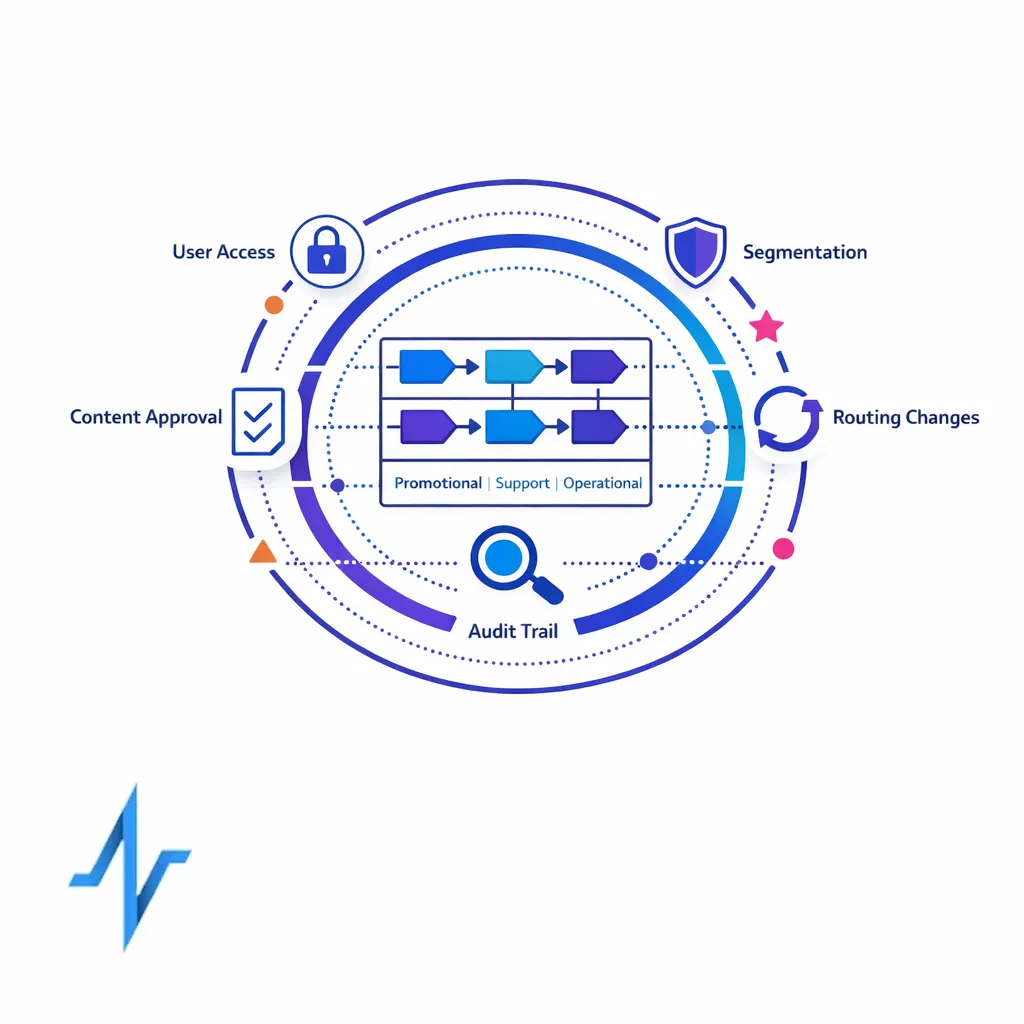
Security review should not begin after selection. If identifiable patient data is involved, ask early how the vendor maps controls to the HIPAA Security Rule, how access is segmented, how audit trails work, and how incidents are handled.
Also test the governance model. Who can create a journey, who can approve content, who can change routing logic, and how are different workflows separated when promotional, support, and operational use cases require different review paths?
How to compare vendors with a practical scorecard
A useful scorecard is weighted by the job the program must do, not by the number of features on a slide. For a typical education, enrollment, and adherence program, a practical starting model looks like this:
- 25%: enrollment flow and consent or preference handling
- 20%: orchestration across channels and next-best-step logic
- 15%: analytics and reporting for program optimization
- 15%: integrations with CRM, hub, case management, and data systems
- 10%: workflow automation, routing, and operational ease
- 10%: patient experience, usability, and content flexibility
- 5%: governance, security review readiness, and admin controls
If the program is heavily enrollment-led, increase the weight on forms, permissions, and handoffs. If the program is more adherence-focused, place more weight on event-triggered journeys, response handling, and measurement of progression over time.
Questions to ask in demos
- Show the full journey: Can the vendor demonstrate education, sign-up, reminders, response handling, and reporting in one workflow?
- Show admin reality: Which parts can your team configure without vendor intervention?
- Show the data model: Where do consent evidence, patient preferences, and engagement events live?
- Show exceptions: What happens when a patient replies unexpectedly, opts out, or needs human help?
- Show integrations: How does data move into CRM, hub, analytics, and case systems?
- Show measurement: Can the platform isolate drop-off points and compare performance by channel or segment?
Red flags during procurement
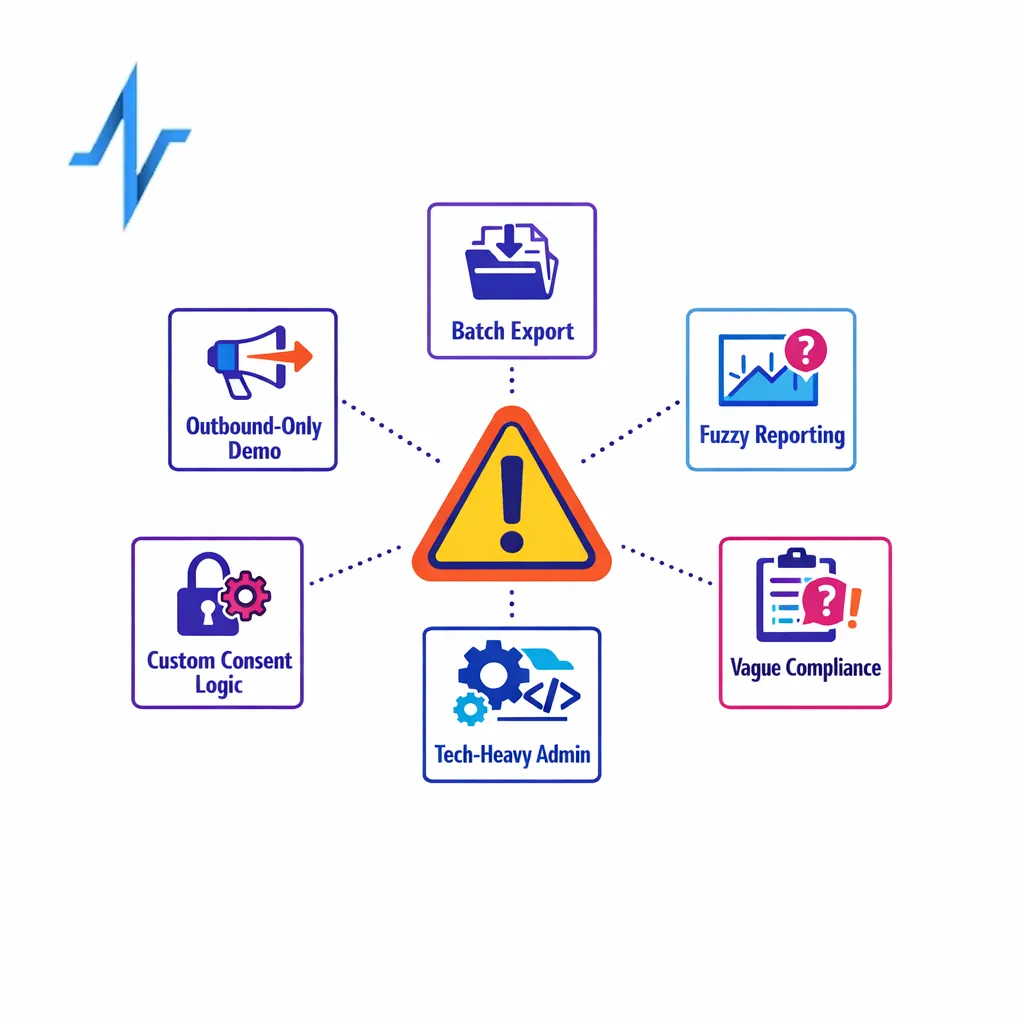
- A great outbound demo, but weak handling of replies, routing, and case creation
- “Integration” that really means batch exports and manual imports
- Reporting that counts sends but cannot explain actual patient progression
- Consent management that depends on custom work for common scenarios
- Admin workflows so technical that every program change becomes a ticket
- Broad compliance language without clear explanation of operational controls
Common mistakes when selecting a platform
The first mistake is overbuying a broad engagement suite when the immediate need is more specific. If your program mainly needs education, sign-up, reminders, and escalation, a giant platform built for every possible use case can add cost and implementation drag without improving outcomes.
The second mistake is underestimating integration work. A patient communication platform may look complete on its own, but it becomes far more valuable when identity, case status, consent evidence, and engagement data move cleanly between systems.
The third mistake is ignoring patient adoption. Teams often focus on internal feature checklists and forget to test whether the actual patient journey feels simple, trustworthy, and worth completing on a mobile device in a few minutes.
The fourth mistake is treating reminders as the whole strategy. Reminder messages can help, but adherence programs usually perform better when reminders are paired with education, friction reduction, response handling, and escalation to the right support path.
The fifth mistake is assuming the vendor can replace internal governance. No platform removes the need for legal, privacy, medical, and operational review. The best tools make those reviews easier to operationalize. They do not make them disappear.
Build vs buy vs extend an existing stack
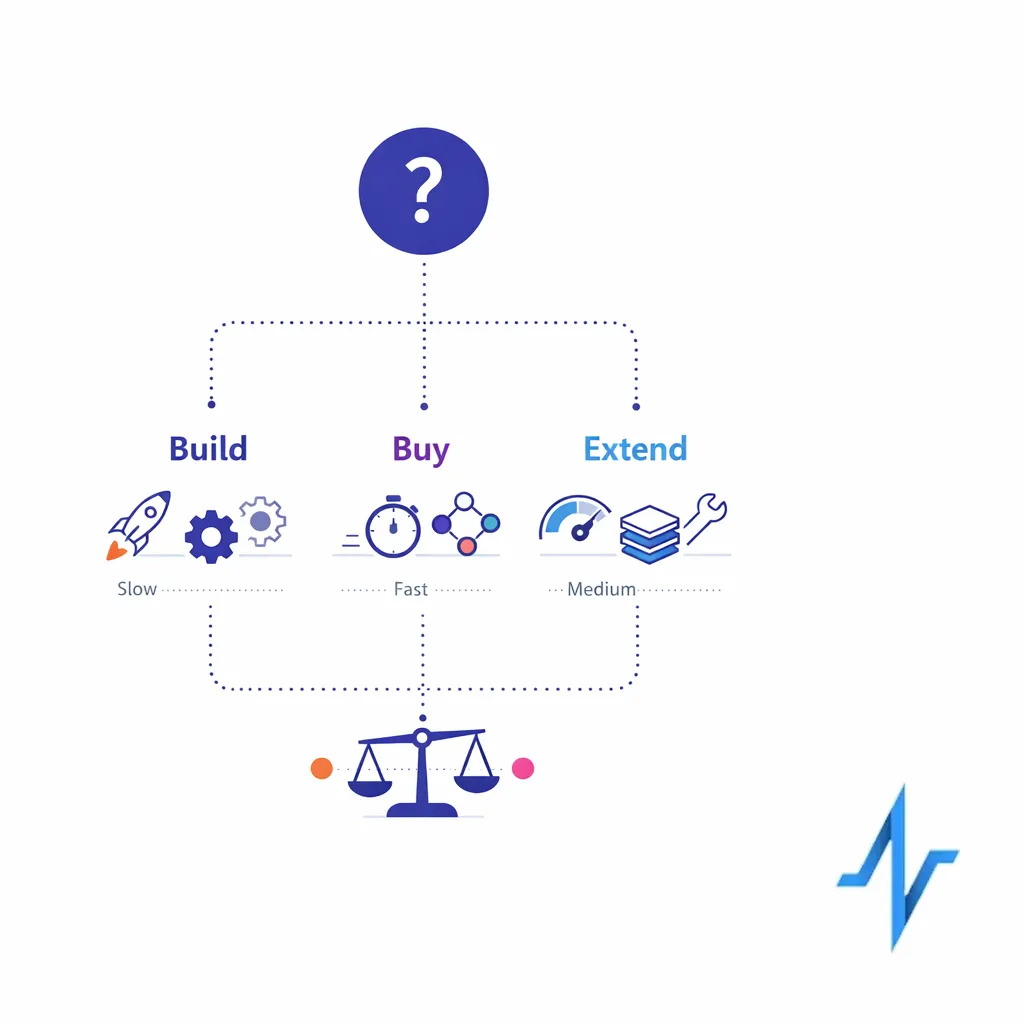
There is no single right answer for every pharma team. The right choice depends on how much of the patient journey you need to control, how fast you need to launch, and how much workflow complexity your current systems can realistically absorb.
- Buy a dedicated patient engagement platform when the program spans education, enrollment, reminders, routing, and measurement across multiple teams or brands.
- Use simpler patient outreach software when the use case is narrow, mostly outbound, and does not require deep workflow logic or multiple system handoffs.
- Use specialized patient enrollment software when forms, approvals, document collection, and operational review dominate the workflow.
- Extend the existing stack when your CRM or engagement tools already handle identity and permissions well, and the gap is mainly orchestration or reporting rather than end-to-end workflow.
A good rule is to buy the least complex system that can still run the real program. If your team needs a true operational layer for patient education, sign-up, reminders, and support, a dedicated platform is often easier to govern and optimize than stitching together disconnected tools.
FAQ
What is a patient engagement platform?
A patient engagement platform is software that helps organizations coordinate communication and actions across a patient journey. In pharma, that usually means combining education, enrollment, reminders, response handling, workflow automation, and reporting in one operating layer.
What is patient outreach software?
Patient outreach software is usually a narrower category focused on sending messages or campaigns. It can work well for simple notifications or reminder programs, but it may not include the workflow, routing, and integration depth needed for more complex education and adherence programs.
What features matter most for patient communication tools?
The most important features depend on the use case, but most buyers should prioritize the following:
- Consent and preference capture that is easy to configure
- Omnichannel journey orchestration, not just one-off sends
- Low-friction enrollment and follow-up experiences
- Two-way messaging with clear escalation paths
- Useful analytics tied to patient progression, not just volume
- Integrations with CRM, hub, case management, and reporting systems
- Admin controls that support governance and change management
How do these tools support education and adherence?
They support education by delivering the right content in a sequence that helps the patient understand the next step. They support adherence by turning key moments such as enrollment, refill timing, missed milestones, or requests for help into timely prompts, follow-up actions, and human escalations when needed.
What to do next
- Define the top two or three patient journeys you need the platform to run first
- List the systems that own identity, consent evidence, case data, and reporting today
- Write down channel, preference, and suppression rules before vendor demos begin
- Decide which teams need operational visibility and which only need aggregate reporting
- Ask every vendor to demonstrate the same workflow end to end
- Score vendors against your use case, not their category claims
- Start with a program that is meaningful enough to prove value but contained enough to launch well
Request a Demo for a program-specific walkthrough
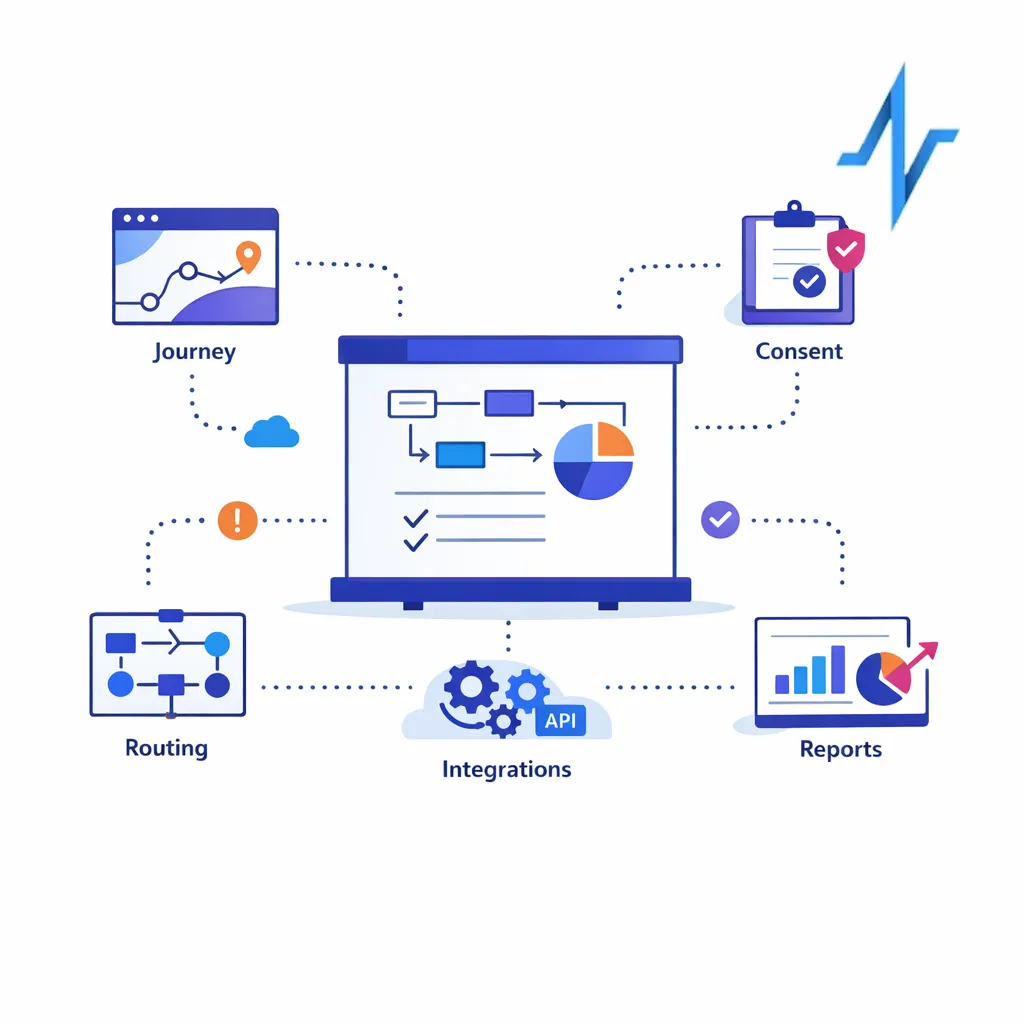
If your team is comparing patient communication tools for education, enrollment, and adherence, a workflow-level review is usually more useful than another generic feature list. Pulse Health can map journeys, consent handling, routing, integrations, and reporting to the actual program steps your team is trying to improve.
Request a Demo to see how it works, pressure-test your scorecard, and get a practical platform overview aligned to your current stack and program goals.