
Sermo’s Role in Pharma Marketing
The health‑care marketing landscape has shifted dramatically in recent years. Physicians now expect personalized, data‑driven interactions that respect their time and professional independence. Social media activity among health‑care professionals (HCPs) skyrocketed during the COVID‑19 pandemic and has not returned to pre‑pandemic levels[1]. At the same time, pharmaceutical and biotech marketers must navigate strict regulatory requirements around data privacy and prescription drug promotion[2][3].
Integrating a customer relationship management (CRM) platform such as Pulse Health with Sermo, a physician‑only social network and advertising channel, can help U.S. pharma marketers meet these challenges.
This guide is written for marketers who already use Sermo or plan to adopt it and want to understand how Pulse Health’s integration supports compliant, omnichannel physician engagement.

The article describes how both platforms work, what has recently changed in Sermo’s advertising capabilities, the benefits of integrating Pulse Health and Sermo, step‑by‑step guidance for implementation, and regulatory considerations. It concludes with a checklist and a consultation call to action.
Why Use Sermo in HCP Marketing?
A physician‑only social network with scale
Sermo hosts more than 1.3 million triple‑verified physicians spanning nearly 100 specialties[4].

Sermo describes itself as a “walled‑garden, healthcare‑first environment,” meaning that only verified HCPs can see or respond to sponsored content[7].
Data‑driven insights
Sermo’s RealTime platform delivers rapid market research and opinion polling.
During COVID‑19, participation in social polls jumped by nearly 300 percent[8].
Brands can use RealTime to test creative messages, measure campaign impact and gather physician preferences in hours or days[9].

The company also provides access to 7 million organic physician conversations[10], which can reveal competitive intelligence or treatment adoption trends.
First‑ and zero‑party data
Modern HCP marketing depends on high‑quality data. Sermo collects zero‑party data (information proactively shared by its members) and first‑party data (behavioural data from interactions on its platform)[11].
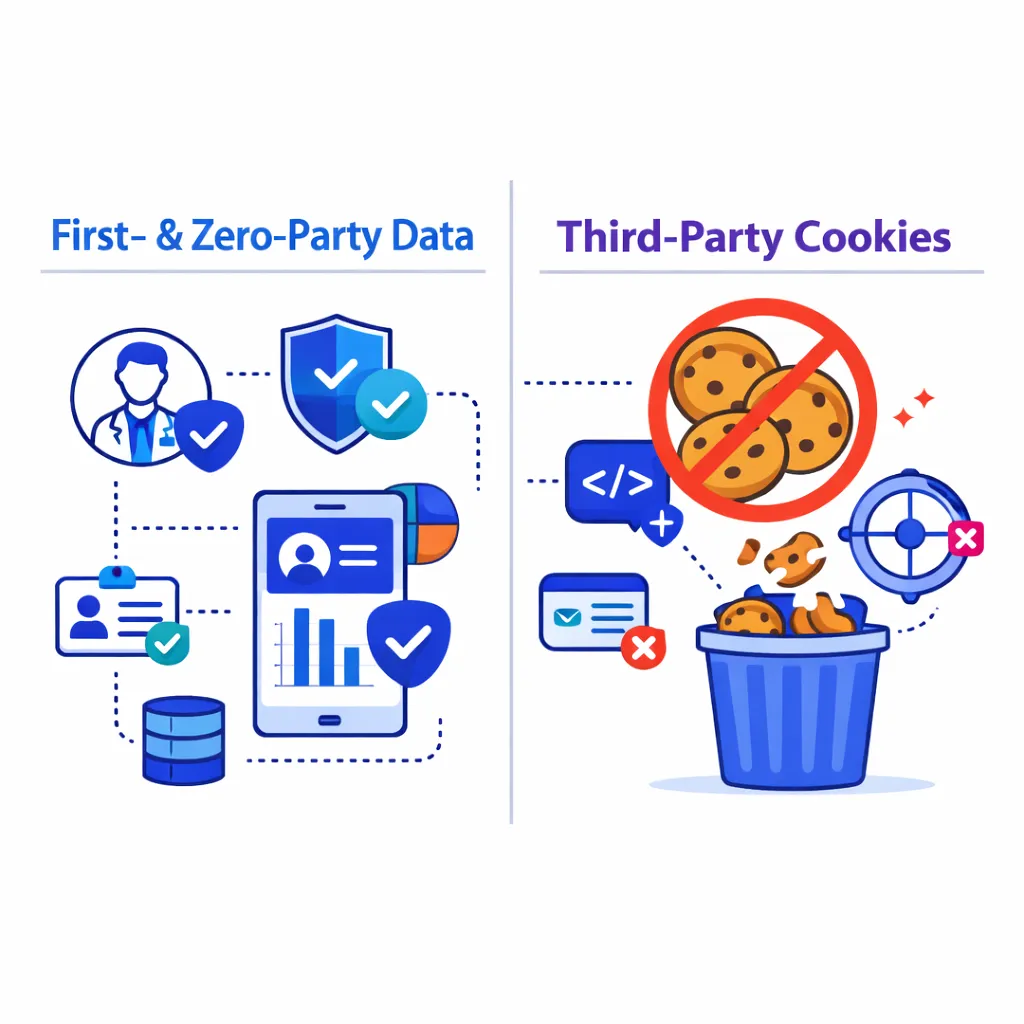
Advertisers can target physicians by specialty, geography and behaviour — based on actions taken on the platform, list matches using National Provider Identifier (NPI) numbers, or engagements with sponsored content[12].
Because Sermo does not use third‑party cookies or external data providers[13], the elimination of third‑party cookies in browsers has no impact on its ability to target HCPs accurately.
Diverse engagement formats
Sermo offers feed‑based opportunities (long‑form posts, image and video ads, polls) and message‑based opportunities (dedicated emails and community newsletter placements)[14].

Recent innovations include live and pre‑recorded events, dynamic or triggered messaging and A/B testing tools[15].
Engagement Manager – a 2025 update
On 30 October 2025, Sermo launched Engagement Manager, an on‑demand advertising platform that lets brands self‑serve campaigns to its global community[16].

Engagement Manager allows marketers to quickly build image or video ads, launch campaigns to specific specialties and geographies, access real‑time performance insights and adapt messaging based on engagement trends[17].
Advertisers benefit from a walled‑garden environment where every member’s credentials are pre‑verified[7].
Early results are impressive: brands advertising on Sermo see a 36 percent increase in physician intent to talk to peers about a brand and an 18 percent lift in physician intent to recommend a product; they also achieve an 86 percent increase in unaided awareness[18].
Introducing Pulse Health
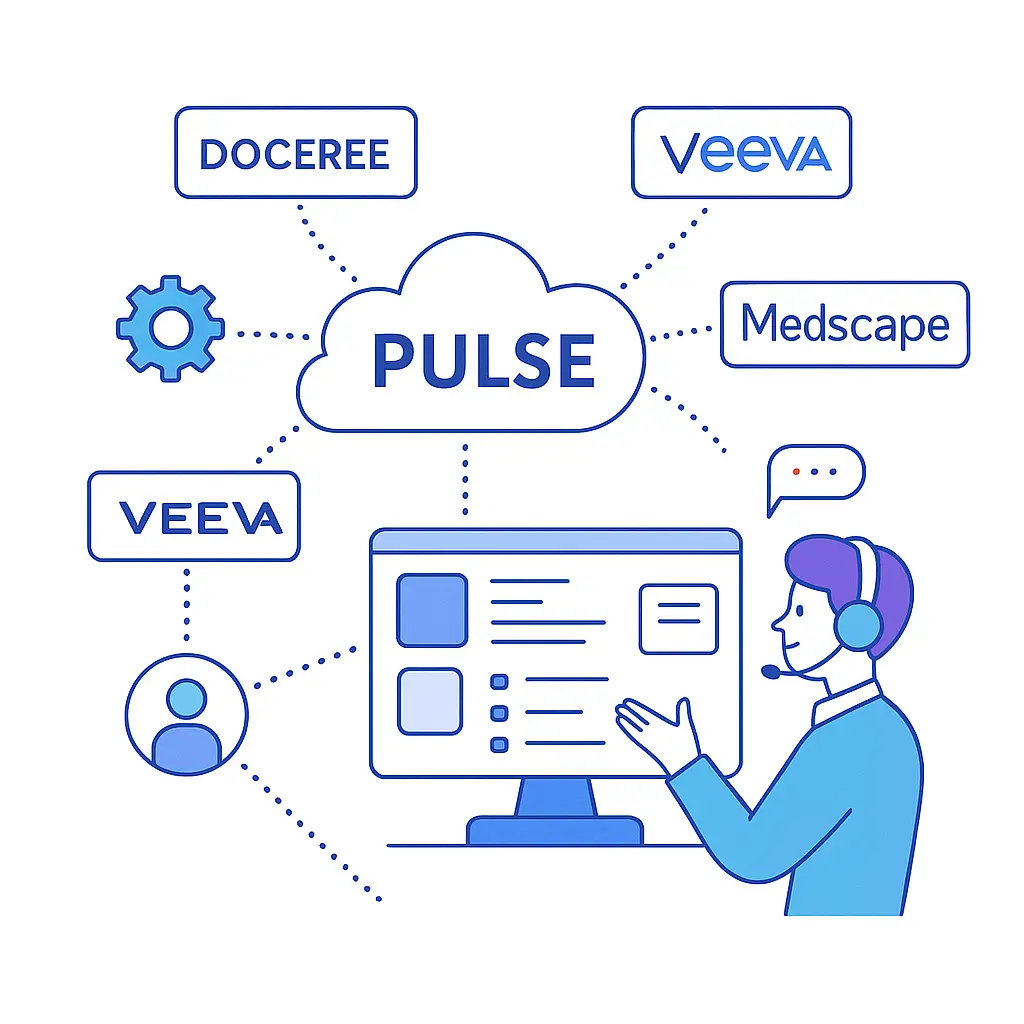
Pulse Health is a life‑sciences‑focused CRM and engagement platform. It provides non‑personal promotional engagement software, marketing automation and data integration services for pharmaceutical brands. The Pulse Engagement Cloud offers unified personas, journey mapping, field coordination and individual‑level affinity scoring[19]. Pulse Health claims direct access to more than 1 million HCPs and 30 million opt‑in patients[20], and it provides 50+ native integrations — including Veeva, Medscape, Doceree and Sermo — to simplify omnichannel orchestration[21]. The platform allows unlimited seats and licenses with single sign‑on and fast deployment[22].
Pulse’s infrastructure is built in a HIPAA‑compliant environment and backed by ISO/IEC 27001 certification[23]. In press releases, Pulse highlights its “white‑glove support” and ability to integrate seamlessly with partners[24]. For example, a 2024 announcement about a partnership with Tris Pharma notes that Pulse’s curated database of over a million HCPs enables real‑time campaign activation and behaviour‑based segmentation. Another release introducing the Request a Rep feature emphasises robust integrations with Doceree, Medscape, Doximity and Sermo, giving clients 360‑degree visibility into brand performance[24].

Why Integrate Pulse Health and Sermo?
A unified view of physician engagement
Marketing teams often run email campaigns, programmatic ads and social engagement through different vendors, resulting in disconnected data. By integrating Sermo with Pulse Health, interaction data from Sermo’s platform flows into Pulse’s centralised database, contributing to each physician’s unified profile. Marketers can see, for example, whether a physician engaged with a Sermo poll, clicked an email, watched a webinar or received a sample — information that would otherwise live in separate systems. Having all interactions “under one roof” allows Pulse users to view a full history of touchpoints and personalise follow‑up messages accordingly[25].
Improved targeting and segmentation
Sermo’s first‑ and zero‑party data enable precise segmentation by specialty, geography and online behaviour[26]. When integrated with Pulse Health, these segments can trigger automated workflows: if a cardiologist on Sermo watches a sponsored video and comments on a post, Pulse can automatically queue a follow‑up email, schedule a rep call or enroll the physician in an educational sequence. Conversely, Pulse’s existing segmentation — such as high‑prescribing physicians or early adopters — can determine which Sermo ads they see.
Faster campaign activation
Engagement Manager’s self‑serve features allow marketing teams to launch campaigns quickly[17]. When tied into Pulse, creative assets, approved messaging and HCP lists reside in one place. Marketers can select the appropriate segment and push campaigns to Sermo without manual file exchanges. Pulse’s unlimited seats and fast deployments ensure that cross‑functional teams — marketing, medical/legal/regulatory (MLR) reviewers and field reps — can collaborate without license constraints[22].
Better performance measurement
Pulse’s analytics overlay Sermo engagement metrics with other channel data. Brands can track metrics like impressions, clicks, video completions and poll responses alongside email opens, website visits and prescription lift. Sermo’s RealTime and Engagement Manager provide real‑time performance insights[17], which feed into Pulse’s dashboards. Early benchmarks from Sermo suggest that advertising on its platform yields significant lifts in physician intent and awareness[18], but to understand ROI, marketers need to match those signals to sales or prescribing outcomes.
Enhanced compliance
Compliance is a major concern in pharma marketing. HIPAA requires patient authorisation for any disclosure of protected health information (PHI) for marketing purposes[2]. Pulse’s HIPAA‑compliant infrastructure[23] and ISO/IEC 27001 certification help ensure that integration with Sermo doesn’t expose PHI. Sermo collects only first‑ and zero‑party data from physicians[11] and does not rely on third‑party cookies[13], minimising privacy risks. Pulse and Sermo both allow HCP‑only targeting, which helps marketers avoid consumer‑targeted promotions that could raise compliance issues.
What Has Changed Recently?
Sermo’s October 2025 release of Engagement Manager represents a significant change in how brands can use the platform. Previously, marketers needed to work through Sermo’s account managers or Pulse’s integration team. Engagement Manager gives clients direct control over campaign creation, targeting and reporting[27]. The platform responds to physician preferences for short‑form content — 63 percent of HCPs prefer bite‑sized fast facts and 57 percent want videos under three minutes[28] — and ensures that ads reach physicians when they’re in a professional mindset[29]. This release makes Sermo more agile and should accelerate the cadence of marketing experiments.
On Pulse’s side, the company continues to expand its integration catalogue. Press releases from 2024‑2025 emphasise integrations with Veeva, Medscape, Doceree, Doximity and Sermo[24]. Pulse also introduced the Request a Rep feature, which connects physicians engaged on digital channels directly with their relevant sales representatives, again powered by partner integrations[24]. Together, these developments signal a trend toward real‑time, personalised, omnichannel engagement across digital and field channels.
How to Integrate Pulse Health and Sermo
Although Pulse and Sermo are continuing to refine their connectors, the following steps outline a typical integration process. Work closely with your Pulse account representative to confirm the latest procedures.
Confirm platform access and contracts:
Ensure that your organisation has active contracts with both Pulse Health and Sermo.
For new Sermo clients, sign up for the Engagement Manager via Sermo’s registration page[30].
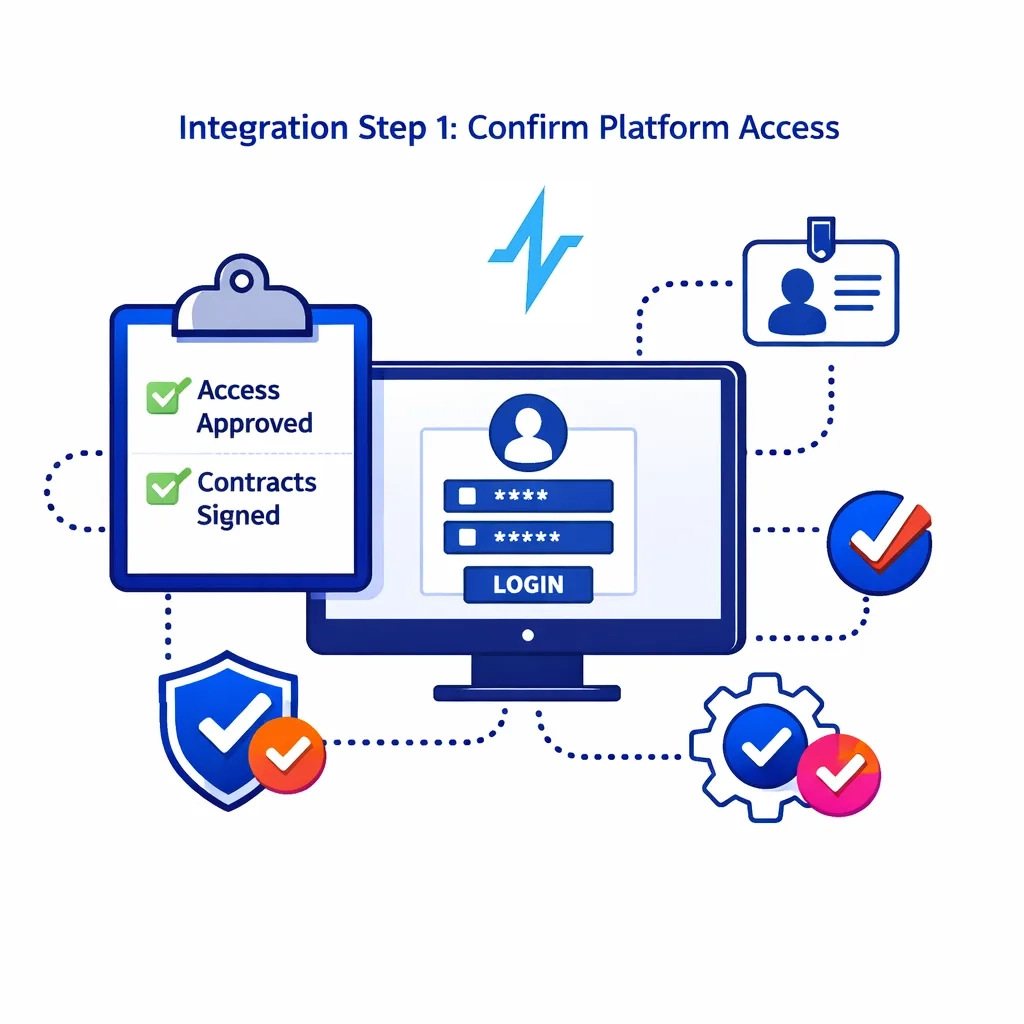
For Pulse, verify that your environment is configured for integrations and that your team has the necessary user permissions (Pulse allows unlimited seats and single sign‑on[22]).

Define campaign objectives and segments:
Use Pulse’s unified database to identify your target HCP segments — e.g., cardiologists who have previously engaged with your brand or high‑prescribing specialists.
Leverage Sermo’s RealTime research to validate messaging and refine segmentation[9].
Configure the integration:
Pulse typically offers native connectors for Sermo via API or secure file transfer.
Provide your Sermo account credentials or API keys to Pulse’s integrations team.
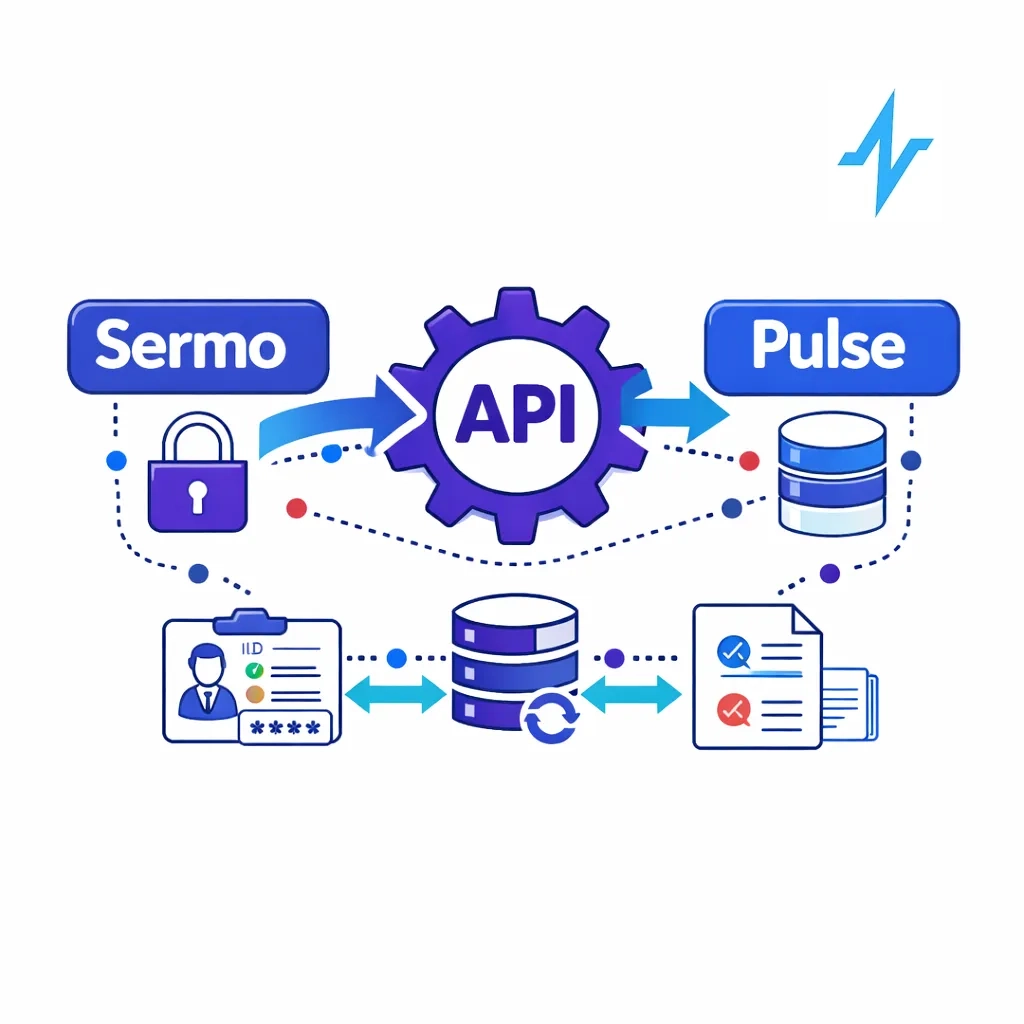
Define the data flows: push segments and creative assets from Pulse to Sermo; pull engagement metrics (impressions, clicks, poll responses) back into Pulse. Set up automated jobs for daily or weekly syncs.
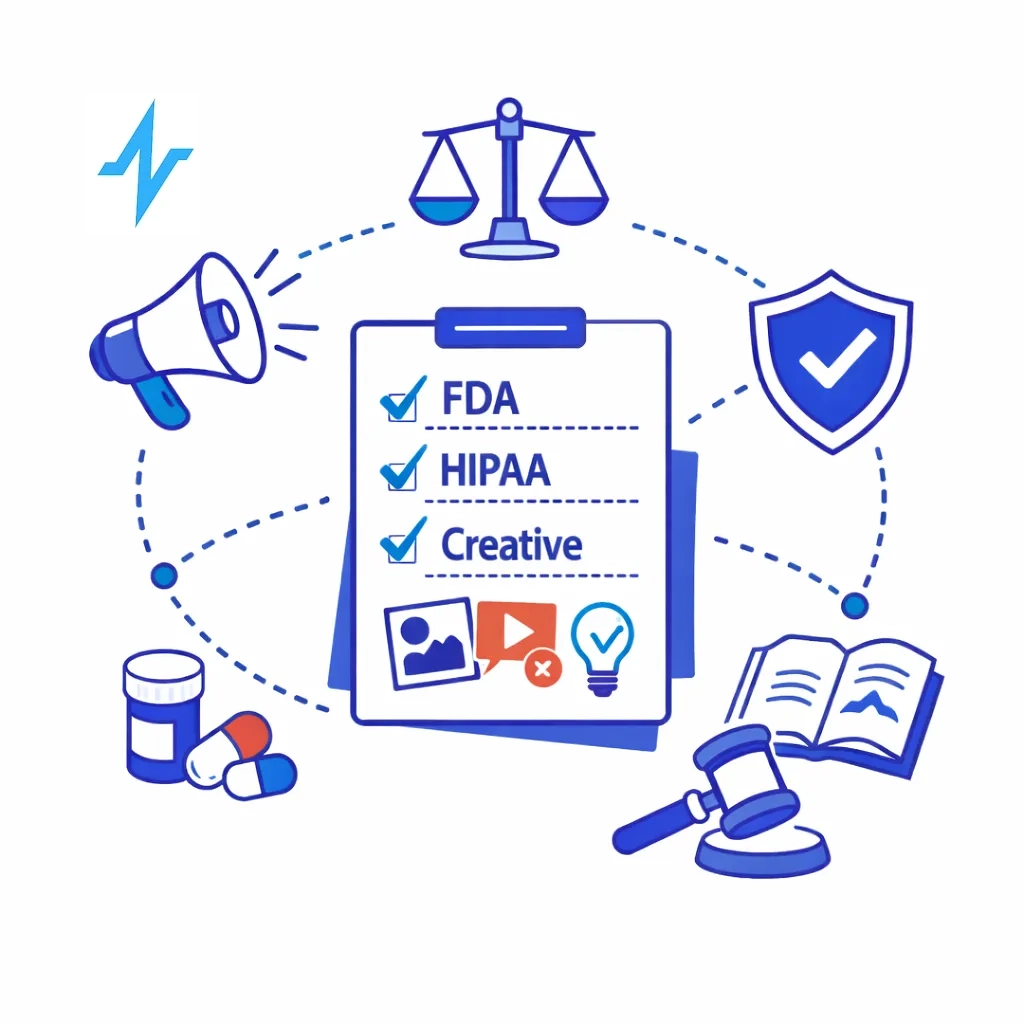
Prepare creative and compliance documentation:
Develop creative assets that comply with FDA and PhRMA guidelines.
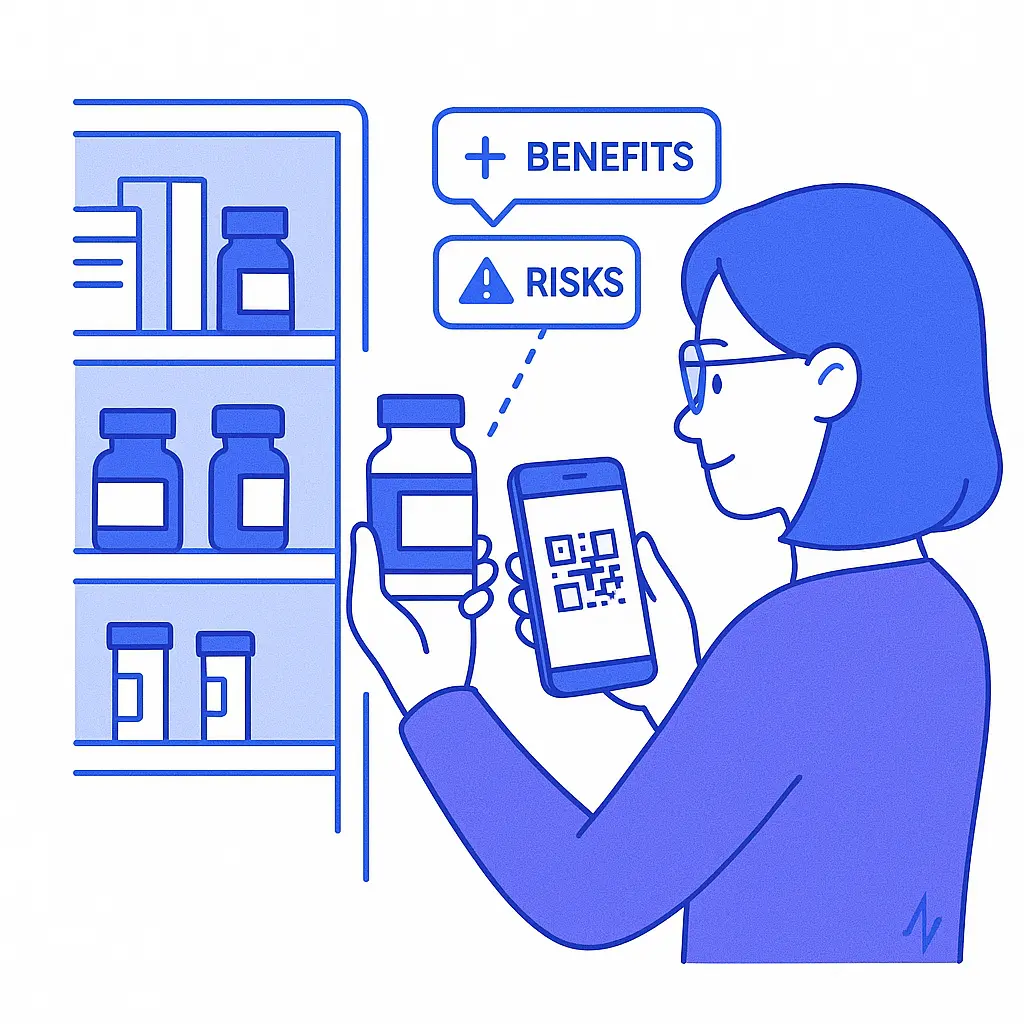
The FDA’s draft guidance on character‑space‑limited platforms suggests that benefit information be accurate and non‑misleading and accompanied by risk information[31].
If your ad includes product claims, ensure the risk information is presented with comparable prominence and provide a hyperlink to a landing page with full risk details[32]. Under the HIPAA Privacy Rule, you must obtain patient authorisation before using PHI for marketing[2]. Pulse’s HIPAA‑compliant environment can help manage opt‑ins[23].
Test and launch campaigns:
Use Sermo’s Engagement Manager to build ads — upload images or videos, craft headlines and select call‑to‑action buttons.
Configure targeting based on the segments imported from Pulse.

Launch the campaign and monitor early performance. Adjust creative or targeting based on real‑time feedback[17].

Review analytics in Pulse:
After launch, cross‑check metrics.
Did the campaign improve physician intent or brand awareness?
Sermo benchmarks suggest a 36 percent increase in peer‑to‑peer discussions and an 18 percent lift in recommendation intent[18]. Compare these with changes in prescription volume or sales data. Pulse’s dashboards should show how Sermo engagement correlates with downstream behaviour.
Iterate and optimise:
Use A/B testing tools within Sermo or Pulse to experiment with different messages, images or formats[15].

As results come in, refine your segmentation and creative. Continual optimisation is essential for maximising ROI.
Regulatory and Ethical Considerations
HIPAA and patient data
The HIPAA Privacy Rule gives individuals control over whether their protected health information (PHI) may be used for marketing. With limited exceptions, covered entities must obtain written authorisation before using or disclosing PHI for marketing[2]. Marketing is defined broadly as any communication about a product or service that encourages purchase or use[33]. The Rule prohibits selling PHI to a third party for that party’s own marketing[34]. Consequently, marketers should:
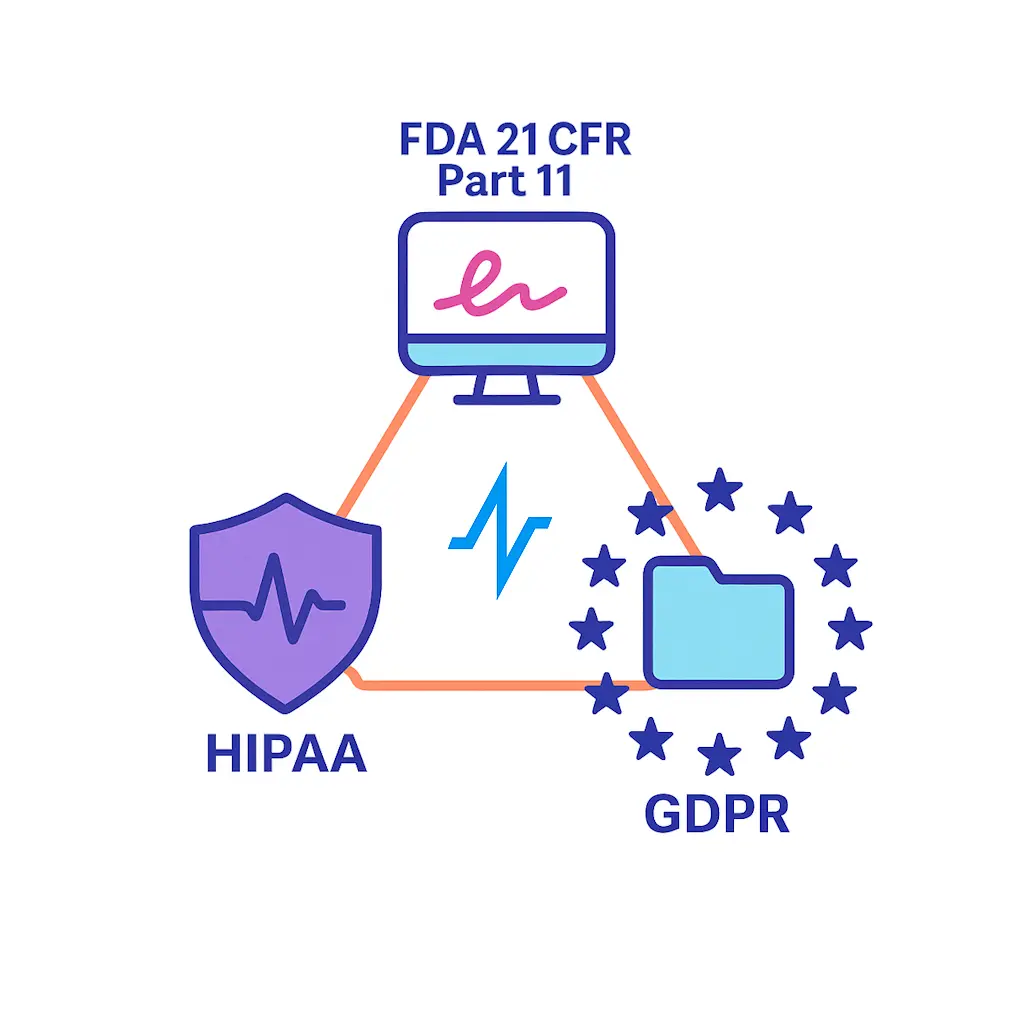
- Avoid uploading patient lists or identifiable PHI into Sermo or Pulse unless patients have explicitly consented.
- Use de‑identified or aggregated data when segmenting physicians based on patient metrics.
- Maintain business associate agreements (BAAs) with vendors handling PHI.
PhRMA Code of Interactions with Health Care Professionals
The PhRMA Code on Interactions with Health Care Professionals underscores the importance of ethical marketing. It notes that interactions with HCPs should convey accurate benefits and risks of medicines and support the practice of medicine[35]. Marketing should be professional and designed to benefit patients; relationships must not be perceived as providing inappropriate inducements[36]. When using Sermo and Pulse, ensure that content is educational rather than purely promotional, respect fair market value when compensating physicians for surveys, and avoid lavish gifts.
FDA social media guidance
The FDA’s draft guidance on promoting drugs and devices via platforms with character‑space limitations provides practical recommendations. Benefit information must be accurate, non‑misleading and accompanied by risk information within the same message[37]. If a drug has significant risks (e.g., boxed warnings), the platform may not be suitable for promotion[38]. The guidance recommends including a hyperlink to a landing page exclusively devoted to risk information and ensuring risk information is as prominent as benefit information[39]. When using Sermo’s feed posts or emails, which typically do not have tight character limits, follow these principles by presenting balanced risk–benefit statements and linking to full prescribing information.
Content review and MLR approval
Most pharmaceutical companies require medical, legal and regulatory (MLR) review before campaigns go live. Pulse’s unlimited seats allow cross‑functional teams to access the platform[22]; use this to loop in MLR reviewers early. Keep records of all versions, review comments and approvals. When advertising on Sermo, maintain copies of final ads, targeting parameters and results for future audits.
Common Mistakes and How to Avoid Them
Assuming integration is plug‑and‑play: Some teams underestimate the need for planning. Define data flows, confirm API credentials and test synchronisation before launching large campaigns.
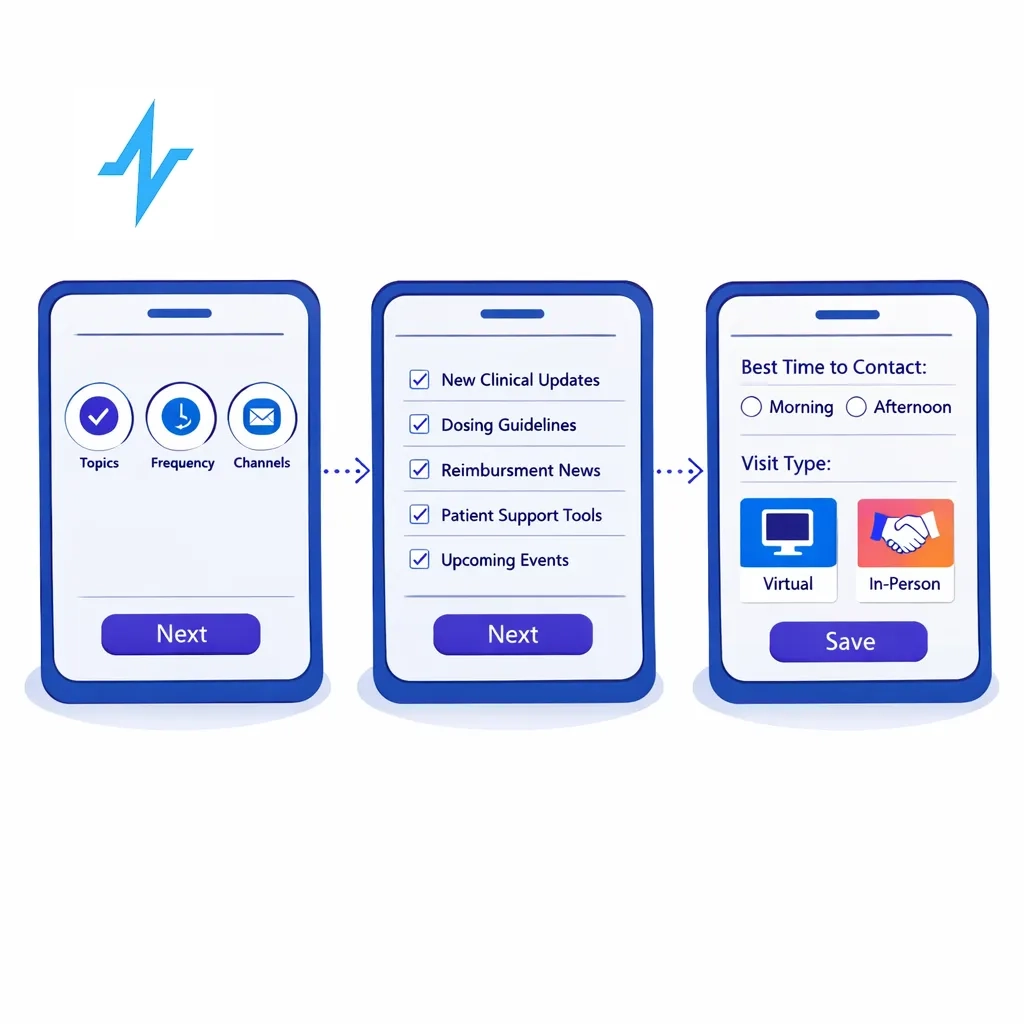
Ignoring physician preferences: Physicians prefer short, concise content and often access social platforms during professional downtime[40]. Avoid long text blocks; use clear visuals and key takeaways.
Under‑reporting risk information: FDA guidance emphasises that benefit and risk information must be presented together[32]. Don’t bury safety details in linked pages only.
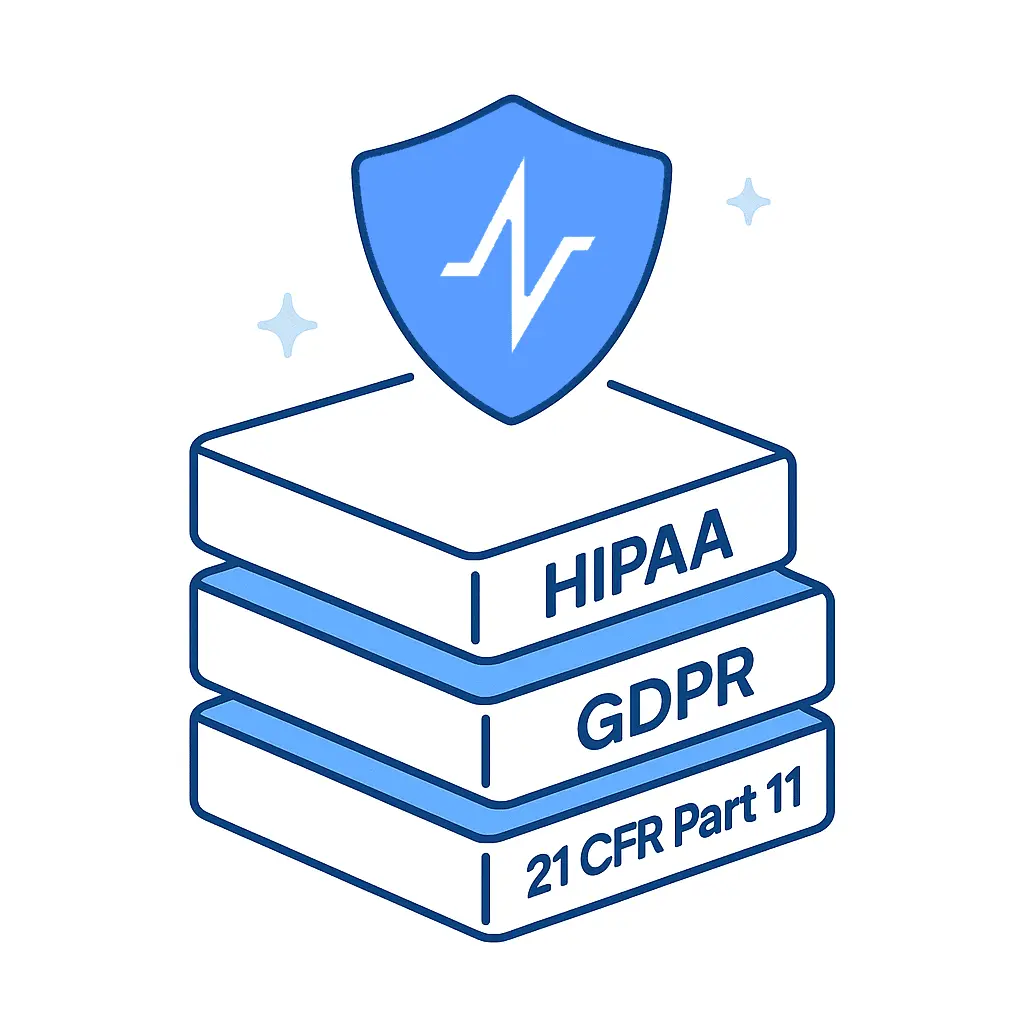
Neglecting compliance with HIPAA: Uploading patient‑level data without authorisation violates HIPAA. Use aggregated or anonymised data and keep PHI out of targeting fields.
Failing to measure long‑term impact: It’s easy to focus on engagement metrics such as clicks or poll responses. Link campaign data to prescribing behaviour, script lift or sales outcomes to understand ROI.

A Practical Checklist
Use this checklist to ensure a smooth integration:
- Assess readiness: Confirm active contracts with both platforms, ensure BAAs are in place and identify internal stakeholders (marketing, MLR, IT, field force).
- Define objectives: Specify campaign goals — awareness, education, trial, adherence — and match them to the appropriate Sermo formats (feed posts, polls, email).
- Segment wisely: Use Pulse’s unified HCP profiles and Sermo’s first‑party data to build precise segments; avoid third‑party data reliance[13].
- Prepare compliant creative: Balance benefits and risks; include required safety information and links to prescribing information[32]. Collect MLR approvals.
- Configure integration: Set up API credentials, map data fields and schedule automatic syncs. Test with a small segment.
- Launch and monitor: Use Engagement Manager to build and launch campaigns; monitor real‑time performance and adjust as needed[17].
- Analyse and refine: Pull engagement metrics into Pulse; evaluate against sales data and iterate. Look for patterns in physician behaviour and adjust segmentation or content.

What to Do Next
Integrating Pulse Health with Sermo can unlock a cohesive, data‑driven physician engagement strategy. When executed well, it allows marketing teams to combine Sermo’s deep physician community and real‑time research capabilities with Pulse’s omnichannel automation, analytics and compliance infrastructure. This integration enables targeted reach, rapid campaign activation, unified analytics and adherence to regulatory requirements.
For U.S. pharma marketers looking to connect with physicians more effectively and compliantly, now is the time to explore Pulse Health’s Sermo integration.
The integration is already helping brands achieve meaningful lift in physician intent and awareness[18] while maintaining HIPAA and PhRMA compliance[2][36].
Request a Consultation
Pulse Health offers tailored consultations to help marketers design, implement and optimise their integration with Sermo. Whether you’re planning your first campaign or looking to enhance an existing programme, the Pulse team can provide technical guidance, creative best practices and compliance support.
To get started, contact Pulse Health below and request a consultation or demo. Seamless, compliant omnichannel engagement is within reach — let Pulse Health and Sermo show you how.
[1] [4] [8] [9] [10] [11] [12] [13] [14] [15] [26] HCP Marketing & How It Can Boost Physician Engagement
https://www.sermo.com/resources/hcp-marketing
[2] [33] [34] Marketing | HHS.gov
https://www.hhs.gov/hipaa/for-professionals/privacy/guidance/marketing/index.html
[3] [31] [32] [37] [38] [39] FDA Issues Two Draft Guidance Documents Relating to Internet and Social Media Use by Drug and Device Manufacturers | Insights | Ropes & Gray LLP
[5] Sermo: Social Network Platform for Physicians
[6] [7] [16] [17] [18] [27] [28] [29] [30] [40] Sermo Launches Engagement Manager, Enabling On-Demand Advertising Access to Global Community of 1M+ Triple-Verified Healthcare Providers !
[19] [20] [21] [22] [23] Marketo Engage Alternative | Pulse Health
https://pulsehealth.tech/marketo-alternative
[24] Pulse Health Unveils Request a Rep, a Seamless Connection Between Engaged HCPs and Relevant Field Force Reps
[25] Integrations | Pulse Health
https://pulsehealth.tech/integrations
[35] [36] Code on Interactions With Health Care Professionals | PhRMA
https://phrma.org/resources/code-on-interactions-with-health-care-professionals