
Choosing eTMF software is not the same as choosing a generic document repository. Pharma teams are selecting the system that will govern how trial records are created, reviewed, filed, retrieved, and defended when oversight, partner coordination, or an inspection puts pressure on the process.
eTMF software is the system used to manage an electronic trial master file, the collection of essential documents that lets reviewers assess how a study was run and the quality of its data. In practice, it should support filing, review, retrieval, and oversight that stand up to Good Clinical Practice.
This guide is for clinical operations leaders, TMF owners, QA, regulatory, IT, and procurement teams evaluating trial document platforms. You will learn what capabilities matter, how inspection readiness works in day-to-day operations, where eTMF fits relative to CTMS and broader clinical document management, and how to assess fit across sponsor, CRO, and site stakeholders.
What eTMF software is and why it matters
eTMF definition vs paper TMF
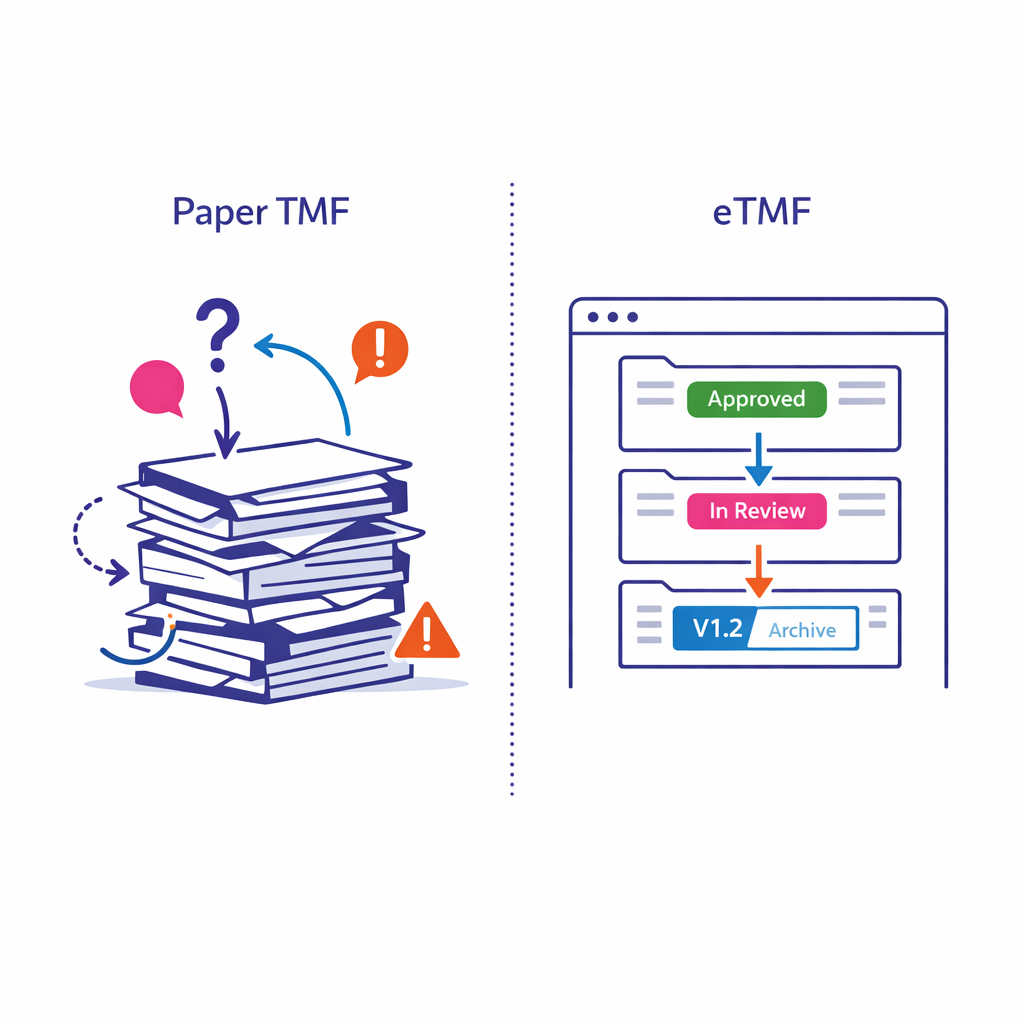
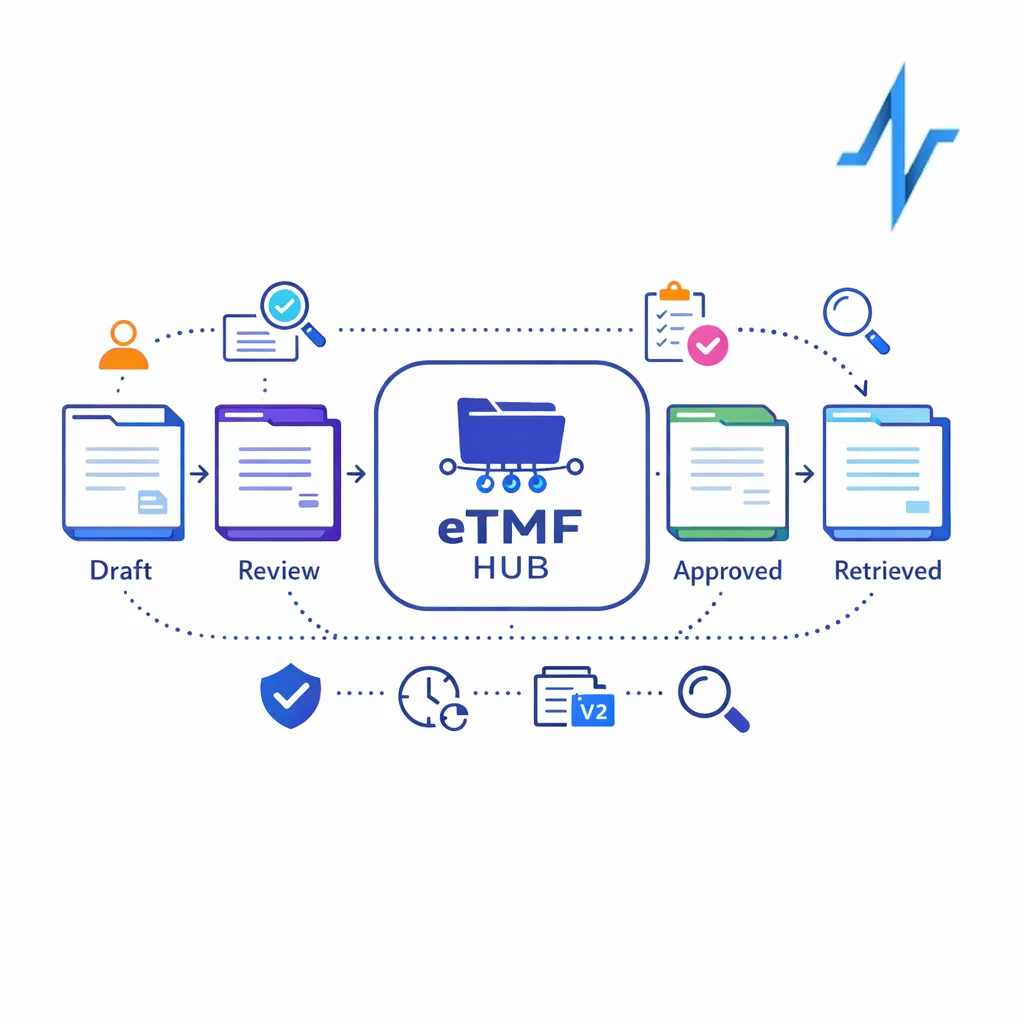
A paper TMF and an eTMF can contain the same study records, but they do not create the same operating model. The software layer determines how documents move from draft to final, how quality checks are enforced, and how quickly the team can prove completeness when someone asks for evidence.
That is why strong eTMF software should be evaluated as a controlled workflow system, not just an archive. If the platform cannot show ownership, status, history, and retrieval context without manual workarounds, the burden simply shifts back to the study team.
Who uses eTMF
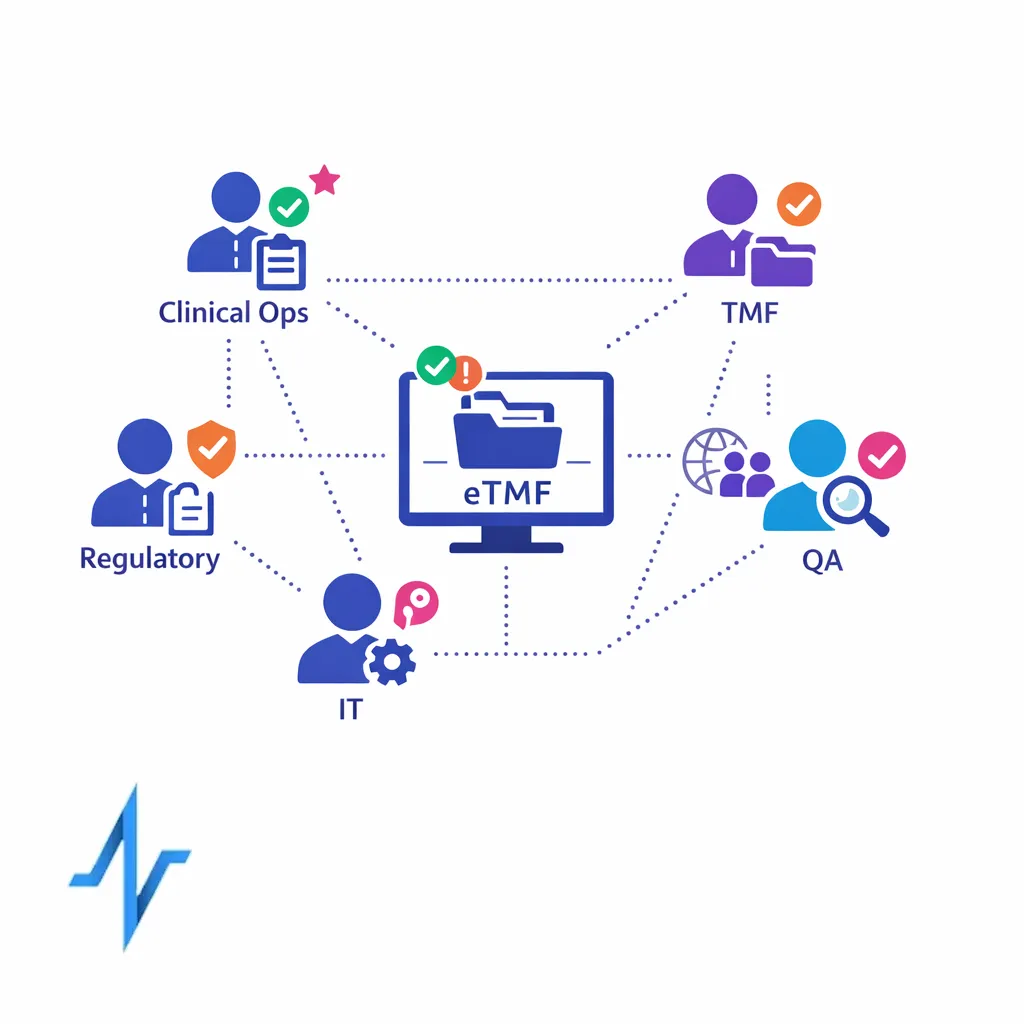
The TMF is not owned by one department alone. Clinical operations needs progress visibility, TMF specialists need filing control, QA needs evidence of process discipline, regulatory teams need confidence in documentation, and CRO or site partners need governed ways to exchange records.
Good evaluation work therefore has to be cross-functional. A platform that looks simple to procurement but creates ambiguity for QA, or one that looks compliant on paper but slows sponsor-CRO handoffs, will become expensive later.
What is the eTMF system?
It is the software environment used to collect, review, approve, file, and retrieve controlled trial documents. The useful mental model is simple: the eTMF is where study evidence is organized and made operationally visible.
What does eTMF stand for?
eTMF stands for electronic trial master file. The “electronic” part matters because it implies governed records, workflow controls, and retrieval discipline, not just scanned PDFs.
What is a TMF in software?
In software terms, the TMF is the structured record of essential study documentation. The platform should make that record easier to build correctly, not harder to maintain.
What should be in a trial master file?
The short answer is: the essential documents required for the study, organized so reviewers can see what exists, what is pending, and who owns each record. A good platform helps teams manage that by artifact type, study, country, site, status, and quality review state.
Core capabilities teams should expect from eTMF software
When buyers compare trial master file software, the most useful question is not “Which interface looks cleanest?” It is “Which platform reduces filing ambiguity, quality risk, reconciliation work, and retrieval effort across the actual study workflow?”
- Central repository and version control for draft, in-review, approved, superseded, and archived records
- Role-based access, signatures, and audit visibility for controlled user actions
- Expected document lists and dashboards to show what should exist versus what has been filed
- QC workflows and exception tracking so issues do not disappear into email
- Metadata and searchability that support study, country, site, and artifact-level retrieval
- Export and collaboration tools for sponsor, CRO, and site handoffs
Centralized repository and version control
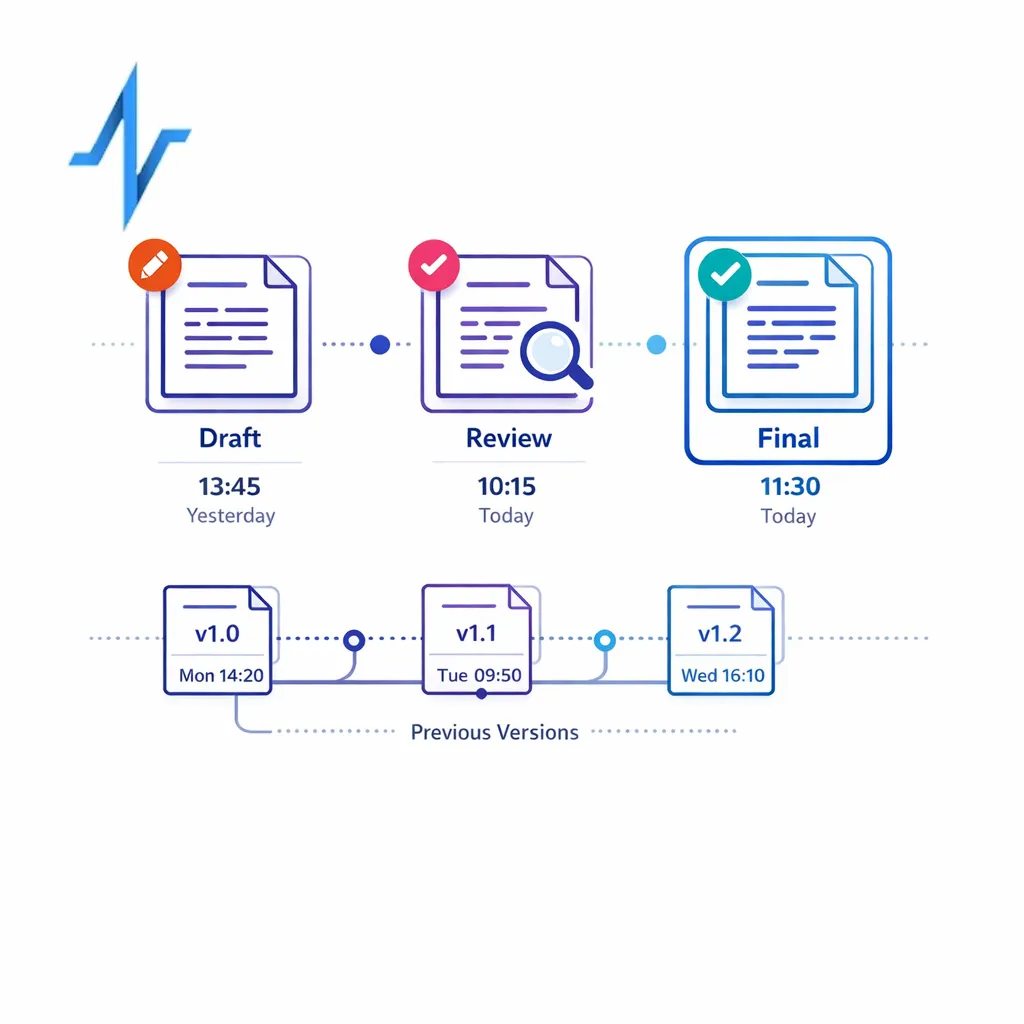
A central repository matters because teams need one place to determine what the current record is and whether it is final. Strong version control should show what changed, who changed it, and whether older versions remain visible only as historical evidence rather than accidental working copies.
Audit trails, e-signatures, and role-based permissions
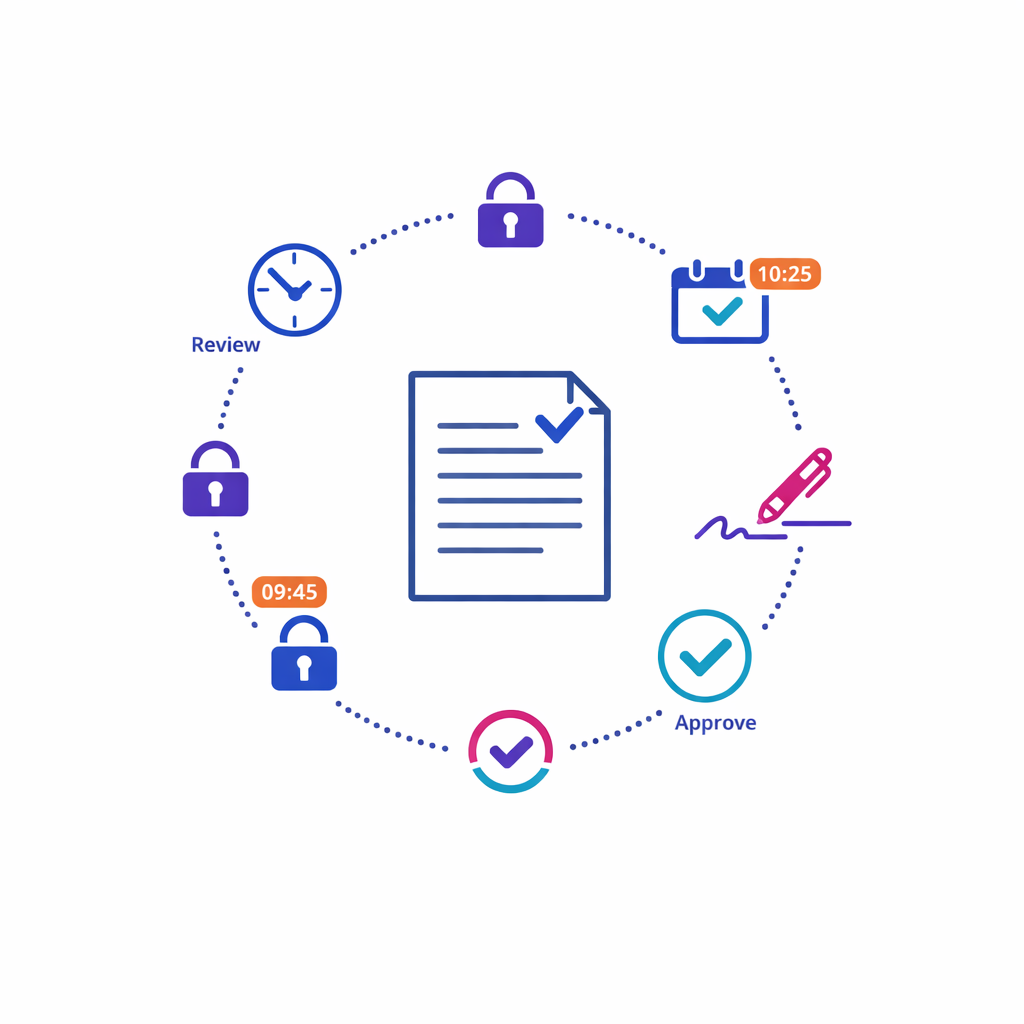
For regulated electronic workflows, 21 CFR Part 11 is the baseline U.S. rule for electronic records and electronic signatures. In product terms, buyers should look for access controls, time-stamped history, clear signature meaning, and an admin model that does not hide critical evidence in the backend.
Completeness tracking, expected document lists, and dashboards
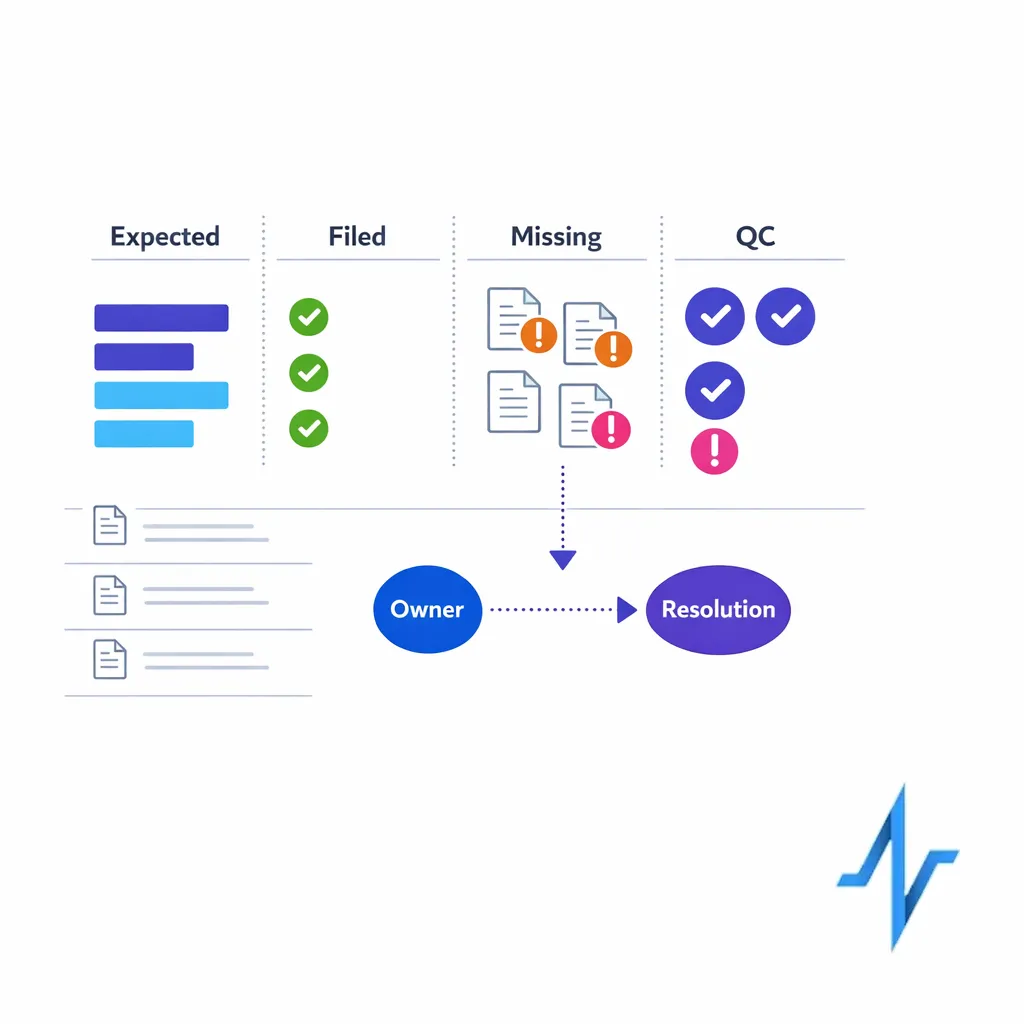
This is where specialized eTMF software separates itself from a general repository. Teams should be able to define what documents are expected for a study, then monitor what is missing, late, under QC, or blocked by a dependency.
Dashboards should support action, not just reporting. The best ones let study teams move from a missing-document signal directly into ownership, follow-up, and filing resolution.
QC workflows, metadata, and searchability
Many organizations align artifact names and metadata to the DIA TMF Reference Model so filing logic, reports, and partner handoffs stay consistent across studies and teams. Even if your organization adapts that structure, the platform should make metadata rules explicit, govern changes over time, and keep search fast enough for real retrieval work.
How eTMF software supports inspection readiness
Inspection readiness is less about having a beautiful folder tree and more about being able to prove what happened. Can the team show the right record, explain why it belongs where it does, and retrieve it without creating new uncertainty during the response?
What inspection-ready means in practice
The European Commission’s TMF guidance says the file should be inspection ready at all times. In practice, that means missing records, overdue QC, superseded versions, unresolved questions, and filing backlogs should be visible before an inspector or auditor asks for them.
Common documentation risks and how software reduces them
Common risks are usually operational, not theoretical: final records stuck in email, documents filed late, inconsistent naming, duplicate versions, unclear ownership, or manual reconciliation between sponsor and CRO views. Good software reduces those risks by forcing clearer states, clearer accountability, and clearer evidence of what is complete versus what still needs action.
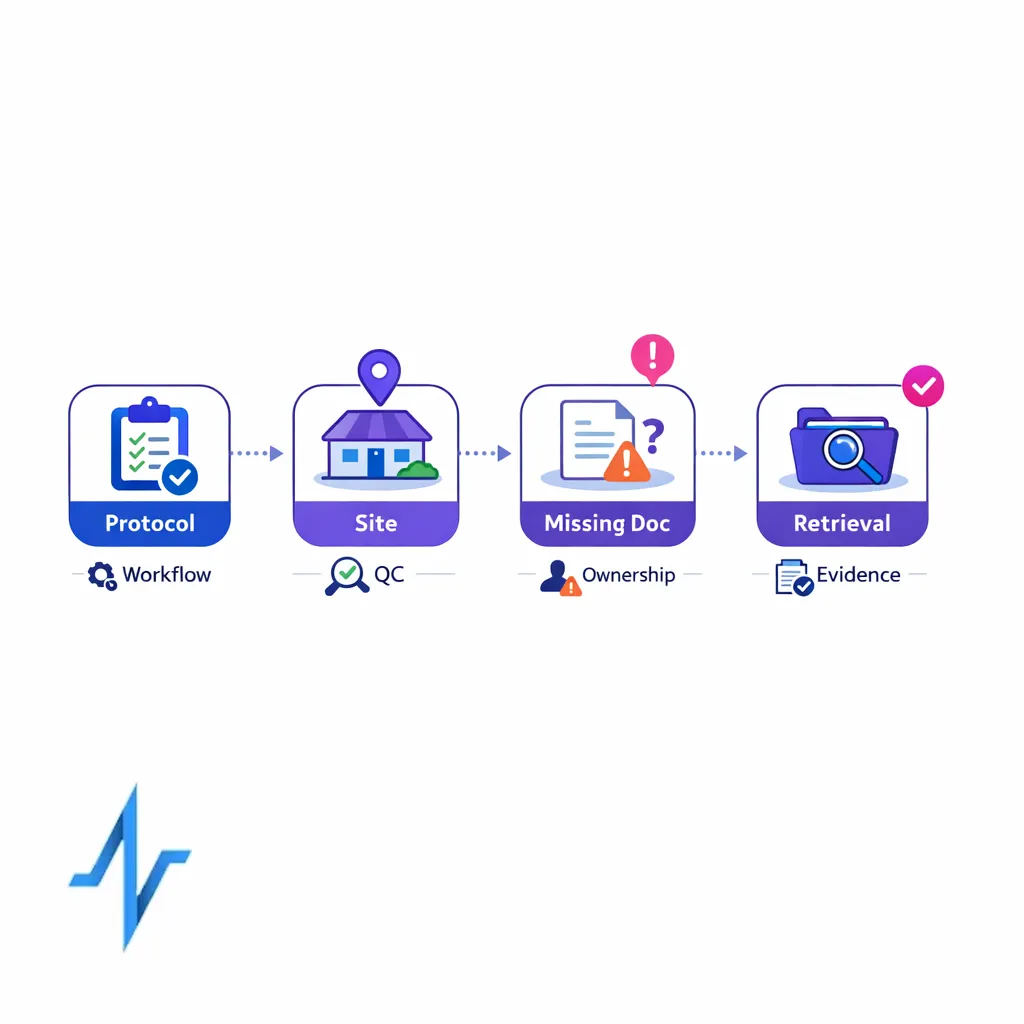
That is also why “inspection-ready” should be tested in the demo. Ask the vendor to show how a team finds a record, proves who approved it, explains why it is the final version, and identifies any connected missing documents.
What changed in eTMF evaluation
One reason eTMF evaluations feel more workflow-focused today is the FDA’s 2023 guidance on electronic systems, electronic records, and electronic signatures in clinical investigations. Buyers now have a stronger reason to test intended use, user roles, record copies, and operational controls in a live scenario rather than accepting a feature list at face value.
- Ask to see how permissions change by role, study, and partner.
- Ask how the system handles corrections, superseded records, and certified or exportable copies.
- Ask what evidence is available to QA without admin intervention.
- Ask how configuration changes are documented and promoted between environments.
eTMF vs CTMS vs general clinical document management
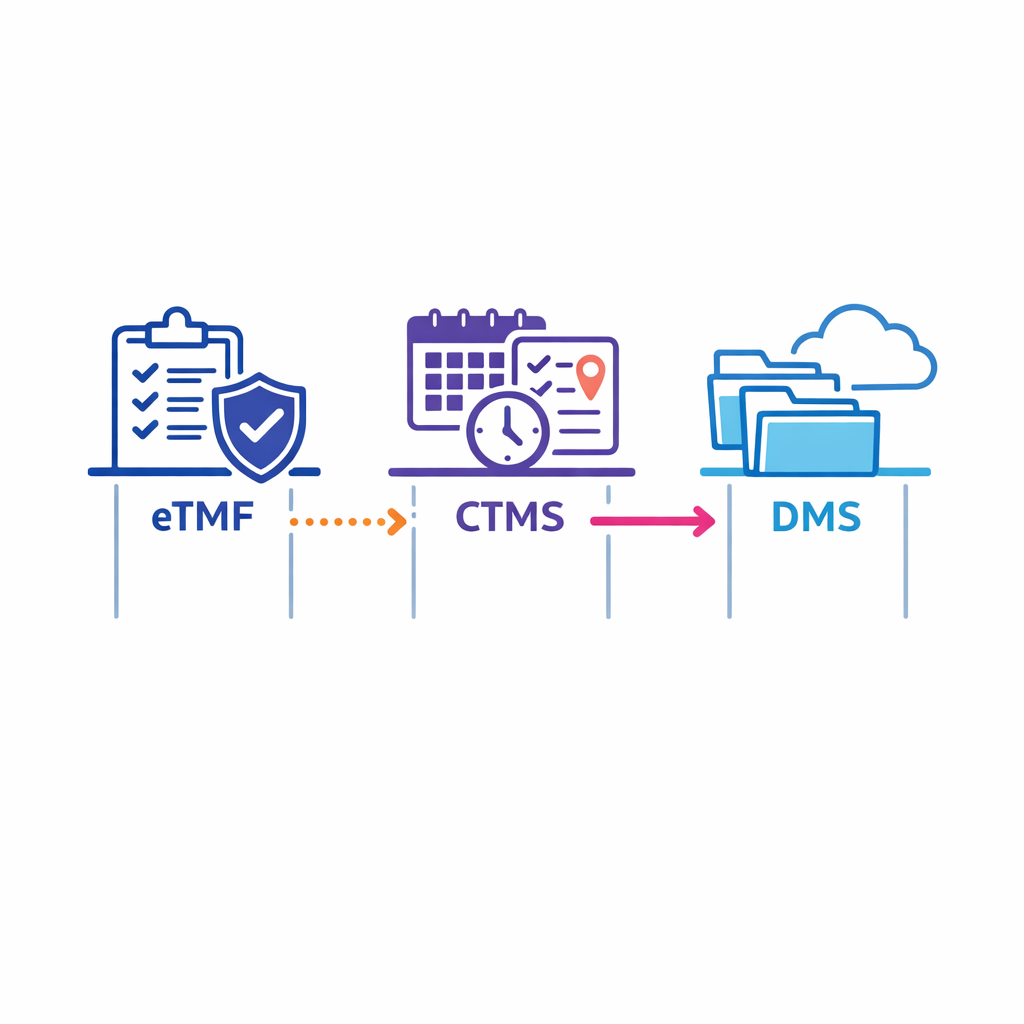
A clinical trial management system is used to manage the planning, preparation, performance, and reporting of clinical trials. The simplest buyer shorthand is this: CTMS tracks the work, while eTMF software controls the evidence of that work.
General document management can still play a role for contracts, SOPs, or corporate records. But if your study team needs expected document lists, study-specific QC, sponsor-CRO reconciliation, and rapid retrieval under pressure, a general repository often needs extra manual process layers to behave like a true eTMF.
- eTMF: the controlled evidence set for the study
- CTMS: the operational execution and tracking layer
- General clinical document management: file storage that may need added workflow and governance to support TMF work
What is the difference between CTMS and eTMF?
CTMS is primarily about execution management. eTMF is primarily about document control, completeness, and evidence readiness.
What is an example of an eTMF?
A simple example is a study workspace configured with artifact types, metadata rules, QC steps, and expected document tracking for one protocol. The key is not the screen layout; it is the governed workflow behind it.
Collaboration workflows across sponsors, CROs, and sites
Site document exchange and eISF considerations
Site-facing workflows often create the most friction because teams are juggling local creation, sponsor review, and final filing responsibilities. If eISF tools or portal-based exchanges are part of the model, decide early where the source of truth lives and when a document becomes final in the sponsor record.
Ownership, handoffs, and reducing reconciliation work
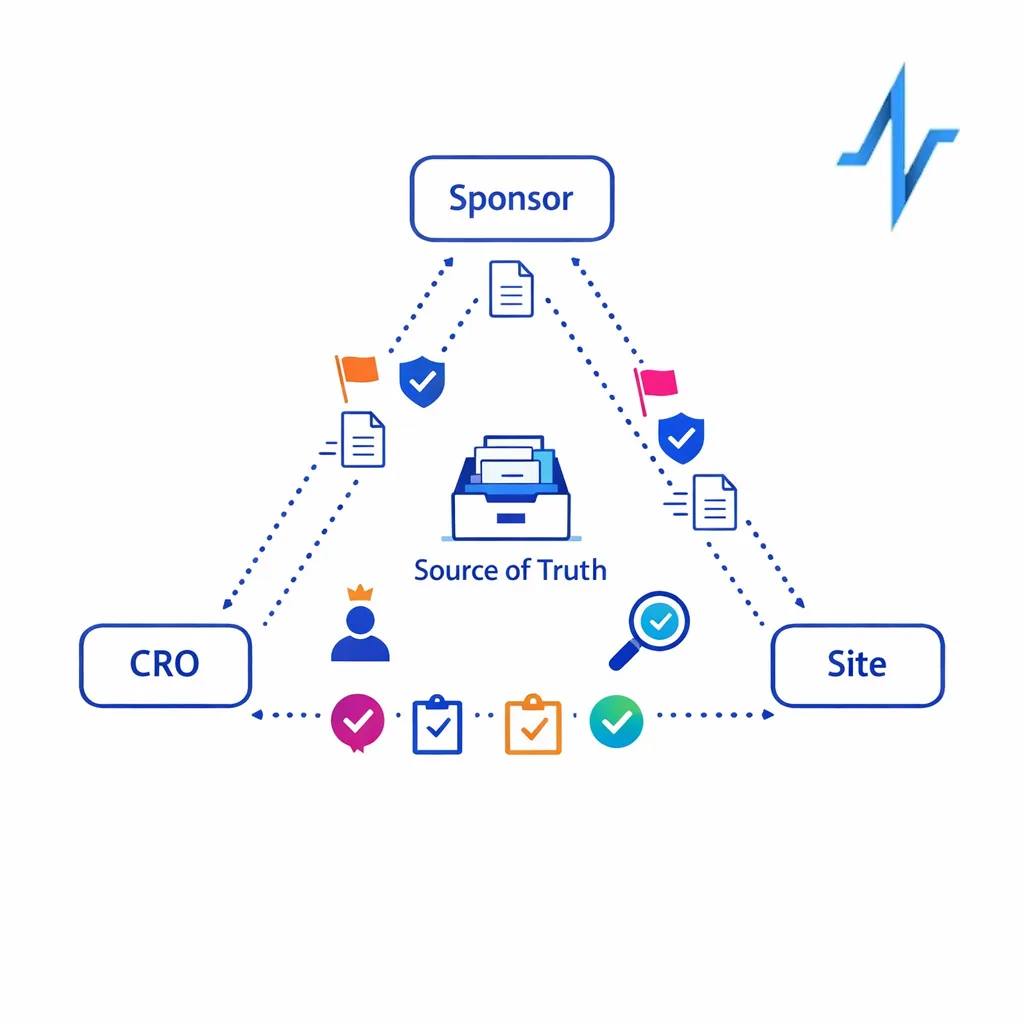
A good platform should make ownership visible at the artifact level, not just at the study level. If a CRO drafts and QCs a document, the sponsor should still be able to see status, intervene when timelines slip, and retrieve the final record without launching a separate cleanup project.
The more context the system keeps inside the workflow, the less teams rely on side spreadsheets and email chains. That usually matters more than an extra feature checkbox.
Key evaluation criteria before choosing a trial document platform
Compliance and validation support
Ask vendors to show the validation package, release governance, change control approach, and how intended use is documented. You want clear evidence that the platform can support your quality system, not a vague promise that it is “built for life sciences.”
Integration with EDC, CTMS, eISF, and email or document systems
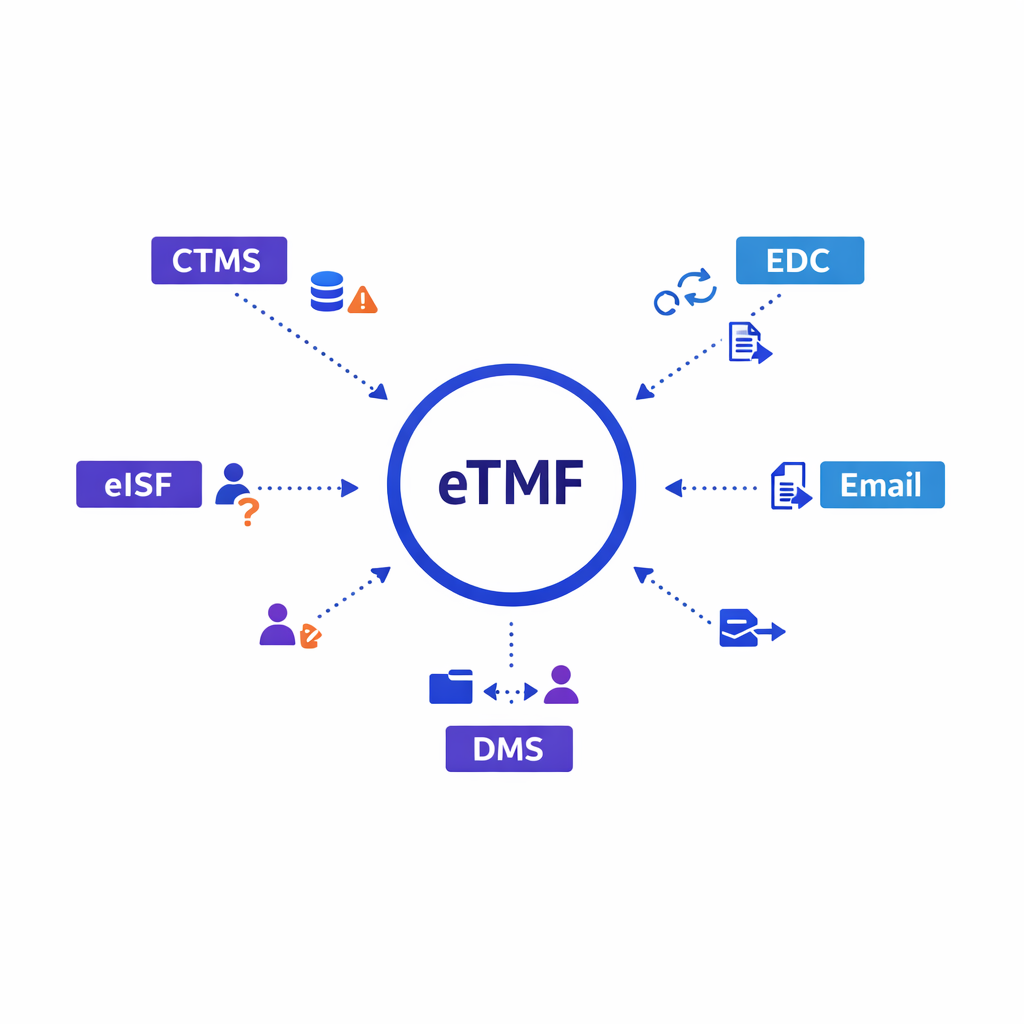
Do not stop at “yes, we integrate.” Ask what master data moves, which system owns it, how often the sync runs, what happens when records conflict, and how much implementation work falls on your team.
Configuration flexibility and implementation speed
Some organizations need global standards and deep governance. Others need a leaner deployment that can go live without a long customization cycle. Look for platforms that let you configure artifact rules, metadata, and dashboards without turning every change into a vendor services request.
Reporting, completeness oversight, and audit support
The platform should help you manage the file before anyone asks for it. That means cross-study visibility into missing documents, QC backlog, overdue actions, partner performance, and export readiness.
Pricing model and total cost of ownership
Licensing is only one part of cost. Include implementation services, migration, validation support, admin effort, training, partner access, storage, and the cost of running a manual reconciliation process if the platform does not solve it well.
Questions pharma teams should ask vendors during evaluation
Must-have questions by stakeholder group
- Clinical operations and TMF owners: How are expected documents defined? How is missingness tracked? How fast can a study team file and retrieve records without admin help?
- QA: What can be audited directly in the interface? How are corrections handled? What evidence exists for review history, signature meaning, and configuration changes?
- IT and security: How do permissions work by role and partner? What environments are used for validation and release? What is the export and backup strategy?
- Procurement and leadership: What is included in implementation, what drives change-order risk, and what internal staffing assumptions does the vendor make?
Red flags in demos and implementation promises
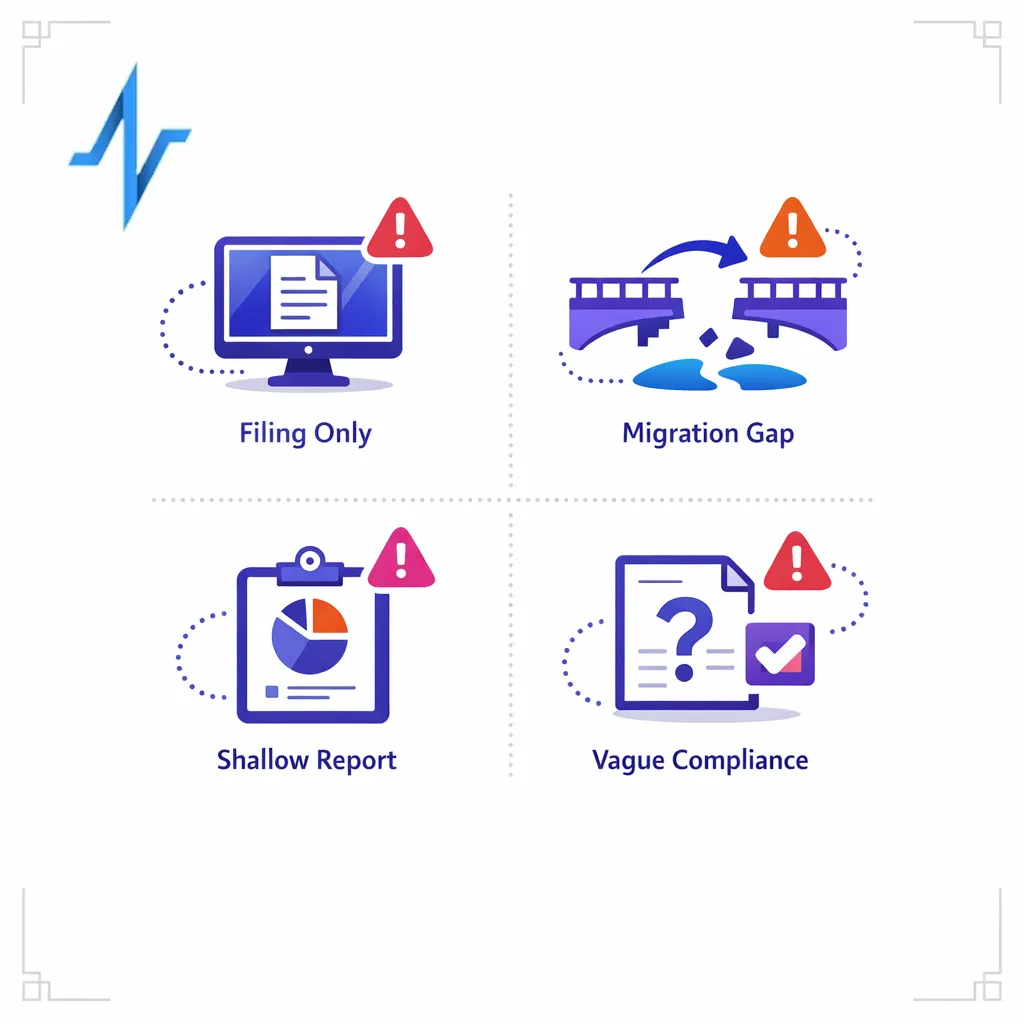
- Only showing polished filing screens, not exception handling
- Claiming easy implementation without a clear operating-model workshop
- Weak answers on migration, partner access, or study template reuse
- Reporting that looks attractive but cannot drill down to action owners
- “Compliant by design” language without concrete validation and workflow evidence
Common mistakes and misconceptions
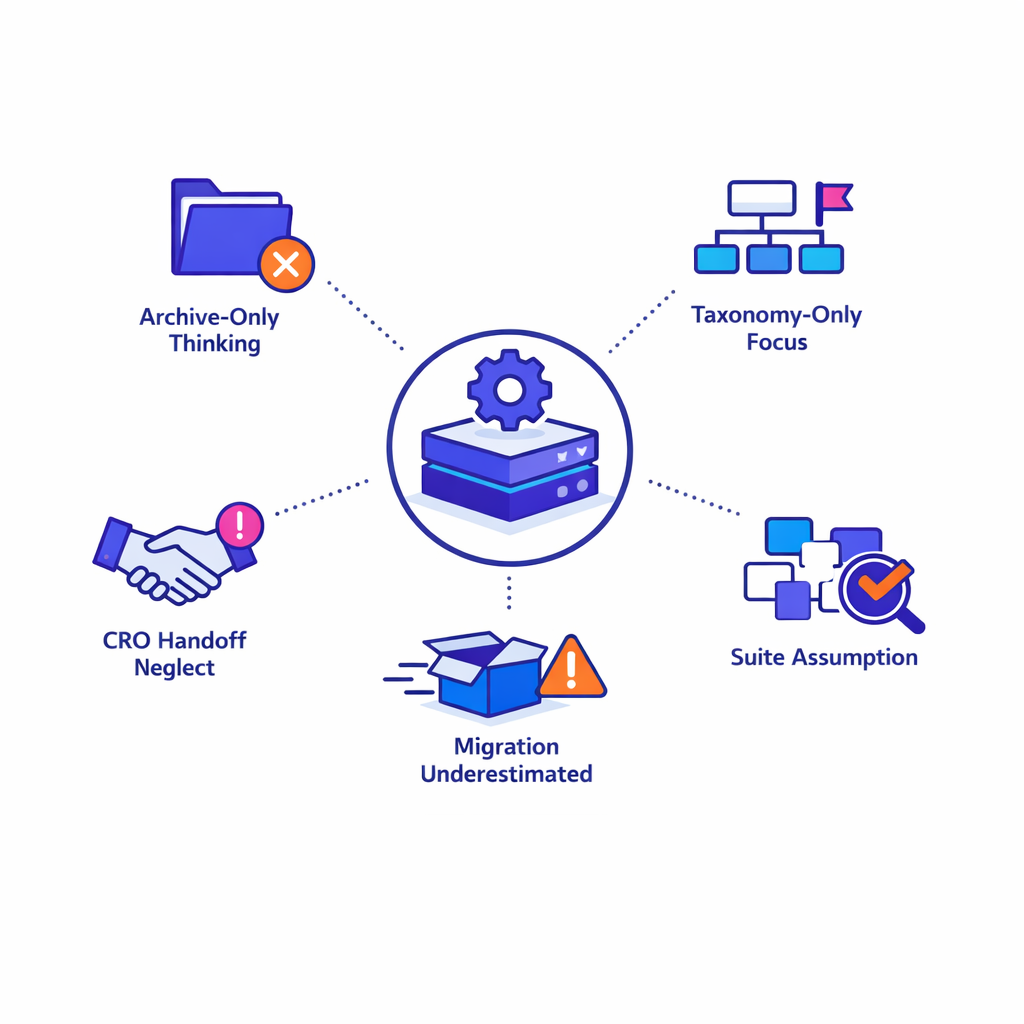
- Treating eTMF as an archive only. If workflow happens elsewhere, quality gaps usually arrive with the documents.
- Choosing by taxonomy screenshots alone. Structure matters, but ownership, review, and retrieval matter more.
- Ignoring the sponsor-CRO operating model. A platform can look strong in isolation and still fail in the handoff layer.
- Underestimating migration. Legacy records, naming conventions, and metadata cleanup can reshape timeline and budget.
- Assuming a suite is always better. Integrated platforms can be powerful, but only if the connected workflows match how your organization actually runs studies.
How to decide if an eTMF platform fits your organization
Small biotech vs enterprise requirements
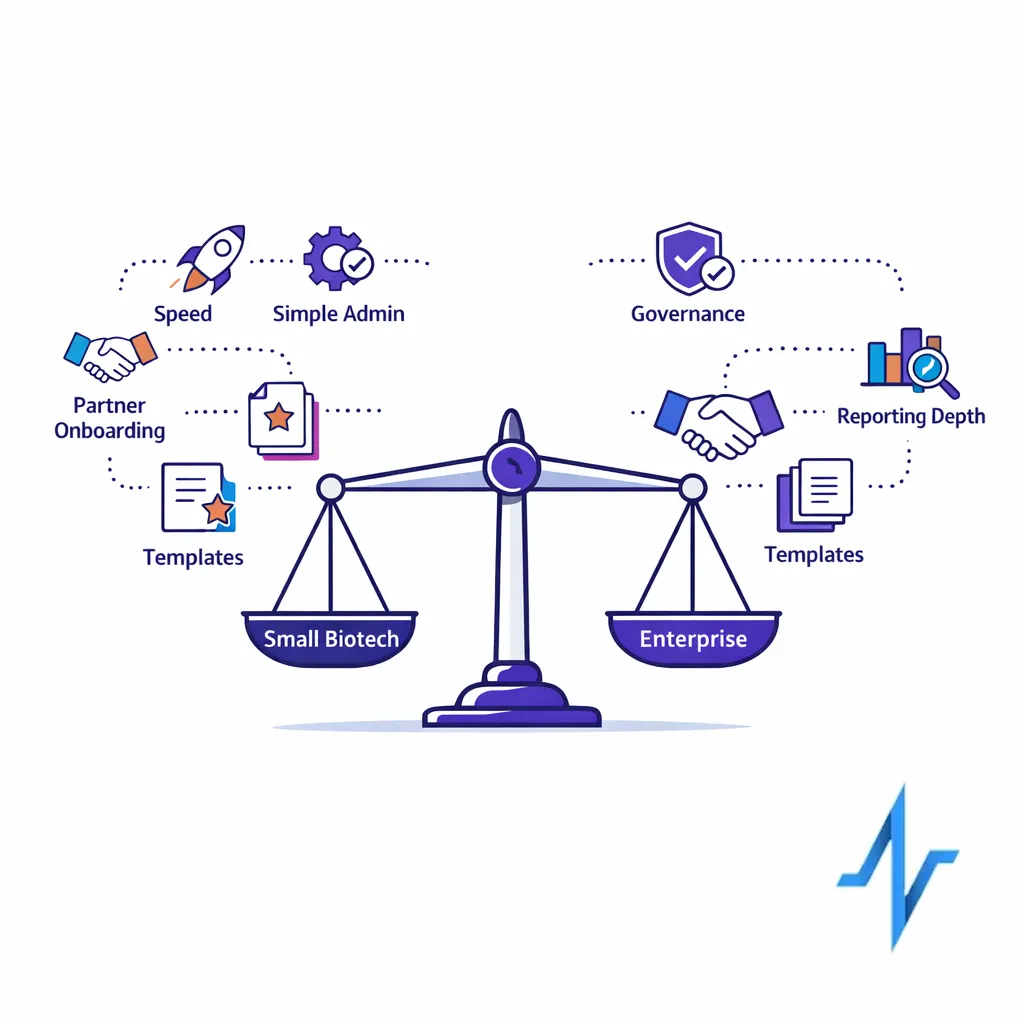
A small biotech may prioritize speed, simpler administration, and fast partner onboarding. An enterprise team may put more weight on reusable templates, cross-study governance, regional variations, and tighter control over reporting and change management.
Standalone eTMF vs suite-integrated platform
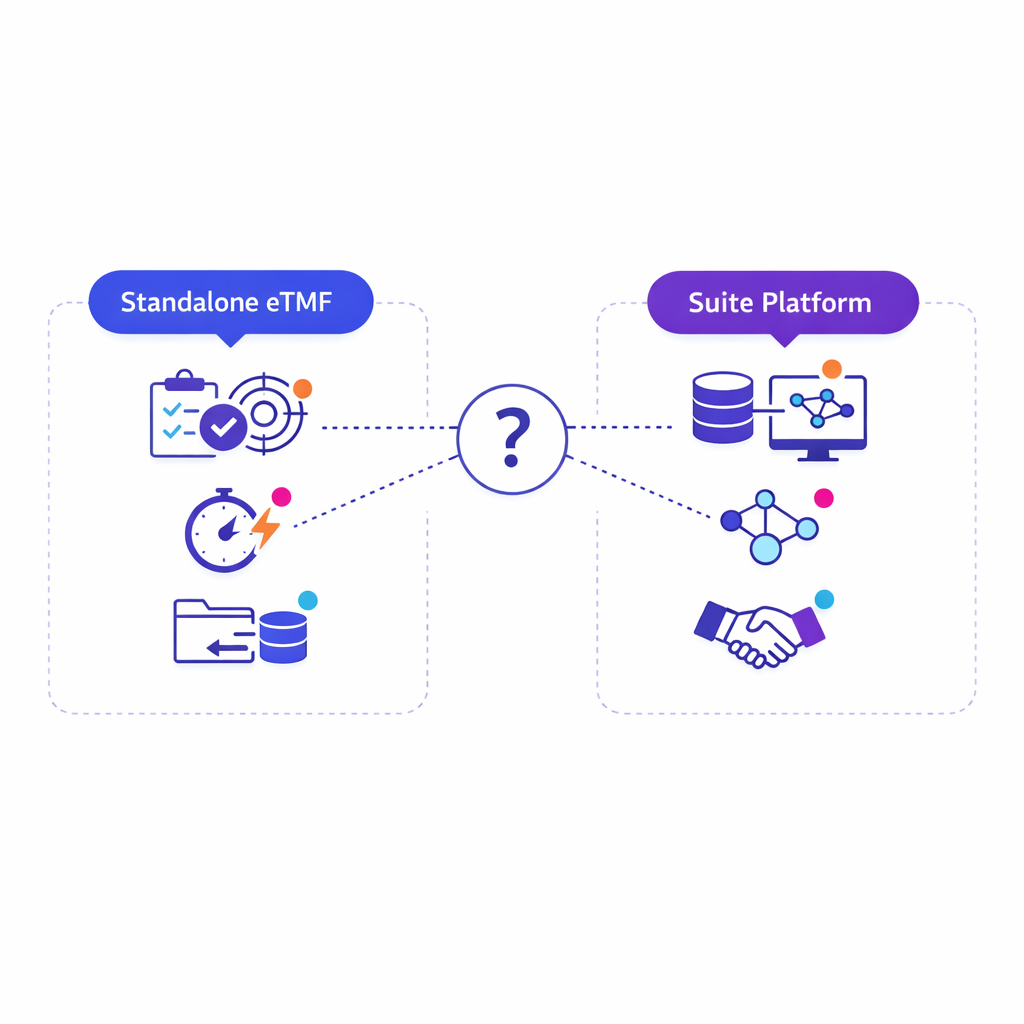
A standalone eTMF can be the right choice when document control is the main pain point and the team wants focused implementation. A suite-integrated option may make more sense when shared master data, fewer handoffs, and a broader platform strategy outweigh best-of-breed depth in one module.
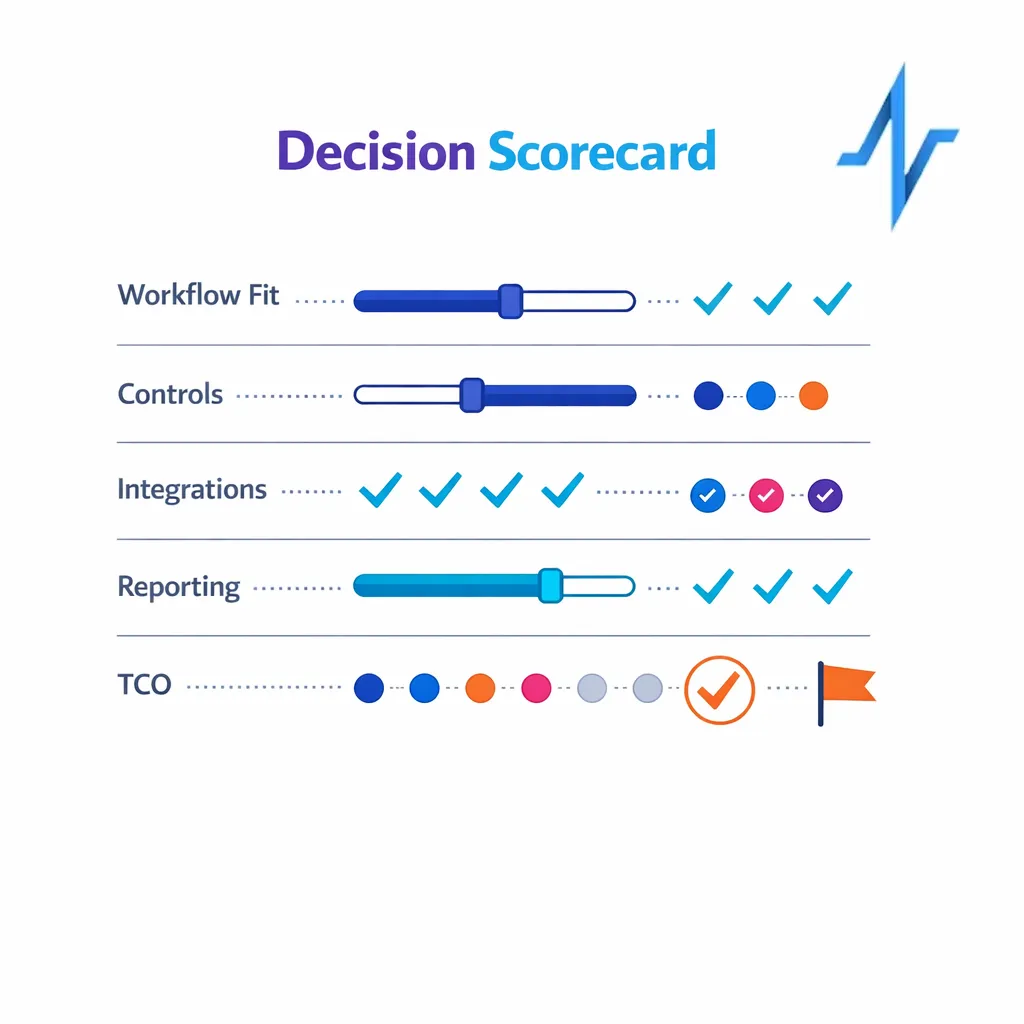
The right answer is usually the one that best fits your operating model, resourcing, and partner ecosystem, not the one with the longest feature sheet. Pulse Health would frame that decision around workflow fit first, then controls, integrations, and long-term admin burden.
What to do next
- Define your target operating model before the first demo.
- List the document handoffs that create the most delay or uncertainty today.
- Decide which study roles need to act in the system versus only view status.
- Build a vendor scorecard that weights workflow fit, controls, integrations, reporting, and total cost.
- Script a live demo around one protocol, one site, one missing document, and one inspection-style retrieval request.
- Ask how the platform behaves when things go wrong, not only when filing goes smoothly.
- Include QA, clinical ops, IT, and partner-facing stakeholders in final scoring.
Talk to Pulse Health About Your eTMF Evaluation
If your team is comparing eTMF software and wants a practical view of workflow design, document control, integration fit, and inspection readiness, Pulse Health can help you evaluate the platform against the jobs your study teams actually need done.
When you are ready to move from checklist to live workflow review, Request a Demo. You can also use that conversation to explore integrations, see how it works, or get the platform overview.