

Pharma brand teams are under pressure to prove omnichannel performance, but the usual “test fast, break things” playbook does not work when promotional content is regulated and audiences include HCPs and patients. Teams want to run pharma marketing experimentation that is credible enough for commercial leadership, precise enough for marketing ops, and clean enough for MLR review. The good news is that you can build a rigorous test-and-learn agenda without turning every experiment into a months-long compliance project.
This article is for US pharma brand teams, omnichannel leads, commercial ops, CRM owners, and agency partners who need a practical campaign measurement framework. You will learn which experiment designs tend to be most MLR-friendly, how to structure A/B tests and control group holdouts across channels, and how to measure incrementality with de-identified measurement approaches that reduce privacy and compliance risk.
Why omnichannel test design is uniquely hard in pharma
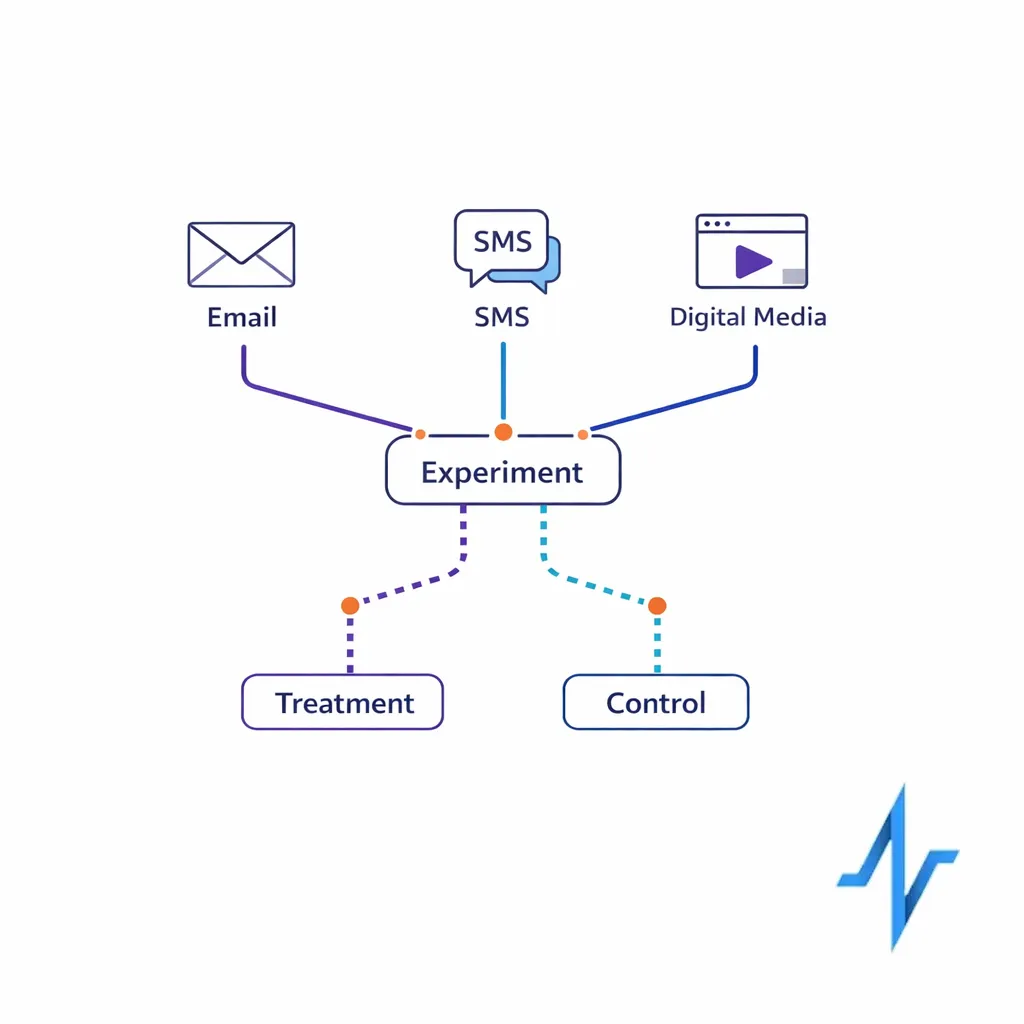
In most industries, experimentation is “just” an analytics and delivery problem. In pharma, experimentation is also a regulated communications problem, because prescription drug promotion must be truthful and not misleading and typically requires careful handling of benefit and risk information under FDA oversight of prescription drug advertising and promotion. That changes what you can vary, how you document it, and how quickly you can iterate.
Omnichannel adds a second layer of complexity. Differences in channel rules, identity resolution, frequency controls, and vendor handoffs can create contamination (control audiences accidentally receiving treatment) and muddy lift measurement. If your measurement depends on sensitive patient or consumer health data, privacy expectations and enforcement risk can become the limiting factor rather than statistical design.
What “MLR-friendly testing” actually means
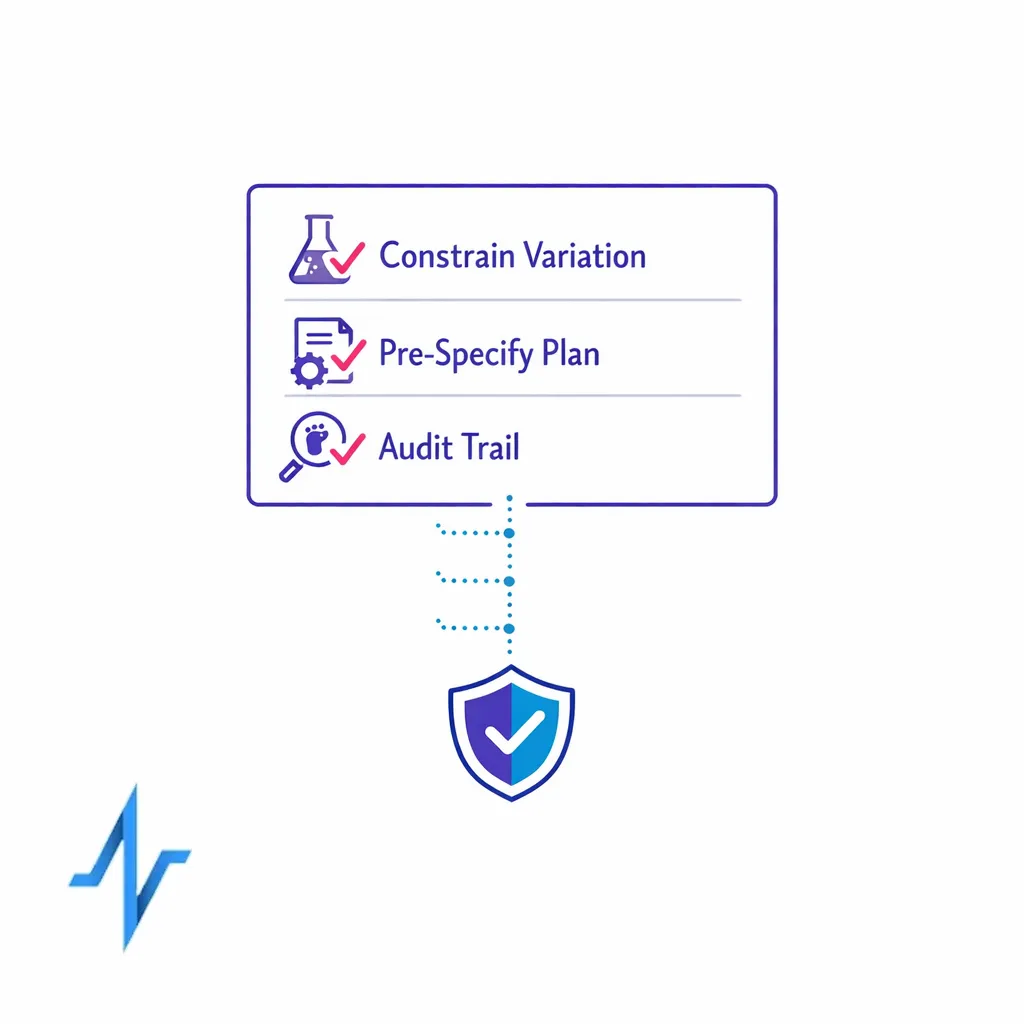
“MLR-friendly” is less about avoiding experiments and more about designing experiments so the reviewed, approved, and auditable elements are stable. Most MLR friction comes from unclear variation boundaries, undocumented decision rules, and last-minute edits that create re-review loops. A strong omnichannel test design makes it easy to show what changed, why it changed, and how risk was controlled.
Three principles that keep tests compliant and reviewable
- Constrain what you vary. Favor variations that do not change medical claims or risk information (for example, layout, sequencing, channel routing, reminders, or operational cadence).
- Pre-specify the plan. Document hypotheses, eligibility rules, endpoints, analysis windows, and stopping criteria before launch so results are interpretable and defensible.
- Separate measurement from sensitive data. Where possible, use de-identified or aggregated outcomes, and structure vendor access so measurement does not require exposing protected or highly sensitive data.
When teams anchor experiments to these principles, MLR review tends to focus on the content modules and guardrails instead of the mechanics of randomization. That is often the difference between “a test we can run every month” and “a one-off study we never repeat.”
Picking the right experiment type for pharma omnichannel
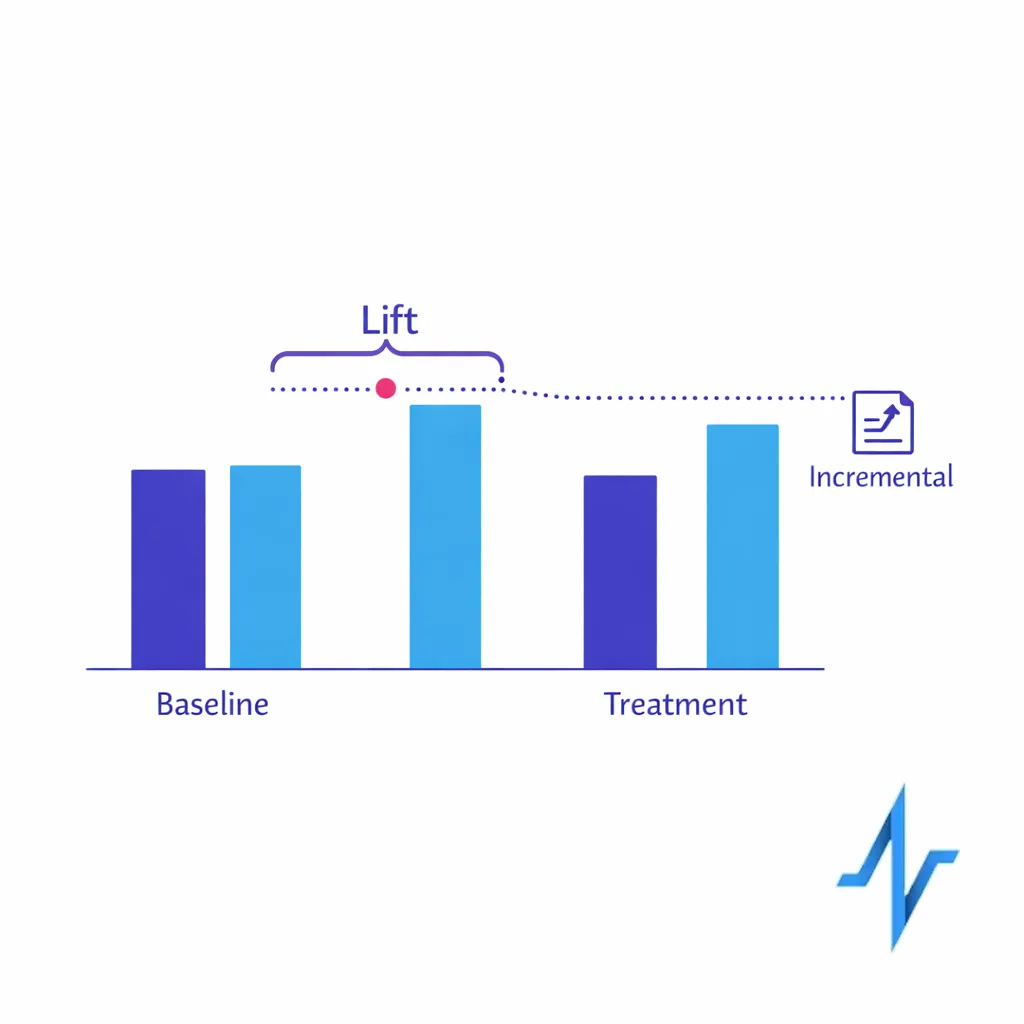
There is no single best approach to incrementality testing in pharma. The most practical approach depends on your question (creative, journey, channel mix, or orchestration), the unit you can reliably randomize (HCP, account, territory, or geography), and what outcomes you can measure without creating privacy or compliance risk.
1) A/B testing in a single channel (fast learning, narrow claims)
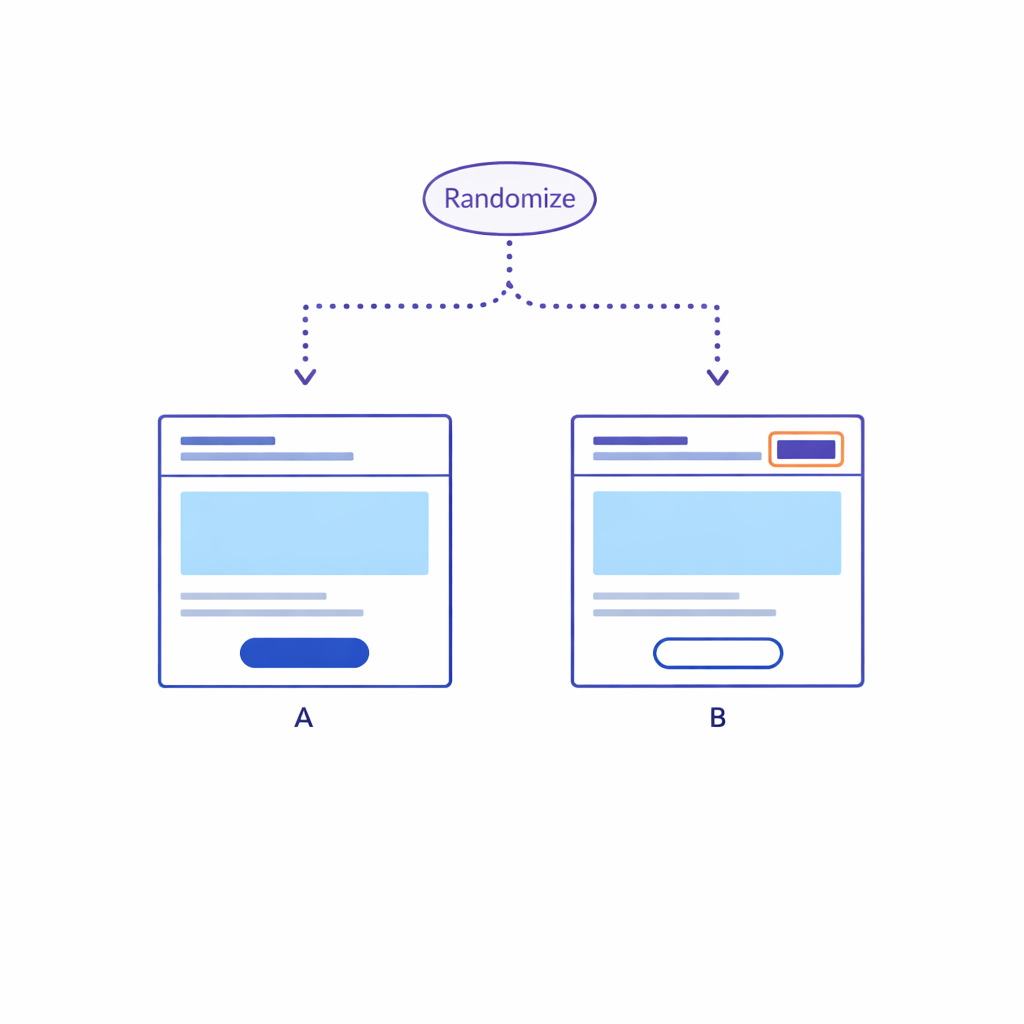
Pharma A/B testing works best when the variable is tightly scoped and the outcome is directly observable in-channel. Email and CRM are often good candidates because audience definition, delivery logs, and engagement metrics are typically cleaner than paid media. If the test touches promotional claims, ensure the variation remains consistent with FDA expectations for truthful, non-misleading promotion and does not create imbalance between benefit and risk presentation.
Common MLR-friendly A/B variables include subject line style (without new claims), message ordering, call-to-action phrasing that does not overpromise, send-time windows, reminder cadence, and journey branching rules. In omnichannel, “A/B” can also mean testing channel sequencing (for example, rep-triggered email first versus digital-first) while keeping the approved content blocks constant.
2) Individual-level control group holdouts (best for causal lift)
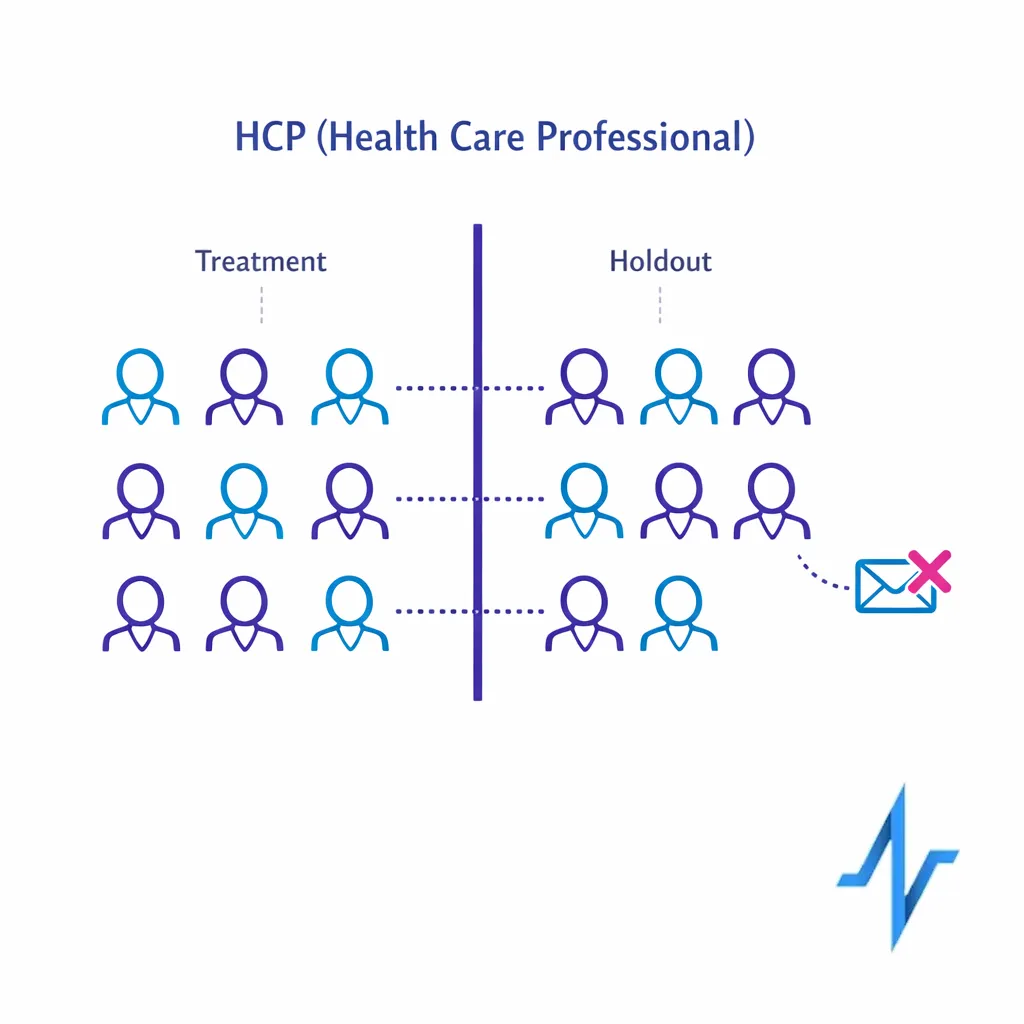
A control group holdout is often the cleanest path to lift measurement pharma teams can explain to leadership: some eligible HCPs receive the experience, some do not, and the difference in outcomes is the estimated incremental impact. For many HCP engagement programs, the holdout method is easier to operationalize than complicated attribution models because the counterfactual is built into the design.
Holdouts are most credible when eligibility is stable, contamination is actively monitored, and outcomes are measured consistently across arms. If you operate across multiple vendors, it is important to ensure suppression rules are actually enforced across systems, not just in one channel tool.
3) Geo holdout tests (useful when individual randomization is not feasible)
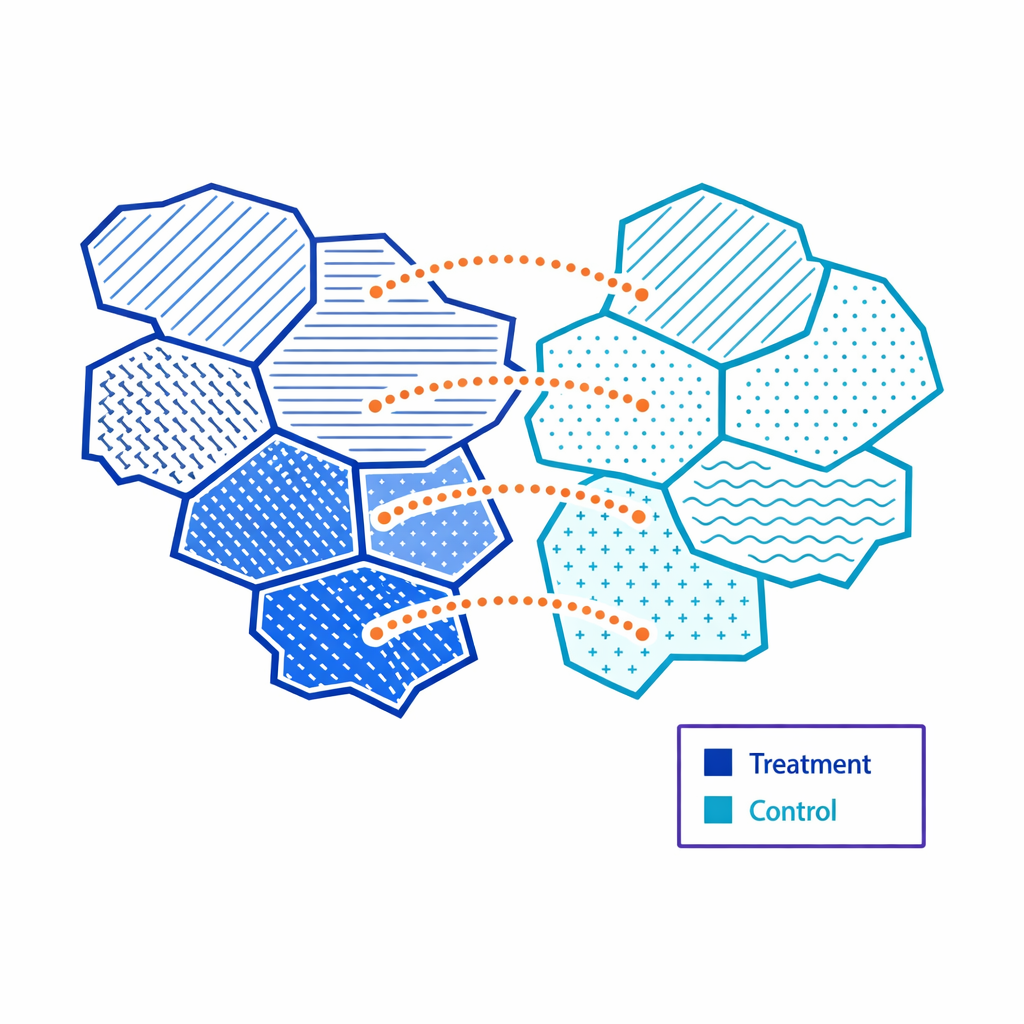
Geo holdout testing is common when the unit of execution is a territory or region, or when paid media and field activity make individual-level suppression impractical. You designate matched geographies as treatment versus control and compare changes in outcomes across time. Geo holdouts can be powerful for omnichannel KPI evaluation, but they require discipline around matching, spillover controls, and consistent deployment.
In pharma, geo tests can also reduce certain privacy risks because analysis can be performed at aggregated levels. The tradeoff is that fewer units (geos) typically means less statistical power, so you need stronger operational consistency to detect lift.
4) Switchback or time-based tests (good for operational levers)
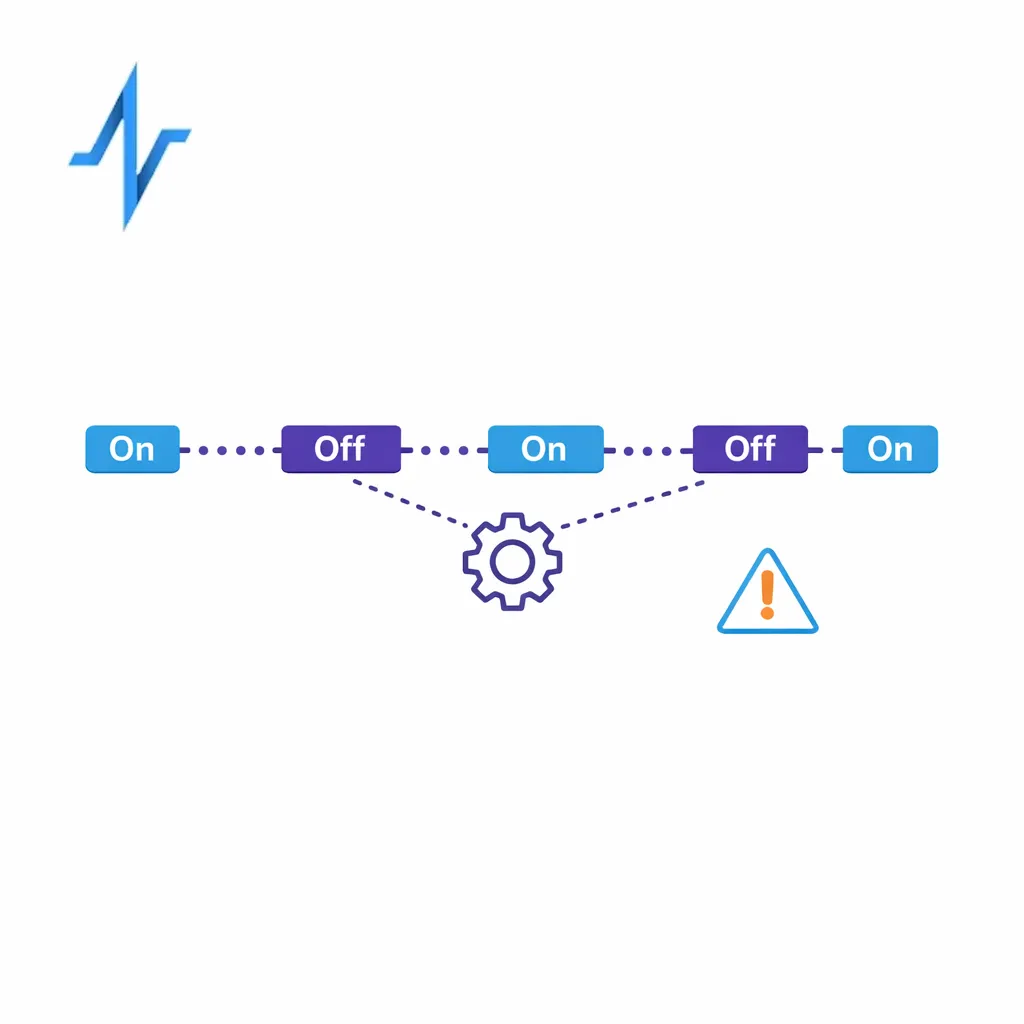
When geography and identity are messy, you can sometimes learn by alternating “on” and “off” periods for a tactic, then comparing performance during the on versus off windows. Switchbacks are best for operational questions (for example, does a second reminder week materially change follow-through) rather than long-lag outcomes that blur across periods.
Time-based designs require careful control of seasonality, launch waves, congresses, and supply-side factors that can create false signals. They also require strong documentation so stakeholders understand that the comparison is time-based, not person-based.
Designing an omnichannel experiment that survives MLR, ops, and reality
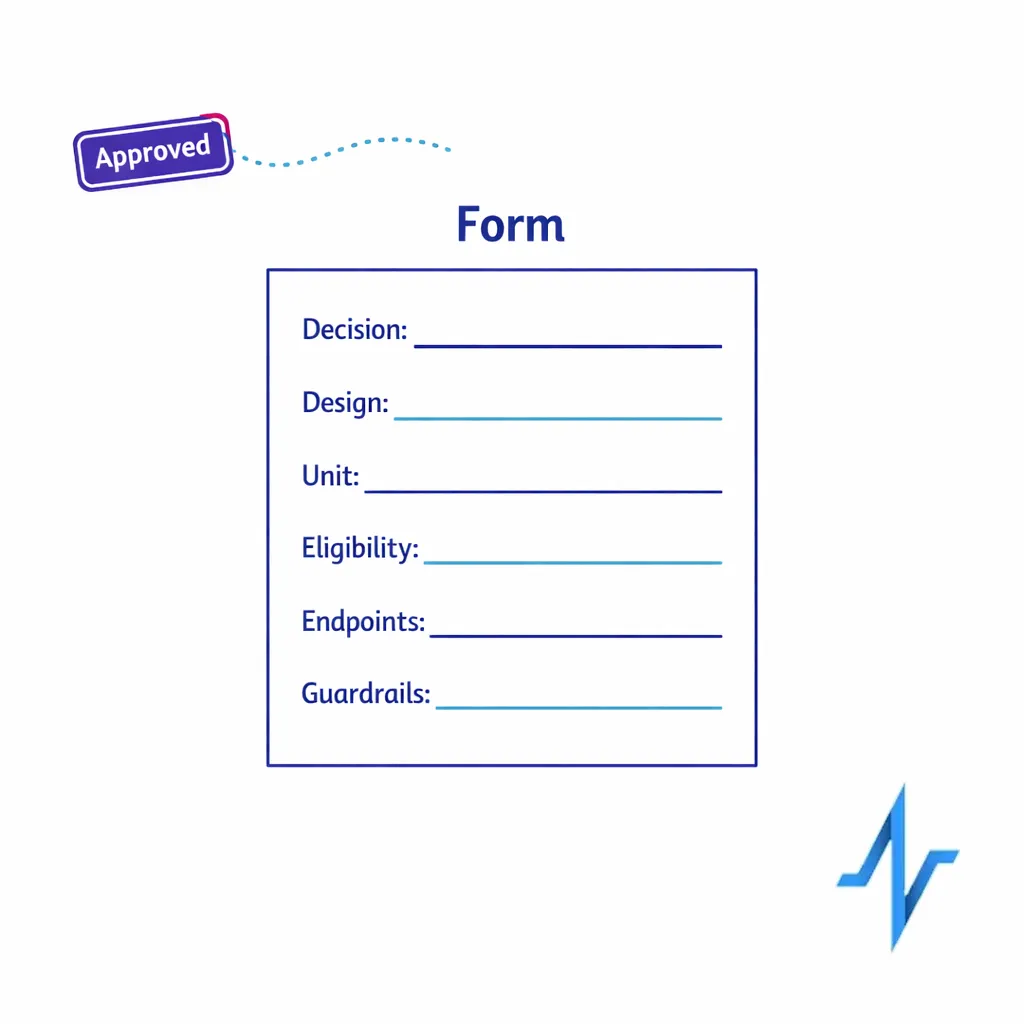
An MLR-friendly omnichannel test design is a product spec as much as it is a statistical plan. It must be executable by marketing ops, legible to agency partners, and auditable for compliance. The following blueprint is a practical way to structure experiments so that approvals, implementation, and measurement stay aligned.
Step 1: Write the hypothesis in “decision” language
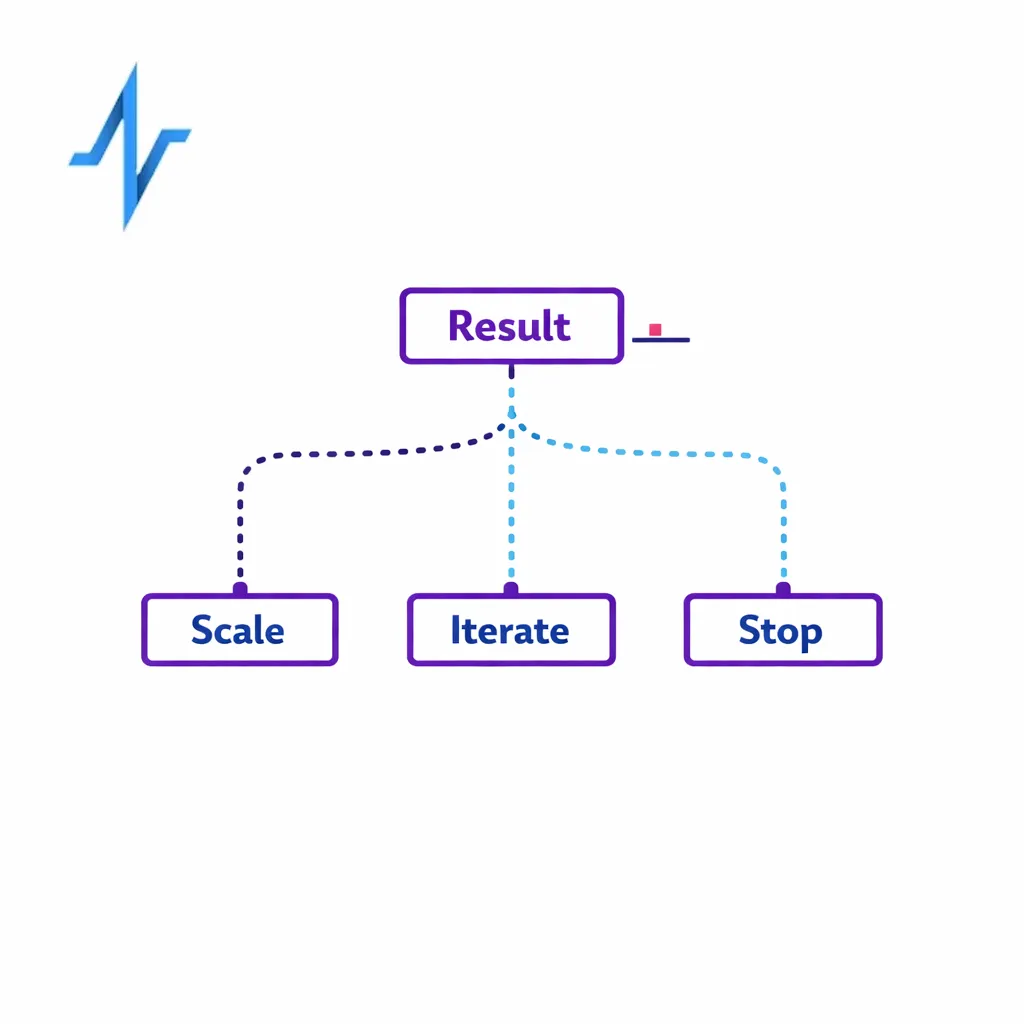
Many experiments fail because the hypothesis is vague (for example, “improve engagement”). A strong hypothesis ties a change to a decision you will actually make: if lift exceeds a threshold, you will scale; if not, you will stop or redesign. This framing also helps MLR because it clarifies the business intent of the variation.
- Weak: “Test new messaging.”
- Stronger: “Changing the journey sequence (without changing claims) will increase HCP resource downloads enough to justify expanding to additional segments.”
Step 2: Choose the unit of randomization you can truly control
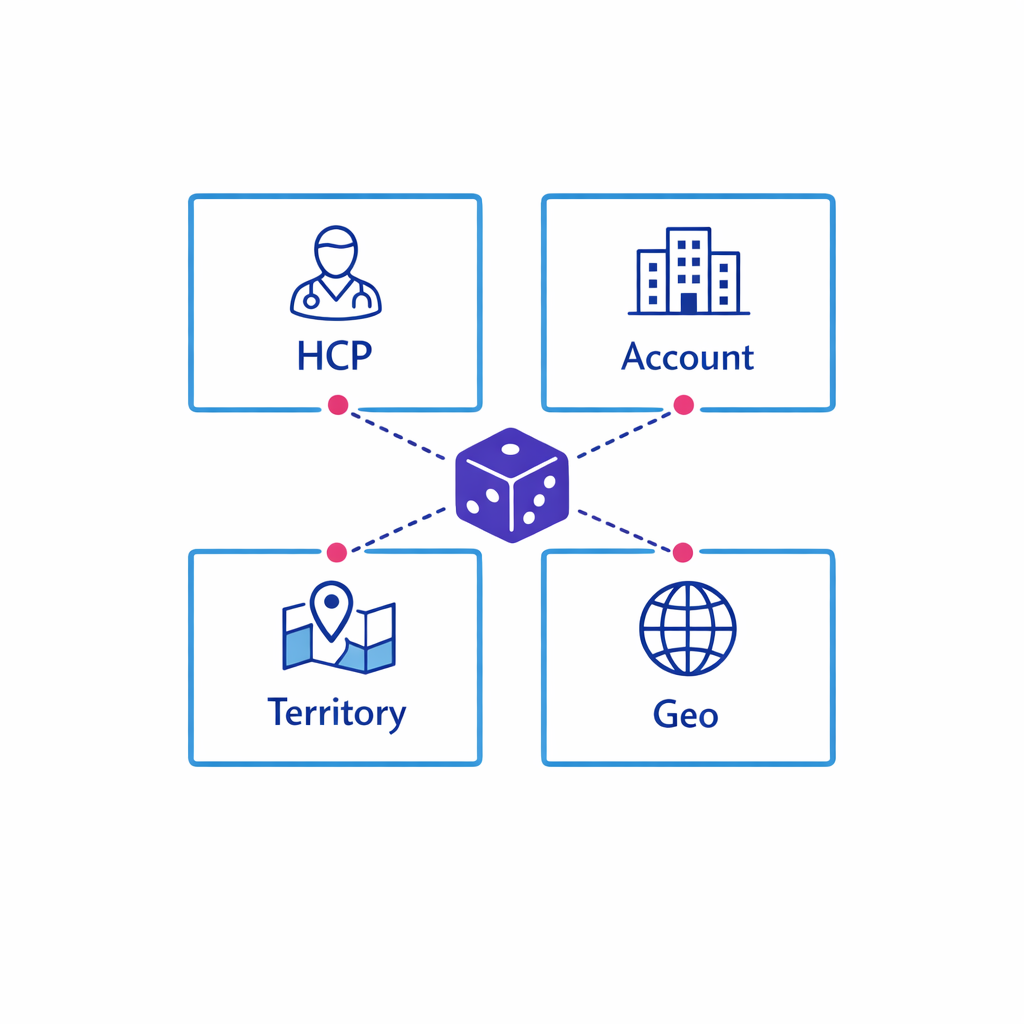
In omnichannel, the “unit” is often where programs break. If you randomize at the HCP level but your paid media cannot reliably suppress, you will contaminate the control group. If you randomize by territory but the field team shares materials across boundaries, you will dilute the effect.
Common units in pharma marketing experimentation include:
- HCP-level (best when CRM identity and channel suppression are enforceable)
- Account-level (useful for institutional targeting and coordinated field + digital)
- Territory-level (aligned to sales execution, but harder to power)
- Geo-level (often used for paid media and broader omnichannel effects)
Step 3: Define treatment precisely (what the audience experiences)
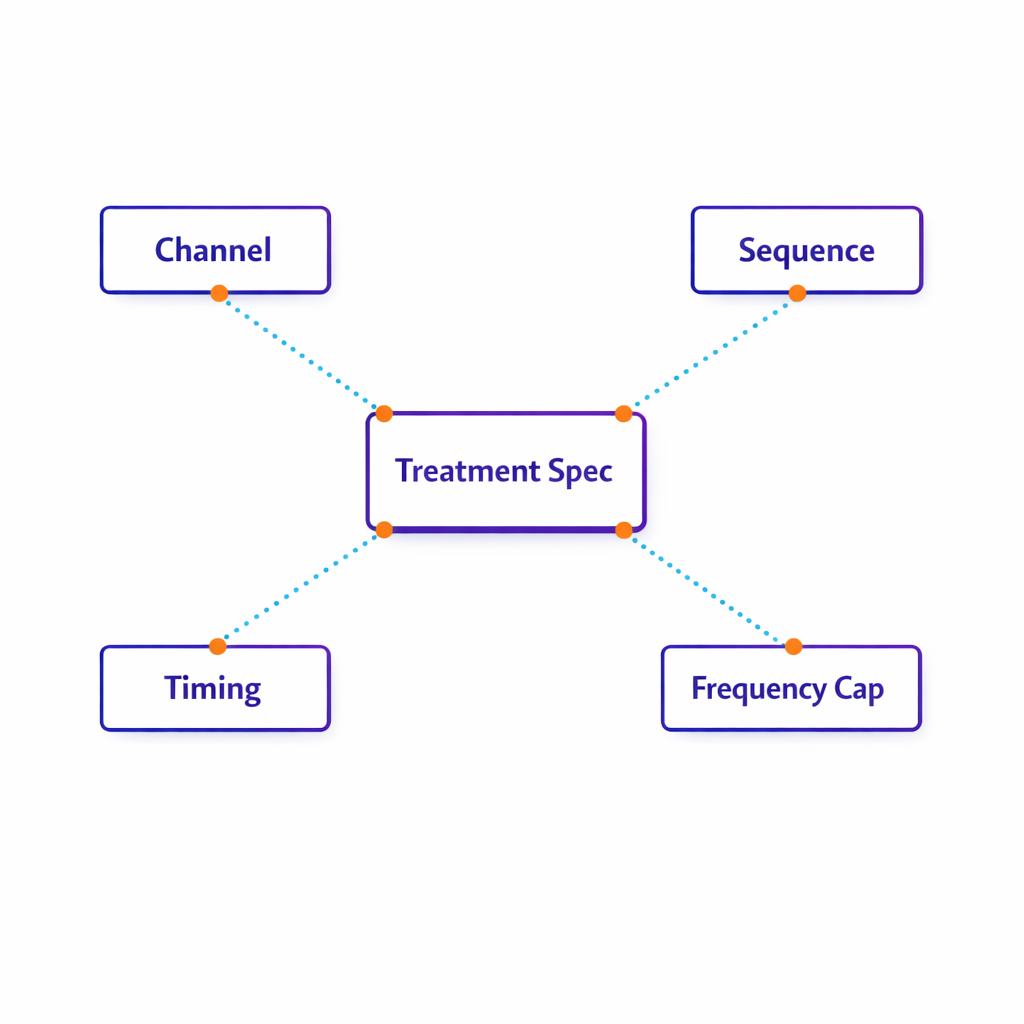
“Treatment” must be more than “gets the campaign.” In omnichannel test design, specify the exact differences between arms: which channels are allowed, what sequence rules apply, frequency caps, timing windows, and what counts as exposure. Keeping treatment definitions tight reduces post-launch debates and makes results easier to replicate.
If your test involves promotional content, document that the content remains within approved claims and presentation expectations aligned with FDA oversight for prescription drug promotion. If the test is intended to be purely operational (for example, reminder cadence), say so explicitly to keep review scope focused.
Step 4: Pick primary endpoints that are measurable and decision-relevant
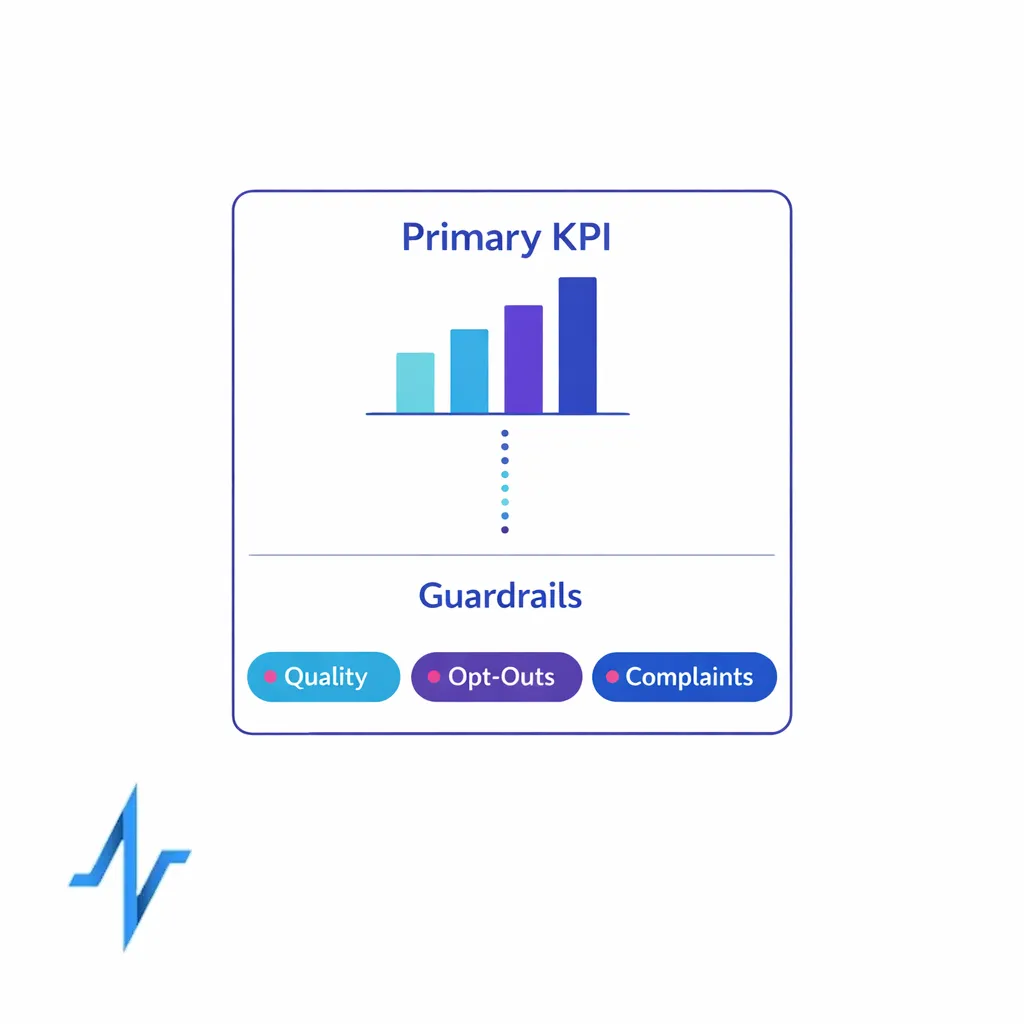
For HCP engagement, primary endpoints are often actions like verified site visits, resource downloads, rep-initiated follow-ups, or form completions. For patient education and sign-ups, endpoints might include program enrollments or completed education modules, but measurement must be designed to respect privacy requirements if PHI could be involved under the HIPAA Privacy Rule.
Also define guardrail metrics. Guardrails ensure you do not “win” on a metric while creating a problem elsewhere (for example, higher click-through paired with lower quality engagement, higher opt-outs, or complaints). This is particularly important for compliant personalization testing where the goal is relevance without over-targeting.
Step 5: Pre-commit to analysis rules that prevent “moving the goalposts”
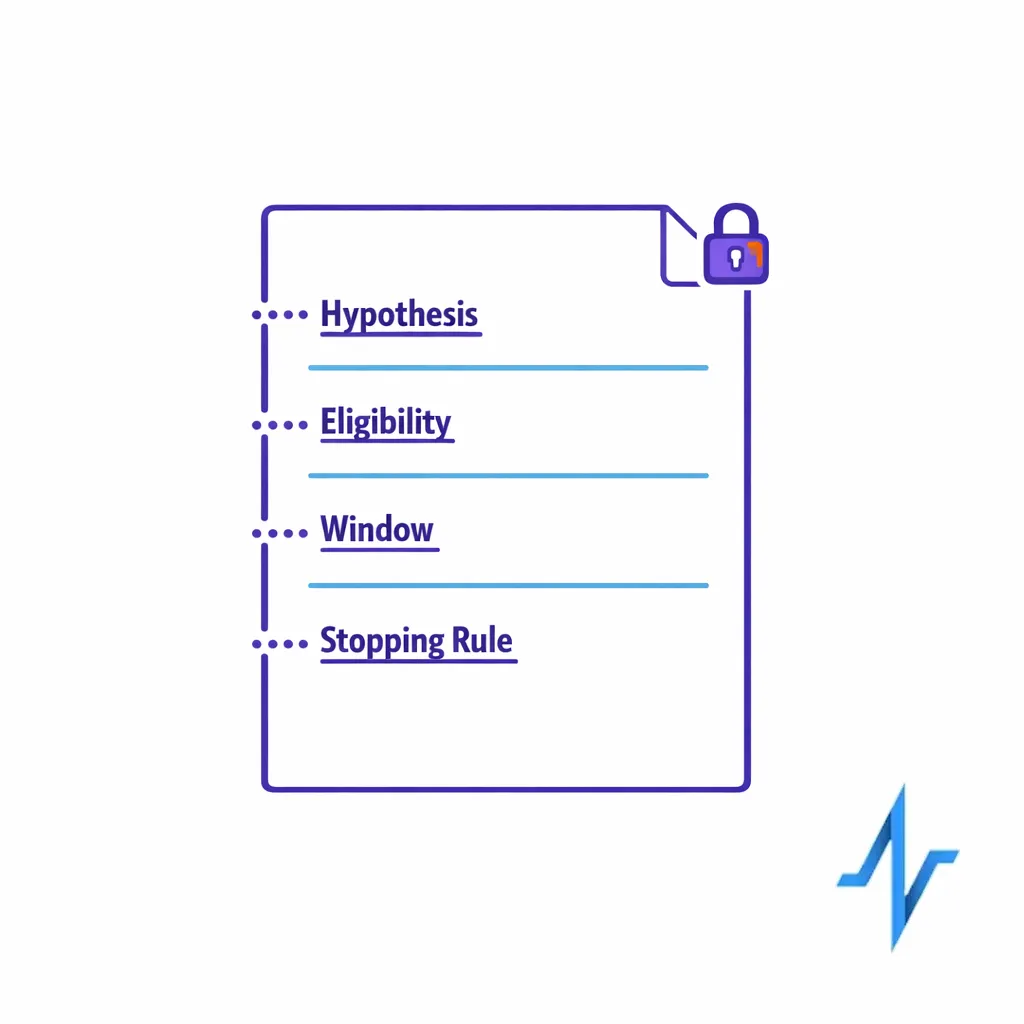
Teams often lose trust when they change attribution windows, segment definitions, or success metrics after results appear. Pre-commit to a small set of core metrics, a primary analysis window, and a hierarchy of secondary analyses. You can still explore additional cuts, but stakeholders should be able to separate “the planned answer” from “interesting follow-ups.”
For omnichannel performance measurement, consider documenting:
- How you handle partial exposure (for example, reached in one channel but not another)
- How you treat dropouts (for example, suppression failures or opt-outs)
- What level of aggregation is required for privacy-safe reporting
Step 6: Build the experiment so it is auditable end-to-end
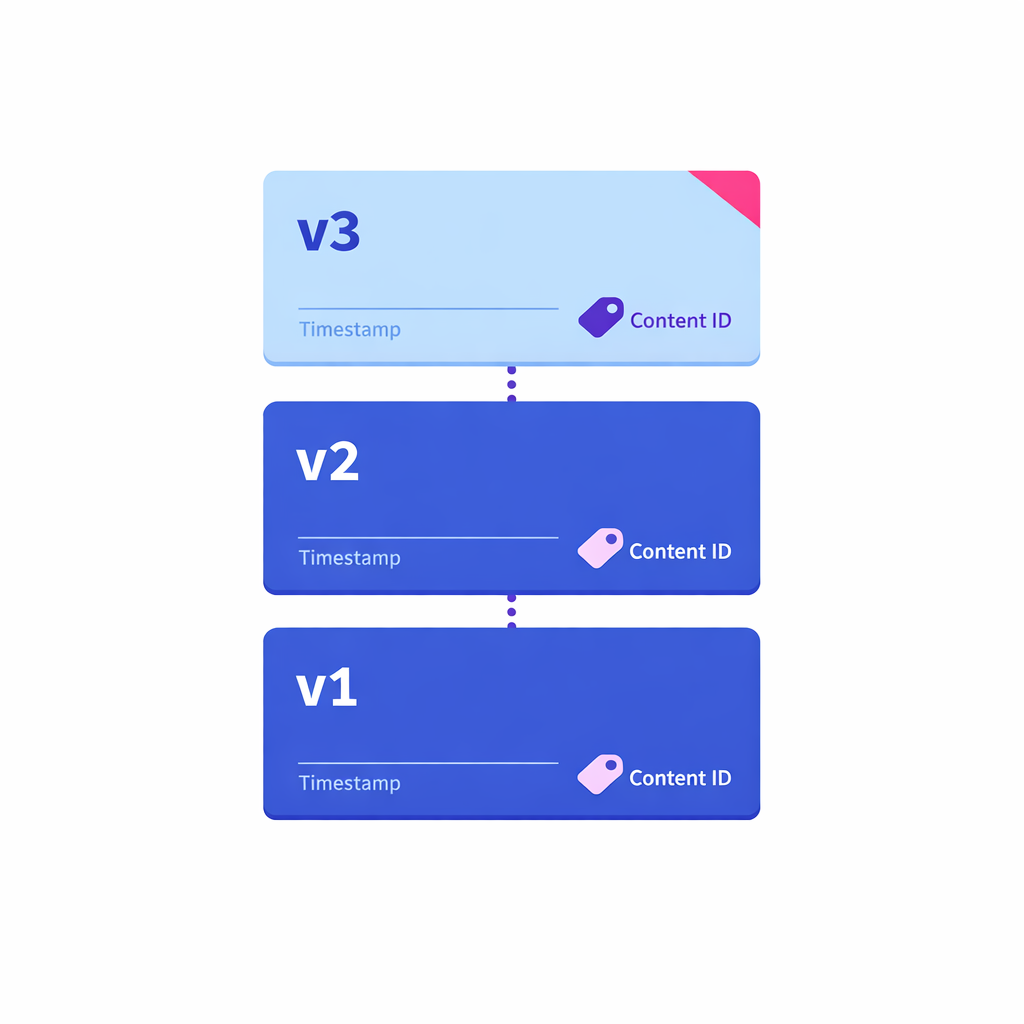
Auditability is not just a compliance checkbox. It is how you avoid re-litigating what happened when performance shifts. Keep a versioned record of audience rules, randomization logic, content modules, approval dates, and launch changes.
If a regulator or internal reviewer asks what was shown, when, and to whom, you should be able to answer without reconstructing the story from email threads. This aligns with the operational reality that FDA’s Office of Prescription Drug Promotion (OPDP) monitors prescription drug promotion and can review how products are presented to audiences.
Incrementality testing pharma teams can actually operationalize
Incrementality is the estimated lift caused by marketing, beyond what would have happened anyway. In pharma, incrementality testing is most useful when it informs real budget and orchestration decisions, such as whether to expand an HCP segment, add a channel, or increase frequency caps.
A practical incrementality stack (from simplest to strongest)
- In-channel A/B tests: Great for rapid iteration on operational and engagement levers.
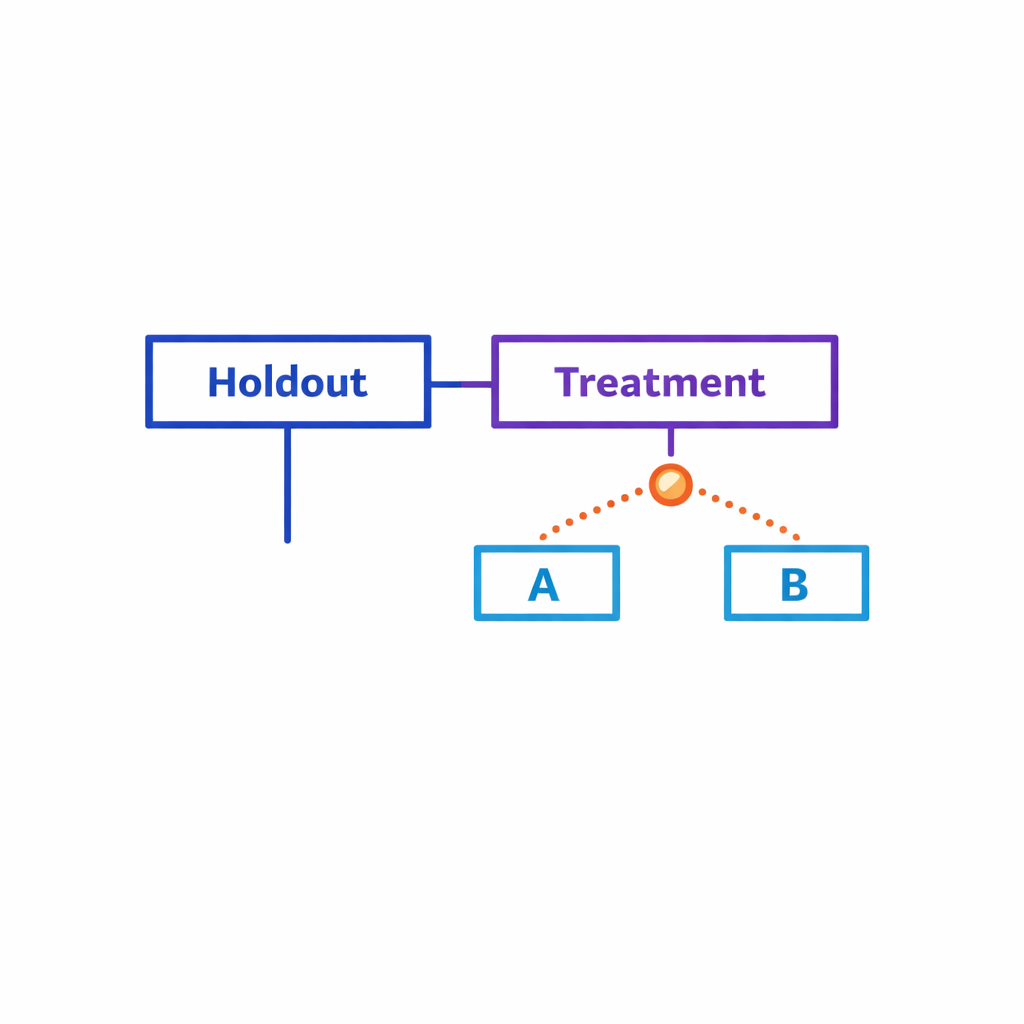
- Randomized holdouts: Strong causal inference for a defined eligible audience when suppression is enforceable.
- Geo holdouts: Useful for broader mixes where individual control is infeasible, with careful matching and spillover management.
- Layered tests: Holdout at one layer (for example, orchestration) plus A/B within treatment (for example, cadence) to learn efficiently without changing claims.
The key is to align the incrementality method to the decision. If the decision is “which subject line wins,” do not over-engineer a geo study. If the decision is “does omnichannel orchestration beat single-channel execution,” do not rely on last-touch attribution alone.
Privacy-aware measurement: de-identified outcomes and safer data flows
Many compliance headaches in experimentation come from measurement data, not from the test design itself. When patient-level data is involved, teams must understand when HIPAA applies, what constitutes de-identification, and how online tracking and vendor integrations can create unexpected risk.
Use de-identification intentionally, not as a buzzword
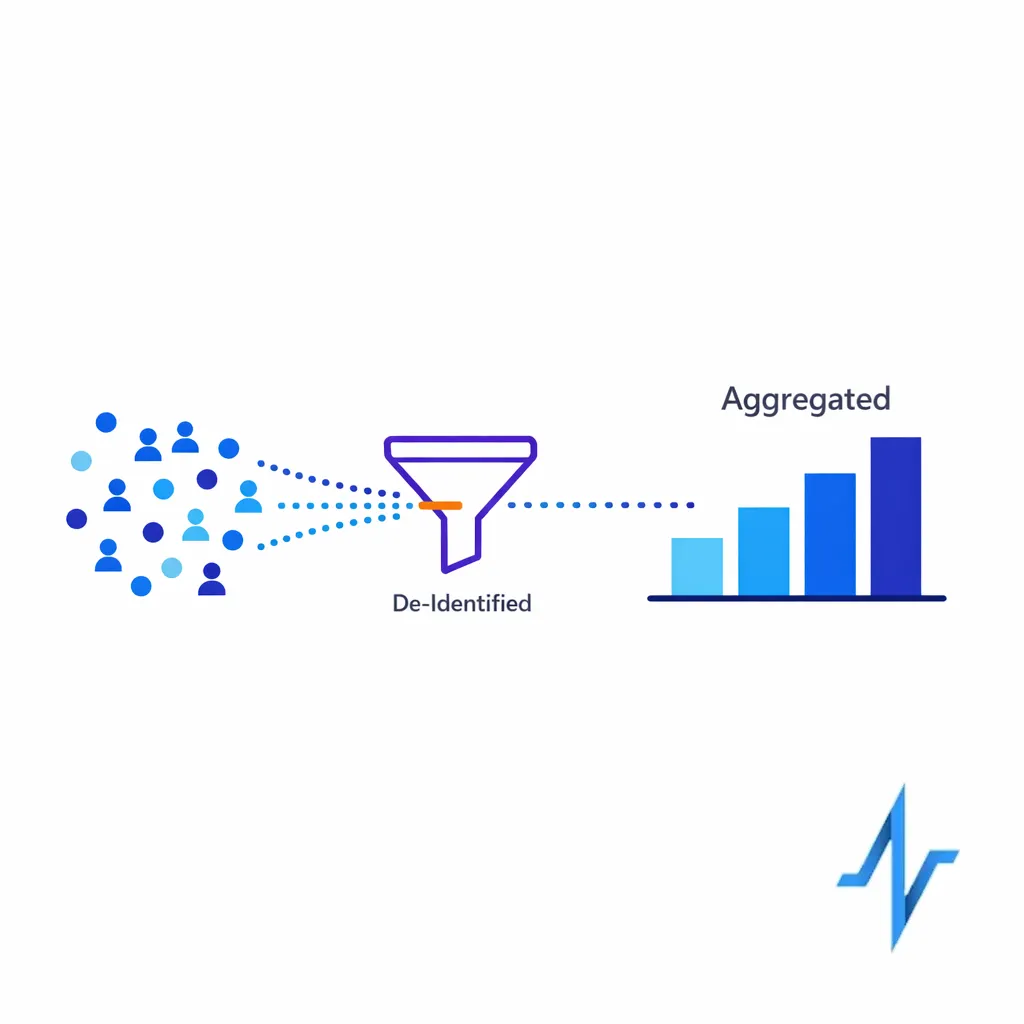
Under HHS guidance on HIPAA de-identification, data can be de-identified using either the Safe Harbor method (removing specified identifiers) or Expert Determination. If your incrementality testing pharma workflow relies on patient signals, designing for de-identified measurement up front can let you answer performance questions while reducing privacy exposure.
In practice, this often means reporting results at aggregated levels, minimizing data elements shared across vendors, and using privacy-safe linkage approaches that do not expose PHI in execution platforms. It also means documenting your de-identification approach so that privacy and legal stakeholders can evaluate it consistently.
Be cautious with online tracking technologies around patient experiences

Teams frequently underestimate how tracking pixels and analytics tags interact with healthcare contexts. HHS OCR has issued guidance on HIPAA and online tracking technologies, emphasizing that regulated entities should assess whether information collected via tracking on certain webpages or portals involves PHI and ensure appropriate safeguards.
For experimentation, this affects how you instrument patient education sites, how you define conversion events, and how you configure vendors. A measurement plan that depends on sending sensitive event data to multiple third parties can turn a simple A/B test into a high-risk architecture.
Remember that non-HIPAA rules can still apply
Not every program is covered by HIPAA, but that does not eliminate privacy or regulatory obligations. The FTC’s Health Breach Notification Rule applies to certain vendors of personal health records and related entities, and it has become a practical consideration when health-related data is collected and shared in consumer contexts. For pharma marketers, the operational takeaway is to map which vendors touch health-related identifiers and to confirm that contracts and incident response processes match the actual data flows.
What changed recently: why experimentation governance matters more in 2026 planning
Experimentation in pharma is not new, but the governance bar has risen as omnichannel ecosystems have become more interconnected. Two recent themes are shaping how teams build MLR-friendly testing roadmaps: increased scrutiny of tracking and data sharing, and a stronger expectation of end-to-end documentation.
First, OCR’s evolving focus on online tracking technologies in HIPAA contexts has pushed many teams to rethink how they measure patient journeys and conversions. If your measurement relies on third-party tags, you may need to redesign experiments to use server-side events, aggregation, or de-identified reporting so the test remains feasible.
Second, the FTC’s attention to the Health Breach Notification Rule has made vendor governance more operationally important for marketing ops teams. Even when your creative and claims are stable, experimentation can fail if measurement requires data movement that creates breach notification exposure or exceeds what stakeholders will approve.
Common mistakes and misconceptions in pharma A/B testing and holdouts
Mistake 1: Testing claims instead of testing delivery and experience
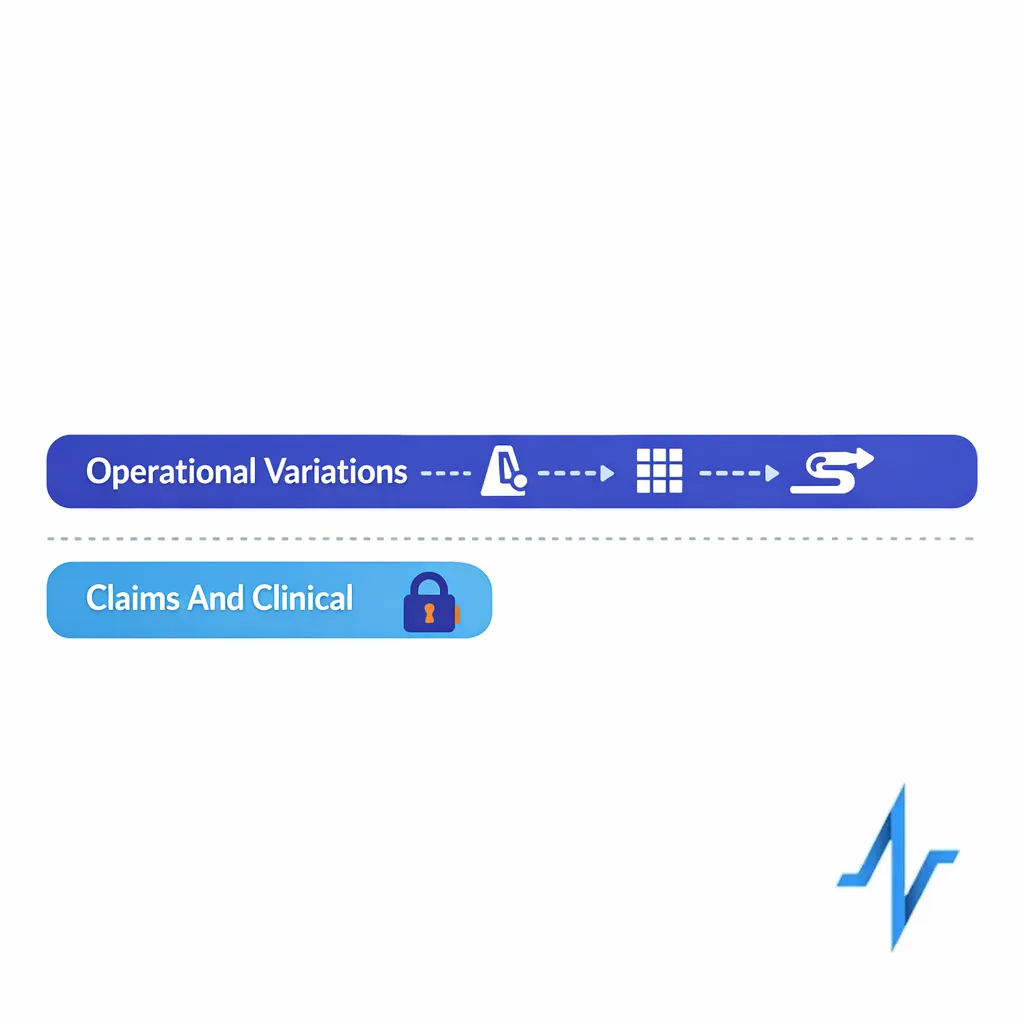
The fastest way to trigger review complexity is to treat experiments as a mechanism to “try new claims.” Because prescription promotion is overseen under FDA advertising and promotion expectations, you will often learn more, faster by testing operational levers: sequencing, cadence, channel routing, and journey logic. You can still be data-forward without turning every test into a claims debate.
Mistake 2: Assuming a “control group” exists just because you did not target someone
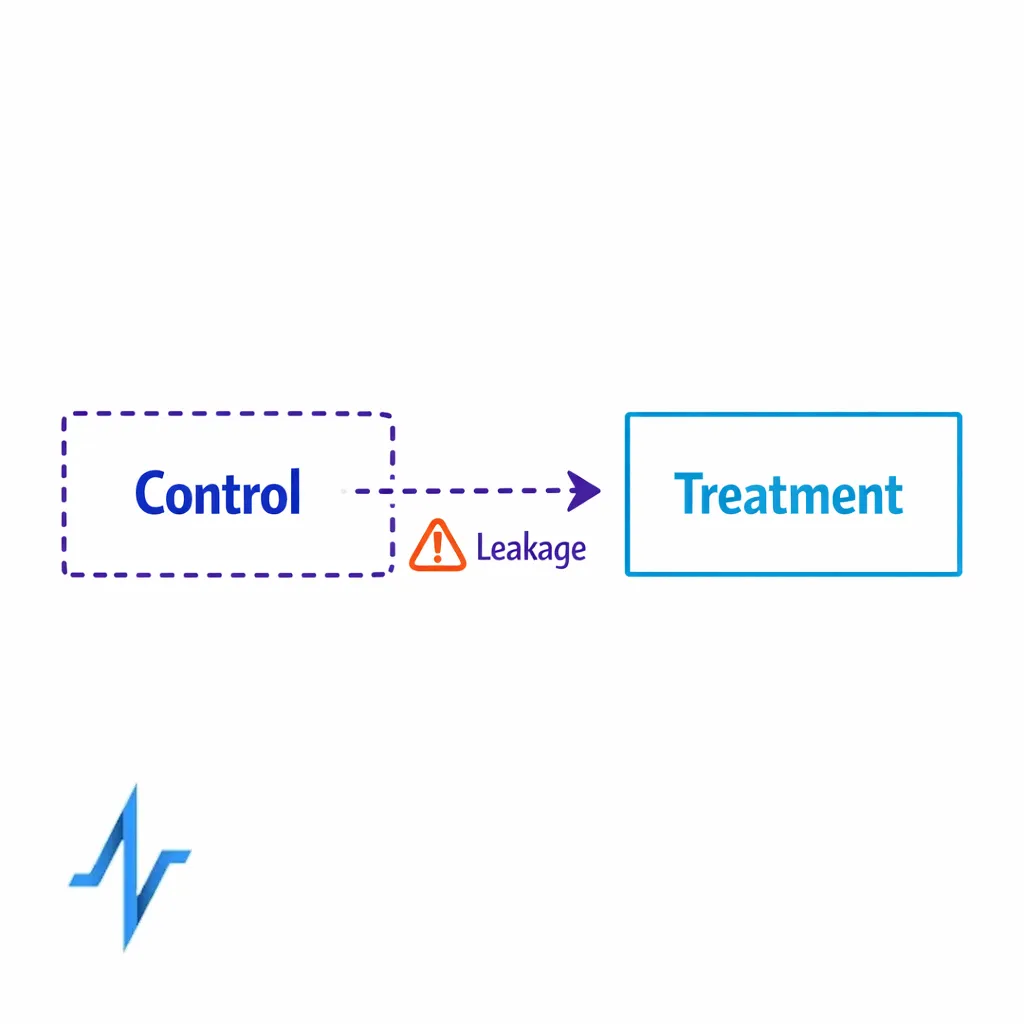
In omnichannel, “not targeted” does not necessarily mean “unexposed.” HCPs can see messages through other tactics, other teams, or downstream sharing. A true control group holdout needs enforced suppression across the channels that matter, plus monitoring for leakage.
Mistake 3: Changing audiences mid-flight
If your eligibility rules shift during the test, you may no longer be comparing like with like. When commercial realities force mid-flight changes, treat them as a new phase and document the change clearly. This is as much about internal credibility as it is about analytics.
Mistake 4: Building measurement that requires sensitive data sharing by default
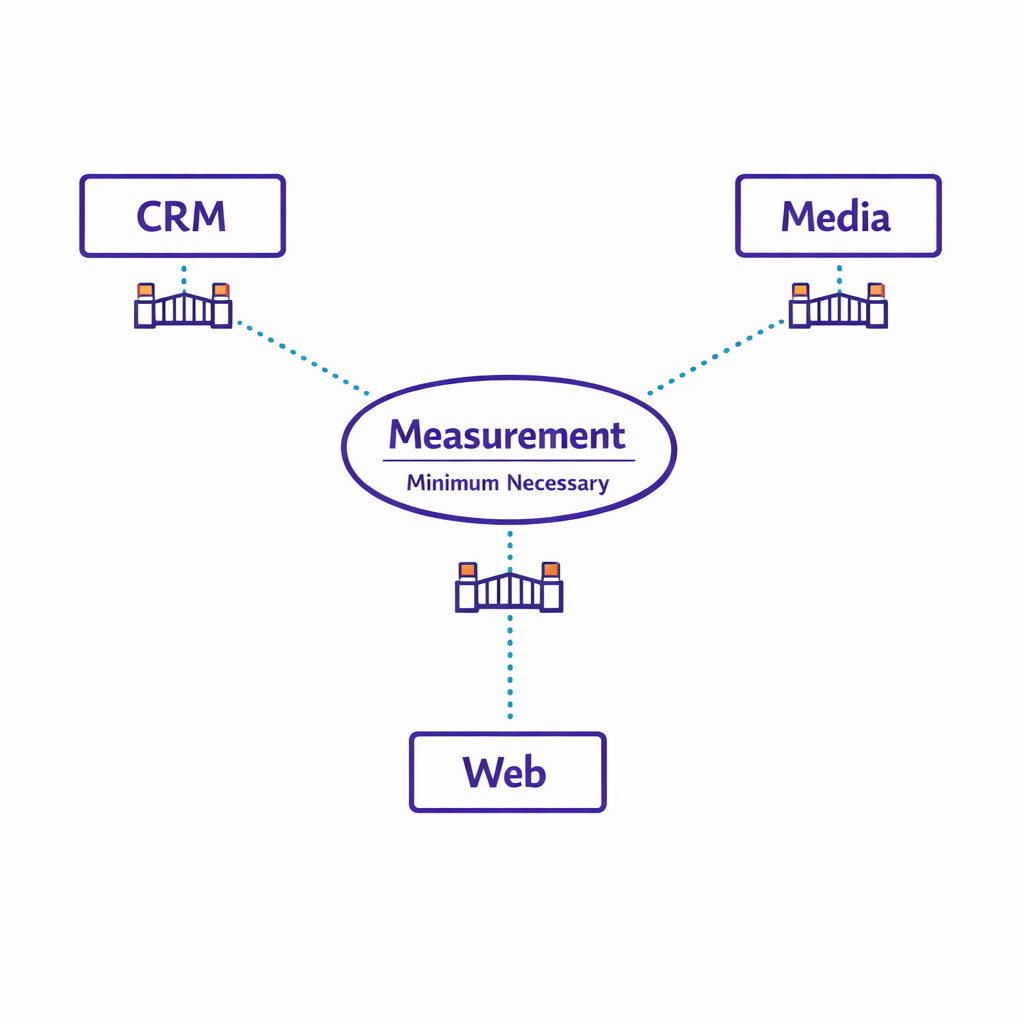
Teams often start with “maximum data” and then attempt to subtract risk later. A better approach is to start with the minimum data needed to answer the question, leaning on de-identification methods and aggregation where possible. This reduces friction with privacy, accelerates approvals, and usually makes partner integrations easier.
Mistake 5: Treating omnichannel KPIs as interchangeable across channels
Open rates, clicks, visits, and rep actions each capture different parts of behavior. A clean campaign measurement framework defines a primary KPI per objective and uses supporting metrics to explain why it moved. When everything is a “north star,” nothing is a decision input.
How to operationalize a test-and-learn agenda (without slowing the business)
Experimentation becomes sustainable when it is repeatable. That means building a small catalog of approved test patterns, standard operating procedures for randomization and suppression, and a shared language for incrementality and lift measurement pharma stakeholders can trust.
Governance patterns that speed up MLR-friendly testing
- Create pre-approved “variation lanes.” Define which elements can change without new medical review (for example, cadence, channel routing, layout) and which elements always require deeper review (for example, claims, clinical statements).
- Standardize experiment briefs. Use a single template that captures hypothesis, unit, eligibility, treatment, endpoints, analysis window, and compliance guardrails.
- Maintain an audit log. Version audience rules, suppression logic, content IDs, and launch changes so results remain explainable months later.
- Agree on privacy-safe reporting levels. Decide in advance which metrics can be shown at HCP level, segment level, or geo level based on your privacy posture and applicable rules such as the HIPAA Privacy Rule where relevant.
Where platforms help (and what to look for)
As omnichannel programs scale, the bottleneck is often operational: consistent suppression, cross-channel orchestration, and measurement that ties back to the experiment design. Many teams look for a system that can define audiences once, enforce holdouts, and deliver consistent reporting across CRM, media, and web without requiring constant manual reconciliation.
Pulse Health is positioned for teams building this kind of omnichannel experimentation workflow, especially when you need to coordinate identity, orchestration rules, and incrementality-ready measurement in a way that is reviewable and repeatable. The most important capability is not a single dashboard; it is the ability to keep “what was intended,” “what was delivered,” and “what was measured” aligned.
What to do next: a practical checklist for your next pharma marketing experiment
- Choose one decision. Write the decision you will make based on the test outcome.
- Pick the cleanest design. Use channel A/B when the question is narrow; use holdouts or geo holdouts when you need incrementality.
- Lock the unit. Randomize only at a level where you can enforce suppression and avoid contamination.
- Constrain variation. Prefer operational and journey changes over new claims; align promotional materials to FDA promotion expectations.
- Define endpoints and guardrails. Choose a primary KPI tied to the objective plus 2–3 guardrails (quality, opt-outs, complaints).
- Pre-specify windows. Set exposure and conversion windows and commit before launch.
- Design for privacy. Use aggregation or de-identified measurement where possible and avoid unnecessary third-party tracking.
- Document everything. Keep an auditable record of audience rules, treatment logic, content versions, and launch changes.
- Plan the scale path. Decide what “success” means operationally (for example, which segments or channels you will expand next).
Request a Demo: build a repeatable, MLR-friendly experimentation engine
If you are trying to scale pharma marketing experimentation across channels, the hardest part is usually not the math. It is operationalizing holdouts, enforcing suppression across vendors, and producing incrementality reporting your stakeholders trust. If that sounds familiar, you can Request a Demo to see how Pulse Health supports omnichannel test design, measurement workflows, and governance-friendly reporting.
If you are earlier in the process, you can also Book a Consultation to map your current stack to a practical test-and-learn agenda, including which experiment types are most feasible for your channels and data posture.