
How a rare-disease brand drove 1,800+ patient & caregiver sign-ups with a unified education platform
Rare diseases and high‑cost therapies present unique challenges for pharmaceutical marketers. Unlike common conditions where awareness may be widespread, these treatments often require education at every level — physicians, patients and caregivers.
In this case, the therapy in question had a price tag in the millions and was designed for a small, specific patient population.
The manufacturer needed to build trust and motivate both patients and caregivers to learn about the treatment.
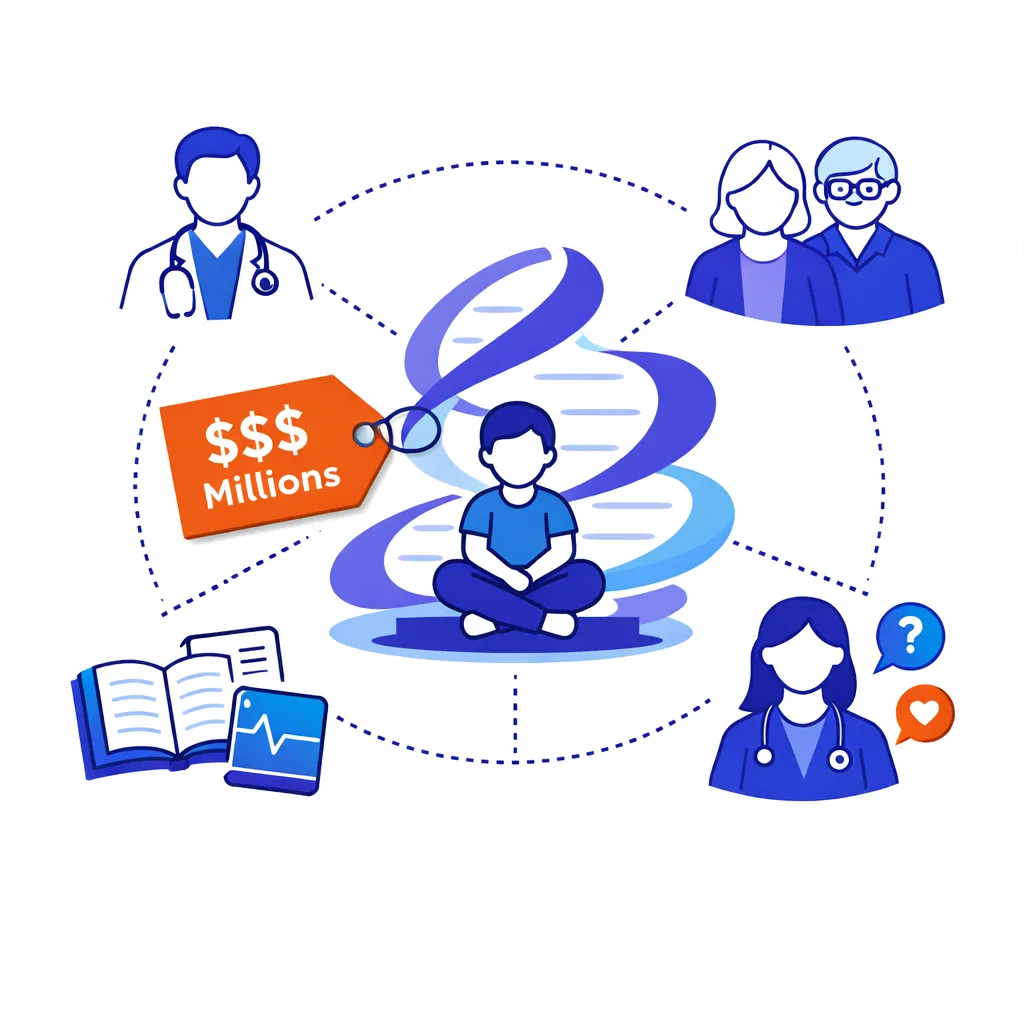
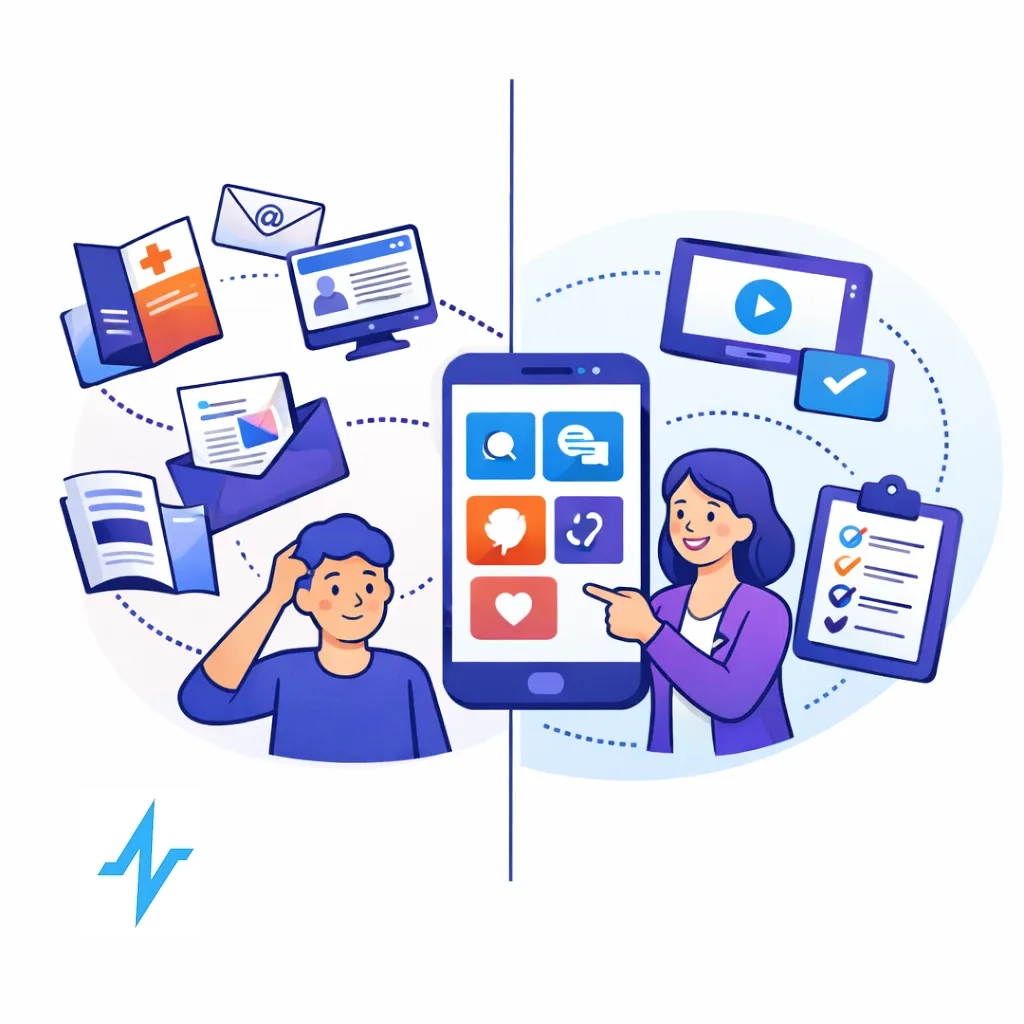
Traditional patient communications were fragmented; print brochures, sporadic emails and a static website were not producing the necessary engagement. As a result, sign‑ups for more information were lagging, leaving potential patients under‑informed and overwhelmed.
The Challenge – Lack of Patient Engagement for Expensive Therapy
Pulse Health tackled this challenge by developing a comprehensive patient and caregiver platform.
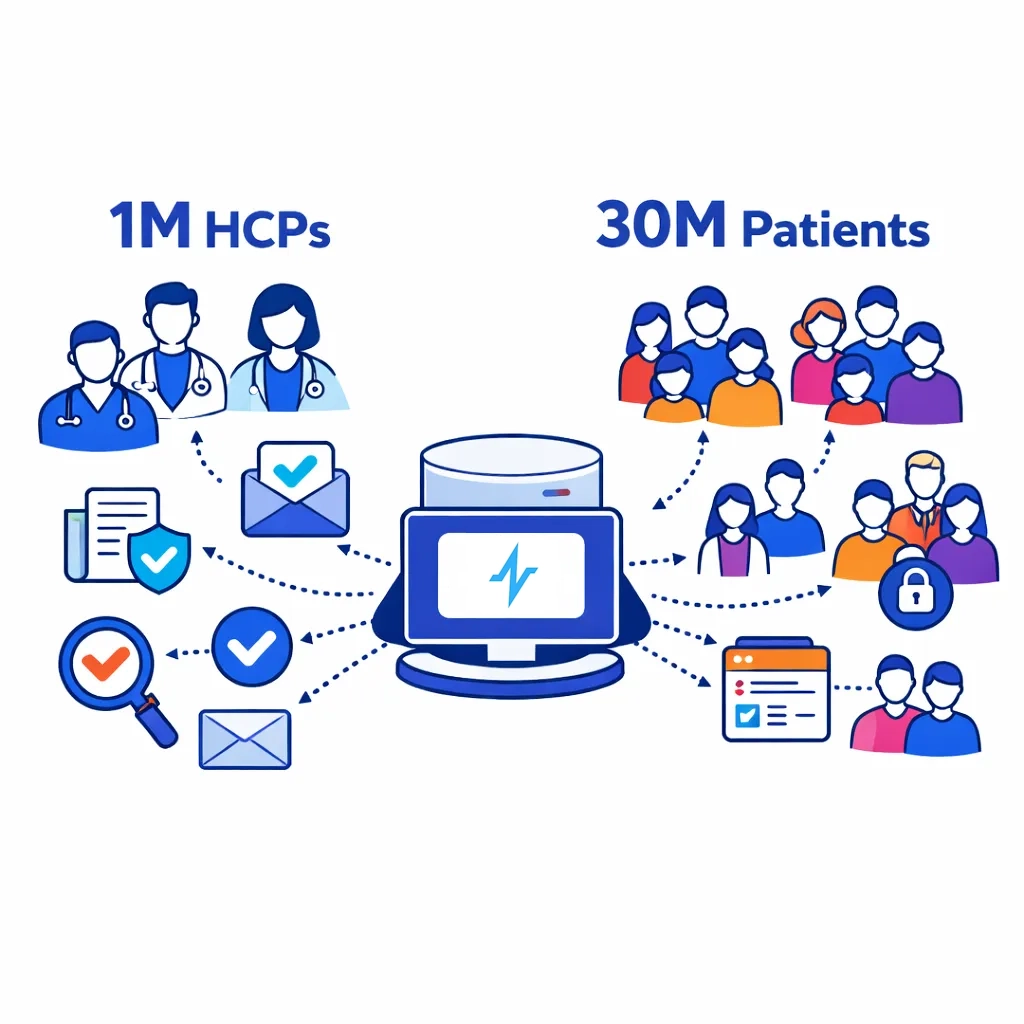
Central to the solution was the use of Pulse’s vast database of more than one million HCPs and 30 million patients.
This ensured the brand could identify caregivers, family members and potential patients with verified opt‑in consent, rather than sending general messages into the void.
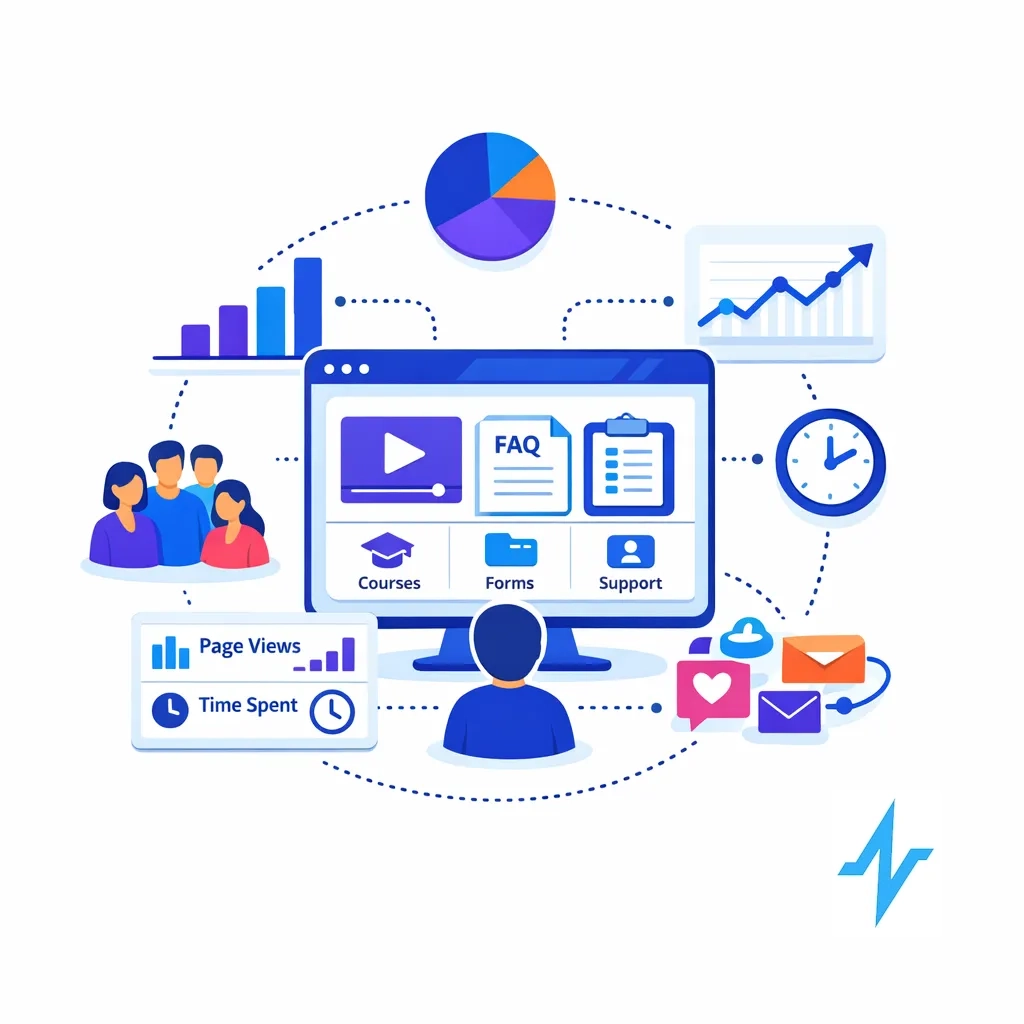
The Pulse Engagement Cloud provided a single sign‑on experience for users, enabling them to access educational resources, videos, FAQs and sign‑up forms from one place. On the back end, marketers could see exactly how each user interacted with the content, from page views to time spent watching testimonial videos.
Transformation and Strategy – Segmentation Leads to Success
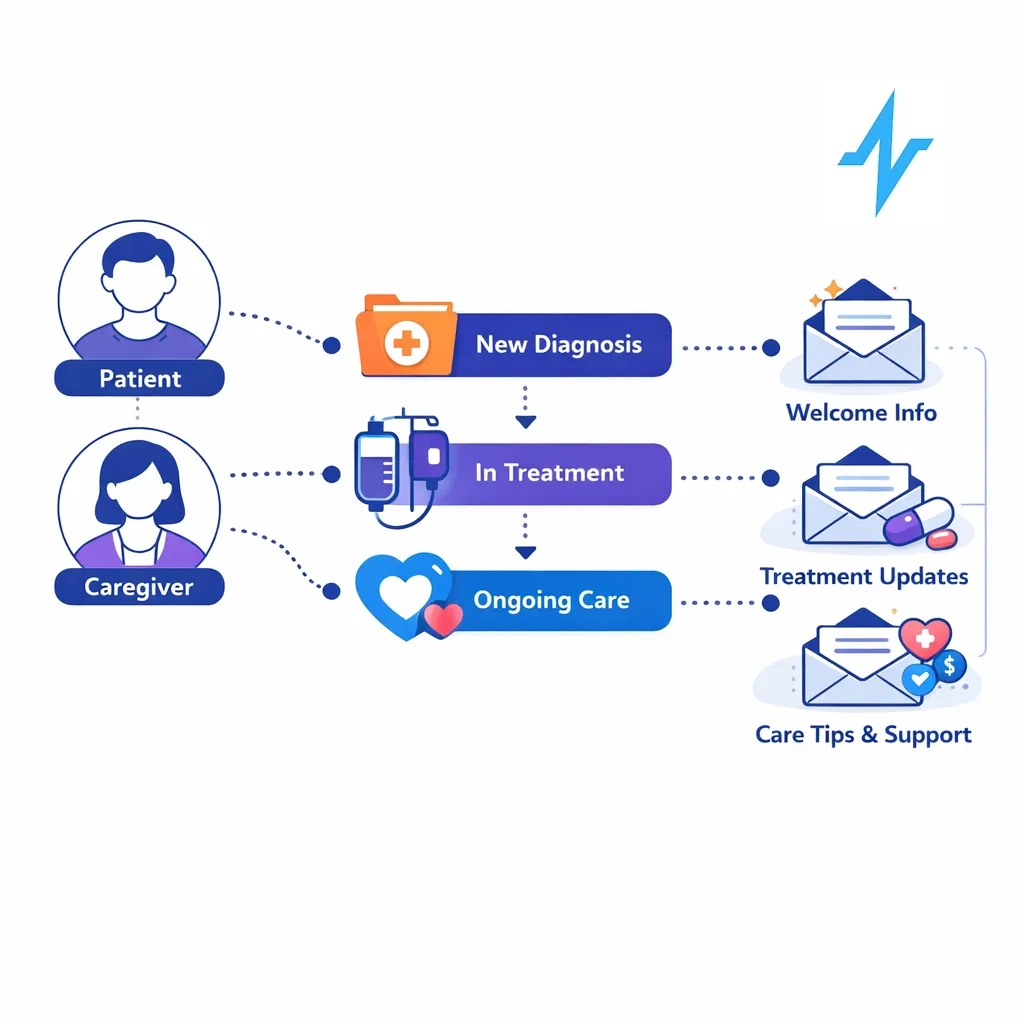
A key part of the strategy was a targeted click‑to‑open email program. Using Pulse’s segmentation and automation tools, the brand delivered emails tailored to a recipient’s role — patient versus caregiver — and stage in the treatment journey.
For example, newly diagnosed patients received a welcome email explaining the disease, the mechanism of action and available financial support.
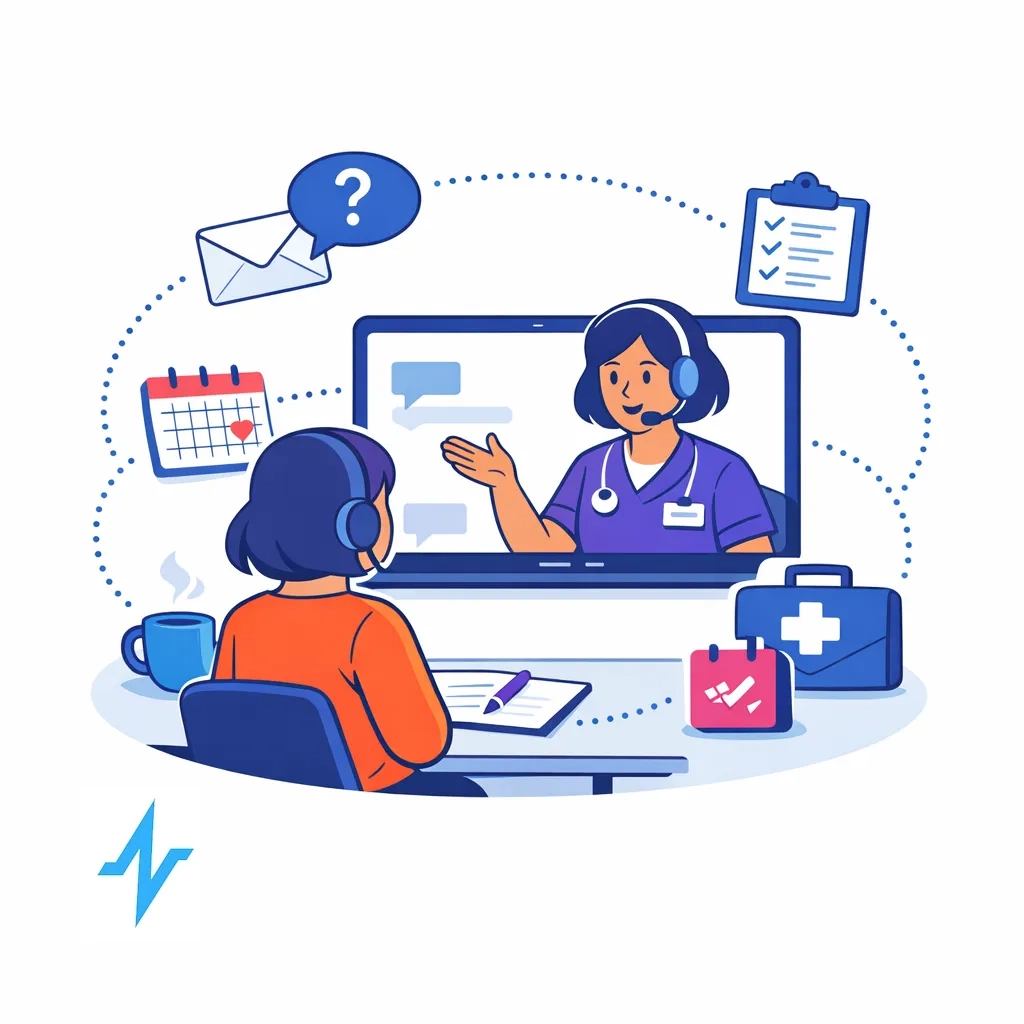
Caregivers were invited to join a private webinar with a nurse educator to discuss concerns and logistics of administering therapy at home.
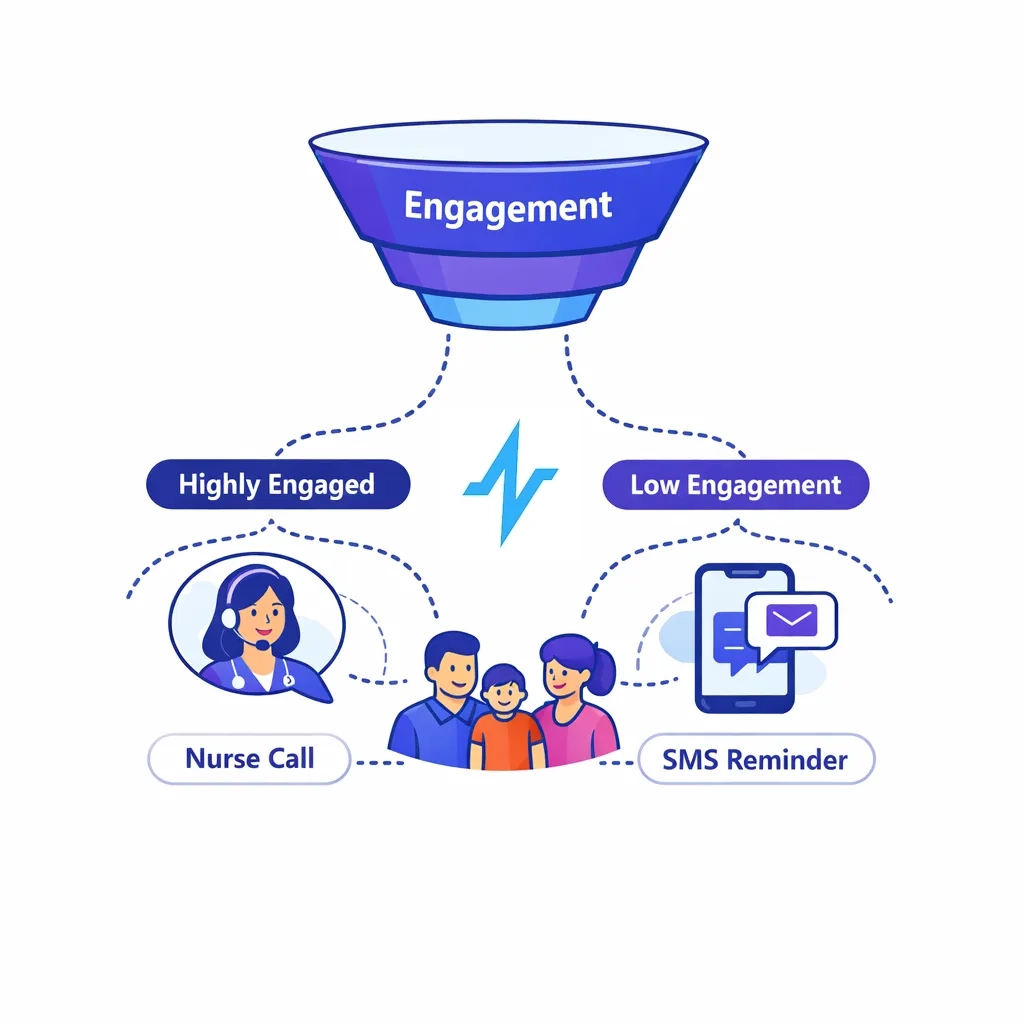
The cadence of emails was carefully adjusted based on engagement; if a subscriber opened emails consistently, they were offered the opportunity to speak with a nurse educator. If they did not, a softer touch — perhaps an SMS reminder — was used to re‑engage.
The Results – 1,800+ Sign-Ups in 15 Months
These efforts paid off. Over 15 months, the platform generated more than 1,800 patient and caregiver sign‑ups. It delivered a 234 percent increase in click‑through rates and a 69 percent jump in open rates.
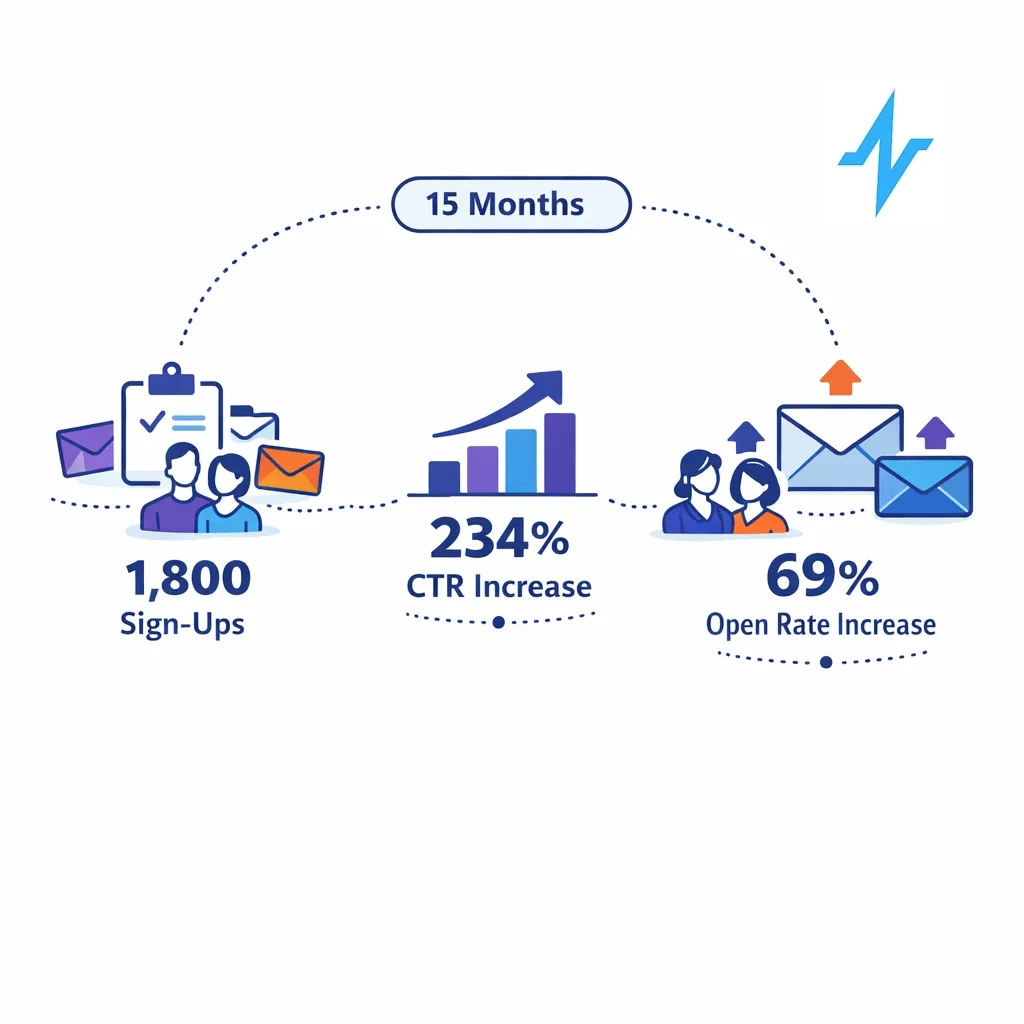
Such dramatic improvements reflect the power of precise, value‑driven content when supported by technology that captures data and allows for iterative improvements.
The high engagement also demonstrates that patients and caregivers are eager for information when it is delivered in a format that respects their needs, provides clear next steps and offers continuous support.
Platform Insights – Access to Real time Data Led to Immediate Action
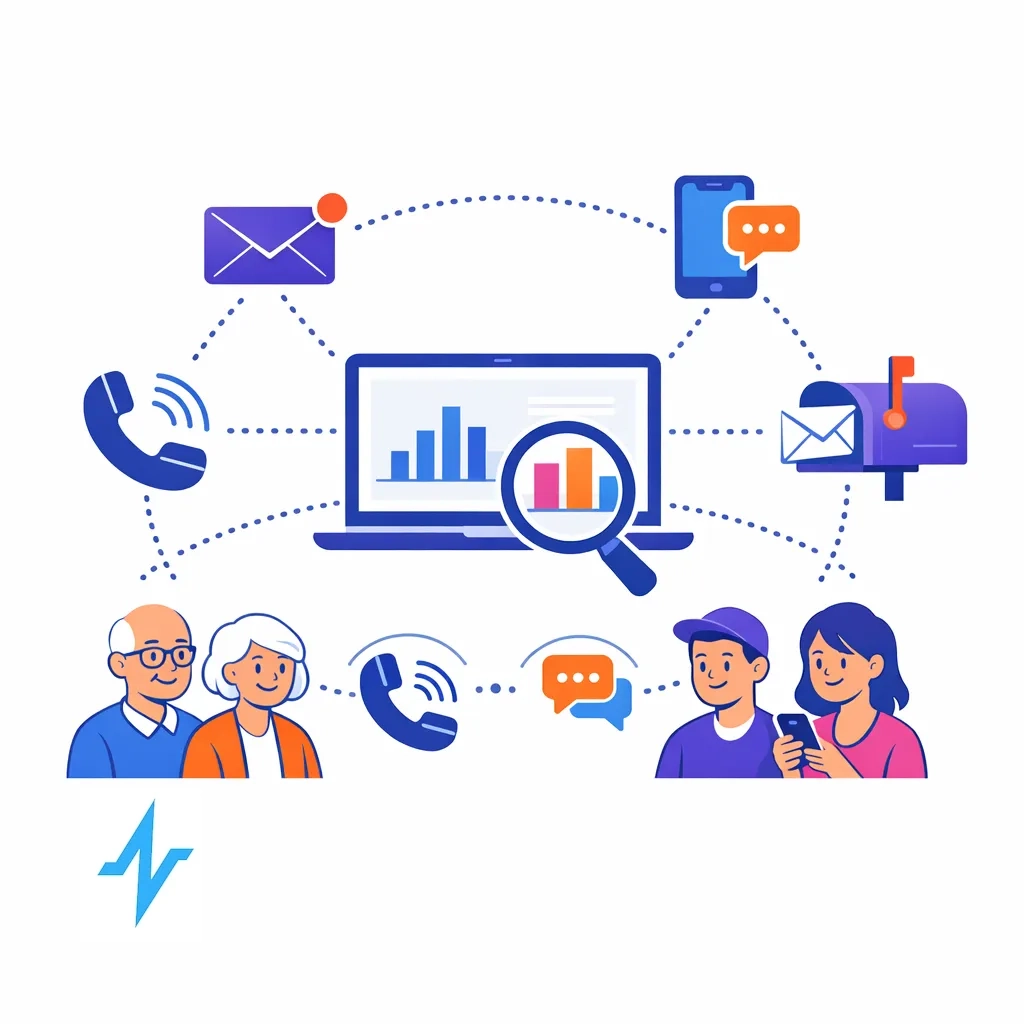
What made the program particularly effective was Pulse’s end‑to‑end integration. The omnichannel messaging capabilities meant that beyond email, the platform could send SMS reminders, postal mailings and even integrate with call centers to schedule one‑on‑one consultations.
Real‑time analytics provided insights into which channels worked best for different demographics.
For instance, older caregivers might respond well to phone calls, while younger patients preferred text messages.
These insights informed future content development and channel selection.
Lessons for Marketers – Meet Users Where They Are
For other pharma marketers grappling with rare diseases or high‑cost therapies, this case offers several takeaways.
First: Invest in a platform that prioritizes data quality and consent, ensuring that every message respects patient privacy and complies with regulations. Pulse’s HCP & Patient Data solution is built for this purpose, providing turn‑key access to large opt‑in populations.
Second: Develop content that meets users where they are. By segmenting audiences according to role and treatment stage, you can deliver messages that feel personal and relevant.
Third: Leverage omnichannel capabilities and real‑time analytics to test, learn and refine. Successful patient engagement is an ongoing process of understanding what resonates and adjusting accordingly.
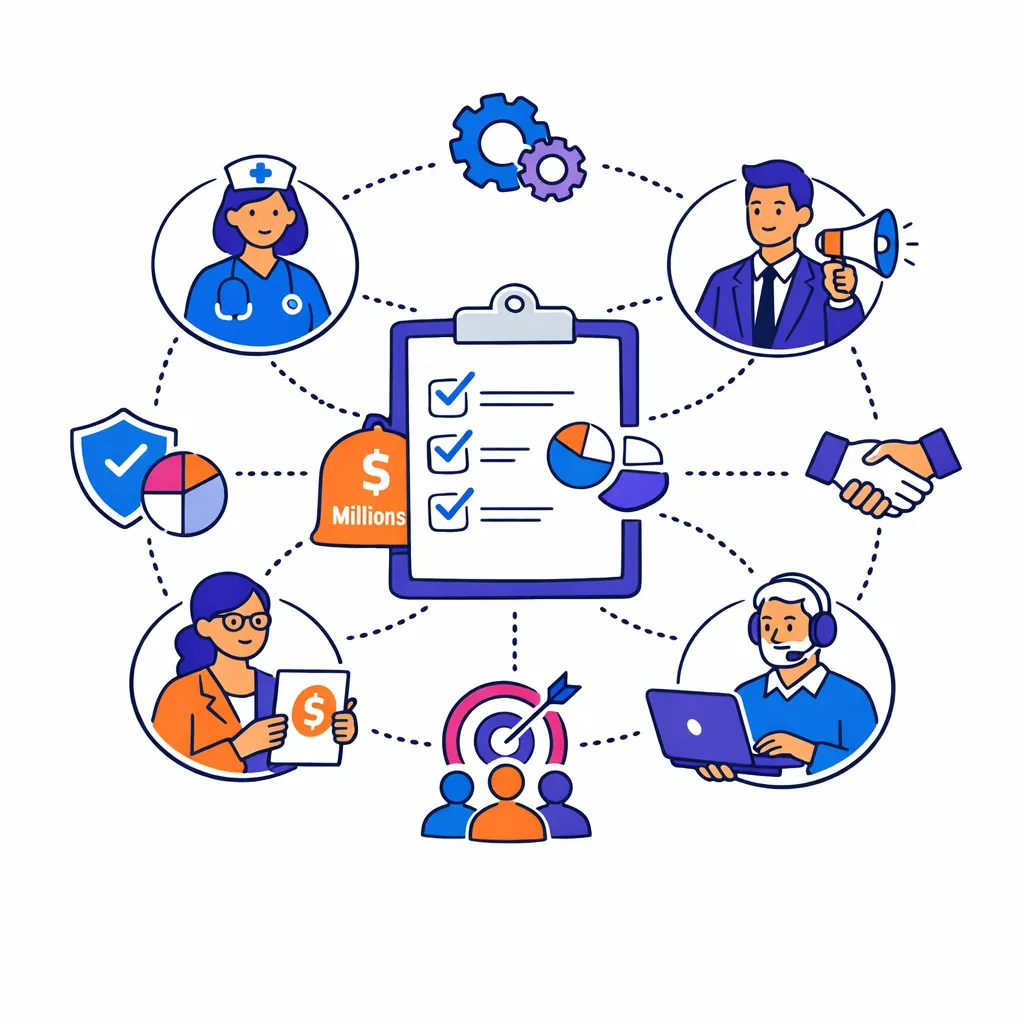
Finally: Don’t overlook the importance of cross‑functional collaboration; nurses, patient educators, financial counselors and digital marketers all played a role in making this program a success. Pulse’s platform brings these stakeholders together, creating a unified experience for the user and a single source of truth for the brand.
How Pulse Can Help Your Brand Reach More Patients and HCPs
In the broader context of rare diseases, building trust is paramount. By providing clear, consistent and compassionate communication, the brand fostered a community around its therapy.
Caregivers found solace in hearing from others who had gone through similar experiences. Patients felt empowered by understanding their treatment options.
And physicians appreciated having a reliable resource to which they could refer families.
This emotional connection, supported by rigorous data and automation, is what transforms an expensive, niche therapy from an abstract concept into a tangible lifeline. Pulse Health’s comprehensive approach allows other pharma companies to replicate this success, offering hope and clarity to patients facing life‑altering conditions.
Interested in learning how Pulse Health can help you connect with your ideal patients and HCPs? Schedule a free consultation today.