
How an osteoporosis brand unified HCP engagement — and drove a 15% lift in prescribers
In the competitive world of osteoporosis treatment, where the aging population continues to swell and innovation arrives slowly, marketing teams must operate with precision. This case study chronicles how a mid‑sized osteoporosis brand faced the daunting challenge of unifying several disjointed data systems to reach more health‑care professionals (HCPs).
The brand’s marketing and commercial teams were juggling multiple technology platforms and found it increasingly difficult to scale their outreach in a cost‑effective way.
Data lived in spreadsheets, disparate CRM instances and ad‑hoc email systems, making it nearly impossible to see who had been contacted, how they responded, and whether outreach translated into prescriptions.
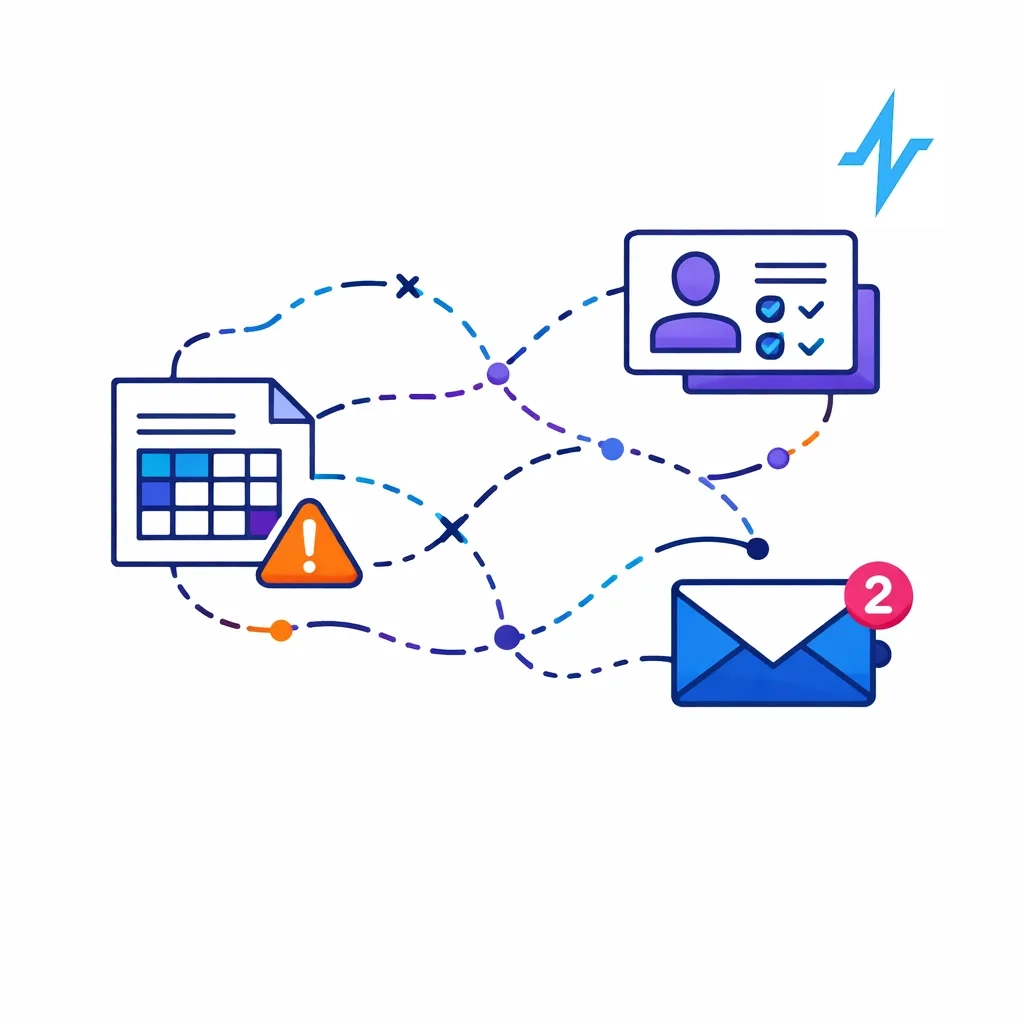
This fragmentation led to duplicated efforts, wasted media spend and, most importantly, a lack of meaningful engagement with the physicians who could help patients the most.
The Challenge – Overwhelmed by a Mess of Data
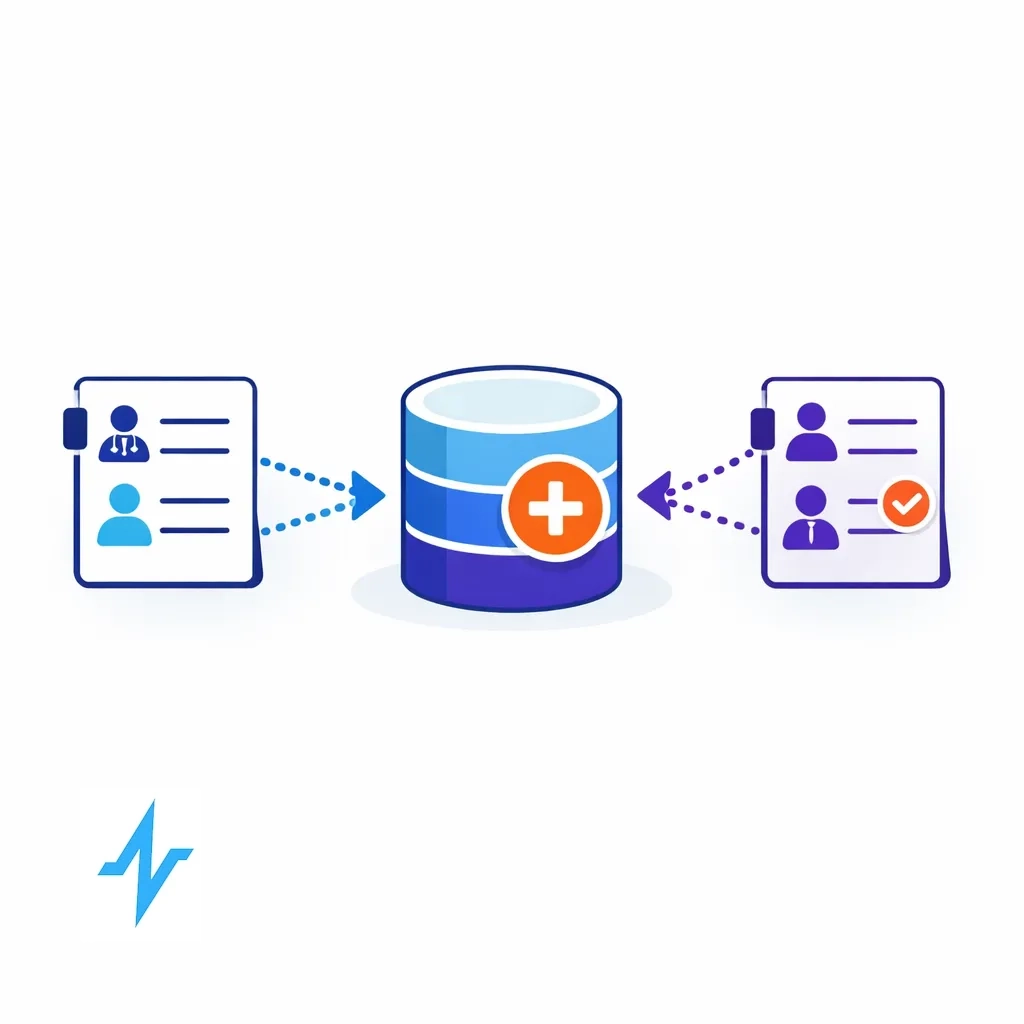
Working with Pulse Health, the brand embarked on a transformation. The first order of business was consolidation. Pulse’s HCP Data Access allowed the brand to unify their existing contact lists with an opt‑in universe of more than one million verified HCPs and 30 million patients, ensuring accurate, up‑to‑date records for both prescribers and non‑prescribers.

By adopting the Pulse Engagement Cloud, the company brought their databases, email and banner marketing under one roof.
This unified platform served as the operational hub for all messaging, from branded and unbranded emails to disease‑state education campaigns.
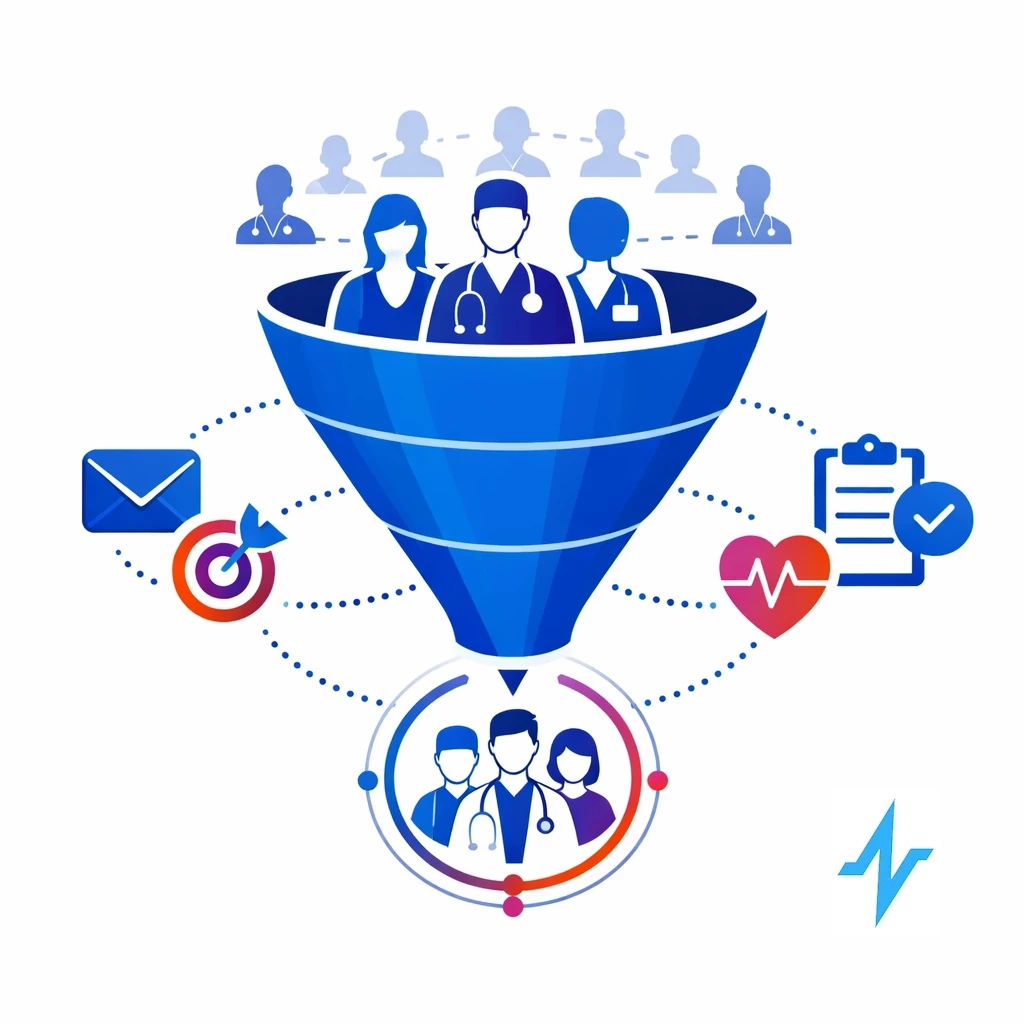
Advanced segmentation features enabled the team to divide the audience into nuanced clusters — prescribers, non‑prescribers, specialists, general practitioners — and deliver tailored messages at the moment each group was most likely to engage.
The Transformation and Strategy – From Confusion to Clarity
Beyond consolidation, the marketing team embraced marketing automation and lead scoring. Pulse’s platform allowed them to build multi‑touch journeys that responded to HCP behavior in real time.
For example, if a physician opened an email about fracture prevention but didn’t click through to the product page, the system automatically scheduled a follow‑up email with a clinical data sheet highlighting efficacy.
If another physician clicked the call‑to‑action and visited the website, they were moved to a track that invited them to join an upcoming webinar hosted by a key opinion leader. The support team at Pulse assisted in creating sophisticated journeys and scoring rules so that sales reps were alerted when a physician’s engagement score crossed a defined threshold.
The Results – A Remarkable Rise in Engagement
The results were remarkable.
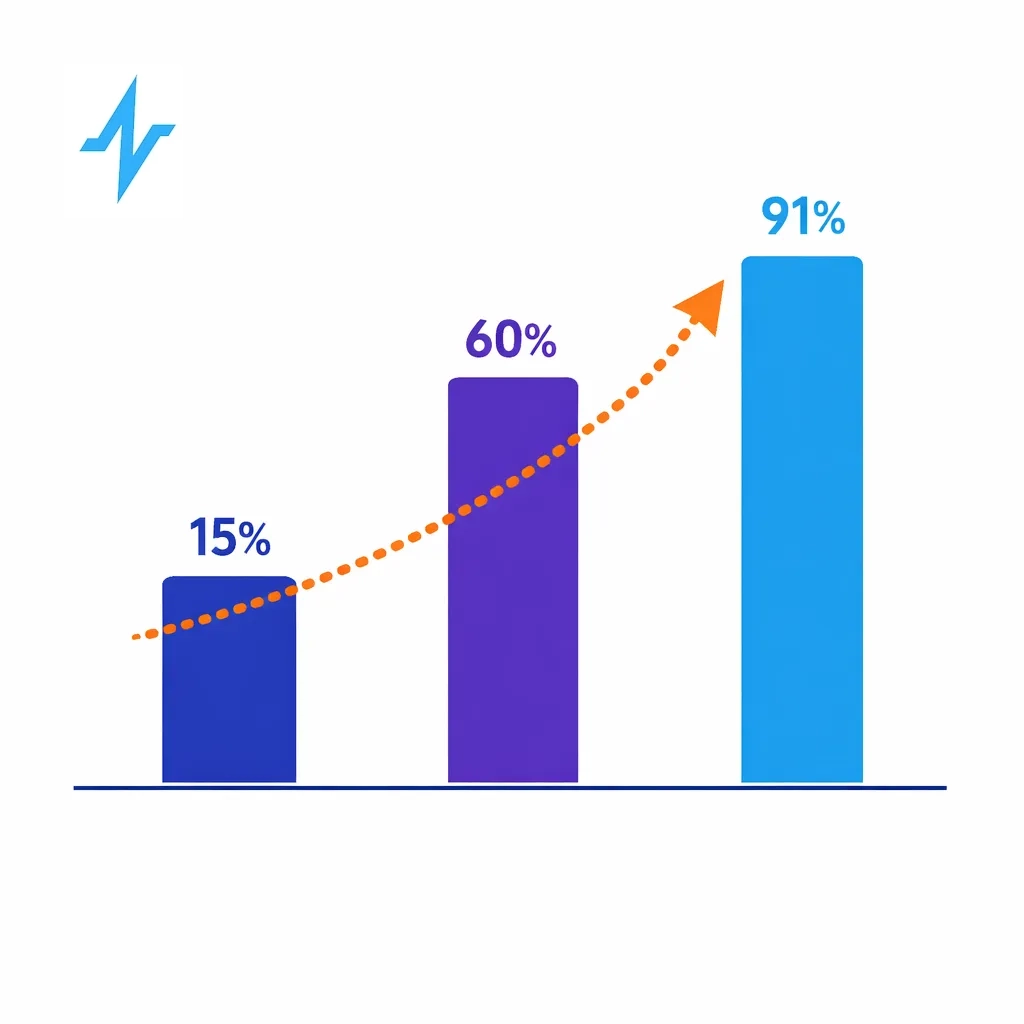
Within a few months, the brand saw:
- 15 percent increase in prescribers
- 60 percent lift in email open rates
- 91 percent boost in click‑through rates
These numbers were not just vanity metrics; they translated into more conversations between sales reps and physicians, increased brand awareness in a crowded market and, ultimately, more patients being treated. The centralized data environment reduced duplication and improved compliance, while automation freed the marketing team to focus on strategy rather than manual tasks.
Platform Insights – The Power of Pulse
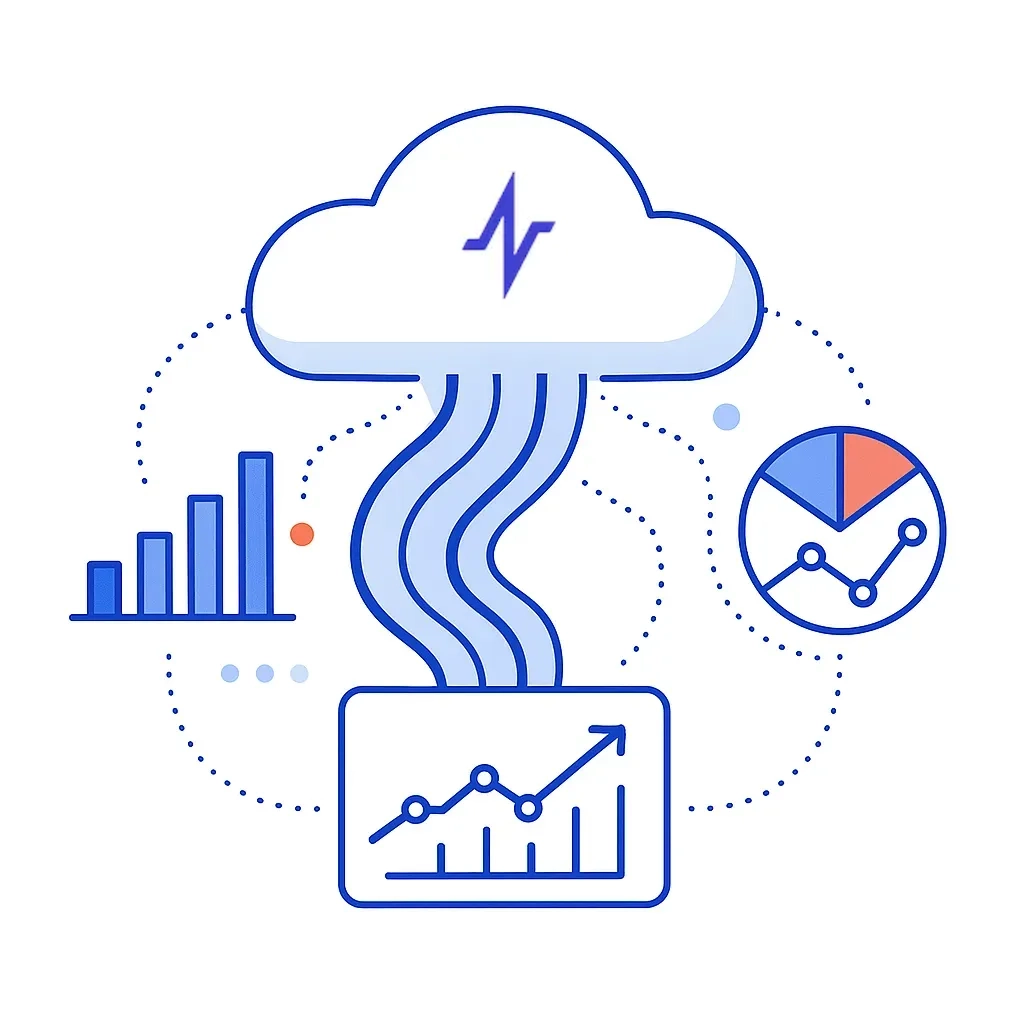
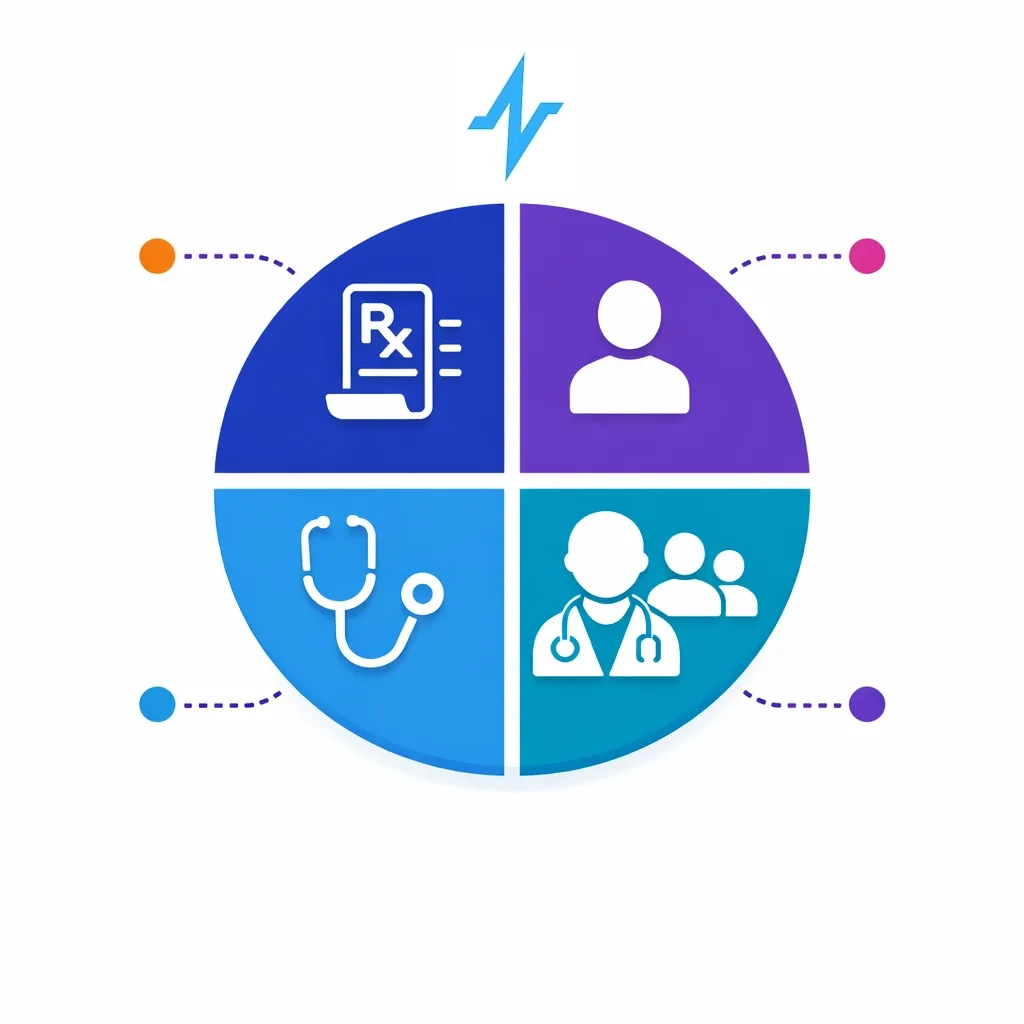
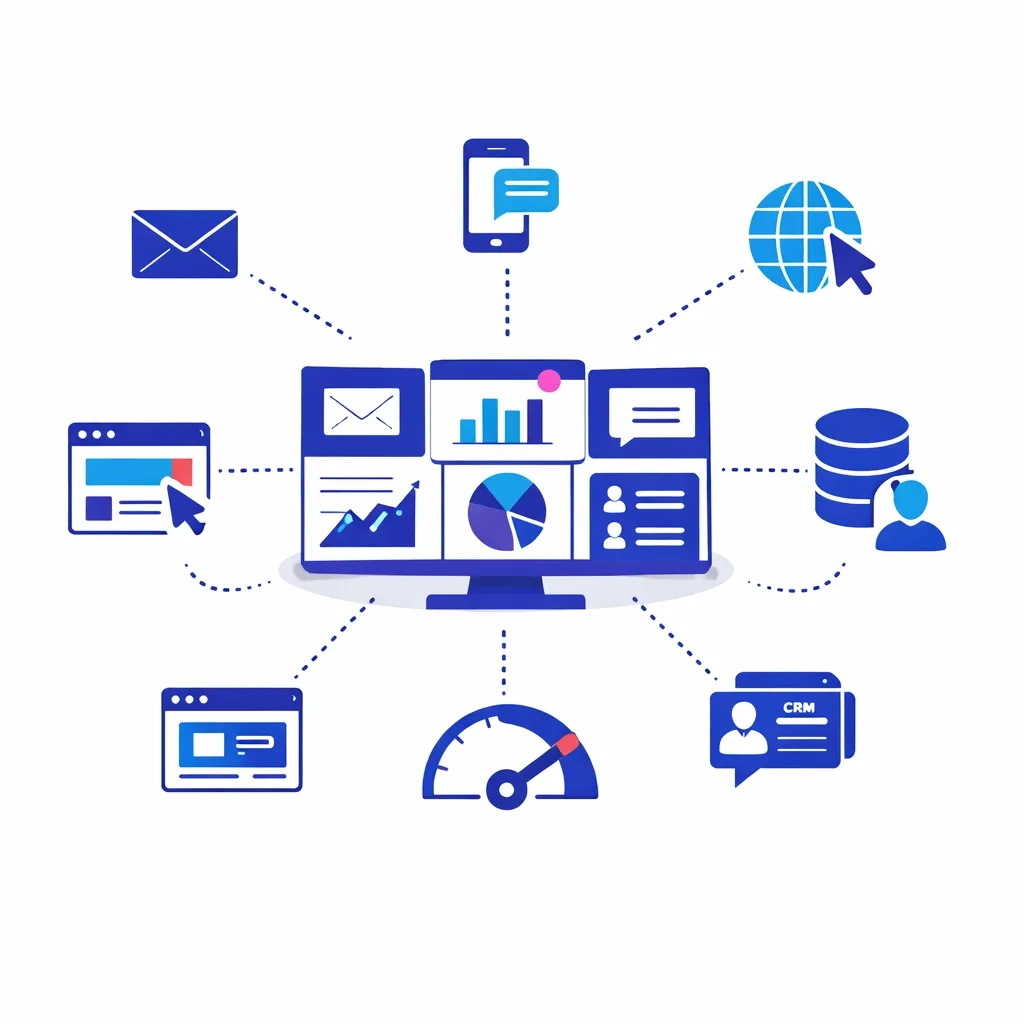
Underpinning this success is the architecture of the Pulse platform. The Engagement Cloud centralizes all engagement touchpoints for a holistic view of performance.
It pulls together email, SMS, banner impressions, website visits and CRM data, giving marketers a real‑time dashboard of how every target HCP interacts with the brand.
With pharma‑focused integrations and flexible APIs, companies can compile data under one roof and create a single source of truth — no need to jump between platforms or wait for reports.
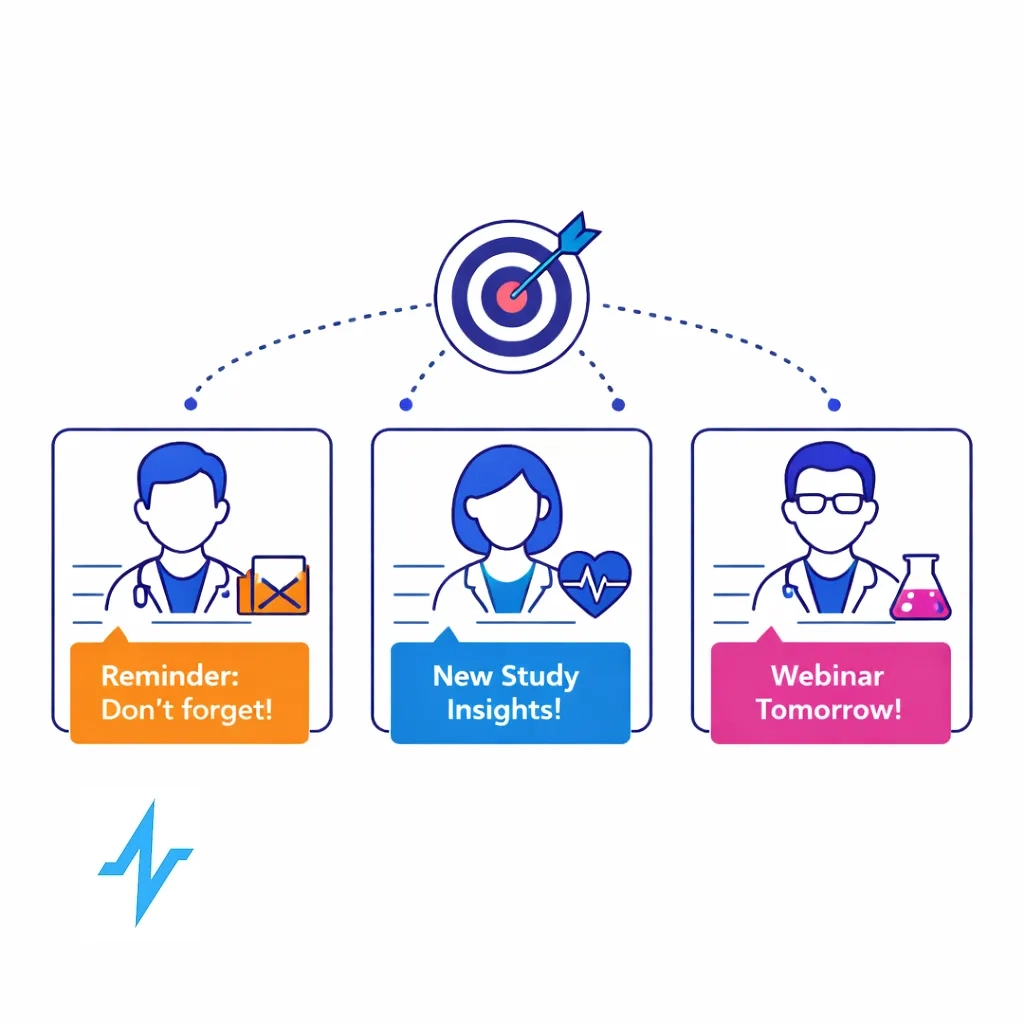
The Pulse platform’s deep customer profiles and precision segmentation mean that each piece of communication can be hyper‑personalized, improving relevance and lowering unsubscribe rates.
Lessons for Marketers – Real Insights into Real HCPs
Beyond internal benefits, the system offers HCPs a smoother experience.
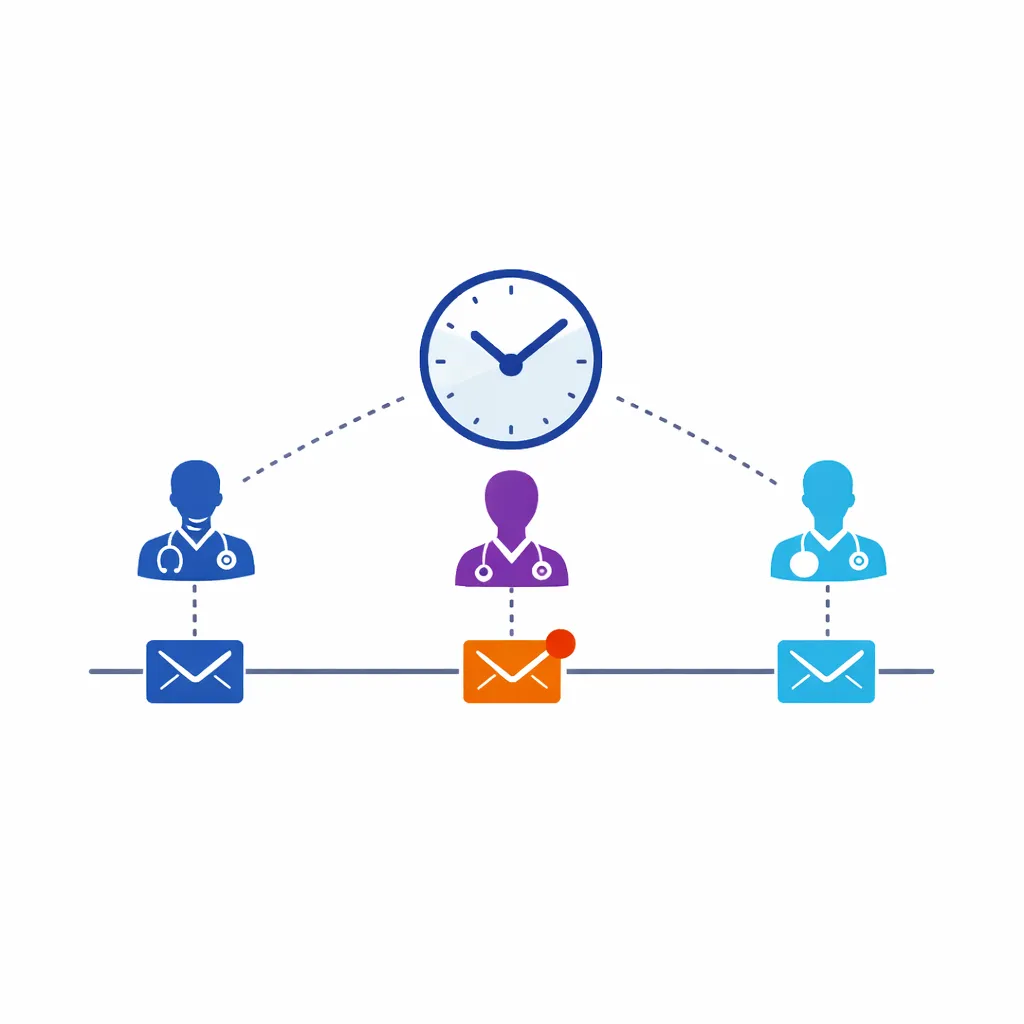
By understanding when each physician is most receptive, the brand avoided bombarding them with generic messaging.
Instead, they delivered contextually relevant communications at a cadence that matched each physician’s engagement pattern.
For busy clinicians, that respect for time and relevance builds trust. The ability to deliver timely, relevant content directly to physicians’ mobile devices, bypassing crowded inboxes, further increases the likelihood of engagement.
Get Started with Pulse Engagement Cloud Today
For other pharma marketers looking to replicate this success, the lessons are clear.
First: Invest in a unified platform that can serve as the nerve center for all your data.
Pulse Health’s Engagement Cloud drives targeted promotions across any audience while centralizing data for a comprehensive, real‑time view of brand engagement.
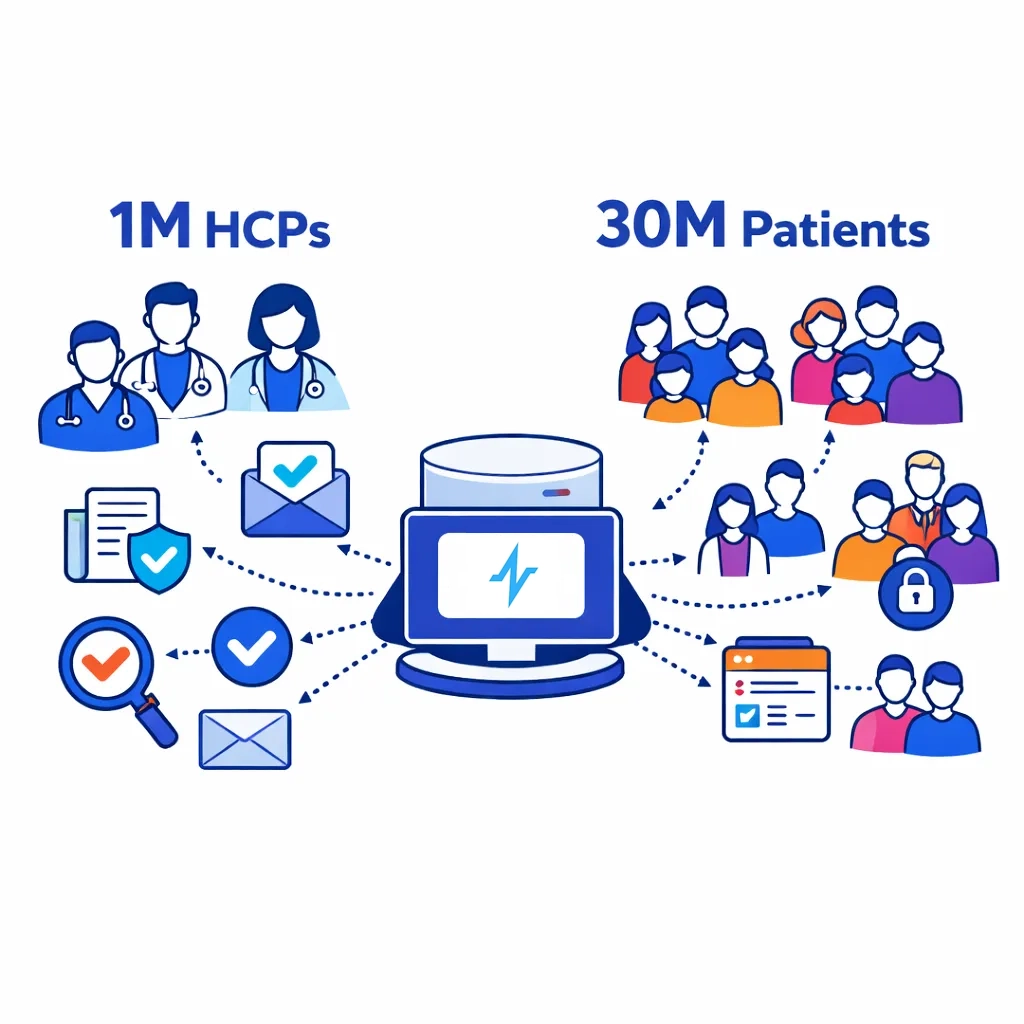
Second: Leverage a robust, opt‑in data source like Pulse Data Access, which offers over a million HCPs and 30 million patients, to ensure you’re reaching the right people.
Third: Embrace automation and segmentation to deliver hyper‑personalized journeys.
Pulse makes it easy to segment your audience into verticals you can then target with automated SMS and email message campaigns.
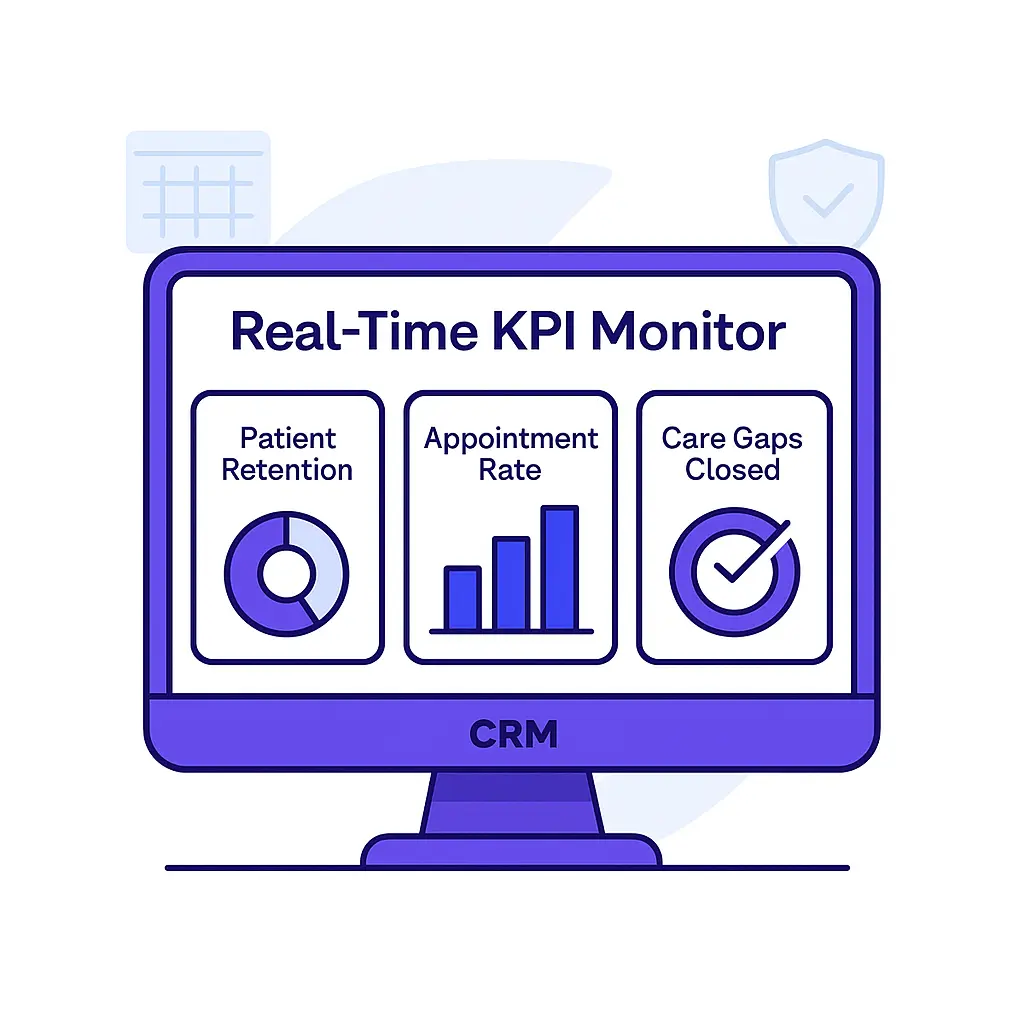
Finally: Rely on real‑time analytics to make decisions quickly and pivot strategies based on what the data shows.
The Pulse Engagement Cloud lets you track your KPIs as they happen, in real life or online.
Taken together, these steps will not only improve engagement metrics but also foster deeper, more meaningful relationships with the clinicians who drive patient care. Pulse’s approach illustrates that when data, technology and strategy align, even modestly resourced brands can compete and win in the complex landscape of healthcare marketing.
Looking for help with your next campaign? Schedule a free consultation with Pulse Health today.