
Why next-best-action orchestration matters now
US pharma commercial teams are under pressure to deliver more relevant HCP engagement across more channels, with tighter governance and clearer measurement. At the same time, many orgs still run “omnichannel” as a set of parallel channel plans that are only loosely coordinated in CRM and marketing automation.
What next best action means in pharma (in operational terms)
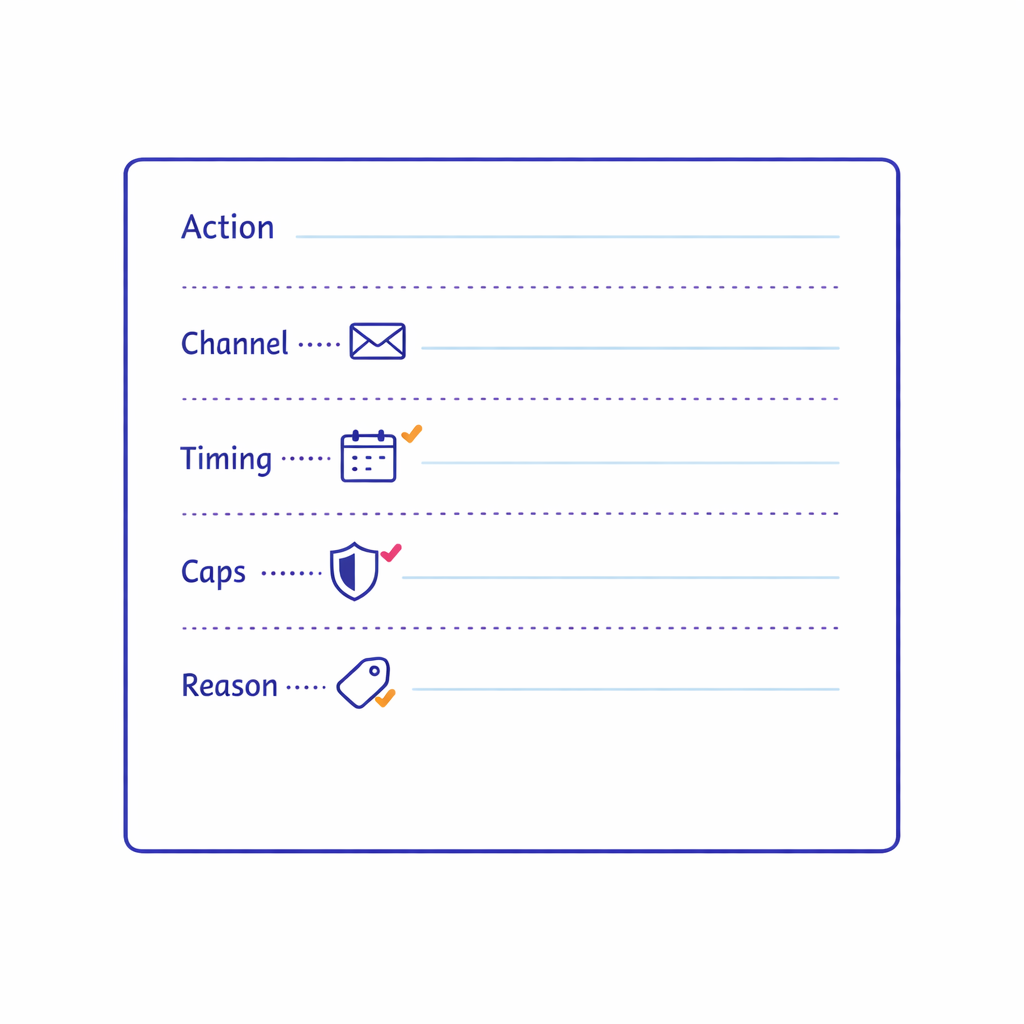
In pharma, “next best action” (NBA) is not a single model output or a static recommendation that sits in a dashboard. It is a governed decision that selects the best compliant action for a specific HCP, at a specific time, based on eligibility, constraints, and signals.
NBA outputs you can actually operationalize
When people say “hcp orchestration,” they are describing the system that makes that decision repeatably and consistently across channels. Orchestration connects strategy to execution so that the “what” (message) and the “how” (channel, timing, cadence) can adapt to what the HCP is doing, what the brand is allowed to say, and what the business is trying to accomplish.
What changed: from “omnichannel plans” to omnichannel decisioning
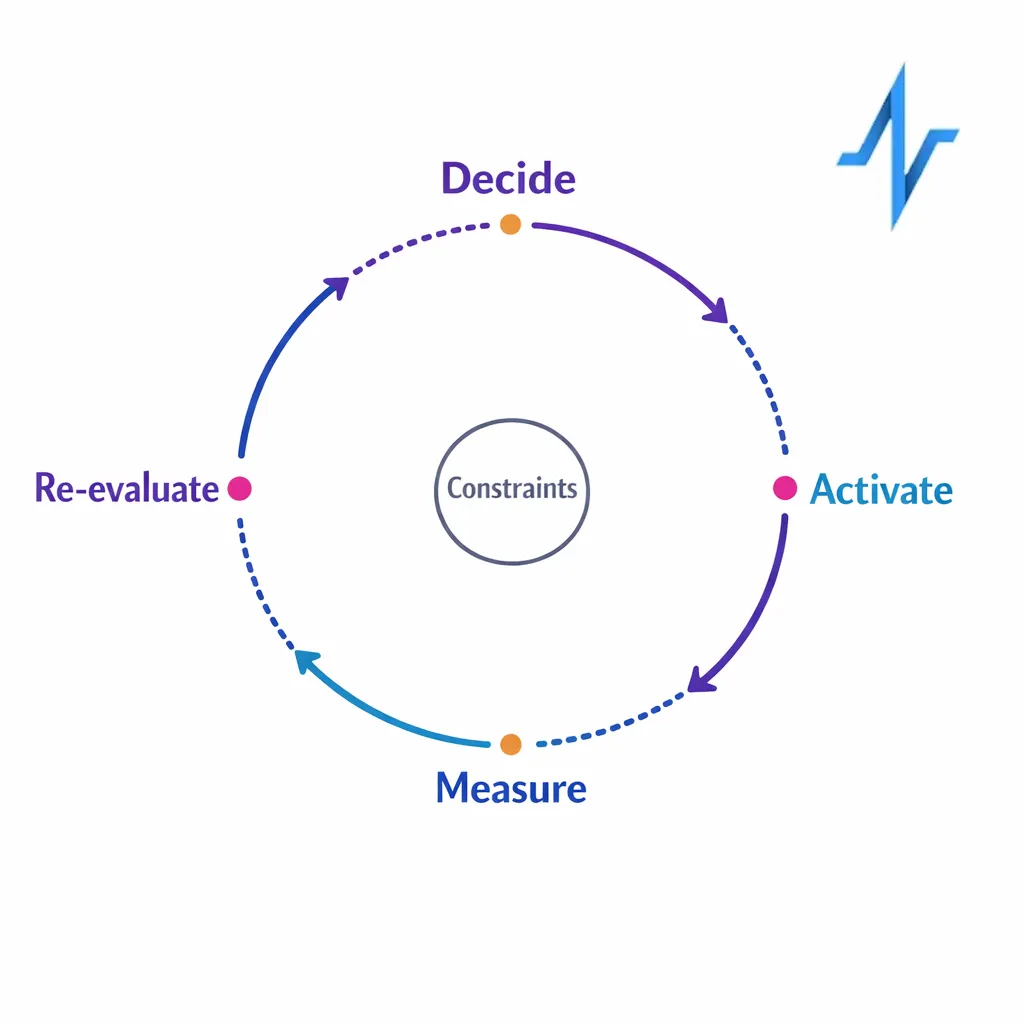
Many teams already have journey maps, content calendars, and channel-specific nurture streams. What is changing is the expectation that these components behave like a coordinated system, not a collection of good ideas.
Omnichannel decisioning shifts the operating model from “build a journey and push everyone through it” to “use signals to decide the next step, then re-evaluate continuously.” That change sounds subtle, but it has big implications for how you structure data, governance, and CRM workflows.
Why journey mapping alone is not orchestration
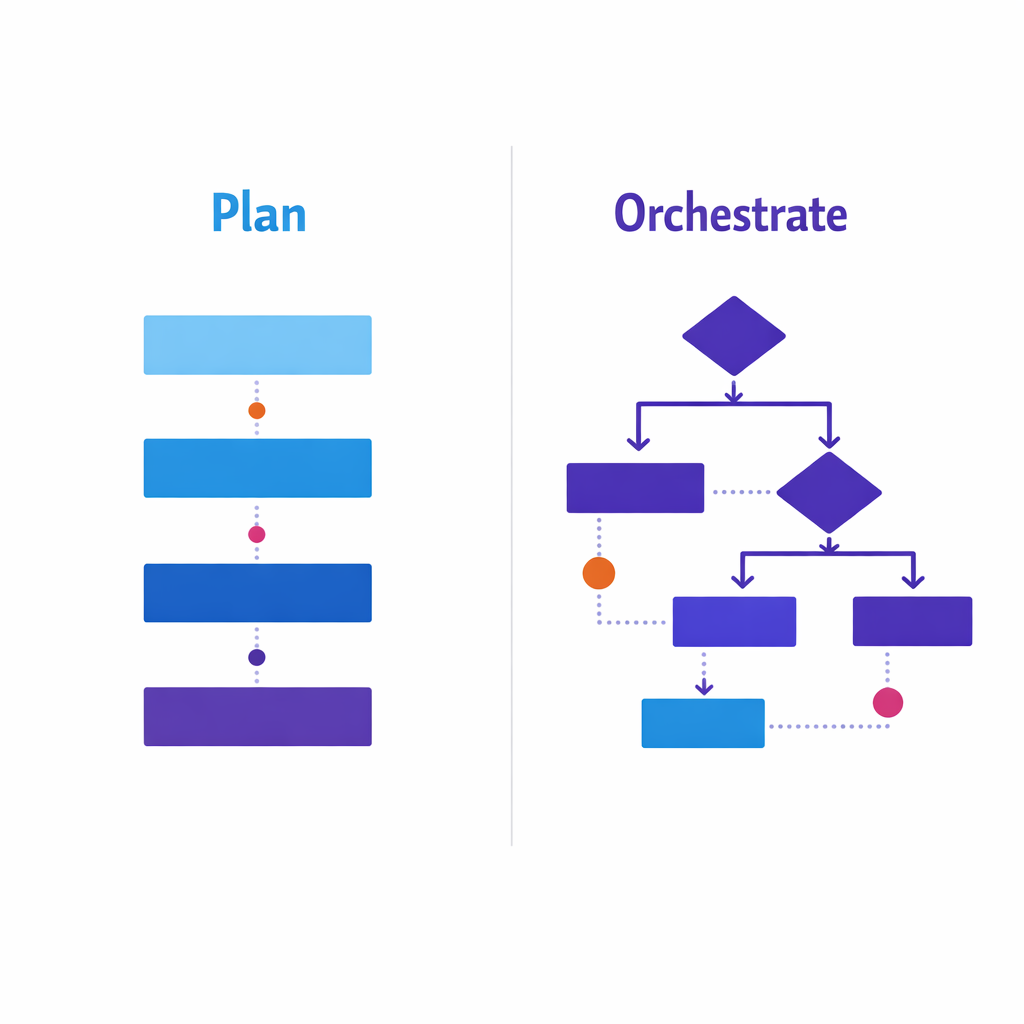
HCP journey mapping is still valuable, but it is a planning artifact, not a runtime control system. If your “journey” cannot respond to field activity, suppression rules, consent state, and channel fatigue in near real time, then it is a diagram, not orchestration.
Orchestration turns journeys into decision logic that can be executed consistently across CRM and marketing automation pharma systems.
A practical reference architecture for HCP orchestration
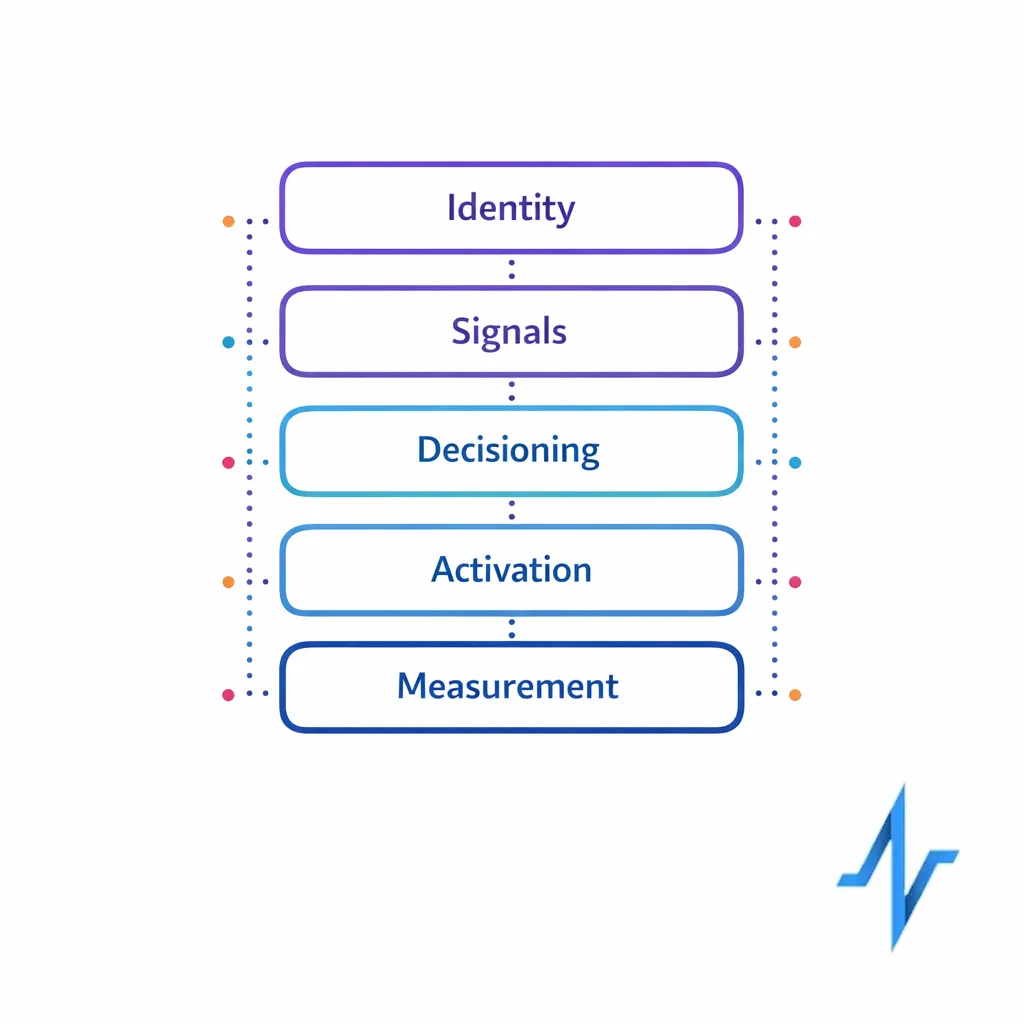
A scalable orchestration approach typically has five layers: identity, signals, decisioning, activation, and measurement. You can implement this as a centralized service, a hub-and-spoke model, or an embedded capability, but the functional responsibilities stay the same.
1) Identity and profile: who is the HCP “right now”
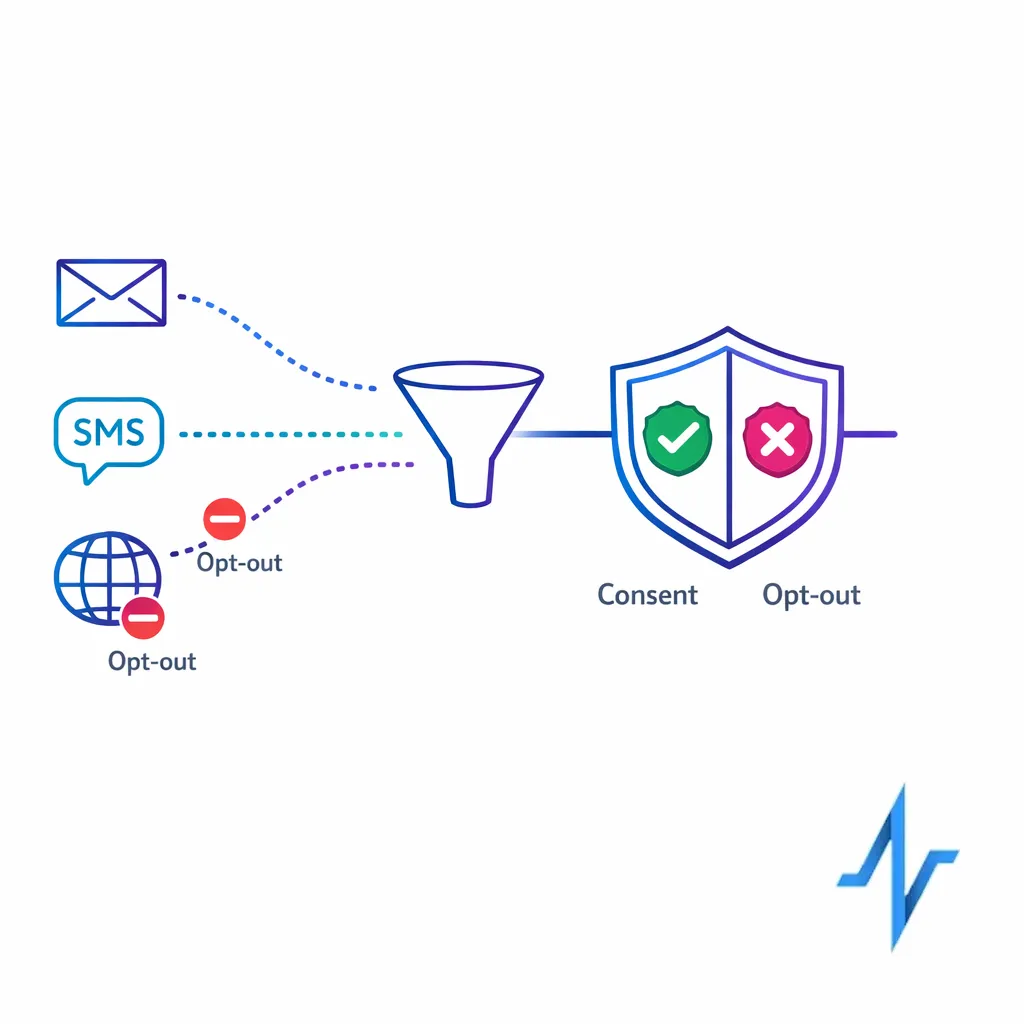
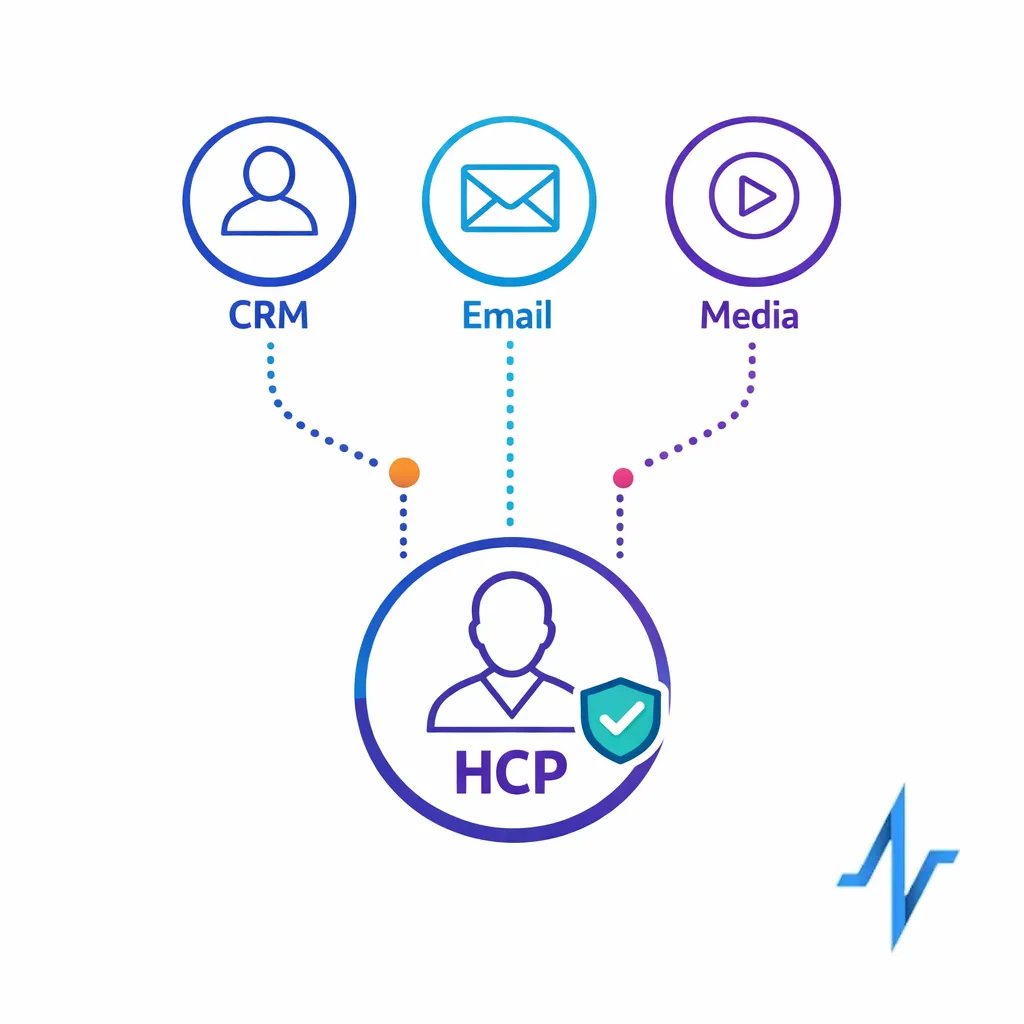
The identity layer reconciles HCP profiles and affiliations, preferences, eligibility flags, and channel permissions into a usable record. It does not need to be perfect on day one, but it must be consistent enough that the same HCP is not treated as three different people across CRM, email, and media.
Operationally, identity is also where you encode constraints like targeting eligibility, channel exclusions, and “do not contact” logic, so the decision layer can rely on them.
2) Engagement signals: what happened, what it means, and what to ignore
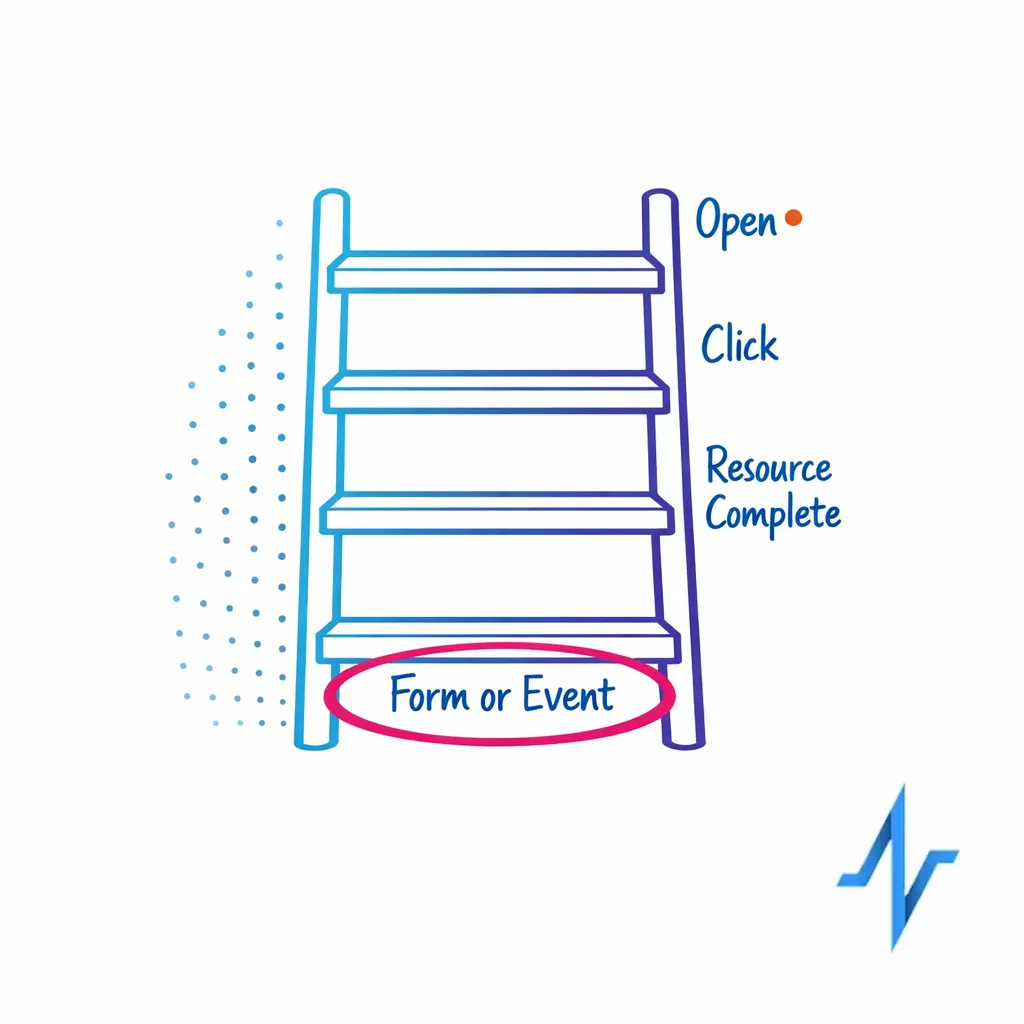
HCP engagement signals include promotional and non-promotional interactions, field activity, digital behavior, event attendance, and service or patient-support touchpoints when applicable. The key is to transform raw events into features the decision engine can use, such as “recently engaged,” “channel fatigue risk,” “topic interest,” or “rep recently visited.”
A common pitfall is to treat every click as intent. Mature orchestration distinguishes between weak signals (accidental opens, bot activity) and strong signals (resource completion, form submission, meaningful two-way engagement).
3) Decisioning: how the “next” action is selected
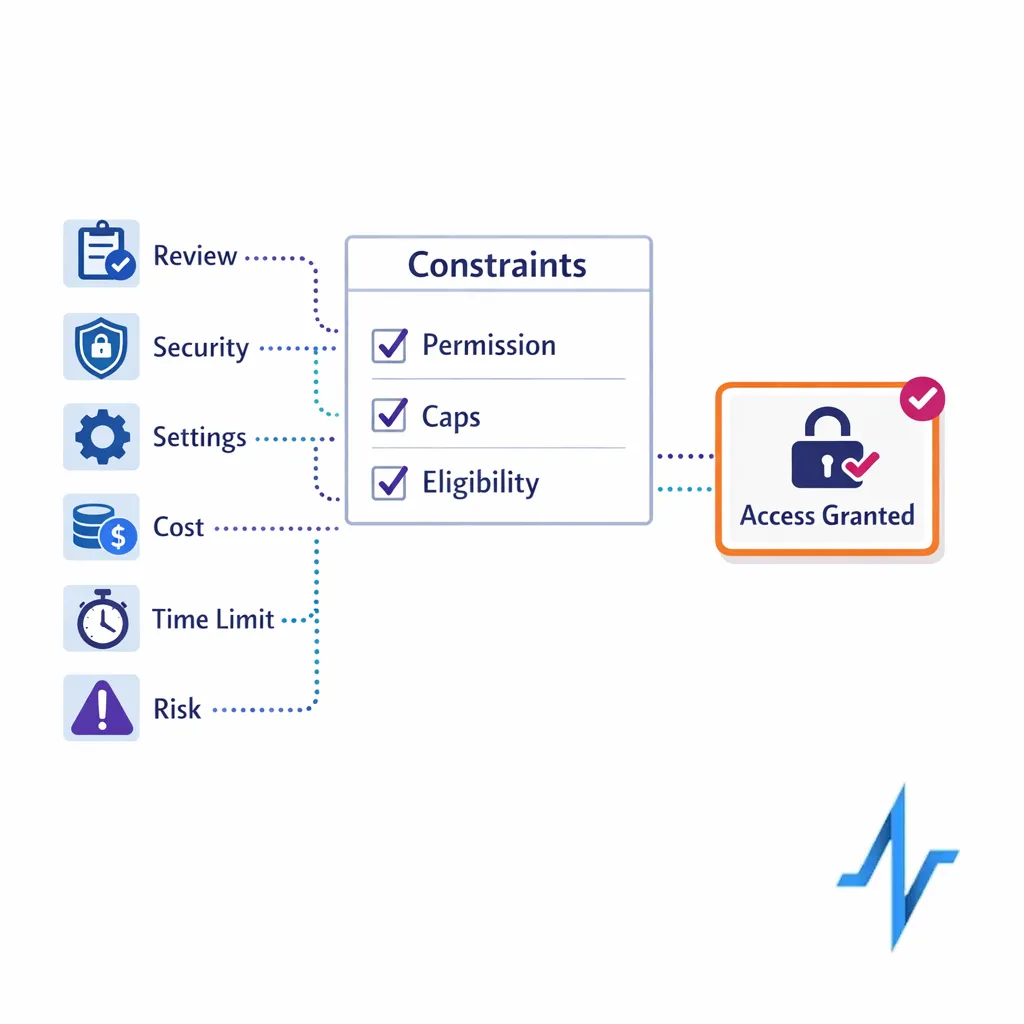
Decisioning is where next best action in pharma becomes real. The decision engine evaluates a set of candidate actions and picks one (or ranks several) using a combination of rules, priorities, and, where appropriate, predictive scores.
In regulated engagement, the most important part is not the scoring. The most important part is the constraint system that keeps choices compliant, on-strategy, and feasible for downstream execution.
4) Activation: turning decisions into CRM and marketing execution
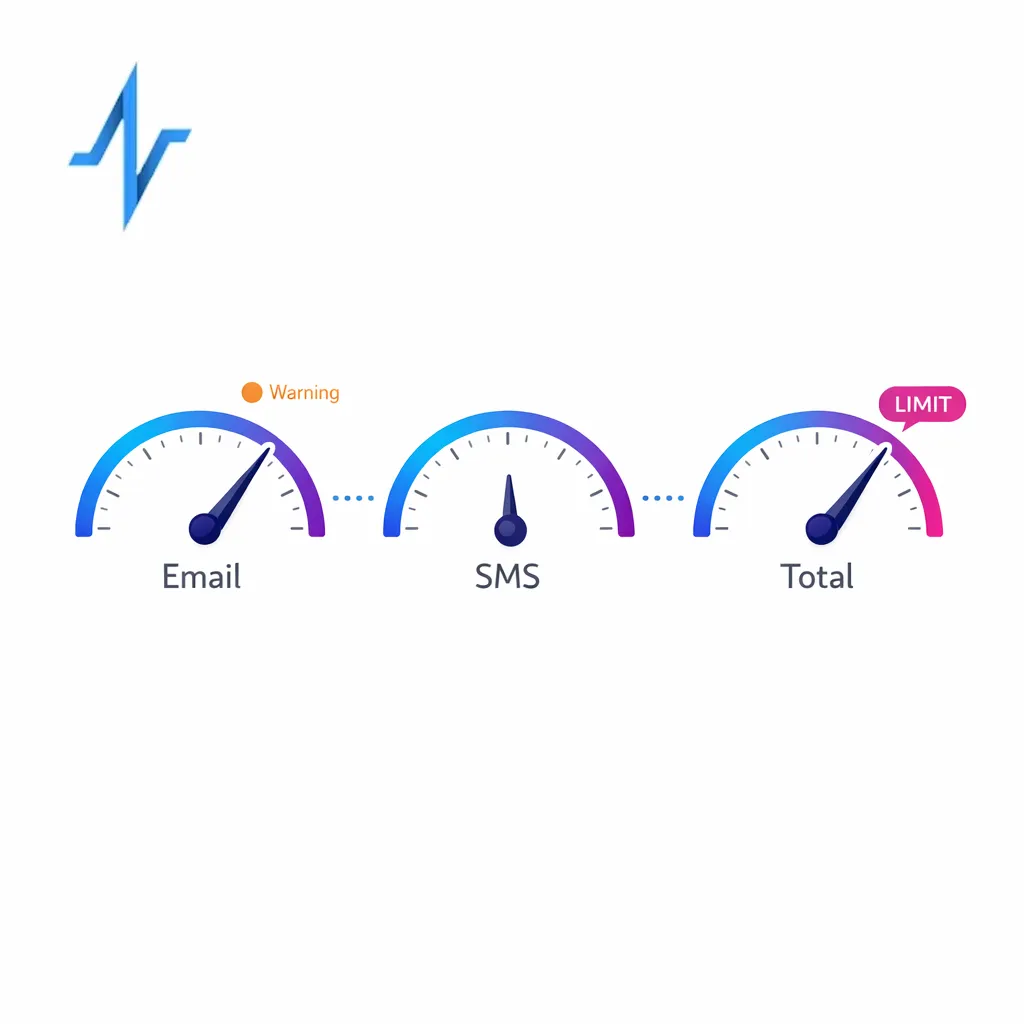
Activation is the handoff to channels: CRM tasks for field teams, triggered emails, approved site experiences, or routed actions for partner systems. This is where “pharma crm workflows” either reinforce orchestration or quietly break it.
A good activation design answers a simple question: when the orchestration layer makes a decision, can every channel actually carry it out with the right metadata, timing, and suppression behavior?
5) Measurement: closing the loop without creating noise
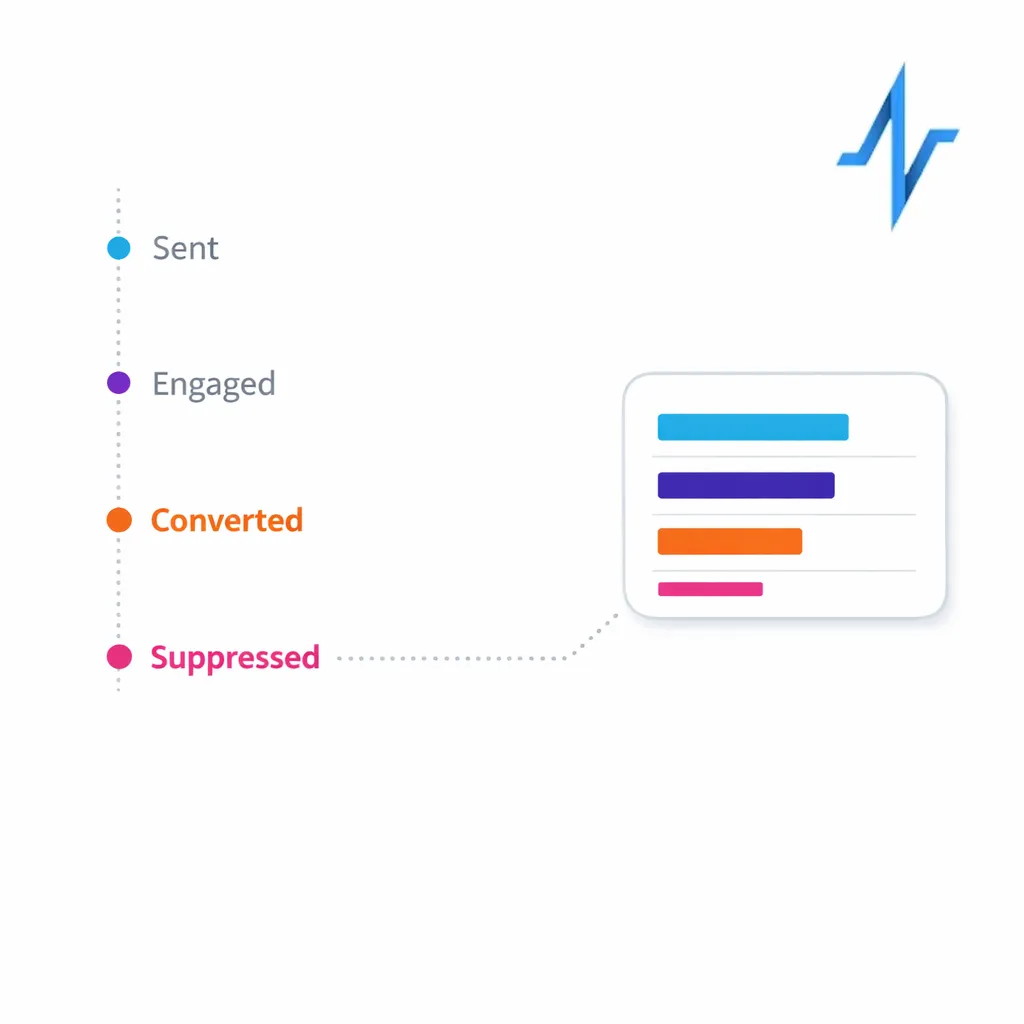
Measurement should capture not only outcomes (engagement, conversion, adherence to sequencing) but also decision quality (how often actions were suppressed, how often caps were hit, how many fallbacks were needed). This helps ops teams tune governance and helps brand teams learn what content and sequences are truly effective.
Building blocks of next best action pharma logic
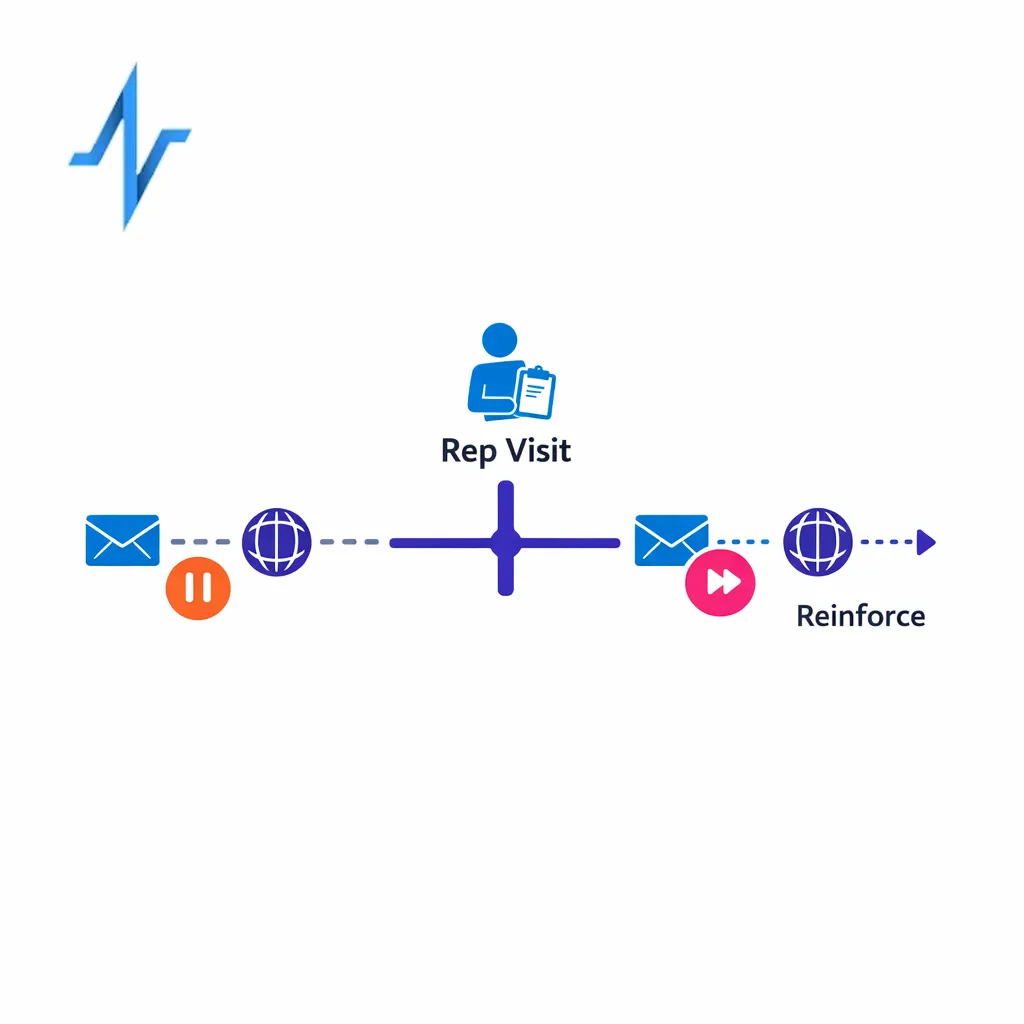
Most orchestration programs fail for a predictable reason: teams jump to complex modeling before they have a crisp decision framework. Start with a simple, governable structure, then add sophistication once the system is stable.
Step 1: Define the eligible action set
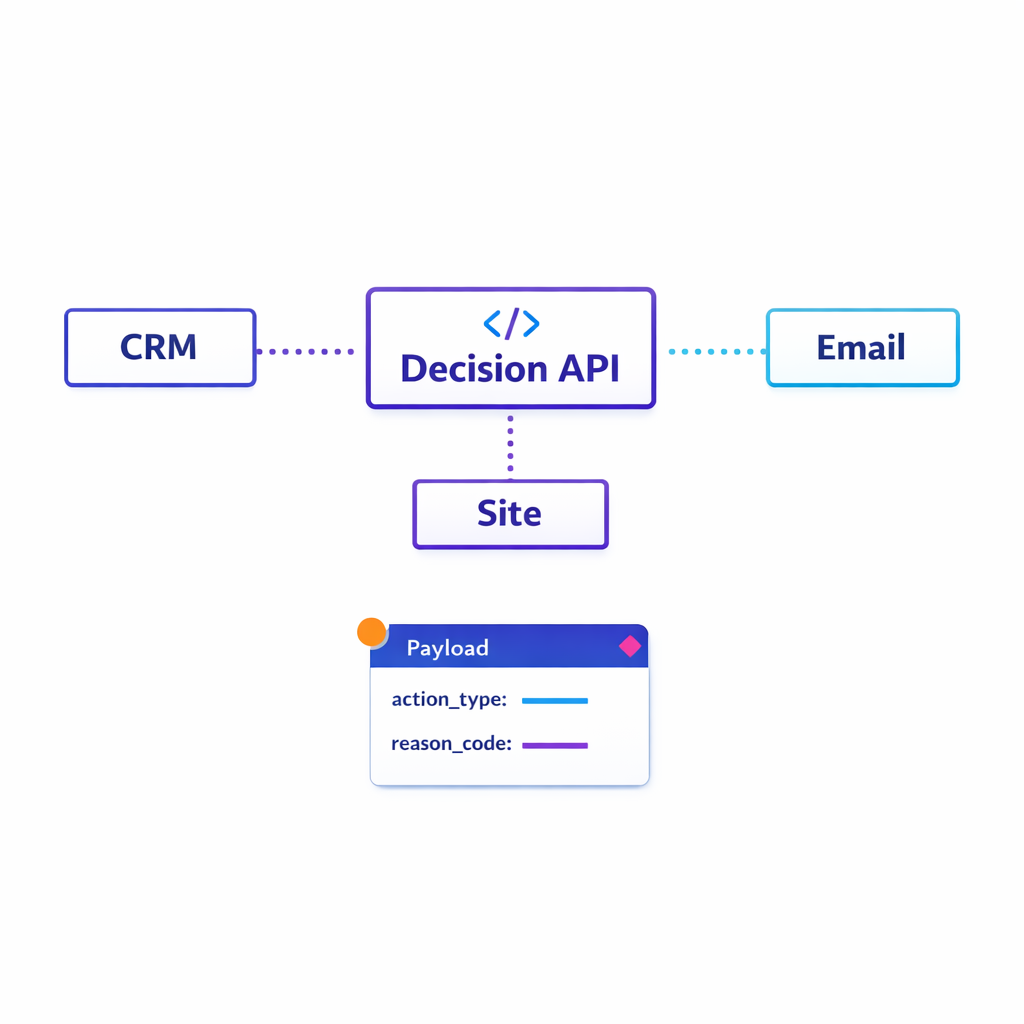
An “action” should be something your systems can execute and your governance model can approve. Create a catalog of actions that includes channel, content, objective, intended audience, and required approvals.
- Promotional actions: branded emails, rep follow-ups tied to a product narrative, speaker program invitations.
- Non-promotional or service actions: education resources, office workflow support materials, patient education/sign-up flows where appropriate.
- Suppress / wait actions: holding actions are real actions, and they are often the best choice when caps, preferences, or timing make outreach counterproductive.
Step 2: Encode constraints first (before scoring)
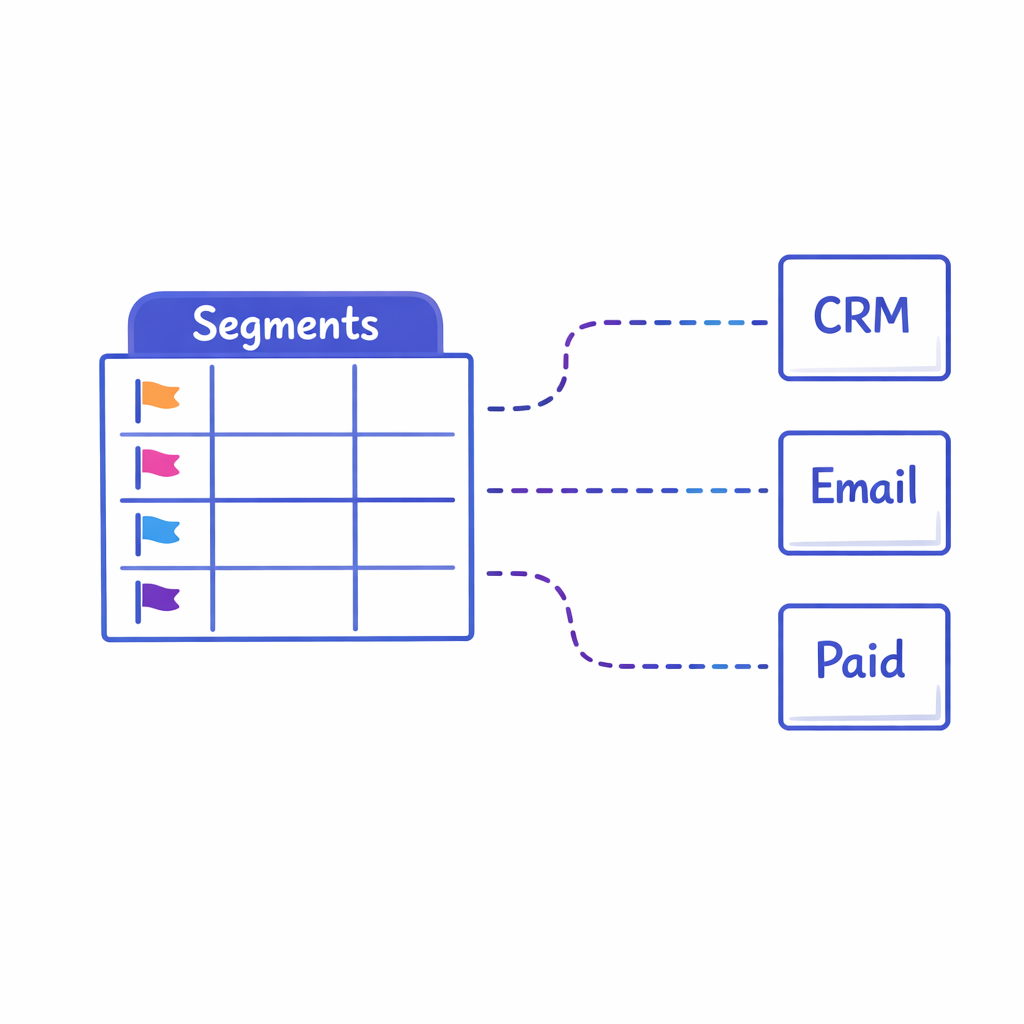
Constraints are the “hard stops” and “must haves” that protect the business and keep engagement coherent. For HCP orchestration, the highest-value constraints are usually channel permissioning, cadence, content eligibility, and field coordination rules.
- Consent and permissioning: only allow actions in channels where you have permission or an appropriate legal basis for outreach.
- Frequency capping pharma: define total touch caps and channel-specific caps to reduce fatigue and protect brand experience.
- Sequence integrity: prevent downstream steps from firing before prerequisite steps occur (or substitute a fallback).
- Field alignment: pause digital outreach around key rep interactions where it would conflict, duplicate, or dilute impact.
Step 3: Apply priorities and business rules
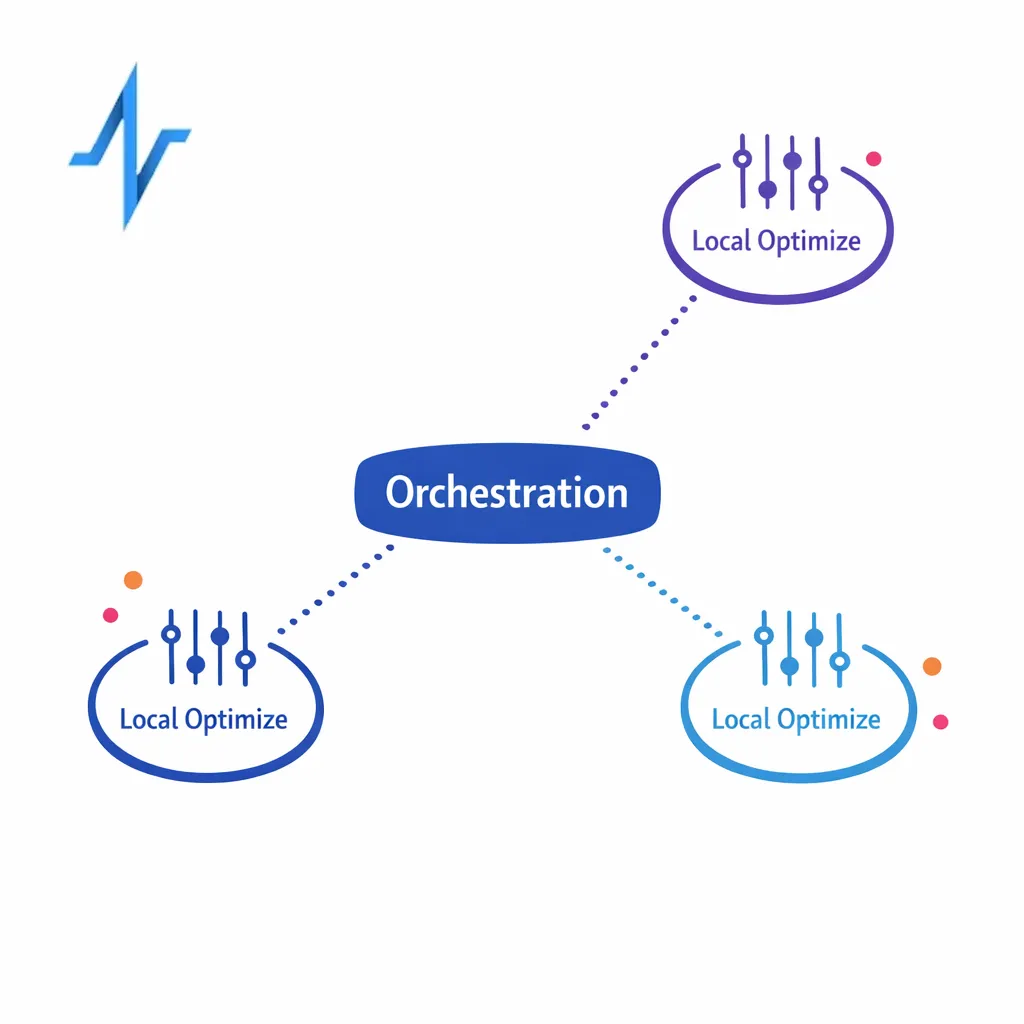
Once constraints are in place, orchestration governance becomes manageable. You can encode brand priorities like “new indications first,” “patient starter support education after initiation,” or “HCP onboarding sequence for newly targeted segments.”
This is also where you define channel sequencing: what should happen first, how long to wait, and when to switch channels if engagement does not occur.
Step 4: Add scoring only where it changes the decision
Predictive scores (propensity, topic interest, channel affinity) are useful when they meaningfully change the selected action or timing. If a score only changes the subject line or micro-creative, you may be better served with simpler rules until measurement maturity improves.
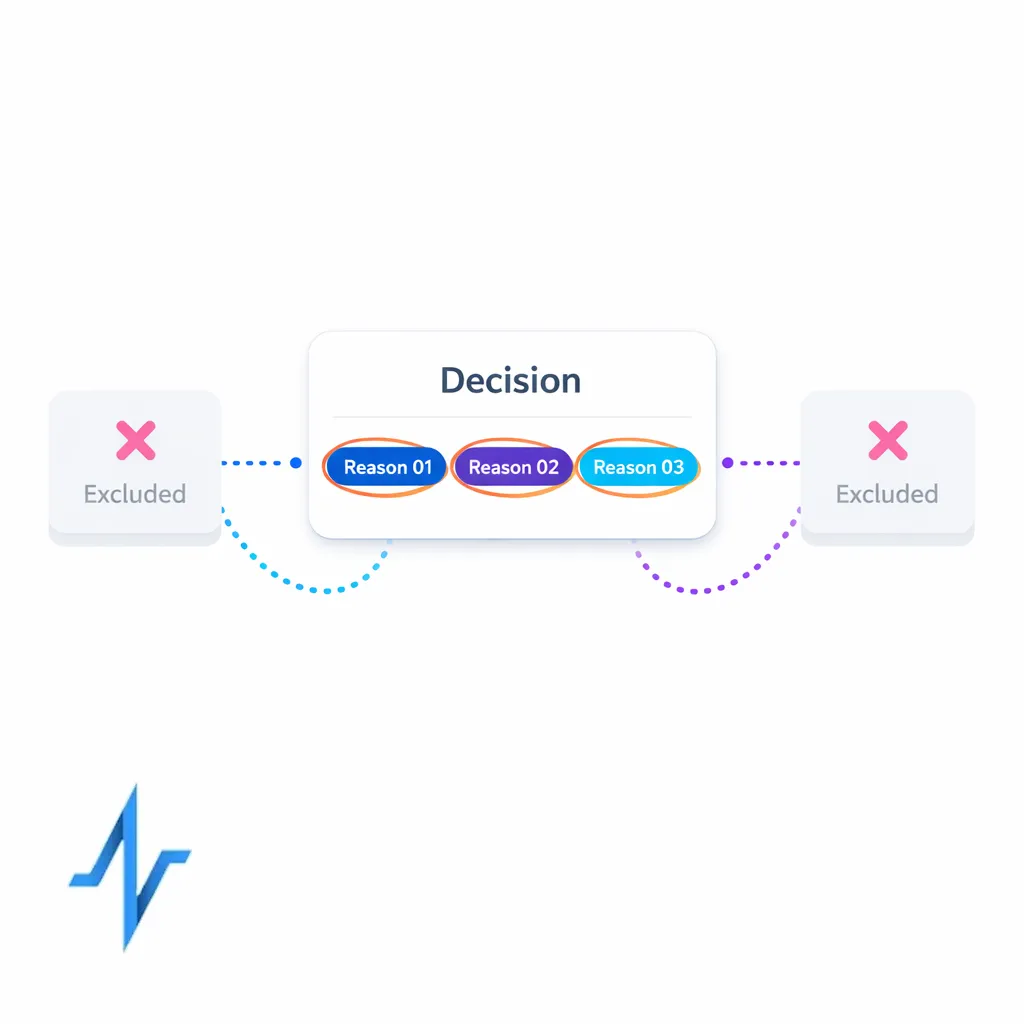
When you do add scoring, keep it interpretable and pair it with reason codes so brand, ops, and MLR can understand how the system behaves.
Compliance-aware orchestration: how to keep NBA practical in a regulated environment
Orchestration does not replace medical, legal, and regulatory review. It operationalizes the decisions that have already been approved, and it ensures approved content is used in approved ways, with consistent guardrails.
Promotional considerations and fair balance
If you are orchestrating promotional messaging, your decision logic should be designed to respect the requirements that apply to prescription drug promotion. For example, certain prescription drug advertising and promotion requirements are codified in 21 CFR 202.1, which is one reason orchestration teams standardize templates, references, and delivery patterns rather than improvising at send time.
Practically, this means you should avoid “dynamic assembly” approaches that introduce unreviewed combinations of claims, visuals, and context. Instead, orchestrate among pre-approved modules and experiences with clear usage rules.
Consent based engagement across email and text
Consent based engagement needs to be operational, not aspirational. For patient or caregiver communications that involve protected health information, teams must account for requirements under the HIPAA Privacy Rule as applicable to covered entities and business associates.
For commercial email, implement opt-out handling, suppression logic, and identity reconciliation consistent with the CAN-SPAM Act compliance guide so that preference changes propagate reliably across systems. For SMS and calling workflows, design your channel policies and recordkeeping around consent expectations described in the FCC’s guidance on unwanted robocalls and texts, including how you manage and honor consumer requests.
Industry expectations for HCP interactions
Orchestration often touches programs that intersect with field and HCP engagement norms, so teams frequently align operational policies with recognized industry standards like the PhRMA Code on Interactions with Health Care Professionals. Even when a specific channel touch is digital, it can still affect the overall tone and appropriateness of engagement.
From an orchestration perspective, this translates into practical controls: caps around invitations, audience eligibility rules, and “cool-down” periods after certain touch types.
Channel sequencing and frequency capping pharma teams can run without chaos

Channel sequencing is the order and timing logic across touchpoints. Frequency capping is the enforcement mechanism that prevents over-contact and keeps journeys from spiraling into spammy behavior when multiple teams activate in parallel.
Start with a small number of “standard plays” that can be reused across indications and segments. Each play should have a clear objective and an explicit stop condition.
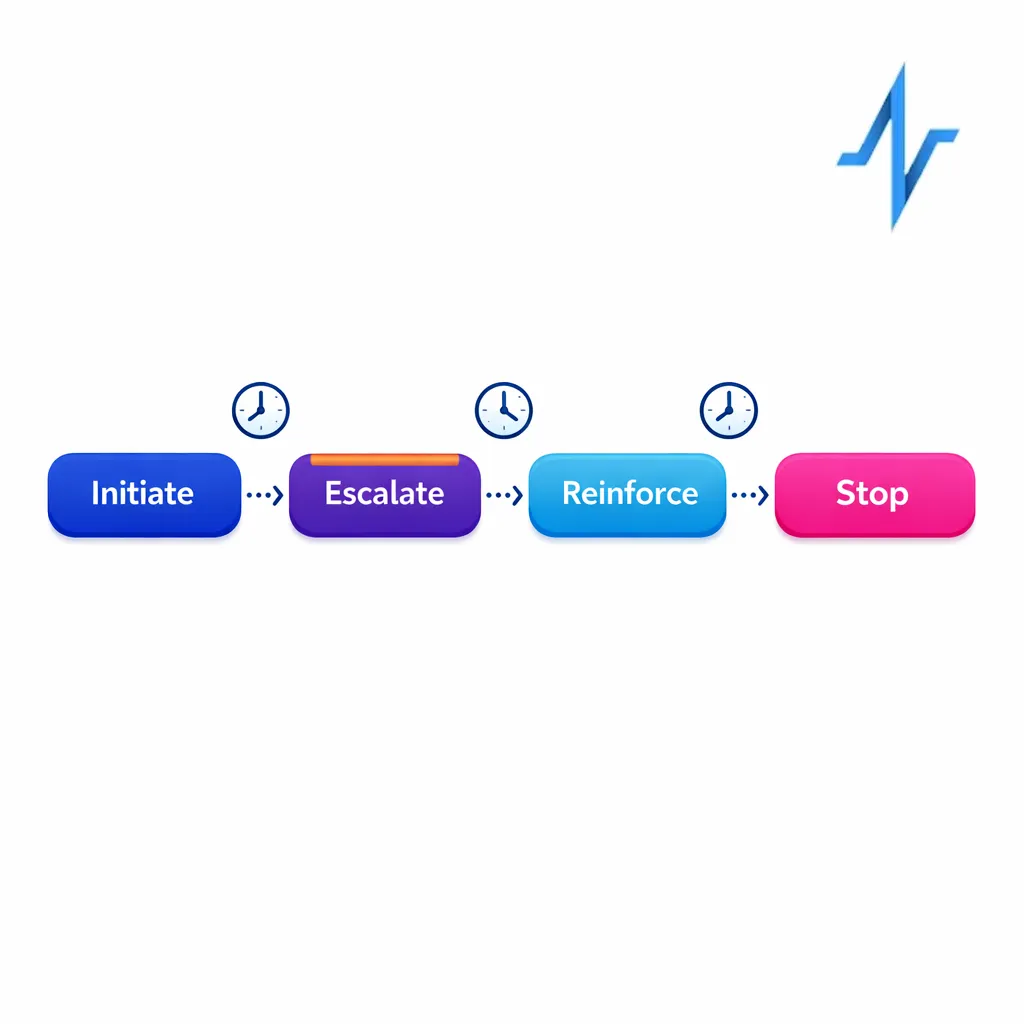
A simple sequencing pattern that works in most brands
- Initiate: deliver the first message in the lowest-friction channel you are permitted to use.
- Escalate: if no meaningful engagement, switch channel or content angle after a defined wait window.
- Reinforce: if engagement occurs, follow with the next logical educational or support step.
- Stop: if the HCP signals disinterest or caps are reached, suppress and reassess later.
How to design frequency caps that reduce noise without killing reach
Good caps reflect both brand strategy and channel realities. They also account for “hidden touches,” such as operational emails or service notifications, so promotional outreach does not collide with high-volume transactional streams.
- Set caps at multiple levels: per channel, per brand, and cross-brand where applicable.
- Differentiate touch types: not every email is equal, so separate promotional, transactional, and educational touches where your governance model supports it.
- Include exception handling: allow critical service communications to bypass promotional caps, while keeping auditability intact.
Signals that improve HCP engagement without overfitting to clicks
Teams often ask which signals they should use for next best action pharma. The better question is: which signals can you govern, interpret, and act on consistently across channels?
High-value signal categories for orchestration
- Recency and cadence: how recently the HCP was contacted and how often they have been contacted in the last 7/30/90 days.
- Meaningful engagement: completion events, repeat visits, form submissions, event attendance, and other high-intent behaviors.
- Field coordination markers: rep visit recency, call outcomes, and “next appointment” windows that inform when digital should pause or reinforce.
- Preference signals: stated preferences, channel opt-outs, and observed channel responsiveness that can guide sequencing.
How to keep signals “decision-ready” for marketing operations pharma teams
Ops teams benefit when signals are defined as reusable, versioned objects rather than ad hoc filters scattered across journeys. Treat signal definitions like products: document them, assign owners, and ensure they have stable logic.
This is also where orchestration governance shows up: if teams cannot agree on what “engaged” means, the decision engine will behave unpredictably across brands and agencies.
Making pharma CRM workflows orchestration-friendly
Even with a strong decision layer, the program will underperform if the CRM and marketing automation systems cannot execute decisions consistently. Orchestration succeeds when downstream systems receive a clear action, can honor suppression and caps, and can feed outcomes back for measurement.
Practical integration patterns
Most organizations land on one of these patterns depending on their stack maturity and operating model.
- Decision-as-a-service: the orchestration engine returns the next action via API to CRM and channel tools, which then execute and log outcomes.
- Centralized audience + triggers: the orchestration layer writes segments, priorities, and trigger flags that downstream tools consume.
- Hybrid: high-stakes decisions are centralized, while lower-stakes optimizations (like minor timing adjustments) remain in-channel.
What to standardize early
Standardization reduces rework and makes multi-brand scaling possible. It also makes vendor integrations and agency collaboration less fragile.
- Action schema: a common set of fields for action type, content ID, channel, urgency, and reason codes.
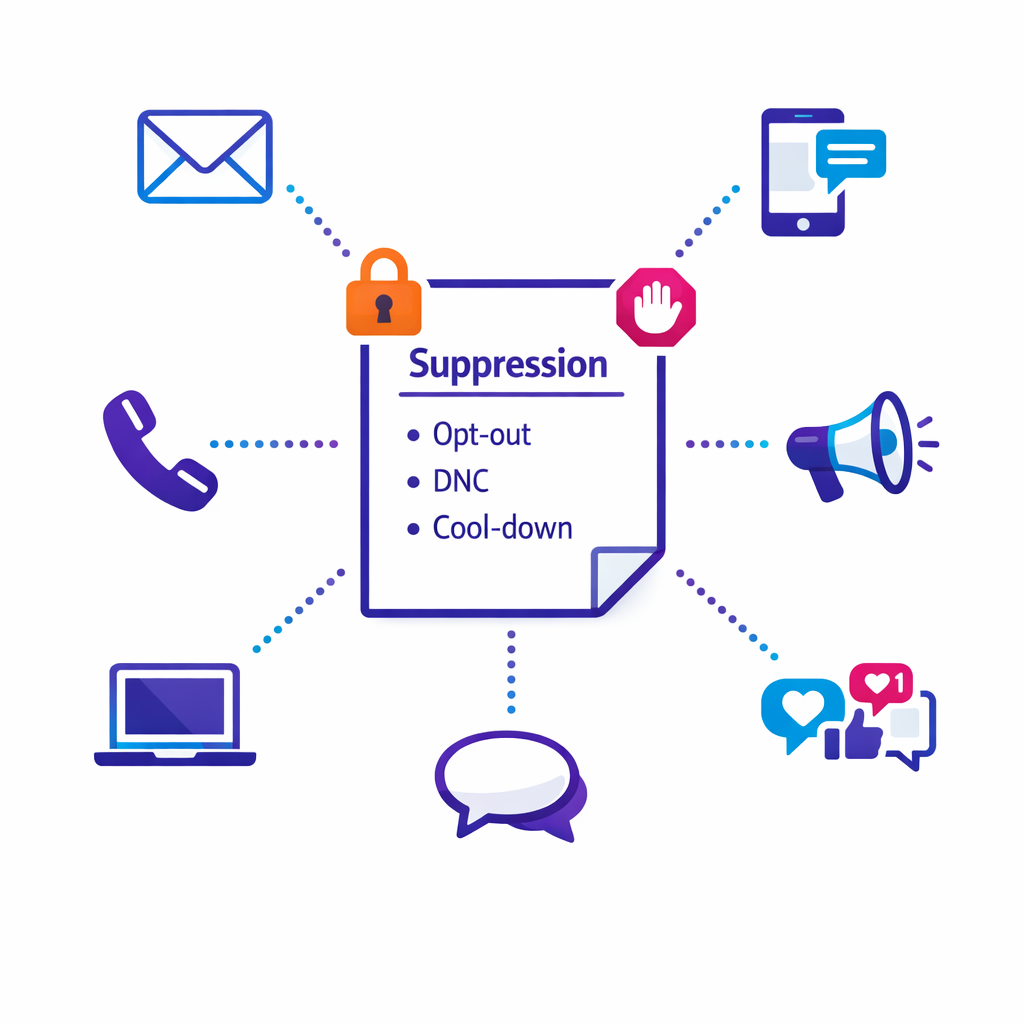
- Suppression contract: a single authoritative way to represent opt-outs, do-not-contact flags, and cool-down periods.
- Outcome logging: consistent event definitions for “sent,” “delivered,” “engaged,” “converted,” and “suppressed.”
Orchestration governance: how to avoid “black box omnichannel”
Governance is the difference between an orchestrated system and a collection of automations. The goal is not bureaucracy. The goal is to make the system predictable, auditable, and easy to improve.
A lightweight governance model that scales
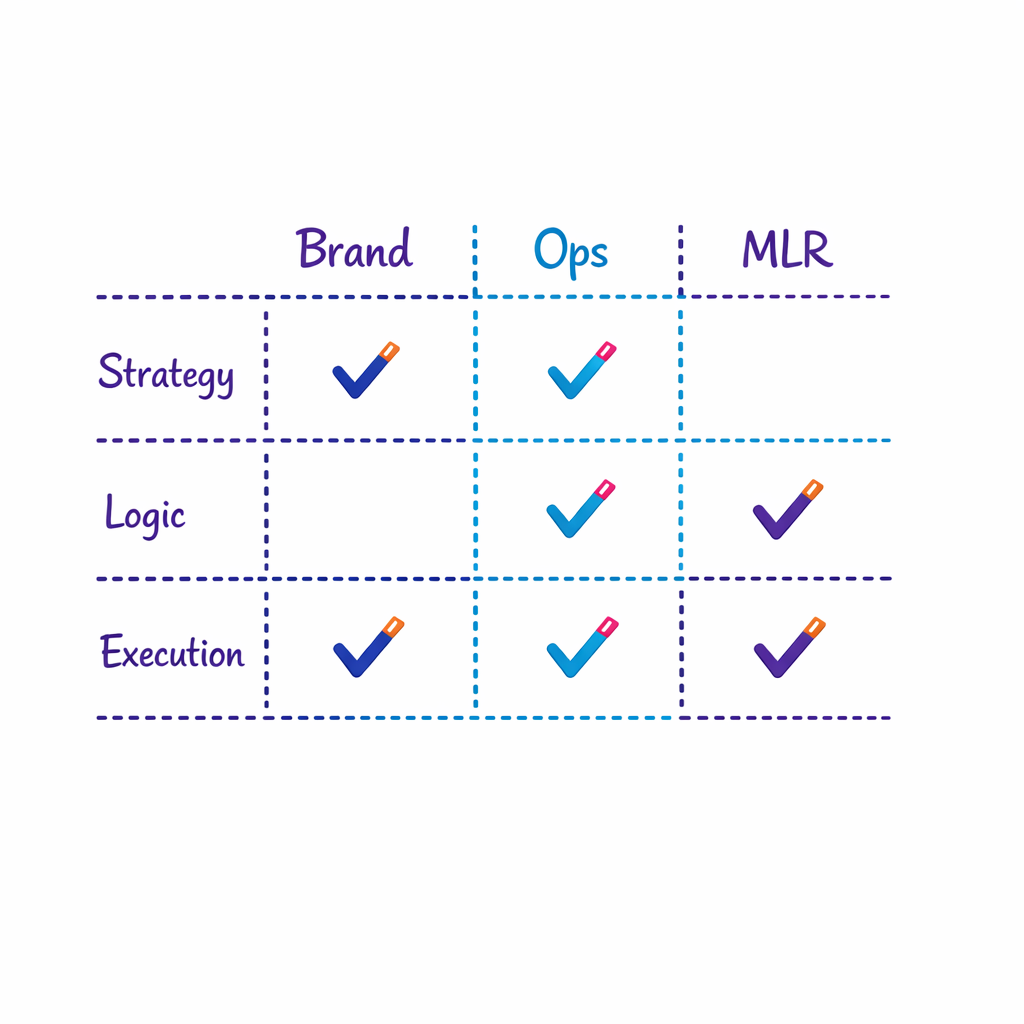
Most teams can move faster by defining ownership at three levels: strategy, decision logic, and execution operations. When these roles are blurred, issues get stuck in meetings and the system drifts.
- Brand and omnichannel leads: define plays, priorities, and success metrics.
- Ops and CRM owners: own the action schema, caps, suppression logic, and operational monitoring.
- MLR and compliance stakeholders: approve content and usage rules, and validate that orchestration behaves within approved boundaries.
Auditability: the “reason code” habit
Reason codes are simple, but they are transformative. If every decision includes a small set of structured explanations, teams can troubleshoot faster, agencies can implement changes with less back-and-forth, and governance conversations shift from opinions to evidence.
Reason codes also help you distinguish between “we chose the wrong action” and “we could not legally or operationally choose the better action,” which are very different problems to solve.
Common mistakes and misconceptions (and what to do instead)
Mistake 1: Treating NBA as a model, not a system
A model score is not a next best action. If you cannot translate the score into an approved action with caps, sequencing, and suppression, the score becomes another dashboard metric that does not change behavior.
Do instead: define a small action catalog, implement constraints, and only then decide where scoring adds value.
Mistake 2: Letting every channel run its own “journey”
When email, media, field, and web each run separate automation logic, you get accidental over-contact, conflicting messages, and measurement that cannot attribute outcomes cleanly.
Do instead: centralize the decision and publish a single suppression and capping contract that every channel must honor.
Mistake 3: Confusing activity volume with orchestration maturity
More touches and more triggers can look like progress, but they can also be the fastest way to create fatigue and opt-outs. Mature orchestration often sends fewer messages, but with better timing and cleaner sequencing.
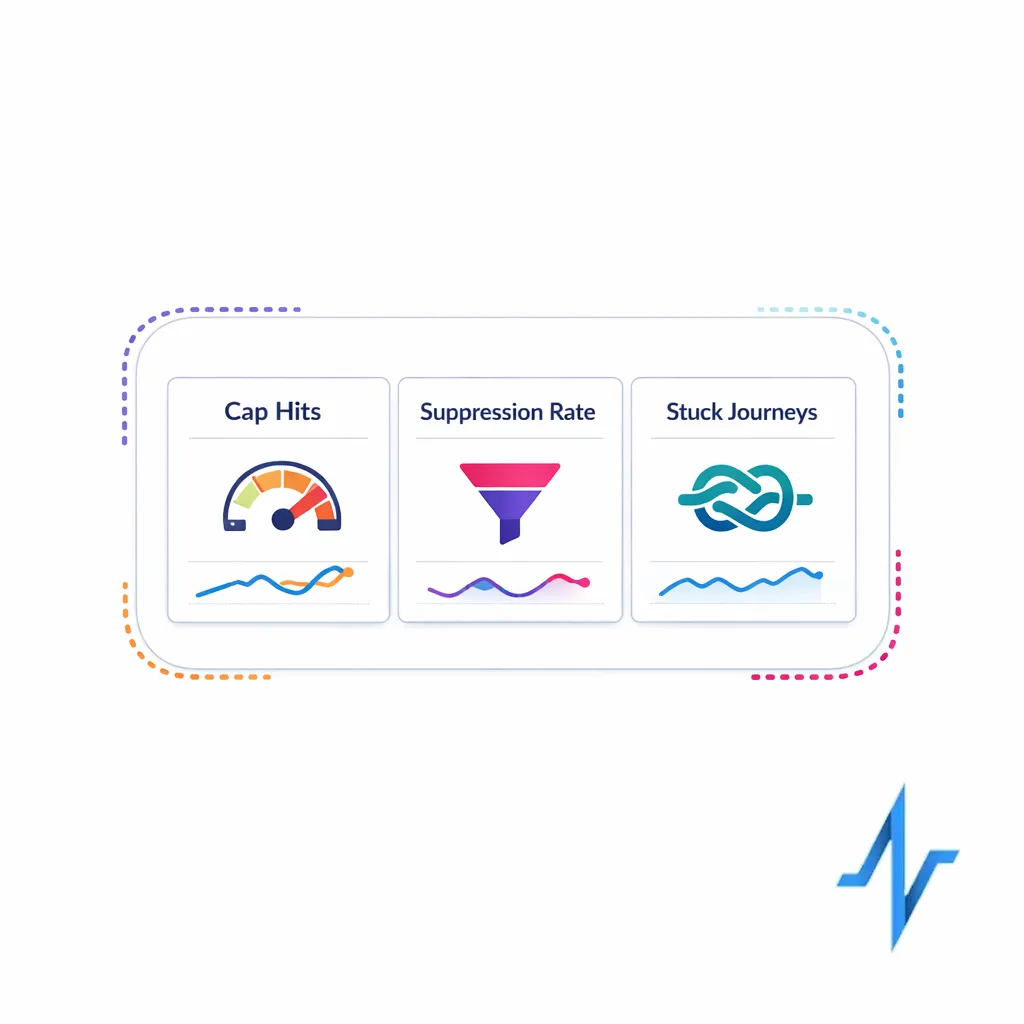
Do instead: track cap hits, suppression rates, and “no-action” decisions as first-class metrics of system health.
Mistake 4: Over-optimizing to easy-to-measure clicks
If click behavior dominates your decisioning, you will bias the system toward short-term engagement and miss the outcomes the business actually needs. This can also create inconsistent experiences for HCPs who prefer different channels.
Do instead: define a tiered outcome model that includes deeper engagement and downstream behaviors, and use experimentation to validate that sequencing changes outcomes, not just metrics.
How to get started: a 90-day path to a working orchestration pilot
You do not need a perfect enterprise architecture to launch. You need a bounded use case, clear governance, and a measurable definition of success.
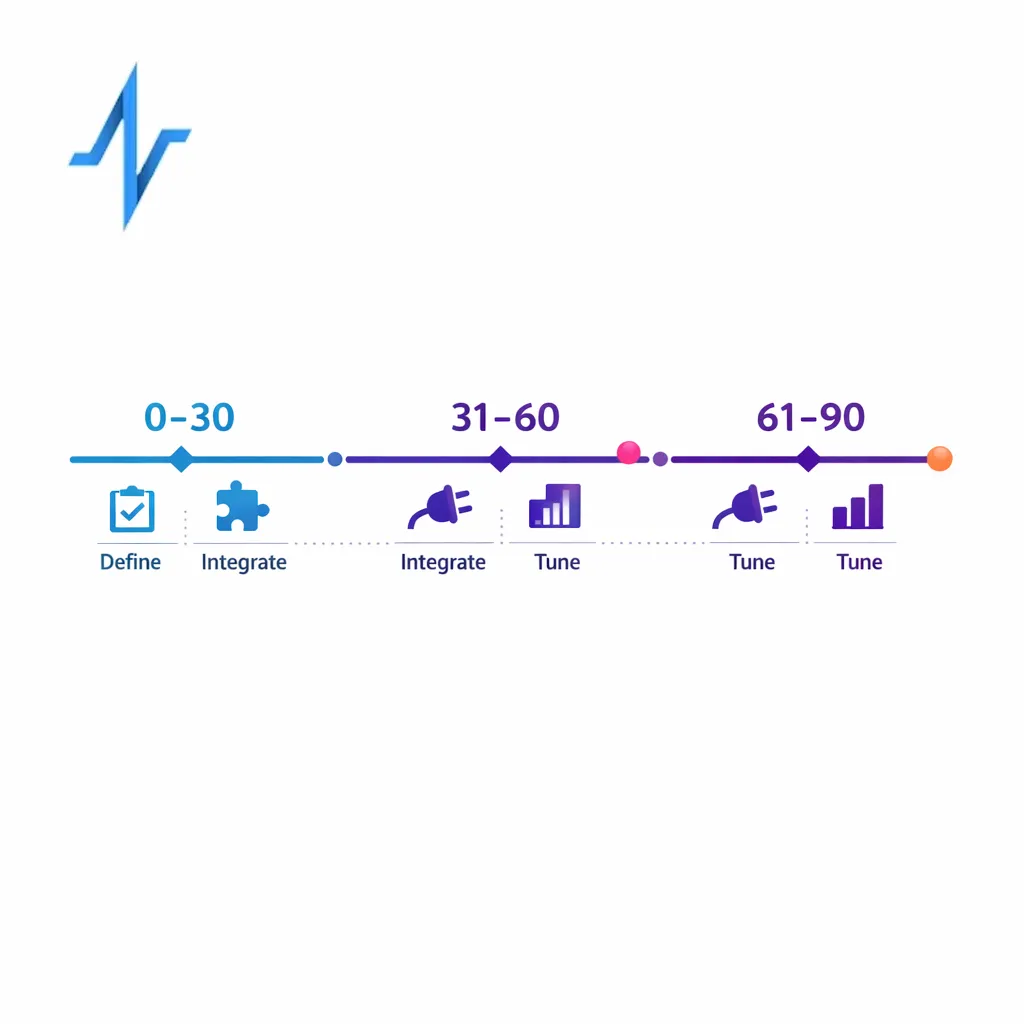
Days 0–30: pick a use case and make it governable
- Choose one journey: for example, an HCP onboarding sequence, a post-rep-visit reinforcement flow, or a patient education/sign-up pathway tied to a service objective.
- Define actions: 5–10 executable actions plus at least one suppression action.
- Define caps: simple, conservative caps that protect experience.
- Define success: pick 2–3 outcomes that matter and can be measured with available data.
Days 31–60: implement decision logic and integrate activation
- Build constraints first: consent, opt-outs, cadence, and eligibility.
- Implement sequencing: one to two standard plays with clear wait windows and fallback logic.
- Connect to channels: ensure CRM and marketing automation can execute actions and honor suppression.
- Instrument outcomes: log sent/suppressed/engaged events consistently.
Days 61–90: measure, tune, and formalize governance
- Review reason codes: identify where constraints are blocking desired actions and decide whether policy or design should change.
- Run a simple test: compare orchestrated sequencing versus a baseline to validate lift and operational impact.
- Document playbooks: action catalog, caps, signal definitions, and change control process.
- Plan scaling: decide what becomes a reusable enterprise pattern versus a brand-specific exception.
What to do next: an implementation checklist for brand, ops, and CRM owners
Use this checklist to align stakeholders and reduce rework before you build. It is designed to be practical for marketing operations pharma teams and implementable in real CRM environments.
- Define your “next best action” object: action type, channel, timing, content reference, and reason codes.
- Create an action catalog: list approved, executable actions and the systems that can run them.
- Set frequency caps: total and by channel, plus cool-down rules after key touchpoints.
- Standardize suppression: one authoritative source of opt-outs and do-not-contact logic.
- Agree on signal definitions: what counts as meaningful engagement and what is noise.
- Design channel sequencing: 1–2 plays with explicit wait windows and stop conditions.
- Coordinate with field: define when digital reinforces, pauses, or escalates to rep follow-up.
- Operational monitoring: dashboards or reports for cap hits, suppression rates, and stuck journeys.
- Measurement plan: outcomes, baseline, and a test approach that your org can run.
- Governance process: ownership, change control, and how updates get reviewed and released.
Request a Demo to operationalize next-best-action orchestration with Pulse Health
If your team is ready to move from static HCP journey mapping to real-time omnichannel decisioning, a purpose-built orchestration layer can help you standardize actions, enforce frequency caps, and turn engagement signals into consistent CRM and channel execution. Pulse Health is built for teams who need practical orchestration that respects governance and integrates into how brand, ops, and agencies actually work.
If you are earlier in the process, use the checklist above to clarify requirements, then come prepared to discuss: which use case you will pilot first, which channels you need to coordinate, and how you will measure lift and operational efficiency. You can also ask to see how teams typically approach “Explore Integrations,” “See How It Works,” or “Get the Platform Overview” as part of an orchestration evaluation.